This is the gentler of our two Kenya safaris. It gives the Maasai Mara the time it deserves, then swaps the second park for Lake Naivasha, which is a lake rather than a game reserve and asks nothing of you. The week ends with a genuine rest day in Nairobi rather than a scramble to the airport. Here is what actually matters before you book.
What the seven days cover
Two nights in Nairobi at the start, two in a tented camp inside the Maasai Mara, one at Lake Naivasha, and a final night back in Nairobi. One long drive out, one shorter drive back. Sleeping inside the reserve is the part that matters most: it buys you first and last light, which is when the cats move.
The Maasai Mara, and the migration question
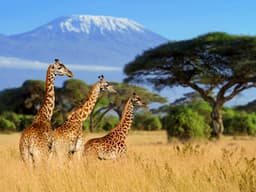
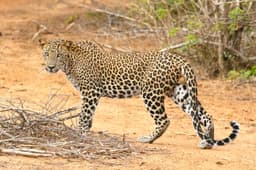
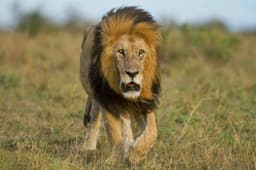
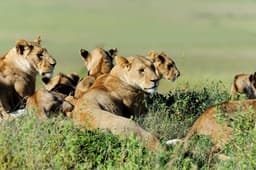
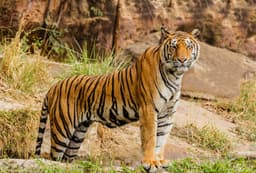
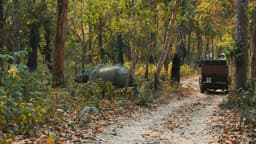
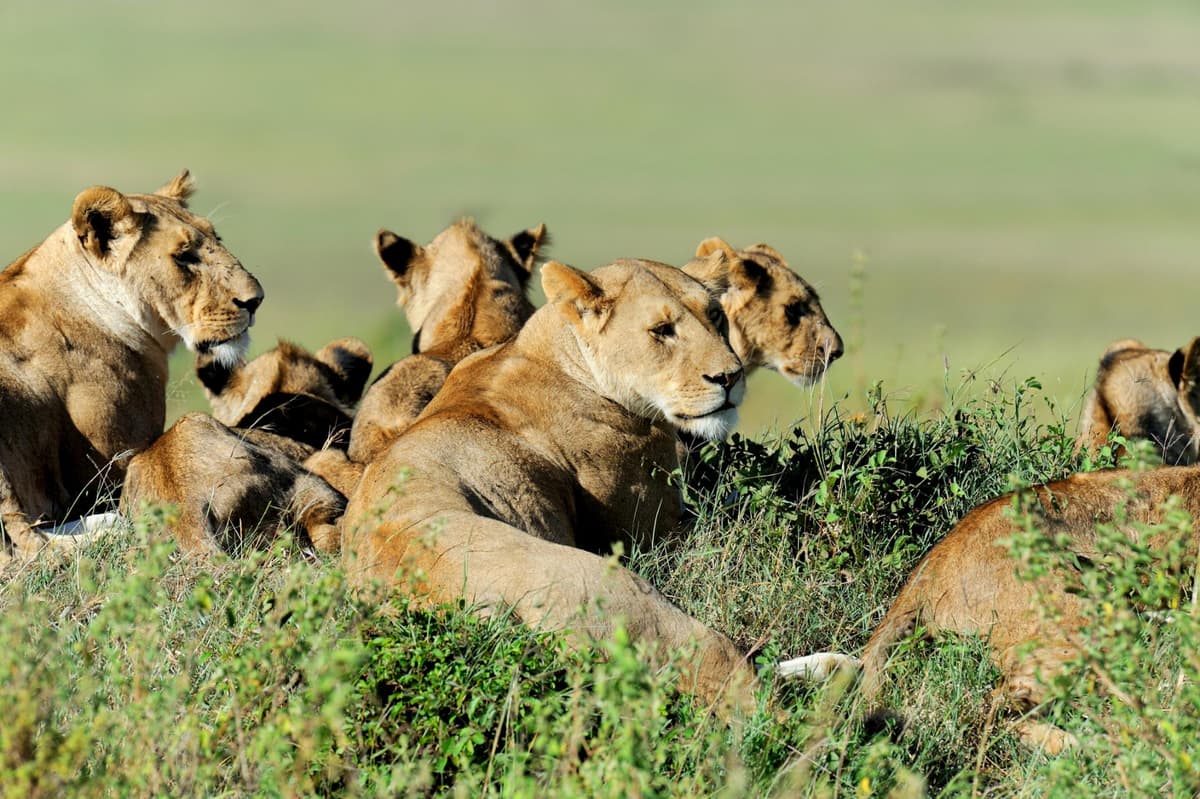
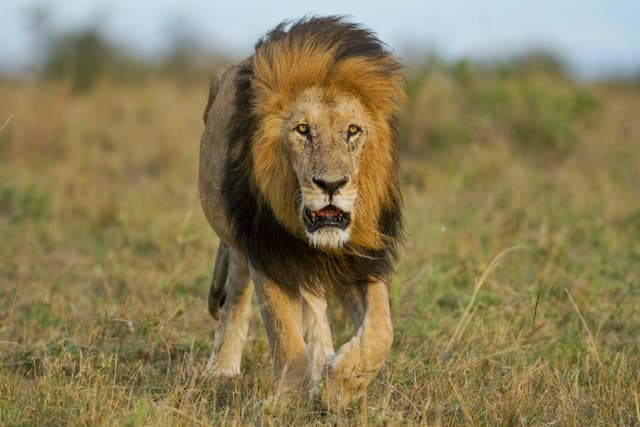
The Mara is big cat country and it works all year, because the resident lion, cheetah, elephant and buffalo do not leave.
The wildebeest migration is separate. The herds are in the Mara roughly July to October, and the Mara River crossings run mostly from mid July through October, peaking in August and September. Crossings depend on rainfall, grazing and the mood of the herd, so they may happen on any given day or not at all across a three day stay. Nobody can guarantee one, and any operator who does is overselling. The calving season people sometimes ask about happens in Tanzania, not Kenya.
Lake Naivasha, and the hippos
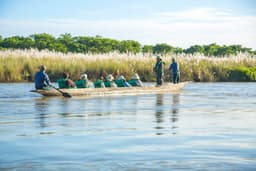
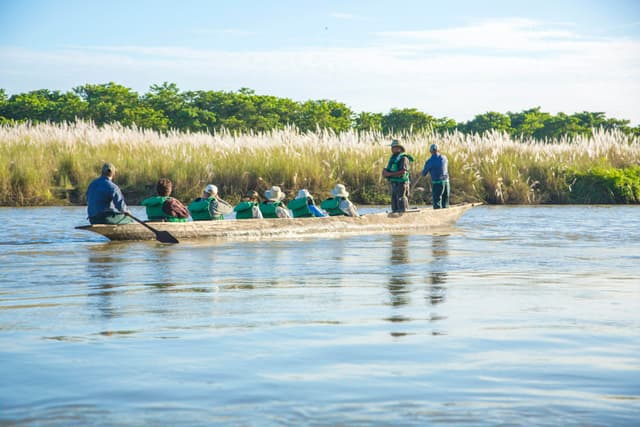
Naivasha is a freshwater lake in the Rift Valley, an easy contrast to two days of game driving. The boat safari is the signature activity: hippos, pelicans, cormorants and fish eagles, with giraffe and waterbuck along the shoreline.
Take the hippo safety seriously. The lake holds well over a thousand hippos and they are the most dangerous large animal in Africa. Fatalities happen most years, usually to fishermen in small canoes rather than tourists in licensed motorboats, but visitors have been hurt, and almost always when approaching a hippo on foot along the shore for a photograph. Wear the life jacket, stay seated and inside the boat, never walk the lakeshore at dusk or after dark when hippos come ashore to graze, and be off the water by early evening.
Crescent Island is the other reason to come. It is a private sanctuary with no big predators, which is exactly why you are allowed to walk there among giraffe, zebra, wildebeest and antelope rather than sitting in a vehicle. You reach it by boat. It charges its own entry, so it sits in the optional list rather than the package, and it is worth adding.
How long the driving actually takes
Nairobi to the Maasai Mara is six to seven hours, not the five you will see quoted elsewhere. The road is tarmac almost the whole way now, but there are potholed stretches, and the final hour and a half to two and a half hours from Narok to the gates is rough, corrugated and dusty. Mara to Naivasha is four to five hours, and Naivasha back to Nairobi is under two.
If the long drive out does not appeal, you can fly into the Mara from Nairobi's Wilson Airport instead, forty five to sixty minutes to the airstrips. Wilson is a different airport from the international one, and light aircraft cap baggage at around fifteen kilos per person including hand luggage, soft bags only. Ask us to price it as an upgrade.
Entry: the eTA, and only the official site
Kenya replaced visas with an electronic Travel Authorisation and Nepali passport holders still need one. The exemptions granted in 2025 covered African and Caribbean nationals, not Nepal, so ignore any headline claiming Kenya is visa free now.
Apply at the official portal, etakenya.go.ke, and nowhere else. Copycat sites charge several times the real fee. Processing is normally around three working days, so apply at least a week ahead. It is single entry and valid for travel within ninety days of issue, and you need a passport valid more than six months with a blank page, a photo, an itinerary and an accommodation confirmation, which we supply.
Health: start this weeks ahead
Yellow fever. Kenya requires a certificate from anyone arriving from a yellow fever endemic country. Nepal is not endemic, so a routing through Doha, Dubai or Bangkok does not trigger it. The common connection through Addis Ababa does. If your ticket transits Ethiopia, carry the certificate. Our advice is to get vaccinated regardless: one dose, and the certificate is valid for life rather than ten years, so the argument never comes up.
Malaria. Nairobi sits high enough that risk is negligible, but the Maasai Mara is a real transmission zone year round. The standard advice for this itinerary is prophylaxis for the whole trip plus bite avoidance: repellent, long sleeves at dawn and dusk, and the net over the bed. Which tablets suit you is a doctor's call, so visit a travel clinic in Kathmandu three to four weeks before departure, not the week of.
Rules inside the parks
Kenya Wildlife Service parks are cashless, with entry paid online in advance and no cash accepted at gates, so this is arranged for you. Maasai Mara fees are set by Narok County and change by season, a system in force since January 2024. Kenya Wildlife Service park fees were revised upward in October 2025. Your package covers them.
One rule that causes disputes: the Maasai Mara ticket runs on a twelve hour validity rather than a rolling twenty four hours, and guests sleeping inside the reserve are expected out by mid morning or another full day is charged. The itinerary is built around that.
Drones are effectively off limits. A visitor needs a civil aviation permit obtained before arrival, and even then drones are banned inside national parks and reserves without a separate film permit. Penalties are heavy and the aircraft is confiscated. Leave it at home. Kenya also bans plastic carrier bags nationwide and single use plastics inside all protected areas, so bring a reusable bottle and check your luggage before packing.
Photography, tipping and money
Photograph the wildlife freely. Photograph people only with permission. Pointing a camera at Maasai individuals without asking is rude and usually attracts an expected payment; an organised village visit carries its own fee that covers photography inside. Never photograph government buildings, police or airports anywhere in Kenya.
Tipping is customary and worth budgeting for rather than being surprised by: roughly ten to twenty US dollars per guest per day for your driver guide, and five to ten per guest per day into the camp staff box, given at the end in an envelope. Across a week that is a real number.
Kenya runs on M-Pesa and a local SIM is genuinely useful. Registration requires your passport and can be done at the airport on arrival. US dollars are accepted for tips and extras, but bring clean recent notes, because old series dollars are often refused.
Safety, honestly
Nairobi, the Mara and Naivasha all sit well outside the areas any government advisory restricts, which are the Somali border counties and the far north.
In Nairobi the real risk is opportunist theft: phone and bag snatching, sometimes from motorbikes, sometimes through a car window in traffic. Keep your phone out of sight, use hotel or operator transport rather than hailing on the street, and avoid moving around after dark. Demonstrations have been frequent through 2025 and 2026 and occasionally close major roads, so a transfer may be re-timed.
Medical facilities outside the main cities are limited and hospitals expect payment before treatment, so travel insurance with medical evacuation cover is not optional on safari. Flying doctor cover is the standard local product and we can arrange it with your booking.
Who this trip suits
Travellers who want the Mara properly but not a week of driving, and who like the idea of finishing with a boat, a walk and a day off. It suits families and first time safari goers particularly well, because the second half is genuinely restful. If you would rather trade Naivasha for a second park with rhino, our Lake Nakuru itinerary does exactly that.
This trip is part of our Kenya tour package from Nepal collection.