



















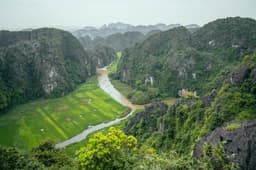

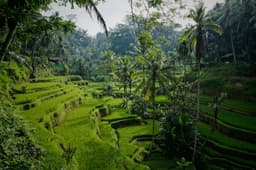

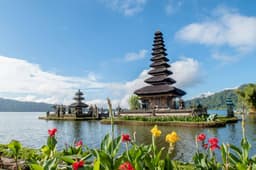





















Kenya has no bad season, only different ones. You can go on safari, lie on a beach or chase the Great Migration in almost any month, but the experience swings hugely between the dry plains of August and the green, rain washed hills of April. Pick the wrong month for what you want and you can miss the herds, pay double, or watch the coast through a curtain of rain. This guide breaks the whole year down so you get the trip you are picturing.
For the full plan see our Kenya travel guide, and for the wildlife spectacle itself read the Masai Mara safari guide.
When is the best time to visit Kenya?
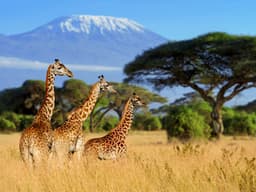
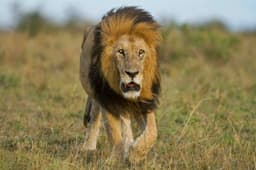
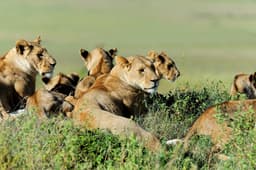
The short answer is late June to October. This long dry season is the sweet spot for most travellers: rainfall is low, the bush thins out so animals are easy to spot, wildlife concentrates around shrinking waterholes, and the Great Migration pours into the Masai Mara. It is also peak season, so book early and expect company at the big sightings.
Kenya straddles the equator, so it does not have hot and cold seasons in the way Europe or North America does. Instead the year is shaped by two rainy spells: the long rains from about April to May, and the short rains in November and early December. Everything else follows the water.
| Season | Months | Weather | Best for |
|---|---|---|---|
| Long dry season | Jun to Oct | Dry, mild, dusty | Safari and the Great Migration |
| Short rains | Nov to Dec | Brief afternoon showers | Green scenery, birding, fewer crowds |
| Short dry season | Jan to Mar | Hot and dry | Big cats, calving, warm coast |
| Long rains | Apr to May | Heavier, longer rain | Lowest prices, lush landscapes |
When can you see the Great Migration in the Masai Mara?
The wildebeest herds are usually in the Masai Mara between July and October. The famous Mara River crossings, where more than a million animals brave the crocodiles, are most likely from late July through September. Timing shifts each year with the rains, so treat it as a window rather than a fixed date, and book your lodges months ahead if this is your main reason for coming.
One common myth worth clearing up: the calving season, when hundreds of thousands of wildebeest give birth in a few short weeks, happens far to the south in Tanzania's Serengeti around January and February, not in Kenya. If newborns and predator action are your goal, that is a Serengeti trip.
What is the weather like month by month?
Because Kenya sits on the equator, temperatures are steadier than the seasons suggest. Altitude matters far more than the calendar. Nairobi and the highlands sit around 1,700 metres and stay pleasantly mild, while the coast is hot and humid all year.
| Region | Typical daytime temp | Notes |
|---|---|---|
| Nairobi and highlands | Around 22 to 26 C | Cool evenings, pack a layer |
| Masai Mara and Rift Valley | Around 25 to 28 C | Warm days, genuinely cold on dawn game drives |
| Coast (Mombasa, Diani) | Around 28 to 32 C | Hot and humid all year |
| Amboseli and the south | Around 27 to 30 C | Dry and dusty, clearest Kilimanjaro views in the dry months |
Month by month: a quick guide
If you already have dates in mind, here is what each part of the year feels like on the ground.
- January to February: hot, dry and superb for big cats, with warm, clear days on the coast. A quieter, good value window.
- March: still dry early on, then the long rains build. Prices dip as the season turns.
- April to May: the wettest stretch and the low season. Landscapes are gloriously green, birdlife peaks, and lodge rates fall, but some camps close and a few roads turn to mud.
- June: the rains ease, the bush dries out, and the migration starts nudging north. A sweet spot before peak prices hit.
- July to October: peak safari season and the river crossings. The best wildlife, the highest prices, and the busiest camps.
- November to December: the short rains bring fresh green and excellent birding, with fewer vehicles. Showers are usually short afternoon bursts, and the festive period books up fast.
When is the cheapest time to visit Kenya?
The long rains from April to May are the clear low season. Many safari lodges drop their rates by 30 to 50 percent, and you often have sightings to yourself. The trade off is reliability: expect some short, heavy downpours, greener but occasionally muddy tracks, and a handful of seasonal camps closed for maintenance. Showers here tend to come in sharp bursts rather than all day drizzle, so with a flexible attitude the value is hard to beat.
What is the best time for Kenya's beaches?
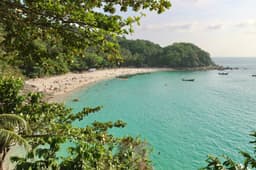
For Diani, Watamu, Mombasa and the wider coast, aim for the drier, cooler months of December to March. The sea is calm and clear, the humidity is bearable, and it pairs beautifully with a January or February safari. Avoid the long rains in April and May, when the coast is at its wettest. Our best beaches in Kenya guide has the details on where to go.
When is the best time for bird watching?
November to April is prime birding. Migratory species arrive from Europe and Asia to join more than 1,000 resident species, and many birds are in bright breeding plumage. It overlaps with the green short rains and long rains, so the scenery is at its lushest too. Lakes Nakuru and Naivasha and the Rift Valley wetlands are the headline spots.
When should you avoid visiting Kenya?
There is no month to truly avoid, but manage expectations for the peak of the long rains in April and May if you want guaranteed dry game drives, and know that July to October combines the best wildlife with the highest prices and the most vehicles. If crowds bother you more than cost, the green shoulder months of November and June are a lovely, quieter compromise.
Once your dates are set, browse our Kenya tour packages for safari itineraries built around the right season.
Best time to visit Kenya FAQ
What is the best month to visit Kenya?
August and September are the classic choice, combining dry weather with the peak of the Great Migration river crossings in the Masai Mara. July and October are almost as good.
What is the rainy season in Kenya?
There are two. The long rains fall from about April to May and the short rains in November and early December. The long rains are the wettest and the low season for safaris.
Is Kenya good to visit all year round?
Yes. Wildlife is present every month, the coast is warm year round, and even the rainy months bring green landscapes, superb birding and lower prices.
When is the cheapest time for a Kenya safari?
April and May, during the long rains, offer the lowest lodge rates, often 30 to 50 percent below peak. Expect some short showers and a few seasonal camp closures in return for the value.
When is the Great Migration in Kenya?
The herds reach the Masai Mara around July and stay through October, with the best river crossing sightings from late July to September.
What is the best time for the Kenyan coast?
December to March, when the sea is calm and skies are clear. It pairs well with a dry season safari in January or February.