


Discovering Dubai: A City of Superlatives
Dubai has transformed from a modest desert trading port into one of the most futuristic cities on earth, and it remains one of the most popular international destinations for Nepali travelers. It offers a rare combination of ultra-modern architecture, luxury shopping, desert adventure, and rich Arabian culture, all within a compact and easy-to-navigate city. Whether it's standing atop the world's tallest building, riding a dune buggy across golden sands, or wandering through centuries-old souks, Dubai delivers an experience that feels both larger-than-life and deeply memorable.
A Quick Look at Dubai
Dubai is one of seven emirates that make up the United Arab Emirates, and while it shares the country's federal laws and culture, it operates with a distinct identity built around trade, tourism, and rapid development. The city is roughly divided into "Old Dubai," centered around Deira and Bur Dubai along the historic Dubai Creek, and "New Dubai," which includes areas like Downtown Dubai, Dubai Marina, and Palm Jumeirah. This contrast between heritage and modernity is part of what makes the city so interesting to explore, since travelers can move between a centuries-old souk and a record-breaking skyscraper within the same afternoon.
Best Time to Visit Dubai
Dubai has a desert climate, with scorching summers from June to September when temperatures regularly cross 40°C, making outdoor activities uncomfortable. The best time to visit is between November and March, when the weather is pleasant, dry, and ideal for sightseeing, desert safaris, and outdoor attractions. This period also coincides with major events and festivals, making it the most popular travel season, so early booking is recommended. Shoulder months like April, May, and October offer a middle ground, with warmer but still manageable temperatures and typically lower hotel rates than peak season.
Top Attractions to Explore
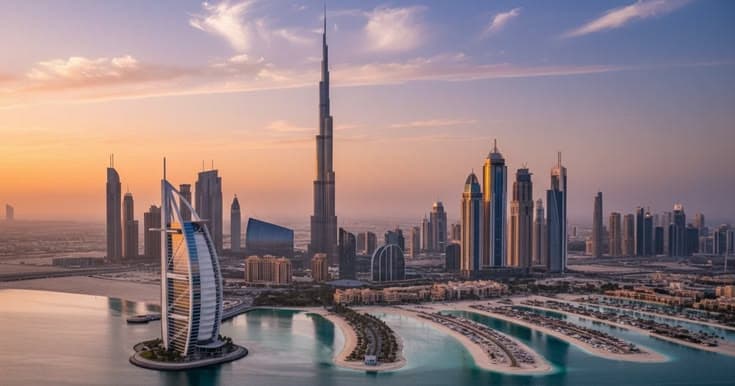
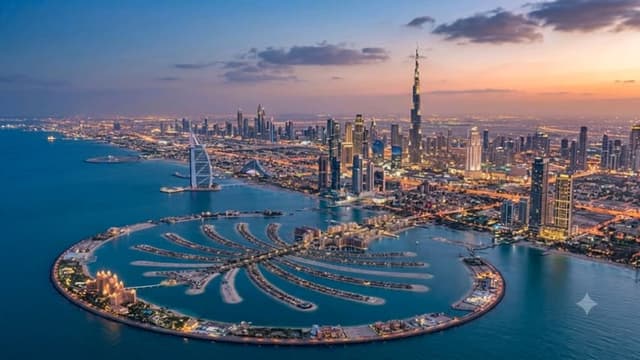
Burj Khalifa, the tallest building in the world, offers observation decks with sweeping views over the city and is one of Dubai's most iconic landmarks.
Dubai Mall, one of the largest shopping malls on the planet, combines retail with entertainment, including an indoor aquarium, ice rink, and the Dubai Fountain show just outside.
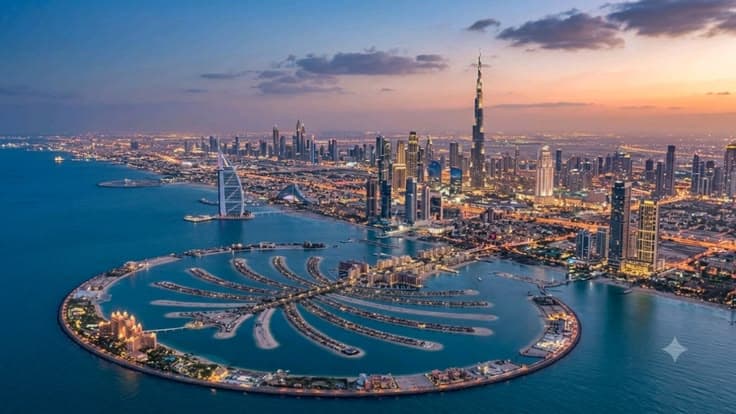
Palm Jumeirah is a man-made archipelago shaped like a palm tree, home to luxury resorts, beach clubs, and the striking Atlantis hotel.
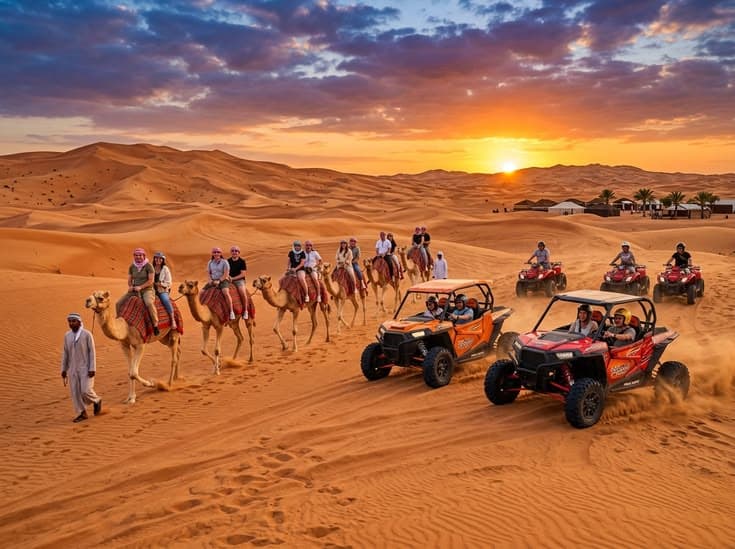
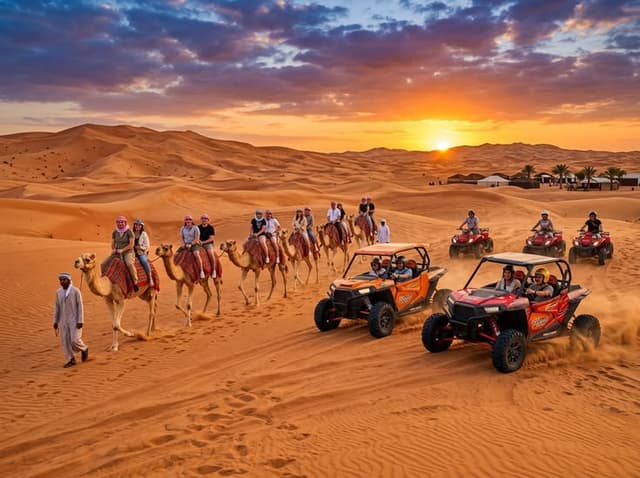
Dubai Desert offers the classic Arabian adventure, with dune bashing, camel rides, and traditional Bedouin-style dinners under the stars at desert camps.
Old Dubai, including the Al Fahidi Historic District and the Gold and Spice Souks, gives travelers a glimpse into the city's trading heritage before the skyscrapers arrived.
Dubai Marina is a lively waterfront district lined with high-rise towers, restaurants, and yachts, popular for evening walks and dhow cruise dinners.
Dubai Frame, a 150-meter picture-frame-shaped structure, offers panoramic views connecting the city's old and new skylines from a single vantage point.
Museum of the Future, one of the city's newest landmarks, is an architecturally striking building showcasing exhibits on innovation, sustainability, and future technology.
Culture and Local Etiquette
Dubai is part of the United Arab Emirates and blends traditional Islamic culture with a highly cosmopolitan, multicultural population, with expatriates making up the majority of residents. While the city is liberal by regional standards, visitors are expected to dress modestly in public places, particularly at religious sites, and be respectful of local customs during Ramadan, when eating and drinking in public during daylight hours is discouraged. Public displays of affection are generally frowned upon, and alcohol is only served in licensed venues such as hotels, bars, and restaurants. English is widely spoken and understood, making it very easy for Nepali travelers to communicate and get around.
Food and Dining in Dubai
Dubai's food scene reflects its multicultural population, offering everything from traditional Emirati dishes to cuisines from across the world. Local specialties worth trying include shawarma, hummus, and machboos, a spiced rice dish often served with meat or fish. The city is also home to a large South Asian expatriate community, so travelers will find familiar options alongside international fine dining. Friday brunches, a Dubai institution, are elaborate multi-course buffets held at hotels across the city and are a popular way to sample a wide range of cuisines in one sitting.
Getting to Dubai from Nepal
Dubai is well connected to Kathmandu with direct flights operated by major airlines, making it one of the more convenient long-haul international destinations for Nepali travelers. Flight time is typically around five to six hours, and the frequency of direct connections makes it easy to plan trips of varying lengths.
Getting Around Dubai
Dubai has a well-developed and efficient transport network, making it easy to explore even for first-time visitors. The Dubai Metro connects many of the city's major attractions and is a convenient, affordable option, while taxis and ride-hailing apps are widely available and reasonably priced. Most tour packages include private transfers between attractions, which is especially useful given the distances between areas like Downtown Dubai, the Marina, and the desert camps outside the city.
Visa Requirements for Nepali Travelers
Nepali citizens require a visa to enter the UAE, which is typically arranged in advance as part of a tour package. Visa types and validity periods can vary, so it's best to confirm current requirements and processing times before booking. Working with an experienced tour operator ensures the visa documentation is handled correctly and on time.
Things to Do in Dubai
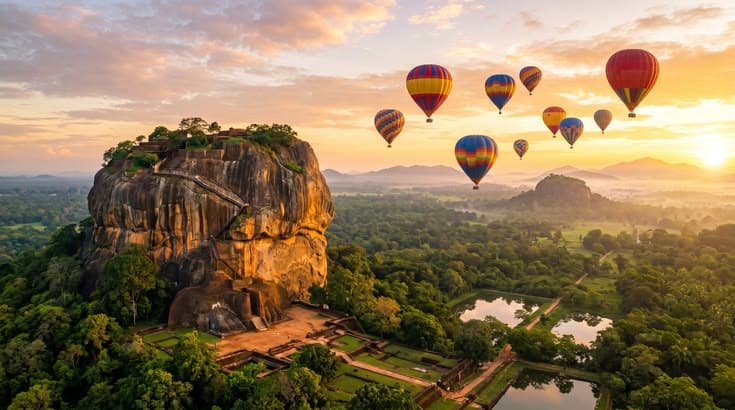
Beyond the iconic landmarks, Dubai offers a wide range of experiences for different kinds of travelers. Adventure seekers can try skydiving over Palm Jumeirah, skiing at an indoor snow park, or ziplining through the Marina district. Families often enjoy theme parks like IMG Worlds of Adventure and Legoland, while those looking for a more relaxed pace can spend time on Dubai's public beaches like Jumeirah Beach and Kite Beach. An evening dhow cruise with dinner is a popular way to see the skyline lit up at night. For a different perspective on the city, hot air balloon rides over the desert at sunrise offer sweeping views of the dunes before the day's heat sets in.
Shopping in Dubai
Shopping is one of Dubai's biggest draws, ranging from massive modern malls to traditional markets. Beyond Dubai Mall, the Mall of the Emirates is known for its indoor ski slope and high-end retail, while the Gold Souk in Deira offers row after row of jewelry shops selling gold at competitive rates. The Dubai Shopping Festival, usually held in winter, brings citywide discounts, entertainment, and fireworks, making it a popular time for shopping-focused visits.
A Popular Choice for Families, Couples, and Groups
Dubai's mix of family-friendly theme parks, luxury honeymoon resorts, and vibrant nightlife makes it a versatile destination suited to nearly any type of traveler. Couples are drawn to the city's upscale beach resorts and fine dining, families appreciate the abundance of theme parks and structured activities, and groups of friends often gravitate toward the adventure sports and nightlife scattered across the Marina and Downtown areas.
Why Visit Dubai with a Curated Tour Package
Dubai's attractions are spread across a large, fast-moving city, and many of its best experiences, like desert safaris and dhow cruises, require advance booking and coordination. A well-structured tour package designed for Nepali travelers takes care of visas, transfers, and activity bookings, combining the city's top landmarks with its cultural and desert experiences into one seamless trip.