A Kenyan safari is the most expensive holiday most people ever book and the one where the difference between a good operator and a bad one shows fastest. This guide covers what actually decides whether the week works: when the animals are where, how long the drives really take, what the entry rules are now, and the health steps you need to start weeks before you fly.
What the seven days cover
Two nights in Nairobi at either end, one night at Lake Nakuru and two in the Maasai Mara, with the long Rift Valley drive in between. You sleep inside both parks rather than outside the gates, which matters more than it sounds: it buys you the first and last light of the day, which is when the animals move.
Lake Nakuru: come for the rhino, not the flamingos
This is the one thing almost every Kenya page still gets wrong, so it is worth saying clearly.
Lake Nakuru was world famous for flocks of lesser flamingos numbering in the hundreds of thousands. Since around 2010 the lake's water level has risen sharply, roughly doubling its area, which diluted the alkalinity that grows the algae the flamingos feed on. The birds largely moved on, mainly to Lake Bogoria. Flamingos are still seen at Nakuru in varying numbers and there are signs of partial recovery in the shallows, but nobody can promise you the pink wall of birds from the old photographs.
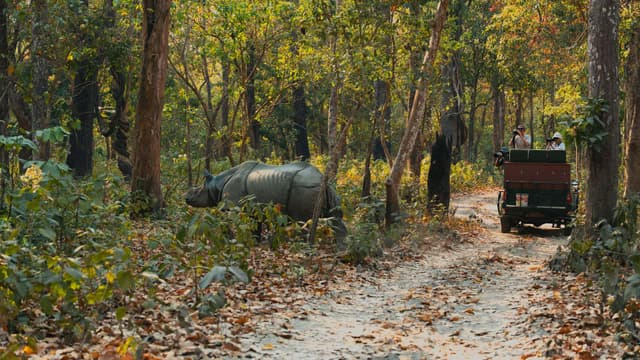
What Nakuru genuinely is today is one of Kenya's best rhino parks. It is a fenced sanctuary holding both black and white rhino, and your odds of seeing rhino here are better than almost anywhere else in the country. Add endangered Rothschild's giraffe, lion, buffalo, waterbuck, and over four hundred bird species with pelicans and fish eagles on the water. Baboon Cliff gives you the view down over the lake.
The Maasai Mara, and the migration question
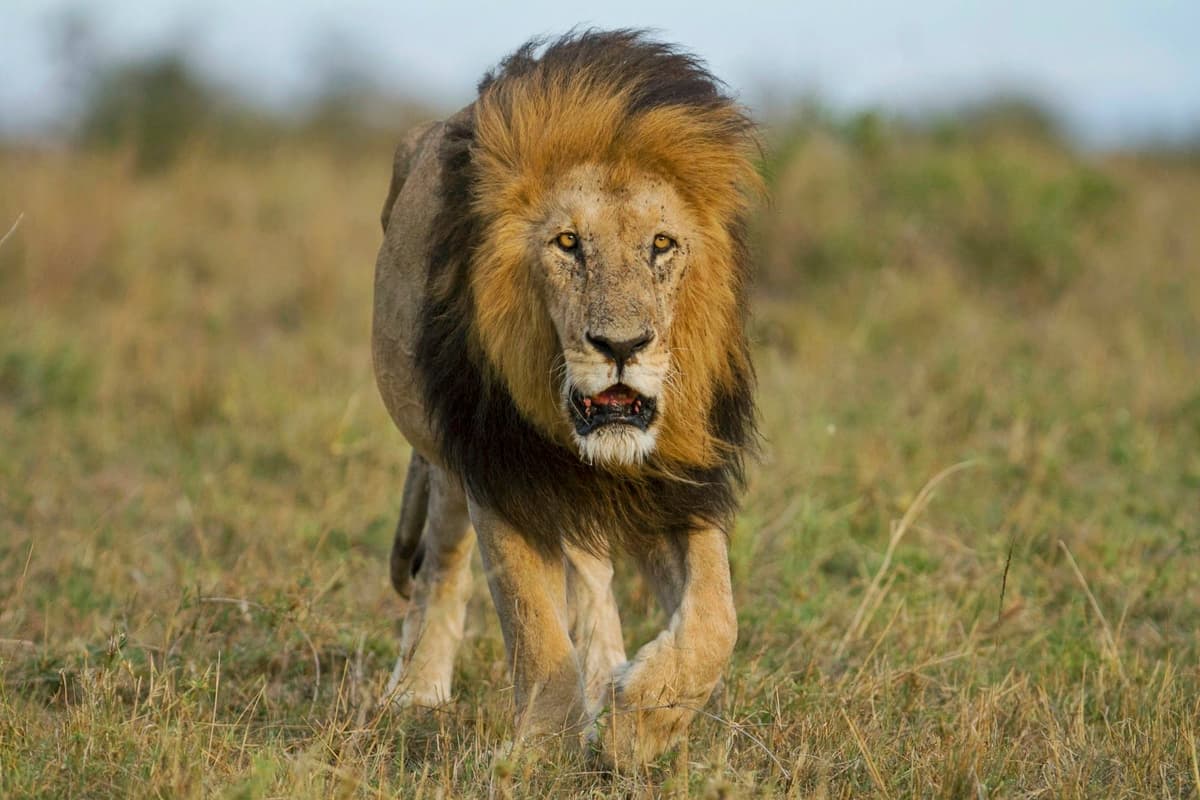
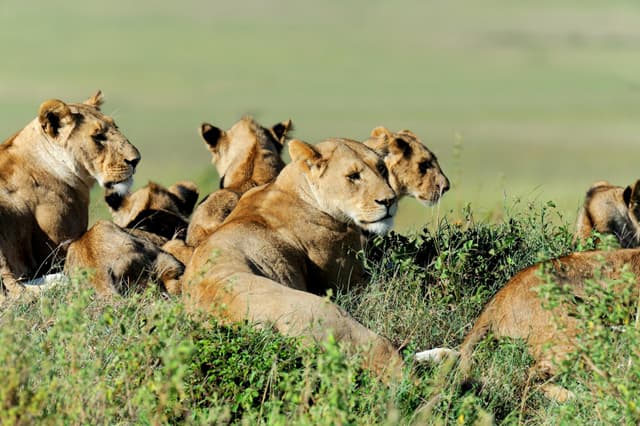
The Mara is big cat country: lion, cheetah and, with patience and luck, leopard. It works year round because the resident wildlife does not leave.
The wildebeest migration is a different matter. The herds are in the Mara roughly July to October, and the Mara River crossings happen mostly from mid July through October with August and September the peak. Crossings are triggered by rain, grazing and herd mood, so they can happen on any given day or not at all during a three day stay. Any operator who guarantees you a river crossing is selling you something they cannot deliver. The calving season people sometimes ask about happens in Tanzania, not Kenya.
How long the driving actually takes
Be realistic about this, because it is the most common complaint on a Kenya safari.
Nairobi to Lake Nakuru is three to four hours on good tarmac. Lake Nakuru to the Maasai Mara, and Nairobi to the Mara, are six to seven hours rather than the five you will see quoted elsewhere. The road is now tarmac almost the whole way, but there are potholed stretches, and the last hour and a half to two and a half hours from Narok to the gates is rough, corrugated and dusty. It is a real drive.
If that does not suit you, there is a good alternative: fly into the Mara from Nairobi's Wilson Airport, forty five to sixty minutes to the airstrips, as an upgrade. Note that Wilson is a different airport from the international one, and that light aircraft baggage is capped at around fifteen kilos per person including hand luggage, soft bags only. Ask us to price it.
Entry: the eTA, and only the official site
Kenya replaced visas with an electronic Travel Authorisation, and Nepali passport holders still need one. A batch of exemptions granted in 2025 applies to African and Caribbean nationals, not to Nepal, so ignore any headline saying Kenya is now visa free.
Apply at the official portal, etakenya.go.ke, and nowhere else. Copycat sites charge several times the real fee and this market is heavily targeted. Processing is normally around three working days, so apply at least a week out. The approval is single entry and valid for travel within ninety days of issue. You need a passport valid more than six months with a blank page, a photo, your itinerary and an accommodation confirmation, which we provide. One useful detail: if you hop to Uganda, Tanzania or Rwanda mid trip, the same eTA covers your return to Kenya.
Health: start this early
Two things, and both need lead time.
Yellow fever. Kenya requires a certificate from travellers arriving from a yellow fever endemic country. Nepal is not endemic, so a routing through Doha, Dubai or Bangkok does not trigger the requirement. But the common connection to Nairobi runs through Addis Ababa, which does. If your ticket transits Ethiopia, carry the certificate. Our honest advice is to get vaccinated regardless: it is one dose, it is inexpensive, the certificate is now valid for life rather than ten years, and it removes any argument at the counter. It is also recommended by health authorities for anyone travelling outside Nairobi and the coast, which this trip does.
Malaria. Nairobi sits high enough that risk is negligible. The Maasai Mara is not. Transmission there runs year round, so the standard advice for this itinerary is prophylaxis for the whole trip plus bite avoidance: repellent, long sleeves at dawn and dusk, and the net over the bed. Which tablets suit you is a doctor's decision, so see a travel clinic in Kathmandu three to four weeks before you fly rather than the week of.
Rules inside the parks
Kenya Wildlife Service parks are cashless. Entry is paid online in advance and gates do not take cash, so this is arranged for you rather than something you can settle on the day. Park fees were revised upward in October 2025 after eighteen years unchanged, and Maasai Mara rates are set separately by Narok County and change by season. Your package price covers them.
One rule worth knowing because it causes disputes: the Maasai Mara ticket runs on a twelve hour validity rather than a rolling twenty four hours, and guests sleeping inside the reserve are expected to be out by mid morning or a further day is charged. Your itinerary is built around that.
Drones are effectively off limits. A foreign visitor needs a civil aviation permit obtained before arrival, and even with one, drones are prohibited inside national parks and reserves without a separate film permit. Penalties are severe and the aircraft is confiscated. Leave it at home.
Kenya also bans plastic carrier bags nationwide and bans single use plastics inside all protected areas. Bring a reusable bottle and check your luggage for plastic bags before you pack.
Photography, tipping and money
Photograph the wildlife freely. Photograph people only with permission. Pointing a camera at Maasai individuals without asking is rude and usually attracts an expected payment; an organised village visit carries its own fee that covers photography inside. Never photograph government buildings, police or airports anywhere in Kenya.
Tipping is customary rather than compulsory, and it is a genuine cost worth budgeting rather than being surprised by. The normal range is around ten to twenty US dollars per guest per day for your driver guide and five to ten per guest per day into the lodge staff box, given at the end in an envelope. Over a week that adds up.
Kenya runs on M-Pesa, and a local SIM is genuinely useful. Registration requires your passport and can be done at the airport on arrival. US dollars are widely accepted for tips and extras, but bring clean recent notes, because old series dollars are often refused.
Safety, honestly
Nairobi, Nakuru, Naivasha and the Mara all sit well outside the areas any government advisory restricts. The restricted zones are the Somali border counties and the far north, none of which this trip goes near.
In Nairobi the real risk is opportunist theft rather than anything dramatic: phone and bag snatching, sometimes from motorbikes and sometimes through a car window in traffic. Keep your phone out of sight, use hotel or operator transport rather than hailing on the street, and avoid moving around after dark. Demonstrations have been frequent through 2025 and 2026 and can close major roads, so a transfer may be re-timed.
Medical facilities outside the big cities are limited and hospitals expect payment before treatment. Travel insurance with medical evacuation cover is not optional on a safari, and flying doctor cover is the standard local product. Ask us and we will arrange it.
Who this trip suits
First time safari travellers who want rhino and big cats in one week and are comfortable with two long driving days. Families do well on it because the pace has rest built in. If the drives are the problem, fly into the Mara instead. If you want the river crossings, travel between late July and September and accept that the animals decide.
Compare this itinerary with every Kenya tour package from Nepal we run before you decide.