
Most selling packages
What our travellers say
Real reviews from Google, verified by travelers.


Journey Questions
Philippines travel guide
Here's the expanded Complete Guide with additional sections:
Complete Guide: Philippines Tour Package from Nepal
Discovering the Philippines: An Archipelago of 7,000 Islands
The Philippines is one of Southeast Asia's most captivating island nations, made up of over 7,000 islands scattered across the Pacific and South China Sea. For Nepali travelers looking for a mix of tropical beaches, vibrant cities, rich Spanish-influenced culture, and warm hospitality, the Philippines offers an experience unlike anywhere else in the region. From the skyscrapers of Manila to the powder-white sands of Boracay and the limestone cliffs of Palawan, a Philippines tour package delivers variety that few destinations can match.
A Quick Look at the Philippines
The Philippines is divided into three main island groups: Luzon in the north, home to Manila; the Visayas in the center, home to Cebu, Bohol, and Boracay; and Mindanao in the south. Most tour itineraries for first-time visitors focus on Luzon and the Visayas, since these regions offer the best mix of accessibility, infrastructure, and iconic attractions. The country sits along the Pacific Ring of Fire, giving it a dramatic landscape of volcanoes, coral reefs, and rainforests alongside its beaches, which is part of what makes it so appealing for travelers who want more than just a seaside holiday.
Best Time to Visit the Philippines
The Philippines has a tropical climate with three main seasons: a cool dry season from December to February, a hot dry season from March to May, and a rainy season from June to November. The cool dry season is generally considered the best window for travel, offering comfortable temperatures and lower humidity, ideal for island hopping, diving, and city sightseeing. Peak beach season runs from November through April, so travelers planning around Boracay or Palawan should aim for these months to get the calmest seas and clearest skies. Typhoon season typically peaks between July and October, mostly affecting the northern and eastern parts of the country, so itineraries built around this period are usually planned with more flexibility.
Top Destinations to Explore
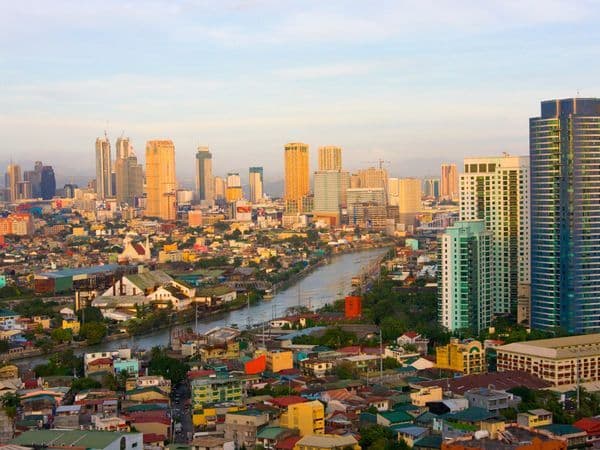
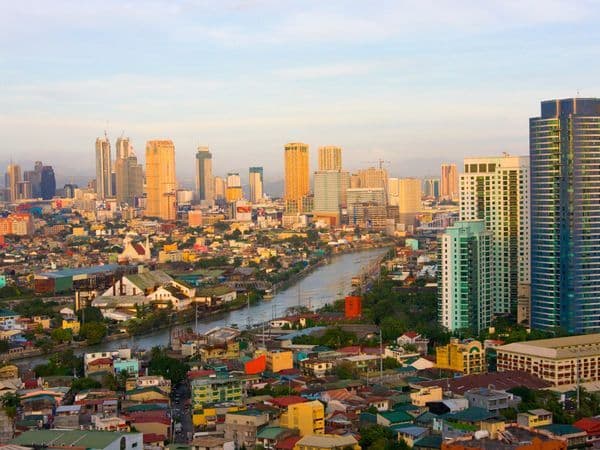
Manila is the bustling capital and the usual entry point for most travelers. It blends colonial-era heritage in Intramuros with modern shopping districts, lively food scenes, and nightlife in areas like Bonifacio Global City and Makati.
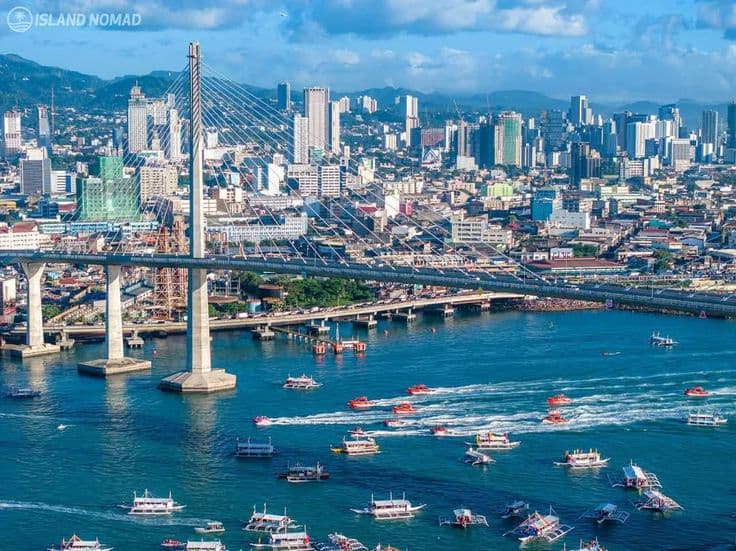
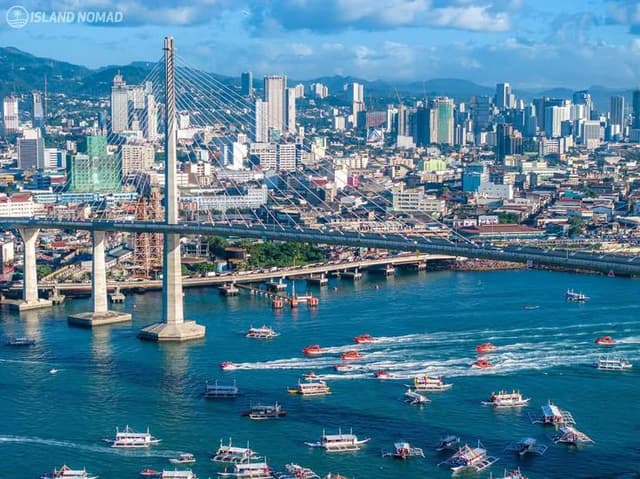
Cebu is often called the Queen City of the South, known for its mix of history, island resorts, and adventure activities such as canyoneering at Kawasan Falls and swimming with whale sharks in Oslob.
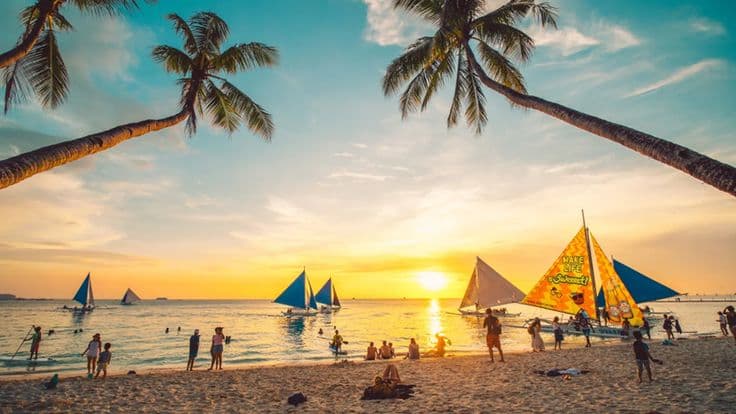
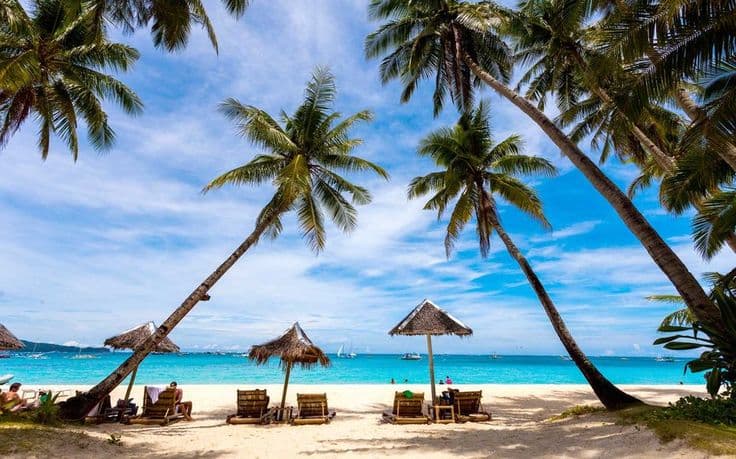
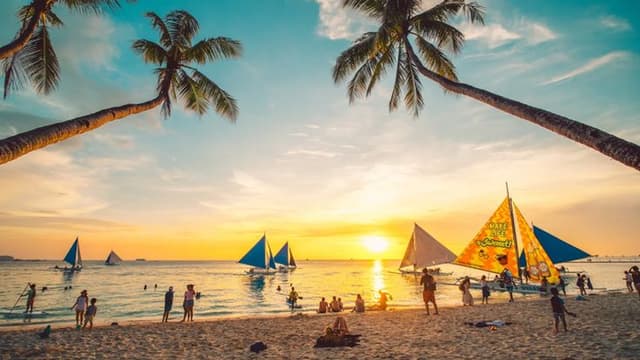
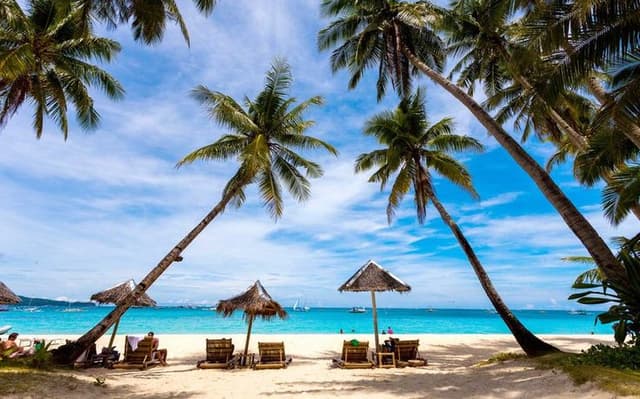
Boracay is world-famous for White Beach, one of the finest stretches of sand anywhere in Asia, along with vibrant beachfront dining, water sports, and stunning sunsets.
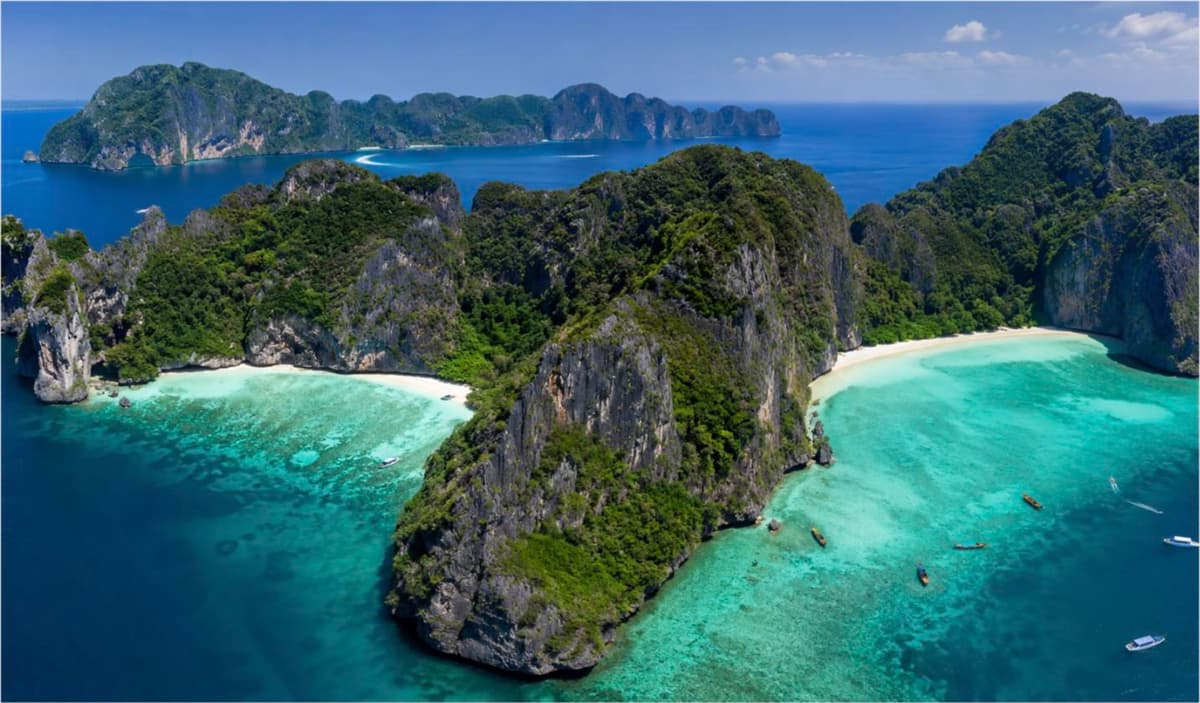
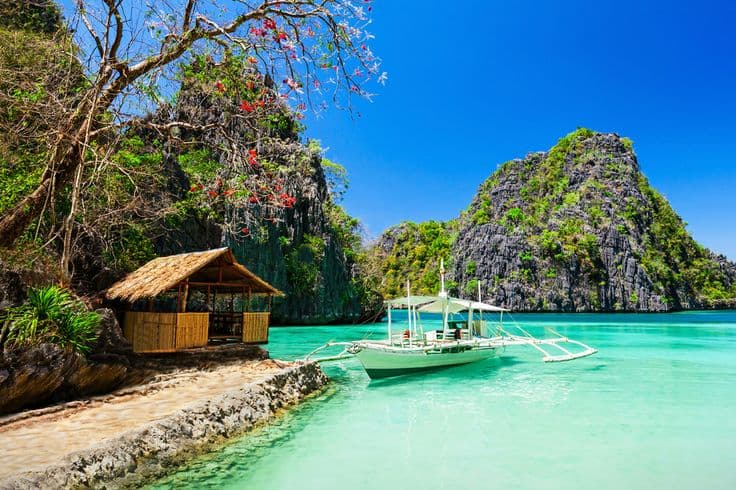
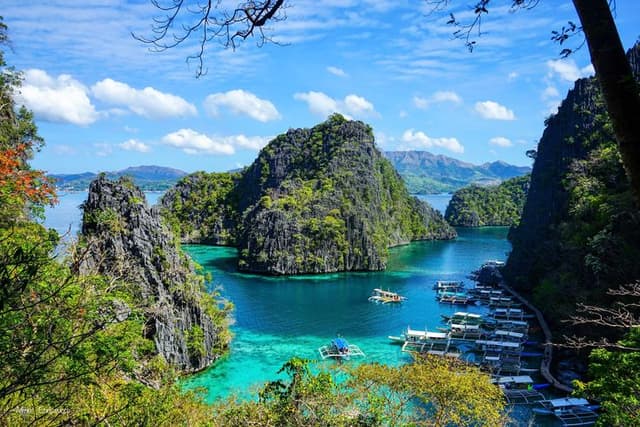
Palawan, frequently ranked among the best islands in the world, is home to El Nido's dramatic limestone karsts and lagoons and Puerto Princesa's underground river, a UNESCO World Heritage Site.
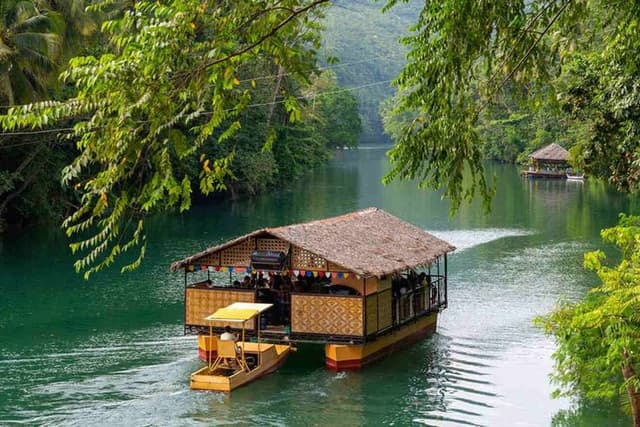
Bohol draws visitors for the otherworldly Chocolate Hills, the tiny tarsier primates found only in the region, and the postcard-perfect beaches of Panglao Island.
Siargao, growing rapidly in popularity, is known as the surfing capital of the Philippines, with a laid-back island vibe, cloud-nine waves, and lesser-crowded lagoons for travelers wanting something off the beaten path.
Culture, Food, and People
The Philippines carries a unique cultural identity shaped by centuries of Malay, Spanish, Chinese, and American influence. This shows up clearly in the food, with dishes like adobo, sinigang, and lechon reflecting the country's layered history. Filipinos are widely known for their warmth and hospitality, and English is spoken fluently across the country, making communication easy for Nepali travelers. Festivals, or "fiestas," are held year-round in different regions and are a colorful way to experience local traditions firsthand. Music and dance are also deeply woven into daily life, with folk traditions like the tinikling bamboo dance often showcased at cultural shows and community events.
Food and Local Delicacies to Try
Filipino cuisine is a highlight of any trip, combining sweet, savory, and sour flavors in ways that are distinct from the rest of Southeast Asia. Beyond adobo and sinigang, travelers should try halo-halo, a layered dessert of shaved ice, fruits, and sweet beans, and lechon, whole roasted pig famous for its crispy skin and widely regarded as a national specialty. Fresh seafood is abundant in coastal towns, often grilled or served in coconut-based curries, while street food favorites like fish balls, kwek-kwek, and taho are worth sampling in Manila and Cebu.
Getting to the Philippines from Nepal
There are no direct flights between Kathmandu and the Philippines, so travelers typically connect through hubs such as Bangkok, Singapore, Kuala Lumpur, or Hong Kong. Manila and Cebu are the two main international gateways, and both are well connected to these regional hubs, making the journey straightforward with a single layover in most cases.
Getting Around: Inter-Island Travel
Because the Philippines is made up of thousands of islands, getting between destinations usually involves a combination of domestic flights, ferries, and van transfers. Domestic carriers connect Manila and Cebu to smaller regional airports near Boracay, Palawan, and Bohol, while ferries are commonly used for shorter hops between neighboring islands, such as from Cebu to Bohol. This is one of the main reasons a well-planned tour package is valuable in the Philippines, since coordinating multiple modes of transport independently can easily eat into vacation time.
Visa Requirements for Nepali Travelers
Visa requirements can vary based on the length of stay and current bilateral arrangements, so travelers should always verify the latest rules before booking. In general, having a well-planned itinerary and proof of return travel makes the visa process smoother. Working with an experienced tour operator helps ensure all documentation is handled correctly ahead of departure.
Things to Do in the Philippines
Beyond lounging on beaches, the Philippines is a haven for adventure and marine activities. Island hopping, snorkeling, and scuba diving are major draws, with world-class dive sites around Palawan and Cebu. Cultural exploration in Manila's historic quarters, waterfall chasing in Cebu, and hiking to viewpoints over the Chocolate Hills in Bohol offer something for every kind of traveler. Sunset sailing on a traditional paraw boat in Boracay is a signature experience not to be missed. For travelers interested in marine life, whale shark encounters in Oslob and sardine run diving in Moalboal offer close-up experiences with some of the ocean's most impressive creatures.
A Popular Choice for Honeymoons and Family Trips
The Philippines works equally well for couples and families. Its combination of quiet luxury resorts in places like El Nido and Boracay make it a favored honeymoon destination, while the mix of beaches, wildlife encounters, and easy-going culture makes it accessible and enjoyable for family groups traveling with children. Resorts across the country cater to a wide range of budgets, from boutique beachfront villas to larger family-friendly properties.
Shopping and Souvenirs
Manila and Cebu offer a wide range of shopping options, from massive malls like SM Mall of Asia to local markets selling handicrafts, woodwork, and woven textiles. Popular souvenirs include capiz shell products, barako coffee, dried mangoes, and locally made pearl jewelry, particularly from Palawan, which is known for producing some of the finest pearls in the region.
Why Visit the Philippines with a Curated Tour Package
With so many islands and regions to choose from, planning a Philippines itinerary independently can be overwhelming, especially when factoring in inter-island flights and ferry connections. A well-structured tour package designed for Nepali travelers takes care of these logistics while combining the best of city life, beaches, and cultural sites into a seamless trip, letting travelers focus on enjoying the experience.
How a Philippines tour package from Nepal works
Every Philippines tour package from Nepal that Gomayu arranges is curated for three groups of travellers: Nepali passport holders flying out of Kathmandu, the Nepali diaspora, and non resident Nepalis (NRNs) booking from Australia, the UK, the US, the Gulf and beyond. Around three in ten of our travellers now book from outside Nepal, and that share grows every year, so each package is designed to work on any passport rather than assuming everyone starts the trip in Kathmandu.
The process is deliberately simple. Pick your dates first, then keep the route realistic rather than squeezing everything into one holiday. From there the package covers the pieces that are annoying to arrange alone: hotels matched to your budget, airport transfers on both ends, day tours with English speaking guides, and step by step help with whatever visa or entry paperwork your passport needs.
The same structure works for split families, which is where the diaspora share keeps rising. Parents can fly out of Kathmandu while children join from London, Sydney or Doha, everyone meets at the same hotel on arrival day, and each traveller follows the entry rules of their own passport. If that describes your family, mention it when you enquire and the package is built around both starting points from day one.
Best Philippines tour packages from Nepal
To summarise, these are the most popular Philippines tour packages from Nepal that we arrange for Nepali travellers and the Nepali diaspora:
- Manila Tour (5 days)
- Manila & Boracay Tour (7 days)