

















































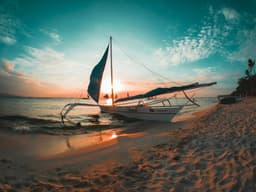
The fastest way to get around the Philippines is by air, because the country spreads across more than 7,600 islands. Domestic flights link the main hubs of Manila, Cebu, Clark, Davao and Puerto Princesa in about one to two hours, while ferries, buses, jeepneys, tricycles and ride-hailing apps handle the shorter hops. For most first trips you fly between island groups, then use boats and local transport once you land.
Distances look small on a map, but water sits between most places, so planning transport around flight and ferry schedules saves the most time.
What are the main ways to travel around the Philippines?
Here is a quick comparison of the common options, what they suit, and rough journey times.
| Mode | Best for | Typical time |
|---|---|---|
| Domestic flight | Long hops between island groups | 1 to 2 hours |
| Fast ferry | Nearby islands, such as Cebu to Bohol | 1 to 3 hours |
| Bangka boat | Island-hopping day trips | 15 to 90 minutes |
| Bus or van | Overland within one big island | 2 to 8 hours |
| Jeepney or tricycle | Short local rides in towns | Minutes |
| Grab or taxi | Cities like Manila and Cebu | Varies |
Are domestic flights the best way to island-hop?
For long distances, yes. Philippine Airlines, Cebu Pacific and AirAsia connect dozens of airports, and booking a few weeks ahead keeps fares low. Manila (NAIA) and Cebu (Mactan) are the biggest hubs, so many routes connect through them. Leave a buffer between a flight and any onward ferry, as delays are common.


When should you take a ferry?
Ferries are ideal for islands that sit close together. Fast ferries run Cebu to Bohol, Cebu to Siquijor and Batangas to Puerto Galera in one to three hours, while longer overnight ferries link the major ports. Operators such as OceanJet and 2GO publish schedules online, and booking ahead is wise on weekends and holidays.
What are jeepneys, tricycles and bangkas?
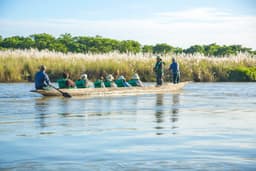
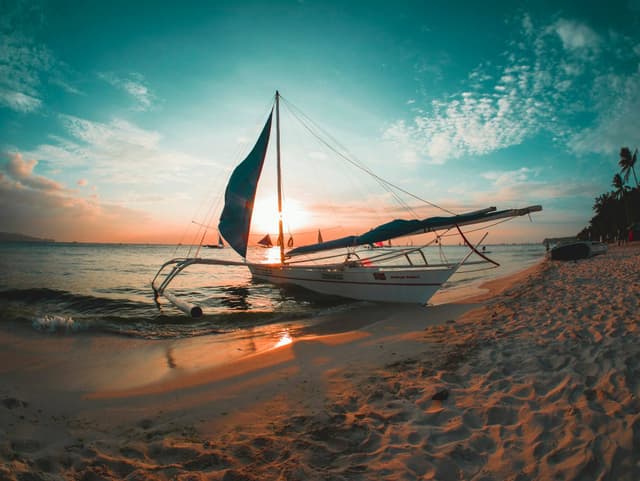
Jeepneys are the shared, colourful minibuses that run fixed town routes for a few pesos. Tricycles, a motorbike with a sidecar, cover short hops where jeepneys do not go. Bangkas are the traditional outrigger boats used for island-hopping trips around El Nido, Coron and Boracay. Agree the fare or route before you set off.
How do you get around Manila and Cebu?
In the big cities the Grab app is the easiest and clearest-priced option. Manila also has the LRT and MRT rail lines, which beat road traffic during rush hour, though they get crowded. Traffic in Metro Manila is heavy, so allow extra time to reach the airport.
How do you plan your island route?
Pick one or two island groups per week rather than trying to see them all. Our Philippines itinerary shows how the pieces fit, our guide to the best islands in the Philippines helps you choose, and the best time to visit the Philippines keeps you clear of the wettest months. For the full picture, start with our Philippines travel guide.
If you would rather skip the logistics of flights, ferries and transfers, our Philippines tour packages handle the routing for you.
Frequently asked questions
What is the cheapest way to travel around the Philippines?
Buses, jeepneys and slow ferries are the cheapest, but budget airlines often match ferry prices on long routes when booked early, while saving hours of travel time.
Is Grab available across the Philippines?
Grab works well in Metro Manila, Cebu and a few other cities. In smaller towns and on islands you will rely on tricycles, jeepneys and arranged vans instead.
How far ahead should I book domestic flights?
Two to six weeks ahead is ideal for the lowest fares, especially around Christmas, Holy Week and the March to May peak. Seats to Palawan and Boracay sell out fastest.
Do I need to book ferries in advance?
On popular routes and weekends, yes. Booking online with operators like OceanJet or 2GO secures a seat, though quieter routes can be bought at the pier on the day.
Is it safe to travel between islands?
Generally yes on licensed ferries and flights. Avoid overloaded boats, check the weather during the typhoon season from June to November, and follow local advice when seas are rough.

'/%3E%3C/svg%3E)