




















+977-9709047652
Explore by Country
See all 22 Thailand packages
Most popular pick
See all 22 Thailand packages
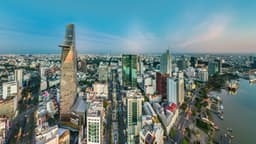
See all 11 Vietnam packages
Most popular pick
See all 11 Vietnam packages
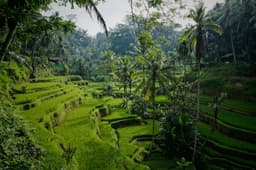
See all 10 Indonesia (Bali) packages
Most popular pick
See all 10 Indonesia (Bali) packages
See all 4 Maldives packages
Most popular pick
See all 4 Maldives packages
See all 10 China packages
Most popular pick
See all 10 China packages
See all 2 Sri Lanka packages
Most popular pick
See all 2 Sri Lanka packages
See all 9 Malaysia packages
Most popular pick
See all 9 Malaysia packages
See all 8 Singapore packages
Most popular pick
See all 8 Singapore packages
See all 2 Kenya packages
Most popular pick
See all 2 Kenya packages
See all 16 India packages
Most popular pick
See all 16 India packages
See all 3 Dubai packages
Most popular pick
See all 3 Dubai packages
See all 6 Philippines packages
Most popular pick
See all 6 Philippines packages
Search Tours or Places
Blog / Philippines

Philippines Travel Guide: Best Places, Time & Tips

4 min read 18 Aug 2026 · Updated 21 Aug 2026
Philippines Travel Guide: Best Places, Time & Tips

The Philippines is a Southeast Asian country of more than 7,600 islands, known for white-sand beaches, clear diving water and warm, English-speaking hospitality. This Philippines travel guide covers when to go, where to go, how many days you need, what it costs, what to eat and how to stay safe, so you can plan a first trip with confidence.

When is the best time to visit the Philippines?

The best time to visit the Philippines is the dry season, from late November to April, when sunny days make island hopping and diving reliable. The wet season runs June to October and brings heavier rain and the occasional typhoon.

SeasonMonthsWhat to expect
Dry and coolNov to FebBest weather, peak season, book early
Dry and hotMar to MayHot and sunny, great for beaches
WetJun to OctRain, fewer crowds, lower prices

For a full breakdown, read our guide to the best time to visit the Philippines.

What are the best places to visit in the Philippines?

Most first trips combine one or two island groups rather than trying to see everything. These are the standout regions:

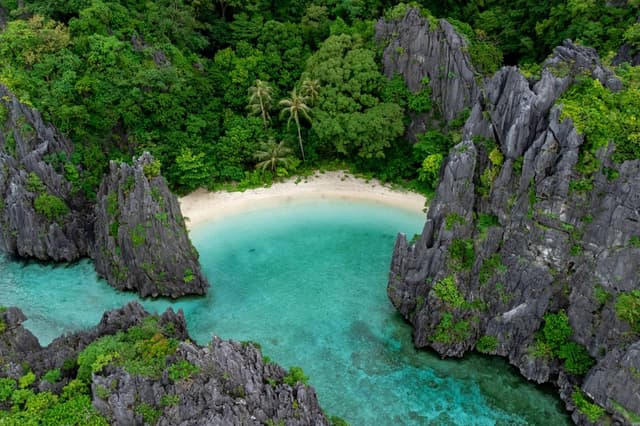
  • Palawan: El Nido and Coron for lagoons, limestone cliffs and island hopping, often rated among the world's best islands.
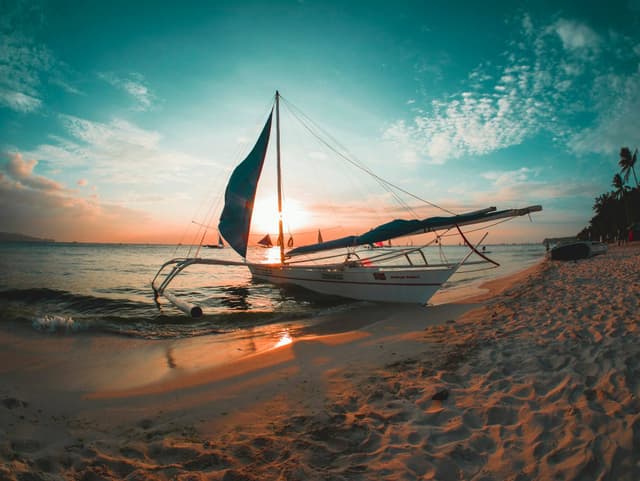
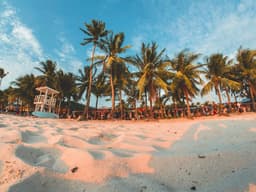
  • Boracay: a small island with the famous White Beach, easy nightlife and calm swimming.
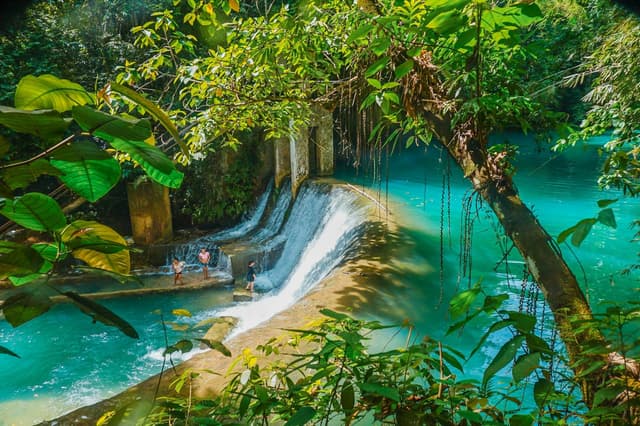
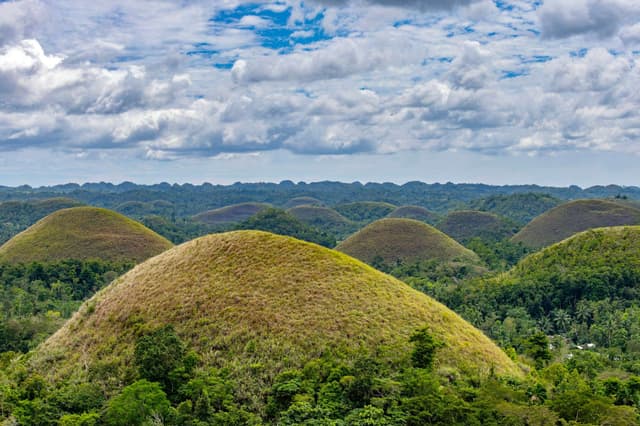
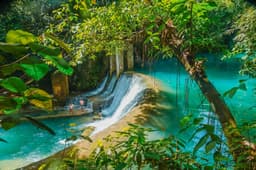
  • Cebu and Bohol: waterfalls, whale sharks at Oslob, the Chocolate Hills and tiny tarsiers.
  • Siargao: the surfing capital, laid back and increasingly popular.
  • Manila: the capital and main gateway, with history in Intramuros and a strong food scene.
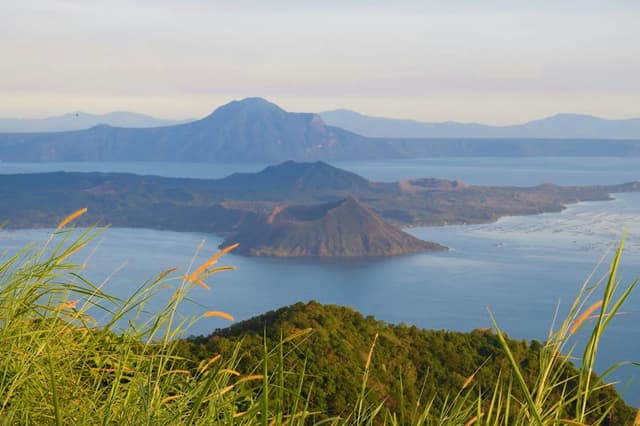
Explore Philippines tour packages
View all →

How many days do you need in the Philippines?

Plan at least 7 days for one region and 10 to 14 days to combine two. Domestic flights make hopping between island groups quick and affordable.

Trip lengthSuggested plan
7 daysPalawan (El Nido and Coron) or Cebu and Bohol
10 daysManila, then Palawan, then Boracay
14 daysPalawan, Cebu and Bohol, plus Siargao

How much does a Philippines trip cost?

The Philippines suits a range of budgets. As a rough daily guide per person, excluding international flights, backpackers spend around 40 to 60 USD, mid-range travellers 80 to 150 USD, and comfort travellers 200 USD and up. Island-hopping tours, ferries and domestic flights are the main extras to budget for.

What is the food like in the Philippines?

Filipino food is savoury, a little sweet and built around rice. Dishes to try include adobo (meat braised in soy and vinegar), sinigang (a sour tamarind soup), lechon (roast pork) and halo-halo, a shaved-ice dessert with fruit and beans.

Is the Philippines safe for travellers?

The main tourist areas are generally safe for visitors who take normal precautions. Watch your belongings in busy cities, use registered taxis or ride-hailing apps, and check current advisories before travelling to far southern regions. Sea and ferry conditions matter most during the wet season.

How do you get around the Philippines?

Because it is an archipelago, you will use a mix of transport. Domestic flights connect the main hubs quickly, ferries link nearby islands, and tricycles, jeepneys and ride-hailing apps cover short trips. Booking inter-island flights early keeps costs down.

If you would rather have flights, island transfers and hotels arranged for you, Gomayu also builds ready-made Philippines tour packages around these same highlights.

Frequently asked questions

What is the best month to visit the Philippines?

March and April offer the most reliable sunshine and calm seas, making them ideal for beaches and island hopping. December to February is also excellent but busier.

How many islands does the Philippines have?

The Philippines has more than 7,600 islands, though most travellers visit just a handful, such as Palawan, Cebu, Bohol and Boracay.

Do you need a visa to visit the Philippines?

Many nationalities can enter visa-free for up to 30 days for tourism. Rules vary by passport, so always confirm the latest requirements before you travel.

Is the Philippines expensive to travel?

It can be very affordable. Food, local transport and guesthouses are cheap, while island-hopping tours and domestic flights add to the budget.

What language do people speak in the Philippines?

Filipino (Tagalog) and English are both official languages, and English is widely spoken in hotels, restaurants and transport, which makes travel easy.

Tags
Philippines
Share
G
Gomayu Team
Writer at Gomayu
Keep reading
Blog / Philippines
Philippines Travel Guide: Best Places, Time & Tips
4 min read 18 Aug 2026 · Updated 21 Aug 2026
Philippines Travel Guide: Best Places, Time & Tips

The Philippines is a Southeast Asian country of more than 7,600 islands, known for white-sand beaches, clear diving water and warm, English-speaking hospitality. This Philippines travel guide covers when to go, where to go, how many days you need, what it costs, what to eat and how to stay safe, so you can plan a first trip with confidence.

When is the best time to visit the Philippines?

The best time to visit the Philippines is the dry season, from late November to April, when sunny days make island hopping and diving reliable. The wet season runs June to October and brings heavier rain and the occasional typhoon.

SeasonMonthsWhat to expect
Dry and coolNov to FebBest weather, peak season, book early
Dry and hotMar to MayHot and sunny, great for beaches
WetJun to OctRain, fewer crowds, lower prices

For a full breakdown, read our guide to the best time to visit the Philippines.

What are the best places to visit in the Philippines?

Most first trips combine one or two island groups rather than trying to see everything. These are the standout regions:

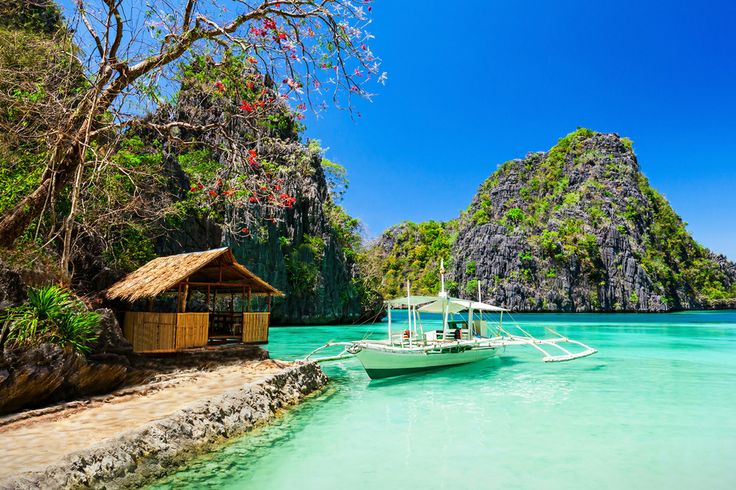
  • Palawan: El Nido and Coron for lagoons, limestone cliffs and island hopping, often rated among the world's best islands.
  • Boracay: a small island with the famous White Beach, easy nightlife and calm swimming.
  • Cebu and Bohol: waterfalls, whale sharks at Oslob, the Chocolate Hills and tiny tarsiers.
  • Siargao: the surfing capital, laid back and increasingly popular.
  • Manila: the capital and main gateway, with history in Intramuros and a strong food scene.
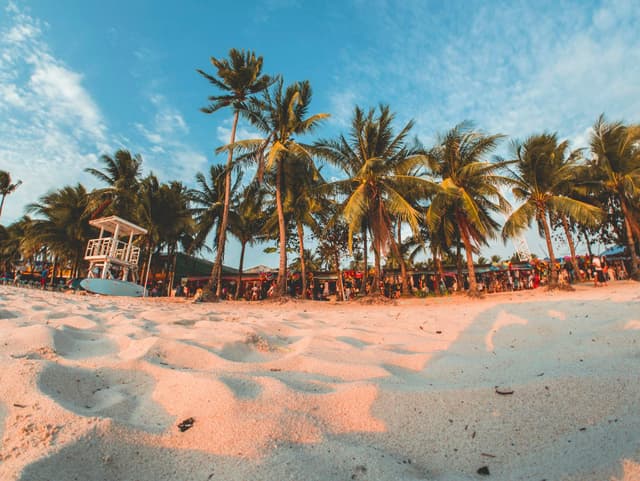
Explore Philippines tour packages
View all →

How many days do you need in the Philippines?

Plan at least 7 days for one region and 10 to 14 days to combine two. Domestic flights make hopping between island groups quick and affordable.

Trip lengthSuggested plan
7 daysPalawan (El Nido and Coron) or Cebu and Bohol
10 daysManila, then Palawan, then Boracay
14 daysPalawan, Cebu and Bohol, plus Siargao

How much does a Philippines trip cost?

The Philippines suits a range of budgets. As a rough daily guide per person, excluding international flights, backpackers spend around 40 to 60 USD, mid-range travellers 80 to 150 USD, and comfort travellers 200 USD and up. Island-hopping tours, ferries and domestic flights are the main extras to budget for.

What is the food like in the Philippines?

Filipino food is savoury, a little sweet and built around rice. Dishes to try include adobo (meat braised in soy and vinegar), sinigang (a sour tamarind soup), lechon (roast pork) and halo-halo, a shaved-ice dessert with fruit and beans.

Is the Philippines safe for travellers?

The main tourist areas are generally safe for visitors who take normal precautions. Watch your belongings in busy cities, use registered taxis or ride-hailing apps, and check current advisories before travelling to far southern regions. Sea and ferry conditions matter most during the wet season.

How do you get around the Philippines?

Because it is an archipelago, you will use a mix of transport. Domestic flights connect the main hubs quickly, ferries link nearby islands, and tricycles, jeepneys and ride-hailing apps cover short trips. Booking inter-island flights early keeps costs down.

If you would rather have flights, island transfers and hotels arranged for you, Gomayu also builds ready-made Philippines tour packages around these same highlights.

Frequently asked questions

What is the best month to visit the Philippines?

March and April offer the most reliable sunshine and calm seas, making them ideal for beaches and island hopping. December to February is also excellent but busier.

How many islands does the Philippines have?

The Philippines has more than 7,600 islands, though most travellers visit just a handful, such as Palawan, Cebu, Bohol and Boracay.

Do you need a visa to visit the Philippines?

Many nationalities can enter visa-free for up to 30 days for tourism. Rules vary by passport, so always confirm the latest requirements before you travel.

Is the Philippines expensive to travel?

It can be very affordable. Food, local transport and guesthouses are cheap, while island-hopping tours and domestic flights add to the budget.

What language do people speak in the Philippines?

Filipino (Tagalog) and English are both official languages, and English is widely spoken in hotels, restaurants and transport, which makes travel easy.
Tags
Philippines
Share
G
Gomayu Team
Writer at Gomayu
Keep reading