











Visa for Nepali passport holdersPick a country: what you need, documents, and how our visa desk applies for you.
India tour packages
Showing 10 of 16 packages
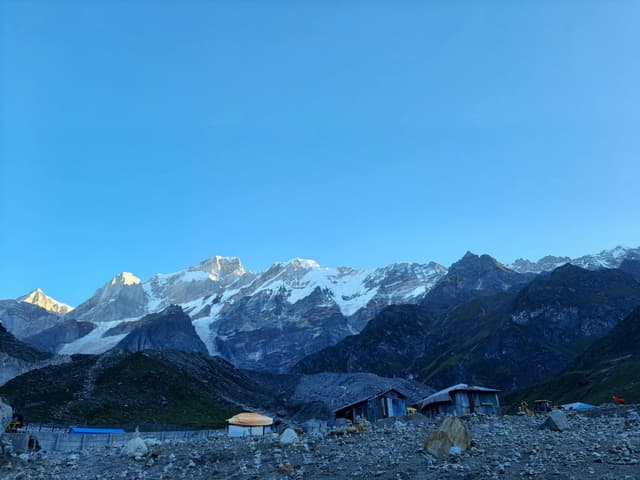
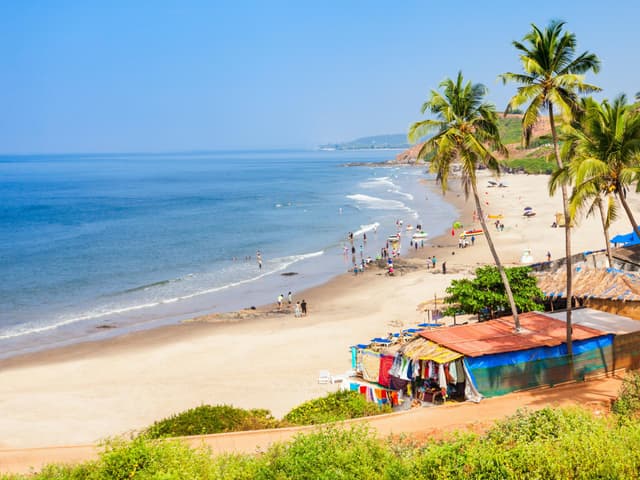
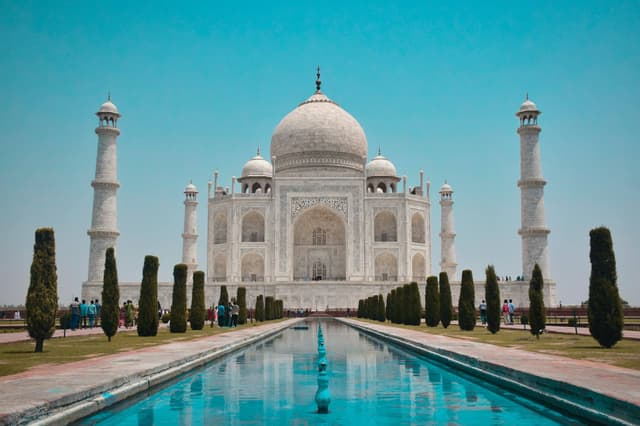
India Golden Triangle Tour – Delhi Agra Jaipur
6 Days · 5 Nights
NRs 37,500/ person
✓ Tour✕ Visa✕ Flights
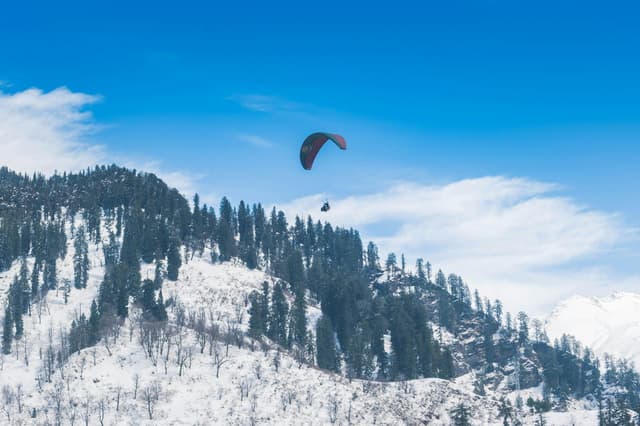
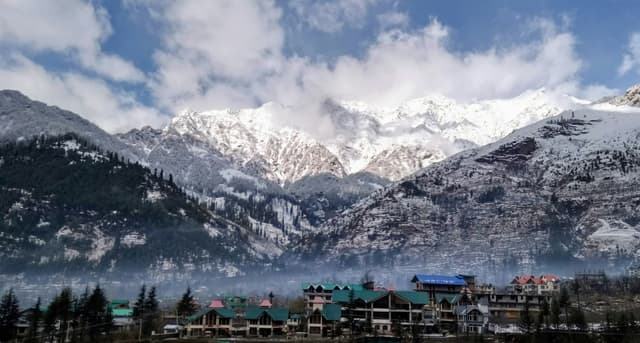
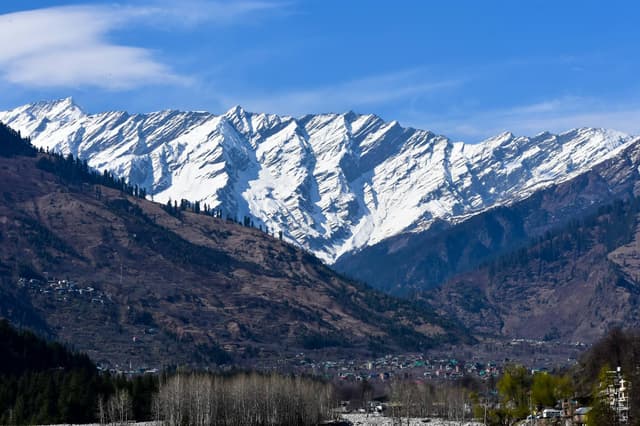
Comprehensive Himachal with Vaishno Devi Tour
11 Days · 10 Nights
NRs 46,500/ person
✓ Tours✕ Flights✕ Visa
News & AlertsCAUTIONEarly snow closes the Manali to Leh road beyond Darcha — until 24 Oct 2026.Checked 21 Oct 2026, 05:56 NPTView details ↓Hide details ↑
Travel news
Caution
Early snow closes the Manali to Leh road beyond Darcha
Snow on 15 October closed the Manali to Leh highway beyond Darcha, the Manali to Kaza road and the high passes. Manali town and the Atal Tunnel are reachable; road trips over the passes may not run until the weather clears.
Manali high passes · 15 Oct – 24 Oct 2026 · ETV Bharat 15 Oct 2026
Weather by month
Best time for Delhi: October to March — little rain, highs 21–34°C.
- Jan21°8°low rain, best month
- Feb26°11°dry, best month
- Mar31°16°dry, best month
- Apr38°21°dry
- May40°25°low rain
- Jun40°27°low rain
- Jul36°27°heavy rain
- Aug35°27°heavy rain
- Sep35°25°medium rain
- Oct34°20°dry, best month, this month
- Nov29°13°dry, best month
- Dec23°8°dry, best month
Best time for Jaipur: October to March — little rain, highs 23–35°C.
- Jan23°9°dry, best month
- Feb28°13°dry, best month
- Mar33°18°dry, best month
- Apr38°24°dry
- May41°27°dry
- Jun40°28°low rain
- Jul35°26°heavy rain
- Aug33°25°heavy rain
- Sep35°25°medium rain
- Oct35°21°dry, best month, this month
- Nov30°15°dry, best month
- Dec25°10°dry, best month
Best time for Goa: November to May — little rain, highs 32–34°C.
- Jan32°21°dry, best month
- Feb33°21°dry, best month
- Mar33°23°dry, best month
- Apr34°25°dry, best month
- May34°27°low rain, best month
- Jun31°25°heavy rain
- Jul30°25°heavy rain
- Aug30°25°heavy rain
- Sep31°24°heavy rain
- Oct32°24°heavy rain, this month
- Nov33°23°dry, best month
- Dec33°22°dry, best month
Best time for Kochi: December to March — little rain, highs 32–33°C.
- Jan32°24°dry, best month
- Feb33°25°dry, best month
- Mar33°26°low rain, best month
- Apr33°26°medium rain
- May33°26°heavy rain
- Jun31°25°heavy rain
- Jul30°24°heavy rain
- Aug30°25°heavy rain
- Sep31°25°heavy rain
- Oct31°24°heavy rain, this month
- Nov32°24°heavy rain
- Dec32°24°low rain, best month
Best time for Shimla: February, October to December — little rain, highs 16–23°C.
- Jan13°4°medium rain
- Feb16°5°low rain, best month
- Mar19°8°medium rain
- Apr23°13°medium rain
- May26°14°medium rain
- Jun26°17°heavy rain
- Jul24°17°heavy rain
- Aug24°17°heavy rain
- Sep24°15°heavy rain
- Oct23°12°dry, best month, this month
- Nov19°9°dry, best month
- Dec16°6°dry, best month
Best time for Amritsar: September to April — little rain, highs 18–35°C.
- Jan18°5°low rain, best month
- Feb23°8°low rain, best month
- Mar28°12°low rain, best month
- Apr35°17°low rain, best month
- May40°22°dry
- Jun40°25°medium rain
- Jul36°26°heavy rain
- Aug35°26°medium rain
- Sep34°24°low rain, best month
- Oct32°18°dry, best month, this month
- Nov27°11°dry, best month
- Dec21°6°dry, best month
Best monthNowdryheavy rain36°+ very hotHigh / low °C
Weather: 10-year averages, 2015–2024 (NOAA weather stations). News: GDACS, ReliefWeb, GOV.UK travel advice (OGL v3.0) and local sources.Best Time to Visit India →
FAQ
Journey Questions
Written and checked by the Gomayu travel desk, KathmanduUpdated October 2026About this guide
Complete Guide
India travel guide
Written and checked by the Gomayu travel desk, KathmanduUpdated October 2026About this guide
Why India is the easiest international trip for Nepali travellers
India is the easiest international holiday a Nepali traveller can take, and an India tour package from Nepal needs no visa, no embassy appointment and no waiting period. Nepali citizens move freely under the Indo-Nepal Treaty of Peace and Friendship signed in 1950. That one fact removes the step that slows down every other trip.
The practical gains stack up fast. Hindi sits close enough to Nepali that most travellers follow conversations from the first day, and airports, railway stations and monuments carry English signage. Food needs no adjustment either, because dal, bhat, roti and tarkari appear on almost every menu in the north.
India also gives you range that no other short-haul destination matches. Desert forts in Rajasthan, backwater houseboats in Kerala, Portuguese churches in Goa, high passes in Ladakh and the riverfront ghats of Varanasi in Uttar Pradesh all sit inside one country you can enter with the identity document already in your drawer.
The audiences we book most often want different things from the same country. Honeymooners ask for Udaipur in Rajasthan or Alleppey in Kerala. Families ask for Delhi, Agra and Jaipur with a private driver, because nobody has to negotiate anything. Solo travellers and students like the freedom to change plans mid-trip, since nothing is locked behind a visa validity. Pilgrims come for Varanasi in Uttar Pradesh, Bodh Gaya in Bihar and Amritsar in Punjab.
Gomayu Holidays is run by Zeta Tours and Travels Pvt. Ltd., a registered Nepali company. Wherever you are flying from, message us on WhatsApp with your dates and we will shape a plan around them.
How an India tour package from Nepal works
Every India tour package from Nepal that Gomayu arranges is curated for three groups of travellers: Nepali passport holders flying out of Kathmandu, the Nepali diaspora, and non resident Nepalis (NRNs) booking from Australia, the UK, the US, the Gulf and beyond. Many of our travellers start from Kathmandu, and many book from abroad, so each package is designed to work on any passport and from either starting point.
The process is deliberately simple. Pick your dates first, then keep the route realistic rather than squeezing everything into one holiday. From there the package covers the pieces that are annoying to arrange alone: hotels matched to your budget, airport transfers on both ends, day tours with English speaking guides, and step by step help with whatever visa or entry paperwork your passport needs.
The same structure works for split families. Parents can fly out of Kathmandu while children join from London, Sydney or Doha, everyone meets at the same hotel on arrival day, and each traveller follows the entry rules of their own passport. If that describes your family, mention it when you enquire and the package is built around both starting points from day one.
How do you choose which part of India to visit
Choose one region and stay in it. India is too large to cover in a single holiday, and a well built India trip commits to one part of the country rather than skimming three. Travellers who try to link Rajasthan, Kerala and Goa inside ten days spend most of the holiday in transit.
Start with two questions. What months are you free, and how many days do you actually have. Those two answers eliminate most of the map on their own. Kerala and Goa are winter destinations. Ladakh is a summer destination. Rajasthan is unpleasant in May. If your leave falls in June, the Himalaya chooses itself.
Then think about pace. North India rewards travellers who enjoy monuments, markets and long drives between cities. South India moves slower and suits people who want backwaters, temples and hill stations without a packed schedule. Goa asks almost nothing of you. The Himalaya asks the most, because altitude and road conditions set the timetable rather than your plan.
First time Nepali travellers usually do best with the Golden Triangle, sometimes extended to Varanasi or Rishikesh. Repeat travellers move outward, to Rajasthan, Kerala or Ladakh. The table below is the shortcut we use when a caller has not decided yet.
| Region | Best for | Best months | How long it feels right |
|---|---|---|---|
| Delhi, Agra and Jaipur (the Golden Triangle) | First timers, families, heritage and monuments | October to March | About 5 to 7 days |
| Rajasthan beyond Jaipur (Udaipur, Jodhpur, Jaisalmer) | Couples, honeymooners, photographers, forts and desert | October to March | About 8 to 11 days |
| Indian Himalaya (Himachal, Uttarakhand, Ladakh, Sikkim) | Adventure travellers, young groups, cool weather | April to June and September to October, Ladakh roughly June to September | About 7 to 10 days |
| Kerala | Honeymooners, families, slow travel, backwaters and tea country | November to March | About 6 to 9 days |
| Goa and the Konkan coast | Beach holidays, friend groups, short breaks | November to February | About 4 to 6 days |
| Tamil Nadu and Karnataka temple and heritage belt | Culture travellers, seniors, repeat visitors | November to February | About 7 to 10 days |
| Pilgrimage circuits (Varanasi, Bodh Gaya, Amritsar, Char Dham) | Pilgrims, family groups, seniors | October to March, Char Dham roughly late April to early November | About 4 to 12 days depending on circuit |
Which India package suits you
- First trip, families and seniors: the India Golden Triangle Tour (6 days) covers Delhi, Agra and Jaipur.
- Couples and honeymooners: the Kerala Munnar & Alleppey Houseboat Tour (4 days), the Best of Kerala Tour (6 days), the Jaipur, Jodhpur & Udaipur Tour (7 days) and the Andaman Islands Highlights tour (6 days).
- Beach breaks: the Goa Tour Package (4 days).
- Cool hills in summer: the Shimla & Manali Tour (6 days) and longer Himachal tours such as Himachal with Golden Temple (10 days) and Comprehensive Himachal with Vaishno Devi (11 days).
- Adventure: the Magical Ladakh Tour (5 days), inside the June to September window.
- Pilgrims and family groups: the Char Dham Yatra Package from Nepal (11 days) and the Do Dham Yatra (5 days), inside the temple season.
What is included, and what changes the price
India packages on this page are priced per person as land packages: hotels, transfers and touring as listed on each package page. International flights are not in the card price, and Nepali citizens need no visa. We quote the flight from Kathmandu, or the road and rail route from the border, to fit your trip.
The price moves with how you travel from Nepal, the region, hotel category, a private car or shared touring, group size and season. Diwali and the Dashain and Tihar break are the busiest weeks. The live prices are in the first question on this page and on each package card.
Do Nepali citizens need a visa for India
No. Nepali citizens do not need a visa for India. Entry is granted under the Indo-Nepal Treaty of Peace and Friendship of 1950, which allows Nepali nationals to enter, live and work in India without a visa or an entry permit. There is nothing to apply for online and no stamp to collect before you travel.
What you do need is proof that you are a Nepali citizen. That is the part travellers get wrong, and the required document is not the same for a flight as it is for a land crossing.
Documents for flying to India
Carry a valid Nepali passport. On the Nepal to India sector an original Nepali citizenship certificate is also accepted, and those are the two documents named in the official guidance covering that route. If you arrive in India from any third country, a valid passport is required, and for onward travel once you are inside the country the passport is what airline check-in staff and immigration officers expect to see.
- A Nepali passport is the cleanest option, because hotels, domestic airlines and railway staff inside India all recognise it immediately.
- A voter identity card is listed by Nepal Airlines, and in reports of India's 2025 rules, as accepted on direct Nepal to India travel, but the Embassy of Nepal in New Delhi names only the passport or citizenship certificate for flights, and other airlines may check more strictly. Carry one of those two as well.
- Carry the original, not a photocopy and not a downloaded print. Photocopies are useful as a backup, not as your travel document.
- Keep the name spelling on your ticket exactly the same as the spelling on your document.
Documents at the land borders
Land crossings between Nepal and India are open, and Nepali citizens are not stamped in and out the way third country nationals are. You should still carry identification, because you will need it constantly once you are inside India.
- Carry your citizenship certificate. Many travellers also carry a voter identity card, and it is more widely accepted at the border than in an airport.
- Indian hotels ask for photo identification at check-in, and Indian domestic flights and reserved train tickets need identification that matches the booking. A passport solves all three.
- Restricted areas are a separate matter. Parts of Ladakh and Sikkim need permits regardless of the treaty, and those are applied for locally or online.
Travelling with children
Children below the age at which a Nepali citizenship certificate is issued should travel with a document that proves identity and date of birth. Nepal Airlines states that passengers under 18 need a photo identity document with proof of date of birth, so plan around that standard.
- A child passport is the simplest answer and avoids arguments at the counter.
- Otherwise carry the birth certificate together with a school identity card, and travel with a parent whose own documents are in order.
- If one parent is travelling alone with a child, carry a copy of the birth certificate showing both parents' names.
How to get to India from Nepal: flight or road
From Kathmandu, Delhi is the main nonstop gateway: Air India, IndiGo and Nepal Airlines fly Kathmandu to Delhi, a flight of under two hours. There are also nonstop flights from Kathmandu to Mumbai (IndiGo, Nepal Airlines), Bengaluru (Air India Express, Nepal Airlines), and Kolkata and Varanasi (Buddha Air). If you live in the Terai and are heading for Uttar Pradesh or Bihar, the open land border is often quicker door to door.
Fly if you are coming from outside the subcontinent, or if your destination sits deep inside India. The land border is the better answer only if you are travelling from within Nepal and heading for the plains just across it. Flying puts you into India's domestic network on the day you arrive. Road travel from Nepal's Terai is often faster door to door for Uttar Pradesh and Bihar, and it suits larger family groups.
Flying into India: gateways and connections
Delhi is India's primary international gateway and the airport most trips are built around, because it feeds domestic flights to every major Indian city. Mumbai, Bengaluru, Chennai, Kolkata, Hyderabad and Kochi also take international arrivals, and flying into whichever one sits closest to your region saves you a domestic leg.
Which cities you can reach without a connection depends entirely on where you start. Travellers beginning in the Gulf, Southeast Asia or the UK have non-stop options into a long list of Indian cities. From Australia, Japan and North America almost every routing involves one connection, usually through a Gulf or Asian hub. Kathmandu has a dependable daily link to Delhi served by Air India, IndiGo and Nepal Airlines, and Mumbai, Bengaluru, Kolkata and Varanasi have been served without a change of aircraft at various times. Frequencies and carriers change with the season, so confirm at the time of booking.
Beyond the short Kathmandu to Delhi hop, we do not publish flight durations or schedules here, because they shift. What matters for planning is the shape of the journey. A trip to Rajasthan or Uttarakhand is usually one flight into Delhi and then surface travel. A trip to Kerala, Goa or Tamil Nadu is usually an international arrival plus one domestic flight, so build the connection with enough buffer for the terminal change. If your route is linear, ask about an open jaw booking, flying into one Indian city and out of another, because it saves a full day of backtracking.
Crossing by land if you are travelling from within Nepal
If you are starting your trip inside Nepal, the land route is a genuine alternative to flying. It begins with a bus or private vehicle to a border town, a crossing on foot or by vehicle, and then Indian transport on the other side. It is the standard route for pilgrimage travel to Uttar Pradesh and Bihar, and for families who prefer not to fly.
- Belahiya near Bhairahawa to Sunauli in Uttar Pradesh. The busiest crossing, and the gateway to Gorakhpur, Varanasi and Lucknow.
- Birgunj to Raxaul in Bihar. The main freight crossing and the practical route to Patna and Bodh Gaya.
- Kakarbhitta to Panitanki in West Bengal. Used for Siliguri, Darjeeling, Gangtok and onward to Kolkata.
- Biratnagar to Jogbani in Bihar, useful from the eastern Terai.
- Nepalgunj to Rupaidiha in Uttar Pradesh, and Dhangadhi to Gauriphanta in the far west, which suit travellers heading to Uttarakhand and western Uttar Pradesh.
Border towns get congested, particularly around festivals, and the crossing itself can be slow. Cross in daylight, keep identification in your hand luggage rather than in a bag on the roof, and arrange onward Indian transport before you cross rather than after. A Nepal registered vehicle needs its own paperwork to enter India, so confirm that before driving your own car across.
Who should pick which
Fly if you have limited leave, if you are travelling with elderly parents or small children, if you are on honeymoon, or if your destination is south or west of Delhi. Go by road if you already live in the Terai, if you are travelling as a large family or pilgrimage group, or if your destination is within a few hours of the border. Mixed trips work well too. Many groups cross by land, then take an Indian train or a domestic flight for the long internal leg.
Best time to visit India
The best time to visit India is October to March, when most of the country is dry and comfortable and the plains cool down. That window covers Rajasthan, the Golden Triangle, Kerala, Goa and the southern temple belt. The Himalayan regions run on the opposite calendar and open up in summer.
Three things decide the calendar. The monsoon covers most of India from roughly June to September, which brings heavy rain to the west coast and the south and makes hill roads unreliable. North Indian summer from April to June is genuinely severe on the plains, and Delhi, Agra and Rajasthan become hard work in the middle of the day. High Himalayan access depends on snow, so Ladakh usually opens up around June and closes down after September.
Two seasonal windows matter especially to Nepali travellers. The Char Dham circuit in Uttarakhand runs from the opening of the temple doors around Akshaya Tritiya in late April until they close around Diwali in November, and nothing runs outside that. Kerala and Goa are at their best from November to February, and Goa's beach shacks largely shut during the monsoon.
Then there is the Dashain and Tihar crunch. This is the single busiest travel period in the Nepali calendar, and it collides with India's own festival travel around Diwali. Flights into India, hotels in Delhi and Jaipur, and trains across north India all fill early. If you are travelling in that window, plan around three months ahead.
| Months | North India and Rajasthan | Kerala and Goa | Indian Himalaya |
|---|---|---|---|
| October to November | Excellent. Clear and cool. Diwali crowds and the Dashain and Tihar rush | Good and improving as the rain clears | Good in Himachal and Uttarakhand. Ladakh winding down |
| December to January | Cool days, cold nights, morning fog can delay flights and trains in Delhi | Peak season. Dry and warm | Cold. Many high roads closed. Snow destinations only |
| February to March | Very good. Comfortable before the heat builds. Holi falls in this window | Still good, warming up by late March | Improving. Lower hill stations open, high passes still shut |
| April to June | Hot to very hot on the plains. Avoid midday sightseeing | Hot and humid, pre-monsoon | Prime season. Char Dham opens around late April, Ladakh from around June |
| July to September | Monsoon. Humid, green, occasional flooding | Heavy rain. Goa shacks largely closed, Kerala green and quiet | Ladakh window continues. Landslide risk in Himachal and Uttarakhand |
Places to visit in India, the regions worth your trip
The places to visit in India that give the best return on a short holiday are the Golden Triangle, Rajasthan, Kerala, Goa and the Indian Himalaya. Each is a self contained trip. Pick one, add a single side destination if you have spare days, and leave the rest for the next visit.
North India and the Golden Triangle
The Golden Triangle links Delhi, Agra in Uttar Pradesh and Jaipur in Rajasthan, and it is the standard first trip for Nepali travellers. The three cities sit close together by Indian standards, the road between them is good, and the monuments are the ones people actually come to India to see.
Delhi splits into two halves that feel like different cities. Old Delhi holds the Red Fort, Jama Masjid and the lanes of Chandni Chowk, where the food is the point. New Delhi holds Humayun's Tomb, Qutub Minar, India Gate and Lodhi Garden, and it is far greener and calmer. Both are on the metro, which is the sane way to move around.
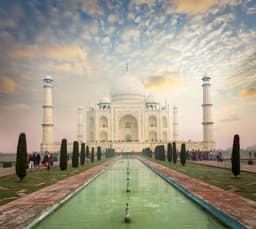
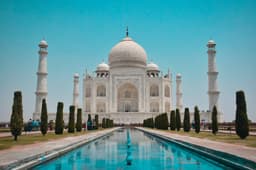
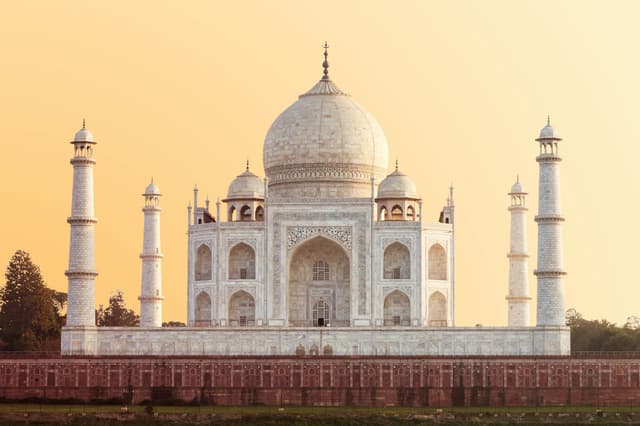
Agra is about the Taj Mahal, which is closed to tourists on Fridays. Plan around that, because people arrive on a Friday every single week and are turned away. Agra Fort is a serious monument in its own right and deserves more than the hour most itineraries give it, and Fatehpur Sikri sits on the road between Agra and Jaipur.
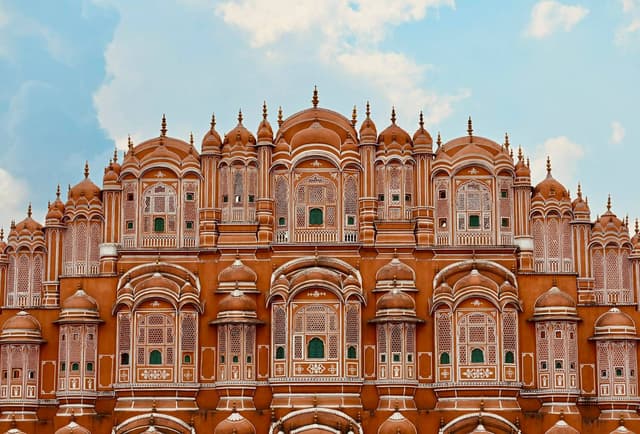
Jaipur gives you Amber Fort above the city, the City Palace, the Jantar Mantar observatory and Hawa Mahal, plus the best shopping of the three cities in Johari Bazaar and Bapu Bazaar. Many travellers add Varanasi in Uttar Pradesh or Rishikesh in Uttarakhand to the end of this trip, both of which connect easily from Delhi.
Rajasthan beyond Jaipur
Rajasthan gets better the further west you go. Udaipur, built around Lake Pichola, is the honeymoon choice, with the City Palace on the water, Jag Mandir out in the lake and small rooftop restaurants facing the sunset. Couples usually give it three nights and wish they had given it four.
Jodhpur is the blue city under Mehrangarh Fort, which is one of the most complete forts in India and has a genuinely good museum inside. Jaisalmer sits out towards the Pakistan border, and its fort is still lived in, with shops, houses and temples inside the walls. The Sam sand dunes outside Jaisalmer are where the camel rides and desert camps happen, and the light in the last hour before sunset is the reason to be there.
Pushkar, with its lake and Brahma temple, is small and walkable, and the camel fair in November turns it into something else entirely. For wildlife, Ranthambore near Sawai Madhopur is the tiger reserve most travellers reach from Jaipur, and safari slots are limited, so they need to be booked well ahead. Bikaner and Mount Abu round out a longer Rajasthan trip.
The Indian Himalaya
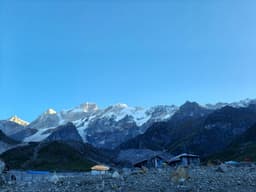
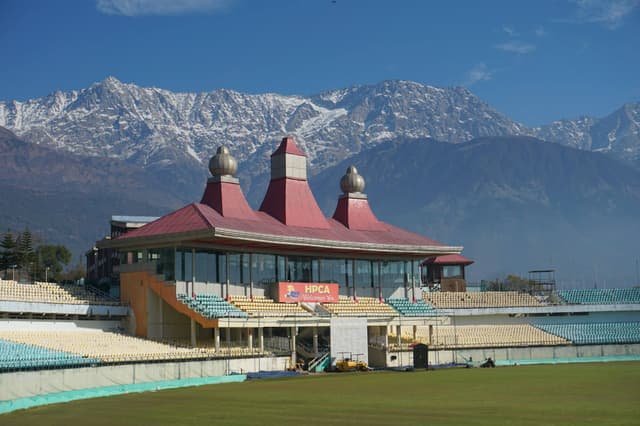
This is the summer half of India. Himachal Pradesh gives you Manali and the Solang and Kullu valleys, Shimla with its colonial hill station core, and Dharamshala with McLeod Ganj above it, which is the seat of the Tibetan government in exile and has a large Tibetan community. Spiti and Kinnaur are for travellers who want the harder, emptier version.
Uttarakhand carries both the adventure and the pilgrimage traffic. Rishikesh has rafting on the Ganga, yoga schools and the Lakshman Jhula area, and it sits close to Haridwar. Nainital and Mussoorie are the family hill stations. The Valley of Flowers opens in the monsoon months, which is unusual for India.
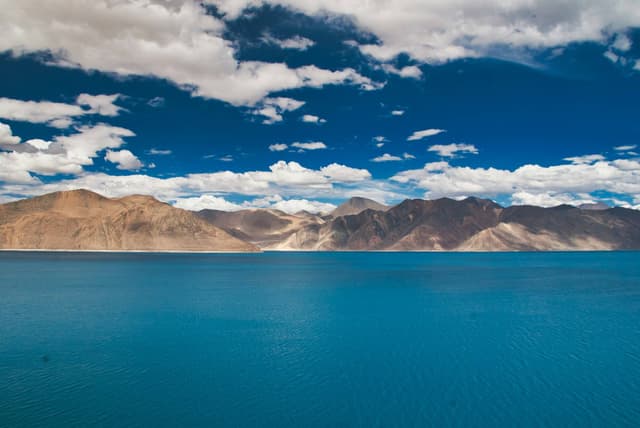
Ladakh is the big one, reached through Leh, and it is worth being clear about the rules. Nepali citizens are treated as foreign nationals for permit purposes. A Protected Area Permit is required for Nubra Valley, Pangong Tso, Tso Moriri, Hanle and similar restricted areas, applied for through the Leh administration or a registered local operator, and the permit is generally not issued to a single foreign national travelling entirely alone. Foreign nationals also face access limits at some points around Pangong. Sort the permits before you go, not on arrival.
Sikkim and Darjeeling in West Bengal are the eastern option, reached through Bagdogra airport, or overland at the Kakarbhitta crossing if you are travelling from within Nepal. Gangtok, Rumtek monastery and Tsomgo Lake are the usual circuit, and restricted areas in Sikkim also need permits arranged through a registered operator.
South India
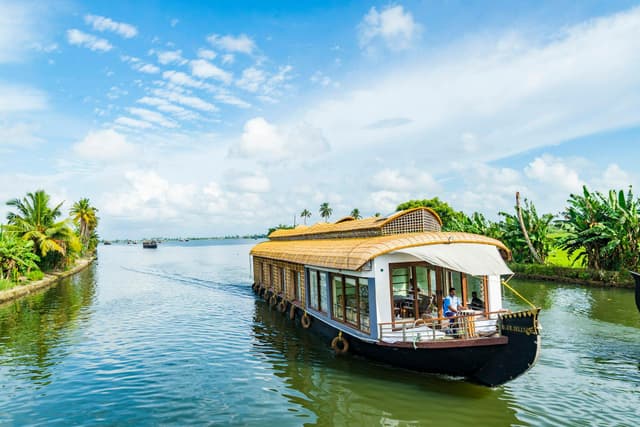
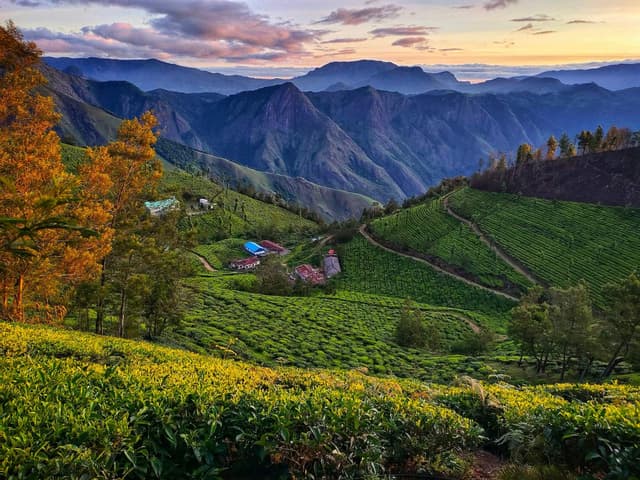
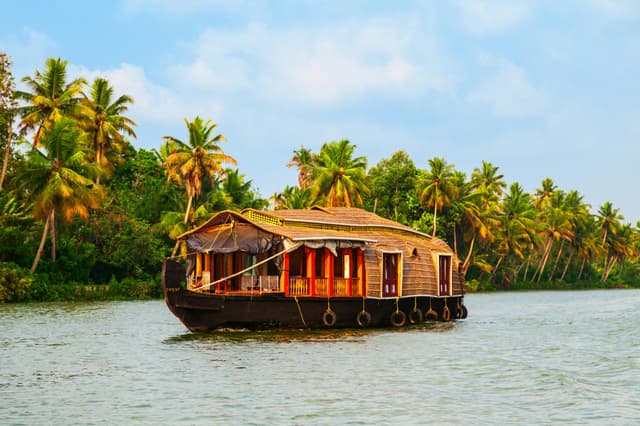
South India is a slower, greener country and a genuinely different holiday. Kerala is the headline. Alleppey and Kumarakom are where the backwater houseboats run, Munnar is tea estate and hill country, Thekkady has the Periyar reserve, and Fort Kochi has the Chinese fishing nets, the Dutch and Portuguese quarter and a real cafe culture. Varkala and Kovalam are the beach ends of a Kerala trip.
Tamil Nadu is temple country at a scale that surprises people. The Meenakshi temple at Madurai, the Brihadeeswarar temple at Thanjavur and the shore temples at Mahabalipuram are the anchors, and Ooty and Kodaikanal are the hill stations. Karnataka has Hampi, which is a ruined Vijayanagara capital spread across a boulder landscape, the palace at Mysuru, and coffee country in Coorg.
The one thing to accept about the south is the travel. Reaching it usually means a domestic connection after your international arrival, and moving between Kerala, Tamil Nadu and Karnataka means internal flights or long train journeys. Give the south more days than you think you need, or restrict yourself to one state.
Goa and the west coast
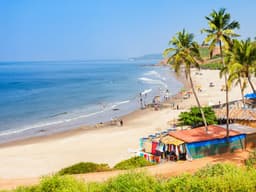
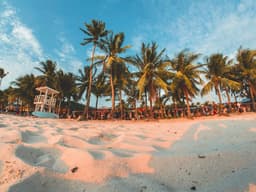
Goa is the least demanding holiday in India and the easiest sell to a group of friends. North Goa around Baga, Calangute, Anjuna and Vagator is the busy half, with the markets, the beach clubs and the nightlife. South Goa around Palolem, Agonda and Colva is quieter, cleaner and better suited to couples and families who want to read a book.
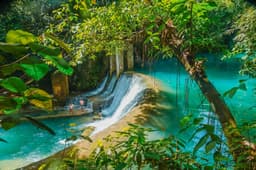
There is more to it than the beaches. Old Goa holds the Basilica of Bom Jesus and Se Cathedral, both UNESCO listed. Dudhsagar Falls is at its strongest just after the monsoon. The Portuguese houses of Fontainhas in Panjim are worth a morning. Season matters more here than anywhere else on this list, because from roughly June to September the rain closes most beach shacks and the water is not safe for swimming.
Further up the coast, Gokarna in Karnataka is the quieter alternative for travellers who find Goa too built up, and Mumbai in Maharashtra works as a city stop at either end, with the Gateway of India, Marine Drive, the Elephanta caves and the Colaba and Bandra neighbourhoods.
Getting to Goa from Nepal. There is no nonstop flight from Kathmandu to Goa, so the usual route is a flight to Delhi, Mumbai or Bengaluru and a domestic connection on to Goa. November to February is the season, and the four day Goa Tour Package suits friends and couples who want a short beach break. Families usually do better in the quieter south.
Pilgrimage travel in India for Nepali travellers
Pilgrimage is the reason a large share of Nepali travellers come to India, and most of these circuits have rules you need to know before you leave. Registration is mandatory for some, permits apply in restricted areas, and several sites have strict rules about what you may carry inside. None of it is difficult, but none of it can be sorted out on the day.
Char Dham in Uttarakhand and its season window
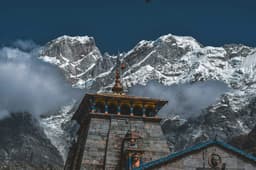
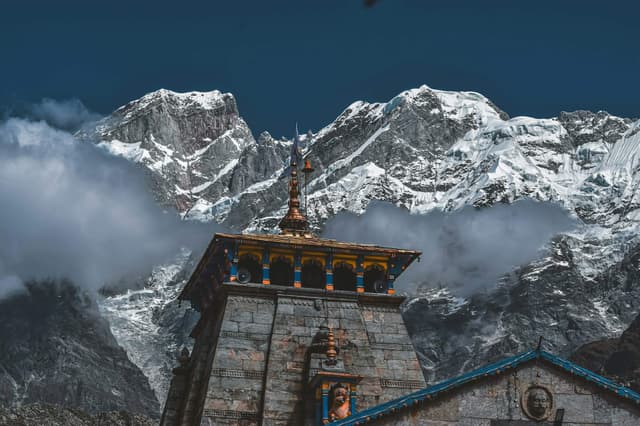
The Char Dham circuit covers Yamunotri, Gangotri, Kedarnath and Badrinath in Uttarakhand. The temples open in sequence around Akshaya Tritiya in late April and close in November around Diwali and Bhai Dooj, and the exact dates are announced each year by the temple committees. Outside that window the shrines are shut and the roads are unsafe.
- Registration is compulsory for every pilgrim. It is done through the Uttarakhand government portal at registrationandtouristcare.uk.gov.in or the Tourist Care Uttarakhand app, and you carry the registration with you.
- The identity document you register with must be the one you carry on the yatra.
- Kedarnath involves a long uphill walk from Gaurikund, with pony and palanquin options and separately booked helicopter services. Helicopter slots are limited and are booked through the official channel.
- These are high altitude shrines. Older travellers and anyone with heart or breathing conditions should get a medical opinion first, and everyone should build in an acclimatisation night rather than pushing straight up.
Varanasi and Kashi Vishwanath
Varanasi in Uttar Pradesh is the most straightforward pilgrimage destination for Nepali travellers. It has its own airport with domestic connections across India, and it is reachable by road through the Belahiya and Sunauli crossing if you are travelling from within Nepal. The Kashi Vishwanath temple now sits inside the redeveloped corridor connecting the temple to the river. Phones, bags and cameras are not permitted inside the main shrine, and lockers are available outside, so travel light on temple mornings.
The Ganga Aarti at Dashashwamedh Ghat happens every evening and draws large crowds, and a boat on the river gives you a better view than the bank does. A sunrise boat ride past the ghats is the other thing everyone does and it deserves the reputation. Sarnath, where the Buddha gave his first sermon, is a short trip out of the city. Nepali travellers often also visit the Nepali Temple at Lalita Ghat, a wooden pagoda style temple built under Nepali patronage that looks like it was lifted straight out of Kathmandu.
Bodh Gaya
Bodh Gaya in Bihar is where the Buddha attained enlightenment, and the Mahabodhi Temple complex with the Bodhi tree is a UNESCO World Heritage Site. Gaya has its own airport and Patna is the nearest large one, and for anyone travelling from within Nepal it is one of the easiest Indian pilgrimage sites to reach overland, through the Birgunj and Raxaul crossing. The winter months are the season, and international monastery pavilions from Thailand, Bhutan, Japan and Tibet ring the town. Major teaching events are sometimes held in the winter, and dates are announced in advance rather than fixed, so check before planning around one.
Amritsar and the Golden Temple
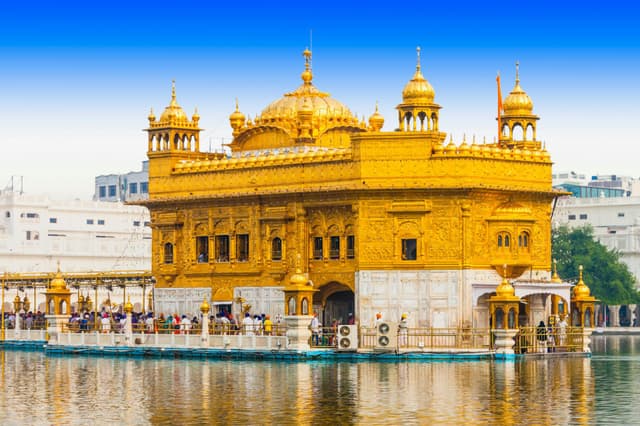
Harmandir Sahib, the Golden Temple, sits in Amritsar in Punjab and is open through the day and much of the night. Cover your head, remove your shoes and wash your feet at the entrance, and leave tobacco and alcohol behind entirely. The community kitchen serves a meal to everyone who sits down, regardless of religion or background, and volunteering in it for an hour is a normal thing for a visitor to do. Jallianwala Bagh is next door, and the flag lowering ceremony at the Wagah border on the Pakistan frontier runs in the late afternoon. October to March is the comfortable season. If you are continuing to Vaishno Devi in Jammu, note that the yatra there also requires a registration slip issued before you begin the climb.
How do you get around inside India
Trains for long distances, domestic flights when the distance is very long, metros inside the big cities, and app cabs or prepaid taxis for everything local. That combination covers almost every trip. Indian transport is dense and reliable once you understand the categories, and the mistake most first time visitors make is not booking the reserved legs early enough.
Indian Railways is booked through IRCTC, either the website or the Rail Connect app. The classes are worth learning because the names tell you nothing on their own.
- 1A is first class air conditioned, with lockable two and four berth cabins.
- 2A is two tier air conditioned, four berths per bay plus two side berths, with curtains.
- 3A is three tier air conditioned, six berths per bay. This is the workhorse for overnight journeys.
- SL is sleeper class, non air conditioned, open windows, and always the busiest.
- CC and EC are seated air conditioned classes on day trains such as Shatabdi and Vande Bharat services.
Reserved tickets open a fixed number of days before departure and popular routes fill on the day they open, so book as early as your dates allow. Waitlisted and RAC tickets may or may not confirm, and you should not build a tight plan around one. Carry the identity document you booked with, because the conductor checks it against the chart.
Domestic flights are the practical answer for Delhi to Kerala, Goa or the far south, with IndiGo, Air India, Akasa Air and SpiceJet on most routes. Metro systems run in Delhi, Mumbai, Bengaluru, Kolkata, Chennai, Hyderabad, Kochi, Jaipur, Ahmedabad, Lucknow, Nagpur and Pune, and they are the fastest way across a congested city. At airports and major stations, use the prepaid taxi counter, where the fare is fixed at the desk and you hand a slip to the driver. Uber, Ola and Rapido work in most cities and remove the negotiation entirely. Intercity buses, both state run and private sleeper coaches, cover routes where the train does not, and RedBus is the usual booking platform.
Money, cards and payments in India
India uses the Indian rupee, and the Nepali rupee is pegged to it at a fixed official rate, so conversion is predictable and does not swing from day to day. Carry a mix of cash and one internationally enabled card. Do not assume your Nepali debit card will work, because many are issued for domestic use only.
Ask your bank to confirm two things before you leave. First, that the card is enabled for use in India. Second, that it is enabled for online transactions, which you will need for train and flight bookings. Cards work at hotels, chain restaurants, malls, fuel stations and organised retail. They frequently do not work at small shops, roadside eateries, temples, auto rickshaws or local markets.
On UPI, be realistic. UPI is built on Indian bank accounts, and a visitor cannot simply install a UPI app and start paying. There is a prepaid wallet product for international visitors that is loaded in Indian rupees after a passport based verification and then pays at UPI QR codes, but it is issued only through specific partners and airport counters, and availability varies. Treat it as a possible convenience, not as your payment plan.
So plan on cash plus a card. ATMs are everywhere in cities and larger towns, thinner in hill areas and small pilgrimage towns, so withdraw before you head into the mountains. Change money at authorised counters or banks with identification, never with a street changer. Keep small denomination notes for autos, tea, temple offerings and tips, and keep your cash split between two places.
Food for Nepali travellers in India
Food is the easiest part of India for a Nepali traveller. Dal, bhat, roti and sabzi are the base across the north, and a thali gives you a full meal without having to decode a menu. Vegetarian eating is effortless, and pure vegetarian restaurants are marked with a green dot on the signboard.
The regional variation is where it gets interesting. Punjab and Delhi give you rich gravies, tandoor breads and paneer. Rajasthan has dal baati churma and a genuinely fiery style of cooking. Lucknow in Uttar Pradesh is kebab and biryani territory. Bengal is fish, mustard and sweets. Kerala runs on coconut, appam, fish moilee and the banana leaf sadya. Tamil Nadu means idli, dosa and filter coffee. Goa has fish curry rice, xacuti and pork sausage that you will not find elsewhere in India.
A few practical notes. Spice levels in Andhra, Telangana and Rajasthan run hotter than most Nepali travellers expect, and you can ask for it mild. Halal food is easy in Delhi, Lucknow, Hyderabad and Mumbai and harder in small towns. Momo is a hill and northeast dish in India, so do not expect it in Rajasthan. Drink sealed bottled water and check the seal, skip ice from unknown sources, and eat street food at the busy stalls where the turnover is high. Carry your usual stomach medicine rather than hunting for it mid-trip.
Is India safe, and what scams should you watch for
India is broadly safe for Nepali tourists, and the real risk is not violence but being separated from your money by someone friendly. Tourist scams are concentrated around railway stations, airports and the approaches to famous monuments, and they follow a small number of scripts. Learn the scripts and they stop working.
- Fake tourist offices. Around New Delhi railway station and the Paharganj area, touts steer visitors into shops calling themselves government or IRCTC tourist offices, then sell overpriced tours. The genuine international tourist bureau is inside New Delhi railway station itself, not in a shop across the road.
- "Your hotel is closed." A driver tells you your hotel has shut down, burned, or that the road is blocked by unrest, then offers an alternative that pays him commission. Call the hotel yourself and insist on being taken to the address you booked.
- Meter refusal. Auto rickshaw drivers claiming the meter is broken. Insist on the meter, or use an app cab or a prepaid counter and skip the conversation.
- Gem and carpet commission traps. A shop offers you stones or carpets to carry home and resell at a profit under some export scheme. It is a scam every time. Never buy anything for resale.
- Station porters and unsolicited helpers. Someone picks up your bag without being asked, then names a figure afterwards. Agree the terms before anyone touches your luggage.
- Airport and station touts. Ignore anyone approaching you outside arrivals. Walk to the official prepaid counter or the app cab pickup zone.
For solo female travellers, India is manageable with sensible precautions and a large number of women travel independently every year. Use app cabs where the trip can be shared live with someone at home. Avoid empty train compartments and empty metro coaches late at night, and use the reserved women's coach where one exists, as on the Delhi metro. Arrange arrivals in daylight rather than at three in the morning. Dress moderately at religious sites and in small towns, which reduces unwanted attention more than anything else. Keep your hotel address written down in Hindi or English.
The national emergency number across India is 112, which routes police, fire, ambulance and disaster response. The Indian tourist helpline is 1363. Save both before you travel.
Travel insurance and the Embassy of Nepal in New Delhi
Insurance is not an entry requirement for Nepali citizens, but buy a policy with medical cover, particularly for the Char Dham, Ladakh or any trip with elderly parents, and read the exclusions before you pay. The Embassy of Nepal in New Delhi, on Barakhamba Road, is the Nepali mission to contact if you lose your passport or citizenship certificate or need consular help. For more, read our guide Is India safe.
SIM cards, internet and useful apps
Getting an Indian SIM as a Nepali visitor takes more effort than it should. Prepaid connections require full identity verification, and because Nepali citizens arrive without a visa, small resellers often do not know how to process the paperwork and simply refuse. Go to a company owned Airtel, Jio or Vi store, or an airport telecom counter, and carry your passport.
Activation is not instant. Expect a verification step and a wait before the connection goes live, which means the SIM will not help you on the ride from the airport. Plan for that gap.
If your trip is short, an international roaming pack from your home operator, which for travellers based in Nepal means Ncell or Nepal Telecom, is often simpler than the queue at a telecom store. If your phone supports eSIM, a travel data eSIM bought before departure is the cleanest option of all and works the moment you land. Hotel Wi-Fi is standard, and many large railway stations have public Wi-Fi.
Useful apps to install before you travel: IRCTC Rail Connect for trains, Uber, Ola and Rapido for cabs, RedBus for intercity buses, Google Maps with the region downloaded for offline use, Google Translate with Hindi downloaded, Zomato or Swiggy for food delivery, and Tourist Care Uttarakhand if you are doing the Char Dham.
Planning your India trip
Book about six to eight weeks ahead for ordinary dates, and around three months ahead for Dashain and Tihar. That festival window is the busiest travel period in the Nepali calendar and it overlaps India's own Diwali travel, so flights, hotels and reserved train berths all disappear early. Everything else is easier to arrange late.
Some festivals are worth building a trip around rather than avoiding. Holi in February or March, best seen in Mathura and Vrindavan in Uttar Pradesh or in Jaipur. Diwali in October or November across the north. The Pushkar camel fair in Rajasthan in November. Durga Puja in Kolkata in September or October. Onam in Kerala in August or September. These follow the lunar calendar and shift each year, so confirm the dates before you lock in tickets.
Gomayu Holidays is operated by Zeta Tours and Travels Pvt. Ltd., a registered Nepali company. Most of our planning happens over WhatsApp and email, so it makes no difference whether you are booking from Sydney, Doha, Toronto, Tokyo or Nepal itself, and we also keep a real office in Kathmandu if you would rather sit down with us. We handle the flights or the border route, hotels, transport and the permits and registrations that specific regions need, and we tell you honestly when a plan will not fit the days you have. Send us your dates on WhatsApp and we will come back with a plan you can actually book.
Best India tour packages from Nepal
To summarise, these are the most popular India tour packages from Nepal that we arrange for Nepali travellers and the Nepali diaspora:
- India Golden Triangle Tour – Delhi Agra Jaipur (6 days)
- Goa Tour Package (4 days)
All destinations
Explore more destinations
Search Tours or Places
Search Tours or Places