Himalayan Hill Stations Meet Mughal Heritage
This 8-day itinerary joins two very different sides of North India into one circuit: the cool hill stations of Himachal Pradesh and the Mughal-era heritage of Agra, home to the Taj Mahal. Rather than treating these as separate trips, this route links them through Chandigarh, giving travelers both mountain scenery and one of the world's most recognized monuments in a single, well-paced journey.
Delhi to Shimla
The journey opens with arrival in Delhi and the drive to Shimla, the former summer capital of British India, with a scenic stop at Pinjore Gardens or the Timber Trail ropeway at Parwanoo along the way. Arriving in Shimla by evening leaves time for an initial walk along The Mall and The Ridge, home to the well-known Christ Church.
Shimla, Kufri, and the Road to Manali
Day 2 covers Shimla's core sights: Kufri's cedar forest walk toward Mahasu Peak, followed by Jakhu Temple, the Vice Regal Lodge, Christ Church, the Gaiety Theatre, and Scandal Point. Day 3 continues to Manali via the Kullu Valley, following the River Beas and stopping at Kullu's shawl factories, with white-water rafting available locally for those wanting to add it.
Manali and the Atal Tunnel
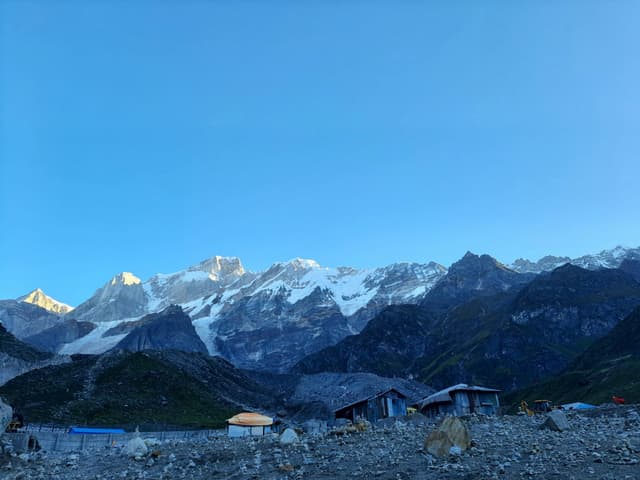
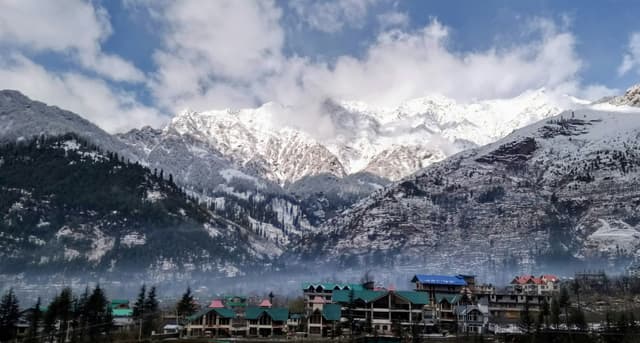
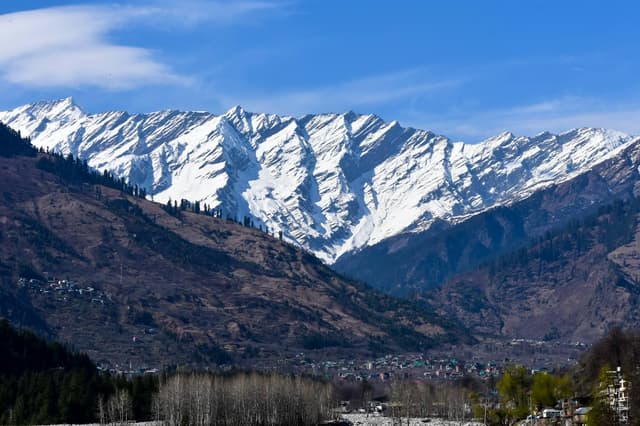
Days 4 and 5 cover Manali in full: the roughly 450-year-old Hadimba Devi Temple, the Tibetan Monastery, and Vashisht village's hot sulphur springs, followed by Solang Valley's glacier views, and a full-day excursion to the Atal Tunnel, which connects Manali to the Lahaul-Spiti Valley; the tunnel is about 9 km long at about 3,000 m (around 10,000 ft). As with other itineraries covering this excursion, it remains genuinely weather-dependent, and the local vehicle required for the tunnel stretch is arranged and paid for separately.
Chandigarh
Day 6 shifts to Chandigarh, India's first fully planned modern city, known for its Rock Garden built from repurposed industrial materials, its Rose Garden, and Sukhna Lake, giving the trip's midpoint a distinctly different character from the previous days of hill-station sightseeing.
Agra and the Taj Mahal
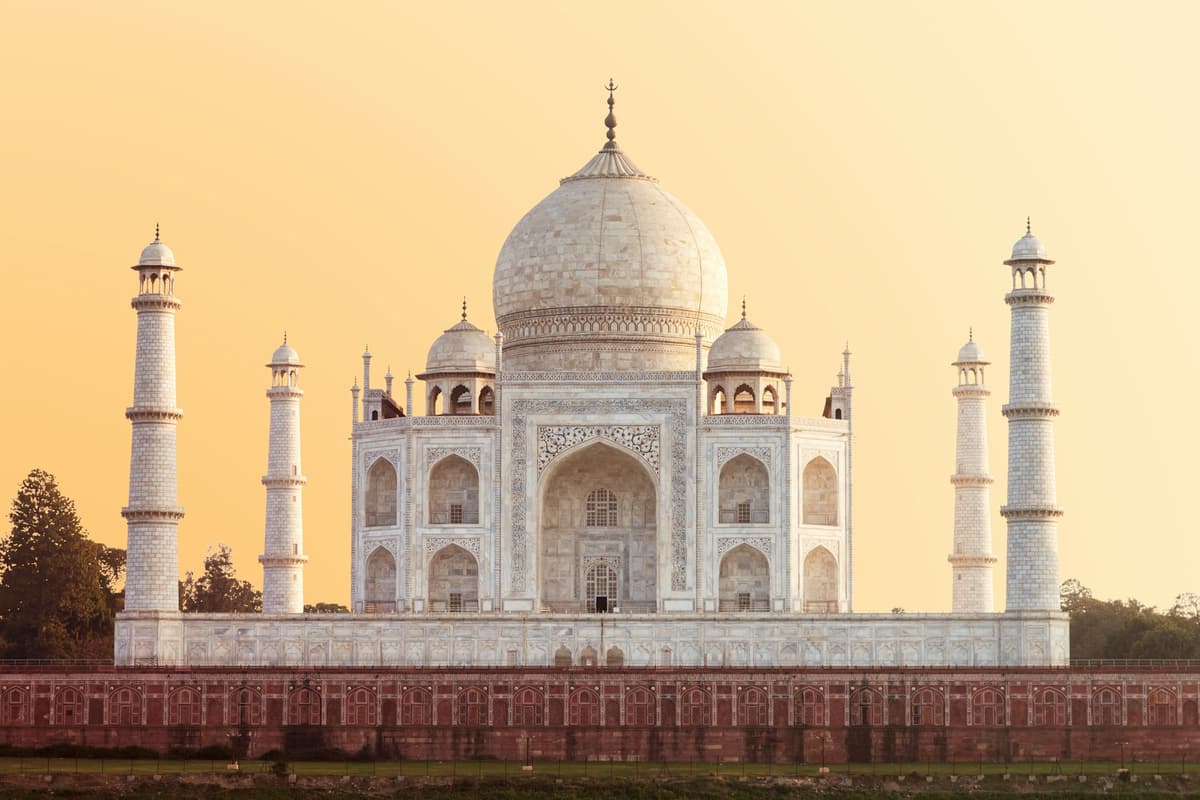
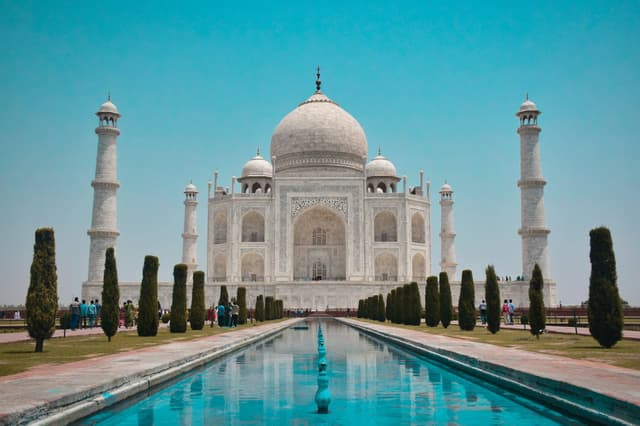
Day 7 covers the drive from Chandigarh to Agra, with the Taj Mahal visit scheduled for arrival day. It's worth noting that the Taj Mahal is closed to visitors every Friday, so travel dates falling on a Friday will need this stop adjusted; a travel consultant can confirm the exact day of the week this itinerary's Day 7 lands on based on the traveler's departure date. Day 8 continues with Agra Fort, built under Emperor Akbar beginning in 1565 and a UNESCO World Heritage Site in its own right, before the drive back to Delhi with stops in Mathura and Vrindavan, both significant pilgrimage towns associated with Lord Krishna.
Getting Home
The final day closes with a drop at the airport or railway station in Delhi for onward travel.
Best Time to Visit
March through June and September through November generally offer the most comfortable conditions across this itinerary's full range, from Himachal's mountain roads to Agra's plains, where summer heat can be intense. Winter (December through February) brings snow to the higher Himachal elevations and can affect Atal Tunnel access, while the monsoon months (July-August) can bring landslide risk on mountain roads.
Practical Notes for Nepali Travelers
Indian Rupee (INR) is the local currency. Given how much driving this itinerary involves across its full length, from Delhi to Shimla, through Manali and Chandigarh, and on to Agra, travelers prone to motion sickness may want to plan accordingly. It's worth confirming the Taj Mahal visiting day in advance given its weekly Friday closure, and warm layers remain useful for the Manali and Atal Tunnel stretch even as the itinerary later moves into Agra's warmer plains climate.