A Fuller Himachal Pradesh Circuit
This 7-day itinerary extends the classic Shimla-Manali route in two directions: it begins in Delhi rather than assuming arrival already in the hills, and it adds a full day in Chandigarh, India's first planned modern city, on the return leg. The result is a more complete circuit for travelers who want the journey itself, not just the hill-station stops, to be part of the trip.
Delhi to Shimla
The journey begins with arrival in Delhi, followed by the drive up to Shimla, the former summer capital of British India. En route, a stop at either Pinjore Gardens, a Mughal-style garden complex, or the Timber Trail ropeway at Parwanoo breaks up the drive with a scenic detour before continuing into the hills. Arriving in Shimla by evening leaves time for an initial walk along The Mall and The Ridge, where Christ Church, one of Shimla's most photographed landmarks, sits prominently.
Shimla and Kufri
Day 2 covers Shimla's core sights in full: a morning excursion to Kufri, where a walk through cedar forest leads toward views from Mahasu Peak, followed by an afternoon covering Jakhu Temple, the Vice Regal Lodge, Christ Church, the Gaiety Theatre, and Scandal Point, all clustered within Shimla's compact colonial-era center. The evening is left free for shopping on Mall Road.
The Kullu Valley to Manali
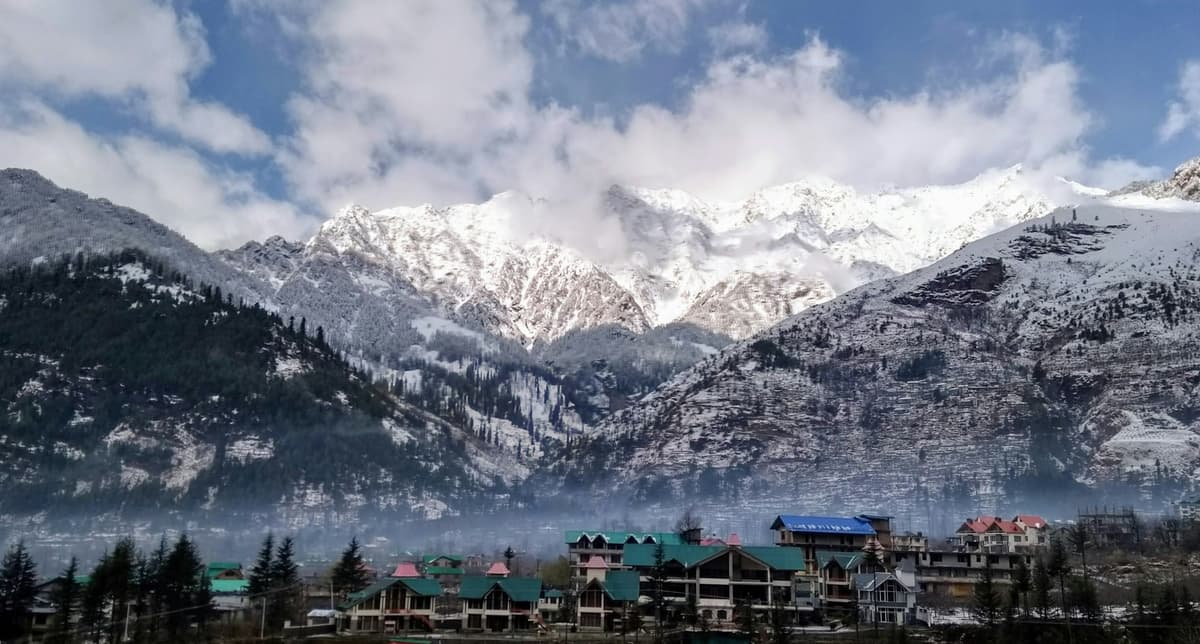
Day 3 covers the drive to Manali, following the Kullu Valley alongside the River Beas, a route considered scenic in its own right. A stop at Kullu's shawl factories offers a look at the region's textile tradition, while white-water rafting on the Beas is available locally for travelers wanting to add an adventure activity to the driving day.
Manali's Temples and Solang Valley
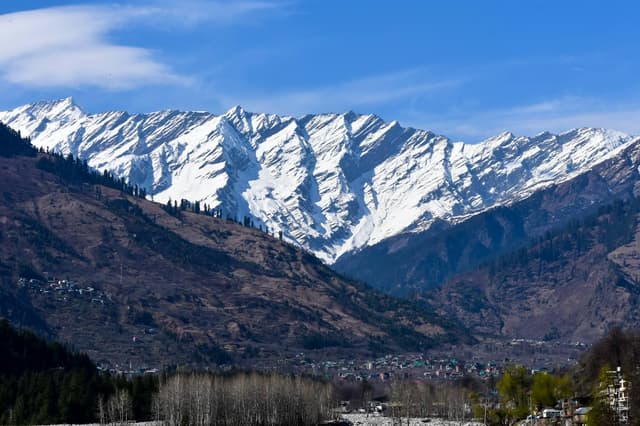
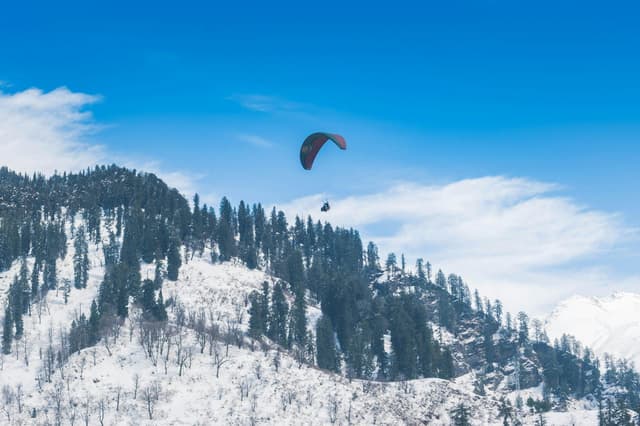
Day 4 mirrors the standard Manali sightseeing day, covering the roughly 450-year-old Hadimba Devi Temple, the Tibetan Monastery, and Vashisht village's hot sulphur springs, before continuing to Solang Valley for its glacier and snow-capped peak views. Adventure activities here, including paragliding, zorbing, and the cable car, sit outside the package cost and can be added locally.
The Atal Tunnel
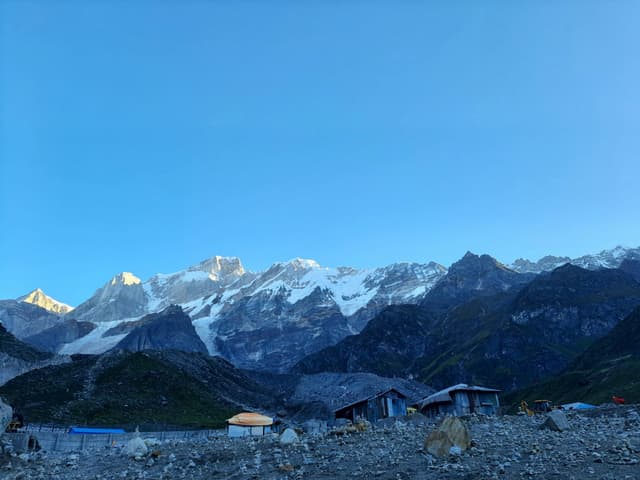
Day 5 is dedicated to a full-day excursion to the Atal Tunnel, which connects Manali to the Lahaul-Spiti Valley. The tunnel is about 9 km long and sits at about 3,000 m (around 10,000 ft). Additional stops at Nehru Kund, Kothi, Gulaba, and Rahalla Falls extend the day with several shorter scenic breaks along the route. As with other Atal Tunnel excursions, this leg is genuinely weather-dependent, and the local vehicle required for the final stretch is arranged and paid for separately from the main package.
Chandigarh
Day 6 shifts away from the mountains entirely, driving to Chandigarh, known as "The City Beautiful" and notable as one of India's first fully planned modern cities, designed in part by the architect Le Corbusier. The Rock Garden, built largely from industrial and household waste transformed into sculptures, waterfalls, and plazas, is one of the city's most distinctive attractions, alongside the more conventional Rose Garden and the reservoir at Sukhna Lake. This gives the trip's final full day a genuinely different character from the previous five days of hill-station sightseeing.
Getting Home
The final day covers the drive back to Delhi, with a drop at the airport or railway station for onward travel.
Best Time to Visit
March through June and September through November generally offer the most comfortable travel conditions for this itinerary. Winter (December through February) brings snow to the higher elevations, particularly around the Atal Tunnel, which adds scenic appeal but also travel unpredictability, while the monsoon months (July-August) can bring landslide risk on mountain roads.
Practical Notes for Nepali Travelers
Indian Rupee (INR) is the local currency. Given how much driving this itinerary involves, including the long Delhi-Shimla and Manali-Chandigarh-Delhi legs, travelers prone to motion sickness may want to plan accordingly. Warm layers are worth packing regardless of season, particularly for the Day 5 Atal Tunnel excursion, where temperatures at altitude can differ sharply from the valley floor.