From Himalayan Hill Stations to a Sacred Pilgrimage
This 11-day itinerary carries Gomayu's core Himachal Pradesh circuit through to its most spiritually significant possible extension: the Vaishno Devi pilgrimage in Katra. Rather than closing the trip with another hill station or heritage site, it ends with one of Hinduism's most-visited shrines, giving the journey a genuinely different kind of closing chapter.
Delhi Through the Hill Stations
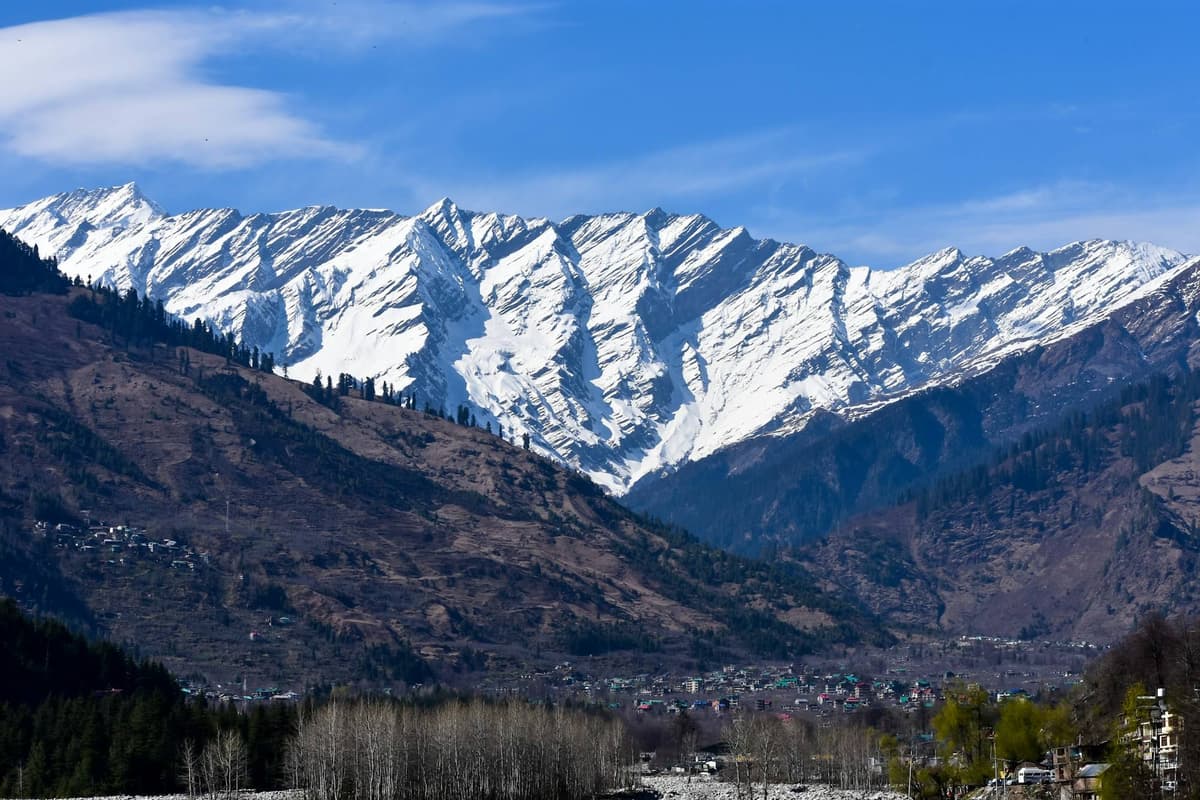
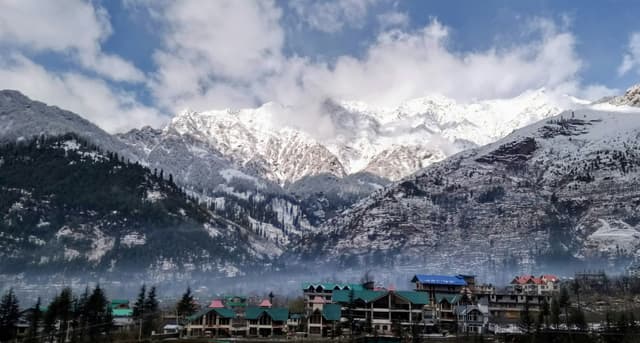
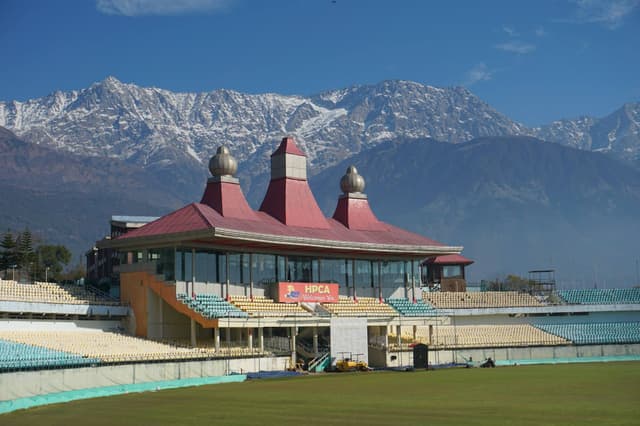
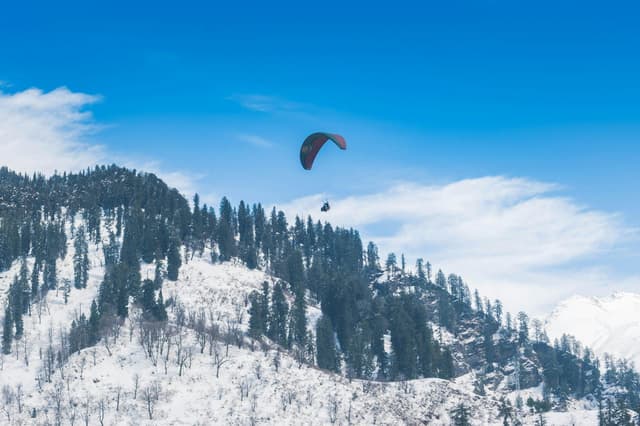
The itinerary follows the same route as Gomayu's other Himachal packages through Day 8: arrival in Delhi and the drive to Shimla, Shimla and Kufri sightseeing, the drive to Manali via the Kullu Valley, Manali's temples and Solang Valley, the Atal Tunnel excursion, the drive to Dharamshala via Baijnath and Palampur, Dharamshala and McLeodganj sightseeing, and finally Dalhousie and Khajjiar.
The Drive to Katra
Day 9 covers the drive from Dalhousie to Katra, the small town in the Reasi district of Jammu & Kashmir that serves as the base point for the Vaishno Devi pilgrimage. Katra itself sits at a notably lower elevation and different terrain than the Himachal hill stations preceding it, marking a clear shift in the trip's character as it approaches its final, pilgrimage-focused stretch.
Vaishno Devi Darshan
Day 10 is dedicated entirely to the Vaishno Devi Darshan. The shrine, located in a cave in the Trikuta Hills, is one of the most-visited Hindu pilgrimage sites in India, and reaching it involves a trek of roughly 13 kilometers from Katra's Ban Ganga starting point. Pilgrims can complete this on foot, or arrange battery-operated cars, ponies, palkis, or a helicopter for part of the route, options that sit outside this itinerary's included cost and can be arranged locally based on preference and physical ability. Given the demands of the trek, an early start, as this itinerary schedules, matters considerably for managing the day's pace and avoiding the heaviest pilgrim traffic.
Departure
Day 11 is left light, with the local market in Katra offering a final stop before departure. It's worth noting for planning purposes that Katra itself has no airport; the nearest one is in Jammu, roughly 45 kilometers away, while Katra does have its own railway station with direct connections, making rail travel the more immediate onward option for many travelers finishing this itinerary.
Best Time to Visit
March through June and September through October generally offer the most comfortable conditions for both the Himachal hill-station stretch and the Vaishno Devi trek itself, which can be genuinely demanding in extreme heat or during heavy monsoon rain. Winter (December through February) brings snow to the higher Himachal elevations, particularly around the Atal Tunnel, and can also make the shrine trek considerably colder, though the pilgrimage itself continues year-round.
Practical Notes for Nepali Travelers
Indian Rupee (INR) is the local currency. A yatra slip, essentially a registration permit for the Vaishno Devi trek, is required and typically arranged either online in advance or on arrival in Katra; this and any optional pony, palki, or helicopter costs for the shrine trek sit outside the package price. Comfortable, broken-in walking shoes matter significantly for Day 10 given the length of the trek, and given how demanding this circuit is overall, both physically and in terms of driving distance, travelers should budget for genuine rest on the days built in for it.