
























The best time to visit India for most travellers is from October to March, when the air is cool and dry across the plains, the deserts and the south. India is a subcontinent rather than a single climate, so the perfect month depends on where you are heading: the high Himalayas open up in summer, the southwest monsoon soaks most of the country from June to September, and the hill stations come into their own when the plains turn fierce. This guide breaks the year down season by season, region by region and month by month, with temperatures, rainfall patterns and festival timing, so you can lock in dates that suit your route rather than fight the weather.
When is the best time to visit India overall?
For the classic circuits, the honeymoon beaches and the great cities, aim for the cool, dry winter that runs from roughly late October to March. Skies are clear, humidity is low and daytime temperatures across the north sit in a comfortable 20 to 28 degrees Celsius. Summer from April to June is intense on the northern plains, where the mercury regularly climbs past 40 degrees. The southwest monsoon then arrives from June, bringing relief, greenery and lower prices but also heavy rain and the odd travel delay.
If you only remember one thing, remember this: winter is the safe, crowd-pleasing choice, and the shoulder months of October, November, February and March give you the best balance of good weather, thinner crowds and softer prices. December and early January are the absolute peak, so book flights, trains and hotels well ahead.
| Season | Months | Weather in brief | Best for |
|---|---|---|---|
| Winter (peak) | October to March | Cool, dry, clear skies | Golden Triangle, Rajasthan, Goa, the south |
| Summer | April to June | Very hot on the plains, mild in the mountains | Himalayas, Ladakh, hill stations |
| Southwest monsoon | June to September | Heavy rain, humid, lush | Kerala backwaters, Western Ghats, Ladakh (stays dry) |
| Retreating monsoon | October to December | Rain shifts to the southeast coast | North India dries out first; Tamil Nadu waits |
What is the weather like in India through the year?
India runs on three broad seasons rather than four: a cool winter, a hot summer and a rainy monsoon, followed by a short retreating monsoon in the far south. The country stretches from the snowbound Himalaya to the tropical tip near the equator, so any single month feels completely different depending on latitude and altitude.
Winter days in the north are warm and pleasant, but nights can drop close to freezing in the desert and the far north, and dense morning fog can delay trains and flights around Delhi in late December and January. From March the heat builds fast on the plains, peaking in May and early June before the rains break. The monsoon then cools the air but raises humidity sharply. The far south stays warm and green all year, while the mountains flip the script entirely, cold and often impassable in winter, mild and glorious in summer.
How hot does it get, month by month?
The table below gives typical average high temperatures for a spread of popular destinations, so you can see how differently the country behaves at the same time of year. Figures are long-term averages in degrees Celsius and vary year to year.
| City / region | Jan | Apr | Jun | Aug | Oct | Dec |
|---|---|---|---|---|---|---|
| Delhi (north plains) | 21 | 39 | 39 | 34 | 33 | 23 |
| Jaipur (Rajasthan) | 22 | 38 | 39 | 33 | 33 | 24 |
| Goa (west coast) | 32 | 33 | 30 | 29 | 32 | 33 |
| Kochi (Kerala) | 31 | 32 | 29 | 29 | 30 | 31 |
| Leh (Ladakh) | 1 | 13 | 25 | 25 | 15 | 3 |
| Shimla (hill station) | 9 | 19 | 24 | 20 | 18 | 11 |
The pattern is clear. In January, Delhi and Jaipur are crisp and comfortable while Leh is close to freezing. By April the northern plains are already uncomfortably hot, yet the mountains are just warming up. During the monsoon peak in August, the coast and the plains are humid and wet, but high-altitude Ladakh sits in its rain shadow and stays dry and clear.
When does the monsoon actually arrive and leave?
The southwest monsoon usually reaches the Kerala coast around the first week of June, then sweeps north and east, covering almost the whole country by mid-July. It begins to retreat from the northwest in September and clears the northern plains by early October. As it withdraws, a second, smaller northeast monsoon brings rain to the southeast coast, especially Tamil Nadu and Chennai, from October into December. The India Meteorological Department publishes onset and withdrawal updates each year if you want to track it closely.
| Monsoon phase | Approximate timing | Where it rains most |
|---|---|---|
| Onset, Kerala | Around 1 June | Kerala, Western Ghats, Konkan coast |
| Full coverage | By mid-July | Almost the entire country |
| Peak rainfall | July and August | West coast, northeast, central India |
| Withdrawal, north | September to early October | Plains dry out from the northwest |
| Northeast monsoon | October to December | Tamil Nadu, coastal Andhra, Chennai |
When is the best time to visit each region of India?
Because the seasons vary so widely, the smartest approach is to pick your region first and then choose the month. Here is how the main travel zones line up through the year.
North India and the Golden Triangle
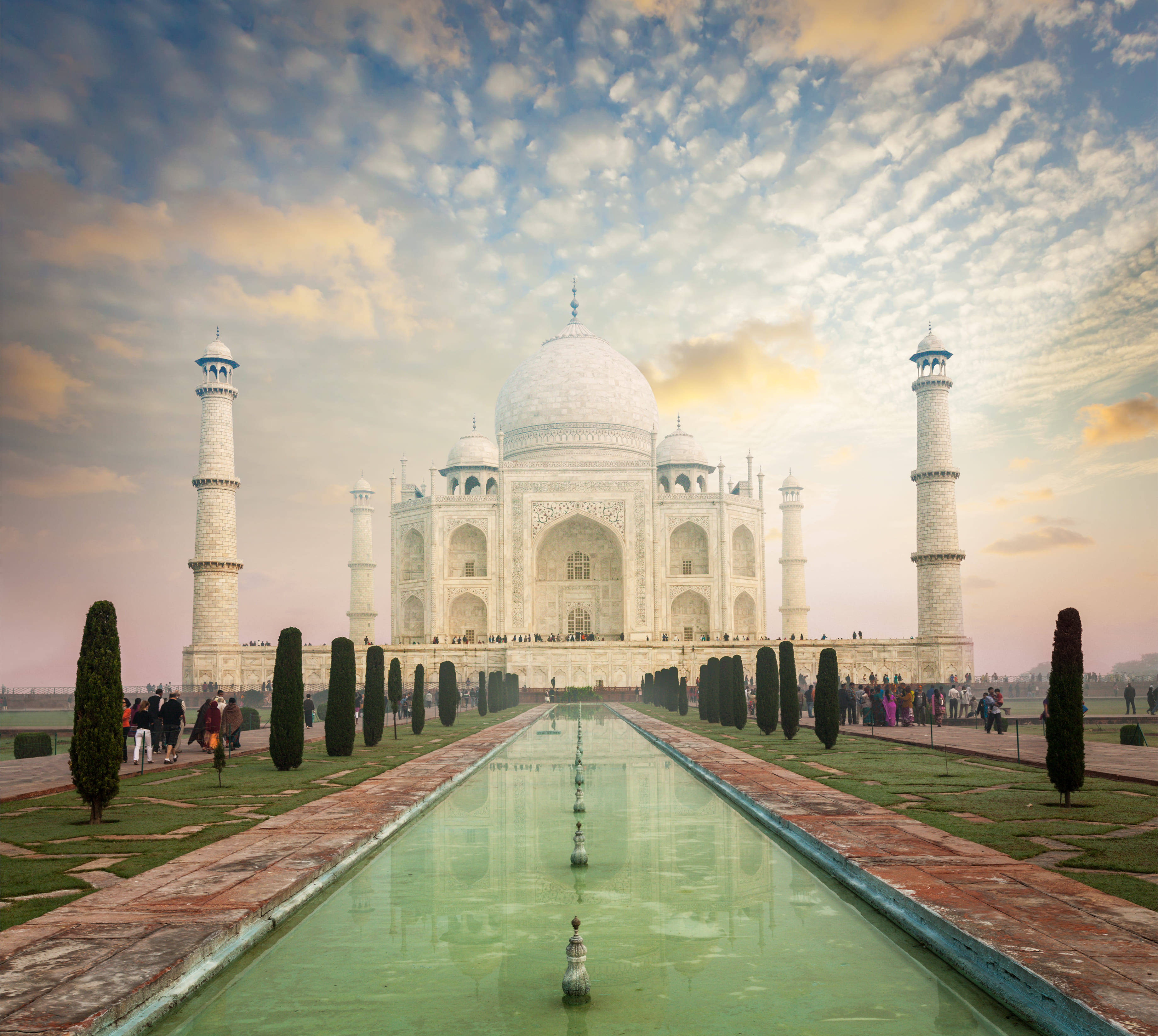
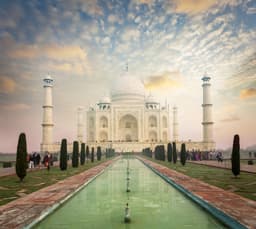
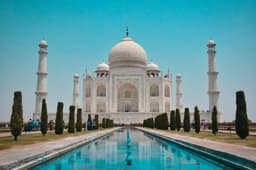
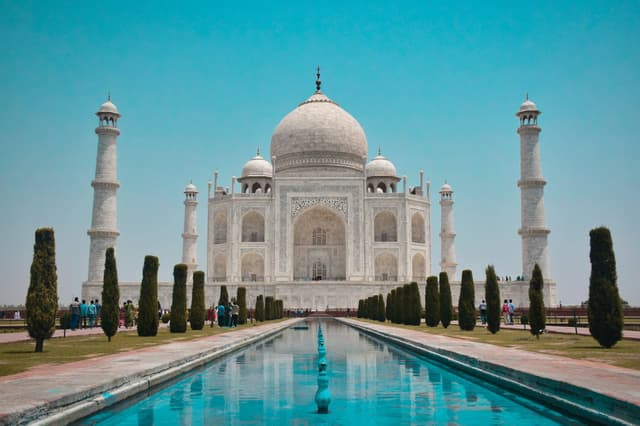
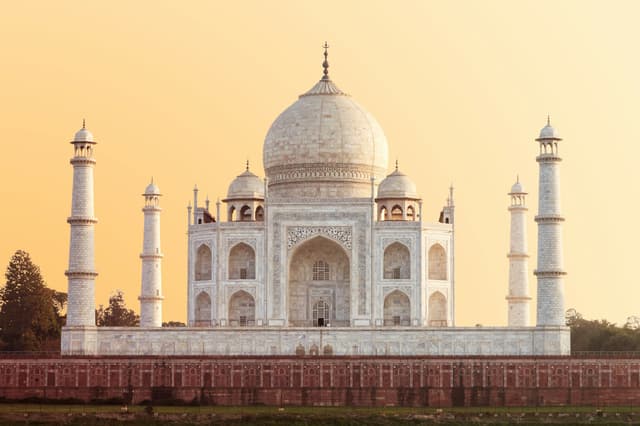
Delhi, Agra and Jaipur, the famous Golden Triangle, are at their best from October to March. Days are warm and clear, ideal for long sightseeing at the Taj Mahal, Amber Fort and Old Delhi. Avoid May and June, when the heat is punishing, and be aware of winter fog around late December. If you want a deeper itinerary for this route, see our guide to the Golden Triangle in India.
Rajasthan and the desert
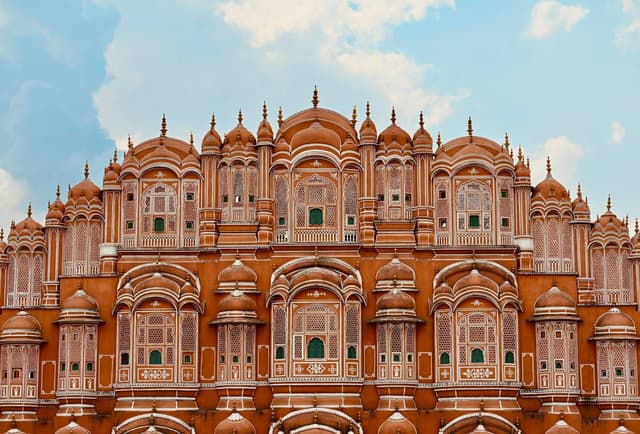
Rajasthan follows the same winter window, October to March, with cool, comfortable days for exploring Jaipur, Udaipur, Jodhpur and Jaisalmer. Desert nights can be genuinely cold in December and January, so pack layers. Summer is best avoided unless you enjoy extreme heat. Our Rajasthan tourism guide covers the forts, lakes and fairs in more detail.
Kerala and the deep south
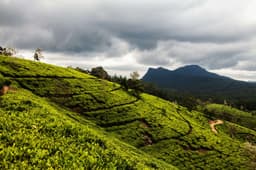
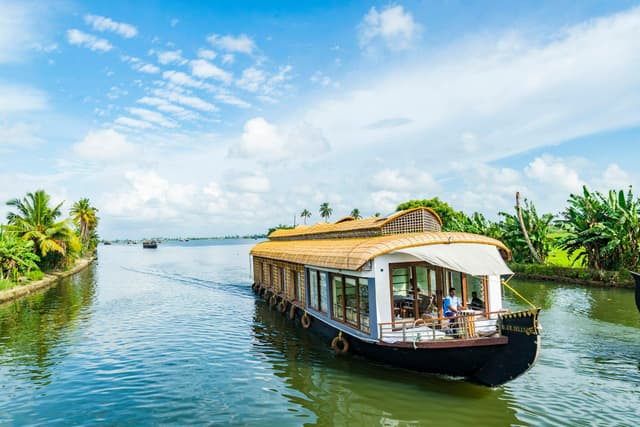
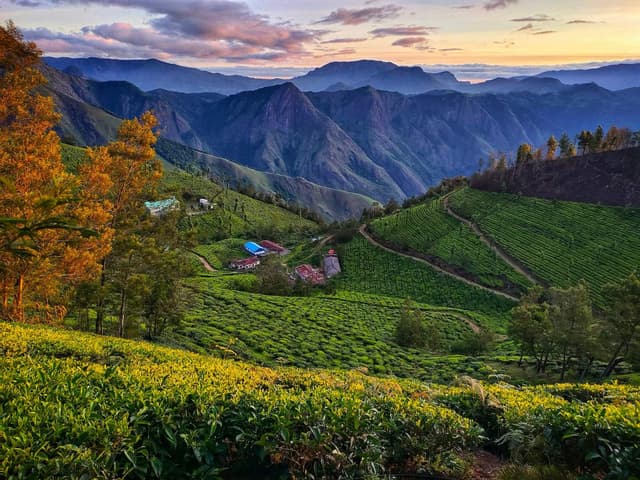
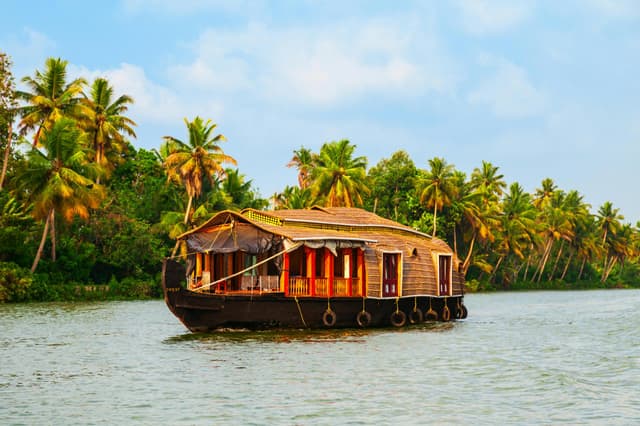
Kerala and the southern states are pleasant from October to March, the prime season for the backwaters, tea hills and beaches. The monsoon from June to September turns Kerala emerald green and is the traditional season for Ayurvedic treatments, with far fewer visitors and lower prices, though boat trips can be soggy. For inspiration, read our Kerala tourism guide.
Goa and the west coast beaches
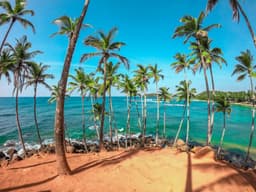
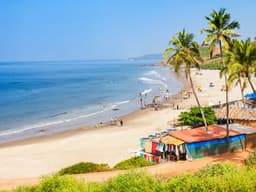
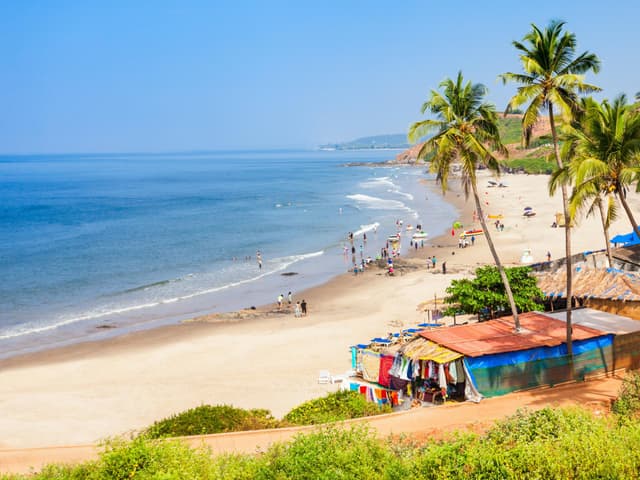
Goa's beach season runs from November to February, when the sea is calm, the shacks are open and the weather is dry and warm. March and April are still fine but hotter. The monsoon largely shuts the beach scene down from June to September, although the greenery and empty sands appeal to some. For a wider list of coastlines, see the best beaches in India.
The Himalayas, Ladakh and hill stations
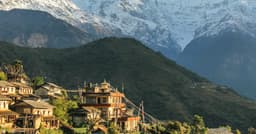
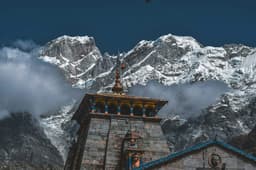
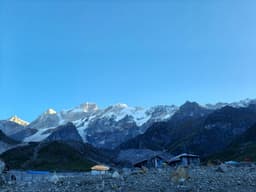
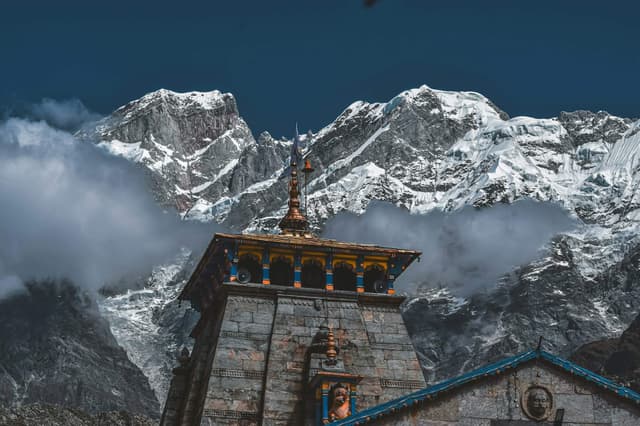
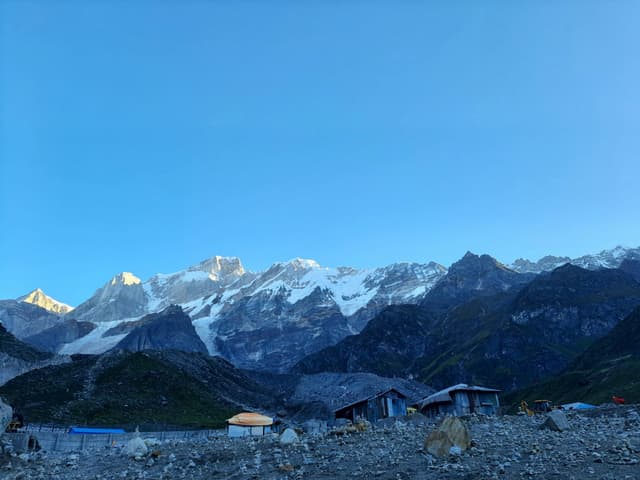
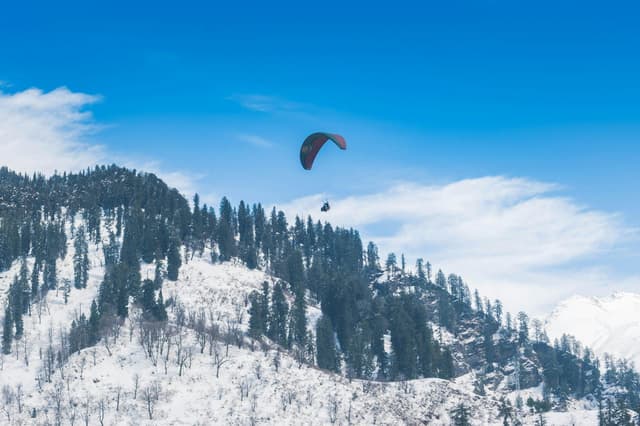
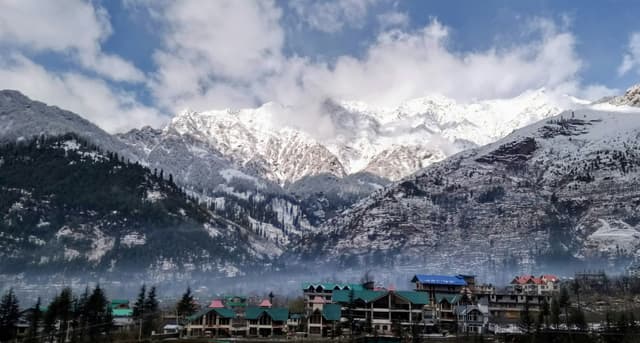
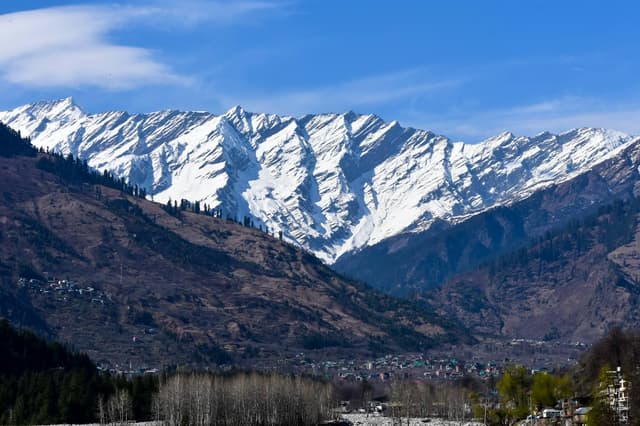
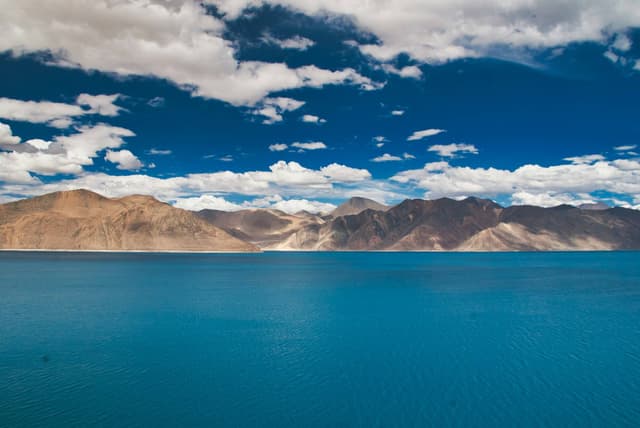
This is where the calendar flips. Hill stations such as Shimla, Manali and Darjeeling are loveliest from March to June, offering cool escapes while the plains bake. High-altitude Ladakh is best from June to September, when the passes are open, the skies are blue and the valleys are dry. Winter closes many mountain roads with heavy snow, so plan high-altitude travel firmly within the summer window.
Andaman Islands and the east
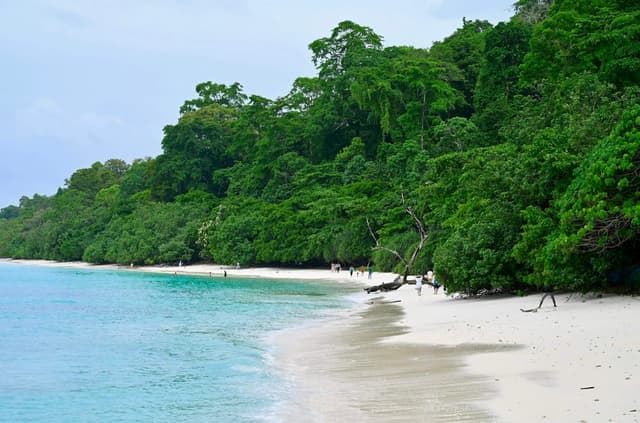
The Andaman Islands are best from November to April, with calm seas ideal for diving and snorkelling. Kolkata and the eastern plains share the north's winter season, comfortable from November to February and steamy the rest of the year.
| Region | Best months | Season to avoid |
|---|---|---|
| Golden Triangle (Delhi, Agra, Jaipur) | October to March | May to June (extreme heat) |
| Rajasthan | October to March | May to June |
| Kerala and the south | October to March | Heavy monsoon travel days |
| Goa | November to February | June to September |
| Himalayan hill stations | March to June | Deep winter (snow, closures) |
| Ladakh | June to September | October to May (roads closed) |
| Andaman Islands | November to April | Monsoon (rough seas) |
What is India like month by month?
If you already know your travel dates, this quick month-by-month guide tells you what to expect and where to point your trip. It is the fastest way to match a fixed window to the right part of the country.
| Month | Weather in brief | Where to go |
|---|---|---|
| January | Cool and dry, foggy mornings in the north | Rajasthan, Goa, Kerala, Tamil Nadu |
| February | Warm days, comfortable nights, excellent all round | Golden Triangle, south, wildlife parks |
| March | Heat building on the plains, hills still cool | Holi in the north, hill stations, safaris |
| April | Hot on the plains, pleasant in the mountains | Shimla, Manali, Darjeeling, tiger parks |
| May | Very hot, pre-monsoon peak | Ladakh opening, high hill stations |
| June | Monsoon reaches Kerala, heat breaks | Ladakh, Spiti, Kerala Ayurveda |
| July | Full monsoon, lush and wet | Ladakh, Western Ghats greenery |
| August | Heavy rain, humid, festivals begin | Ladakh, hill escapes, indoor culture |
| September | Monsoon retreating from the north | North India drying out, shoulder deals |
| October | Fresh, green and clear, season opens | Golden Triangle, Rajasthan, Dussehra |
| November | Cool, dry and ideal, Diwali and Pushkar | Rajasthan, Varanasi, Goa opens |
| December | Peak season, cool days, cold desert nights | Everywhere popular, book ahead |
Which is the peak season and which is the shoulder season?
Understanding demand is as useful as understanding weather, because it decides how much you pay and how crowded the sights feel.
Peak season is December and early January. The weather is at its finest, but airfares, hotel rates and honeymoon resorts in Goa and Kerala hit their highest, and the Taj Mahal and Rajasthan forts are busiest. The shoulder months, October to November and February to March, are the sweet spot for many travellers: the weather is still excellent, but rates ease and queues shorten. The low season is the monsoon and the pre-monsoon heat, roughly April to September, when prices fall sharply and you can find real value if you choose a region that suits the season, such as Ladakh or the Kerala hills.
| Demand period | Months | Prices | Crowds |
|---|---|---|---|
| Peak | December to early January | Highest | Busiest at major sights |
| Shoulder | October to November, February to March | Moderate | Comfortable |
| Low | April to September | Lowest | Thin, except hill stations |
If budget is your main concern, our guide on whether India is expensive breaks down realistic daily costs across seasons.
How much rain should you expect, and where?
Rainfall is even more uneven than temperature. The west coast and the northeast are among the wettest places on earth during the monsoon, while the northern plains get a shorter, sharper burst and the desert stays largely dry. The table below shows typical monthly rainfall in millimetres, which is the clearest way to see when and where the skies open.
| City | Jun | Jul | Aug | Sep | Nov | Annual pattern |
|---|---|---|---|---|---|---|
| Mumbai | 500 | 840 | 540 | 340 | 15 | Intense June to September, dry winter |
| Delhi | 75 | 210 | 250 | 130 | 5 | Short monsoon burst, dry rest of year |
| Kochi (Kerala) | 700 | 600 | 380 | 250 | 170 | Long, heavy monsoon |
| Chennai | 50 | 85 | 125 | 120 | 360 | Wettest in the October to December northeast monsoon |
| Jaipur | 65 | 200 | 230 | 90 | 5 | Brief monsoon, very dry otherwise |
Notice how Chennai and the southeast run on a different clock, staying relatively dry through the main monsoon and getting most of their rain from October to December. That is why Tamil Nadu and Puducherry are best enjoyed from January to March rather than in the standard winter rush.
When is the best time for a wildlife safari in India?
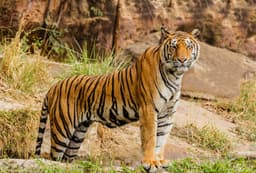
India's national parks and tiger reserves keep their own calendar. Core safari zones in the great tiger parks close during the monsoon and reopen in the dry season, so timing matters if wildlife is your priority. The cooler winter months are comfortable for game drives, but the hot pre-monsoon stretch from April to June often delivers the best big-cat sightings, as animals gather at shrinking waterholes.
| Park | Known for | Open season | Best sightings |
|---|---|---|---|
| Ranthambore (Rajasthan) | Tigers, forts | October to June | April to June |
| Kanha and Bandhavgarh (Madhya Pradesh) | Tigers | October to June | March to June |
| Jim Corbett (Uttarakhand) | Tigers, elephants | Mid-November to June | March to June |
| Kaziranga (Assam) | One-horned rhino | November to April | November to March |
| Gir (Gujarat) | Asiatic lions | Mid-October to mid-June | December to March |
If a safari is central to your plans, combine it with the winter circuit for comfort or brave the early-summer heat for the highest chance of a tiger. Either way, book park permits and lodges well ahead, as jeep numbers are capped.
When should you visit the northeast and the far east?
The northeastern states, including Assam, Meghalaya and Sikkim, are best from October to April, once the exceptionally heavy monsoon has passed. Meghalaya is one of the wettest regions on the planet in summer, so the dry winter window is the sensible choice for its living root bridges and waterfalls. Sikkim and the eastern Himalaya reward late spring for rhododendron blooms and clear mountain views. The Andaman Islands, far out in the Bay of Bengal, are at their calmest and clearest for diving and snorkelling from November to April.
When is the best time for a first trip, a honeymoon or a family holiday?
Your ideal season also depends on the kind of trip you are planning. For a first visit built around the headline sights, October to March is the surest bet: the weather is kind, the famous circuits are fully open and everything from trains to guides runs at full tilt. Honeymooners tend to favour November to February, pairing the cool northern cities with warm beach time in Goa or a Kerala backwater stay, when the sea is calm and resorts are at their best. Families with children usually find the winter school-holiday window easiest, with comfortable temperatures for long sightseeing days and lower health risks than the humid monsoon months.
Travellers chasing mountains, trekking or Ladakh should ignore the winter rule entirely and plan for June to September, while anyone drawn by lush landscapes, Ayurveda and low prices can make the monsoon work beautifully in the south. In short, decide what the trip is really about, then let that choose the month rather than defaulting to December out of habit.
Are there festivals worth planning your trip around?
India's festivals are among the most vivid on earth, and many fall neatly inside the cool travel season. Diwali, the festival of lights, lands on 8 November in 2026 and transforms cities with lamps, sweets and fireworks. Holi, the exuberant festival of colours, falls in March each year (4 March in 2026) and is a bucket-list experience, especially in the north. Dussehra, on 20 October in 2026, marks the triumph of good over evil with huge effigy burnings. The famous Pushkar Camel Fair in Rajasthan is scheduled for 17 to 24 November 2026, drawing thousands of traders, camels and photographers.
Festivals bring colour but also crowds, so trains and hotels sell out weeks ahead around the big dates. Book early and build a day or two of slack into your plans. The table below lists the headline events and their broad timing.
| Festival | Typical month | 2026 date | Where it shines |
|---|---|---|---|
| Holi (colours) | March | 4 March 2026 | Mathura, Vrindavan, Jaipur, Delhi |
| Dussehra | October | 20 October 2026 | Mysuru, Kolkata, Delhi |
| Diwali (lights) | October or November | 8 November 2026 | Nationwide, Jaipur, Varanasi |
| Pushkar Camel Fair | November | 17 to 24 November 2026 | Pushkar, Rajasthan |
To plan the rest of your trip, our full India travel guide and our guide to Indian food cover routes, culture and the dishes to try region by region.
Is India safe and comfortable to visit off-season?
Off-season travel can be rewarding if you match the region to the weather. The monsoon is not dangerous for most travellers, but roads in the hills can wash out and some remote areas become hard to reach, so build in flexibility. Summer heat on the plains is the bigger practical challenge; stay hydrated, sightsee early and late, and rest through the midday heat. For a broader look at staying secure and healthy, see our guide on whether India is safe and our advice on how to get around India.
What should you pack for each season?
Packing well makes any Indian season easier. The essentials shift with the weather and the region you choose.
| Season | Pack | Do not forget |
|---|---|---|
| Winter (Oct to Mar) | Light layers, a warm jacket for evenings and the desert | Sunscreen, a scarf for temple visits |
| Summer (Apr to Jun) | Loose cotton, a sun hat, sunglasses | Refillable water bottle, electrolyte sachets |
| Monsoon (Jun to Sep) | Quick-dry clothes, a compact umbrella, sandals | A dry bag for electronics, mosquito repellent |
| Mountains (any season) | Proper layers, a windproof shell, warm hat | Sunblock at altitude, sturdy shoes |
How many days do you need and when should you book?
For a first trip focused on the Golden Triangle, a week is enough to enjoy Delhi, Agra and Jaipur at a relaxed pace. Add Rajasthan and you want ten to fourteen days; add Kerala or Goa and two weeks feels comfortable. Because the best months are also the busiest, aim to book domestic flights and premium trains two to three months ahead for winter travel, and lock in festival-period hotels even earlier. Trains on popular routes such as Delhi to Agra fill quickly in peak season.
If you would rather have your dates, internal flights, trains, hotels and local guides arranged around the ideal season for your route, you can browse our India tour packages and travel with everything organised end to end.
Frequently asked questions
What is the best month to visit India?
November to February offers the most comfortable weather across much of the country, with clear skies and cool temperatures ideal for the Golden Triangle, Rajasthan and the south. February and October are excellent shoulder alternatives with lighter crowds.
Is the monsoon a bad time to visit India?
Not always. The northern plains are wet and humid from June to September, but Kerala turns beautifully green, Ladakh stays dry in its rain shadow, and prices are at their lowest. Choose a region that suits the season and the monsoon can be a bargain.
When is the best time to visit the Himalayas and Ladakh?
June to September, when the mountain passes are open, the skies are clear and temperatures are mild. Winter brings heavy snow and closed roads to most high-altitude areas, so plan Himalayan travel firmly within the summer window.
When is it too hot to visit India?
April to June is very hot on the northern plains, often above 40 degrees Celsius. If you travel then, head to the hill stations or the far south, sightsee early and late in the day, and keep well hydrated.
Which is the best season for Goa and the beaches?
November to February is the classic beach season in Goa, with calm seas, dry weather and open beach shacks. March and April are still good but hotter, while the monsoon largely closes the beach scene from June to September.
When are the main Indian festivals in 2026?
Holi falls on 4 March 2026, Dussehra on 20 October, Diwali on 8 November and the Pushkar Camel Fair from 17 to 24 November. All are spectacular but busy, so book transport and hotels well in advance.
What is the cheapest time to travel in India?
The low season from April to September brings the lowest airfares and hotel rates. You get the best value by pairing the cheaper months with regions that suit them, such as Ladakh in summer or the Kerala hills during the monsoon.
How far ahead should I book a winter trip to India?
Book international and domestic flights and premium trains two to three months ahead for December and January travel, and reserve festival-period hotels even earlier, as popular routes and cities sell out quickly in peak season.
When is the best time for a tiger safari in India?
Parks such as Ranthambore, Kanha and Bandhavgarh are open from October to June and closed during the monsoon. Winter is comfortable for game drives, but the hot months of April to June give the best chance of a tiger sighting as animals gather at waterholes.
When should I visit Kerala for the backwaters?
October to March is the prime season for the backwaters, beaches and tea hills, with warm, dry weather. The June to September monsoon turns Kerala lush and green and is the classic season for Ayurvedic treatments, with fewer crowds and lower prices.
Is December a good time to visit India?
December offers superb weather across the north, the desert and the south, which is why it is peak season. Expect the highest prices and the biggest crowds at major sights, and watch for morning fog around Delhi that can delay flights and trains in late December.
What is the best time to visit South India versus North India?
North India, including the Golden Triangle and Rajasthan, is best from October to March and unpleasantly hot from April to June. South India is also pleasant from October to March, but the southeast coast around Chennai peaks slightly later, from January to March, once its own October to December rains have passed.