












































Kerala is the tropical strip of southwest India where palm fringed backwaters, cool tea covered hills, spice plantations, Arabian Sea beaches and one of India's richest food cultures sit within a few hours of each other. Nicknamed God's Own Country, it is one of the easiest and most rewarding parts of India for a first visit, and it rewards a relaxed seven to ten day trip that strings together a houseboat cruise, a hill station and a stretch of coast.
This complete Kerala tourism guide covers the top regions, the backwaters, the best time to go, how many days you need, what to eat, how to get around, wildlife, Ayurveda, festivals and the practical details that make planning simple. Everything below is written for a real traveller deciding where to go and when, not for a brochure.
Where is Kerala and why do people visit?
Kerala runs for about 590 kilometres along India's southwest coast, hemmed in by the Arabian Sea on one side and the Western Ghats mountains on the other. That narrow band packs in an unusual range of landscapes: sea level lagoons and canals, mid altitude spice country and high tea plateaus above 1,600 metres. The main language is Malayalam, the capital is Thiruvananthapuram (Trivandrum), and the state has India's highest literacy rate at around 96 percent, which shows up in smooth logistics, widespread English and a calm, orderly feel that first time visitors notice at once.
People come for five core experiences: an overnight houseboat on the backwaters, the tea hills of Munnar, the historic port of Kochi, wildlife and spice gardens around Periyar, and quiet beaches such as Varkala, Kovalam and Marari. Add Ayurveda, Kathakali performances and a genuinely great regional cuisine, and you have a destination that works for honeymooners, families and slow travellers alike.
What are the top places to visit in Kerala?
| Region | Known for | Ideal stay | Best for |
|---|---|---|---|
| Alleppey (Alappuzha) | Backwater houseboats, canals, Vembanad Lake | 1 to 2 nights | Backwaters, couples |
| Munnar | Tea plantations, Eravikulam National Park, cool air | 2 nights | Hills, nature |
| Kochi (Cochin) | Fort Kochi, Chinese fishing nets, history, art | 1 to 2 nights | Culture, food |
| Thekkady (Periyar) | Periyar Tiger Reserve, spice gardens | 1 to 2 nights | Wildlife, spices |
| Varkala and Kovalam | Cliff and beach relaxation near Trivandrum | 2 nights | Beaches, wellness |
| Wayanad | Forests, waterfalls, Edakkal Caves, Chembra Peak | 2 nights | Trekking, greenery |
| Kumarakom | Bird sanctuary, luxury lake resorts | 1 to 2 nights | Birding, quiet luxury |
| Kannur and Bekal (north) | Theyyam ritual dance, Bekal Fort, empty beaches | 1 to 2 nights | Offbeat culture |
Most first trips build around the middle of that list, pairing Kochi as an arrival base with Munnar, Thekkady, Alleppey and one beach. The north (Kannur, Bekal, Kasaragod) and the far interior (Wayanad, Silent Valley) reward a second visit or a longer stay.
Alleppey and the backwaters
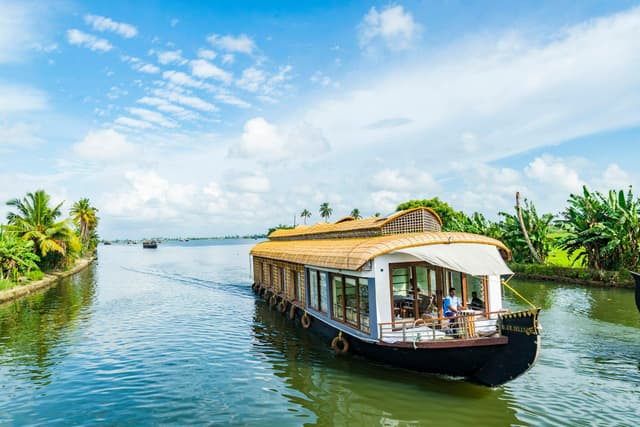
Alappuzha, better known as Alleppey and often called the Venice of the East, is the classic gateway to the Kerala backwaters. Its network of canals feeds into Vembanad, the longest lake in India, and the town hosts the famous Nehru Trophy snake boat race (vallam kali) on Punnamada Lake, traditionally on the second Saturday of August. A houseboat night here is the single most popular thing to do in the state.
Munnar and the tea hills
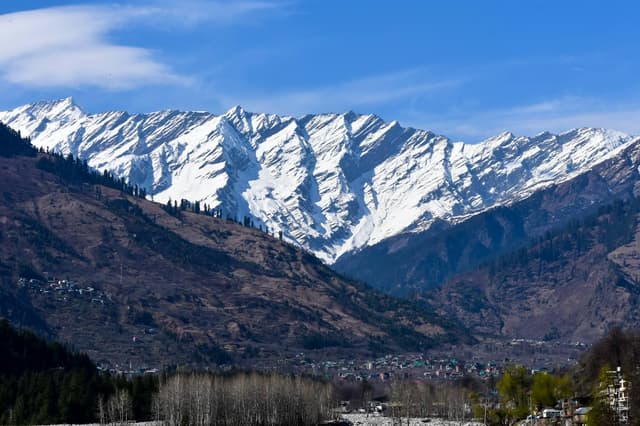
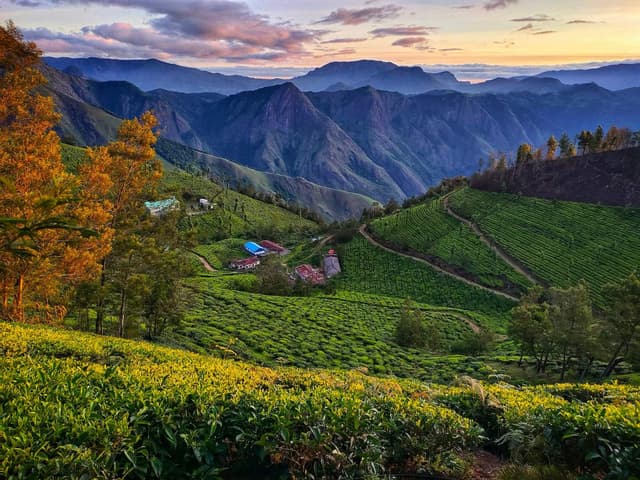
Munnar sits at roughly 1,600 metres in the Western Ghats, wrapped in the rolling tea estates first planted by the British and now run by the Kanan Devan and Tata operations. Nearby Eravikulam National Park protects the endangered Nilgiri tahr and holds Anamudi, at 2,695 metres the highest peak in South India. The park is also where the Neelakurinji flower carpets the slopes in purple once every twelve years; the last mass bloom was in 2018, so the next is expected around 2030.
Kochi (Cochin)
Kochi is Kerala's cultural and commercial hub and the state's main entry point. Fort Kochi and Mattancherry hold the cantilevered Chinese fishing nets, the Dutch era Mattancherry Palace, the Paradesi Synagogue in Jew Town and streets of Portuguese, Dutch and British architecture. The city hosts the Kochi Muziris Biennale, South Asia's largest contemporary art event, and its cafe and homestay scene make it a comfortable soft landing.
Thekkady and Periyar
Around the hill town of Kumily lies the Periyar Tiger Reserve, one of India's best known protected areas, set around a scenic reservoir where boat safaris look for elephants, gaur and deer. The surrounding hills are cardamom and pepper country, and a spice plantation walk here is one of the most memorable half days in Kerala.
Wayanad and the green interior
Wayanad, in the northeast, trades beaches for misty forests, waterfalls, paddy valleys and the neolithic Edakkal Caves with their prehistoric carvings. Chembra Peak has a much photographed heart shaped lake, and Banasura Sagar is the largest earthen dam in India. It is the choice for travellers who want walking and quiet over sightseeing checklists.
What exactly are the Kerala backwaters?
The backwaters are a 900 kilometre labyrinth of lakes, rivers, lagoons and man made canals running parallel to the coast, fed by more than forty rivers and separated from the sea by narrow spits of land. Vembanad and Ashtamudi are the two great lakes at the system's heart. Villages here live on and beside the water, with rice paddies farmed below sea level behind bunds, coir (coconut fibre) workshops, and ferries taking children to school.
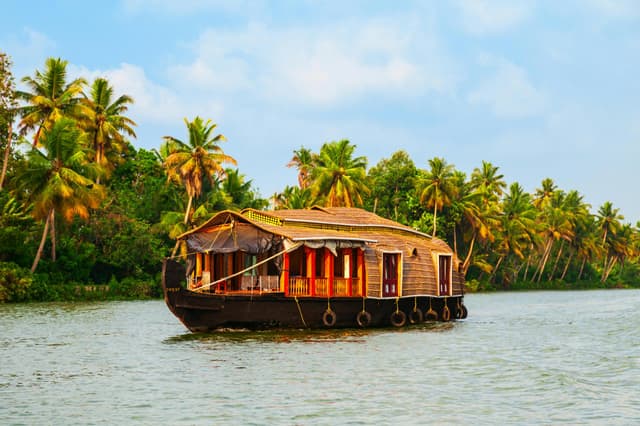
The signature experience is an overnight cruise on a kettuvallam, a rice barge rebuilt as a houseboat, usually starting from Alleppey or Kumarakom. You board around midday, glide through the afternoon past paddy fields and coconut groves, moor for the evening as a cook prepares fresh fish, and disemball the next morning. For a lighter budget or shorter time, a shikara (small canoe) trip through the narrow village canals often shows more everyday life than the wide open lake.
| Backwater option | What it is | Good for |
|---|---|---|
| Overnight houseboat | Private rice barge with bedrooms and a cook | Couples, the full experience |
| Day houseboat | Several hours of cruising, no overnight | Short trips, families |
| Shikara canoe | Small boat through narrow village canals | Village life, birdlife, budget |
| Public ferry | Local ferry, for example Alleppey to Kottayam | Very low cost, meeting locals |
When is the best time to visit Kerala?
The short answer is October to March, when the weather is dry, warm by day and pleasant by night across most of the state. That said, each season has a distinct character, and Kerala is one of the few Indian destinations where the monsoon is a genuine reason to visit rather than a reason to stay away.
| Season | Months | Weather | Notes |
|---|---|---|---|
| Peak | October to February | Dry, warm days, cool nights | Best all round, busiest at Christmas and New Year |
| Shoulder | March | Warming up, still dry | Fewer crowds, good value |
| Hot | April to May | Hot and humid on the coast | Hills such as Munnar stay pleasant |
| Southwest monsoon | June to September | Heavy rain, lush greenery | Prime Ayurveda season, snake boat races, low prices |
| Retreating monsoon | October to November | Intermittent showers, very green | Onam festival, landscapes at their greenest |
The hills follow their own rhythm. Munnar and Wayanad are cool and often misty year round and are at their most comfortable from September to March, while the coast is hottest in April and May. If Ayurveda is the point of your trip, the monsoon months of Karkidakam (roughly mid July to mid August) are traditionally considered the ideal time for treatments, when the humid air is thought to help the body absorb therapies.
How many days do you need in Kerala?
Kerala rewards a slower pace, and rushing it undoes much of the appeal. A week is the sweet spot for a first trip, ten days lets the itinerary breathe, and even a long weekend can deliver a memorable taste if you keep the map tight.
| Trip length | Suggested route | Pace |
|---|---|---|
| 3 to 4 days | Kochi, then one of Munnar or Alleppey | Focused, one highlight |
| 5 to 6 days | Kochi, Munnar, Alleppey houseboat | Comfortable classic loop |
| 7 days | Kochi, Munnar, Thekkady, Alleppey, one beach | The ideal first trip |
| 10 days | Add Wayanad or Varkala and slow down | Relaxed, deeper |
| 14 days | Add north Kerala (Kannur, Bekal) or Kanyakumari | Comprehensive |
A tried and tested seven day flow is: two nights in and around Kochi, two nights in Munnar for the tea hills, one night in Thekkady for Periyar and the spice gardens, one night on an Alleppey houseboat, and a final night on a beach near the airport before flying home. Distances are short but hill roads are slow, so plan on three to five hours of driving on transfer days and enjoy the scenery.
How do you get around Kerala?
Kerala is well connected and easy to travel. The coastal railway line links Thiruvananthapuram, Kollam, Alleppey, Ernakulam (Kochi), Thrissur, Kozhikode and Kannur, and trains are cheap, scenic and comfortable in air conditioned classes. State run KSRTC buses reach almost everywhere, while private taxis and app cabs are the simplest option for the hill routes to Munnar, Thekkady and Wayanad where public transport is slower.
| Mode | Best for | Notes |
|---|---|---|
| Train | Long coastal hops, Kochi to Trivandrum | Book ahead in peak season |
| Private car with driver | Hill circuits and full itineraries | Most popular for visitors, door to door |
| KSRTC bus | Budget travel between towns | Frequent, very cheap |
| Ferry and boat | Backwaters and island hops | Public ferries cost very little |
| Auto rickshaw | Short city trips | Agree the fare or use the meter |
There are four airports: Cochin (COK), which was the first fully solar powered airport in the world, Trivandrum (TRV), Kozhikode or Calicut (CCJ) and Kannur (CNN). Cochin is the most convenient hub for the classic Munnar and backwaters loop, while Trivandrum suits a beach focused trip around Varkala and Kovalam.
What food should you try in Kerala?
Kerala cuisine leans on coconut, curry leaves, rice, seafood and the spices grown in its own hills, and it is one of the best reasons to visit. Meals are often served on a banana leaf, and the vegetarian and non vegetarian traditions are both strong. Do not leave without trying a full sadya, the celebratory feast of rice and a dozen or more side dishes eaten with your hand.
| Dish | What it is |
|---|---|
| Sadya | Banana leaf feast of rice with many vegetarian sides, the Onam centrepiece |
| Appam with stew | Lacy fermented rice pancakes with a mild coconut vegetable or meat stew |
| Puttu and kadala curry | Steamed rice and coconut cylinders with black chickpea curry |
| Karimeen pollichathu | Pearl spot fish marinated and grilled in a banana leaf |
| Kerala parotta with beef fry | Flaky layered flatbread with a peppery dry beef, a Malabar staple |
| Malabar biryani | Fragrant short grain (kaima) rice biryani from the north |
| Fish molee and prawn curry | Coconut milk seafood curries, mild to fiery |
| Banana chips and filter coffee | The everyday snack and the everyday drink |
Along the coast, toddy shops (kallu shaap) serve fresh palm toddy with fiery seafood at very low prices and are a local experience in themselves. Vegetarians are exceptionally well catered for, and Kochi and Fort Kochi have the widest range of cafes and international options if you want a break from curry.
Is Kerala good for Ayurveda and wellness?
Kerala is the home of authentic Ayurveda in India, and wellness is a mainstream reason to visit rather than a niche. Certified centres range from clinical treatment hospitals to five star resort spas, and genuine programmes run from a single relaxing massage to structured multi week Panchakarma detox courses. Look for centres graded Green Leaf or Olive Leaf by the state tourism department, which certifies standards of hygiene, therapists and facilities. As noted above, the monsoon is traditionally regarded as the best season for serious treatment.
What wildlife and nature can you see?
The Western Ghats, a UNESCO World Heritage site and one of the world's biodiversity hotspots, run the length of Kerala's eastern edge. Periyar Tiger Reserve is the flagship park for elephants and, with luck, tigers, while Eravikulam near Munnar protects the Nilgiri tahr. Wayanad, Silent Valley and Parambikulam offer deeper forest, and Kumarakom and Thattekad are superb for birdwatching. Athirappilly, the largest waterfall in Kerala at around 24 metres, is nicknamed the Niagara of India and is an easy day trip from Kochi.
Which festivals and culture are worth planning around?
Timing a visit with a festival transforms the experience. Onam, the ten day harvest festival in the Malayalam month of Chingam (usually August or September), fills the state with flower carpets (pookalam), sadya feasts and snake boat races. Thrissur Pooram, held in April or May, is a spectacular temple festival with caparisoned elephants and percussion. In the north, Theyyam is a hypnotic ritual dance in which performers become deities, staged in village shrines mainly between November and May. Kerala's classical arts, above all the elaborate Kathakali dance drama and the martial art Kalaripayattu, are performed nightly for visitors in Kochi and Trivandrum.
Is Kerala expensive to visit?
Kerala can flex to almost any budget. Homestays, local restaurants, trains and public ferries make it very affordable, while private houseboats, heritage hotels and resort spas push it upmarket when you want them to. Broadly, backpackers manage on a modest daily budget, mid range travellers get excellent value with private drivers and good homestays, and the luxury tier of lake resorts and Ayurveda retreats rivals anywhere. Because everything is close together, transport costs stay low compared with covering the same variety in a larger region. For a fuller cost picture, see our guide on whether India is expensive for travellers.
What should you know before you go?
Kerala is one of India's easiest states for first time visitors, thanks to good roads, high literacy, widespread English and a strong hospitality tradition. Pack light cotton clothing, a light layer for the hills, modest dress for temples and mosque visits, insect repellent for the backwaters and a reusable water bottle. Foreign nationals need an Indian visa, most commonly the electronic e Visa, and it is worth checking current requirements before booking. Nepali citizens, uniquely, do not need a visa to enter India under the long standing open border arrangement, which makes Kerala one of the most accessible international escapes for travellers from Nepal.
For wider planning, see our India itinerary ideas, our list of the best places to visit in India, and advice on the best time to visit India. If you would rather have the houseboat night, hill stays, spice tours and transfers organised end to end, explore our curated India tour packages.
What are the best beaches in Kerala?
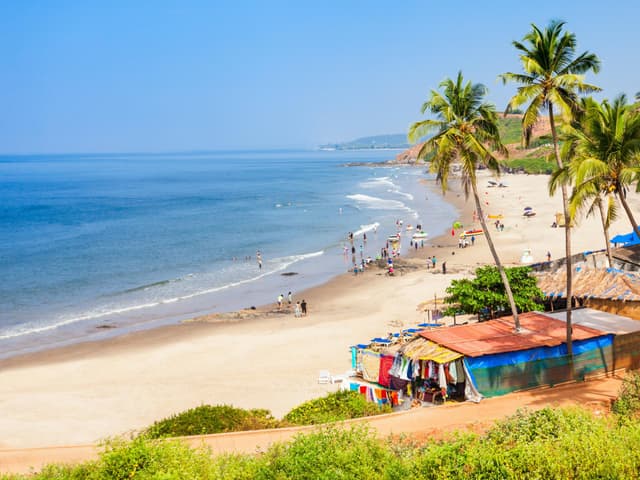
Kerala's coastline is quieter and more scenic than the party beaches elsewhere in India, and it works best as a place to unwind at the end of a touring trip. The beaches fall into two clusters: the well developed south around Trivandrum, and the emptier stretches of the north.
| Beach | Location | Character |
|---|---|---|
| Varkala | Near Trivandrum | Dramatic red cliff with cafes above a swimming beach |
| Kovalam | Near Trivandrum | Three curving coves with a landmark lighthouse, most facilities |
| Marari (Mararikulam) | Near Alleppey | Long, calm fishing village beach, ideal after a houseboat |
| Cherai | Near Kochi | Backwater meets sea, easy day trip from the city |
| Bekal and Kappil | North, near Kasaragod | Fort backed, wide and almost empty |
| Kappad | Near Kozhikode | Where Vasco da Gama landed in 1498, historic and low key |
Varkala is the traveller favourite for its cliff top setting and sunset cafes, Kovalam is the most established resort beach, and Marari is the top choice for combining a houseboat night with two lazy days by the sea. The northern beaches trade facilities for solitude and pair well with a Theyyam ritual or a Bekal Fort visit.
Which part of Kerala is best for your trip?
Because the regions are so distinct, it helps to match them to the kind of traveller you are rather than trying to see everything.
| Traveller | Best mix | Why |
|---|---|---|
| First timers | Kochi, Munnar, Thekkady, Alleppey, one beach | The classic loop, easy and varied |
| Honeymooners | Private houseboat, Munnar resort, Marari beach | Romance, privacy and slow days |
| Families with kids | Kochi, Munnar, a day houseboat, Kovalam | Short drives, space, gentle activities |
| Nature and trekking | Wayanad, Munnar, Thekkady, Silent Valley | Forests, peaks and wildlife |
| Culture seekers | Fort Kochi, Thrissur, north Kerala for Theyyam | Art, history and ritual |
| Wellness travellers | An Ayurveda resort plus the backwaters | Treatment paired with calm surroundings |
Kerala or Goa: how do they compare?
Travellers often weigh Kerala against Goa, and the two suit different moods. Goa is about beaches, nightlife and a compact party and cafe scene. Kerala is about variety and calm: backwaters, tea hills, wildlife, culture and quieter beaches spread over a larger area. Goa is easier for a short beach only break, while Kerala rewards a week of gentle touring.
| Factor | Kerala | Goa |
|---|---|---|
| Main draw | Backwaters, hills, culture, beaches | Beaches and nightlife |
| Pace | Slow, touring | Relaxed, stay put |
| Ideal length | 7 to 10 days | 3 to 5 days |
| Nightlife | Low key | Lively |
| Best for | Nature, honeymoon, wellness | Beach holidays, groups |
Is Kerala a responsible and safe destination?
Kerala pioneered community based responsible tourism in India, most famously through the Kumarakom model that channels tourism spending to local farmers, fishers and artisans, and many homestays and resorts now follow similar practices. The state is widely considered one of the safest and most relaxed in India for travellers, including solo women, thanks to its high development indicators and orderly feel. Ordinary precautions apply: watch belongings in crowds, use registered taxis or app cabs, and be cautious swimming where currents are strong, as some beaches have no lifeguards.
Money, connectivity and practical tips
The currency is the Indian rupee. Card payments and the UPI mobile system are widely accepted in cities and mid range hotels, but carry cash for homestays, toddy shops, ferries and rural areas. ATMs are common in towns and scarce deep in the backwaters or high in the hills, so withdraw before long transfers. Mobile coverage is good along the coast and patchy in forest and hill pockets. A local prepaid SIM or an international roaming plan keeps navigation and ride apps working. Tap water is not safe to drink, so stick to sealed or filtered water, and tipping around ten percent in restaurants and a small note for drivers and guides is customary rather than expected.
Which hill stations should you consider beyond Munnar?
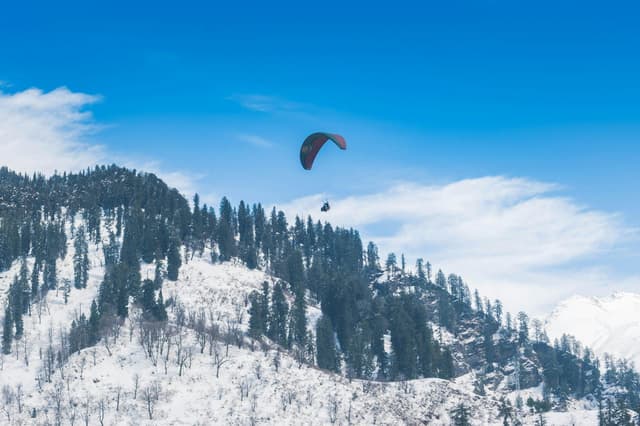
Munnar is the headline hill station, but the Western Ghats hold several quieter alternatives that suit a second visit or a less crowded trip. Vagamon, a rolling meadow and pine country in Idukki, is a gentle, offbeat retreat with paragliding. Wayanad blends forest, waterfalls and plantations. Ponmudi, close to Trivandrum, is an easy hill escape with hairpin bends and viewpoints. Nelliampathy near Palakkad and the tea slopes around Peermade round out the choices. All stay comfortably cool through the year and offer plantation stays away from the tour buses.
| Hill station | Near | Known for |
|---|---|---|
| Munnar | Kochi | Tea estates, Eravikulam, Anamudi |
| Vagamon | Kottayam | Meadows, pine forest, paragliding |
| Wayanad | Kozhikode | Forests, caves, Chembra Peak |
| Ponmudi | Trivandrum | Viewpoints, easy access, greenery |
| Nelliampathy | Palakkad | Orange and tea estates, quiet |
What should you buy and bring home from Kerala?
Kerala is one of India's best states for edible and craft souvenirs, most of them grown or made within the state itself. The spice gardens around Thekkady and Wayanad sell cardamom, pepper, cloves, cinnamon and vanilla at source, and estate fresh tea from Munnar travels well. Coir products, handloom cotton and the famous Aranmula kannadi, a polished metal mirror made only in one village, are distinctive craft buys, while banana chips and homemade snacks make easy gifts. Buy spices and tea from reputable shops or estates for quality, and keep receipts if you are carrying larger quantities home.
Whatever shape your trip takes, Kerala rewards travellers who slow down, eat well and let the water, hills and coast set the rhythm rather than a packed checklist.
What are Kerala's spice plantations like?
The hills around Thekkady, Kumily, Wayanad and Idukki are among the oldest spice growing regions on earth, and the trade in Kerala's pepper, cardamom and cinnamon drew Arab, Chinese, Portuguese, Dutch and British traders to the Malabar coast for centuries. A guided plantation walk is one of the most rewarding half days in the state: you learn to spot pepper vines climbing host trees, cardamom growing in the shade, nutmeg, clove, vanilla, coffee and cocoa, and you crush a fresh leaf to smell the difference between cassia and true cinnamon. Many plantations double as homestays, so you can wake to birdsong and a cooked breakfast of estate produce. Buying spices at source means better quality and freshness than a city shop, and it puts money directly into the growers' hands, which fits Kerala's responsible tourism tradition. Cardamom and pepper are the signature buys, and a small pack of vanilla pods or estate tea makes a light, aromatic gift to carry home.
Frequently asked questions
Is Kerala worth visiting?
Yes. Few places pack backwaters, tea hills, beaches, wildlife, Ayurveda and outstanding food into such a small, easy to travel area, which is why Kerala is one of India's most loved regions for both first timers and returning travellers.
How many days do you need in Kerala?
Seven days is ideal for a first trip, covering Kochi, Munnar, Thekkady, an Alleppey houseboat and a beach. Ten days lets you add Wayanad or extra beach time, while three to four days can still pair one hill station with a backwater night.
How many nights should you spend on a houseboat?
One night is enough to enjoy the experience fully. You board around midday, cruise through the afternoon, moor for the night with dinner cooked on board and disembark the next morning.
When is the best time to visit Kerala?
October to March offers the driest, most pleasant weather. April and May are hot on the coast but fine in the hills, and the June to September monsoon is lush, cheap and the traditional season for Ayurveda treatments.
Is Kerala good for a honeymoon?
Very much so. Private houseboats, hill resorts in Munnar, quiet beaches at Marari and Varkala and spa retreats make it one of India's most popular romantic destinations.
Which airport should you fly into for Kerala?
Cochin (COK) is the main gateway and the most convenient for Munnar and the backwaters. Trivandrum (TRV) suits a beach trip to Varkala or Kovalam, while Kozhikode (CCJ) and Kannur (CNN) serve the north.
Do you need a visa to visit Kerala?
Most foreign nationals need an Indian visa, usually the online e Visa, so check current rules before you book. Nepali citizens do not require a visa to enter India under the open border arrangement.
Is Kerala safe for solo female travellers?
Kerala is regarded as one of the safest and most relaxed states in India for solo and women travellers, helped by high literacy and an orderly atmosphere. Normal precautions still apply, such as using registered cabs at night and dressing modestly at religious sites.
Can you combine Kerala with other destinations?
Yes. Kerala pairs naturally with neighbouring Tamil Nadu, including Madurai, Kanyakumari and Ooty, and with Goa further up the coast. Many travellers add a short city stay before or after their Kerala loop.