













































+977-9709047652
Explore by Country
See all 22 Thailand packages
Most popular pick
See all 22 Thailand packages
See all 11 Vietnam packages
Most popular pick
See all 11 Vietnam packages
See all 10 Indonesia (Bali) packages
Most popular pick
See all 10 Indonesia (Bali) packages
See all 4 Maldives packages
Most popular pick
See all 4 Maldives packages
See all 10 China packages
Most popular pick
See all 10 China packages
See all 6 Sri Lanka packages
Most popular pick
See all 6 Sri Lanka packages
See all 9 Malaysia packages
Most popular pick
See all 9 Malaysia packages
See all 8 Singapore packages
Most popular pick
See all 8 Singapore packages
See all 2 Kenya packages
Most popular pick
See all 2 Kenya packages
See all 16 India packages
Most popular pick
See all 16 India packages
See all 3 Dubai packages
Most popular pick
See all 3 Dubai packages
See all 6 Philippines packages
Most popular pick
See all 6 Philippines packages
Search Tours or Places
Blog / India

India Itinerary: 7, 10 and 14 Day Plans

20 min read 20 Aug 2026 · Updated 07 Sep 2026
India Itinerary: 7, 10 and 14 Day Plans

Because India is huge and diverse, the best itinerary focuses on one region or theme rather than trying to cross the whole country. As a rule, seven days suits the Golden Triangle of Delhi, Agra and Jaipur; ten days adds a slice of Rajasthan; and fourteen days lets you pair the northern icons with Kerala's backwaters in the south. This guide gives three ready made routes day by day, then regional alternatives, plus honest travel times, transport advice and the best months to go so your plan actually works on the ground.

DaysSuggested routeBest for
5 daysDelhi, Agra, Jaipur (fast Golden Triangle)Short first trip
7 daysGolden Triangle at a relaxed paceFirst visit, icons
10 daysGolden Triangle plus Udaipur or JodhpurForts and palaces
14 daysNorth India plus KeralaIcons and nature

How many days do you need in India?

You need at least a week to see one region well, and two weeks to combine two. India rewards depth over distance: internal travel eats time, and trying to see Delhi, Rajasthan, Varanasi and Kerala in ten days leaves you exhausted and always in transit. A useful rule is one region per week. For a fuller discussion of pacing, see our guide on how many days you need in India.

What is a good 7 day India itinerary?

The classic first trip is the Golden Triangle, a loop of Delhi, Agra and Jaipur that packs in Mughal history, the Taj Mahal and Rajasthan's pink city with short drives between each. This seven day version keeps a comfortable pace.

  • Days 1 to 2, Delhi: Old Delhi's Chandni Chowk bazaars, Jama Masjid and Red Fort, then New Delhi's Qutub Minar, Humayun's Tomb and India Gate.
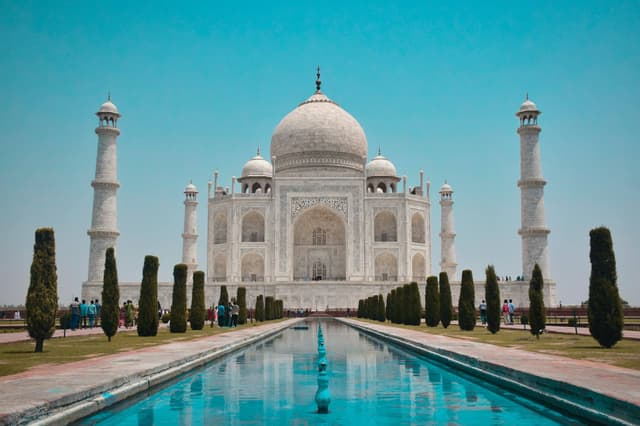
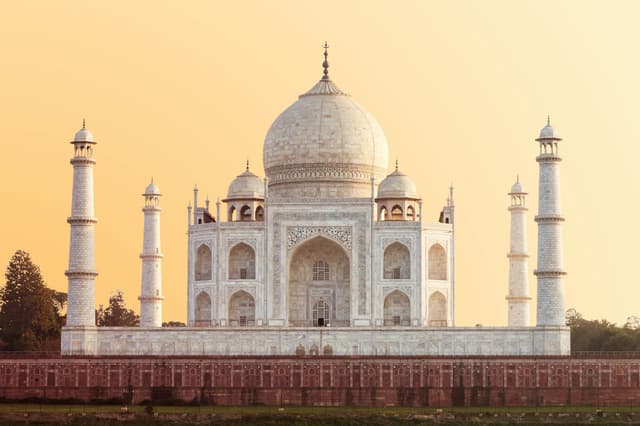
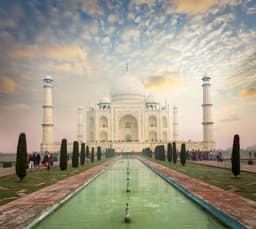
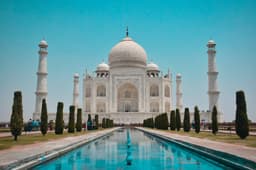
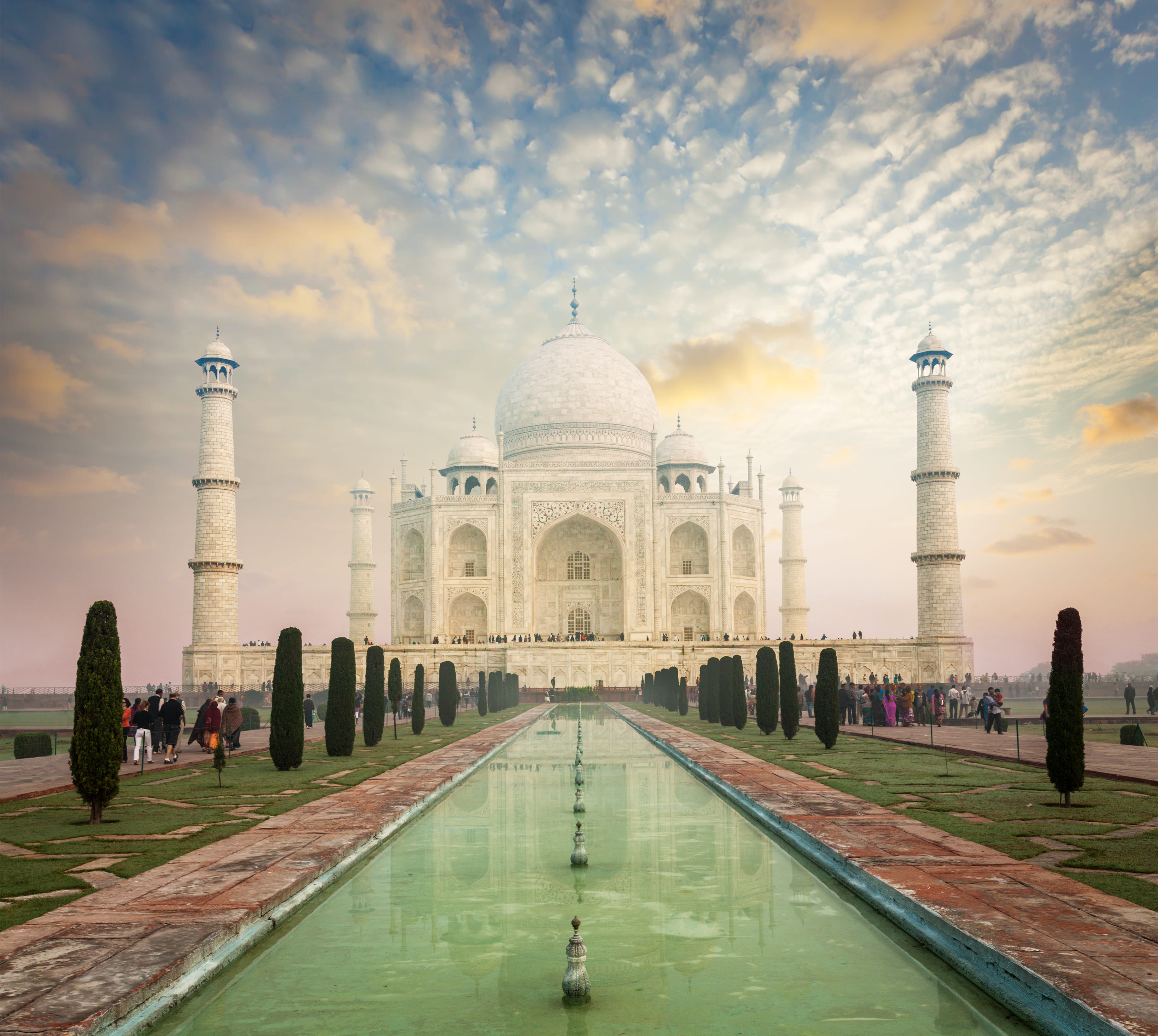
  • Day 3, Delhi to Agra: drive or take the fast train, then a sunset view of the Taj Mahal from Mehtab Bagh across the river.
  • Day 4, Agra to Jaipur: the Taj Mahal at sunrise and Agra Fort, then drive to Jaipur stopping at the ghost city of Fatehpur Sikri.
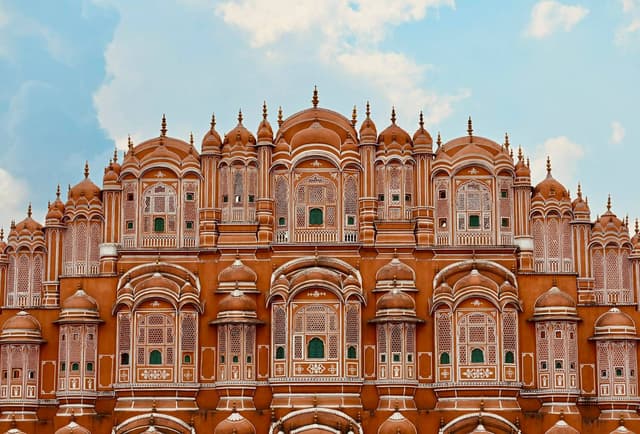
  • Days 5 to 6, Jaipur: Amber Fort, the City Palace, Hawa Mahal and the Jantar Mantar observatory, plus the pink city bazaars.
  • Day 7, back to Delhi: return for your onward flight, roughly a five to six hour drive.

For a deeper look at this loop, see our dedicated Golden Triangle guide.
Explore India tour packages
View all →

What is the best 10 day India itinerary?

Ten days lets you finish the Golden Triangle and push into Rajasthan for its lakes and forts, which is the natural next step for most travellers.

  • Days 1 to 6: follow the Golden Triangle above through Delhi, Agra and Jaipur.
  • Day 7, Jaipur to Udaipur: fly or take an overnight train to the lake city of Udaipur.
  • Days 8 to 9, Udaipur: the City Palace, a boat ride on Lake Pichola, the Jagdish Temple and a sunset over the ghats.
  • Day 10: fly from Udaipur back to Delhi or onward. Jodhpur, the blue city with the towering Mehrangarh Fort, is an easy swap for Udaipur.

Our Rajasthan travel guide covers Jaisalmer's desert, Pushkar and Bikaner if you have longer.

What does a 14 day India itinerary look like?

Two weeks is the sweet spot for pairing the north's monuments with the very different south. This route flies you from the dry, historic north to the green, tropical backwaters of Kerala.

  • Days 1 to 6: the Golden Triangle through Delhi, Agra and Jaipur.
  • Day 7: add Udaipur or, for spirituality and the Ganges, a flight to Varanasi for the evening aarti ceremony.
  • Day 8: fly south to Kochi in Kerala.
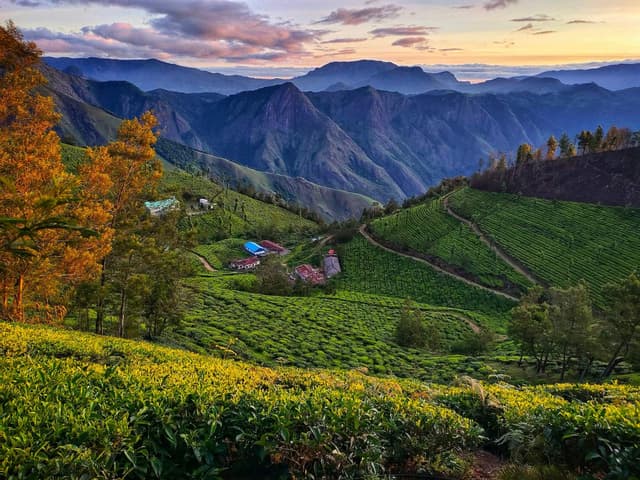
  • Days 9 to 10, Kochi and Munnar: Fort Kochi's colonial lanes and Chinese fishing nets, then the tea hills of Munnar.
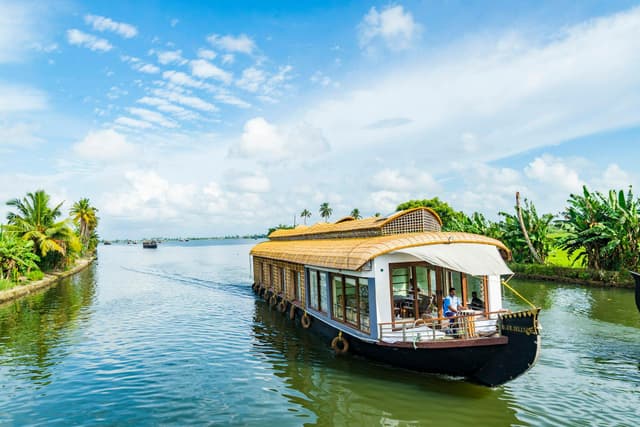
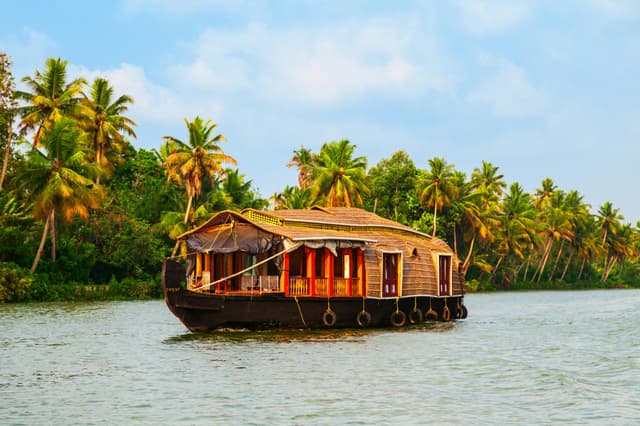
  • Days 11 to 12, Alleppey: an overnight houseboat cruise through the palm fringed backwaters.
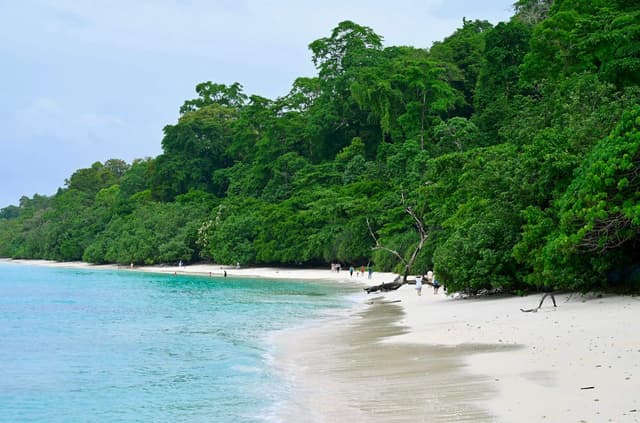
  • Days 13 to 14, beach finish: relax at Marari or Kovalam beach before flying home.

See our Kerala travel guide for backwater and hill station detail.

What are the best regional itineraries?

If you would rather go deep than tick icons, pick one region and explore it properly. These are the strongest single region trips.

RegionHighlightsIdeal length
Golden TriangleDelhi, Taj Mahal, Jaipur5 to 7 days
RajasthanUdaipur, Jodhpur, Jaisalmer, Pushkar10 to 14 days
KeralaBackwaters, Munnar tea, beaches7 to 10 days
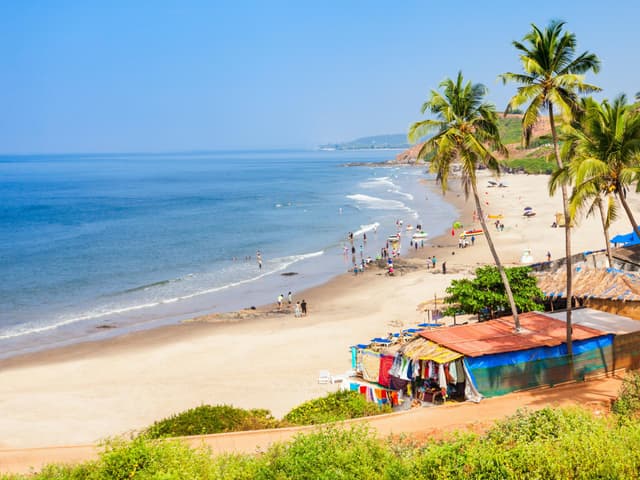
GoaBeaches, Portuguese heritage, nightlife4 to 7 days
Varanasi and the GangesGhats, aarti, Sarnath2 to 3 days
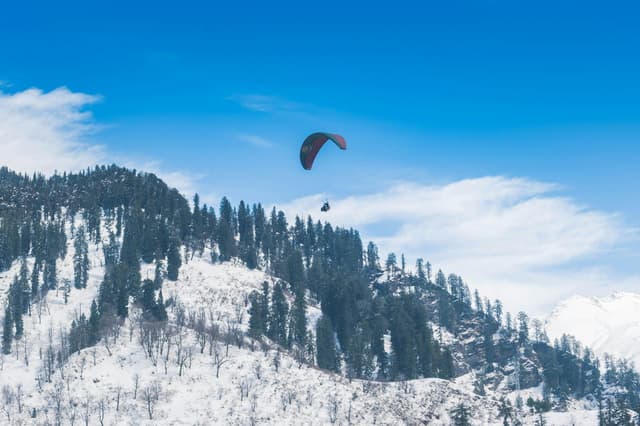
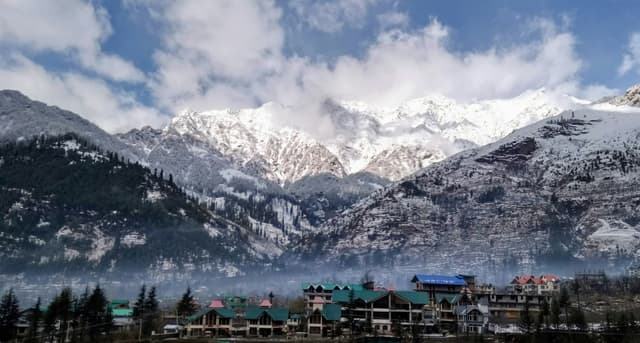
Himalayas (Leh, Manali)Mountains, monasteries, treks7 to 12 days

Beach lovers can extend to Goa, covered in our Goa travel guide, while first timers unsure where to start should read the best places to visit in India.

How do you get around India?

The Golden Triangle works best with a private car and driver, which is affordable and removes the stress of city traffic. For longer distances, domestic flights on IndiGo, Air India and Akasa are cheap and save whole days, while India's railways are an experience in themselves. Fast, comfortable trains such as the Shatabdi, Rajdhani and newer Vande Bharat services link major cities, and booking early matters because popular routes sell out weeks ahead. Within cities, app based taxis, metros in Delhi and auto rickshaws fill the gaps. Our guide on how to get around India explains train classes and booking.

When is the best time to follow these routes?

October to March is the sweet spot for the north, Rajasthan and Kerala, with warm days, cool evenings and clear skies, which is why it is peak season. April to June brings intense inland heat, when only the Himalayan hill stations such as Manali, Shimla and Leh are comfortable. The southwest monsoon runs roughly June to September across much of the country, greening Kerala and the hills but disrupting sightseeing elsewhere. For a month by month breakdown, see the best time to visit India.

How much should you budget?

India spans every budget, from backpacker cheap to palace hotel luxury. Food, trains and local transport are inexpensive, while private drivers, domestic flights and heritage hotels are where costs rise. Monument entry fees for foreign visitors are modest but add up: the Taj Mahal costs around 1,100 INR plus a small extra to enter the main mausoleum, and most forts and palaces charge a few hundred rupees. Carry some cash for small vendors, though cards and UPI apps are widely accepted in cities. See whether India is expensive for a fuller cost breakdown.

What should you know before you go?

Most visitors need a visa, and India's convenient e-Visa is issued online before travel, so apply a week or two ahead. Tap water is not safe to drink, so stick to sealed bottled or filtered water and be cautious with street food until your stomach adjusts. Buy a local SIM for cheap data, dress modestly at temples and religious sites, and remove shoes where required. India is generally welcoming, though solo travellers, especially women, should take normal big city precautions; our guide on whether India is safe covers this in detail. Finally, time your trip around a festival such as Diwali or Holi if you can, as they are unforgettable.

What food should you try along the way?

Indian food changes completely as you travel, and it is a highlight in its own right. The north brings rich Mughlai curries, tandoori breads and Punjabi dal makhani; Rajasthan adds dal baati churma and spicy laal maas; and the south shifts to dosas, idli, coconut based curries and Kerala's seafood and appam. Street snacks such as chaat, samosas and kachori are everywhere, and a sweet lassi or masala chai punctuates the day. Our guide on what to eat in India maps the dishes region by region.

Is there a fast 5 day Golden Triangle?

Yes, if time is tight you can compress the Golden Triangle into five days, though the pace is brisk. Spend one day in Delhi hitting the essential sights, drive to Agra on day two for a sunset Taj view, see the Taj at sunrise on day three before driving to Jaipur, use day four for Amber Fort and the City Palace, and return to Delhi on day five. It works, but you will want an extra day or two to actually slow down and enjoy each city rather than rushing between monuments.

What are the top experiences not to miss?

Beyond the headline monuments, a handful of experiences define an India trip. These are the moments travellers remember long after the forts blur together.

  • The Taj Mahal at sunrise, when the marble glows and crowds are thinnest.
  • The evening Ganga aarti in Varanasi, a river ceremony of fire and chanting.
  • A Kerala backwater houseboat, drifting past paddy fields and palm villages.
  • A desert night in Jaisalmer, with camel rides over the Thar dunes.
  • A tiger safari in Ranthambore, tracking Bengal tigers through old ruins.
  • A Himalayan monastery visit around Leh, high above the Indus valley.

Should you add Varanasi and the spiritual north?

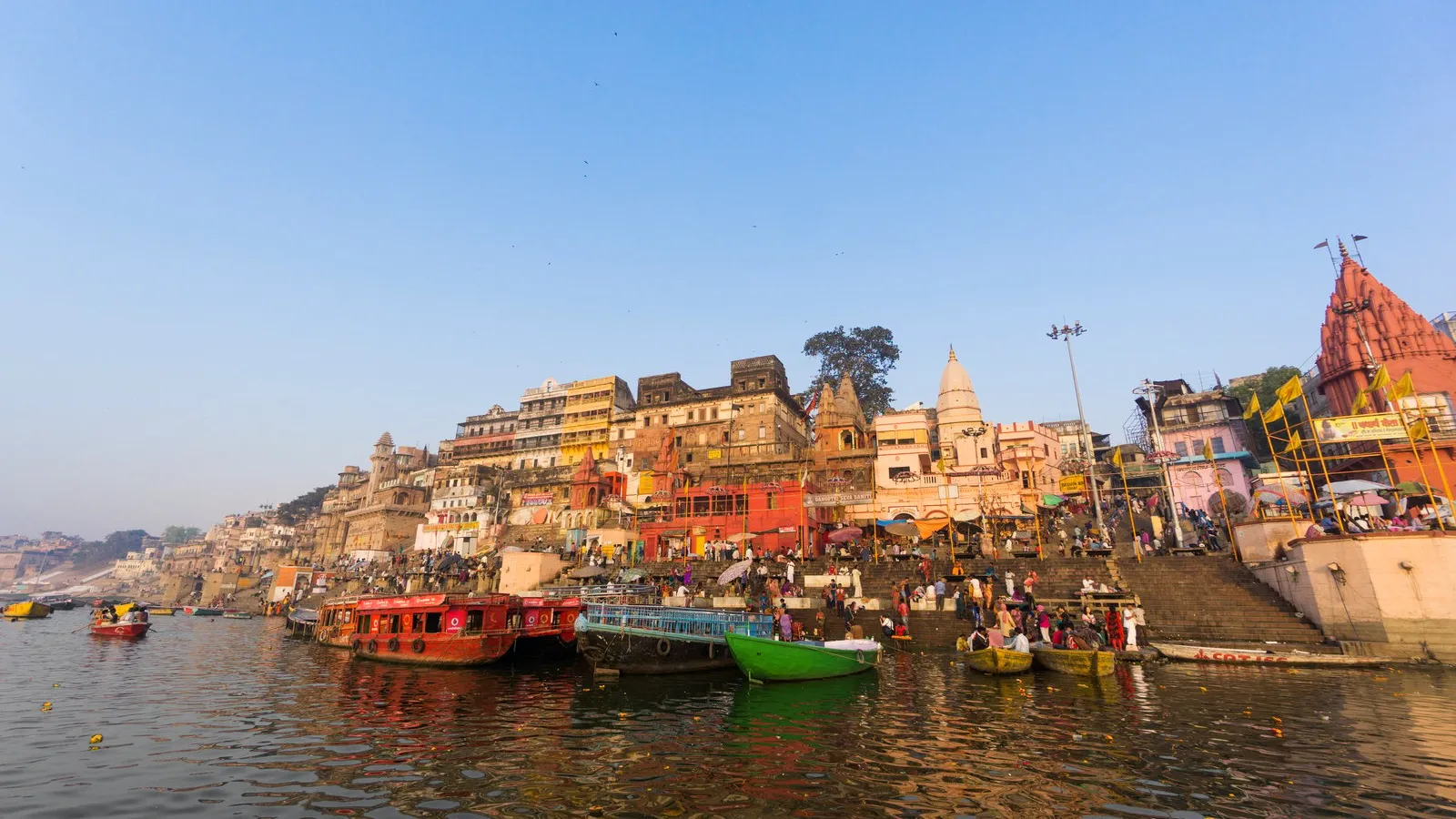
Varanasi is one of the world's oldest living cities and the spiritual heart of India, set on the Ganges. Travellers come for the dawn boat ride past the bathing ghats and the nightly Ganga aarti, a ceremony of lamps and drums at Dashashwamedh Ghat. Nearby Sarnath, where the Buddha gave his first sermon, adds a quieter counterpoint. Two nights is enough, and a short flight connects Varanasi to Delhi, Agra and Khajuraho, making it an easy add to a longer northern trip for anyone drawn to ritual, history and river life.

What about the Himalayas and hill stations?

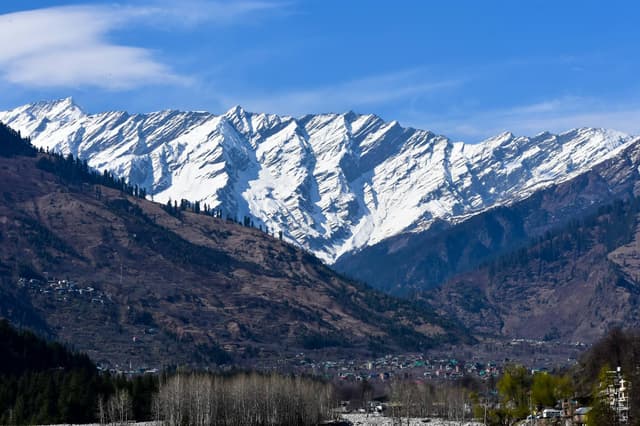
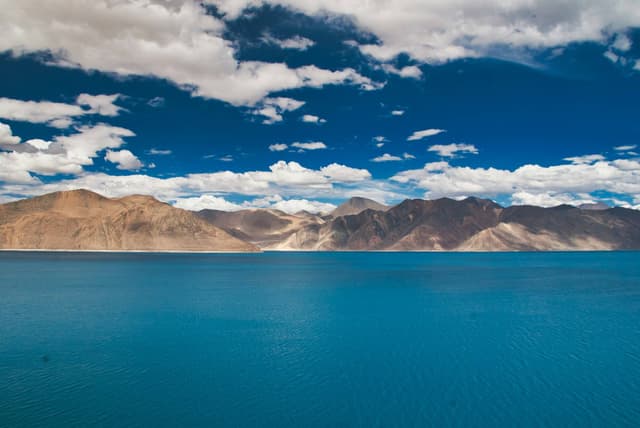
When the plains bake from April to June, the mountains come into their own. Leh in Ladakh offers stark high altitude desert, Buddhist monasteries and dramatic drives, though you must acclimatise to the altitude. Manali and Shimla in Himachal Pradesh are greener hill escapes with pine forests and old colonial charm, while Rishikesh, on the Ganges as it leaves the mountains, is the yoga and rafting capital. Darjeeling in the east pairs tea plantations with Himalayan views. These regions need seven days or more and reward travellers who want cool air, trekking and mountain culture rather than monuments.

Where can you see wildlife in India?

India has some of Asia's best wildlife watching. Ranthambore and Bandhavgarh in the centre and north are the top parks for spotting wild Bengal tigers, best from around March to May when animals gather at water. Kaziranga in Assam protects the one horned rhinoceros, Gir in Gujarat is the last home of the Asiatic lion, and the backwaters and Western Ghats hold elephants, leopards and rich birdlife. Most parks close during the monsoon, so check seasons before building a safari into your route.

Is India good for families and honeymooners?

India works for both with the right route. Families do well on the Golden Triangle and Kerala, where a private driver, elephant and boat experiences, and forts keep children engaged without long self drives. Honeymooners gravitate to Udaipur's lake palaces, Kerala's houseboats and tea hills, and the beaches of Goa or the Andaman Islands for a romantic finish. In both cases a guided package smooths the logistics so you spend your energy on the experience rather than the transfers.

Which festivals are worth planning around?

Timing a trip to a major festival can transform it. Diwali, the festival of lights in October or November, fills cities with lamps, sweets and fireworks. Holi, the spring festival of colour in March, is joyous and chaotic, best experienced somewhere prepared for visitors. Rajasthan's Pushkar Camel Fair and the Jaipur Literature Festival draw travellers in winter, while regional festivals like Kerala's Onam and Bengal's Durga Puja show local culture at full volume. Book well ahead, as accommodation fills fast around big festivals.

What itinerary mistakes should you avoid?

The most common mistake is trying to see too much, cramming Delhi, Rajasthan, Varanasi and Kerala into ten days and spending most of it travelling. Another is underestimating travel times, since road journeys are slower than the distance suggests. Travellers also often skip acclimatisation in the Himalayas, book trains too late, or overpack their first day off a long haul flight. Build in rest, keep to one or two regions, and leave a buffer before your international departure in case a train or regional flight is delayed.

Health, money and connectivity tips

  • Water: drink sealed or filtered water only, and avoid ice from unknown sources at first.
  • Food: eat freshly cooked, busy stalls and give your stomach a few days to adjust.
  • Money: cards and UPI apps work in cities, but carry cash for rural areas and small vendors.
  • Connectivity: a local SIM from Airtel or Jio gives cheap, fast data almost everywhere.
  • Health: check recommended vaccinations before travel and pack a basic medical kit.

North India or South India: which should you choose?

If you have to pick, choose the north for monuments, history and desert culture, and the south for greenery, backwaters and a gentler pace. North India delivers the Taj Mahal, Rajasthan's forts, Varanasi's ghats and the Himalayas, but it can be intense and, in winter, foggy. South India, including Kerala, Tamil Nadu's temples and the beaches of Goa and Karnataka, is lusher, cleaner and easier for first timers who want to ease in. Many travellers do the north first for the icons, then return for a slower southern trip. With two weeks you can sample both by flying between them.

What does a 21 day grand tour look like?

With three weeks you can weave together India's greatest hits without rushing. A strong grand route runs Delhi and the Golden Triangle for the first week, then deeper Rajasthan through Udaipur, Jodhpur and Jaisalmer in the second, before flying south for Kerala's backwaters, tea hills and a beach finish in the third. Add Varanasi as a two night detour if the Ganges calls. Three weeks also leaves room for the rest days that make a long India trip enjoyable rather than draining.

Where should you stay in India?

Accommodation is one of India's joys. Rajasthan is famous for heritage hotels, converted forts and palaces where you sleep inside history, often at surprisingly reasonable rates off season. Kerala offers backwater houseboats and plantation bungalows, while cities have everything from clean budget guesthouses to international five star chains. Family run homestays are a great way to meet locals and eat home cooked food. In peak season from November to February, book heritage properties well ahead, as the best rooms go early.

What are the entry and visa formalities?

Most nationalities need a visa, and India's e-Visa system lets you apply online a few days before travel, choosing a tourist visa valid for 30 days, one year or five years depending on your plans. You will need a passport valid for at least six months, a digital photo and an onward or return ticket. Keep a printed copy of the approved e-Visa. On arrival, immigration is straightforward at the major airports, though queues can be long, so fill in any required forms in advance.

What are the best things to do and see?

India's list of experiences is endless, but a first trip should balance monuments with living culture: watch the sunrise at the Taj Mahal, wander a Rajasthan fort, cruise a Kerala backwater, eat your way through a street food market, and sit through a river aarti. Our guide to things to do in India gathers the highlights, and if you want a beach to finish, the best beaches in India range from Goa's lively sands to the quiet shores of Kerala and the Andamans.

How do you plan the route step by step?

Start by fixing your total days and your one non negotiable, whether that is the Taj Mahal, a tiger safari or a backwater cruise. Build the trip around that anchor, add the regions that connect to it without long backtracks, and slot internal flights where a road or rail leg would waste a day. Reserve trains and headline hotels as soon as dates are set, keep one region per week, and leave the last day before flying home free. That simple framework turns a daunting country into a smooth, memorable trip.

How do you travel within cities?

Getting around Indian cities is easier than it looks once you know the options. Delhi has a clean, extensive metro that skips the traffic, and other big cities are expanding theirs. App based taxis such as Uber and Ola work well and remove haggling, while auto rickshaws are cheap for short hops if you agree the fare or use the meter first. For sightseeing across a city or region, hiring a car with a driver for the day is inexpensive and by far the most relaxing choice, letting you cover more without navigating traffic yourself.

How should you pack for India?

Pack light, modest and layered. Loose cotton clothing that covers shoulders and knees keeps you cool and is respectful at temples, where you will also remove your shoes often, so slip on footwear helps. Add a scarf or shawl for covering up at religious sites, a light fleece for cool northern winter evenings and Himalayan trips, and sturdy sandals plus one closed pair. Bring sunscreen, insect repellent, hand sanitiser and any personal medication, since specific brands can be hard to find. A reusable water bottle with a filter cuts down on plastic.

How do you travel respectfully in India?

A little cultural awareness goes a long way. Dress modestly, ask before photographing people, and always remove shoes and sometimes cover your head at temples, mosques and gurdwaras. Use your right hand for eating and giving, as the left is considered unclean. Bargaining is normal in markets but should stay good natured. Be prepared for direct curiosity and occasional requests for photos, especially away from tourist centres, and accept hospitality graciously, as generosity to guests runs deep in Indian culture.

What is the ideal India trip for your interests?

Match the route to what excites you. History and architecture lovers should focus on the Golden Triangle and Rajasthan. Nature and slow travel point to Kerala and the Himalayas. Spiritual travellers gravitate to Varanasi, Rishikesh and the temple south. Beach and party seekers head for Goa. Wildlife enthusiasts build around Ranthambore or Kaziranga. Because India offers all of these, the secret to a great trip is choosing one or two themes rather than trying to sample everything in a single visit.

How much does an India trip cost overall?

India suits almost any budget, and the range is enormous. Backpackers can travel cheaply on trains, guesthouses and street food, mid range travellers get excellent value from private drivers, comfortable hotels and domestic flights, and the top end offers palace hotels and luxury trains that rival anywhere. The biggest cost levers are how much you fly rather than take the train, whether you hire a private driver, and your choice of accommodation. Monument fees, food and local transport stay inexpensive throughout, so most of your budget is set by comfort choices rather than the sightseeing itself.

What surprises first time visitors?

India is intense in the best and most challenging ways, and knowing that upfront helps. First timers are often struck by the sheer sensory scale: the colour, noise, crowds and traffic of the cities can be overwhelming on day one, then quickly become part of the charm. Distances feel longer than the map suggests, so patience with travel is essential. On the upside, people are extraordinarily hospitable, the food is better and more varied than almost anywhere, and the monuments genuinely live up to the photographs. Go with an open mind, a flexible schedule and a sense of humour, and India delivers a trip that stays with you for years. Building the framework of your route in advance, while leaving room to wander, is the balance that works best.

How do you book Indian trains?

India's railways run on the IRCTC system, and foreign visitors can book online or through a trusted agent. Aim to reserve popular routes one to two months ahead, as they fill fast, and choose air conditioned classes such as AC 2 tier or AC chair car for comfort on daytime hops. If a train is sold out, the Tatkal same day quota and waitlist can still come through, but a package or agent takes the guesswork out. For the fastest intercity legs, the modern Vande Bharat and Shatabdi services are the ones to target.

To connect the trains, flights, drivers and guided visits along your chosen route, curated India tour packages can pull the logistics together so each leg lines up.

Frequently asked questions

Is 7 days enough for India?

Seven days is enough for the Golden Triangle of Delhi, Agra and Jaipur and its main highlights. To add Rajasthan or Kerala, plan ten to fourteen days.

Should you combine north and south India?

Only on a longer trip. With two weeks you can pair the Golden Triangle with Kerala using a domestic flight, but shorter trips are better kept to one region to avoid spending the holiday in transit.

Are trains or flights better in India?

Trains are scenic and great for shorter hops, and premium services like Vande Bharat are fast and comfortable. Flights save time over long distances. Many itineraries use a sensible mix of both.

How far ahead should you book?

Book trains and popular heritage hotels one to two months ahead, especially in the November to February peak, as both sell out early.

What is the Golden Triangle?

It is the loop connecting Delhi, Agra and Jaipur, named for the roughly triangular shape on the map. It packs Mughal Delhi, the Taj Mahal and Rajasthan's pink city into short drives, making it the classic first India route.

Is India suitable for first time travellers?

Yes, with a well planned route. First timers do best on the Golden Triangle or Kerala, ideally with a private driver or a guided package, which removes the friction of transport and navigation.

Do you need a guide or driver?

A private car and driver is inexpensive and hugely reduces stress on the Golden Triangle and in Rajasthan. City guides are worth it at major monuments for the history and to skip hassle.

What is the best month to see the Taj Mahal?

October to March offers the most comfortable weather and clearer skies. Sunrise is the best time of day for soft light and smaller crowds.

Is it better to travel independently or on a package?

First timers often prefer a package or a private driver for the Golden Triangle and Rajasthan, which removes transport stress. Confident travellers manage independently, especially in Kerala and Goa where logistics are easier.

What is the best itinerary for a first trip to India?

The seven day Golden Triangle is the classic first itinerary, covering Delhi, the Taj Mahal in Agra and the palaces of Jaipur with short drives between each.

Can you see the Himalayas and the Taj Mahal in one trip?

Yes, with about two weeks. Pair the Golden Triangle with a Himalayan leg such as Rishikesh or Shimla, using a domestic flight or train to bridge the distance.

How do you avoid the crowds at the Taj Mahal?

Arrive for the sunrise opening, visit on a weekday, and avoid Fridays when it is closed. Early light and thinner crowds make for the best photos and experience.

What is the best 2 week India itinerary?

The strongest two week route pairs the Golden Triangle and a slice of Rajasthan such as Udaipur with a flight south to Kerala for backwaters, tea hills and a beach finish, balancing monuments with nature.

Is India safe for solo female travellers?

Many women travel India solo successfully with sensible precautions: dress modestly, avoid isolated areas at night, use trusted transport and prebooked stays. Our guide on whether India is safe covers regions and practical tips.

Do you need vaccinations for India?

Check with a travel clinic well before you go. Commonly recommended vaccinations include hepatitis A and typhoid, with others depending on your route and season. Carry a basic medical kit too.

What is the best region for a relaxed first trip?

Kerala is the easiest, gentlest introduction, with backwaters, tea hills and beaches at a slower pace, while the Golden Triangle is best if monuments and history are your priority.

Tags
India
Share
G
Gomayu Team
Writer at Gomayu
Keep reading
Blog / India
India Itinerary: 7, 10 and 14 Day Plans
20 min read 20 Aug 2026 · Updated 07 Sep 2026
India Itinerary: 7, 10 and 14 Day Plans

Because India is huge and diverse, the best itinerary focuses on one region or theme rather than trying to cross the whole country. As a rule, seven days suits the Golden Triangle of Delhi, Agra and Jaipur; ten days adds a slice of Rajasthan; and fourteen days lets you pair the northern icons with Kerala's backwaters in the south. This guide gives three ready made routes day by day, then regional alternatives, plus honest travel times, transport advice and the best months to go so your plan actually works on the ground.

DaysSuggested routeBest for
5 daysDelhi, Agra, Jaipur (fast Golden Triangle)Short first trip
7 daysGolden Triangle at a relaxed paceFirst visit, icons
10 daysGolden Triangle plus Udaipur or JodhpurForts and palaces
14 daysNorth India plus KeralaIcons and nature

How many days do you need in India?

You need at least a week to see one region well, and two weeks to combine two. India rewards depth over distance: internal travel eats time, and trying to see Delhi, Rajasthan, Varanasi and Kerala in ten days leaves you exhausted and always in transit. A useful rule is one region per week. For a fuller discussion of pacing, see our guide on how many days you need in India.

What is a good 7 day India itinerary?

The classic first trip is the Golden Triangle, a loop of Delhi, Agra and Jaipur that packs in Mughal history, the Taj Mahal and Rajasthan's pink city with short drives between each. This seven day version keeps a comfortable pace.

  • Days 1 to 2, Delhi: Old Delhi's Chandni Chowk bazaars, Jama Masjid and Red Fort, then New Delhi's Qutub Minar, Humayun's Tomb and India Gate.
  • Day 3, Delhi to Agra: drive or take the fast train, then a sunset view of the Taj Mahal from Mehtab Bagh across the river.
  • Day 4, Agra to Jaipur: the Taj Mahal at sunrise and Agra Fort, then drive to Jaipur stopping at the ghost city of Fatehpur Sikri.
  • Days 5 to 6, Jaipur: Amber Fort, the City Palace, Hawa Mahal and the Jantar Mantar observatory, plus the pink city bazaars.
  • Day 7, back to Delhi: return for your onward flight, roughly a five to six hour drive.

For a deeper look at this loop, see our dedicated Golden Triangle guide.
Explore India tour packages
View all →

What is the best 10 day India itinerary?

Ten days lets you finish the Golden Triangle and push into Rajasthan for its lakes and forts, which is the natural next step for most travellers.

  • Days 1 to 6: follow the Golden Triangle above through Delhi, Agra and Jaipur.
  • Day 7, Jaipur to Udaipur: fly or take an overnight train to the lake city of Udaipur.
  • Days 8 to 9, Udaipur: the City Palace, a boat ride on Lake Pichola, the Jagdish Temple and a sunset over the ghats.
  • Day 10: fly from Udaipur back to Delhi or onward. Jodhpur, the blue city with the towering Mehrangarh Fort, is an easy swap for Udaipur.

Our Rajasthan travel guide covers Jaisalmer's desert, Pushkar and Bikaner if you have longer.

What does a 14 day India itinerary look like?

Two weeks is the sweet spot for pairing the north's monuments with the very different south. This route flies you from the dry, historic north to the green, tropical backwaters of Kerala.

  • Days 1 to 6: the Golden Triangle through Delhi, Agra and Jaipur.
  • Day 7: add Udaipur or, for spirituality and the Ganges, a flight to Varanasi for the evening aarti ceremony.
  • Day 8: fly south to Kochi in Kerala.
  • Days 9 to 10, Kochi and Munnar: Fort Kochi's colonial lanes and Chinese fishing nets, then the tea hills of Munnar.
  • Days 11 to 12, Alleppey: an overnight houseboat cruise through the palm fringed backwaters.
  • Days 13 to 14, beach finish: relax at Marari or Kovalam beach before flying home.

See our Kerala travel guide for backwater and hill station detail.

What are the best regional itineraries?

If you would rather go deep than tick icons, pick one region and explore it properly. These are the strongest single region trips.

RegionHighlightsIdeal length
Golden TriangleDelhi, Taj Mahal, Jaipur5 to 7 days
RajasthanUdaipur, Jodhpur, Jaisalmer, Pushkar10 to 14 days
KeralaBackwaters, Munnar tea, beaches7 to 10 days
GoaBeaches, Portuguese heritage, nightlife4 to 7 days
Varanasi and the GangesGhats, aarti, Sarnath2 to 3 days
Himalayas (Leh, Manali)Mountains, monasteries, treks7 to 12 days

Beach lovers can extend to Goa, covered in our Goa travel guide, while first timers unsure where to start should read the best places to visit in India.

How do you get around India?

The Golden Triangle works best with a private car and driver, which is affordable and removes the stress of city traffic. For longer distances, domestic flights on IndiGo, Air India and Akasa are cheap and save whole days, while India's railways are an experience in themselves. Fast, comfortable trains such as the Shatabdi, Rajdhani and newer Vande Bharat services link major cities, and booking early matters because popular routes sell out weeks ahead. Within cities, app based taxis, metros in Delhi and auto rickshaws fill the gaps. Our guide on how to get around India explains train classes and booking.

When is the best time to follow these routes?

October to March is the sweet spot for the north, Rajasthan and Kerala, with warm days, cool evenings and clear skies, which is why it is peak season. April to June brings intense inland heat, when only the Himalayan hill stations such as Manali, Shimla and Leh are comfortable. The southwest monsoon runs roughly June to September across much of the country, greening Kerala and the hills but disrupting sightseeing elsewhere. For a month by month breakdown, see the best time to visit India.

How much should you budget?

India spans every budget, from backpacker cheap to palace hotel luxury. Food, trains and local transport are inexpensive, while private drivers, domestic flights and heritage hotels are where costs rise. Monument entry fees for foreign visitors are modest but add up: the Taj Mahal costs around 1,100 INR plus a small extra to enter the main mausoleum, and most forts and palaces charge a few hundred rupees. Carry some cash for small vendors, though cards and UPI apps are widely accepted in cities. See whether India is expensive for a fuller cost breakdown.

What should you know before you go?

Most visitors need a visa, and India's convenient e-Visa is issued online before travel, so apply a week or two ahead. Tap water is not safe to drink, so stick to sealed bottled or filtered water and be cautious with street food until your stomach adjusts. Buy a local SIM for cheap data, dress modestly at temples and religious sites, and remove shoes where required. India is generally welcoming, though solo travellers, especially women, should take normal big city precautions; our guide on whether India is safe covers this in detail. Finally, time your trip around a festival such as Diwali or Holi if you can, as they are unforgettable.

What food should you try along the way?

Indian food changes completely as you travel, and it is a highlight in its own right. The north brings rich Mughlai curries, tandoori breads and Punjabi dal makhani; Rajasthan adds dal baati churma and spicy laal maas; and the south shifts to dosas, idli, coconut based curries and Kerala's seafood and appam. Street snacks such as chaat, samosas and kachori are everywhere, and a sweet lassi or masala chai punctuates the day. Our guide on what to eat in India maps the dishes region by region.

Is there a fast 5 day Golden Triangle?

Yes, if time is tight you can compress the Golden Triangle into five days, though the pace is brisk. Spend one day in Delhi hitting the essential sights, drive to Agra on day two for a sunset Taj view, see the Taj at sunrise on day three before driving to Jaipur, use day four for Amber Fort and the City Palace, and return to Delhi on day five. It works, but you will want an extra day or two to actually slow down and enjoy each city rather than rushing between monuments.

What are the top experiences not to miss?

Beyond the headline monuments, a handful of experiences define an India trip. These are the moments travellers remember long after the forts blur together.

  • The Taj Mahal at sunrise, when the marble glows and crowds are thinnest.
  • The evening Ganga aarti in Varanasi, a river ceremony of fire and chanting.
  • A Kerala backwater houseboat, drifting past paddy fields and palm villages.
  • A desert night in Jaisalmer, with camel rides over the Thar dunes.
  • A tiger safari in Ranthambore, tracking Bengal tigers through old ruins.
  • A Himalayan monastery visit around Leh, high above the Indus valley.

Should you add Varanasi and the spiritual north?

Varanasi is one of the world's oldest living cities and the spiritual heart of India, set on the Ganges. Travellers come for the dawn boat ride past the bathing ghats and the nightly Ganga aarti, a ceremony of lamps and drums at Dashashwamedh Ghat. Nearby Sarnath, where the Buddha gave his first sermon, adds a quieter counterpoint. Two nights is enough, and a short flight connects Varanasi to Delhi, Agra and Khajuraho, making it an easy add to a longer northern trip for anyone drawn to ritual, history and river life.

What about the Himalayas and hill stations?

When the plains bake from April to June, the mountains come into their own. Leh in Ladakh offers stark high altitude desert, Buddhist monasteries and dramatic drives, though you must acclimatise to the altitude. Manali and Shimla in Himachal Pradesh are greener hill escapes with pine forests and old colonial charm, while Rishikesh, on the Ganges as it leaves the mountains, is the yoga and rafting capital. Darjeeling in the east pairs tea plantations with Himalayan views. These regions need seven days or more and reward travellers who want cool air, trekking and mountain culture rather than monuments.

Where can you see wildlife in India?

India has some of Asia's best wildlife watching. Ranthambore and Bandhavgarh in the centre and north are the top parks for spotting wild Bengal tigers, best from around March to May when animals gather at water. Kaziranga in Assam protects the one horned rhinoceros, Gir in Gujarat is the last home of the Asiatic lion, and the backwaters and Western Ghats hold elephants, leopards and rich birdlife. Most parks close during the monsoon, so check seasons before building a safari into your route.

Is India good for families and honeymooners?

India works for both with the right route. Families do well on the Golden Triangle and Kerala, where a private driver, elephant and boat experiences, and forts keep children engaged without long self drives. Honeymooners gravitate to Udaipur's lake palaces, Kerala's houseboats and tea hills, and the beaches of Goa or the Andaman Islands for a romantic finish. In both cases a guided package smooths the logistics so you spend your energy on the experience rather than the transfers.

Which festivals are worth planning around?

Timing a trip to a major festival can transform it. Diwali, the festival of lights in October or November, fills cities with lamps, sweets and fireworks. Holi, the spring festival of colour in March, is joyous and chaotic, best experienced somewhere prepared for visitors. Rajasthan's Pushkar Camel Fair and the Jaipur Literature Festival draw travellers in winter, while regional festivals like Kerala's Onam and Bengal's Durga Puja show local culture at full volume. Book well ahead, as accommodation fills fast around big festivals.

What itinerary mistakes should you avoid?

The most common mistake is trying to see too much, cramming Delhi, Rajasthan, Varanasi and Kerala into ten days and spending most of it travelling. Another is underestimating travel times, since road journeys are slower than the distance suggests. Travellers also often skip acclimatisation in the Himalayas, book trains too late, or overpack their first day off a long haul flight. Build in rest, keep to one or two regions, and leave a buffer before your international departure in case a train or regional flight is delayed.

Health, money and connectivity tips

  • Water: drink sealed or filtered water only, and avoid ice from unknown sources at first.
  • Food: eat freshly cooked, busy stalls and give your stomach a few days to adjust.
  • Money: cards and UPI apps work in cities, but carry cash for rural areas and small vendors.
  • Connectivity: a local SIM from Airtel or Jio gives cheap, fast data almost everywhere.
  • Health: check recommended vaccinations before travel and pack a basic medical kit.

North India or South India: which should you choose?

If you have to pick, choose the north for monuments, history and desert culture, and the south for greenery, backwaters and a gentler pace. North India delivers the Taj Mahal, Rajasthan's forts, Varanasi's ghats and the Himalayas, but it can be intense and, in winter, foggy. South India, including Kerala, Tamil Nadu's temples and the beaches of Goa and Karnataka, is lusher, cleaner and easier for first timers who want to ease in. Many travellers do the north first for the icons, then return for a slower southern trip. With two weeks you can sample both by flying between them.

What does a 21 day grand tour look like?

With three weeks you can weave together India's greatest hits without rushing. A strong grand route runs Delhi and the Golden Triangle for the first week, then deeper Rajasthan through Udaipur, Jodhpur and Jaisalmer in the second, before flying south for Kerala's backwaters, tea hills and a beach finish in the third. Add Varanasi as a two night detour if the Ganges calls. Three weeks also leaves room for the rest days that make a long India trip enjoyable rather than draining.

Where should you stay in India?

Accommodation is one of India's joys. Rajasthan is famous for heritage hotels, converted forts and palaces where you sleep inside history, often at surprisingly reasonable rates off season. Kerala offers backwater houseboats and plantation bungalows, while cities have everything from clean budget guesthouses to international five star chains. Family run homestays are a great way to meet locals and eat home cooked food. In peak season from November to February, book heritage properties well ahead, as the best rooms go early.

What are the entry and visa formalities?

Most nationalities need a visa, and India's e-Visa system lets you apply online a few days before travel, choosing a tourist visa valid for 30 days, one year or five years depending on your plans. You will need a passport valid for at least six months, a digital photo and an onward or return ticket. Keep a printed copy of the approved e-Visa. On arrival, immigration is straightforward at the major airports, though queues can be long, so fill in any required forms in advance.

What are the best things to do and see?

India's list of experiences is endless, but a first trip should balance monuments with living culture: watch the sunrise at the Taj Mahal, wander a Rajasthan fort, cruise a Kerala backwater, eat your way through a street food market, and sit through a river aarti. Our guide to things to do in India gathers the highlights, and if you want a beach to finish, the best beaches in India range from Goa's lively sands to the quiet shores of Kerala and the Andamans.

How do you plan the route step by step?

Start by fixing your total days and your one non negotiable, whether that is the Taj Mahal, a tiger safari or a backwater cruise. Build the trip around that anchor, add the regions that connect to it without long backtracks, and slot internal flights where a road or rail leg would waste a day. Reserve trains and headline hotels as soon as dates are set, keep one region per week, and leave the last day before flying home free. That simple framework turns a daunting country into a smooth, memorable trip.

How do you travel within cities?

Getting around Indian cities is easier than it looks once you know the options. Delhi has a clean, extensive metro that skips the traffic, and other big cities are expanding theirs. App based taxis such as Uber and Ola work well and remove haggling, while auto rickshaws are cheap for short hops if you agree the fare or use the meter first. For sightseeing across a city or region, hiring a car with a driver for the day is inexpensive and by far the most relaxing choice, letting you cover more without navigating traffic yourself.

How should you pack for India?

Pack light, modest and layered. Loose cotton clothing that covers shoulders and knees keeps you cool and is respectful at temples, where you will also remove your shoes often, so slip on footwear helps. Add a scarf or shawl for covering up at religious sites, a light fleece for cool northern winter evenings and Himalayan trips, and sturdy sandals plus one closed pair. Bring sunscreen, insect repellent, hand sanitiser and any personal medication, since specific brands can be hard to find. A reusable water bottle with a filter cuts down on plastic.

How do you travel respectfully in India?

A little cultural awareness goes a long way. Dress modestly, ask before photographing people, and always remove shoes and sometimes cover your head at temples, mosques and gurdwaras. Use your right hand for eating and giving, as the left is considered unclean. Bargaining is normal in markets but should stay good natured. Be prepared for direct curiosity and occasional requests for photos, especially away from tourist centres, and accept hospitality graciously, as generosity to guests runs deep in Indian culture.

What is the ideal India trip for your interests?

Match the route to what excites you. History and architecture lovers should focus on the Golden Triangle and Rajasthan. Nature and slow travel point to Kerala and the Himalayas. Spiritual travellers gravitate to Varanasi, Rishikesh and the temple south. Beach and party seekers head for Goa. Wildlife enthusiasts build around Ranthambore or Kaziranga. Because India offers all of these, the secret to a great trip is choosing one or two themes rather than trying to sample everything in a single visit.

How much does an India trip cost overall?

India suits almost any budget, and the range is enormous. Backpackers can travel cheaply on trains, guesthouses and street food, mid range travellers get excellent value from private drivers, comfortable hotels and domestic flights, and the top end offers palace hotels and luxury trains that rival anywhere. The biggest cost levers are how much you fly rather than take the train, whether you hire a private driver, and your choice of accommodation. Monument fees, food and local transport stay inexpensive throughout, so most of your budget is set by comfort choices rather than the sightseeing itself.

What surprises first time visitors?

India is intense in the best and most challenging ways, and knowing that upfront helps. First timers are often struck by the sheer sensory scale: the colour, noise, crowds and traffic of the cities can be overwhelming on day one, then quickly become part of the charm. Distances feel longer than the map suggests, so patience with travel is essential. On the upside, people are extraordinarily hospitable, the food is better and more varied than almost anywhere, and the monuments genuinely live up to the photographs. Go with an open mind, a flexible schedule and a sense of humour, and India delivers a trip that stays with you for years. Building the framework of your route in advance, while leaving room to wander, is the balance that works best.

How do you book Indian trains?

India's railways run on the IRCTC system, and foreign visitors can book online or through a trusted agent. Aim to reserve popular routes one to two months ahead, as they fill fast, and choose air conditioned classes such as AC 2 tier or AC chair car for comfort on daytime hops. If a train is sold out, the Tatkal same day quota and waitlist can still come through, but a package or agent takes the guesswork out. For the fastest intercity legs, the modern Vande Bharat and Shatabdi services are the ones to target.

To connect the trains, flights, drivers and guided visits along your chosen route, curated India tour packages can pull the logistics together so each leg lines up.

Frequently asked questions

Is 7 days enough for India?

Seven days is enough for the Golden Triangle of Delhi, Agra and Jaipur and its main highlights. To add Rajasthan or Kerala, plan ten to fourteen days.

Should you combine north and south India?

Only on a longer trip. With two weeks you can pair the Golden Triangle with Kerala using a domestic flight, but shorter trips are better kept to one region to avoid spending the holiday in transit.

Are trains or flights better in India?

Trains are scenic and great for shorter hops, and premium services like Vande Bharat are fast and comfortable. Flights save time over long distances. Many itineraries use a sensible mix of both.

How far ahead should you book?

Book trains and popular heritage hotels one to two months ahead, especially in the November to February peak, as both sell out early.

What is the Golden Triangle?

It is the loop connecting Delhi, Agra and Jaipur, named for the roughly triangular shape on the map. It packs Mughal Delhi, the Taj Mahal and Rajasthan's pink city into short drives, making it the classic first India route.

Is India suitable for first time travellers?

Yes, with a well planned route. First timers do best on the Golden Triangle or Kerala, ideally with a private driver or a guided package, which removes the friction of transport and navigation.

Do you need a guide or driver?

A private car and driver is inexpensive and hugely reduces stress on the Golden Triangle and in Rajasthan. City guides are worth it at major monuments for the history and to skip hassle.

What is the best month to see the Taj Mahal?

October to March offers the most comfortable weather and clearer skies. Sunrise is the best time of day for soft light and smaller crowds.

Is it better to travel independently or on a package?

First timers often prefer a package or a private driver for the Golden Triangle and Rajasthan, which removes transport stress. Confident travellers manage independently, especially in Kerala and Goa where logistics are easier.

What is the best itinerary for a first trip to India?

The seven day Golden Triangle is the classic first itinerary, covering Delhi, the Taj Mahal in Agra and the palaces of Jaipur with short drives between each.

Can you see the Himalayas and the Taj Mahal in one trip?

Yes, with about two weeks. Pair the Golden Triangle with a Himalayan leg such as Rishikesh or Shimla, using a domestic flight or train to bridge the distance.

How do you avoid the crowds at the Taj Mahal?

Arrive for the sunrise opening, visit on a weekday, and avoid Fridays when it is closed. Early light and thinner crowds make for the best photos and experience.

What is the best 2 week India itinerary?

The strongest two week route pairs the Golden Triangle and a slice of Rajasthan such as Udaipur with a flight south to Kerala for backwaters, tea hills and a beach finish, balancing monuments with nature.

Is India safe for solo female travellers?

Many women travel India solo successfully with sensible precautions: dress modestly, avoid isolated areas at night, use trusted transport and prebooked stays. Our guide on whether India is safe covers regions and practical tips.

Do you need vaccinations for India?

Check with a travel clinic well before you go. Commonly recommended vaccinations include hepatitis A and typhoid, with others depending on your route and season. Carry a basic medical kit too.

What is the best region for a relaxed first trip?

Kerala is the easiest, gentlest introduction, with backwaters, tea hills and beaches at a slower pace, while the Golden Triangle is best if monuments and history are your priority.
Tags
India
Share
G
Gomayu Team
Writer at Gomayu
Keep reading