






































+977-9709047652
Explore by Country
See all 22 Thailand packages
Most popular pick
See all 22 Thailand packages
See all 11 Vietnam packages
Most popular pick
See all 11 Vietnam packages
See all 10 Indonesia (Bali) packages
Most popular pick
See all 10 Indonesia (Bali) packages
See all 4 Maldives packages
Most popular pick
See all 4 Maldives packages
See all 10 China packages
Most popular pick
See all 10 China packages
See all 6 Sri Lanka packages
Most popular pick
See all 6 Sri Lanka packages
See all 9 Malaysia packages
Most popular pick
See all 9 Malaysia packages
See all 8 Singapore packages
Most popular pick
See all 8 Singapore packages
See all 2 Kenya packages
Most popular pick
See all 2 Kenya packages
See all 16 India packages
Most popular pick
See all 16 India packages
See all 3 Dubai packages
Most popular pick
See all 3 Dubai packages
See all 6 Philippines packages
Most popular pick
See all 6 Philippines packages
Search Tours or Places
Blog / India

Things to Do in India: Top Experiences

21 min read 20 Aug 2026 · Updated 07 Sep 2026
Things to Do in India: Top Experiences

India rewards travellers who choose a theme rather than trying to see everything. The must do experiences are watching the Taj Mahal glow at sunrise, touring the Golden Triangle of Delhi, Agra and Jaipur, cruising the Kerala backwaters on a houseboat, exploring Rajasthan's desert forts, and trekking or finding stillness in the Himalayas. Add tiger safaris, temple towns, world class street food and colourful festivals, and India offers something extraordinary for every kind of traveller. This guide runs through the top things to do by theme, where to do them, and how to fit them into a trip.

ExperienceWhereBest for
Golden TriangleDelhi, Agra, JaipurFirst timers, history
Backwater cruiseKerala (Alleppey)Nature and slow travel
Desert forts and palacesRajasthanCulture and photography
Himalayan escapesHimachal, Uttarakhand, LadakhTrekking and mountains
Tiger safariRanthambore, BandhavgarhWildlife
Spiritual GangesVaranasi, RishikeshRitual and reflection

What are the must do experiences in India?

If you do nothing else, aim for this shortlist of experiences that travellers rank as the highlights of any India trip.

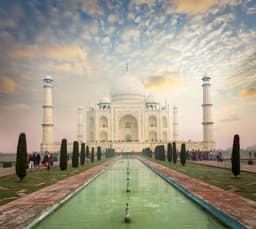
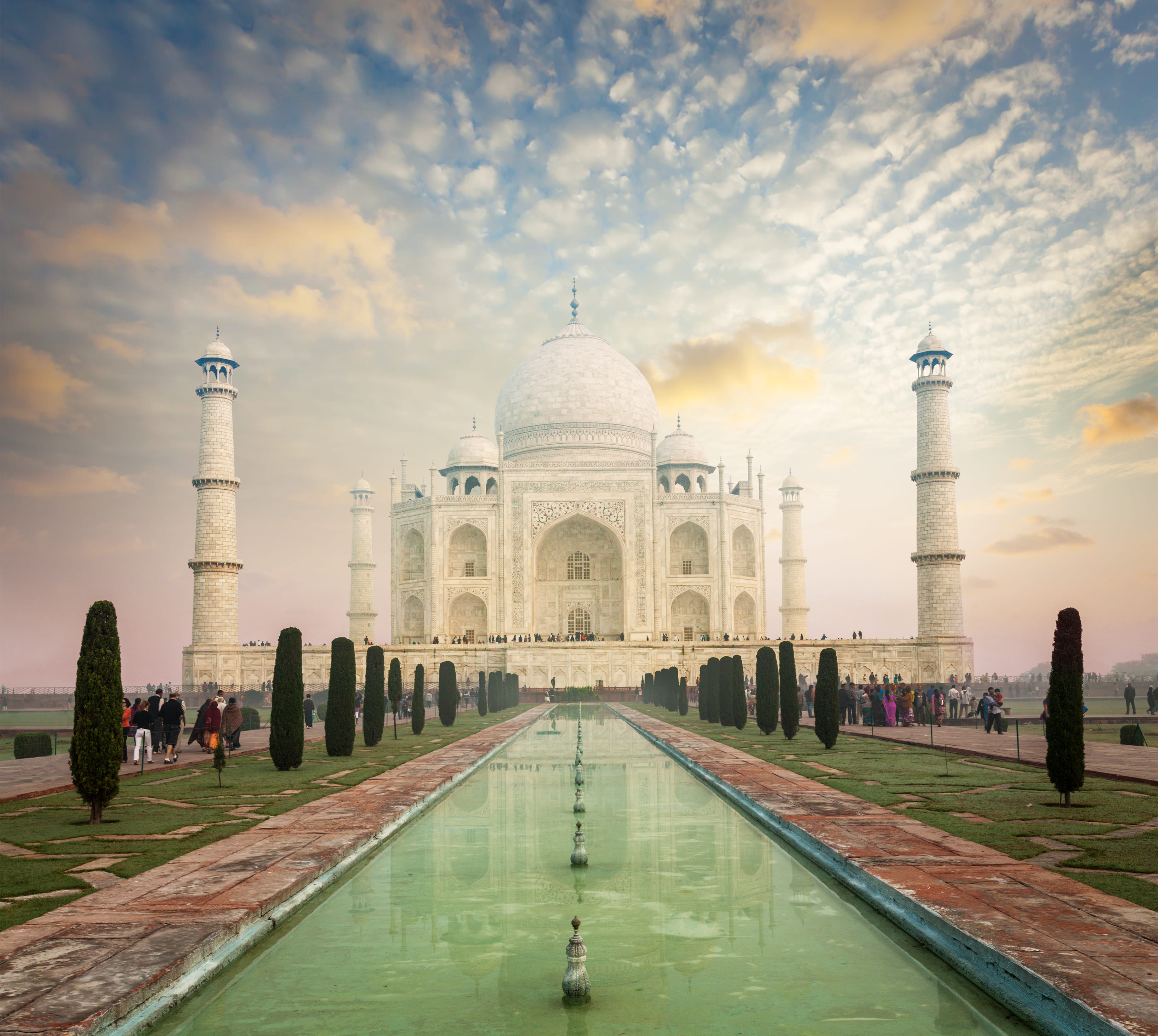
  • Watch the Taj Mahal glow at sunrise in Agra, one of the New 7 Wonders of the World.
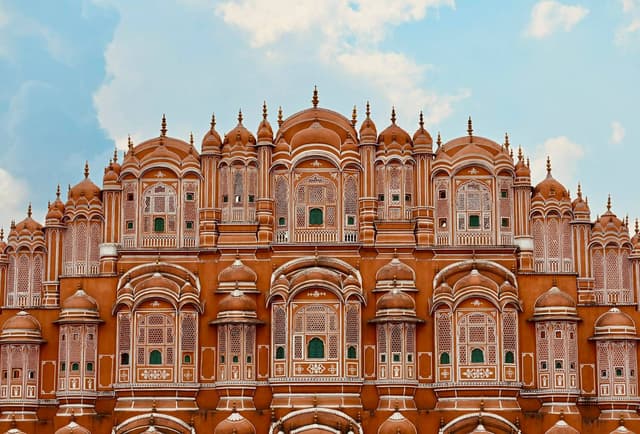
  • Explore the pink city palaces and bazaars of Jaipur, including the Amber Fort.
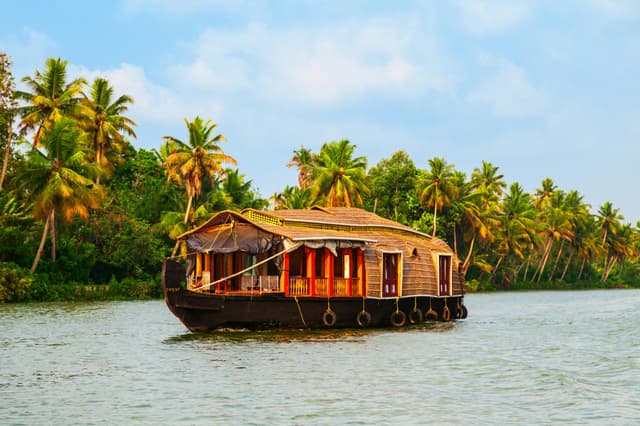
  • Glide through the Kerala backwaters on an overnight houseboat.
  • Wander the forts of Jodhpur, Jaisalmer and Udaipur in Rajasthan.
  • Take a tiger safari in Ranthambore or Bandhavgarh.
  • Witness the evening Ganga aarti on the ghats of Varanasi.
  • Sample street food, from Delhi chaat to Mumbai vada pav.

What historic monuments and forts should you see?

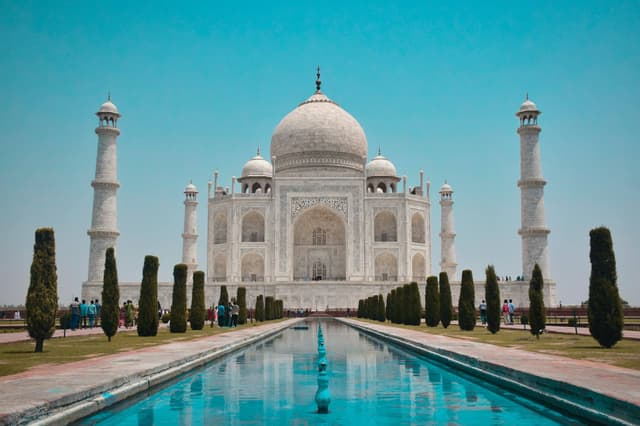
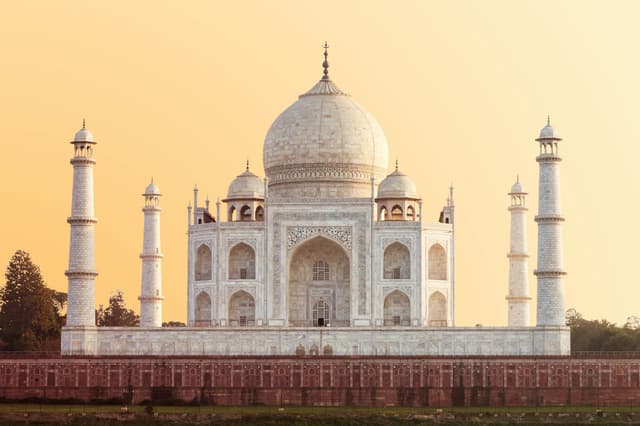
India's monuments span millennia and empires. The Taj Mahal is the icon, a white marble mausoleum built by the Mughal emperor Shah Jahan for his wife, and its sunrise light is unmatched. Delhi alone holds the Red Fort, Humayun's Tomb and the soaring Qutub Minar, while Agra Fort and the ghost city of Fatehpur Sikri round out the Mughal north. In Rajasthan, the hilltop Amber Fort near Jaipur, the blue washed Mehrangarh Fort in Jodhpur and the golden ramparts of Jaisalmer are the standouts. Further south, the temples of Khajuraho, Hampi's ruined Vijayanagara city and the shore temples of Tamil Nadu show a completely different architectural world. Our Golden Triangle guide and Rajasthan guide cover the northern icons in depth.
Explore India tour packages
View all →

What are the best nature and backwater experiences?

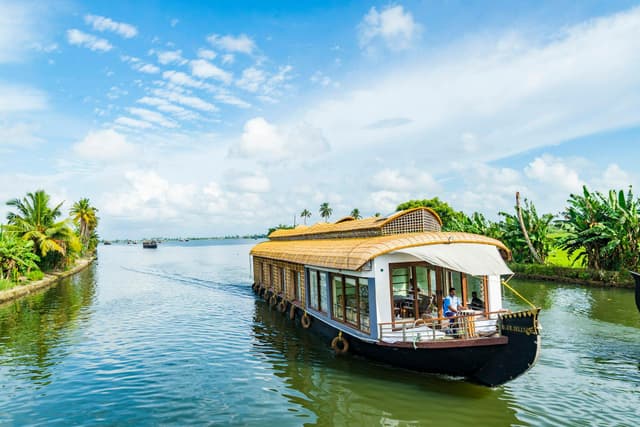
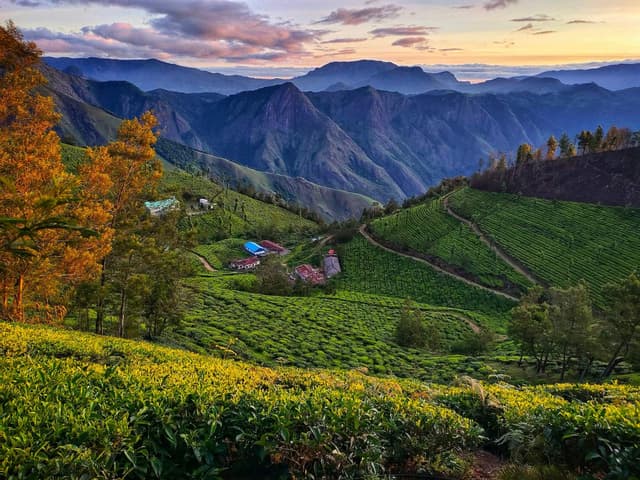
For green calm, Kerala is the heart of India's nature travel. An overnight houseboat through the Alleppey backwaters, drifting past paddy fields, coconut palms and village life, is one of the country's signature slow experiences. The tea covered hills of Munnar and the spice plantations of Thekkady add cool air and walking, while Wayanad brings waterfalls and wildlife. Beyond Kerala, the Western Ghats, the Andaman Islands and the Sundarbans mangroves offer their own natural drama. See our Kerala travel guide for backwater and hill station detail.

Where can you go on a wildlife safari?

India has world class wildlife, and a safari is a highlight for many. Ranthambore in Rajasthan and Bandhavgarh and Kanha in Madhya Pradesh are the top parks for spotting wild Bengal tigers, best from around March to May when animals gather at water. Kaziranga in Assam protects two thirds of the world's one horned rhinos, Gir in Gujarat is the last refuge of the Asiatic lion, and Periyar in Kerala offers elephants by boat. Most parks close during the monsoon, so plan safaris for the dry season and book permits ahead.

What mountain and adventure activities are there?

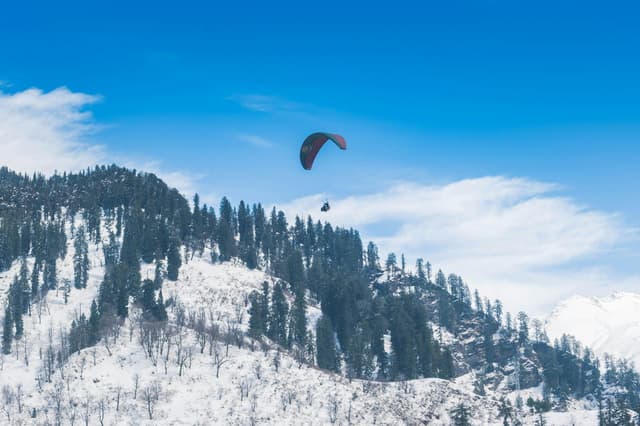
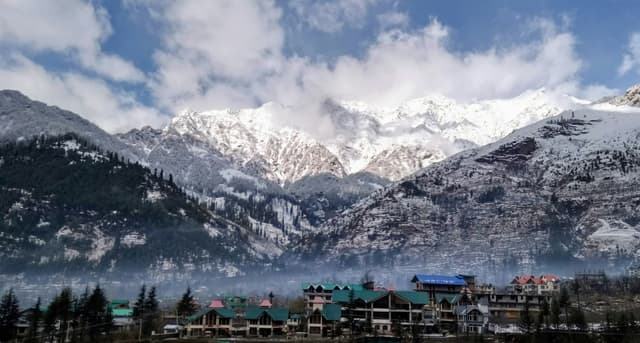
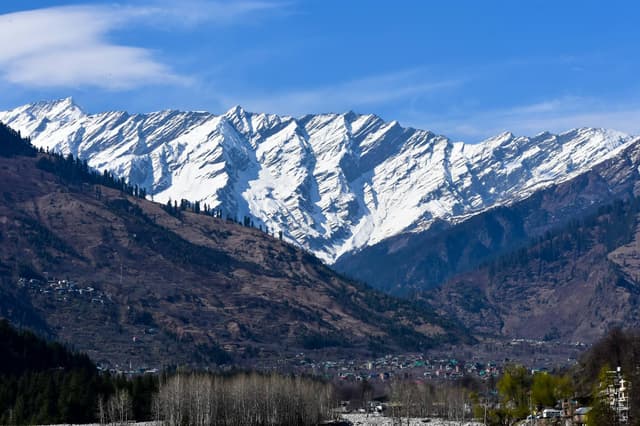
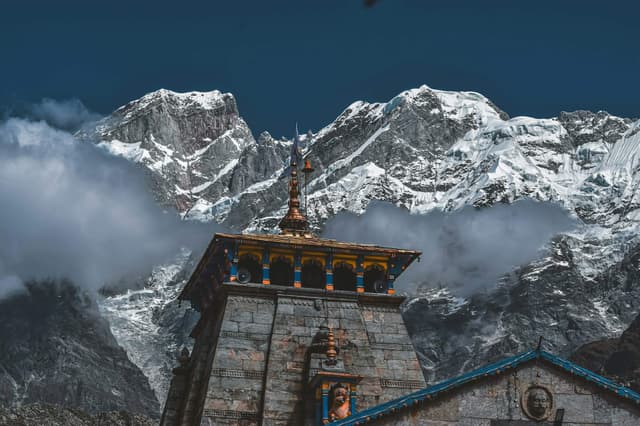
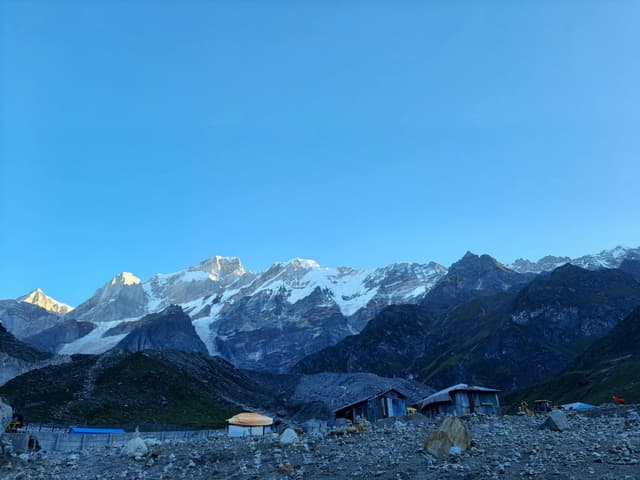
When the plains heat up, the Himalayas deliver. Rishikesh is the adventure and yoga capital, with white water rafting on the Ganges and clifftop cafes. Manali, Shimla and the Spiti and Ladakh regions offer trekking, high passes, Buddhist monasteries and epic road trips, though Ladakh needs altitude acclimatisation. Darjeeling and Sikkim in the east combine tea gardens with views of Kanchenjunga. For softer adventure, camel treks over the Thar dunes near Jaisalmer end with a night under desert stars.

What spiritual experiences can you have?

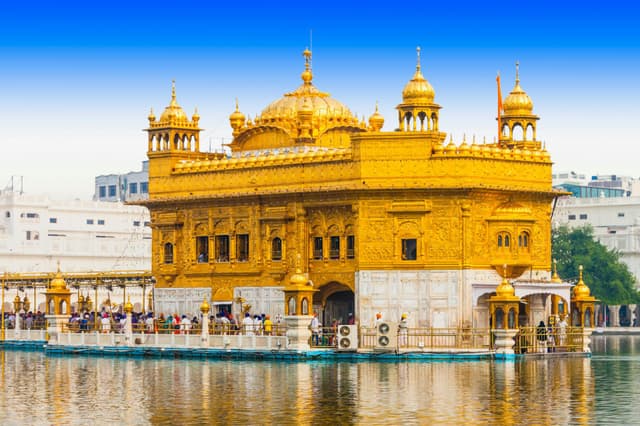
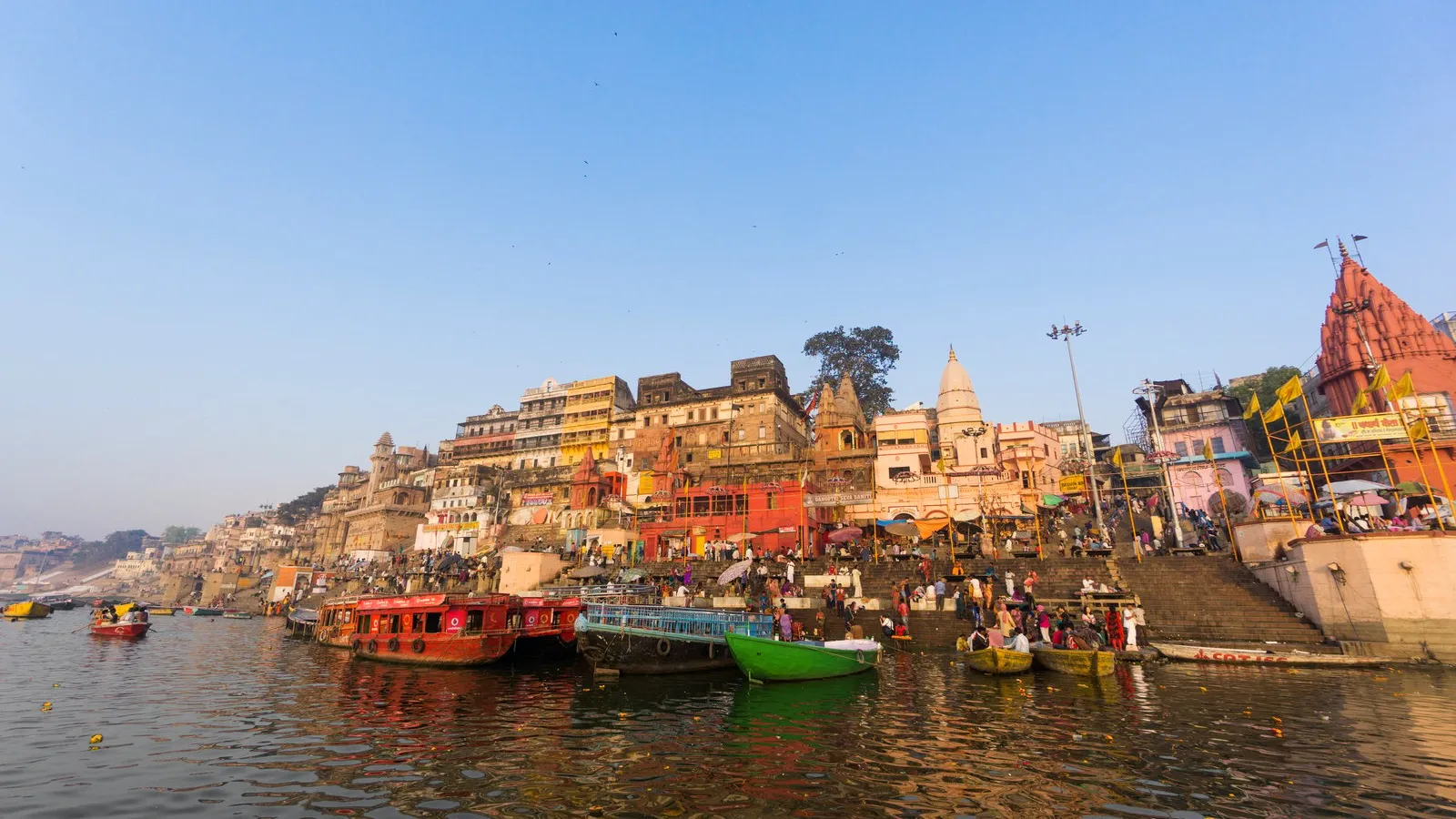
Spirituality is woven through Indian life, and a few places let visitors witness it respectfully. Varanasi, one of the world's oldest living cities, centres on the Ganges, where dawn boat rides pass bathing ghats and the nightly aarti fills the air with fire and chanting. Rishikesh draws travellers for yoga and meditation retreats in the Himalayan foothills. The Golden Temple in Amritsar, the holiest Sikh site, feeds tens of thousands of visitors free each day in its communal kitchen, and its serene reflecting pool is unforgettable at night. Bodh Gaya, where the Buddha attained enlightenment, completes the picture for pilgrims of every faith.

What food should you eat in India?

India is a food destination in its own right, with cuisines that change every few hundred kilometres. The north brings creamy Mughlai curries, tandoori grills and buttery breads; the south turns to dosas, idli, coconut curries and fiery Chettinad dishes; the west adds Gujarati thalis and Mumbai's street snacks; and the east offers Bengali fish and sweets. Street food is an experience of its own, from Delhi's chaat to Amritsari kulcha, best eaten fresh at busy stalls. Wash it down with masala chai, sweet lassi or fresh lime soda. Our guide to what to eat in India maps the dishes region by region.

Which festivals should you experience?

Timing a trip with a festival can be the highlight of the whole journey. Diwali, the festival of lights in October or November, wraps cities in lamps, sweets and fireworks. Holi, the spring festival of colour in March, is joyous and messy, with crowds throwing coloured powder. Regional festivals shine too: Kerala's Onam harvest feast, Bengal's Durga Puja, Rajasthan's Pushkar Camel Fair and the Rann Utsav in Gujarat's white salt desert. Book accommodation well ahead, as prices rise and rooms fill fast around big celebrations.

What shopping and markets are worth your time?

Shopping in India is a cultural experience. Jaipur is famous for block printed textiles, gemstones and blue pottery, Delhi's markets range from Chandni Chowk's chaos to the crafts of Dilli Haat, and the south offers silk in Kanchipuram and Mysore. Look for pashmina in Kashmir, leather in Jaipur, carpets, spices and tea across the country. Bargaining is expected in markets but should stay friendly, and fixed price government emporiums are a stress free alternative for quality crafts and gifts to take home.

How much time do you need to do it all?

You cannot do it all in one trip, and that is the point. Ten days covers the Golden Triangle with a couple of add ons, while two weeks lets you pair the northern icons with Kerala or deeper Rajasthan. India is vast, so internal flights and overnight trains help you cover distance without losing days on the road. For ready made routes, see our India itinerary, and if you are still choosing where to go, the best places to visit in India lays out the options.

What unique experiences are found only in India?

Some experiences are quintessentially Indian and hard to find anywhere else. Ride a UNESCO listed mountain toy train, such as the Darjeeling Himalayan Railway or the Kalka to Shimla line, as it winds through the hills. Stay overnight in a converted Rajasthan fort or palace and dine where maharajas once lived. Watch the daily Wagah border ceremony between India and Pakistan, a theatrical display of marching and crowd chanting. Join a home cooking class to learn regional dishes, or spend a night in a rural homestay to see village life first hand. These moments often become the stories travellers tell for years.

What wellness, yoga and Ayurveda can you try?

India is the birthplace of yoga and Ayurveda, and wellness travel here is deep and authentic. Rishikesh, on the Ganges, is the world's yoga capital, with ashrams and courses for every level and the huge International Yoga Festival each spring. Kerala is the home of Ayurveda, offering multi day treatment retreats, herbal therapies and panchakarma cleanses in tranquil settings. Meditation retreats, from silent Vipassana courses to Himalayan mountain hermitages, give travellers space to slow down. Even a single guided yoga session at sunrise beside a temple or river is a memorable way to connect with the culture.

What are the great Indian rail journeys?

Train travel is an experience in itself, not just transport. The mountain toy trains of Darjeeling, Shimla and the Nilgiris are heritage rides through spectacular scenery. Luxury trains such as the Palace on Wheels and the Maharajas' Express recreate royal travel across Rajasthan with fine dining and cabins. Even an ordinary long distance train, sharing chai and conversation with fellow passengers as the countryside rolls by, captures something essential about the country. Book sleeper journeys in advance and choose air conditioned classes for comfort on longer routes.

Which cities are worth exploring?

India's cities each have a distinct character worth a day or two. Delhi layers Mughal monuments, colonial avenues and buzzing bazaars. Mumbai, the coastal megacity, mixes Gateway of India grandeur, Bollywood energy, Art Deco seafronts and the country's best nightlife. Kolkata is the cultural and intellectual heart, full of colonial architecture, art and sweets. Bengaluru and Hyderabad bring modern cafes, tech energy and their own food scenes, while Jaipur and Udaipur blend city life with palaces. City walks, food tours and markets are the best way to feel each one.

Where can you go off the beaten path?

Travellers wanting to escape the crowds have endless options. The northeastern states of Meghalaya, Assam and Nagaland offer living root bridges, tribal culture and lush hills few tourists reach. Hampi's boulder strewn ruins in Karnataka feel otherworldly, Spiti Valley is a stark high Himalayan desert, and Gujarat's Rann of Kutch turns into a vast white salt plain in winter. The temple towns of Tamil Nadu and the beaches of Odisha reward those who venture beyond the classic circuits with authenticity and far fewer visitors.

What adventure sports are on offer?

India delivers serious adventure for the active. White water rafting on the Ganges at Rishikesh and the Zanskar in Ladakh draws rafters worldwide. Trekking ranges from gentle Himachal day walks to demanding treks to Everest viewpoints and the high passes of Ladakh. Paragliding at Bir Billing is among the best in Asia, scuba diving thrives in the Andaman Islands, and skiing runs in Gulmarg and Auli in winter. Desert camel safaris and camping near Jaisalmer add a gentler thrill for those who prefer sand to summits.

How do you build a theme based trip?

The smartest way to plan is to pick one or two themes and build around them rather than chasing everything. History lovers link the Golden Triangle with Rajasthan's forts. Nature and wellness travellers combine Kerala's backwaters with an Ayurveda retreat. Spiritual seekers weave Varanasi, Rishikesh and Amritsar together. Adventurers focus on the Himalayas. Wildlife fans centre a trip on two national parks. Choosing a theme keeps the pace sane, the transfers logical, and the trip far more memorable than a rushed highlights dash.

How does India compare for different interests?

InterestGo for
History and architectureGolden Triangle, Rajasthan, Hampi
Nature and slow travelKerala backwaters, Western Ghats
SpiritualityVaranasi, Rishikesh, Amritsar
Adventure and mountainsLadakh, Himachal, Rishikesh
WildlifeRanthambore, Kaziranga, Gir
BeachesGoa, Andaman Islands, Kerala

Beach lovers can round off any trip in Goa; our Goa travel guide covers the beaches, heritage and nightlife.

What cultural performances can you watch?

India's performing arts are dazzling and easy to experience as a visitor. In Kerala, watch Kathakali, a dramatic dance drama with elaborate makeup and costumes, or the martial art Kalaripayattu. Rajasthan puts on folk music and dance evenings under the stars, with fire and puppet shows at heritage venues. In the north you can catch a Sufi qawwali devotional performance at a shrine, and classical Bharatanatyam or Odissi dance recitals happen in the southern temple towns. Many cities also offer Bollywood movie nights in grand old cinemas such as Mumbai's, a fun and very local experience.

What are the best food experiences to seek out?

Beyond eating, India offers immersive food experiences. Join a street food walk in Delhi or Mumbai with a local guide who knows the safest, tastiest stalls. Take a home cooking class in Jaipur, Udaipur or Kerala to learn spice blending and regional dishes. Visit a spice plantation in Kerala or a tea estate in Darjeeling or Munnar to see how the flavours are grown. Try a traditional thali, an all you can eat platter that showcases a region's range in one meal. Eating your way across India is one of the deepest ways to understand its diversity.

What seasonal and monsoon experiences are special?

The seasons open different doors. The winter months bring festivals, camel fairs and comfortable sightseeing across most of the country. Spring is Holi season and the time for tiger safaris as the forests dry out. The summer sends travellers to the Himalayan hill stations for cool air and trekking. Even the monsoon, often avoided, has its charms: Kerala and the Western Ghats turn vivid green, waterfalls thunder, and Ayurveda retreats consider the rains the ideal time for treatment. Matching your visit to the season unlocks experiences you would otherwise miss.

What can families do in India?

India is full of experiences that delight children with the right pacing. Elephant and camel encounters, boat rides through the Kerala backwaters, and exploring the ramps and gates of Rajasthan's forts turn history into adventure. Gentle wildlife safaris, science and rail museums in the big cities, and cooking classes keep older kids engaged. A private car and driver removes the stress of transfers, and heritage hotels often have pools and gardens to burn off energy. Keep days shorter and build in downtime, and India becomes a rewarding family destination.

What are the best experiences for couples and honeymooners?

India has romance in abundance. A private sunset boat ride on Udaipur's Lake Pichola, a candlelit dinner in a Rajasthan palace hotel, a Kerala houseboat drifting past quiet villages, and a beach hideaway in Goa or the Andamans all make for a memorable honeymoon. Ayurveda spa retreats and hot air balloon rides over Jaipur add extra sparkle. Couples often mix a few days of icons with a slow, luxurious finish, and a well planned package can build in the private touches that make the trip feel special.

How do you travel responsibly?

Doing these things well means doing them respectfully. Choose ethical wildlife operators that keep a distance and do not bait animals, and avoid attractions that exploit elephants for rides. Dress modestly at temples, ask before photographing people, and support local guides, artisans and homestays so tourism benefits communities. Carry a reusable water bottle to cut plastic, and be mindful at sacred sites, where silence and simple courtesy go a long way. Responsible choices make your experiences richer and leave a lighter footprint.

Practical tips for making the most of these experiences

  • Book marquee experiences ahead: safaris, luxury trains and festival stays sell out early.
  • Start monuments early: beat the heat and the crowds at the Taj Mahal and forts.
  • Hire local guides: the history and context transform a monument visit.
  • Pace yourself: two or three big experiences a day is plenty in the heat.
  • Stay flexible: leave room for the unplanned encounters that often become highlights.

How do you choose experiences for a short trip?

With only a week, pick a tight cluster rather than spreading thin. The Golden Triangle delivers the most icons, monuments and culture in the shortest distances, making it the best short trip default. If you would rather relax than sightsee, a week in Kerala combining backwaters, tea hills and a beach is gentler. Decide whether your priority is history or nature first, choose the matching region, and add only what connects without long travel. A focused week beats a frantic dash every time.

What beaches and islands can you enjoy?

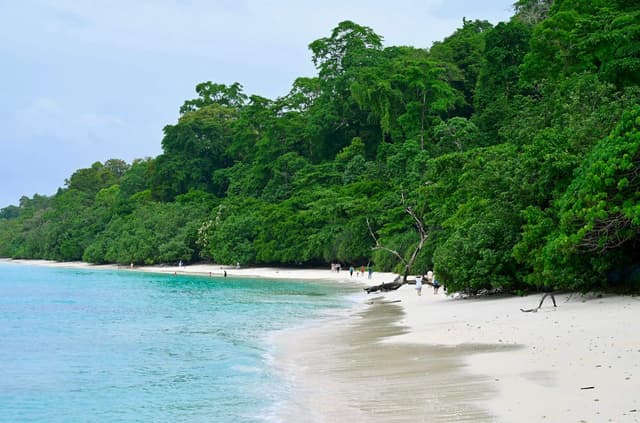
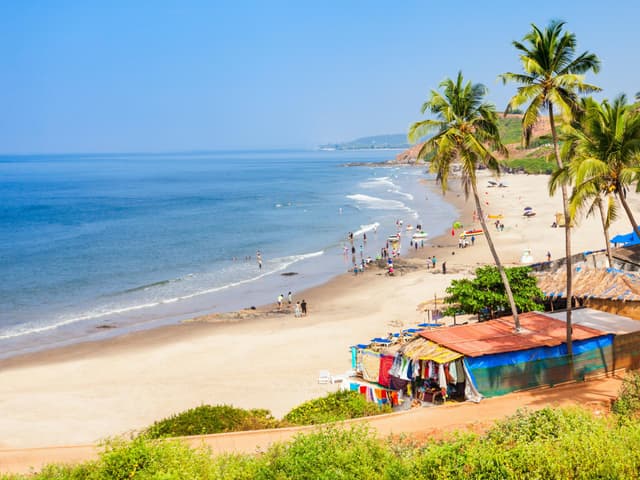
India's coastline stretches over 7,000 km, so beaches are a genuine option alongside the monuments and mountains. Goa is the famous choice, mixing lively northern beaches and nightlife with quieter southern sands and Portuguese heritage. Kerala's Varkala and Marari offer cliffs and calm, palm backed shores, while the Andaman Islands, a short flight from Chennai or Kolkata, deliver white sand, clear water and some of Asia's best diving at Havelock. Gokarna in Karnataka is the mellow, backpacker alternative to Goa. A few beach days make a perfect finish to a busy sightseeing trip; our roundup of the best beaches in India has the detail.

Where are the best views and photo spots?

India is endlessly photogenic if you know where to point the camera. The Taj Mahal at sunrise from the main gate or across the river at Mehtab Bagh is the classic. Jodhpur's Mehrangarh Fort looks over a sea of blue houses, Jaipur's Nahargarh Fort frames the whole pink city at sunset, and Udaipur's lake palaces glow at dusk. In the south, the Kerala backwaters at first light and the tea terraces of Munnar are stunning, while the Himalayas around Leh and the Ganges ghats of Varanasi reward early risers. Golden hour, just after dawn and before sunset, is your friend everywhere.

How much do experiences cost?

Most India experiences are excellent value by global standards. Monument entry for foreign visitors is modest, safaris and guided tours are reasonable, and food and local transport are cheap. The bigger costs are optional luxuries: heritage hotels, luxury trains, private guides and domestic flights. A sensible approach is to spend on the few experiences that matter most to you, such as a private safari or a lake palace stay, and keep the rest simple. For a full breakdown of trip costs, see whether India is expensive.

How do you travel between experiences?

Because the best experiences are spread across a huge country, how you connect them matters. A private car and driver is ideal within a region like the Golden Triangle or Rajasthan, removing the stress of driving yourself. Domestic flights bridge long gaps, such as north to Kerala, in a couple of hours. Trains are scenic and social for medium distances, and worth doing at least once for the experience. Planning the route so experiences cluster logically, rather than crisscrossing the map, saves days and energy; our guide on how to get around India explains the options.

What mistakes should you avoid when planning what to do?

The classic mistake is trying to squeeze too many experiences into too little time, leaving you exhausted and always travelling. Others include ignoring the seasons, so booking a Himalayan trek in winter or a plains tour in peak summer, and underestimating how long distances take. Some travellers skip the local guide at big monuments and miss the stories that bring them alive, or book marquee experiences like safaris and festivals too late to get a place. The fix is simple: choose a theme, keep the pace realistic, respect the seasons, and reserve the big ticket experiences early. Do that, and India delivers far more than a rushed checklist ever could.

Why is India a bucket list destination?

Few countries pack as much variety into one trip as India. In a single fortnight you can stand before a wonder of the world, drift through tropical backwaters, sleep in a desert fort, watch a river ceremony at dusk and eat a dozen cuisines that each feel like a different country. The layers of history, faith, landscape and food are extraordinary, and the warmth of the welcome is what travellers remember most. It can be intense, and it asks for patience and an open mind, but that intensity is exactly why so many visitors return again and again. Choose your experiences with care, travel respectfully, and India delivers a journey unlike anywhere else on earth.

How do you start planning your India experiences?

Begin with the one experience you most want, whether that is the Taj Mahal, a tiger safari or a backwater cruise, and build the trip outward from there. Add the regions and activities that connect naturally, fix your dates around the right season, and reserve the big ticket experiences first. Keep a light day after your arrival and before your departure, and leave a little space for the unplanned moments that so often become the best memories of an India journey.

To pull the flights, trains and guided visits into one seamless route, curated India tour packages can handle the logistics across regions so you spend your time on the experiences.

Frequently asked questions

What is the number one thing to do in India?

Seeing the Taj Mahal at sunrise tops most lists, ideally as part of the Golden Triangle with Delhi and Jaipur, where the marble changes colour with the light.

Is India good for first time visitors?

Yes. The Golden Triangle is well set up for newcomers, with iconic sights, good hotels and short distances between Delhi, Agra and Jaipur, and Kerala offers a gentler alternative.

When is the best time to visit India?

October to March is the most comfortable for most of the country. The Himalayas are best from May to September, when the northern plains are very hot.

Do you need a guide in India?

A guide or organised route helps at busy monuments and for train logistics, though independent travel is very doable with planning, especially in Kerala and Goa.

What are the best things to do with kids in India?

Elephant and camel experiences, boat rides in Kerala, forts to explore in Rajasthan and gentle wildlife safaris keep children engaged, especially with a private driver to ease transfers.

What is the most romantic thing to do in India?

A private sunset boat ride on Lake Pichola in Udaipur, followed by dinner in a palace hotel, tops most romantic lists, with Kerala houseboats a close second.

Can you see tigers in the wild in India?

Yes. Ranthambore, Bandhavgarh and Kanha offer the best chances, especially from March to May. Sightings are never guaranteed, so book two or three safari drives to improve your odds.

What is the best cultural experience for first timers?

The evening Ganga aarti in Varanasi and a folk performance evening in Rajasthan are both accessible, unforgettable introductions to Indian culture.

Is street food safe to eat in India?

Freshly cooked, hot food from busy stalls is usually fine. Give your stomach a few days to adjust, drink sealed water, and a guided street food walk is a safe way to start.

What are the best things to do in India in 10 days?

Ten days comfortably covers the Golden Triangle plus one add on, such as Udaipur's lakes, a Ranthambore safari, or a flight to Varanasi for the Ganges aarti.

Is a private driver worth it for sightseeing?

Yes, especially in the north. A car and driver is affordable, removes navigation and traffic stress, and lets you see more comfortably, which is why most first timers choose it.

What experiences are unique to South India?

Kerala backwater houseboats, Ayurveda retreats, Kathakali performances and the towering temples of Tamil Nadu are distinctly southern, alongside a gentler pace than the north.

What should you not miss on a first trip to India?

The Taj Mahal at sunrise, a Rajasthan fort, a Kerala backwater cruise and a street food experience together capture the range of the country on a first visit.

Are there things to do in India during the monsoon?

Yes. Kerala and the Western Ghats are lush and dramatic in the rains, Ayurveda retreats are considered ideal then, and crowds and prices drop, though heavy sightseeing elsewhere is harder.

How many experiences can you realistically do in a week?

Aim for two or three signature experiences plus everyday exploring. A week on the Golden Triangle, for example, covers Delhi's sights, the Taj Mahal and Jaipur's forts without feeling rushed.

What is the best beach experience in India?

Goa offers the liveliest beach scene with heritage and nightlife, while the Andaman Islands provide the clearest water and best diving. Kerala's Varkala and Marari are the calm, scenic choice.

Do you need to book safaris and festivals in advance?

Yes. National park safari permits, luxury trains and accommodation around Diwali, Holi and the Pushkar fair sell out weeks or months ahead, so book these fixed experiences early.

What is the single best experience for photographers?

Sunrise at the Taj Mahal is the classic, but Jodhpur's blue city from Mehrangarh Fort, the Kerala backwaters at first light and the Varanasi ghats at dawn are equally rewarding, all best in the soft early morning light.

Tags
India
Share
G
Gomayu Team
Writer at Gomayu
Keep reading
Blog / India
Things to Do in India: Top Experiences
21 min read 20 Aug 2026 · Updated 07 Sep 2026
Things to Do in India: Top Experiences

India rewards travellers who choose a theme rather than trying to see everything. The must do experiences are watching the Taj Mahal glow at sunrise, touring the Golden Triangle of Delhi, Agra and Jaipur, cruising the Kerala backwaters on a houseboat, exploring Rajasthan's desert forts, and trekking or finding stillness in the Himalayas. Add tiger safaris, temple towns, world class street food and colourful festivals, and India offers something extraordinary for every kind of traveller. This guide runs through the top things to do by theme, where to do them, and how to fit them into a trip.

ExperienceWhereBest for
Golden TriangleDelhi, Agra, JaipurFirst timers, history
Backwater cruiseKerala (Alleppey)Nature and slow travel
Desert forts and palacesRajasthanCulture and photography
Himalayan escapesHimachal, Uttarakhand, LadakhTrekking and mountains
Tiger safariRanthambore, BandhavgarhWildlife
Spiritual GangesVaranasi, RishikeshRitual and reflection

What are the must do experiences in India?

If you do nothing else, aim for this shortlist of experiences that travellers rank as the highlights of any India trip.

  • Watch the Taj Mahal glow at sunrise in Agra, one of the New 7 Wonders of the World.
  • Explore the pink city palaces and bazaars of Jaipur, including the Amber Fort.
  • Glide through the Kerala backwaters on an overnight houseboat.
  • Wander the forts of Jodhpur, Jaisalmer and Udaipur in Rajasthan.
  • Take a tiger safari in Ranthambore or Bandhavgarh.
  • Witness the evening Ganga aarti on the ghats of Varanasi.
  • Sample street food, from Delhi chaat to Mumbai vada pav.

What historic monuments and forts should you see?

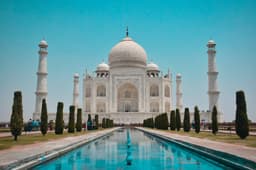
India's monuments span millennia and empires. The Taj Mahal is the icon, a white marble mausoleum built by the Mughal emperor Shah Jahan for his wife, and its sunrise light is unmatched. Delhi alone holds the Red Fort, Humayun's Tomb and the soaring Qutub Minar, while Agra Fort and the ghost city of Fatehpur Sikri round out the Mughal north. In Rajasthan, the hilltop Amber Fort near Jaipur, the blue washed Mehrangarh Fort in Jodhpur and the golden ramparts of Jaisalmer are the standouts. Further south, the temples of Khajuraho, Hampi's ruined Vijayanagara city and the shore temples of Tamil Nadu show a completely different architectural world. Our Golden Triangle guide and Rajasthan guide cover the northern icons in depth.
Explore India tour packages
View all →

What are the best nature and backwater experiences?

For green calm, Kerala is the heart of India's nature travel. An overnight houseboat through the Alleppey backwaters, drifting past paddy fields, coconut palms and village life, is one of the country's signature slow experiences. The tea covered hills of Munnar and the spice plantations of Thekkady add cool air and walking, while Wayanad brings waterfalls and wildlife. Beyond Kerala, the Western Ghats, the Andaman Islands and the Sundarbans mangroves offer their own natural drama. See our Kerala travel guide for backwater and hill station detail.

Where can you go on a wildlife safari?

India has world class wildlife, and a safari is a highlight for many. Ranthambore in Rajasthan and Bandhavgarh and Kanha in Madhya Pradesh are the top parks for spotting wild Bengal tigers, best from around March to May when animals gather at water. Kaziranga in Assam protects two thirds of the world's one horned rhinos, Gir in Gujarat is the last refuge of the Asiatic lion, and Periyar in Kerala offers elephants by boat. Most parks close during the monsoon, so plan safaris for the dry season and book permits ahead.

What mountain and adventure activities are there?

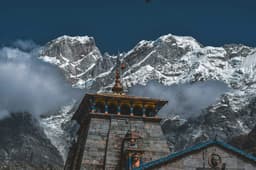
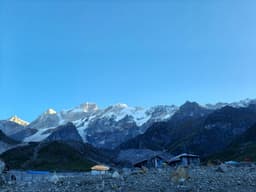
When the plains heat up, the Himalayas deliver. Rishikesh is the adventure and yoga capital, with white water rafting on the Ganges and clifftop cafes. Manali, Shimla and the Spiti and Ladakh regions offer trekking, high passes, Buddhist monasteries and epic road trips, though Ladakh needs altitude acclimatisation. Darjeeling and Sikkim in the east combine tea gardens with views of Kanchenjunga. For softer adventure, camel treks over the Thar dunes near Jaisalmer end with a night under desert stars.

What spiritual experiences can you have?

Spirituality is woven through Indian life, and a few places let visitors witness it respectfully. Varanasi, one of the world's oldest living cities, centres on the Ganges, where dawn boat rides pass bathing ghats and the nightly aarti fills the air with fire and chanting. Rishikesh draws travellers for yoga and meditation retreats in the Himalayan foothills. The Golden Temple in Amritsar, the holiest Sikh site, feeds tens of thousands of visitors free each day in its communal kitchen, and its serene reflecting pool is unforgettable at night. Bodh Gaya, where the Buddha attained enlightenment, completes the picture for pilgrims of every faith.

What food should you eat in India?

India is a food destination in its own right, with cuisines that change every few hundred kilometres. The north brings creamy Mughlai curries, tandoori grills and buttery breads; the south turns to dosas, idli, coconut curries and fiery Chettinad dishes; the west adds Gujarati thalis and Mumbai's street snacks; and the east offers Bengali fish and sweets. Street food is an experience of its own, from Delhi's chaat to Amritsari kulcha, best eaten fresh at busy stalls. Wash it down with masala chai, sweet lassi or fresh lime soda. Our guide to what to eat in India maps the dishes region by region.

Which festivals should you experience?

Timing a trip with a festival can be the highlight of the whole journey. Diwali, the festival of lights in October or November, wraps cities in lamps, sweets and fireworks. Holi, the spring festival of colour in March, is joyous and messy, with crowds throwing coloured powder. Regional festivals shine too: Kerala's Onam harvest feast, Bengal's Durga Puja, Rajasthan's Pushkar Camel Fair and the Rann Utsav in Gujarat's white salt desert. Book accommodation well ahead, as prices rise and rooms fill fast around big celebrations.

What shopping and markets are worth your time?

Shopping in India is a cultural experience. Jaipur is famous for block printed textiles, gemstones and blue pottery, Delhi's markets range from Chandni Chowk's chaos to the crafts of Dilli Haat, and the south offers silk in Kanchipuram and Mysore. Look for pashmina in Kashmir, leather in Jaipur, carpets, spices and tea across the country. Bargaining is expected in markets but should stay friendly, and fixed price government emporiums are a stress free alternative for quality crafts and gifts to take home.

How much time do you need to do it all?

You cannot do it all in one trip, and that is the point. Ten days covers the Golden Triangle with a couple of add ons, while two weeks lets you pair the northern icons with Kerala or deeper Rajasthan. India is vast, so internal flights and overnight trains help you cover distance without losing days on the road. For ready made routes, see our India itinerary, and if you are still choosing where to go, the best places to visit in India lays out the options.

What unique experiences are found only in India?

Some experiences are quintessentially Indian and hard to find anywhere else. Ride a UNESCO listed mountain toy train, such as the Darjeeling Himalayan Railway or the Kalka to Shimla line, as it winds through the hills. Stay overnight in a converted Rajasthan fort or palace and dine where maharajas once lived. Watch the daily Wagah border ceremony between India and Pakistan, a theatrical display of marching and crowd chanting. Join a home cooking class to learn regional dishes, or spend a night in a rural homestay to see village life first hand. These moments often become the stories travellers tell for years.

What wellness, yoga and Ayurveda can you try?

India is the birthplace of yoga and Ayurveda, and wellness travel here is deep and authentic. Rishikesh, on the Ganges, is the world's yoga capital, with ashrams and courses for every level and the huge International Yoga Festival each spring. Kerala is the home of Ayurveda, offering multi day treatment retreats, herbal therapies and panchakarma cleanses in tranquil settings. Meditation retreats, from silent Vipassana courses to Himalayan mountain hermitages, give travellers space to slow down. Even a single guided yoga session at sunrise beside a temple or river is a memorable way to connect with the culture.

What are the great Indian rail journeys?

Train travel is an experience in itself, not just transport. The mountain toy trains of Darjeeling, Shimla and the Nilgiris are heritage rides through spectacular scenery. Luxury trains such as the Palace on Wheels and the Maharajas' Express recreate royal travel across Rajasthan with fine dining and cabins. Even an ordinary long distance train, sharing chai and conversation with fellow passengers as the countryside rolls by, captures something essential about the country. Book sleeper journeys in advance and choose air conditioned classes for comfort on longer routes.

Which cities are worth exploring?

India's cities each have a distinct character worth a day or two. Delhi layers Mughal monuments, colonial avenues and buzzing bazaars. Mumbai, the coastal megacity, mixes Gateway of India grandeur, Bollywood energy, Art Deco seafronts and the country's best nightlife. Kolkata is the cultural and intellectual heart, full of colonial architecture, art and sweets. Bengaluru and Hyderabad bring modern cafes, tech energy and their own food scenes, while Jaipur and Udaipur blend city life with palaces. City walks, food tours and markets are the best way to feel each one.

Where can you go off the beaten path?

Travellers wanting to escape the crowds have endless options. The northeastern states of Meghalaya, Assam and Nagaland offer living root bridges, tribal culture and lush hills few tourists reach. Hampi's boulder strewn ruins in Karnataka feel otherworldly, Spiti Valley is a stark high Himalayan desert, and Gujarat's Rann of Kutch turns into a vast white salt plain in winter. The temple towns of Tamil Nadu and the beaches of Odisha reward those who venture beyond the classic circuits with authenticity and far fewer visitors.

What adventure sports are on offer?

India delivers serious adventure for the active. White water rafting on the Ganges at Rishikesh and the Zanskar in Ladakh draws rafters worldwide. Trekking ranges from gentle Himachal day walks to demanding treks to Everest viewpoints and the high passes of Ladakh. Paragliding at Bir Billing is among the best in Asia, scuba diving thrives in the Andaman Islands, and skiing runs in Gulmarg and Auli in winter. Desert camel safaris and camping near Jaisalmer add a gentler thrill for those who prefer sand to summits.

How do you build a theme based trip?

The smartest way to plan is to pick one or two themes and build around them rather than chasing everything. History lovers link the Golden Triangle with Rajasthan's forts. Nature and wellness travellers combine Kerala's backwaters with an Ayurveda retreat. Spiritual seekers weave Varanasi, Rishikesh and Amritsar together. Adventurers focus on the Himalayas. Wildlife fans centre a trip on two national parks. Choosing a theme keeps the pace sane, the transfers logical, and the trip far more memorable than a rushed highlights dash.

How does India compare for different interests?

InterestGo for
History and architectureGolden Triangle, Rajasthan, Hampi
Nature and slow travelKerala backwaters, Western Ghats
SpiritualityVaranasi, Rishikesh, Amritsar
Adventure and mountainsLadakh, Himachal, Rishikesh
WildlifeRanthambore, Kaziranga, Gir
BeachesGoa, Andaman Islands, Kerala

Beach lovers can round off any trip in Goa; our Goa travel guide covers the beaches, heritage and nightlife.

What cultural performances can you watch?

India's performing arts are dazzling and easy to experience as a visitor. In Kerala, watch Kathakali, a dramatic dance drama with elaborate makeup and costumes, or the martial art Kalaripayattu. Rajasthan puts on folk music and dance evenings under the stars, with fire and puppet shows at heritage venues. In the north you can catch a Sufi qawwali devotional performance at a shrine, and classical Bharatanatyam or Odissi dance recitals happen in the southern temple towns. Many cities also offer Bollywood movie nights in grand old cinemas such as Mumbai's, a fun and very local experience.

What are the best food experiences to seek out?

Beyond eating, India offers immersive food experiences. Join a street food walk in Delhi or Mumbai with a local guide who knows the safest, tastiest stalls. Take a home cooking class in Jaipur, Udaipur or Kerala to learn spice blending and regional dishes. Visit a spice plantation in Kerala or a tea estate in Darjeeling or Munnar to see how the flavours are grown. Try a traditional thali, an all you can eat platter that showcases a region's range in one meal. Eating your way across India is one of the deepest ways to understand its diversity.

What seasonal and monsoon experiences are special?

The seasons open different doors. The winter months bring festivals, camel fairs and comfortable sightseeing across most of the country. Spring is Holi season and the time for tiger safaris as the forests dry out. The summer sends travellers to the Himalayan hill stations for cool air and trekking. Even the monsoon, often avoided, has its charms: Kerala and the Western Ghats turn vivid green, waterfalls thunder, and Ayurveda retreats consider the rains the ideal time for treatment. Matching your visit to the season unlocks experiences you would otherwise miss.

What can families do in India?

India is full of experiences that delight children with the right pacing. Elephant and camel encounters, boat rides through the Kerala backwaters, and exploring the ramps and gates of Rajasthan's forts turn history into adventure. Gentle wildlife safaris, science and rail museums in the big cities, and cooking classes keep older kids engaged. A private car and driver removes the stress of transfers, and heritage hotels often have pools and gardens to burn off energy. Keep days shorter and build in downtime, and India becomes a rewarding family destination.

What are the best experiences for couples and honeymooners?

India has romance in abundance. A private sunset boat ride on Udaipur's Lake Pichola, a candlelit dinner in a Rajasthan palace hotel, a Kerala houseboat drifting past quiet villages, and a beach hideaway in Goa or the Andamans all make for a memorable honeymoon. Ayurveda spa retreats and hot air balloon rides over Jaipur add extra sparkle. Couples often mix a few days of icons with a slow, luxurious finish, and a well planned package can build in the private touches that make the trip feel special.

How do you travel responsibly?

Doing these things well means doing them respectfully. Choose ethical wildlife operators that keep a distance and do not bait animals, and avoid attractions that exploit elephants for rides. Dress modestly at temples, ask before photographing people, and support local guides, artisans and homestays so tourism benefits communities. Carry a reusable water bottle to cut plastic, and be mindful at sacred sites, where silence and simple courtesy go a long way. Responsible choices make your experiences richer and leave a lighter footprint.

Practical tips for making the most of these experiences

  • Book marquee experiences ahead: safaris, luxury trains and festival stays sell out early.
  • Start monuments early: beat the heat and the crowds at the Taj Mahal and forts.
  • Hire local guides: the history and context transform a monument visit.
  • Pace yourself: two or three big experiences a day is plenty in the heat.
  • Stay flexible: leave room for the unplanned encounters that often become highlights.

How do you choose experiences for a short trip?

With only a week, pick a tight cluster rather than spreading thin. The Golden Triangle delivers the most icons, monuments and culture in the shortest distances, making it the best short trip default. If you would rather relax than sightsee, a week in Kerala combining backwaters, tea hills and a beach is gentler. Decide whether your priority is history or nature first, choose the matching region, and add only what connects without long travel. A focused week beats a frantic dash every time.

What beaches and islands can you enjoy?

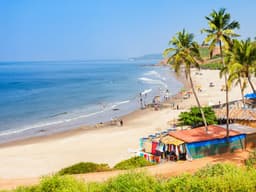
India's coastline stretches over 7,000 km, so beaches are a genuine option alongside the monuments and mountains. Goa is the famous choice, mixing lively northern beaches and nightlife with quieter southern sands and Portuguese heritage. Kerala's Varkala and Marari offer cliffs and calm, palm backed shores, while the Andaman Islands, a short flight from Chennai or Kolkata, deliver white sand, clear water and some of Asia's best diving at Havelock. Gokarna in Karnataka is the mellow, backpacker alternative to Goa. A few beach days make a perfect finish to a busy sightseeing trip; our roundup of the best beaches in India has the detail.

Where are the best views and photo spots?

India is endlessly photogenic if you know where to point the camera. The Taj Mahal at sunrise from the main gate or across the river at Mehtab Bagh is the classic. Jodhpur's Mehrangarh Fort looks over a sea of blue houses, Jaipur's Nahargarh Fort frames the whole pink city at sunset, and Udaipur's lake palaces glow at dusk. In the south, the Kerala backwaters at first light and the tea terraces of Munnar are stunning, while the Himalayas around Leh and the Ganges ghats of Varanasi reward early risers. Golden hour, just after dawn and before sunset, is your friend everywhere.

How much do experiences cost?

Most India experiences are excellent value by global standards. Monument entry for foreign visitors is modest, safaris and guided tours are reasonable, and food and local transport are cheap. The bigger costs are optional luxuries: heritage hotels, luxury trains, private guides and domestic flights. A sensible approach is to spend on the few experiences that matter most to you, such as a private safari or a lake palace stay, and keep the rest simple. For a full breakdown of trip costs, see whether India is expensive.

How do you travel between experiences?

Because the best experiences are spread across a huge country, how you connect them matters. A private car and driver is ideal within a region like the Golden Triangle or Rajasthan, removing the stress of driving yourself. Domestic flights bridge long gaps, such as north to Kerala, in a couple of hours. Trains are scenic and social for medium distances, and worth doing at least once for the experience. Planning the route so experiences cluster logically, rather than crisscrossing the map, saves days and energy; our guide on how to get around India explains the options.

What mistakes should you avoid when planning what to do?

The classic mistake is trying to squeeze too many experiences into too little time, leaving you exhausted and always travelling. Others include ignoring the seasons, so booking a Himalayan trek in winter or a plains tour in peak summer, and underestimating how long distances take. Some travellers skip the local guide at big monuments and miss the stories that bring them alive, or book marquee experiences like safaris and festivals too late to get a place. The fix is simple: choose a theme, keep the pace realistic, respect the seasons, and reserve the big ticket experiences early. Do that, and India delivers far more than a rushed checklist ever could.

Why is India a bucket list destination?

Few countries pack as much variety into one trip as India. In a single fortnight you can stand before a wonder of the world, drift through tropical backwaters, sleep in a desert fort, watch a river ceremony at dusk and eat a dozen cuisines that each feel like a different country. The layers of history, faith, landscape and food are extraordinary, and the warmth of the welcome is what travellers remember most. It can be intense, and it asks for patience and an open mind, but that intensity is exactly why so many visitors return again and again. Choose your experiences with care, travel respectfully, and India delivers a journey unlike anywhere else on earth.

How do you start planning your India experiences?

Begin with the one experience you most want, whether that is the Taj Mahal, a tiger safari or a backwater cruise, and build the trip outward from there. Add the regions and activities that connect naturally, fix your dates around the right season, and reserve the big ticket experiences first. Keep a light day after your arrival and before your departure, and leave a little space for the unplanned moments that so often become the best memories of an India journey.

To pull the flights, trains and guided visits into one seamless route, curated India tour packages can handle the logistics across regions so you spend your time on the experiences.

Frequently asked questions

What is the number one thing to do in India?

Seeing the Taj Mahal at sunrise tops most lists, ideally as part of the Golden Triangle with Delhi and Jaipur, where the marble changes colour with the light.

Is India good for first time visitors?

Yes. The Golden Triangle is well set up for newcomers, with iconic sights, good hotels and short distances between Delhi, Agra and Jaipur, and Kerala offers a gentler alternative.

When is the best time to visit India?

October to March is the most comfortable for most of the country. The Himalayas are best from May to September, when the northern plains are very hot.

Do you need a guide in India?

A guide or organised route helps at busy monuments and for train logistics, though independent travel is very doable with planning, especially in Kerala and Goa.

What are the best things to do with kids in India?

Elephant and camel experiences, boat rides in Kerala, forts to explore in Rajasthan and gentle wildlife safaris keep children engaged, especially with a private driver to ease transfers.

What is the most romantic thing to do in India?

A private sunset boat ride on Lake Pichola in Udaipur, followed by dinner in a palace hotel, tops most romantic lists, with Kerala houseboats a close second.

Can you see tigers in the wild in India?

Yes. Ranthambore, Bandhavgarh and Kanha offer the best chances, especially from March to May. Sightings are never guaranteed, so book two or three safari drives to improve your odds.

What is the best cultural experience for first timers?

The evening Ganga aarti in Varanasi and a folk performance evening in Rajasthan are both accessible, unforgettable introductions to Indian culture.

Is street food safe to eat in India?

Freshly cooked, hot food from busy stalls is usually fine. Give your stomach a few days to adjust, drink sealed water, and a guided street food walk is a safe way to start.

What are the best things to do in India in 10 days?

Ten days comfortably covers the Golden Triangle plus one add on, such as Udaipur's lakes, a Ranthambore safari, or a flight to Varanasi for the Ganges aarti.

Is a private driver worth it for sightseeing?

Yes, especially in the north. A car and driver is affordable, removes navigation and traffic stress, and lets you see more comfortably, which is why most first timers choose it.

What experiences are unique to South India?

Kerala backwater houseboats, Ayurveda retreats, Kathakali performances and the towering temples of Tamil Nadu are distinctly southern, alongside a gentler pace than the north.

What should you not miss on a first trip to India?

The Taj Mahal at sunrise, a Rajasthan fort, a Kerala backwater cruise and a street food experience together capture the range of the country on a first visit.

Are there things to do in India during the monsoon?

Yes. Kerala and the Western Ghats are lush and dramatic in the rains, Ayurveda retreats are considered ideal then, and crowds and prices drop, though heavy sightseeing elsewhere is harder.

How many experiences can you realistically do in a week?

Aim for two or three signature experiences plus everyday exploring. A week on the Golden Triangle, for example, covers Delhi's sights, the Taj Mahal and Jaipur's forts without feeling rushed.

What is the best beach experience in India?

Goa offers the liveliest beach scene with heritage and nightlife, while the Andaman Islands provide the clearest water and best diving. Kerala's Varkala and Marari are the calm, scenic choice.

Do you need to book safaris and festivals in advance?

Yes. National park safari permits, luxury trains and accommodation around Diwali, Holi and the Pushkar fair sell out weeks or months ahead, so book these fixed experiences early.

What is the single best experience for photographers?

Sunrise at the Taj Mahal is the classic, but Jodhpur's blue city from Mehrangarh Fort, the Kerala backwaters at first light and the Varanasi ghats at dawn are equally rewarding, all best in the soft early morning light.
Tags
India
Share
G
Gomayu Team
Writer at Gomayu
Keep reading