





























No, India is not expensive by global standards. It is one of the most affordable major destinations in the world: budget travellers can get by on very little, and even a comfortable, well organised trip costs far less than a similar holiday in Europe, Japan or much of Southeast Asia. As a rough guide for 2026, backpackers spend around 1,200 to 3,500 rupees a day (about 14 to 42 US dollars), mid range travellers 4,500 to 7,000 rupees (about 55 to 85 dollars), and comfort travellers 12,000 rupees and up. What you actually pay depends mostly on your choice of hotels, whether you take trains or domestic flights, and how often you eat local food rather than in hotel restaurants.
Is India cheap to travel in 2026?
For most visitors, yes. Street food, local transport and simple guesthouses remain very inexpensive, while mid range hotels and private drivers still offer strong value against Western prices. The biggest single variable is accommodation: a backpacker room and a boutique heritage hotel can differ by a factor of ten. Prices for hotels, trains and restaurant meals have crept up over the last few years, so it is worth using current 2026 figures rather than older blog estimates. The main exceptions where costs climb are Goa in peak season, the big metros of Mumbai and Delhi, luxury wildlife lodges, and popular hill stations during Indian holiday periods.
To put it in context, a full day of travel in India, including a decent room, three meals, local transport and one sight, often costs less than a single restaurant dinner in London or Singapore. That is why India rewards travellers who are willing to plan a little and eat where locals eat.
What is a realistic daily budget for India?
There is no single number, because India serves every budget at once. The table below gives realistic per person, per day figures for 2026 once you are on the ground, excluding international flights and visa costs.
| Travel style | Daily budget (INR) | Daily budget (USD) | What it looks like |
|---|---|---|---|
| Shoestring backpacker | 1,500 to 2,500 | 18 to 30 | Hostel dorms, street food, sleeper and general class trains, walking and shared autos |
| Comfortable budget | 3,000 to 4,500 | 36 to 55 | Private guesthouse rooms, mix of local and restaurant meals, AC sleeper trains, occasional autos |
| Mid range | 4,500 to 7,000 | 55 to 85 | Three star hotels, restaurant meals, some domestic flights, private car for day trips |
| Comfort and boutique | 8,000 to 15,000 | 95 to 180 | Four star and heritage hotels, private driver, domestic flights, guided sightseeing |
| Luxury | 20,000 and up | 240 and up | Five star and palace hotels, private guides, premium safaris and lodges |
Solo travellers on a long trip routinely live well on 1,800 to 2,200 rupees a day, while couples sharing rooms and drivers often find their per person cost drops because the two biggest bills, accommodation and transport, are split.
How much do meals cost in India?
Food is where India feels almost free by Western standards, as long as you eat where locals eat. A filling vegetarian thali, an unlimited plate of rice or bread with several curries, dal and pickle, costs very little, while hotel restaurants and tourist cafes charge several times more for the same food.
| Meal or item | Typical cost (INR) | Notes |
|---|---|---|
| Street snack (samosa, vada pav, chaat) | 15 to 60 | Cheapest and often the tastiest option |
| Local vegetarian thali | 80 to 200 | Best value full meal in India |
| Meal in a mid range restaurant | 250 to 600 | Per person, without alcohol |
| Meal in a hotel or tourist cafe | 500 to 1,500 | Per person, more in the metros |
| Bottle of water (1 litre) | 20 to 40 | Buy sealed bottles or use a filter bottle |
| Masala chai from a stall | 10 to 30 | A cultural experience in itself |
| Large bottle of beer | 150 to 400 | Alcohol is taxed heavily and dry in some states |
Two people can eat very well on local food for under 800 rupees a day combined. Alcohol is the exception: it is taxed heavily, expensive in restaurants, and completely banned in states such as Gujarat and Bihar, so a few drinks can quietly double a day's food bill.
Are trains and transport cheap in India?
Yes. Indian Railways is one of the great travel bargains on earth, moving you across the country for a fraction of European rail prices. Fares depend on the class you choose, and the spread is wide. Booking early through the official IRCTC system gets you the best classes and berths before they sell out.
| Mode | Typical cost | Best for |
|---|---|---|
| Local bus or shared auto | 10 to 50 INR | Short city hops |
| Metro (Delhi, Mumbai, Bengaluru) | 10 to 60 INR | Fast, clean city travel |
| Auto rickshaw ride | 50 to 250 INR | Door to door, agree the fare or use the meter |
| Ride hailing (Ola, Uber) | 150 to 600 INR | Fixed fares, good in big cities |
| Sleeper class overnight train | 300 to 700 INR | Long distances on a tight budget |
| AC 3 tier overnight train | 900 to 2,200 INR | Comfort and air conditioning |
| Full day private car and driver | 2,500 to 5,000 INR | Sightseeing and flexible day trips |
| Domestic flight (1 to 2 hours) | 3,000 to 8,000 INR | Saving a full day on long routes |
The rule of thumb is simple: trains are far cheaper and reach almost everywhere, while flights are worth it only when a train would take a full day or more, such as Delhi to Kerala or Mumbai to the northeast.
How much do hotels and accommodation cost?
Accommodation is the biggest swing factor in any India budget. The country has everything from 400 rupee hostel beds to former maharaja palaces charging hundreds of dollars. Because rooms are your largest daily cost, choosing the right level here matters more than any other decision.
| Accommodation type | Typical price per night (INR) | What you get |
|---|---|---|
| Hostel dorm bed | 400 to 900 | Social, central, good in backpacker cities |
| Budget guesthouse room | 800 to 1,800 | Private room, fan or basic AC, shared style bathroom |
| Mid range hotel | 2,500 to 5,000 | AC room, hot water, breakfast, reliable wifi |
| Boutique or heritage hotel | 6,000 to 12,000 | Character, pool, restaurant, great service |
| Luxury and palace hotels | 15,000 and up | Iconic properties, spas and fine dining |
Prices rise sharply in the cool, dry high season from roughly October to March, and around Goa and popular hill stations during Indian holidays. Travelling in the shoulder months, or a few weeks either side of peak, can cut room rates by a third or more for the same hotel.
What do attractions and entry tickets cost?
Most Indian monuments use a two tier system, with a low price for Indian nationals and a higher foreign tourist price. The foreigner fee sounds steep compared with local prices, but it remains modest against attractions in Europe, and it usually funds conservation of some of the world's greatest heritage sites.
| Attraction | Foreigner ticket (approx INR, 2026) | Notes |
|---|---|---|
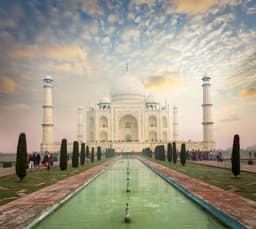
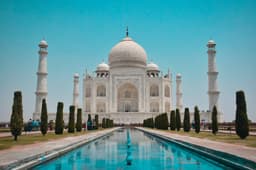
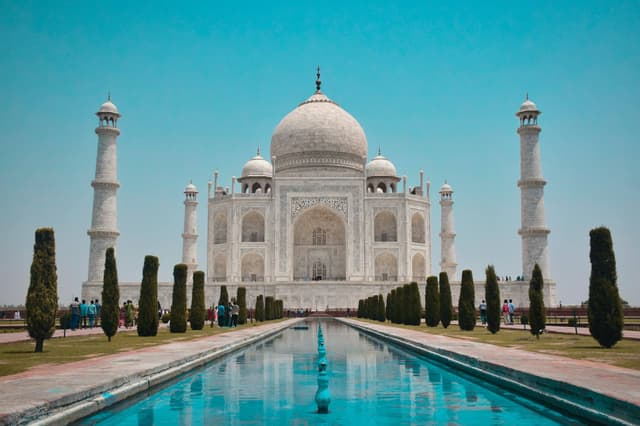
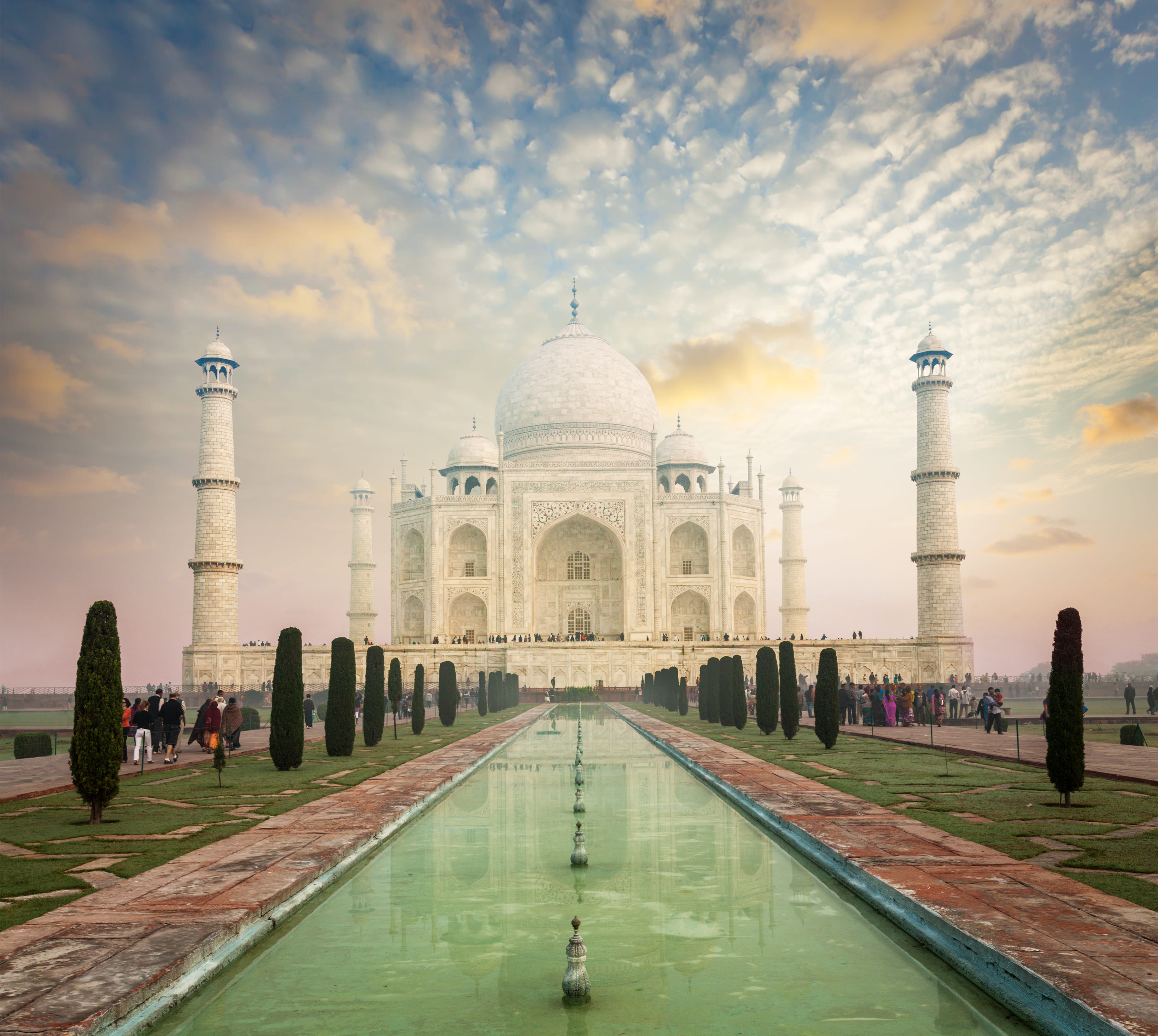
| Taj Mahal, Agra | 1,300 base, plus 200 for the main mausoleum | Ticket includes shoe covers, 500ml water and an e rickshaw token |
| Agra Fort | 650 | Often combined with the Taj on the same day |
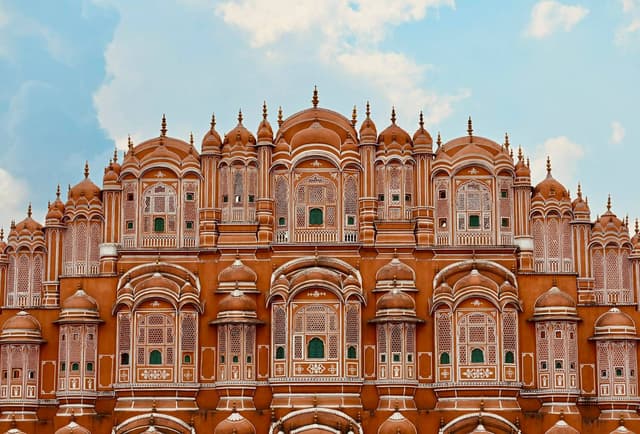
| Amber Fort, Jaipur | 600 | Composite Jaipur tickets cover several sites |
| Qutub Minar or Humayun's Tomb, Delhi | 600 | UNESCO listed Mughal era monuments |
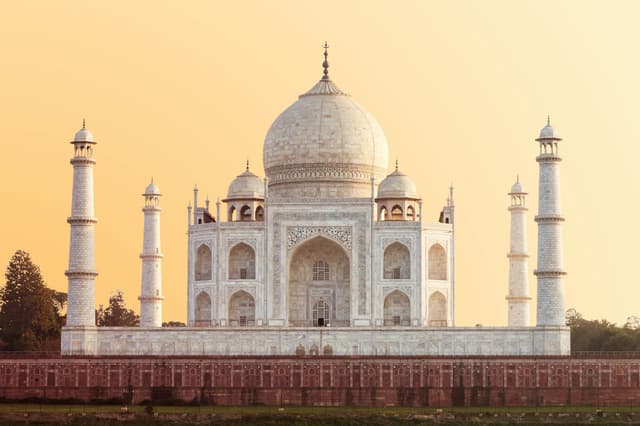
| Mehtab Bagh, Agra | 300 | The classic sunset view of the Taj from across the river |
| Licensed private guide | 1,500 to 1,800 per site | A fixed fee for a small group, not per person |
Ticket prices vary a little between sources and are revised from time to time, so treat these as 2026 guidance and check the Archaeological Survey of India counter or app on the day. Many temples and gardens are free or charge only a small camera fee.
Which parts of India are the most and least expensive?
India is not one price. Where you go changes your budget as much as how you travel.
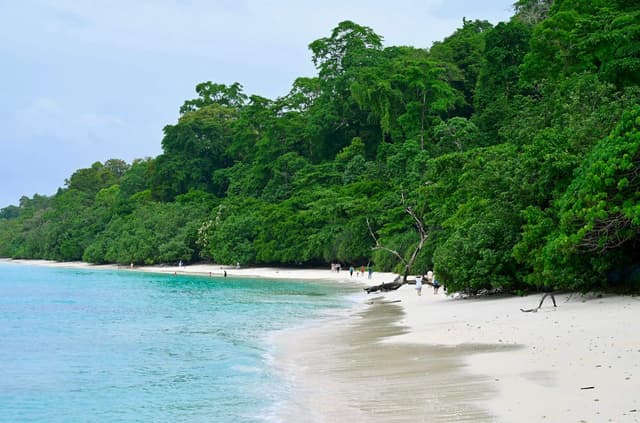
- Most expensive: Mumbai and Delhi for hotels and dining, Goa during the December peak, Ladakh and the Andaman Islands because of remoteness, and any luxury wildlife lodge in Ranthambore or Kanha.
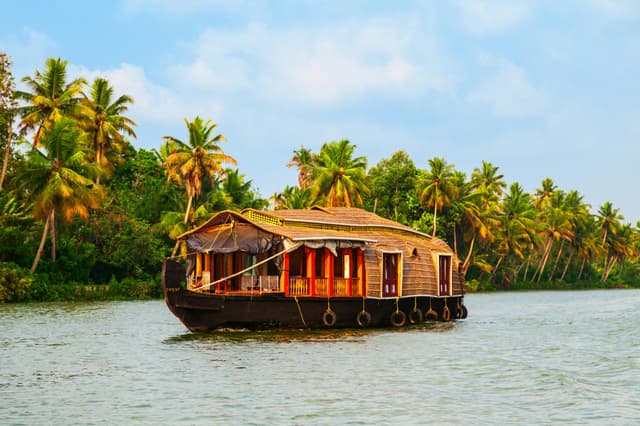
- Mid priced: Rajasthan's tourist cities such as Jaipur, Udaipur and Jodhpur, the beaches of Goa outside peak, and the backwaters of Kerala.
- Best value: smaller towns and the south in general, Rishikesh and the Himalayan foothills, Hampi, Madhya Pradesh, and the northeast, where prices for rooms and food stay very low.
If your budget is tight, weighting your trip toward the south and smaller towns, and treating the metros as short stops rather than long stays, keeps costs down without missing the highlights.
Sample daily budgets for three travel styles
To make the numbers concrete, here is how a single day breaks down for three common styles of India travel, per person and excluding international flights.
| Item | Backpacker (INR) | Mid range (INR) | Comfort (INR) |
|---|---|---|---|
| Accommodation | 700 | 2,500 | 7,000 |
| Food and drinks | 400 | 900 | 1,800 |
| Local transport | 250 | 600 | 2,500 |
| Sights and activities | 400 | 800 | 1,500 |
| Extras and buffer | 250 | 500 | 1,200 |
| Daily total | 2,000 | 5,300 | 14,000 |
Over a two week trip that works out to roughly 28,000 rupees for a backpacker, 74,000 for a mid range traveller and around 196,000 for comfort level, before flights. Couples usually spend less per head because rooms and drivers are shared.
What hidden costs do travellers forget?
The headline daily budget is only part of the story. A few costs surprise first timers and are worth building into your plan from the start.
- Visa and entry: most nationalities need an e visa, which carries a fixed fee that varies by duration and passport.
- SIM or eSIM: a local data plan is cheap but essential for maps, IRCTC and ride hailing.
- Tipping: small tips for drivers, guides and hotel staff add up over a trip and are expected in tourist settings.
- Foreigner camera and video fees: some monuments charge a little extra for cameras or drones.
- Medication and bottled water: budget for safe water and a basic stomach kit.
- Domestic flight baggage: low fares often exclude checked bags, so read the fare rules.
How can you travel India on a budget?
India is forgiving of tight budgets if you make a few smart choices. These are the moves that save the most money without hurting the experience.
- Travel in the shoulder season and avoid Goa and hill stations at their busiest and priciest.
- Eat where locals eat, and use pure vegetarian restaurants for cheap, safe and filling meals.
- Book trains early through the official IRCTC system for the best classes and confirmed berths.
- Agree auto rickshaw fares in advance or use ride hailing apps such as Ola and Uber to avoid haggling.
- Choose overnight trains for long journeys to save both a night's hotel and a day of travel time.
- Carry some cash for small vendors and rural areas, but use UPI and cards where accepted in cities.
Getting the timing right also protects your budget, so read our guide to the best time to visit India before you fix dates, and see how the regions connect in our India itinerary. For the bigger picture on planning, our India travel guide pulls the practical details together.
How much does a two week trip to India cost in total?
Two weeks is the sweet spot for a first India trip, long enough to cover a region such as the Golden Triangle plus Rajasthan or Kerala without rushing. Adding up rooms, food, transport and sights, here is a realistic total per person for fourteen days on the ground, before international flights and visa.
| Travel style | 14 day total (INR) | 14 day total (USD) | What is included |
|---|---|---|---|
| Backpacker | 28,000 to 35,000 | 330 to 415 | Dorms and cheap rooms, local food, trains and shared transport |
| Mid range | 70,000 to 100,000 | 825 to 1,175 | Three star hotels, restaurant meals, mix of trains and a flight or two |
| Comfort | 180,000 to 250,000 | 2,100 to 2,950 | Heritage hotels, private driver, domestic flights, guided sights |
International flights are separate and usually the single largest line in the whole budget, so book them early and be flexible on dates. Once flights are in, India itself is remarkably light on the wallet compared with the cost of simply getting there.
How do money, ATMs and payments work in India?
India is now largely cashless in cities, which keeps costs transparent and cuts the need to carry large amounts of money. Understanding how to pay saves both fees and hassle.
- UPI and apps: locals pay for almost everything by UPI, but most apps need an Indian bank account, so visitors still lean on cards and cash.
- Cards: hotels, mid range restaurants and shops in cities take Visa and Mastercard, though small vendors and rural stops are cash only.
- ATMs: withdraw from major bank ATMs such as SBI, HDFC or Axis, which are reliable but often cap withdrawals and charge a small foreign card fee.
- Cash: keep a stock of small notes for autos, tips and street food, and break large notes early because change can be scarce.
- Currency exchange: avoid airport counters where rates are poor, and use bank ATMs or reputable exchanges in town instead.
A useful habit is to carry two cards from different networks, kept separately, so a blocked or swallowed card never leaves you stranded.
Do you need to tip in India?
Tipping, known locally as baksheesh, is common in tourist settings and adds a modest but real line to your budget. It is appreciated rather than strictly required, and small amounts go a long way.
| Who | Typical tip | When |
|---|---|---|
| Restaurant staff | 5 to 10 percent | If service is not already added to the bill |
| Hotel porter | 30 to 50 INR per bag | On arrival and departure |
| Private driver | 200 to 500 INR per day | At the end of a day or tour |
| Local guide | 200 to 500 INR | After a good tour |
Over a two week trip, tips typically add a few thousand rupees, so it is worth setting aside a small daily float rather than being caught short.
Is India cheaper than Thailand or Sri Lanka?
For day to day costs, India is generally the cheapest of the three, especially for food, trains and budget rooms. Thailand can match India on street food but tends to cost more for beach accommodation and islands, while Sri Lanka sits between the two, with slightly higher transport and hotel prices than India but a compact, easy to cover map. If your priority is stretching a budget over a long trip, India gives you the most travel for the least money, provided you are comfortable with a busier, more intense style of travel.
Travellers who prefer fixed costs, with hotels, transfers and guides arranged in advance, often compare curated India tour packages against planning and booking every leg themselves, which can be the better value once you add up rooms, drivers and internal flights.
Frequently asked questions
Is India expensive for tourists in 2026?
No. India remains among the cheapest major destinations, particularly for food, trains and budget rooms. A typical mid range traveller spends about 4,500 to 7,000 rupees a day on the ground, and costs only climb sharply if you choose luxury hotels, domestic flights and private guides throughout.
What is a realistic daily budget for India?
Shoestring backpackers manage on 1,500 to 2,500 rupees a day, comfortable budget travellers on 3,000 to 4,500, mid range travellers on 4,500 to 7,000, and comfort travellers from about 8,000 upward. These figures exclude international flights and visa fees.
How much does food cost in India?
Very little if you eat local. A filling vegetarian thali costs 80 to 200 rupees, street snacks 15 to 60, and a mid range restaurant meal 250 to 600 per person. Two people can eat well on local food for under 800 rupees a day combined.
Are trains or flights cheaper in India?
Trains are usually far cheaper and reach almost everywhere. A sleeper class overnight ticket can cost 300 to 700 rupees, while flights save time on long routes and are worth it only when a train would take a full day or more.
How much is the Taj Mahal entry fee for foreigners?
The foreign tourist ticket is around 1,300 rupees in 2026, plus about 200 rupees more to enter the main mausoleum. The base ticket usually includes shoe covers, a small bottle of water and an e rickshaw token. Check the official counter on the day, as fees are revised occasionally.
When is India most expensive to visit?
The cool, dry high season from roughly October to March sees the highest hotel prices, and Goa and hill stations spike during Indian holidays. Travelling in the shoulder months brings noticeably better value for the same hotels.
Is India cheaper than Southeast Asia?
For most day to day costs, yes. India is generally cheaper than Thailand and similar to or below Sri Lanka for food, trains and budget accommodation, which makes it excellent value for long trips.
How much cash should I carry in India?
Carry modest amounts of cash for small vendors, autos and rural areas, and rely on UPI and cards in cities where they are widely accepted. Withdraw from bank ATMs, keep small notes handy, and avoid changing money at airports where rates are poor.
'/%3E%3C/svg%3E)