












































+977-9709047652
Explore by Country
See all 22 Thailand packages
Most popular pick
See all 22 Thailand packages →
See all 11 Vietnam packages
Most popular pick
See all 11 Vietnam packages →
See all 10 Indonesia (Bali) packages
Most popular pick
See all 10 Indonesia (Bali) packages →
See all 7 Maldives packages
Most popular pick
See all 7 Maldives packages →
See all 10 China packages
Most popular pick
See all 10 China packages →
See all 13 Sri Lanka packages
Most popular pick
See all 13 Sri Lanka packages →
See all 9 Malaysia packages
Most popular pick
See all 9 Malaysia packages →
See all 8 Singapore packages
Most popular pick
See all 8 Singapore packages →
See all 2 Kenya packages
Most popular pick
See all 2 Kenya packages →
See all 16 India packages
Most popular pick
See all 16 India packages →
See all 3 Dubai packages
Most popular pick
See all 3 Dubai packages →
See all 7 Nepal packages
Most popular pick
See all 7 Nepal packages →
See all 6 Philippines packages
Most popular pick
See all 6 Philippines packages →

India Golden Triangle Tour – Delhi Agra Jaipur

6Days
Starts & ends in Delhi
WishlistPDF
India Golden Triangle Tour – Delhi Agra Jaipur — photo 1
India Golden Triangle Tour – Delhi Agra Jaipur — photo 2
India Golden Triangle Tour – Delhi Agra Jaipur — photo 3
India Golden Triangle Tour – Delhi Agra Jaipur — photo 4
India Golden Triangle Tour – Delhi Agra Jaipur — photo 5
4.9 / 5google rating3,000+travellers / yr
News & AlertsNORMALNo disruptions reported for Delhi, Agra & Jaipur.Checked 21 Oct 2026, 05:56 NPTView details ↓Hide details ↑

Weather by month

Best time for Delhi: October to March — little rain, highs 21–34°C.

  1. Jan21°8°low rain, best month
  2. Feb26°11°dry, best month
  3. Mar31°16°dry, best month
  4. Apr38°21°dry
  5. May40°25°low rain
  6. Jun40°27°low rain
  7. Jul36°27°heavy rain
  8. Aug35°27°heavy rain
  9. Sep35°25°medium rain
  10. Oct34°20°dry, best month, this month
  11. Nov29°13°dry, best month
  12. Dec23°8°dry, best month

Best time for Jaipur: October to March — little rain, highs 23–35°C.

  1. Jan23°9°dry, best month
  2. Feb28°13°dry, best month
  3. Mar33°18°dry, best month
  4. Apr38°24°dry
  5. May41°27°dry
  6. Jun40°28°low rain
  7. Jul35°26°heavy rain
  8. Aug33°25°heavy rain
  9. Sep35°25°medium rain
  10. Oct35°21°dry, best month, this month
  11. Nov30°15°dry, best month
  12. Dec25°10°dry, best month
Best monthNowdryheavy rain36°+ very hotHigh / low °C

Weather: 10-year averages, 2015–2024 (NOAA weather stations). No station near Agra. News: GDACS, ReliefWeb, GOV.UK travel advice (OGL v3.0) and local sources.Best Time to Visit India →

Pricing
✓ Tour✕ Visa✕ Flights
Group sizePrice / person
2 paxNRs 39,000 /person
3-7 paxNRs 37,500 /person
8-13 paxNRs 35,900 /person
14+ paxNRs 33,500 /person
Per person, land package onlyWhat's included
News & AlertsNORMALNo disruptions reported for Delhi, Agra & Jaipur.Checked 21 Oct 2026, 05:56 NPTView details ↓Hide details ↑

Weather by month

Best time for Delhi: October to March — little rain, highs 21–34°C.

  1. Jan21°8°low rain, best month
  2. Feb26°11°dry, best month
  3. Mar31°16°dry, best month
  4. Apr38°21°dry
  5. May40°25°low rain
  6. Jun40°27°low rain
  7. Jul36°27°heavy rain
  8. Aug35°27°heavy rain
  9. Sep35°25°medium rain
  10. Oct34°20°dry, best month, this month
  11. Nov29°13°dry, best month
  12. Dec23°8°dry, best month

Best time for Jaipur: October to March — little rain, highs 23–35°C.

  1. Jan23°9°dry, best month
  2. Feb28°13°dry, best month
  3. Mar33°18°dry, best month
  4. Apr38°24°dry
  5. May41°27°dry
  6. Jun40°28°low rain
  7. Jul35°26°heavy rain
  8. Aug33°25°heavy rain
  9. Sep35°25°medium rain
  10. Oct35°21°dry, best month, this month
  11. Nov30°15°dry, best month
  12. Dec25°10°dry, best month
Best monthNowdryheavy rain36°+ very hotHigh / low °C

Weather: 10-year averages, 2015–2024 (NOAA weather stations). No station near Agra. News: GDACS, ReliefWeb, GOV.UK travel advice (OGL v3.0) and local sources.Best Time to Visit India →

Overview

Overview

Six days on India's classic circuit, all by road: Delhi's monuments, the Taj Mahal and Agra Fort, Fatehpur Sikri on the way, then Jaipur's forts and palaces.

Best in late September to mid October and mid February to March. Gomayu avoids late October to early December, when Delhi and Agra have the worst air of the year.

Delhi
Starts at
Delhi
Ends at
Late Sep to mid Oct, and mid Feb to Mar
Season
Highlights

Trip highlights

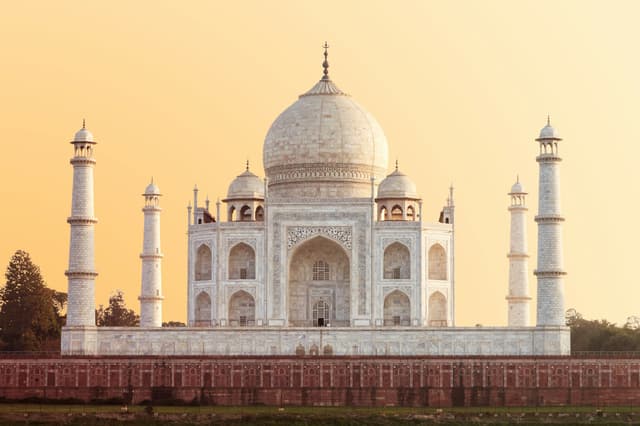
✓The Taj Mahal at Agra, with the SAARC ticket rate for Nepali passport holders
✓Agra Fort and Fatehpur Sikri en route to Jaipur
✓Qutub Minar, Humayun's Tomb and India Gate in Delhi
✓Amber Fort and the City Palace in Jaipur
✓Hawa Mahal and the bazaars of the old pink city
✓No forced shopping stops
Itinerary

Day-by-day itinerary

Everything below is fully customizable. Add nights, swap activities, or change hotels.

Day1 Arrival in Delhi
  • Met at Delhi airport and transferred to your hotel.
  • Afternoon drive past India Gate and the government quarter.
  • Evening free.
MealsNot includedAccommodationHotel
Day2 Delhi Sightseeing
  • Qutub Minar. The tower itself cannot be climbed; the staircase has been closed since 1981.
  • Humayun's Tomb, open every day.
  • Lotus Temple, which is closed on Mondays, so we reorder the day if yours falls then.
  • Drive through the old city and its bazaars.
MealsBreakfastAccommodationHotel
Day3 Delhi to Agra
  • Breakfast, then drive to Agra by the Yamuna Expressway, about 230km and three and a half to four and a half hours depending on how early we leave Delhi.
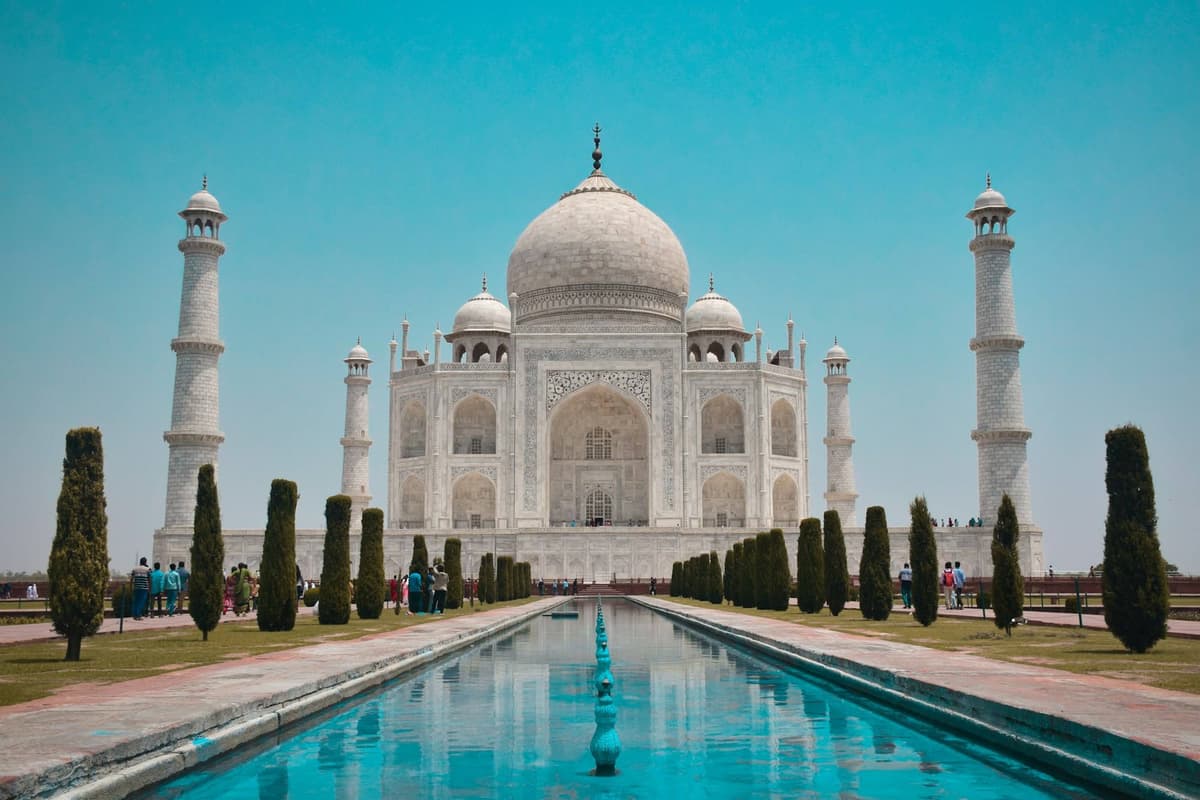
  • Afternoon at the Taj Mahal. It is closed every Friday, so a Friday arrival visits Agra Fort instead and the Taj the next morning.
  • Nepali passport holders pay the SAARC rate, and the mausoleum interior is a separate ticket. The ticket allows three hours inside.
MealsBreakfastAccommodationHotel
Day4 Agra to Jaipur via Fatehpur Sikri
  • Agra Fort in the morning if not already covered.
  • Drive towards Jaipur, stopping at Fatehpur Sikri, which sits directly on the road about 40km out.
  • Allow two hours there; parking is a kilometre away and a shuttle runs each way.
  • The full day runs six and a half to eight hours door to door with the stop, so we start early.
MealsBreakfastAccommodationHotel
Day5 Jaipur Sightseeing
  • Amber Fort in the morning. We use the jeep up to the gate rather than the elephants.
  • Photo stop at Jal Mahal, which sits in the lake and cannot be entered.
  • City Palace and Jantar Mantar, then Hawa Mahal from the street.
  • Evening free for the old city bazaars.
MealsBreakfastAccommodationHotel
Day6 Jaipur to Delhi and Departure
  • Breakfast and check out.
  • Drive back to Delhi, about 270km and five to six hours, longer in the evening peak around Gurugram.
  • Drop at Delhi airport or railway station as per your schedule.
MealsBreakfastAccommodationNot included
Package pricing

Package pricing

The more travellers in your group, the lower the price per person.

From
NRs 37,500 /person
✓ Tour✕ Visa✕ Flights
Group sizePrice / person
2 paxNRs 39,000 /person
3-7 paxNRs 37,500 /person
8-13 paxNRs 35,900 /person
14+ paxNRs 33,500 /person

Prices are per person, land package only. International flights are billed separately, and we arrange them on request.

Inclusions

What's included

ItemsThis package
Hotel accommodation on twin sharingIncluded
Breakfast dailyIncluded
Airport and station transfersIncluded
All road travel by private vehicle with driverIncluded
English speaking local guide at the monumentsIncluded
No forced shopping or commission stopsIncluded
Flights to and from DelhiNot included
VisaNot needed
Monument entry tickets including the Taj MahalNot included
Travel and medical insuranceNot included
Amber Fort jeep or elephant chargesNot included
Jaipur City Palace Chandra Mahal ticketNot included
Camera fees where chargedNot included
Optional activities not in the itineraryNot included
Tips for guides and driversNot included
Beverages and personal expensesNot included

Anything not listed here is not included.

Good to know

Good to know

Check your visa before you book flights.

Visa for IndiaFor Nepali passport holders: who needs a visa, fees and documentsIndia visa →
FAQ

Good to know

Keep it light. The Taj Mahal does not allow food, tobacco, matches or lighters, tripods, drones, headphones, chargers or electrical items other than cameras, and large bags are refused, so leave them in the vehicle or at the hotel. A water bottle is allowed, and phones should be kept silent. Photography is not permitted inside the main mausoleum, and shoe covers are handed out for the marble platform. Wear comfortable shoes and a hat, as the gardens get hot by late morning.
Complete guide

Complete travel guide

Delhi, Agra and Jaipur in six days, all by road. It is India's most travelled circuit for good reason, and it is also the one where the difference between a good trip and a frustrating one comes down to a handful of scheduling decisions. Here are the ones that matter.

The Taj is closed on Fridays

Start with the trap that ruins itineraries. The Taj Mahal is closed to visitors every Friday, opening only for Jumma prayers for local worshippers. If your dates put Agra on a Friday, we move the Taj to Saturday morning and put Agra Fort, which is open all week, in its place. Any itinerary that ignores this is not being planned, it is being copied.

Two more things about the Taj that save money and time. Nepal is a SAARC country, so a Nepali passport holder pays the SAARC rate of about 540 rupees, not the 1,300 rupee foreigner rate. Carry the passport; a citizenship certificate is not reliably accepted at the counter. The mausoleum interior is a separate 200 rupee ticket on top, and the base ticket only covers the gardens and platform.

The ticket allows three hours inside with a penalty at exit if you overstay. The south gate is exit only and does not open before eight, so sunrise visits use the east or west gate. Food, tobacco, tripods, drones, chargers and headphones are all prohibited; water is allowed. And night viewing is real but awkward: five nights a month around the full moon, tickets sold only in person and only 24 hours ahead, so we do not put it in a fixed itinerary.

Air quality, and why our season is not October to March

Most Golden Triangle pages recommend October to March on weather alone. On weather they are right. On air they are recommending the worst weeks of the year on the planet.

Delhi runs from poor to hazardous through the winter. November averages around 220 micrograms per cubic metre of PM2.5, against a World Health Organization guideline of 5. On 18 November 2024 the twenty four hour reading hit 491. Stubble burning runs from mid October to late November and peaks in the first half of the month, and Diwali falls on 8 November in 2026, right inside that peak. 2025 recorded no days at all rated good.

Agra shares the same air; winter smog routinely hides the Taj at sunrise, which is exactly when people plan to photograph it. Jaipur is milder but not clean.

So we recommend late September to mid October, and mid February through March, and we steer away from roughly 25 October to 10 December. If you have asthma, if you are travelling with young children or elderly parents, treat that as a firm rule rather than a preference.

Drive times, told straight

The published figures on most listings are optimistic. Ours are not.

Delhi to Agra is about 230 kilometres on the Yamuna Expressway, three and a half to four and a half hours. Three and a half only happens if you leave at five or six in the morning, because the expressway starts at Greater Noida and you have to cross Delhi to reach it.

Agra to Jaipur is about 240 kilometres and four to five hours of driving. But with the Fatehpur Sikri stop, which we include, the real door to door figure is six and a half to eight hours. Fatehpur Sikri sits directly on the road so it is not a detour, but parking is a kilometre out with a shuttle each way, and you want two hours there. Anyone quoting four to five hours with the stop included has not done the arithmetic.

Jaipur to Delhi is about 270 kilometres and five to six hours realistically, and Gurugram alone can add an hour in the evening.

What you cannot do at the famous places

Better to know now than to be disappointed at the gate.

Qutub Minar cannot be climbed. The internal staircase has been sealed since a stampede in 1981 killed 45 people. You walk the complex, which is worth it, but the tower is closed.

Jal Mahal cannot be entered. It stands in the middle of Man Sagar lake and is closed to the public. It is a photograph from the road, and a good one, but nothing more.

The Lotus Temple is closed on Mondays. If your Delhi day lands on a Monday we reorder it.

At Jaipur City Palace, the ordinary ticket does not include Chandra Mahal, the private royal apartments, which is a separate and expensive add on. We tell you rather than letting you discover it at the door.

Amber Fort: take the jeep

You will be offered an elephant ride up to the gate, and we recommend against it, for a reason that is about you as much as the animals.

Inspections at Amber have found elephants testing positive for tuberculosis, which is transmissible to humans, along with visually impaired animals and loads above the legal limit for hilly terrain. A tourist's leg was broken in an incident in 2024. There is a petition before the Rajasthan High Court and no ban has been issued, so the rides continue.

The official alternative is a government jeep, around 500 rupees for a six seater round trip, agreed before you board. Or walk up; it takes about twenty minutes.

Documents, money and the scams

Nepali citizens need no visa for India. You need an original document: a Nepalese passport, citizenship certificate or Election Commission voter ID. Photocopies are refused at airline check in. Bring the passport anyway, because it is what gets you the SAARC rate at the Taj.

On rupees: notes of 100 and below without limit, notes above 100 up to 25,000 per person either way. Refuse a 2000 rupee note in change; shops will not take it and ordinary banks no longer exchange it.

The scams on this circuit are consistent and easy to sidestep. Fake government tourist offices cluster around New Delhi railway station and Connaught Place; the genuine one is India Tourism at 88 Janpath. The driver who tells you your hotel has closed or burnt down is lying, so call the hotel on the number from your own booking, never his. In Jaipur, the gem shop that offers to let you buy stones and resell them at a profit abroad is a long running fraud; never buy for resale. At the Taj, a licensed guide carries a Ministry of Tourism photo licence with a number, so ask to see it and watch whether they deflect.

One thing we simply do not do: forced shopping stops. Commission driven detours to emporiums are the single most common complaint on this circuit, and they are not part of our itinerary.

Water and health

Tap water is not drinkable anywhere on this route. Sealed bottles only, no ice at roadside stalls, no cut fruit, no unpasteurised dairy. Travellers' stomach upset is genuinely common here, so carry oral rehydration salts from Kathmandu. Hepatitis A and typhoid vaccination are sensible, though neither is required for entry.

Who this trip suits

First time visitors to India who want the headline monuments without a long trip. It is road heavy, with three driving days out of six, and it is hot from April onwards. If you would rather not sit in a car that much, we can put the Delhi to Agra leg on the train instead and shorten the day.

Check out all our India tour packages from Nepal for more options.

India Golden Triangle Tour – Delhi Agra Jaipur

6Days
Starts & ends in Delhi
India Golden Triangle Tour – Delhi Agra Jaipur — photo 1
India Golden Triangle Tour – Delhi Agra Jaipur — photo 2
India Golden Triangle Tour – Delhi Agra Jaipur — photo 3
India Golden Triangle Tour – Delhi Agra Jaipur — photo 4
India Golden Triangle Tour – Delhi Agra Jaipur — photo 5
WishlistPDF
4.9 / 5google rating3,000+travellers / yr
News & AlertsNORMALNo disruptions reported for Delhi, Agra & Jaipur.Checked 21 Oct 2026, 05:56 NPTView details ↓Hide details ↑

Weather by month

Best time for Delhi: October to March — little rain, highs 21–34°C.

  1. Jan21°8°low rain, best month
  2. Feb26°11°dry, best month
  3. Mar31°16°dry, best month
  4. Apr38°21°dry
  5. May40°25°low rain
  6. Jun40°27°low rain
  7. Jul36°27°heavy rain
  8. Aug35°27°heavy rain
  9. Sep35°25°medium rain
  10. Oct34°20°dry, best month, this month
  11. Nov29°13°dry, best month
  12. Dec23°8°dry, best month

Best time for Jaipur: October to March — little rain, highs 23–35°C.

  1. Jan23°9°dry, best month
  2. Feb28°13°dry, best month
  3. Mar33°18°dry, best month
  4. Apr38°24°dry
  5. May41°27°dry
  6. Jun40°28°low rain
  7. Jul35°26°heavy rain
  8. Aug33°25°heavy rain
  9. Sep35°25°medium rain
  10. Oct35°21°dry, best month, this month
  11. Nov30°15°dry, best month
  12. Dec25°10°dry, best month
Best monthNowdryheavy rain36°+ very hotHigh / low °C

Weather: 10-year averages, 2015–2024 (NOAA weather stations). No station near Agra. News: GDACS, ReliefWeb, GOV.UK travel advice (OGL v3.0) and local sources.Best Time to Visit India →

Overview

Overview

Six days on India's classic circuit, all by road: Delhi's monuments, the Taj Mahal and Agra Fort, Fatehpur Sikri on the way, then Jaipur's forts and palaces.

Best in late September to mid October and mid February to March. Gomayu avoids late October to early December, when Delhi and Agra have the worst air of the year.

Delhi
Starts at
Delhi
Ends at
Late Sep to mid Oct, and mid Feb to Mar
Season
Highlights

Trip highlights

✓The Taj Mahal at Agra, with the SAARC ticket rate for Nepali passport holders
✓Agra Fort and Fatehpur Sikri en route to Jaipur
✓Qutub Minar, Humayun's Tomb and India Gate in Delhi
✓Amber Fort and the City Palace in Jaipur
✓Hawa Mahal and the bazaars of the old pink city
✓No forced shopping stops
Itinerary

Day-by-day itinerary

Everything below is fully customizable. Add nights, swap activities, or change hotels.

Day1 Arrival in Delhi
  • Met at Delhi airport and transferred to your hotel.
  • Afternoon drive past India Gate and the government quarter.
  • Evening free.
MealsNot includedAccommodationHotel
Day2 Delhi Sightseeing
  • Qutub Minar. The tower itself cannot be climbed; the staircase has been closed since 1981.
  • Humayun's Tomb, open every day.
  • Lotus Temple, which is closed on Mondays, so we reorder the day if yours falls then.
  • Drive through the old city and its bazaars.
MealsBreakfastAccommodationHotel
Day3 Delhi to Agra
  • Breakfast, then drive to Agra by the Yamuna Expressway, about 230km and three and a half to four and a half hours depending on how early we leave Delhi.
  • Afternoon at the Taj Mahal. It is closed every Friday, so a Friday arrival visits Agra Fort instead and the Taj the next morning.
  • Nepali passport holders pay the SAARC rate, and the mausoleum interior is a separate ticket. The ticket allows three hours inside.
MealsBreakfastAccommodationHotel
Day4 Agra to Jaipur via Fatehpur Sikri
  • Agra Fort in the morning if not already covered.
  • Drive towards Jaipur, stopping at Fatehpur Sikri, which sits directly on the road about 40km out.
  • Allow two hours there; parking is a kilometre away and a shuttle runs each way.
  • The full day runs six and a half to eight hours door to door with the stop, so we start early.
MealsBreakfastAccommodationHotel
Day5 Jaipur Sightseeing
  • Amber Fort in the morning. We use the jeep up to the gate rather than the elephants.
  • Photo stop at Jal Mahal, which sits in the lake and cannot be entered.
  • City Palace and Jantar Mantar, then Hawa Mahal from the street.
  • Evening free for the old city bazaars.
MealsBreakfastAccommodationHotel
Day6 Jaipur to Delhi and Departure
  • Breakfast and check out.
  • Drive back to Delhi, about 270km and five to six hours, longer in the evening peak around Gurugram.
  • Drop at Delhi airport or railway station as per your schedule.
MealsBreakfastAccommodationNot included
Package pricing

Package pricing

The more travellers in your group, the lower the price per person.

From
NRs 37,500 /person
✓ Tour✕ Visa✕ Flights
Group sizePrice / person
2 paxNRs 39,000 /person
3-7 paxNRs 37,500 /person
8-13 paxNRs 35,900 /person
14+ paxNRs 33,500 /person

Prices are per person, land package only. International flights are billed separately, and we arrange them on request.

Inclusions

What's included

ItemsThis package
Hotel accommodation on twin sharingIncluded
Breakfast dailyIncluded
Airport and station transfersIncluded
All road travel by private vehicle with driverIncluded
English speaking local guide at the monumentsIncluded
No forced shopping or commission stopsIncluded
Flights to and from DelhiNot included
VisaNot needed
Monument entry tickets including the Taj MahalNot included
Travel and medical insuranceNot included
Amber Fort jeep or elephant chargesNot included
Jaipur City Palace Chandra Mahal ticketNot included
Camera fees where chargedNot included
Optional activities not in the itineraryNot included
Tips for guides and driversNot included
Beverages and personal expensesNot included

Anything not listed here is not included.

Good to know

Good to know

Check your visa before you book flights.

Visa for IndiaFor Nepali passport holders: who needs a visa, fees and documentsIndia visa →
FAQ

Good to know

Keep it light. The Taj Mahal does not allow food, tobacco, matches or lighters, tripods, drones, headphones, chargers or electrical items other than cameras, and large bags are refused, so leave them in the vehicle or at the hotel. A water bottle is allowed, and phones should be kept silent. Photography is not permitted inside the main mausoleum, and shoe covers are handed out for the marble platform. Wear comfortable shoes and a hat, as the gardens get hot by late morning.
Complete guide

Complete travel guide

Delhi, Agra and Jaipur in six days, all by road. It is India's most travelled circuit for good reason, and it is also the one where the difference between a good trip and a frustrating one comes down to a handful of scheduling decisions. Here are the ones that matter.

The Taj is closed on Fridays

Start with the trap that ruins itineraries. The Taj Mahal is closed to visitors every Friday, opening only for Jumma prayers for local worshippers. If your dates put Agra on a Friday, we move the Taj to Saturday morning and put Agra Fort, which is open all week, in its place. Any itinerary that ignores this is not being planned, it is being copied.

Two more things about the Taj that save money and time. Nepal is a SAARC country, so a Nepali passport holder pays the SAARC rate of about 540 rupees, not the 1,300 rupee foreigner rate. Carry the passport; a citizenship certificate is not reliably accepted at the counter. The mausoleum interior is a separate 200 rupee ticket on top, and the base ticket only covers the gardens and platform.

The ticket allows three hours inside with a penalty at exit if you overstay. The south gate is exit only and does not open before eight, so sunrise visits use the east or west gate. Food, tobacco, tripods, drones, chargers and headphones are all prohibited; water is allowed. And night viewing is real but awkward: five nights a month around the full moon, tickets sold only in person and only 24 hours ahead, so we do not put it in a fixed itinerary.

Air quality, and why our season is not October to March

Most Golden Triangle pages recommend October to March on weather alone. On weather they are right. On air they are recommending the worst weeks of the year on the planet.

Delhi runs from poor to hazardous through the winter. November averages around 220 micrograms per cubic metre of PM2.5, against a World Health Organization guideline of 5. On 18 November 2024 the twenty four hour reading hit 491. Stubble burning runs from mid October to late November and peaks in the first half of the month, and Diwali falls on 8 November in 2026, right inside that peak. 2025 recorded no days at all rated good.

Agra shares the same air; winter smog routinely hides the Taj at sunrise, which is exactly when people plan to photograph it. Jaipur is milder but not clean.

So we recommend late September to mid October, and mid February through March, and we steer away from roughly 25 October to 10 December. If you have asthma, if you are travelling with young children or elderly parents, treat that as a firm rule rather than a preference.

Drive times, told straight

The published figures on most listings are optimistic. Ours are not.

Delhi to Agra is about 230 kilometres on the Yamuna Expressway, three and a half to four and a half hours. Three and a half only happens if you leave at five or six in the morning, because the expressway starts at Greater Noida and you have to cross Delhi to reach it.

Agra to Jaipur is about 240 kilometres and four to five hours of driving. But with the Fatehpur Sikri stop, which we include, the real door to door figure is six and a half to eight hours. Fatehpur Sikri sits directly on the road so it is not a detour, but parking is a kilometre out with a shuttle each way, and you want two hours there. Anyone quoting four to five hours with the stop included has not done the arithmetic.

Jaipur to Delhi is about 270 kilometres and five to six hours realistically, and Gurugram alone can add an hour in the evening.

What you cannot do at the famous places

Better to know now than to be disappointed at the gate.

Qutub Minar cannot be climbed. The internal staircase has been sealed since a stampede in 1981 killed 45 people. You walk the complex, which is worth it, but the tower is closed.

Jal Mahal cannot be entered. It stands in the middle of Man Sagar lake and is closed to the public. It is a photograph from the road, and a good one, but nothing more.

The Lotus Temple is closed on Mondays. If your Delhi day lands on a Monday we reorder it.

At Jaipur City Palace, the ordinary ticket does not include Chandra Mahal, the private royal apartments, which is a separate and expensive add on. We tell you rather than letting you discover it at the door.

Amber Fort: take the jeep

You will be offered an elephant ride up to the gate, and we recommend against it, for a reason that is about you as much as the animals.

Inspections at Amber have found elephants testing positive for tuberculosis, which is transmissible to humans, along with visually impaired animals and loads above the legal limit for hilly terrain. A tourist's leg was broken in an incident in 2024. There is a petition before the Rajasthan High Court and no ban has been issued, so the rides continue.

The official alternative is a government jeep, around 500 rupees for a six seater round trip, agreed before you board. Or walk up; it takes about twenty minutes.

Documents, money and the scams

Nepali citizens need no visa for India. You need an original document: a Nepalese passport, citizenship certificate or Election Commission voter ID. Photocopies are refused at airline check in. Bring the passport anyway, because it is what gets you the SAARC rate at the Taj.

On rupees: notes of 100 and below without limit, notes above 100 up to 25,000 per person either way. Refuse a 2000 rupee note in change; shops will not take it and ordinary banks no longer exchange it.

The scams on this circuit are consistent and easy to sidestep. Fake government tourist offices cluster around New Delhi railway station and Connaught Place; the genuine one is India Tourism at 88 Janpath. The driver who tells you your hotel has closed or burnt down is lying, so call the hotel on the number from your own booking, never his. In Jaipur, the gem shop that offers to let you buy stones and resell them at a profit abroad is a long running fraud; never buy for resale. At the Taj, a licensed guide carries a Ministry of Tourism photo licence with a number, so ask to see it and watch whether they deflect.

One thing we simply do not do: forced shopping stops. Commission driven detours to emporiums are the single most common complaint on this circuit, and they are not part of our itinerary.

Water and health

Tap water is not drinkable anywhere on this route. Sealed bottles only, no ice at roadside stalls, no cut fruit, no unpasteurised dairy. Travellers' stomach upset is genuinely common here, so carry oral rehydration salts from Kathmandu. Hepatitis A and typhoid vaccination are sensible, though neither is required for entry.

Who this trip suits

First time visitors to India who want the headline monuments without a long trip. It is road heavy, with three driving days out of six, and it is hot from April onwards. If you would rather not sit in a car that much, we can put the Delhi to Agra leg on the train instead and shorten the day.

Check out all our India tour packages from Nepal for more options.

Search Tours or Places