




Visa for Nepali passport holdersPick a country: what you need, documents, and how our visa desk applies for you.
Sri Lanka tour packages
Showing 10 of 13 packages
News & AlertsCAUTIONHeavy rain and landslide warnings in Sri Lanka's hill country — until 27 Oct 2026.Checked 21 Oct 2026, 05:56 NPTView details ↓Hide details ↑
Travel news
Caution
Heavy rain and landslide warnings in Sri Lanka's hill country
Heavy rain continues, and landslide warnings were issued on 20 October for parts of Nuwara Eliya, Badulla, Matale, Kegalle and Ratnapura districts. Hill-country drives such as Kandy to Nuwara Eliya and Ella may be slower and some outdoor plans may move.
Hill country and Galle district · 23 Sep – 27 Oct 2026 · Newswire – landslide warnings 20 Oct · Newswire – heavy rain from Tuesday
Weather by month
No month in Colombo is both dry and 35°C or cooler — pick the rain or heat you prefer below.
- Jan32°24°medium rain
- Feb32°24°medium rain
- Mar32°25°medium rain
- Apr32°26°heavy rain
- May32°26°heavy rain
- Jun31°26°medium rain
- Jul31°26°medium rain
- Aug31°26°medium rain
- Sep30°26°heavy rain
- Oct30°25°heavy rain, this month
- Nov31°24°heavy rain
- Dec31°24°heavy rain
Best time for Kandy: January to March — little rain, highs 29–32°C.
- Jan29°19°low rain, best month
- Feb30°20°low rain, best month
- Mar32°20°low rain, best month
- Apr32°21°heavy rain
- May30°22°medium rain
- Jun29°22°medium rain
- Jul29°22°medium rain
- Aug29°22°medium rain
- Sep29°21°medium rain
- Oct29°21°heavy rain, this month
- Nov29°21°heavy rain
- Dec29°20°heavy rain
Best time for Sigiriya & Dambulla: January to March, June to August — little rain, highs 30–34°C.
- Jan30°22°low rain, best month
- Feb32°23°low rain, best month
- Mar34°24°dry, best month
- Apr35°25°medium rain
- May34°25°heavy rain
- Jun33°26°dry, best month
- Jul34°25°dry, best month
- Aug34°25°dry, best month
- Sep33°25°medium rain
- Oct33°24°heavy rain, this month
- Nov31°24°heavy rain
- Dec30°23°heavy rain
Best time for Nuwara Eliya: January to February — little rain, highs 20–21°C.
- Jan20°10°low rain, best month
- Feb21°10°low rain, best month
- Mar22°11°medium rain
- Apr23°12°medium rain
- May21°14°heavy rain
- Jun20°14°medium rain
- Jul20°14°heavy rain
- Aug20°13°medium rain
- Sep20°13°heavy rain
- Oct20°13°heavy rain, this month
- Nov20°13°heavy rain
- Dec20°12°heavy rain
No month in Galle & south coast is both dry and 35°C or cooler — pick the rain or heat you prefer below.
- Jan30°24°medium rain
- Feb30°24°medium rain
- Mar31°25°medium rain
- Apr31°26°heavy rain
- May30°26°heavy rain
- Jun30°26°heavy rain
- Jul29°26°medium rain
- Aug29°26°medium rain
- Sep29°25°heavy rain
- Oct29°25°heavy rain, this month
- Nov30°25°heavy rain
- Dec30°24°heavy rain
Best time for Trincomalee: March to June — little rain, highs 32–35°C.
- Jan29°24°medium rain
- Feb30°24°medium rain
- Mar32°24°low rain, best month
- Apr34°25°low rain, best month
- May34°26°low rain, best month
- Jun35°26°dry, best month
- Jul35°26°medium rain
- Aug35°26°medium rain
- Sep34°25°heavy rain
- Oct33°24°heavy rain, this month
- Nov30°24°heavy rain
- Dec29°24°heavy rain
Best monthNowdryheavy rainHigh / low °C
Weather: 10-year averages, 2015–2024 (NOAA weather stations). News: GDACS, ReliefWeb, GOV.UK travel advice (OGL v3.0) and local sources.Best Time to Visit Sri Lanka →
FAQ
Journey Questions
Written and checked by the Gomayu travel desk, KathmanduUpdated October 2026About this guide
Complete guide
Complete Sri Lanka Travel Guide
Written and checked by the Gomayu travel desk, KathmanduUpdated October 2026About this guide
Why Sri Lanka is worth the trip
Sri Lanka fits an improbable amount into an island you can drive across in a day. A fifth century rock fortress in the morning, a tea estate high in the hills by evening, warm ocean two days after that. That compactness is the strongest argument for a Sri Lanka tour package from Nepal: you spend your days actually looking at things instead of sitting in transit, and the landscape changes completely every few hours.
The variety is real rather than marketing. The island holds eight UNESCO World Heritage sites, ancient capitals built and abandoned centuries before most of Europe's cathedrals, a hill country of cloud, tea and colonial bungalows, national parks with one of the densest leopard populations recorded anywhere, and two coastlines that take turns being in season. Blue whales pass close to shore. Elephants cross roads. None of it needs a long haul flight or a three week holiday.
Food is a reason to go on its own. Sri Lankan rice and curry is not one dish but a spread of six or eight small preparations built on coconut, curry leaf, pandan and chilli, and it tastes nothing like the Indian food most first time visitors expect. Hoppers for breakfast, kottu chopped on a hot plate late at night, seer fish grilled an hour after it landed. Add Ceylon tea drunk on the estate that grew it and you have a trip that works for people who travel to eat.
One thing worth saying plainly, because a lot of travellers still hesitate over it: the conditions of the 2022 economic crisis have normalised. The fuel queues, medicine shortages and rolling power cuts are gone, fuel supply is stable, and tourist arrivals passed one million in the first part of 2026. There is nothing about the economy left to plan around.
What you should plan around instead is the weather, the season a given coast is in, and the fact that one famous train ride is only half back in service. Those are covered below.
How a Sri Lanka tour package from Nepal works
Every Sri Lanka tour package from Nepal that Gomayu arranges is curated for three groups of travellers: Nepali passport holders flying out of Kathmandu, the Nepali diaspora, and non resident Nepalis (NRNs) booking from Australia, the UK, the US, the Gulf and beyond. Many of our travellers start from Kathmandu, and many book from abroad, so each package is designed to work on any passport and from either starting point.
The process is deliberately simple. Pick your dates first, then keep the route realistic rather than squeezing everything into one holiday. From there the package covers the pieces that are annoying to arrange alone: hotels matched to your budget, airport transfers on both ends, day tours with English speaking guides, and step by step help with whatever visa or entry paperwork your passport needs.
The same structure works for split families. Parents can fly out of Kathmandu while children join from London, Sydney or Doha, everyone meets at the same hotel on arrival day, and each traveller follows the entry rules of their own passport. If that describes your family, mention it when you enquire and the package is built around both starting points from day one.
Why Sri Lanka works well as a trip from Nepal
Sri Lanka, also written Srilanka, is one of the shortest international holidays from Kathmandu: SriLankan Airlines flies nonstop to Colombo in about 3 hours 35 minutes. Nepali passport holders apply for the ETA online rather than visiting an embassy. Buddhist travellers find a strong link with home at the Temple of the Sacred Tooth Relic in Kandy and at Anuradhapura, and Hindu travellers can visit Koneswaram in Trincomalee and Nallur Kandaswamy in Jaffna.
Which Sri Lanka package suits you
- First visit: the Sri Lanka Tour (6 days), the Sri Lanka Highlights Tour (8 days) or, for a short break, the Sigiriya, Dambulla & Kandy Tour (5 days).
- Couples: the Kandy, Ella & Bentota Honeymoon Tour (7 days) and the Luxury Sri Lanka Tour (7 days).
- Hills and the south coast: the Sigiriya, Kandy, Ella & Mirissa Tour (8 days) and the Kitulgala, Ella & Weligama Tour (8 days).
- Beach time by season: the Bentota, Hikkaduwa & Galle Tour (5 days) from December to April, or the Trincomalee, Pasikuda & Arugam Bay Tour (8 days) from May to September.
- Wildlife and families: the Sigiriya, Kandy, Udawalawe & Bentota Tour (8 days), or Anuradhapura, Sigiriya, Kandy, Ella & Yala (10 days) outside the Yala closure.
- Sri Lanka and the Maldives: the Maldives & Sri Lanka Combo Tour (7 days) and the Maldives & Sri Lanka Luxury Tour (9 days).
What is included, and what changes the price
Sri Lanka packages on this page are priced per person as land packages: hotels, transfers and touring as listed on each package page. The flight from Kathmandu and the ETA are not in the card price, so you can book the land package alone or ask us to quote the flight with it.
The price moves with the season, hotel category, the number of regions, safari or whale watching add-ons, a private car with driver or train legs, and group size. The live prices are in the first question on this page and on each package card. Message us on WhatsApp for a quote in NPR for your dates.
Sri Lanka ETA for Nepali citizens: what you need before you fly
The Sri Lanka ETA for Nepali citizens is mandatory and has to be approved before you travel. Anyone travelling to Sri Lanka on a Nepali passport applies in advance through the official portal and needs the approval in hand to board. ETA conditions have changed during 2026, so check the current position on eta.gov.lk when you apply.
The tourist ETA and what it actually covers
The tourist ETA grants 30 days in Sri Lanka with double entry, counted from the date of your first arrival. Double entry matters more than it sounds. It means you can break the holiday with a few nights in the Maldives or south India and come back into Sri Lanka on the same authorisation, without applying again. It is issued by the Department of Immigration and Emigration and it is the standard authorisation for a normal tourist stay.
How to apply and what the form asks
Apply at eta.gov.lk, the official government portal run by the Department of Immigration and Emigration. Ignore the lookalike sites that sit above it in search results and charge you for the same form. The application asks for your personal details, your passport details and an address where you will be staying in Sri Lanka. There are no document uploads. Processing has been cut from 72 hours to roughly 24 to 48 hours, many approvals come through within minutes, and a case that needs extra verification can take up to three working days. Apply about a week ahead anyway so a delay does not sit on top of your departure.
Passport validity and what to carry
Your passport must be valid for at least six months from the date of arrival. Although the online form asks for no attachments, immigration at Colombo can still ask to see an onward or return ticket, evidence that you have sufficient funds for the stay, and confirmation of where you are staying. Carry an offline or printed copy of the ETA approval along with your hotel confirmations and return ticket. Airline staff at the departure airport commonly ask to see the approval before they will issue a boarding pass, so do not rely on being able to pull it out of your email at the counter.
Extending your stay
Extensions are handled in person at the Department of Immigration and Emigration in Colombo, in 30 day blocks, up to a maximum total stay of 90 days. Processing usually takes one to three working days. An extension is a separate application with its own conditions. Treat 30 days as your allowance and, if you want longer, plan for it deliberately rather than assuming you can roll it over at the last minute.
When is the best time to visit Sri Lanka?
There is no single best time to visit Sri Lanka, and that is the useful part. Two monsoons strike opposite halves of the island at opposite times of year, so some coast is always dry. December to April suits the west, the south and the hill country. May to September suits the east. Choose the region to fit your dates, or the dates to fit the region.
The two monsoon rule
The Yala monsoon runs from about May to August or September and hits the southwest: the west and south coasts, Colombo and the hill country. The Maha monsoon runs from about October to January or February and hits the northeast: the east coast and the north. Because the two alternate, a wet season in one half of the island is a dry season in the other. Almost every disappointing holiday here starts with someone ignoring this and booking a southern beach in July.
The west, south and hill country season
December to April is the window for Colombo, Bentota, Hikkaduwa, Galle, Unawatuna, Weligama and Mirissa, and it is also the clearest stretch in Nuwara Eliya and Ella. Seas on the south coast are calm, mornings in the hills are bright before the afternoon cloud builds, and the Mirissa whale season is running. This is high season, so reserved train seats and the better small hotels go first. If you are planning a Sri Lanka trip inside these months, commit to dates early.
The east coast season
May to September belongs to Trincomalee, Nilaveli, Pasikuda and Arugam Bay. Arugam Bay peaks in June and July, when the surf is most consistent and the town is at its busiest and most social. The east is flatter, quieter and less developed than the south, with long beaches and shallow bays. During these same months the south coast is on its monsoon side, with rougher water and stronger currents, which is a safety point as much as a comfort one.
The inter monsoon months
October and November are the main inter monsoon period, with a shorter transition around March and April. Expect island wide thunderstorms and short heavy downpours, often late in the afternoon, rather than days of continuous rain. These months are not a write off if you are flexible. The Cultural Triangle and Kandy stay workable, crowds thin out and the country is at its greenest. Just do not build a beach only holiday around them.
| Region | Best months | Months to avoid | Why |
|---|---|---|---|
| Colombo and the west coast | December to April | May to September | Yala monsoon on the southwest |
| South coast: Galle, Unawatuna, Weligama, Mirissa | December to April | May to September | Calm seas, and the Mirissa whale season runs November to April |
| Hill country: Kandy, Nuwara Eliya, Ella | December to April, workable year round | Wettest May to September and October to November | Cool all year, cloud and rain follow both monsoons |
| East coast: Trincomalee, Nilaveli, Pasikuda | May to September | November to February | Maha monsoon on the northeast |
| Arugam Bay | May to September, peak June and July | November to March | Surf season, town largely shuts out of season |
| Cultural Triangle: Sigiriya, Dambulla, Polonnaruwa, Anuradhapura | Year round | None | Dry zone, hot in the middle of the day, climb early |
| Jaffna and the north | March to September | October to January | Maha monsoon |
Dashain and Tihar: which part of Sri Lanka works
The Dashain and Tihar break falls in Sri Lanka's inter monsoon months. In 2026 Vijaya Dashami is on 21 October and Bhai Tika on 11 November. Expect afternoon showers across the island. The Cultural Triangle, Kandy and the hill country work well in that window, the south coast beaches become more reliable from December, and Yala normally reopens from mid October after its annual closure. Book about three months ahead, because this is Nepal's busiest outbound travel period.
How to get to Sri Lanka from Nepal
Sri Lanka is a direct flight from Kathmandu. SriLankan Airlines flies nonstop from Tribhuvan International Airport (KTM) to Colombo Bandaranaike (CMB), and it is the only airline on that route, with a flight time of about 3 hours 35 minutes. It does not fly every day, so check the operating days before you fix your dates; on other days the trip from Nepal connects through India or a Gulf hub.
Almost everyone arrives at Bandaranaike International Airport, code CMB, just north of Colombo. It is SriLankan Airlines' hub and the realistic entry point from every origin. Mattala and Jaffna have airports, but neither is useful on a tourist route, so plan on CMB and build the trip outward from there.
From the Gulf, SriLankan and the Gulf carriers connect through Dubai, Abu Dhabi and Doha. From India the short haul network is very dense, with links from most major cities and the shortest hops of any origin. From Southeast Asia, Bangkok, Singapore and Kuala Lumpur all feed Colombo. From Australia, SriLankan's Colombo to Melbourne service goes to ten flights a week from August 2026, and Jetstar launched a low cost direct Australia to Sri Lanka service on 8 December 2025. From Japan, SriLankan has flown Tokyo Narita for many years. From North America there is no direct service at all, so every routing runs through the Gulf, Europe or an Asian hub.
If you are connecting, leave a real buffer on the inbound sector. A missed connection into Colombo typically costs you a hotel night and whatever was booked for the following morning, and safari slots and reserved train seats are not easy to move at short notice. Landing a day before anything time critical is the cheapest insurance available on a Sri Lanka trip for Nepali travellers connecting from the Gulf, Australia or North America.
Adding the Maldives
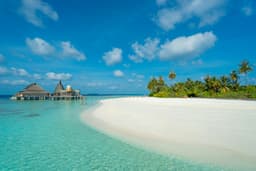
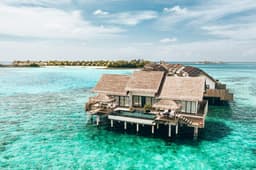
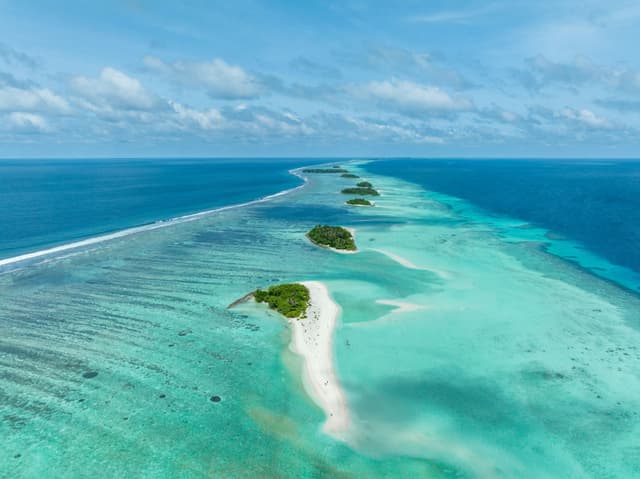
Colombo is the easiest gateway for a Sri Lanka and Maldives trip from Nepal. Several airlines, including SriLankan Airlines, fly Colombo to Malé in about 1 hour 30 minutes. Because the Sri Lanka tourist ETA allows double entry within its 30 days, you can visit the Maldives and come back into Sri Lanka on the same authorisation. The Maldives has its own entry process; see our Maldives visa guide and Maldives tour packages.
Places to visit in Sri Lanka
The places to visit in Sri Lanka group into six regions, and most first trips link three or four of them: the Cultural Triangle in the north centre, Kandy in the middle, the hill country above it, the south coast, the east coast, and Colombo. Which ones you pick should follow the season before it follows any list of highlights.
The Cultural Triangle
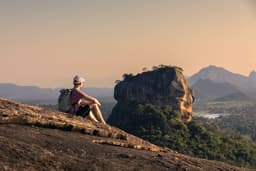
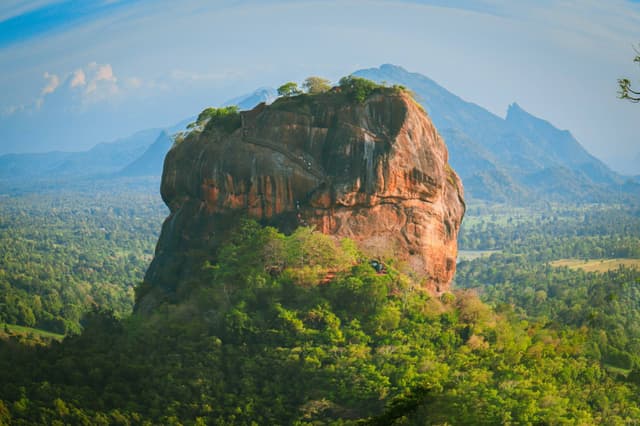
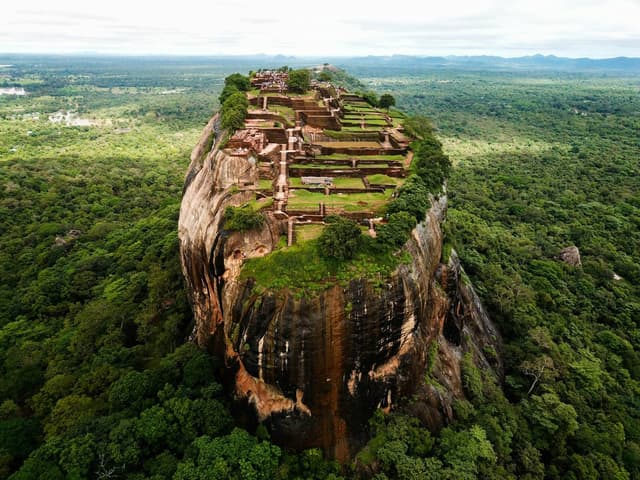
Sigiriya, Dambulla, Polonnaruwa and Anuradhapura sit in the dry north central plains and work year round. Sigiriya is a fifth century royal citadel built on top of a granite monolith, reached by staircases bolted to the cliff, with frescoes and the polished mirror wall on the way up and the footprint of the palace on the summit. It opens 07:00 to 17:30 daily and tickets are issued through the Central Cultural Fund. Climb before 09:00 or after 15:30. The staircases are fully exposed and the combination of midday sun and wind on that rock is genuinely punishing, particularly for children and older travellers.
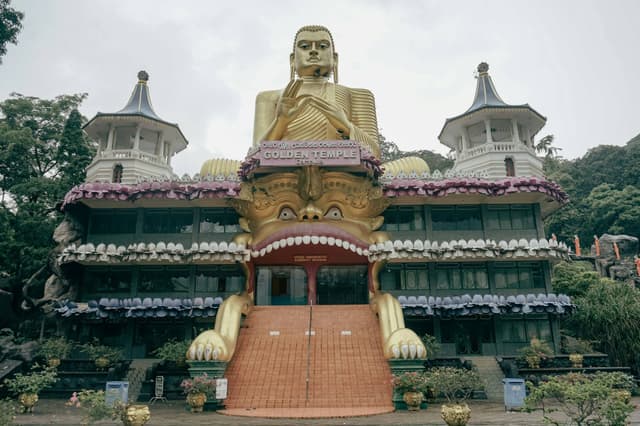
Dambulla, a short drive away, is a cave temple complex cut into a rock overhang, with painted ceilings and rows of Buddha images in five caves. Polonnaruwa and Anuradhapura are the two great ruined capitals. Anuradhapura is older, larger and still an active pilgrimage centre. Polonnaruwa is more compact, better preserved and the easier of the two to cover by bicycle in a morning. If you only have time for one, take Polonnaruwa for the stonework and Anuradhapura for the atmosphere.
Kandy
Kandy is the cultural capital and the seat of the last Sinhalese kingdom to fall to colonial rule. The Temple of the Sacred Tooth Relic is one of the most important Buddhist sites in the world and the reason most people stop here. The temple holds daily ceremonies and the dress code is strictly enforced, so cover shoulders and knees and be ready to leave your shoes outside. Around it there is the lake, the Peradeniya botanical garden just outside town, and evening Kandyan dance performances. Kandy works year round and is the natural hinge between the Cultural Triangle and the hill country.
The hill country, Nuwara Eliya and Ella
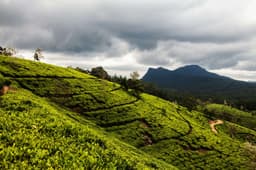
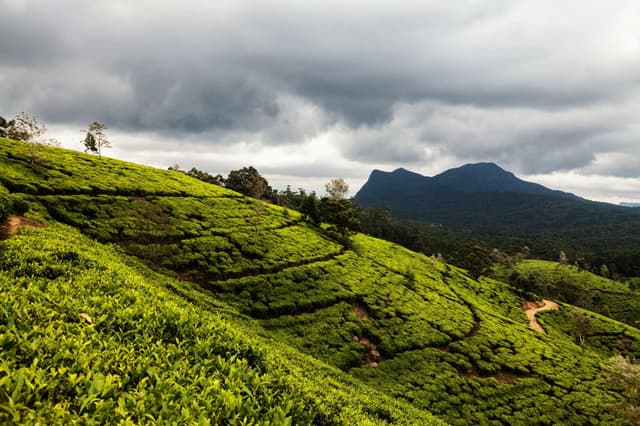
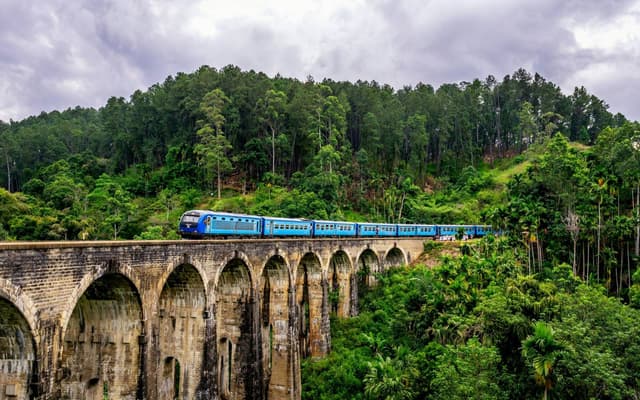
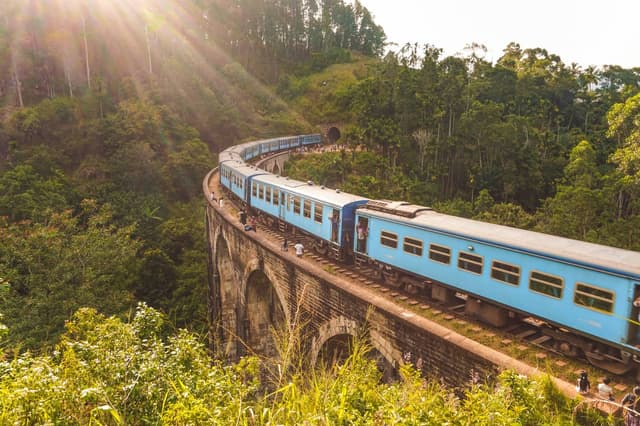
Above Kandy the road climbs into tea. Nuwara Eliya sits high enough that you need a jacket after dark, and it has kept an odd colonial hangover of clipped hedges, a racecourse, a golf course and bungalows with fireplaces. Working tea factories nearby take visitors through the process from plucking to grading. Ella, further along, feels younger and looser and is walking country. Little Adam's Peak is a short easy climb, Ella Rock is longer and steeper and worth an early start, and the Nine Arch Bridge is a stone railway viaduct standing in forest. Waterfalls are everywhere in between. The hills are cool and green all year and misty and wet through the monsoon months, which is part of the appeal rather than a problem.
The south coast and Galle
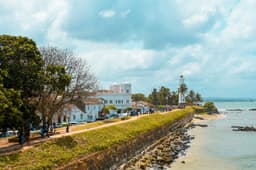
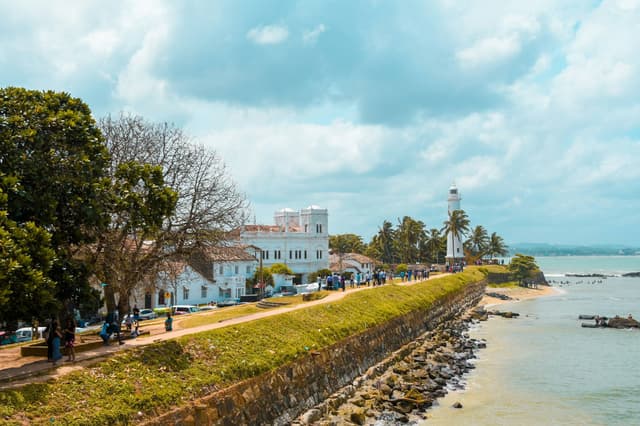
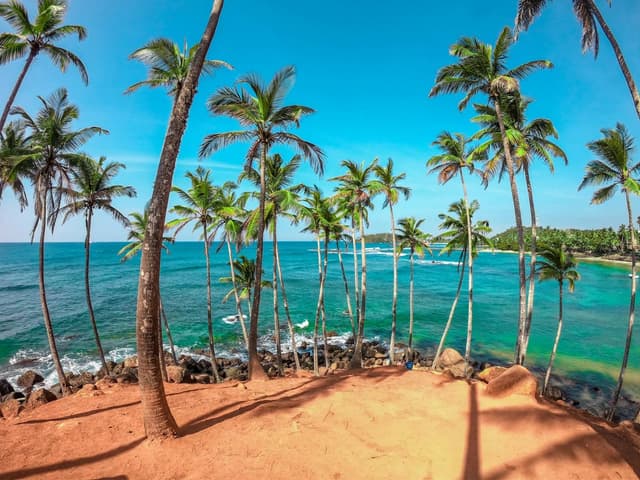
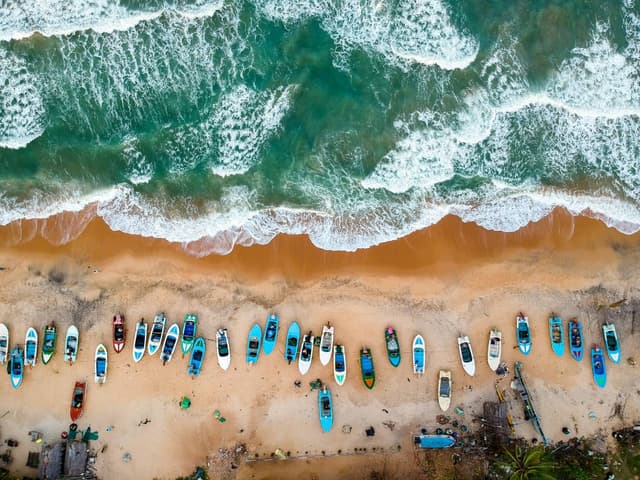
Galle Fort is a walled Dutch colonial town on a promontory that people still live in, not a museum. Boutiques, cafes and guesthouses have taken over the old merchant houses, and the ramparts at sunset are the standard evening walk. West and east of it: Bentota and Hikkaduwa for resorts and watersports, Unawatuna for a sheltered bay, Weligama for learning to surf on a forgiving beach break, Mirissa for whale watching and a slower pace. The south is at its best December to April. One honest note, since the photographs are everywhere: many of the stilt fishermen you will see are now posing for payment rather than fishing.
The east coast
The east runs on the opposite calendar, May to September. Trincomalee has one of the finest natural harbours in the world and the Koneswaram temple on the cliff above it. Nilaveli and Pasikuda are shallow, calm and unhurried, the sort of beaches you can actually swim off rather than just look at. Arugam Bay further south is the surf town, at its peak in June and July. The whole coast sees far fewer visitors than the south and has less infrastructure, which is either the drawback or the entire point depending on what you want.
Colombo
Colombo rewards a day, not a week. Gangaramaya temple, Galle Face Green at dusk when the whole city comes out to eat, the Pettah market, Independence Square, the Lotus Tower and the colonial quarter around the old fort will fill it comfortably, and the restaurant scene is the best on the island. Most people use Colombo as the arrival and departure point and give it one evening at each end, which is the sensible way to handle it.
Jaffna
Jaffna, in the far north, is the Tamil heartland and feels like a different country: different language, different temples, different food, with crab curry as the local benchmark. The Nallur Kandaswamy temple, the causeways out to the northern islands and the palmyra flatlands are the draw, and tourist volume is very low. Getting there is a long drive or a ride on the northern railway line, and March to September is the dry window. Jaffna belongs on a second trip or a two week first one, not on a seven day route.
The Kandy to Ella train, and what has actually changed
The Kandy to Ella train is not currently running end to end, and most travel pages still sell it as though nothing happened. Cyclone Ditwah in late November 2025 caused 159 landslides, 95 washouts and bridge damage along the upcountry line. Services have come back in stages, but the Kandy end is still not fully restored as of mid 2026.
What has reopened: Ambewela to Badulla via Ella from January 2026, and Nanu Oya to Badulla from 20 June 2026. In practice the ride now starts around Nanu Oya or Ambewela, roughly halfway along the classic route, with a road transfer up from Kandy to reach the railhead. Some sources put full restoration in early 2027.
The honest assessment is that the surviving half is the better half. The stretch from the high plateau down through the tea estates, across the viaducts and into Ella is the part everyone photographs. You lose the first hours out of Kandy, which are pleasant but not the reason people take this train. Do it as a half day with a driver meeting you at the far end and you keep almost all of the experience.
Two practical points. Reserved seats open exactly 30 days before travel through the official portal at seatreservation.railway.gov.lk and they sell out fast in high season, so set a reminder for the day the window opens. And confirm the current operating position when you book, because restoration work is ongoing and the starting station may move back towards Kandy without much notice. Anything you read about this route, including this page, has a shelf life until the line is whole again.
Unreserved second and third class carriages are usually available on the day. That is where the open doorways and the famous photographs come from, but it can be standing room only on a busy morning, which is a long time to stand with luggage.
Sri Lanka safari: Yala, Udawalawe and Wilpattu
A Sri Lanka safari means a park entry ticket and a ticketed jeep with a driver, booked as a morning or an afternoon game drive rather than a whole day. Three parks matter for most visitors: Yala for leopards, Udawalawe for elephants, Wilpattu for space and silence. The single most important planning fact is that Yala closes each year, roughly September to mid October, for maintenance.
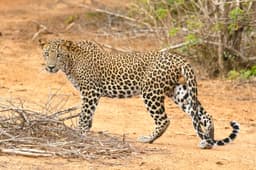
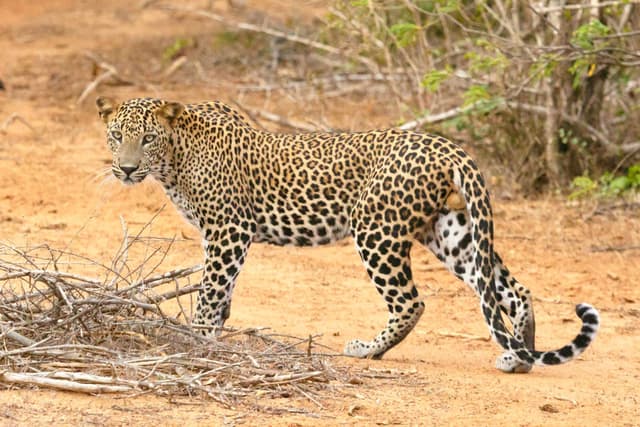
Yala has one of the highest leopard densities recorded anywhere, along with elephants, sloth bears, crocodiles and a very long bird list. Game viewing is best February to June, with April and May the strongest months for leopards as the waterholes shrink and animals concentrate. The trade off is traffic: Yala is popular and a good sighting can draw a crowd of jeeps. Beyond the annual closure the authorities occasionally announce additional ones, so have the dates checked before you fix the rest of the route around it.
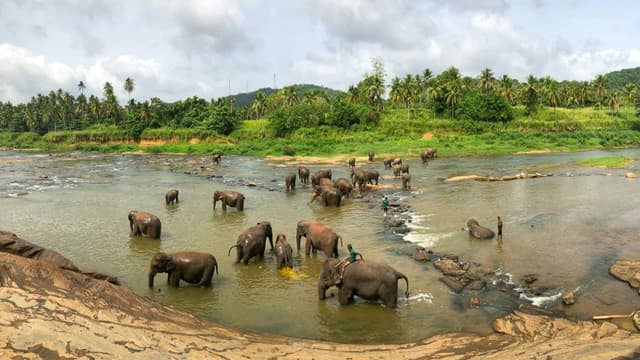
Udawalawe is the dependable one. A large resident elephant population in open grassland means sightings are close to certain, the terrain is easy to view across, and there is no equivalent annual closure. If you have a single safari day, or you are travelling with children or older parents, Udawalawe beats gambling a morning on a leopard.
Wilpattu is the largest park and the quietest, built around natural lakes, with leopards and sloth bears and a fraction of the vehicles. It is best February to October. Drives are longer and sightings take more patience, which suits people on a second visit more than a first one.
| Park | Known for | Best months | Annual closure | Suits |
|---|---|---|---|---|
| Yala | Leopards, elephants, sloth bears | February to June, April and May strongest | Roughly September to mid October | Wildlife photographers and anyone set on a leopard |
| Udawalawe | Elephants in open grassland | Year round | None | Families, first safari, near certain sightings |
| Wilpattu | Leopards, sloth bears, solitude | February to October | None | Repeat visitors who want quiet over volume |
Whale watching on both coasts
Whale watching runs on opposite calendars on the two coasts. Off Mirissa on the south coast the season is November to April, with blue whales best December to March. Off Trincomalee on the east coast it reverses, June to October, with blue whales reported March to July. Sperm whales, spinner dolphins and flying fish are common on both sides. Boats leave very early, the water can be rough, and it is worth choosing an operator that keeps a legal distance from the animals rather than one that promises to get you closest.
Getting around Sri Lanka
Hiring a car with a driver is how most visitors actually see Sri Lanka, and it is normal rather than a luxury. Roads are slow, signage is inconsistent and the hill country is demanding, so a driver who knows the routes buys back more time than any other decision you make. Trains, buses, tuk tuks and ride apps fill in around that.
The usual arrangement is one vehicle and one driver for the whole trip. He waits while you are at a site, knows which entrance to use, handles park gates and hotel arrivals, and adjusts the day when the weather turns. This is the default way the island is toured, not an upgrade, and it is the reason a compact country with bad roads still works on a one week holiday.
PickMe is the dominant local ride app for tuk tuks and cars, with fare estimates and live tracking, and it takes the daily haggle out of short hops. Uber also operates in Colombo. Card payment inside PickMe with foreign issued cards is inconsistent, so keep enough cash on you to pay a fare.
Trains are scenic rather than efficient. The coastal line running south from Colombo and the upcountry line are the two worth riding for their own sake; everything else is slower than the road. Reserve ahead where reservations exist.
Buses go everywhere and are how the country actually moves, but long distance runs are crowded, fast and uncomfortable. They are good for a short hop between towns and hard work for a full transfer day.
Self driving needs an International Driving Permit plus a Sri Lankan recognition permit issued locally, and renting a tuk tuk to drive yourself requires that same recognition permit on top of the IDP. Given the road conditions, most visitors should skip it.
Money, connectivity and practical basics
The currency is the Sri Lankan rupee, LKR, and Sri Lanka remains substantially a cash economy. Visa and Mastercard work in hotels, larger restaurants, supermarkets and tourist businesses. American Express and Diners acceptance is limited. Small shops, roadside eateries, tuk tuks and market stalls are cash only, so carry notes every single day rather than assuming a card will do.
ATMs are widely available in cities and tourist towns and accept international cards. When a machine or a card terminal offers to charge you in your home currency, decline it and choose to be billed in LKR. That prompt is dynamic currency conversion and it is never in your favour.
For connectivity, tourist SIMs from Dialog, Mobitel and Airtel are sold in the arrival hall at Colombo. An eSIM is the smoother option now, because it activates the moment you land and skips the passport registration queue entirely. Expect 4G almost everywhere, 5G in Colombo, Kandy and Galle, and a drop to 3G around Sigiriya and inland from Ella.
Do not drink the tap water anywhere in Sri Lanka, including Colombo. Bottled and filtered water is universal and every hotel and restaurant supplies it. Beyond that: light cotton clothing, one warm layer for hill country nights, strong sunscreen, insect repellent, and shoes you can slip off quickly because you will be doing it at every temple.
Food for Nepali travellers
Rice and curry is familiar ground for most Nepali travellers: rice with dhal and several vegetable curries is on almost every menu. Vegetarians should ask about Maldive fish, the dried fish flakes that often go into sambols and some curries, and about fish stock. South Indian vegetarian restaurants are easy to find in Colombo. Spice levels run high, so ask for mild if you prefer.
Travel insurance, money and the Embassy of Nepal in Colombo
Buy travel insurance with medical cover before you travel, and check that it covers activities such as whale watching or surfing. Nepal Rastra Bank sets how much foreign currency a Nepali citizen can buy for a trip abroad, so ask your bank about the current allowance before you go. The Embassy of Nepal in Colombo is the Nepali mission to contact if you lose your passport or need consular help.
Culture, temples and Poya days
Two things catch visitors out in Sri Lanka and both are enforced rather than advisory: how you treat Buddha images, and what happens on the monthly Poya day. Getting them wrong ranges from a dry evening to arrest and deportation. Neither is hard to respect once you know the rule.
Temple dress and behaviour
Shoulders and knees covered, for men and women. Shoes and hats both come off before you enter, and that includes the walkways at large sites, so carry socks for hot stone. Do not point your feet at a Buddha image; if you sit, tuck them behind you. Do not eat or drink inside, keep your voice down, and ask before photographing monks. A light scarf or sarong in your day bag solves most dress code problems on the spot.
Buddha images and tattoos
This is the part people underestimate. A Buddha tattoo can get you deported. A British tourist was arrested at Bandaranaike International Airport in April 2014 over a Buddha tattoo and deported within days on a charge of hurting religious feelings. In 2012 three French tourists received six month suspended sentences for kissing a Buddha statue. Several governments' travel advisories warn explicitly about mistreatment of Buddhist images. If you have a Buddha tattoo, cover it for the whole trip including at the airport. And never pose with your back to a Buddha statue for a photograph, which is itself an offence and is the single most common way tourists get into trouble at Sigiriya and Polonnaruwa.
Poya days
On every Poya day, the monthly Buddhist full moon, the sale of alcohol in licensed premises is prohibited across Sri Lanka. That is 12 or 13 days a year and it covers bars, restaurants, bottle shops and hotel bars with no tourist exemption. Meat sales can stop as well. Poya is also a national public holiday, so government offices and many businesses close and religious sites are much busier than usual. Check whether a Poya falls inside your dates. If it does, buy anything you want the day before and treat the day itself as a beach day or a temple day rather than a night out.
Is Sri Lanka safe?
Yes, Sri Lanka is safe for ordinary tourism, and the two things most likely to hurt you are the sea and the roads rather than crime. Australia's Smartraveller rates Sri Lanka level 2, exercise a high degree of caution, and confirms that most tourist destinations are operating normally. The UK FCDO also publishes standard travel advice for Sri Lanka.
Rip currents are the real danger. Most foreign national deaths in Sri Lanka are drownings, and the country records roughly 800 drowning deaths a year, the second leading cause of accidental death. A rip often looks like the calmest, flattest water on the beach, which is exactly why people walk into one. Swim only where a beach is patrolled, never after drinking, and if you are caught do not fight straight back towards shore. Swim parallel to the beach until you are out of the pull, then angle back in. Currents get sharply worse when a coast is on its monsoon side, which is one more reason to match your beach to the calendar.
Road safety is poor by any standard. Overtaking on blind corners, fast intercity buses, weak lane discipline, rough rural surfaces and genuinely dangerous night driving. The hill country roads around Kandy, Nuwara Eliya, Ella and Haputale are the most demanding on the island. That is the practical argument for a hired driver over self driving, and for not scheduling long transfers after dark.
Smartraveller also flags that some hill country rail routes and roads around Kandy and Nuwara Eliya remain under repair after the November 2025 cyclone, so build slack into upcountry travel days and do not stack a tight connection on the end of one.
Everything else is standard precaution. Watch your pockets in crowded markets, do not leave valuables on a beach while you swim, agree tuk tuk fares in advance or use the app, and keep a copy of your passport and ETA separate from the originals.
How many days do you need, and how to plan yours
Seven to ten days is the realistic answer for a first visit. That covers the Cultural Triangle, Kandy, a night or two in the hill country and a stretch on one coast, without spending every second day packing. Five or six days works if you drop either the hills or the beach rather than trying to compress both. Two weeks lets you add the east coast, a second safari or Jaffna.
Sequence the trip around three fixed points and let everything else move: the season your chosen coast is in, whether Yala is inside its annual closure, and the 30 day window for reserved train seats. Get those three right and the rest of the route almost designs itself. Get them wrong and no amount of good hotels will fix the holiday.
A well built Sri Lanka tour package from Nepal is really just those decisions made in the right order, with a driver holding the whole thing together. Book roughly three months out if you are travelling in high season or over a major festival period, when the small hotels and the reserved carriages go first.
Gomayu Holidays plans each Sri Lanka holiday for Nepali passport holders around the season, the parks and the current state of the railway rather than a fixed template, whichever country you are flying out of. Send us your dates on WhatsApp and we will tell you honestly which coast to go to and what is worth building the week around.
Best Sri Lanka tour packages from Nepal
To summarise, these are the most popular Sri Lanka tour packages from Nepal that we arrange for Nepali travellers and the Nepali diaspora:
- Sri Lanka Tour (6 days)
- Sri Lanka Highlights Tour (8 days)
All destinations
Explore more destinations
Search Tours or Places
Search Tours or Places