Why Dubai
Dubai gives a very different kind of trip from Gomayu's Southeast Asian packages: a city built almost entirely in the last few decades around record-setting architecture, luxury shopping, and desert adventure just outside the city limits. This 5 day itinerary balances the two sides of that experience, modern landmarks and traditional Emirati culture, across a manageable schedule.
Dubai's City Landmarks
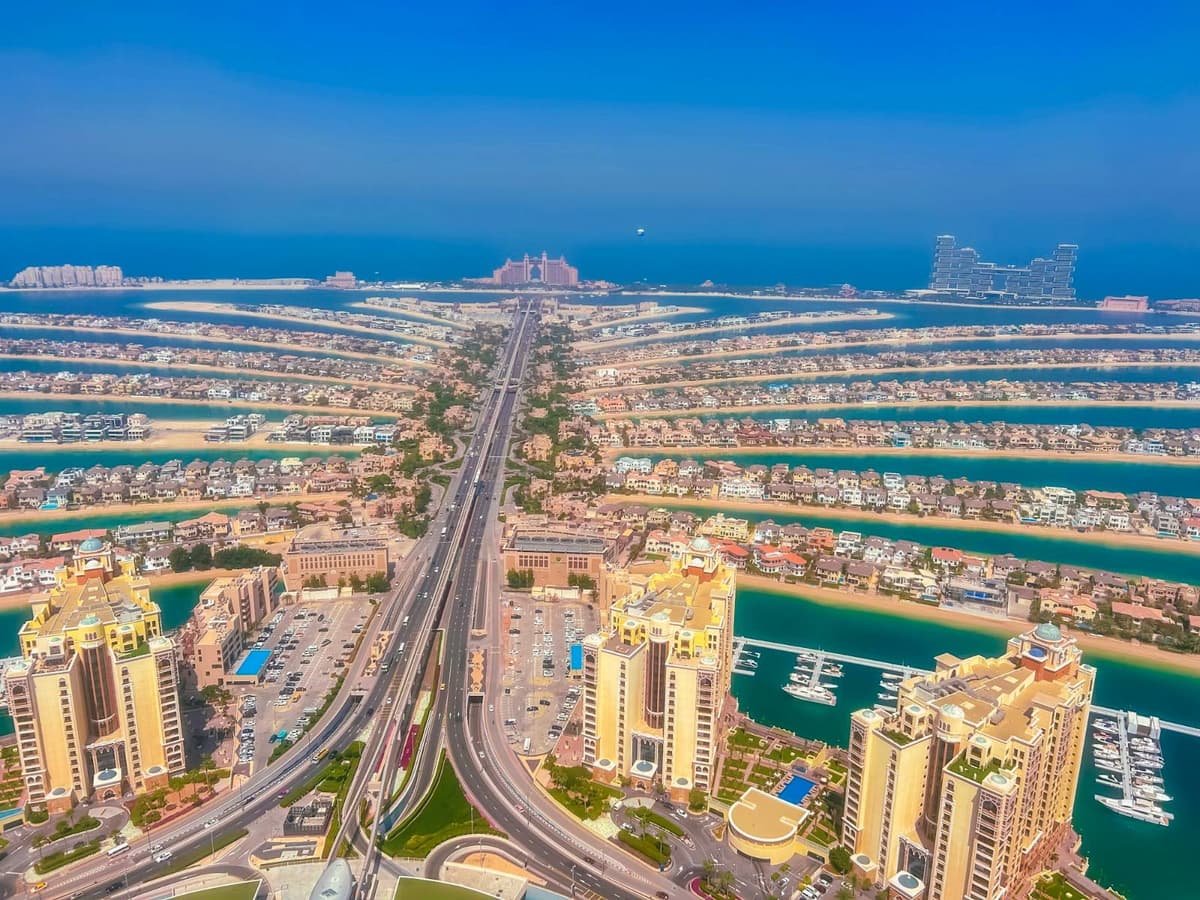
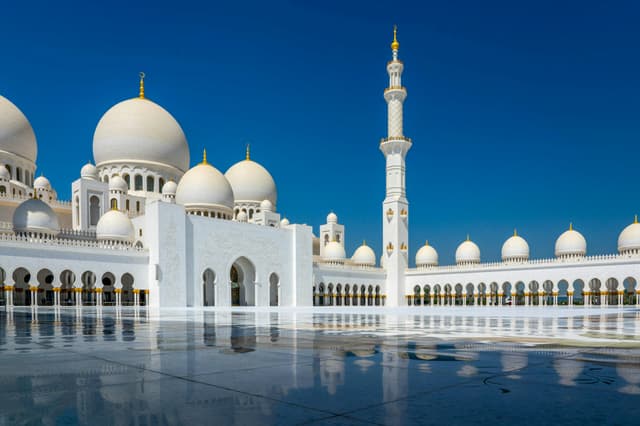
The city tour covers several of Dubai's best known sights. Jumeirah Mosque, one of the few mosques in the UAE open to non-Muslim visitors, offers a guided look inside Islamic architecture and culture, typically through organized visits run by the Sheikh Mohammed Centre for Cultural Understanding. Palm Jumeirah, the artificial palm-shaped archipelago visible from space, and the Burj Al Arab, the sail-shaped luxury hotel that's become one of Dubai's most recognized silhouettes, are both typically seen from the outside as part of a city drive rather than entered. The Gold Souk and Spice Souk in Deira, Dubai's older trading district, offer a contrast to the city's modern developments, with narrow lanes of gold jewelry shops and spice stalls that reflect Dubai's history as a trading port well before the skyscrapers arrived.
The Dhow Cruise
A dhow is a traditional wooden sailing vessel historically used across the Arabian Gulf for trade and pearl diving. Modern dhow cruises on Dubai Creek have adapted these vessels into floating restaurants, offering a buffet dinner and live entertainment while cruising past the creek's illuminated waterfront, giving a slower-paced evening compared to the rest of the itinerary's city sightseeing.
The Desert Safari
The desert safari is one of Dubai's signature experiences, typically beginning in the afternoon with dune bashing, off-road driving over the desert's rolling sand dunes in a 4x4, before arriving at a desert camp for the evening's activities. Camel riding and sandboarding are common additions, along with quad biking for those wanting a more active dune experience. The evening BBQ dinner is usually served buffet-style at an open-air camp, accompanied by traditional entertainment including belly dancing, the Tanoura dance (a spinning folk dance with roots in Sufi tradition, distinct from Turkish whirling dervishes), and fire shows.
The Burj Khalifa
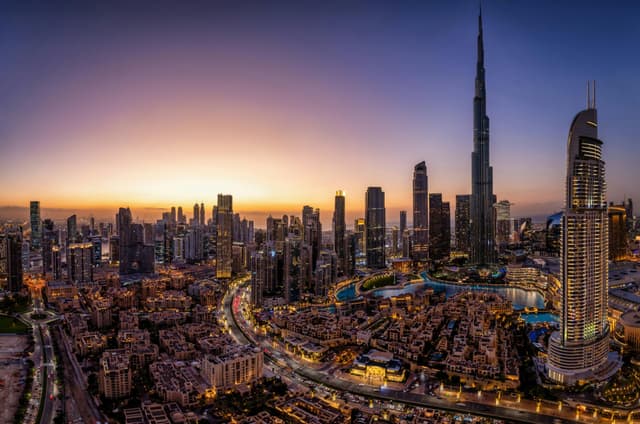
The Burj Khalifa, standing 828 meters tall with 163 floors, has held the title of the world's tallest building since it opened in January 2010. The standard "At the Top" ticket covers the 124th and 125th floors, at roughly 452 to 456 meters above ground, connected by a spiral staircase added in later years, with floor 124 offering telescopes and a photo zone and floor 125 built around Arab arts and culture displays. A premium "Sky" ticket adds access to the 148th floor at 555 meters, the world's highest outdoor observation deck, along with a hosted lounge experience, available as an optional upgrade beyond what's included in this itinerary.
Dubai Mall and the Fountain
Dubai Mall, adjoining the Burj Khalifa, is among the largest shopping and entertainment complexes in the world by total area, with retail alongside an aquarium, an ice rink, and numerous dining options. Just outside, the Dubai Fountain performs choreographed water, light, and music shows on Burj Lake several times each evening, one of the most popular free things to see in the city and typically the natural close to a Burj Khalifa and Dubai Mall day.
UAE Visa for Nepali Citizens
Visa requirements for the UAE vary by nationality and should be confirmed directly ahead of booking, since rules and eligible entry methods can change. Nepali passport holders should check current requirements, including whether a visa on arrival or an advance e-visa application applies, well ahead of the trip. Gomayu can assist with confirming and arranging the correct process.
Currency and Practical Notes
The UAE Dirham is the local currency, though it's pegged to the US Dollar and cards are widely accepted across Dubai's hotels, malls, and restaurants. Dubai observes conservative dress expectations in more traditional areas like the souks and Jumeirah Mosque, modest clothing is appropriate, even though swimwear and Western clothing are common at hotels, beaches, and malls.
Good to Know
Dubai's summer months, particularly June through September, bring extreme heat that can make outdoor sightseeing and the desert safari considerably less comfortable, which is why the cooler winter months are generally recommended for this itinerary. The desert safari in particular can be a bumpy ride during dune bashing, worth mentioning to travelers prone to motion sickness.
This trip is part of our Dubai tour package from Nepal collection.