









Visa for Nepali passport holdersPick a country: what you need, documents, and how our visa desk applies for you.
Malaysia tour packages
Showing 9 of 9 packages
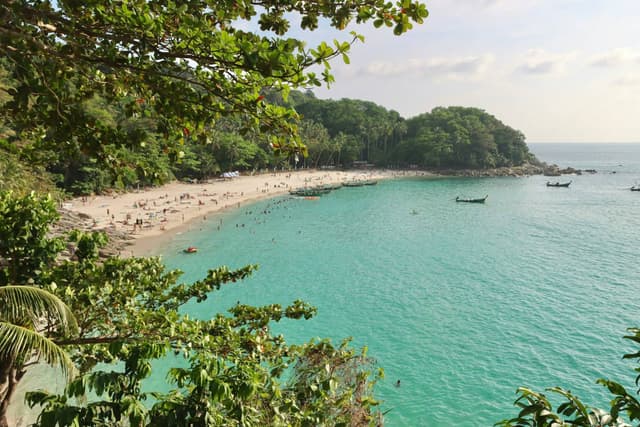
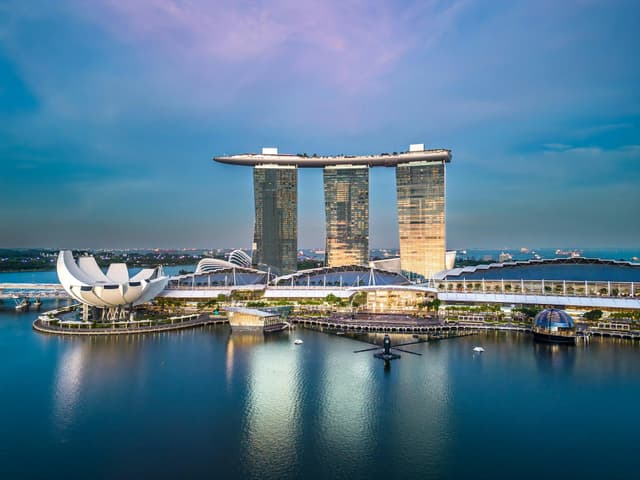
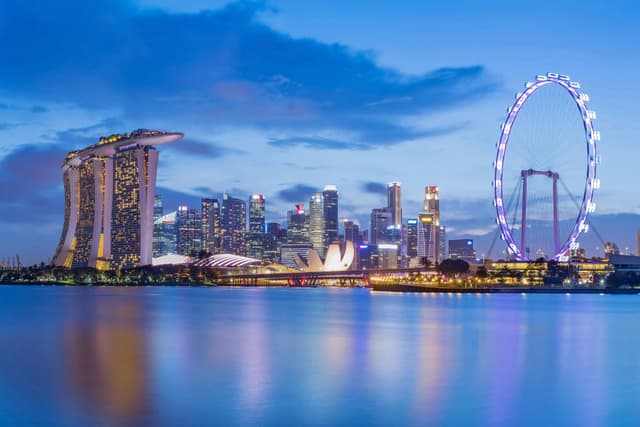
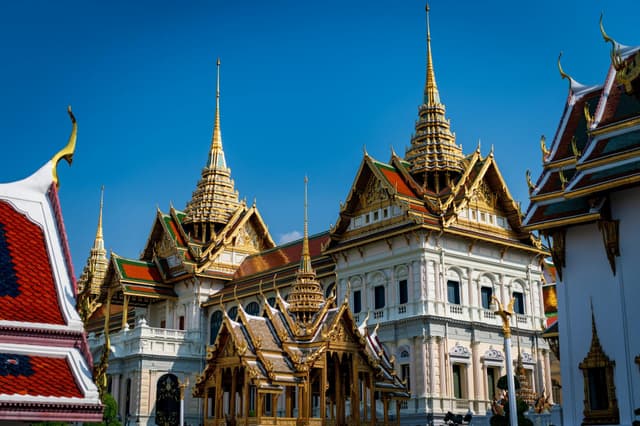
Thailand, Singapore & Malaysia Tour with Phuket
10 Days · 9 Nights
NRs 1,01,000/ person
✓ Tour✕ Flight✕ Visa
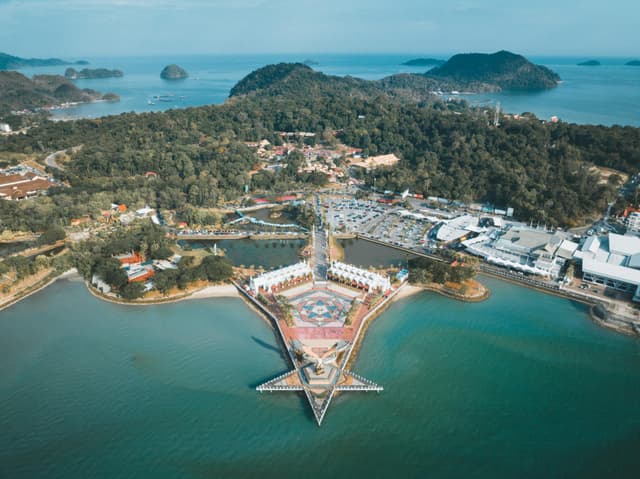
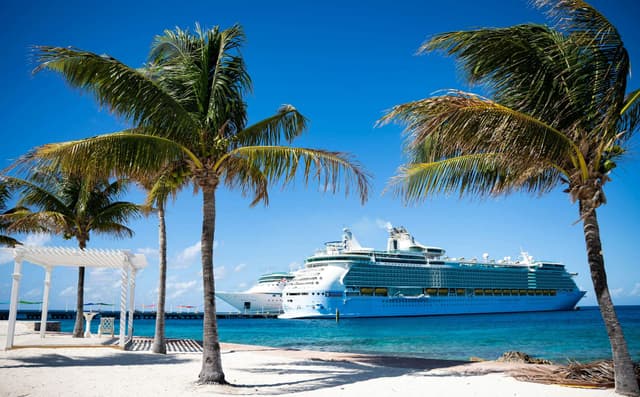
Thailand, Singapore & Malaysia Family Tour
11 Days · 10 Nights
NRs 1,32,000/ person
✓ Tour✕ Visa✕ Flights
News & AlertsCAUTIONHaze stays unhealthy in Kuala Lumpur and Malacca — until 28 Oct 2026.Checked 21 Oct 2026, 05:56 NPTView details ↓Hide details ↑
Travel news
Caution
Haze stays unhealthy in Kuala Lumpur and Malacca
On the morning of 20 October about 30 places in Malaysia had unhealthy air, including Batu Muda and Cheras in Kuala Lumpur and Melaka City. Sightseeing continues; people with breathing problems should limit long outdoor activity.
Kuala Lumpur and Malacca · 5 Oct – 28 Oct 2026 · Bernama (20 Oct) · Malay Mail (20 Oct)
Weather by month
No month in Kuala Lumpur is both dry and 35°C or cooler — pick the rain or heat you prefer below.
- Jan33°24°heavy rain
- Feb34°24°medium rain
- Mar34°25°heavy rain
- Apr34°25°heavy rain
- May34°25°heavy rain
- Jun33°25°heavy rain
- Jul33°25°medium rain
- Aug33°25°heavy rain
- Sep33°24°heavy rain
- Oct33°24°heavy rain, this month
- Nov32°24°heavy rain
- Dec32°24°heavy rain
Best time for Penang: January to February — little rain, highs 32–33°C.
- Jan32°24°low rain, best month
- Feb33°24°low rain, best month
- Mar33°25°medium rain
- Apr33°25°medium rain
- May33°25°heavy rain
- Jun32°25°medium rain
- Jul32°25°heavy rain
- Aug32°25°medium rain
- Sep31°24°heavy rain
- Oct31°24°heavy rain, this month
- Nov31°24°heavy rain
- Dec31°24°medium rain
Best time for Langkawi: December to March — little rain, highs 32–34°C.
- Jan33°25°dry, best month
- Feb34°25°dry, best month
- Mar34°26°dry, best month
- Apr33°26°heavy rain
- May32°26°heavy rain
- Jun32°26°heavy rain
- Jul32°25°heavy rain
- Aug31°25°heavy rain
- Sep31°25°heavy rain
- Oct31°25°heavy rain, this month
- Nov32°25°heavy rain
- Dec32°25°low rain, best month
Best time for Malacca: February — little rain, highs 32°C.
- Jan31°24°medium rain
- Feb32°24°low rain, best month
- Mar33°24°medium rain
- Apr33°25°medium rain
- May33°25°heavy rain
- Jun32°24°heavy rain
- Jul32°24°heavy rain
- Aug32°24°heavy rain
- Sep32°24°heavy rain
- Oct32°24°heavy rain, this month
- Nov32°24°heavy rain
- Dec31°24°heavy rain
Best monthNowdryheavy rainHigh / low °C
Weather: 10-year averages, 2015–2024 (NOAA weather stations). News: GDACS, ReliefWeb, GOV.UK travel advice (OGL v3.0) and local sources.Best Time to Visit Malaysia →
FAQ
Journey Questions
Written and checked by the Gomayu travel desk, KathmanduUpdated October 2026About this guide
Complete Guide
Malaysia travel guide
Written and checked by the Gomayu travel desk, KathmanduUpdated October 2026About this guide
Why Malaysia is worth the trip
Malaysia packs three countries' worth of travel inside one set of borders. There is a skyline city with a modern metro, two UNESCO listed heritage towns, tea terraces in cool hill country, duty free islands on the Andaman side, and then Borneo, where orangutans and one of the great dive sites on earth sit a short flight away. That range is why a Malaysia tour package from Nepal can look completely different depending on which two weeks you pick.
The practical case is just as strong. English is spoken almost everywhere, signage is bilingual, the food is cheap and genuinely good, and Kuala Lumpur's rail network means you can spend a week in the city without ever booking a car. Halal food is certified and ubiquitous, which removes a whole layer of planning that other destinations add. For Hindu travellers, Batu Caves is a working temple complex rather than a museum piece, and Deepavali is a public holiday.
It is also a country that rewards a second visit. Most first timers see Kuala Lumpur, Genting and maybe Langkawi, then go home believing they have seen Malaysia. They have seen about a third of it. The rest is George Town's shophouses and clan jetties, Malacca's Dutch square, the mossy forest above Tanah Rata, and Borneo, which has its own immigration counter, its own rainforest and its own set of rules.
A sensible Malaysia trip for Nepali travellers usually means choosing a lane rather than trying to cover everything. City and heritage, beach and island, or Borneo wildlife. Two of those three fit comfortably into ten days. All three do not, and the attempt usually turns into a week of airports. The rest of this guide is built to help you choose the lane, get the paperwork right, and time the trip against the correct monsoon.
How a Malaysia tour package from Nepal works
Every Malaysia tour package from Nepal that Gomayu arranges is curated for three groups of travellers: Nepali passport holders flying out of Kathmandu, the Nepali diaspora, and non resident Nepalis (NRNs) booking from Australia, the UK, the US, the Gulf and beyond. Many of our travellers start from Kathmandu, and many book from abroad, so each package is designed to work on any passport and from either starting point.
The process is deliberately simple. Pick your dates first, then keep the route realistic rather than squeezing everything into one holiday. From there the package covers the pieces that are annoying to arrange alone: hotels matched to your budget, airport transfers on both ends, day tours with English speaking guides, and step by step help with whatever visa or entry paperwork your passport needs.
The same structure works for split families. Parents can fly out of Kathmandu while children join from London, Sydney or Doha, everyone meets at the same hotel on arrival day, and each traveller follows the entry rules of their own passport. If that describes your family, mention it when you enquire and the package is built around both starting points from day one.
Malaysia tour packages from Nepal: Kuala Lumpur, Langkawi, Penang and combos
Most Nepali travellers see Malaysia as Kuala Lumpur plus one more place, often with Singapore or Thailand on the same trip. Kuala Lumpur is a nonstop flight of about 4 hours 40 minutes from Kathmandu, and the packages we sell are built around that gateway.
- Families: the Kuala Lumpur Family Tour (5 days).
- Couples and honeymooners: the Malaysia & Langkawi Honeymoon Tour (6 days).
- Heritage and food: the Penang & George Town Heritage Tour (5 days).
- Singapore and Malaysia: the Singapore, Kuala Lumpur & Malacca Tour (7 days) and the Singapore, Kuala Lumpur & Langkawi Tour (8 days).
- Three countries: the Thailand, Singapore & Malaysia Tour (10 days), the Thailand, Singapore & Malaysia Grand Tour (11 days) and the Bali, Singapore & Malaysia Tour (10 days).
- A cruise from Singapore: the Royal Caribbean Cruise Tour (6 days).
Combining Malaysia with Singapore or Thailand
Kuala Lumpur and Singapore are linked by short flights and by road across the causeway at Johor Bahru, and Bangkok is a short flight away. Each country has its own entry step for Nepali passport holders: the Malaysia eVisa plus the Malaysia Digital Arrival Card, no visa for a short visit to Singapore but the SG Arrival Card, and a visa arranged before travel for Thailand. The Malaysia tourist eVisa is issued as single entry, so the order of countries matters. Tell us the full route when you enquire and we will match the paperwork to it. See the Singapore and Thailand pages.
What is included, and what changes the price
Malaysia packages on this page are priced per person as land packages: hotels, transfers and touring as listed on each package page. Flights and the eVisa are not in the card price; we quote the flight from Kathmandu, or from wherever you are joining, alongside the package.
The price moves with the route, domestic flights to Langkawi or Penang, hotel category, attractions, dates and group size. The live prices are in the first question on this page and on each package card. Message us on WhatsApp for a quote in NPR for your dates.
Malaysia visa for Nepali citizens: what you actually need
The Malaysia visa for Nepali citizens has to be obtained before you fly. Nepal is on the Immigration Department of Malaysia's list of countries whose citizens must apply for a visa, and there is no visa on arrival. Malaysia's recent visa exemptions for Chinese and Indian nationals do not extend to Nepali passport holders. What you need is a single entry tourist eVisa, issued under the Social Visit category by the Immigration Department of Malaysia.
The eVisa and the official portal
Apply at malaysiavisa.imi.gov.my, the MYVISA portal operated by the Immigration Department of Malaysia. That is the only official channel. Every other site offering Malaysian eVisas is an agent, a reseller, or worse. Processing commonly runs two to five working days, but that is a norm rather than a guarantee, so submit at least two weeks before departure and longer if your dates are fixed.
Two details trip people up. First, approval is entirely at the discretion of Immigration, so no agency and no travel company can promise you a visa. Anyone who does is selling you something they do not control. Second, the eVisa carries its own validity window, and you must enter Malaysia inside that window. It is not the same thing as your permitted stay, which is up to 30 days per visit.
Documents and the extra scrutiny to expect
The document set is standard and the portal will reject anything that does not match its specification, particularly the photograph. Your passport must be valid for at least six months beyond your date of entry. Prepare these before you start the application rather than halfway through it:
- Scan of the passport bio data page
- Recent photograph matching the portal's stated specification
- Confirmed return or onward air ticket
- Accommodation proof for the stay
- Proof of sufficient funds to support yourself
- An outline of your travel plan in Malaysia
- If you live outside Nepal, proof of your legal residence in the country you are applying from
Now the part most travel pages leave out. Malaysian Immigration applies extra scrutiny to Nepali travellers, and to single male travellers in particular, because of the scale of the labour migration corridor between the two countries. This is not a rumour and it is not unfair to say out loud. It means your file has to be stronger than it would need to be for Thailand or Dubai, and it means refusals do happen, including to genuine tourists with clean histories.
What helps: consistent documents that tell one coherent story, accommodation and tickets that match your stated dates, evidence of ties to where you live, and enough lead time that a request for more information does not sink your trip. What hurts: a thin file, mismatched dates, and applying ten days out. Keep bookings refundable or changeable until the visa is actually issued.
The Malaysia Digital Arrival Card
The Malaysia Digital Arrival Card, or MDAC, is a separate requirement from your visa and it is mandatory for essentially all foreign nationals. Submit it at the official portal, imigresen-online.imi.gov.my/mdac/main. Paid lookalike sites exist, so check the address carefully before you type anything into a form.
Timing is strict. The MDAC must be submitted within 72 hours before arrival, including the day you arrive. Submit earlier than that and the system rejects it, which catches out people who try to get everything done a week ahead. Exempt from the MDAC are Singapore citizens, diplomatic and official passport holders, Malaysian permanent residents and long term pass holders, and passengers transiting without clearing immigration.
Do not treat this as a formality you can sort out on the plane. Airlines check the MDAC at check in. A valid eVisa and no MDAC can end with you standing at the counter watching the flight close.
Which passport you are travelling on changes everything
This matters more than any other line in this section, because Nepali families are increasingly spread across several passports. An ordinary Nepali passport needs the eVisa and the MDAC, full stop. Diplomatic and official Nepali passports fall under different bilateral arrangements and are MDAC exempt, and holders should confirm the current terms with the Malaysian Embassy in Kathmandu rather than relying on any website.
A traveller of Nepali origin who now holds Australian, United States, Canadian or Japanese citizenship travels on that passport's rules, and most of those need no visa for stays of up to 90 days. The consequence is that a group booking can contain three different entry situations at once: a parent on an ordinary Nepali passport who needs an eVisa, an adult child on an Australian passport who does not, and a spouse on a long term Malaysian pass who is MDAC exempt. Check each traveller individually. Never assume the group shares one rule.
Transit through Malaysia
Malaysia operates a Transit Without Visa scheme, but Nepali eligibility for it is narrow and loaded with conditions. The safe working assumption is simple: if your layover requires you to clear immigration, you need a visa. Long connections, overnight stops, terminal changes and separate ticket itineraries all raise that risk. Confirm your specific routing with the airline before you book, and do not build a trip around transit rules you have only read about second hand.
When is the best time to visit Malaysia?
There is no single best time to visit Malaysia, and any page that gives you one set of months for the entire country is wrong. Malaysia sits under two monsoons that strike opposite coasts at opposite times of year. The useful rule is this: when one coast is wet, the other is usually fine, so pick the coast to fit your dates rather than forcing your dates to fit a coast.
| Region | Best months | Also workable | Wettest, or avoid |
|---|---|---|---|
| West coast peninsular: Langkawi, Penang, Kuala Lumpur, Malacca | December to March, peak January and February | June to August | September to November |
| East coast peninsular: Perhentian, Redang, Tioman, Terengganu | March to September, peak June to August | Early March, late September | November to February |
| Sabah and Borneo | March to September | January to May is also strong | Roughly October to March |
| Sipadan diving | April to August | March and September | Closed for all of November |
| Cameron and Genting Highlands | Cool all year | Any month | Afternoon mist is normal in every month |
The east coast is the part people get badly wrong. This is not a case of a few rainy afternoons. The Perhentian Islands effectively close: resorts shut around early November, ferries stop running, and the islands reopen in late February or early March. Tioman access is patchy from December to February and is usually reasonably restored by the middle of February. If your only free window is December, the east coast islands are simply not the trip. Langkawi is.
The highlands sit outside the monsoon logic. Cameron Highlands and Genting are cool the whole year, and afternoon cloud rolling through the tea terraces is the normal condition rather than bad luck. That makes them a reliable pairing with Kuala Lumpur in almost any month, which is useful when your dates are locked by leave or school holidays.
One timing note for anyone planning a Malaysia holiday for Nepali passport holders travelling out of Nepal: the Dashain and Tihar break is the heaviest outbound booking window of the year, and it falls inside the west coast's wettest stretch of September to November. Seats and hotels go early, so book roughly three months ahead, and build that trip around Kuala Lumpur, Malacca and the highlands, which work in any month, treating Langkawi or Penang beach days as a bonus rather than the main event. In 2026 Vijaya Dashami falls on 21 October and Bhai Tika on 11 November.
How to get to Malaysia from Nepal
Kuala Lumpur is a direct flight from Kathmandu. Malaysia Airlines, Batik Air Malaysia, Himalaya Airlines and Nepal Airlines fly nonstop from Tribhuvan International Airport (KTM) to Kuala Lumpur International (KUL), and the fastest schedules take about 4 hours 40 minutes. Penang, Langkawi and Kota Kinabalu have no nonstop flights from Kathmandu, so those trips connect in Kuala Lumpur.
Malaysia is one of the easiest countries in Asia to reach, because Kuala Lumpur is a real hub rather than just a capital with an airport. Direct flights arrive from South Asia, the Gulf, Southeast Asia, Australia and Japan. The one gap is North America, which has no nonstop service at all and always requires a connection.
Kuala Lumpur as the hub
Kuala Lumpur International Airport, KUL, is the home base of Malaysia Airlines, of AirAsia and AirAsia X, and of Batik Air Malaysia. That concentration is what makes the country cheap to fly into and cheap to fly around, and it is why so many Southeast Asia trips are routed through KL even when Malaysia is not the main destination. Domestic connections onward to Penang, Langkawi, Kuching and Kota Kinabalu run frequently through the day.
Routing by origin
| Origin | How it works |
|---|---|
| Nepal | Kathmandu to Kuala Lumpur is a well served direct route, flown by Batik Air Malaysia, Malaysia Airlines, Himalaya Airlines and Nepal Airlines. |
| Gulf | Nonstop to Kuala Lumpur on Qatar Airways, Emirates, Etihad, Saudia, Oman Air and Kuwait Airways, plus Malaysia Airlines and AirAsia X. |
| Southeast Asia | One of the densest short haul markets anywhere. Singapore and Bangkok run at near shuttle frequency. |
| Australia | Nonstop from Sydney, Melbourne, Perth, Brisbane, Adelaide and the Gold Coast on Malaysia Airlines and AirAsia X. |
| Japan | Nonstop from Tokyo and Osaka on Malaysia Airlines, AirAsia X, Japan Airlines and Batik Air. |
| North America | No nonstop flights exist. Everyone connects, usually through the Gulf, East Asia or Singapore. |
Penang, Langkawi and Kota Kinabalu
Penang, PEN, is a regional gateway rather than a long haul one. It has direct service from Singapore, Bangkok, Hong Kong, Taipei, Jakarta, Medan, Phuket, Shanghai and India, but no nonstops from the Gulf, Australia, Japan or North America. If you are coming from any of those, you reach Penang through Kuala Lumpur or Singapore.
Langkawi, LGK, is the other airport worth naming on the peninsula. In Borneo, Kota Kinabalu, BKI, is more useful than people expect: it has direct regional links to Singapore, Hong Kong, Taipei, Seoul and Shenzhen, which means a Sabah trip does not have to backtrack through Kuala Lumpur in both directions. Flying in through one and out through the other saves a day.
The Sarawak and Sabah immigration surprise
Sarawak maintains immigration control separate from Peninsular Malaysia. Fly Kuala Lumpur to Kuching and you clear immigration and collect a fresh stamp on what is, on paper, a domestic flight. Sabah applies a lighter version of the same idea. Your Malaysian visa still covers you and nothing extra needs to be applied for, but you must have your passport in hand rather than packed in checked baggage, and you should allow more time than a normal domestic connection would need.
Places to visit in Malaysia
The best places to visit in Malaysia fall into four groups: Kuala Lumpur and the heritage cities, the west coast islands, the highlands, and the east coast islands. Borneo is a fifth group large enough to need its own section below. Most good trips take two of these and leave the rest for another year.
Kuala Lumpur and things to do in Kuala Lumpur
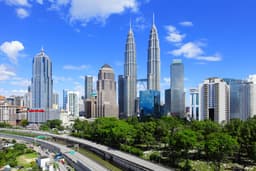
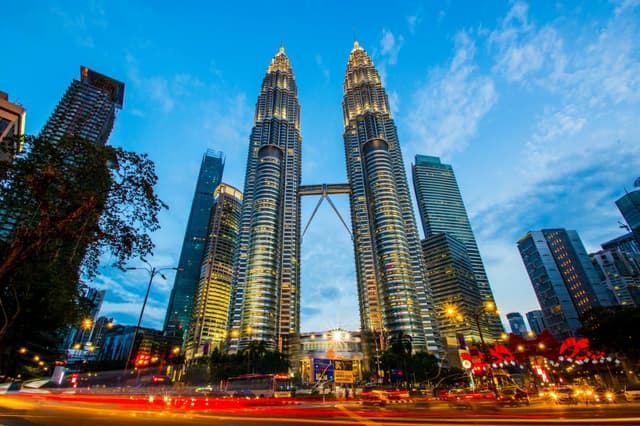
The best things to do in Kuala Lumpur cluster tightly enough that the city works on public transport alone. The Petronas Twin Towers are the anchor, with the Skybridge and the Level 86 observation deck sold as timed tickets that regularly sell out, so book ahead. Note that the towers' observation decks are closed on Mondays, which surprises a lot of people who arrive on a weekend trip.
KL Tower gives you the view that actually includes the Petronas towers in it, which is the argument for doing both. Batu Caves sits at the northern end of the commuter line: a limestone cave temple behind 272 painted steps, free to enter, with modest dress strictly enforced at the entrance. Shoulders and knees covered for everyone, and sarongs are available at the gate if you turn up unprepared. It is a live place of worship, busiest and most striking during Thaipusam.
Beyond those, Merdeka Square holds the colonial core, Petaling Street in Chinatown is the classic market walk, Bukit Bintang is where the shopping and the late night food are, and the Islamic Arts Museum is one of the best museums in Southeast Asia and quietly one of the most underrated stops in the city. The MRT, LRT and monorail connect nearly all of it, and the network is genuinely good enough that renting a car in Kuala Lumpur is usually a mistake.
Penang and George Town
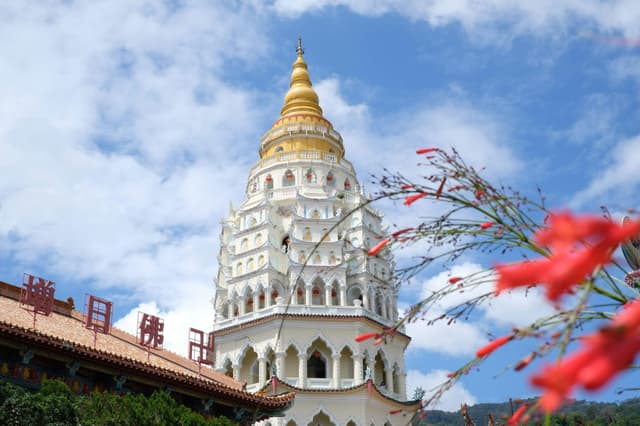
George Town has been a UNESCO World Heritage site since 2008, and it is the strongest food city in the country by common consent. The heritage core is a walkable grid of shophouses covered in street art, with the clan jetties on the waterfront, the Khoo Kongsi clan house and its carved timber interior, and the hillside temple complex of Kek Lok Si above the town. The Penang Hill funicular takes you up for the cooler air and the view across to the mainland. Two nights is the minimum that does it justice; three is better if you intend to eat properly.
Malacca
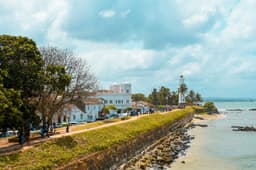
Malacca was inscribed on the UNESCO World Heritage list jointly with George Town in 2008, and the two make a natural pair for anyone interested in the trading history of the straits. The Dutch era Christ Church and the red square around it are the postcard, the ruins of A'Famosa mark the Portuguese fort, and Jonker Street carries the night market and the antique shops. The Peranakan heritage, the Straits Chinese culture that grew out of centuries of intermarriage and trade, is the real reason to slow down here. Malacca sits about two hours from Kuala Lumpur, so it works as an overnight rather than a base.
Langkawi
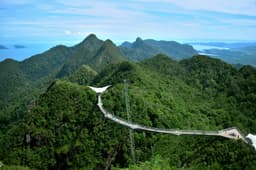
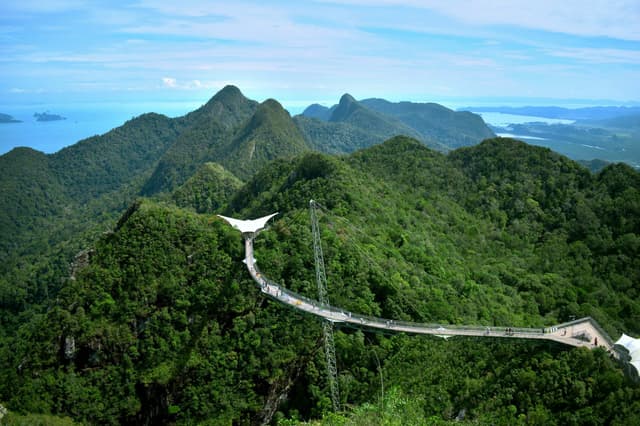
Langkawi is an archipelago of 99 islands with duty free status, which explains both the shopping and a certain type of visitor. The SkyCab cable car climbs Mount Mat Cincang to the curved Sky Bridge, and both close periodically for scheduled maintenance, so verify the current status before you plan a day around it. The Kilim Geoforest Park mangrove boat tours are the better half of Langkawi in most people's memory: limestone karst, eagles, bat caves and river channels. Pantai Cenang is the main beach strip. December to March is the reliable window.
Cameron Highlands
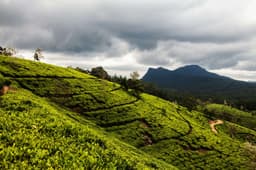
Cameron Highlands is where Malaysia stops being tropical. Tea terraces run down the hillsides around the BOH estates, strawberry farms and flower nurseries fill the valleys, and the mossy forest boardwalk near the ridge is genuinely strange country, all stunted trees and hanging moss. It is cool enough to need a jacket at night, which after a week at sea level is a relief rather than an inconvenience. The road up is winding and slow, so treat the transfer as part of the day rather than a hop.
Genting Highlands
Genting Highlands is a purpose built resort city on a ridge above Kuala Lumpur, with theme parks, hotels, malls and a casino, reached by cable car. Two things are worth knowing. The casino is legally off limits to Muslim Malaysians, while foreign non Muslims may enter subject to a dress code and a minimum age of 21. And Genting is cool and often fogged in, so pack accordingly and do not expect the mountain views you saw in the brochure on every day of the year.
The east coast islands
The Perhentian Islands, Redang and Tioman are the clear water snorkelling and diving side of Peninsular Malaysia, and they run on the opposite calendar to everything on the west coast. Their season is March to September, with June to August the peak. Perhentian in particular shuts down for the monsoon rather than simply getting wet, with resorts closed and ferries stopped from around early November until late February or early March. Kelantan and Terengganu, the states you pass through to reach them, are also conservative and effectively dry, which is worth knowing before you arrive.
Borneo and Sabah, the half of Malaysia most people miss
Borneo and Sabah are where Malaysia stops resembling anywhere else. Sabah occupies the northern tip of the island of Borneo and holds the country's highest mountain, its best wildlife river, its most famous orangutan centre and its most permit restricted dive site. Most first time visitors skip it entirely, which is why it stays as good as it is.
Kota Kinabalu and the islands
Kota Kinabalu is the gateway city and a pleasant one, with sunsets over the water and a serious seafood scene. Directly offshore, the Tunku Abdul Rahman Marine Park islands are a short boat ride away and make an easy day trip for snorkelling and beaches. Because BKI has direct regional flights to Singapore, Hong Kong, Taipei, Seoul and Shenzhen, Sabah can be an entry or exit point rather than a detour bolted onto the end of a peninsular trip.
Mount Kinabalu and its permit system
Mount Kinabalu is not a mountain you turn up and climb. A climbing permit is required, a licensed mountain guide is mandatory, and the number of climbers allowed on the mountain each day is capped. Those slots are booked well in advance and peak dates go months ahead. Plan this first and build the rest of the trip around the date you get, not the other way round. If you cannot secure a slot, the national park at the base still has excellent trails, the botanical garden and the hot springs.
Sepilok and the Kinabatangan
Sepilok, near Sandakan, is home to the Orangutan Rehabilitation Centre, where feeding platforms operate at fixed times twice a day, around 10:00 and 15:00. Sightings are likely but never guaranteed, because the whole point is that the animals are free to ignore the food. The Bornean Sun Bear Conservation Centre is next door and worth the extra hour. A separate camera charge applies at the orangutan centre, so bring your own equipment expecting to register it.
From there, the Kinabatangan River is the wildlife highlight of Malaysia. Dawn and dusk boat cruises along the river corridor turn up proboscis monkeys, macaques, hornbills, crocodiles and, with luck, Bornean pygmy elephants moving along the banks. Two nights on the river is the sensible minimum, because morning and evening are when the animals appear and a single overnight gives you one shot at each.
Sipadan and why it is the hardest permit in Malaysia
Sipadan is the most permit constrained site in the country and it needs planning on a completely different timescale. Permits are capped daily. Individuals cannot apply directly, so you must go through a licensed resort or dive operator, and good operators are booked up to six months ahead. Advanced Open Water certification or the equivalent has been required since October 2022, so it is not a place to do your first dives.
Most resorts also require a minimum three night stay to guarantee you one day of Sipadan diving, because permits are allocated across guests. Sipadan then closes completely for the whole of November each year for reef recovery, reopening on 1 December, and those closure dates have been shifted in past years, so confirm the current year's schedule before committing. One more thing, covered honestly in the safety section below: Semporna and Mabul, the launch points for Sipadan, sit inside the security zone that several governments advise against.
Food in Malaysia, including halal and vegetarian
Food is the reason a lot of people go back. Malay, Chinese and Indian cooking have sat side by side for generations, so a single hawker centre can serve nasi lemak, char kway teow and roti canai from three neighbouring stalls. Eating well in Malaysia requires no research beyond following the longest queue at the hawker centre.
Halal food is the easiest of any country in Southeast Asia. Certification is clear, the JAKIM logo is displayed openly, and it covers everything from hawker stalls to mall food courts and international chains. Non halal establishments, generally Chinese restaurants and some pork specialists, label themselves plainly, so neither side of the question requires guesswork.
Vegetarian travellers are also well served, and specifically well served in a way Nepali travellers will recognise. Indian banana leaf restaurants and thali houses are in every town of size, the spice profile is close to home, and Chinese Buddhist vegetarian restaurants offer a completely meat free menu. There is one genuine trap. Many Malay dishes contain belacan, a fermented shrimp paste, or ikan bilis, dried anchovy, even when the dish looks entirely vegetable based. Sambal almost always contains one of them. Strict vegetarians should ask about both by name rather than asking whether a dish is vegetarian, because the answer to the second question is often given in good faith and still wrong.
Getting around Malaysia
Getting around Malaysia is straightforward and mostly does not require a car. Kuala Lumpur has an integrated MRT, LRT and monorail network that reaches nearly every place a visitor wants to go, including Batu Caves and both airport terminals. Between cities, domestic flights cover the long distances and intercity buses and trains handle the rest of the peninsula competently.
Grab is the dominant ride hailing app across the country, and you can register with your home mobile number, which makes it the default for most visitors. InDrive and AirAsia Ride also operate and are worth having installed as a fallback when surge pricing bites. For rail and bus travel, the physical Touch n Go card is what you tap at the gates on the LRT, MRT and monorail, and it is a separate product from the Touch n Go eWallet app.
In Borneo the picture changes. Distances are long, roads to river lodges and wildlife areas are rough, and most travel there is arranged through operators with their own transfers rather than pieced together independently. Sabah is the one part of Malaysia where trying to do everything self drive tends to cost you more time than it saves. On the peninsula, the opposite is true: outside Kuala Lumpur a rental car makes places like Cameron Highlands and the Malacca run considerably easier.
Money, e-wallets, SIM cards and connectivity
The currency is the Malaysian ringgit, written MYR or RM. Cards work widely in hotels, malls, chain restaurants and attractions, but cash still matters at hawker stalls, night markets, small town taxis and almost everywhere in rural Borneo. Carry some. Payment in Malaysia is otherwise deeply digital.
Malaysia runs on QR codes. DuitNow QR is the shared national standard, which means one sticker at a stall accepts every major wallet rather than each merchant supporting a different app. Touch n Go eWallet is the default wallet and the only one that pays highway tolls. As of Visit Malaysia 2026, Touch n Go eWallet registration is open to international visitors using an overseas mobile number with WhatsApp verification, topped up by a foreign card, with no Malaysian bank account needed. Keep the physical card and the app straight in your head: the card taps you through rail gates and tolls, the app pays merchants.
For connectivity, Maxis, CelcomDigi and U Mobile are the three networks. Tourist prepaid SIMs are sold at KLIA and KLIA2 and in malls, and an eSIM bought before departure is cleaner. One condition though, and it matters: choose an eSIM that includes a real Malaysian phone number. Data only eSIMs cannot receive the one time passwords that Grab and Touch n Go send by SMS, and you will find that out at the worst possible moment.
Culture, mosques, dress and alcohol rules
Malaysia is a Muslim majority country with large Chinese and Indian communities, and it is relaxed in daily life while being firm about a few specific things. Dress modestly at religious sites, ask before photographing people, and understand that some rules apply to Malaysian Muslims that do not apply to you as a foreign non Muslim.
Mosques such as Masjid Negara and Masjid Jamek welcome non Muslim visitors outside prayer times. Men and women cover shoulders and knees, women cover their hair, shoes come off, and robes and headscarves are lent free at the entrance, so you do not need to arrive dressed for it. The same modest standard is enforced at Batu Caves, where sarongs are available at the gate. In Kelantan and Terengganu, the conservative east coast states you cross to reach the Perhentians, dress more conservatively than you would in Kuala Lumpur.
Alcohol is legal and openly sold to non Muslims. It is illegal for Muslim Malaysians under Shariah law, which does not apply to foreign non Muslims. Kelantan and Terengganu are effectively dry, so plan east coast island trips on that basis. The duty free allowance is one litre of spirits, wine or liquor per adult, with no pooling across a family, and the minimum drinking age is 21. Follow local laws, and never carry a bag or parcel through an airport for anyone else.
Is Malaysia safe?
Malaysia is broadly safe, with the ordinary caveats of any middle income country: motorcycle bag snatching in parts of Kuala Lumpur, pickpocketing in crowded markets, and the usual overcharging and scam attempts around tourist areas. Walk with your bag on the inside away from the road, use Grab at night, and the risk profile is unremarkable. Emergency services are on 999. Travelling to Malaysia is, for most visitors, low drama.
There is one specific exception that most pages leave out entirely, and you deserve to hear it plainly. Eastern Sabah contains the Eastern Sabah Security Zone, the ESSZONE, and several governments maintain advisories over it. The UK Foreign Office advises against all but essential travel to all islands and dive sites off the coast of eastern Sabah, from Sandakan to Tawau, including Lankayan Island, because of a kidnapping threat. Australia's Smartraveller tells its citizens to reconsider their need to travel to those offshore islands, resorts and dive sites, and to exercise a high degree of caution on the mainland shoreline between Terusan and Tawau. The United States keeps mainland eastern Sabah at its lowest advisory level while maintaining restrictions on the offshore islands and maritime areas.
Now the honest context, in both directions. No kidnap for ransom incident has occurred in the ESSZONE since January 2020, a clear run of six years, and there is an active security presence with a nightly curfew on certain waters. The advisories persist as precaution rather than as a response to recent incidents. But they do persist, and that has a practical consequence: Semporna and Mabul, the launch points for Sipadan, sit inside the zone. If you are a UK or Australian resident, travelling against your own government's advisory may void your travel insurance, which is a bigger real world risk to most people than the security situation itself. Check your policy wording before you book, not after.
What is not affected: Kota Kinabalu, Mount Kinabalu, the Tunku Abdul Rahman Marine Park islands and Sepilok all sit outside the flagged area. A Sabah trip built around those is not a trip into an advisory zone.
Travel insurance, money and the Embassy of Nepal in Kuala Lumpur
Buy travel insurance with medical cover before you fly, and check its wording if your plan includes eastern Sabah. Nepal Rastra Bank sets how much foreign currency a Nepali citizen can buy for a trip abroad, so ask your bank about the current allowance. The Embassy of Nepal in Kuala Lumpur, on Jalan Ampang, is the Nepali mission to contact if you lose your passport or need consular help. For more, read Is Malaysia safe.
How many days do you need, and how to plan yours
Five to six days covers Kuala Lumpur properly with one short add on such as Malacca or Genting. Eight to ten days is the sweet spot, enough to pair the city with either Penang and Malacca or with Langkawi, without spending half the trip in transit. Borneo needs four to five days of its own and does not compress well.
The planning order that works is the reverse of what most people do. Start with your dates, use the two coast rule to decide which side of the country is in season, and only then choose the places. If your trip includes Mount Kinabalu or Sipadan, invert that again and start with the permit, because those are the only fixed points in Malaysian travel and everything else can move around them.
Get the paperwork moving early. The eVisa needs at least two weeks and deserves more, the MDAC has to wait until the 72 hour window before arrival, and the two are separate steps that both have to be done. Anyone planning a Malaysia trip around a fixed holiday should apply as soon as bookings are confirmed rather than as a final task.
If you would rather have someone else hold all of that together, that is what we do. Gomayu Holidays, operated by Zeta Tours and Travels Pvt. Ltd., builds a Malaysia tour package from Nepal around your dates, your season and your permits, for honeymooners, families, couples, solo travellers and groups alike. Message us on WhatsApp with your travel window and we will tell you honestly which half of Malaysia is in season for it.
Best Malaysia tour packages from Nepal
To summarise, these are the most popular Malaysia tour packages from Nepal that we arrange for Nepali travellers and the Nepali diaspora:
- Thailand, Singapore & Malaysia Tour (10 days)
- Singapore, Kuala Lumpur & Langkawi Tour (8 days)
- Malaysia & Langkawi Honeymoon Tour (6 days)
- Singapore, Kuala Lumpur & Malacca Tour (7 days)
- Bali, Singapore & Malaysia Tour (10 days)
- Thailand, Singapore & Malaysia Grand Tour (11 days)
- Penang & George Town Heritage Tour (5 days)
- Kuala Lumpur Family Tour (5 days)
All destinations
Explore more destinations
Search Tours or Places
Search Tours or Places