

















Visa for Nepali passport holdersPick a country: what you need, documents, and how our visa desk applies for you.
Singapore tour packages
Showing 8 of 8 packages
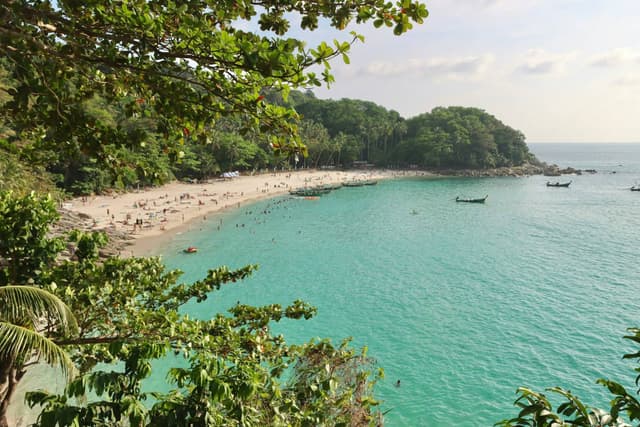
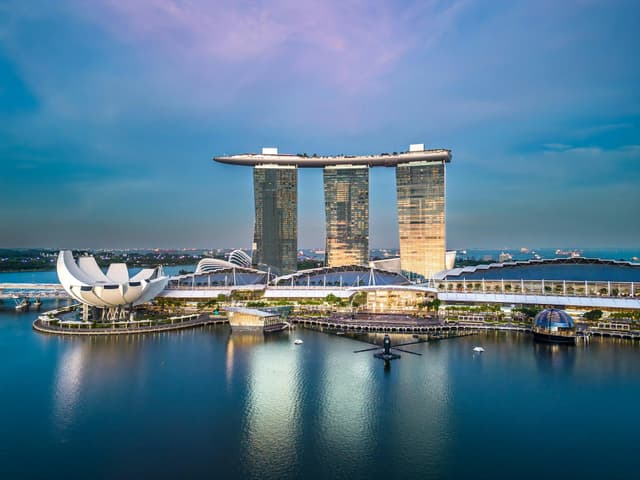
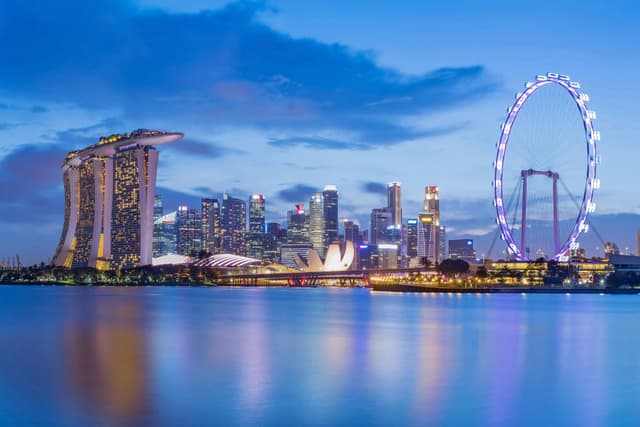
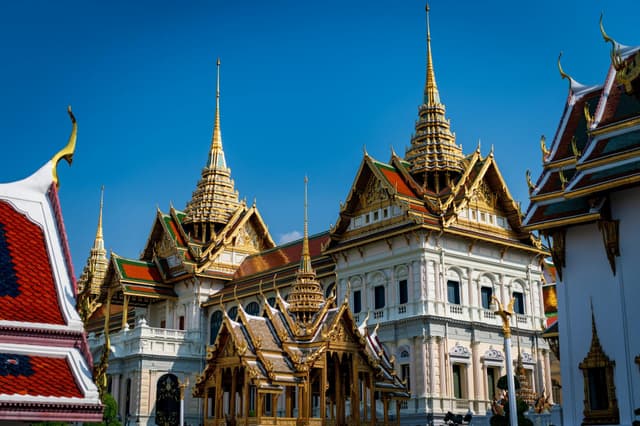
Thailand, Singapore & Malaysia Tour with Phuket
10 Days · 9 Nights
NRs 1,01,000/ person
✓ Tour✕ Flight✕ Visa
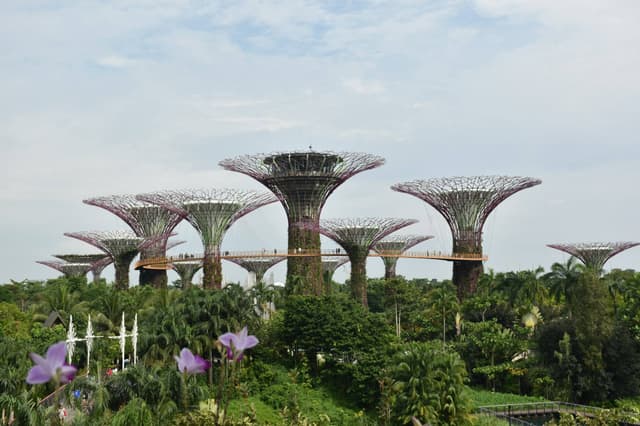
Thailand, Singapore & Malaysia Family Tour
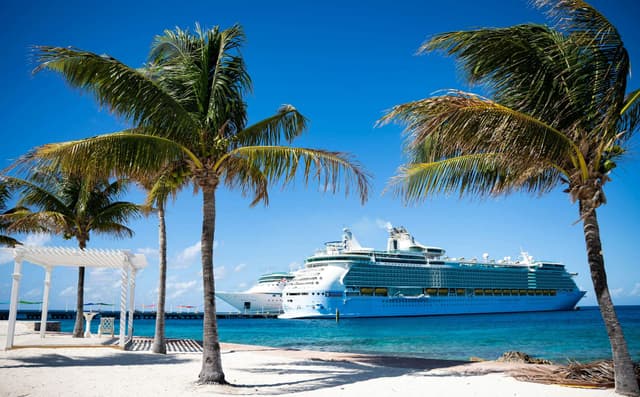
11 Days · 10 Nights
NRs 1,32,000/ person
✓ Tour✕ Visa✕ Flights
News & AlertsCAUTIONHaze in Singapore stays in the unhealthy range — until 28 Oct 2026.Checked 21 Oct 2026, 05:56 NPTView details ↓Hide details ↑
Travel news
Caution
Haze in Singapore stays in the unhealthy range
On 20 October the 24-hour PSI was unhealthy in most of Singapore, and the environment agency expects 110–180 (unhealthy) on 21 October as smoke from Kalimantan drifts in. Sightseeing continues; people with breathing problems should limit long outdoor activity.
Singapore · 15 Sep – 28 Oct 2026 · NEA haze update 20 Oct · Malay Mail (20 Oct)
Weather by month
No month in Singapore is both dry and 35°C or cooler — pick the rain or heat you prefer below.
- Jan31°25°heavy rain
- Feb31°25°medium rain
- Mar32°25°medium rain
- Apr33°25°heavy rain
- May32°26°medium rain
- Jun31°25°heavy rain
- Jul32°26°medium rain
- Aug31°26°medium rain
- Sep31°25°medium rain
- Oct32°25°heavy rain, this month
- Nov31°25°heavy rain
- Dec31°25°heavy rain
Best monthNowdryheavy rainHigh / low °C
Weather: 10-year averages, 2015–2024 (NOAA weather stations). News: GDACS, ReliefWeb, GOV.UK travel advice (OGL v3.0) and local sources.Best Time to Visit Singapore →
FAQ
Journey Questions
Written and checked by the Gomayu travel desk, KathmanduUpdated October 2026About this guide
Complete Guide
Singapore travel guide
Written and checked by the Gomayu travel desk, KathmanduUpdated October 2026About this guide
Why Singapore is worth the trip
Singapore fits an enormous amount into a small island, and that is the practical reason it works so well as a first international holiday. You can walk through a UNESCO listed botanic garden in the morning, eat at a hawker centre at noon, and watch a free light and water show over Marina Bay at night, without a single long transfer in between. Demand for a Singapore tour package from Nepal keeps growing for that reason alone: short distances, English on every sign, and infrastructure that simply works.
The island is small enough that most visitors never sit in a taxi for longer than half an hour. Four official languages are recognised, English is the working language, and immigration, signage, menus and ticket machines all operate in it. That removes the single biggest friction point of a first trip abroad, which is not knowing what anything says.
The other draw is variety inside a very short radius. Chinatown, Little India and Kampong Glam sit within a few MRT stops of one another, each with its own temples, mosques, shophouses and food. Sentosa gives families a theme park, an aquarium and beaches on one island. The Marina Bay waterfront gives couples the skyline photograph everyone comes for. Mandai gives you four separate wildlife parks in one corner of the north. Nothing requires a domestic flight or an overnight bus.
Be honest about what Singapore is not. It is not a budget destination by regional standards, it is humid all year, and it does not have the long empty beaches of Thailand or the Maldives. What it does have is reliability. Trains run, taps are drinkable, streets are safe after dark, and very little about the place is a gamble. That is why so many travellers use it as their first stop abroad, and why so many pair it with Malaysia or Thailand on the same ticket.
How a Singapore tour package from Nepal works
Every Singapore tour package from Nepal that Gomayu arranges is curated for three groups of travellers: Nepali passport holders flying out of Kathmandu, the Nepali diaspora, and non resident Nepalis (NRNs) booking from Australia, the UK, the US, the Gulf and beyond. Many of our travellers start from Kathmandu, and many book from abroad, so each package is designed to work on any passport and from either starting point.
The process is deliberately simple. Pick your dates first, then keep the route realistic rather than squeezing everything into one holiday. From there the package covers the pieces that are annoying to arrange alone: hotels matched to your budget, airport transfers on both ends, day tours with English speaking guides, and step by step help with whatever visa or entry paperwork your passport needs.
The same structure works for split families. Parents can fly out of Kathmandu while children join from London, Sydney or Doha, everyone meets at the same hotel on arrival day, and each traveller follows the entry rules of their own passport. If that describes your family, mention it when you enquire and the package is built around both starting points from day one.
Which Singapore package suits you
- Families: the Singapore Family & Leisure Tour (5 days) and the Singapore Family Tour with Kids (5 days).
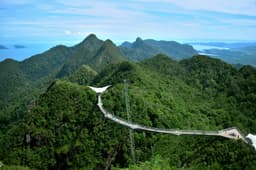
- Singapore and Malaysia: the Singapore, Kuala Lumpur & Malacca Tour (7 days), or the Singapore, Kuala Lumpur & Langkawi Tour (8 days), which suits couples.
- Three countries: the Thailand, Singapore & Malaysia Tour (10 days), the Thailand, Singapore & Malaysia Grand Tour (11 days) and the Bali, Singapore & Malaysia Tour (10 days).
- A cruise: the Royal Caribbean Cruise Tour (6 days), which starts and ends in Singapore.
Combining Singapore with Malaysia, Thailand or Bali
Most Nepali travellers add a second country, because Singapore is small and Kuala Lumpur, Bangkok and Bali are short flights away; Kuala Lumpur is also reachable by road across the causeway. Each country has its own entry step for Nepali passport holders: no visa for a short visit to Singapore but the SG Arrival Card, a Malaysia eVisa plus the Malaysia Digital Arrival Card, and visas arranged before travel for Thailand and Bali. We sequence the route and the paperwork together. See the Malaysia, Thailand and Bali pages.
What is included, and what changes the price
Singapore packages on this page are priced per person as land packages: hotels, transfers and touring as listed on each package page. Flights are not in the card price; we quote the flight from Kathmandu, or from wherever you are joining, alongside the package.
The price moves with hotel area and category, paid attractions, the number of nights, travel dates around school holidays and the Formula 1 weekend, and whether you add Malaysia, Thailand or Bali. The live prices are in the first question on this page and on each package card. Message us on WhatsApp for a quote in NPR for your dates.
Singapore visa for Nepali citizens: the good news
The Singapore visa for Nepali citizens is, in almost every case, not required at all. Nepal does not appear on Singapore's visa required list, so Nepali ordinary passport holders do not need a visa for a short visit, and the officer at the immigration counter decides the length of stay, normally up to 30 days. There is no application, no appointment, no agent and no sticker in the passport.
No visa for a short visit, and what that actually means
Singapore sorts nationalities into visa required Assessment Level I and Assessment Level II lists. Those lists include India, Bangladesh, Pakistan, Afghanistan and a number of other countries. Nepal is on neither. Travelling to Singapore on a Nepali ordinary passport therefore needs no advance application beyond the SG Arrival Card described below.
Diplomatic and official passports have their own arrangements. Anyone travelling for work, study or long term stay needs the appropriate pass, which is a separate process from tourism and is not covered by this short-visit arrangement.
Both generations of Nepali passport are accepted. MRP stands for Machine Readable Passport, which is Nepal's older passport generation and is still in circulation because passports run for ten years. Nepal now issues the biometric e-passport. Either document gets you through Singapore immigration, though only the biometric passport unlocks the automated lanes.
The entry conditions every visitor must meet
Not needing a visa is not the same as unconditional entry. The Immigration and Checkpoints Authority applies the same set of entry conditions to every visitor, and an officer can refuse entry if they are not met. Have all of the following in order before you fly.
- A passport valid for more than six months at the time of departure.
- A confirmed onward or return ticket.
- Sufficient funds to support yourself for the length of your stay.
- Entry facilities, including any visa, for your next destination if you are continuing to a third country.
- A yellow fever vaccination certificate if you are arriving from a country with a risk of yellow fever transmission.
The length of stay is decided by the officer, not by you. Thirty days is the maximum a short term visitor is normally granted, not a guarantee. Check the electronic visit pass you receive after clearance for the actual date you must leave by, because that date, and not your assumption, governs your stay.
Practical extras that smooth the counter: your hotel booking, your return flight on your phone, and a clear one line answer to what you are doing in Singapore and for how long. Officers ask plain questions and expect plain answers. Nobody is trying to catch you out, but vague answers slow everything down.
Do you need to show a bank balance?
No bank statement is submitted in advance, because Nepali passport holders do not apply for a visa for a short visit. At the counter, ICA expects short-term visitors to have sufficient cash and proof of onward travel, and its entry requirements page does not publish a fixed minimum amount. In practice, carry a working international card, some cash, your hotel booking and your return ticket, and answer questions plainly. Rules change, so check ica.gov.sg before you travel.
The SG Arrival Card
The SG Arrival Card is compulsory for every traveller entering Singapore, with one exception: passengers transiting without seeking immigration clearance. It is not a visa, and it includes an electronic health declaration. Submit it within three days before your date of arrival, counting the day of arrival itself.
Use official channels only. The Immigration and Checkpoints Authority e-service at eservices.ica.gov.sg/sgarrivalcard and the MyICA mobile app are the only places you need. Paid lookalike sites exist, they rank well in search results, and they charge you for a form you can submit yourself on the official site. If a website asks you to pay to file an SG Arrival Card, close it and go to the official one.
Give a working email address on the form. That is where your electronic visit pass is sent after you clear immigration, and it is the document that tells you how long you may stay. One submission is needed per traveller, children included. Filing too early is a common mistake; outside the three day window the submission will not be accepted.
Automated clearance and the e-Pass
Any biometric passport holder, of any nationality, can use the automated lanes at Changi Airport. Biometrics are enrolled automatically during arrival clearance, so there is no separate registration step and no enrolment counter to queue at. First time visitors and repeat visitors use the same lanes.
Singapore no longer stamps passports. Instead an electronic visit pass, the e-Pass, is emailed to you after clearance, and it states the date by which you must leave. Passports are not stamped on departure either. If you want a record of the trip, the e-Pass email is it. Do not delete it, and take a screenshot in case you are ever asked to show your permitted period of stay.
Transit and travellers on other passports
Because Nepali citizens do not need a visa for a short visit, transiting Changi is straightforward, and a long layover can be spent in the city instead of the terminal. For context, travellers who do need a Singapore visa can still transit airside without one, provided they hold a confirmed onward ticket, remain in the transit area, have their baggage checked through to the final destination, do not clear immigration, and are not flying a low cost carrier, with the exceptions of Scoot on a Scoot-thru booking and Jetstar on a single booking.
Do not assume a family group shares one entry situation. A traveller of Nepali origin who now holds an Australian, American, Canadian or Japanese passport travels on that document's rules, which also need no visa for short visits but carry their own conditions. Everyone in the group still needs their own SG Arrival Card, and every passport in the group needs more than six months of validity.
When is the best time to visit Singapore?
The best time to visit Singapore is generally February to April, the drier stretch between the tail of the northeast monsoon and the first inter monsoon period. Singapore sits almost on the equator, so temperature barely changes across the year. What actually varies is rainfall, thunderstorm frequency, haze risk and the events calendar.
December is normally the wettest month, when the wet phase of the northeast monsoon places the main tropical rain belt over the island. February is normally the driest. The two inter monsoon windows, roughly late March to May and October to November, bring frequent afternoon and evening thunderstorms that are heavy but usually short lived. The southwest monsoon, roughly June to September, is the drier season across the wider region, which is exactly why it carries the highest risk of transboundary haze drifting in from land clearing fires. Haze severity swings enormously from year to year, so check the National Environment Agency pollutant readings close to departure rather than trying to plan around it months ahead.
Rain rarely ruins a Singapore day. Storms are short, the MRT runs underground, and most of the major attractions are indoors or covered. Keep the Cloud Forest, an aquarium, a museum or a mall in reserve for the afternoon and you will barely lose an hour.
| Period | Rain and weather | Haze risk | What is on |
|---|---|---|---|
| December to early January | Wettest stretch of the year, wet phase of the northeast monsoon, longer spells of moderate to heavy rain | Low | Christmas lights along Orchard Road, New Year countdown at Marina Bay |
| Late January to March | Drier phase of the northeast monsoon, February usually the driest month, the most reliable sunshine of the year | Low | Chinese New Year, Thaipusam procession, Hari Raya Puasa in some years |
| Late March to May | First inter monsoon, frequent afternoon and evening thunderstorms, very high humidity | Low to moderate | Quieter shoulder period, easier hotel availability |
| June to September | Southwest monsoon, drier spells with occasional early morning squalls | Highest, transboundary haze possible | School holiday crowds, mid year retail sale window |
| October to November | Second inter monsoon, thundery showers return, humid and still | Low to moderate | Formula 1 night race window, Deepavali and Little India lit up |
Every festival and event above moves. Chinese New Year and Thaipusam follow lunar and Tamil calendars, Hari Raya Puasa shifts about eleven days earlier each year, Deepavali moves within October and November, the Formula 1 night race date is set season by season, and the Great Singapore Sale is no longer centrally scheduled, with individual malls and retailers now setting their own dates inside a broad window. Confirm the exact dates for your year before you book. This matters most for the race weekend, when hotel availability around Marina Bay tightens sharply and road closures reshape the city centre for several days.
Dashain, Tihar and school holidays
The Dashain and Tihar break falls in Singapore's second inter monsoon period, with frequent afternoon thunderstorms but little that stops a city trip. In 2026 Vijaya Dashami is on 21 October and Bhai Tika on 11 November. Deepavali lights up Little India in the same season, which many Nepali families enjoy. Hotels tighten around the Formula 1 weekend and school holidays, so book about three months ahead for festival travel.
How to get to Singapore from Nepal
Singapore is a direct flight from Kathmandu. Singapore Airlines flies nonstop from Tribhuvan International Airport (KTM) to Singapore Changi (SIN), and the flight takes about 5 hours 10 minutes. It is the only airline flying the route nonstop. Changi is one of the best connected airports in Asia, so travellers starting from the Gulf, India, Southeast Asia, Australia, Japan and North America also reach Singapore nonstop or with a single stop.
From Nepal, the nonstop is the simplest routing. One stop alternatives run through Delhi, Kolkata, Dhaka, Bangkok and Kuala Lumpur, which often suit travellers who want to add a second country to the same trip.
From the Gulf, Doha, Dubai, Abu Dhabi and the other major hubs are served nonstop by the region's carriers and by Singapore Airlines, which makes Singapore an easy holiday for Nepali passport holders working in the Gulf. From India, nonstops run from Delhi, Mumbai, Bengaluru, Chennai, Hyderabad and Kolkata among others. Within Southeast Asia the flights are short hops, with Kuala Lumpur, Bangkok, Jakarta, Ho Chi Minh City and Manila all close by. From Australia there are nonstops out of Sydney, Melbourne, Brisbane, Perth, Adelaide and Darwin. From Japan, Tokyo, Osaka, Nagoya and Fukuoka connect nonstop. From North America, Singapore Airlines flies nonstop out of San Francisco, Los Angeles, Seattle and the New York area, while one stop routings through Tokyo, Hong Kong, Seoul or Doha cover the rest of the continent.
Changi has four terminals plus Jewel, the garden and retail complex linked to Terminals 1, 2 and 3. Jewel is worth building time around even on a transit. Free airport WiFi is available throughout, and the telco counters in the arrival halls of every terminal sell tourist SIM and eSIM plans.
Overland, Singapore connects to Malaysia by road across the causeway to Johor Bahru, which is how many visitors add a Malaysian leg. By sea, Marina Bay Cruise Centre and the Singapore Cruise Centre at HarbourFront handle regional cruise departures if that is part of your plan.
Where to stay in Singapore
For a first visit, Marina Bay, Chinatown or the Bugis and Kampong Glam area put you closest to the sights and on the MRT lines you will actually use. Singapore is small and the rail network is dense, so no central neighbourhood is badly placed. The real question is what you want outside your door in the evening.
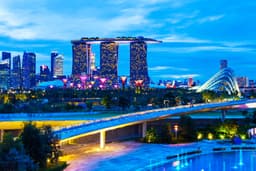
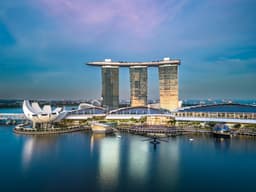
Marina Bay is the postcard. Gardens by the Bay, the SkyPark deck, the Spectra show and the Merlion are all walkable from one another, and the skyline after dark is the reason most people come. It is also the most polished and least local part of the island, and it empties out once the office crowd goes home.
Orchard Road is the shopping spine, mall after mall along one street, superbly connected and stocked with hotels at every level. It suits shoppers and families who want everything indoors and air conditioned, and it is a short ride from the Botanic Gardens.
Chinatown gives you shophouses, temples, one of the country's most famous hawker complexes and good value rooms, all sitting on the MRT. It is central, busy at night and easy to explore on foot.
Kampong Glam and Bugis is the most interesting compromise. Sultan Mosque, Arab Street, Haji Lane and a dense run of cafes and independent shops sit next to the Bugis transport interchange. It is also the area where halal food is easiest to find without going looking for it.
Little India is loud, colourful and the best value of the central areas, with vegetarian food on every block and Mustafa Centre trading around the clock. Light sleepers should ask for a room away from the main road.
Sentosa is a resort island rather than a city base. It works for families who intend to spend two or more days on the island attractions and want to walk back to the room for an afternoon nap. It is a poor base if you want to be out in the city at night.
Near Changi, meaning Changi Village or the airport hotels, only makes sense for a very short stopover or a punishing early departure. Everything else on the island is a long way away.
| Area | Best for | Trade off |
|---|---|---|
| Marina Bay | First timers, couples, skyline views, walkable evenings | Corporate feel, quiet late at night |
| Orchard Road | Shopping, families who want indoor days | Little local character |
| Chinatown | Street food, heritage streets, value, central MRT | Busy and noisy in the evenings |
| Kampong Glam and Bugis | Character, cafes, easiest halal eating | Fewer big name hotels |
| Little India | Value, vegetarian food, late night shopping | Crowded and loud, especially at weekends |
| Sentosa | Families doing several days of island attractions | Detached from the city, extra transfers |
| Near Changi | Short stopovers and very early flights | Far from every other attraction |
Things to do in Singapore
The essential things to do in Singapore are Gardens by the Bay and the Marina Bay waterfront, Sentosa, the three cultural quarters, the Mandai wildlife parks and Jewel at Changi. Most sit within about thirty minutes of each other by train. Book timed entry for the big paid attractions before you arrive, because walk up slots disappear at weekends.
Marina Bay and Gardens by the Bay
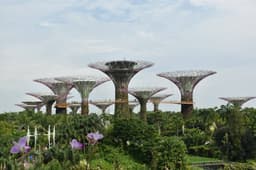
Gardens by the Bay is the anchor of any first visit. The two conservatories, the Flower Dome and the Cloud Forest, run on timed entry slots and are worth booking online in advance, particularly at weekends and on public holidays. The Cloud Forest is built around an indoor waterfall and a misted mountain that you walk down through suspended walkways. The Flower Dome is cooler, drier and rotates its floral displays through the year. Both are heavily air conditioned, which makes them the obvious call when a storm arrives.
Outside, the Supertree Grove runs a free light and sound show, Garden Rhapsody, in the evening. Across the water, Spectra, the free light and water show on the Marina Bay Sands Event Plaza, runs nightly with an additional late show on Fridays and Saturdays. The two venues are close enough to see both in one evening. Check current show times on the official sites before you set out, because they change and the Formula 1 weekend runs its own schedule.
The SkyPark Observation Deck on top of Marina Bay Sands gives the wide view over the bay, the gardens and the container port beyond. Entry in the later part of the day requires a timed ticket, which is exactly when everyone wants to be up there for sunset, so book that slot rather than turning up. At ground level, the Helix Bridge, the Merlion, the ArtScience Museum and the Esplanade fill an entire evening on foot, and the whole loop around the bay is free.
Sentosa
Sentosa is the family island, reached by the Sentosa Express monorail from level three of VivoCity, by the Singapore Cable Car from HarbourFront and Mount Faber, on foot along the boardwalk, or by road. The cable car is the arrival worth choosing, because the view down over the harbour and the island is the point of it.
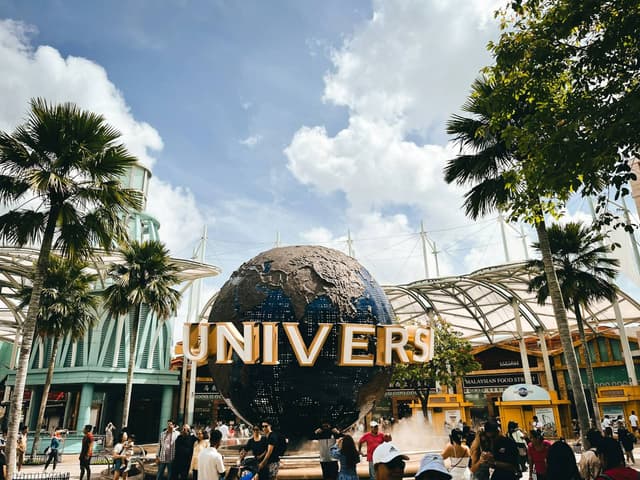
Universal Studios Singapore is the headline attraction, a compact park that a family can do properly in a single day. S.E.A. Aquarium at Resorts World is the other major indoor draw and a dependable wet afternoon. Beyond those two there are the beaches at Siloso, Palawan and Tanjong, a luge running down from the ridge, ziplines, and a cluster of smaller attractions around Imbiah. Buy the major tickets online in advance, because the ticket queue at the gate is the slowest part of the day.
One planning note. Sentosa rewards a full day or two full days. Squeezing it into a half day after a morning in the city usually means paying for a park you then rush through.
The cultural quarters
Chinatown, Little India and Kampong Glam are the three areas that explain how Singapore actually came together, and walking all three costs nothing. In Chinatown, the Buddha Tooth Relic Temple, Sri Mariamman Temple and the restored shophouse streets sit around the Maxwell and Chinatown Complex food centres. That the country's oldest Hindu temple stands in the middle of Chinatown tells you most of what you need to know about how the island mixed.
Little India runs along Serangoon Road and is at its best in the evening, and spectacular around Deepavali when the street lights go up. Sri Veeramakaliamman Temple, the Tekka Centre and the round the clock Mustafa Centre are the landmarks. Kampong Glam is built around Sultan Mosque, with Arab Street for textiles, Haji Lane for small independent shops and murals, and Bussorah Street for the classic photograph of the mosque dome framed by shophouses.
Dress modestly for temples and mosques, remove your shoes where you are asked to, and check prayer times before visiting Sultan Mosque, which restricts visitor access during prayers. Photography is fine in most places but ask first inside prayer halls.
The Mandai wildlife parks
Mandai, in the north of the island, holds several separate parks in one place: Singapore Zoo, the world's first open concept zoo; Night Safari, the world's first nocturnal wildlife park; River Wonders, a river themed park with a large freshwater collection; and Bird Paradise, a large bird park built around walk through aviaries. A newer adventure based wildlife park has since joined them.
Do not attempt more than two parks in a day. Night Safari is a genuinely different experience, run on tram routes and walking trails after dark, and it is the one most visitors rate highest. Getting there means MRT to Khatib station and then the Mandai Khatib Shuttle, roughly thirty five to forty five minutes from the city centre. Book online and reserve Night Safari tram slots early, because they go first.
Jewel Changi and the Botanic Gardens
Jewel Changi Airport is a real attraction, not just a terminal extension. The Rain Vortex at its centre is the world's tallest indoor waterfall at forty metres, ringed by Forest Valley, one of Asia's largest indoor gardens, planted across five storeys. Canopy Park on the top level has the Canopy Bridge suspended above the floor with a glass panelled section looking straight down at the waterfall. Jewel is linked to Terminals 1, 2 and 3, so it works on arrival, on departure and on a long layover.
The Singapore Botanic Gardens became Singapore's first UNESCO World Heritage Site in 2015 and remains the only tropical botanic garden on the World Heritage List. It has been growing on the same site since 1859. Entry to the gardens is free, the National Orchid Garden inside is ticketed, and early morning is the time to go, before the heat builds and while the birdlife is still active.
The quieter side, Pulau Ubin and the Southern Ridges
Pulau Ubin is the opposite of the city. It is a small island off the northeast coast reached by bumboat from Changi Point Ferry Terminal, where boats leave once they have enough passengers rather than to a fixed timetable. Most visitors rent a bicycle at the jetty and ride the dirt tracks past kampong houses, old quarry lakes and the Chek Jawa wetlands. Carry water and some cash, and start early in the day.
Closer to town, the Southern Ridges is a connected walking route through Mount Faber Park, Telok Blangah Hill Park and HortPark, linked by the Henderson Waves bridge and a forest walkway raised on stilts. It is the best free half day in Singapore for anyone who wants trees rather than malls. Walk it early morning or late afternoon, because midday humidity on an exposed ridge is punishing.
Singapore with kids
Singapore with kids is about as easy as international travel gets. Prams roll everywhere, MRT stations have lifts, nursing rooms are standard in malls, tap water is drinkable, and the biggest attractions were built for families. Distances are short enough that a tired child is never more than about half an hour from the hotel.
The obvious anchors are Universal Studios Singapore and S.E.A. Aquarium on Sentosa, the Mandai wildlife parks with Night Safari as the standout, and Gardens by the Bay, which has a free children's water play garden alongside the conservatories. Add the Science Centre, the digital installations at the ArtScience Museum and Canopy Park at Jewel, and there is more than a week of material without repeating yourself.
Practical notes matter more than the attraction list. Heat and humidity tire children faster than the walking does, so schedule one indoor, air conditioned block in the middle of every day and carry a refillable bottle, since refill points are common. Afternoon thunderstorms are frequent, which is a second argument for an indoor afternoon. Hotel rooms are small by regional standards, so check the stated maximum occupancy rather than assuming a child can simply be added to a double.
Food is rarely a problem. Hawker centres have plain rice, noodles and chicken at almost every stall, malls carry familiar chains, and both vegetarian and halal options are easy to find. Remember that eating and drinking are not allowed on the MRT, water included, so feed everyone before you tap in rather than after.
Food in Singapore, hawker centres, halal and vegetarian
Eating is the strongest single reason to visit. Singapore's hawker culture was inscribed on the UNESCO Representative List of the Intangible Cultural Heritage of Humanity in 2020, the country's first inscription on that list, and hawker centres remain where most people genuinely eat. Chinese, Malay, Indian and Peranakan cooking sit side by side under one roof.
Dishes worth ordering: Hainanese chicken rice, chilli crab and black pepper crab, laksa, char kway teow, Hokkien mee, satay, nasi lemak, roti prata, murtabak, bak kut teh, savoury fried carrot cake, kaya toast with soft boiled eggs for breakfast, and chendol or ice kacang to cool down afterwards. Tropical fruit is excellent, and durian is the local obsession, sold from stalls in Geylang and along Balestier Road.
How hawker centres work: find a seat first, order at the stall, pay at the stall, and return your tray afterwards, which is a legal requirement rather than a courtesy. Many stalls now accept cards or QR payment, but older ones remain cash only. Maxwell, Lau Pa Sat, Old Airport Road, Tekka, Chinatown Complex and Newton are the centres most visitors reach easily.
Halal food is easy to find. Look for the green MUIS logo, issued by Majlis Ugama Islam Singapura, displayed at the stall front or restaurant entrance, and use the searchable MUIS directory online to check a place before you go. Geylang Serai Market and Food Centre, in the heart of the Malay quarter, is almost entirely halal certified, and Golden Mile Food Centre has a strong mix of Malay and Indian Muslim stalls. Kampong Glam and Bugis are the easiest central areas to stay in if halal eating is a priority. Note that a vegetarian stall is not automatically halal, since some cook with alcohol or with non halal stock.
Vegetarian travellers are equally well served. Little India has pure vegetarian South Indian restaurants along and around Serangoon Road, many serving unlimited thali on a banana leaf. Chinese Buddhist vegetarian restaurants operate near temples across the island and serve mock meat versions of the local standards. Most hawker centres include at least one vegetarian stall. If you are strict, say so clearly and specifically, because fish sauce, shrimp paste and pork stock are common in Southeast Asian cooking and are not always mentioned on the menu.
Getting around Singapore
Getting around Singapore means the MRT and very little else. The rail network reaches nearly every attraction, trains are frequent, stations are air conditioned and signed in English, and buses fill the remaining gaps. For most visitors the simplest payment method is tapping a contactless bank card or a phone wallet straight at the gate.
Payment is where outdated advice trips people up. Contactless Visa, Mastercard and American Express cards, along with Apple Pay, Google Pay and Samsung Pay, work directly at the fare gates with no registration and no topping up, though foreign issued cards carry a small daily administrative fee. An EZ-Link stored value card is still sold at station ticket offices and convenience stores if you would rather hold a physical card. The Singapore Tourist Pass gives unlimited travel over one, two or three days and only makes sense if you plan a heavy day of trips rather than three or four rides.
Two rules catch visitors regularly. Tap the same card in and out for a single journey, because tapping in with one card and out with another triggers a maximum fare charge. And do not eat or drink on the MRT, water included.
Taxis and ride hailing apps are metered, plentiful and honest, which is not true everywhere in the region. Walking is pleasant in the covered and shaded stretches of the city and miserable in open sun at midday, so plan around the covered link ways where you can. Cycling is possible, but the island is not built for casual tourist cycling outside the park connector network and Pulau Ubin.
Money, connectivity and practical basics
The currency is the Singapore dollar, written SGD. Cards are accepted almost everywhere, including at many hawker stalls, but keep some cash for older stalls and for the bumboat to Pulau Ubin. Mobile connectivity is straightforward, tap water is safe to drink, and English is the working language across the whole island.
PayNow, the local instant transfer system, requires a Singapore bank account, so it is not available to visitors. Some merchants accept foreign QR wallets through the SGQR network, but do not rely on it. A contactless card or a phone wallet is the practical answer for shops, restaurants and transport alike.
For connectivity, Singtel, StarHub and M1 all sell tourist SIM and eSIM plans, with counters in the arrival halls of all four Changi terminals, and an eSIM can be activated before you land. Free WiFi is available across the airport and in most malls and cafes.
A few other basics. Singapore runs on 230 volts at 50 hertz using the British style three pin Type G plug, so travellers from South Asia need an adapter but usually not a converter. The time zone is UTC plus eight. Tipping is not expected, and restaurant bills usually already include a service charge and goods and services tax. Public toilets are clean and free almost everywhere, and refill points for drinking water are common in parks, malls and the airport. Pharmacies are well stocked, but carry a doctor's letter for prescription medication, because some medicines that are routine elsewhere are controlled here.
Travel insurance, money and the Embassy of Nepal
Travel insurance is not an entry requirement, but buy a policy with medical cover before you fly. Nepal Rastra Bank sets how much foreign currency a Nepali citizen can buy for a trip abroad, so ask your bank about the current allowance. Nepal has no embassy in Singapore: the Embassy of Nepal in Bangkok covers Singapore, and Nepal also has an honorary consul in Singapore.
The rules that catch visitors out
Singapore enforces rules that many countries treat as suggestions, and tourists are not exempt from any of them. The ones that genuinely catch visitors are bringing in chewing gum, eating on the MRT, smoking outside designated areas, littering and jaywalking.
Chewing gum. The ban covers the import and sale of chewing gum rather than the act of chewing it. Bringing gum in for sale is an offence carrying heavy fines and possible imprisonment. Therapeutic and dental gum is available through pharmacies. In practice, simply do not pack gum.
On public transport. No eating or drinking on the MRT, water included. Durian is not allowed on trains or buses at all, on account of the smell. Both carry fines.
Smoking. Smoking is legal only in designated smoking areas, which are marked out on pavements in many parts of the city. It is banned in most indoor public spaces, in queues, in covered walkways and across many outdoor areas as well. Fines are issued on the spot.
Littering and public cleanliness. Littering, cigarette butts included, is fined, and repeat offenders can be given corrective work orders served in public. Spitting and failing to flush a public toilet are also offences.
Jaywalking. Crossing a road close to a designated crossing, or against the signal, is an offence and is enforced. Use the crossing and wait for the green man.
None of this should make you nervous. The rules are posted clearly, enforcement is predictable rather than arbitrary, and visitors who behave normally never encounter any of it. The point is simply that a sign you might ignore at home is a sign that gets acted on here.
How many days do you need, and how to plan yours
Three to four full days cover Singapore's headline sights at a comfortable pace. Two days is enough only for Marina Bay and one other area. Five to six days let you add Sentosa properly, the Mandai parks and a quiet day at Pulau Ubin or on the Southern Ridges, with room left for an afternoon storm. Beyond a week, most travellers add Malaysia or Thailand to the same trip.
When planning a Singapore trip, book the timed entry attractions first, because the Gardens by the Bay conservatories, the SkyPark deck, Universal Studios and Night Safari all lose their good slots early. Confirm the festival and race dates for your year before fixing hotels, and check whether your dates land in a school holiday peak. Then submit your SG Arrival Card inside the three day window before arrival, not earlier, because it will not be accepted outside it.
A well built Singapore tour package from Nepal should be shaped around who is actually travelling. Families want Sentosa, Mandai and short transfers. Couples want the waterfront at night and a quieter neighbourhood to come back to. Solo travellers can move entirely on the MRT and stay central. Larger groups should decide early whether everyone is doing Universal Studios or splitting for the day.
Gomayu Holidays builds each Singapore trip for Nepali travellers around where they are genuinely flying from, and a Singapore holiday for Nepali passport holders is one of the simplest holidays to arrange because the entry side asks so little of you. If you want a plan built around your dates, your group and the things you actually want to see, message us on WhatsApp and we will put it together.
Best Singapore tour packages from Nepal
To summarise, these are the most popular Singapore tour packages from Nepal that we arrange for Nepali travellers and the Nepali diaspora:
- Thailand, Singapore & Malaysia Tour (10 days)
- Singapore, Kuala Lumpur & Langkawi Tour (8 days)
- Singapore, Kuala Lumpur & Malacca Tour (7 days)
- Singapore Family & Leisure Tour (5 days)
- Bali, Singapore & Malaysia Tour (10 days)
- Thailand, Singapore & Malaysia Grand Tour (11 days)
All destinations
Explore more destinations
Search Tours or Places
Search Tours or Places