







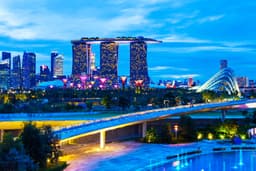



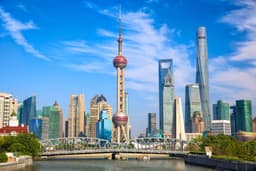

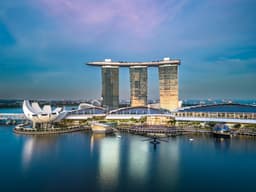
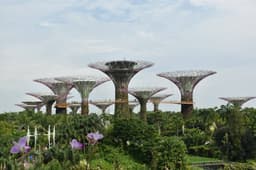







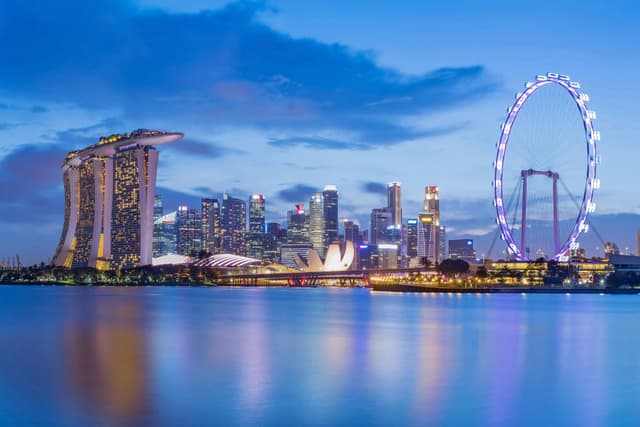
The best time to visit Singapore is from February to April, when rainfall eases slightly and conditions are most comfortable for exploring the gardens, Marina Bay and the cultural quarters. That said, Singapore sits just north of the equator and stays warm and humid all year, so there is no true off season. Showers are usually short and heavy rather than all day, and so much of the city can move indoors that any month works with a little planning.
This month by month guide explains what the weather is like through the year, when to find lower hotel rates, which festivals and events to plan around, when the Formula 1 night race takes over Marina Bay, and how to dodge the crowds and the occasional haze. Use it to line up your dates with good weather, great events and better value.
| Period | Weather | Good to know |
|---|---|---|
| February to April | Warm, slightly drier | Most comfortable overall |
| May to August | Hot, humid, some rain | Great Singapore Sale, National Day |
| September to November | Warm, afternoon showers | Formula 1 in September |
| December to January | Wettest, festive | Northeast monsoon, holiday lights |
Why time your Singapore trip well?
Singapore rewards a little timing. While you can visit any month, choosing the right window means better weather for the gardens and Sentosa, lower prices outside the big events, and the chance to catch a spectacular festival or the Grand Prix. Because the city is compact, safe and full of indoor backups, even a rainy visit runs smoothly, so timing is about optimising your trip rather than avoiding a bad season.
What is the best month to visit Singapore?
February to April is generally the sweet spot, with marginally less rain and pleasant conditions for walking the gardens, Sentosa and the waterfront. February is often the driest month of the year. Because downpours are usually short, and museums, malls, the domes at Gardens by the Bay and the aquarium provide easy shelter, Singapore remains enjoyable at any time of year. The right month is really about matching events and prices to your trip.
What is Singapore's weather like year round?
Singapore has a hot, humid equatorial climate with daytime temperatures around 25 to 32 degrees Celsius and warm, sticky nights all year. Two monsoons shape the rain. The northeast monsoon, from December to early March, brings the wettest spells, with the heaviest rain often in November to January. The southwest monsoon, from June to September, is drier but can bring sudden morning squalls. The inter-monsoon months of April to May and October to November see frequent afternoon thunderstorms. Humidity stays high throughout, so pace outdoor sightseeing and drink plenty of water.
What is the month by month guide to visiting Singapore?
Here is a quick look at what each month offers, from weather to headline events.
January
Warm and often wet as the northeast monsoon lingers, but lively with Chinese New Year preparations lighting up Chinatown late in the month or in February. Thaipusam also falls in January or February. Book early if your trip overlaps Chinese New Year, when Chinatown is at its busiest.
February
Frequently the driest month and one of the most comfortable, with Chinese New Year festivities and pleasant conditions for sightseeing. A popular time to visit. Expect higher demand and prices around the festive New Year period.
March
The monsoon eases and the weather is warm and relatively dry, making March one of the best all round months to explore the city and its gardens. Gardens, Sentosa and the zoo are all at their best in the clearer weather.
April
Warm and humid with the first inter-monsoon thunderstorms building in the afternoons, though mornings are usually clear and good for outdoor sights. Carry an umbrella for the building afternoon storms, though mornings are usually reliable.
May
Hot and humid with afternoon showers. Vesak Day is celebrated, and the mid-year sales and school holidays begin to pick up towards the end of the month. It is a good month for indoor attractions and shopping when the showers arrive.
June
The start of the drier southwest monsoon, though still hot. The Great Singapore Sale and school holidays make it a busy, good value shopping season. Expect school holiday crowds at theme parks and the zoo alongside the sales.
July
Warm and relatively dry, with the Singapore Food Festival celebrating local cuisine. A comfortable month for both indoor and outdoor plans. A great month for food lovers thanks to the Singapore Food Festival.
August
Hot and lively, with National Day on 9 August bringing parades and fireworks over Marina Bay. Occasional regional haze can appear from late in the month. Expect patriotic crowds and fireworks around National Day on the ninth.
September
Warm with afternoon showers, and the headline event of the year, the Formula 1 Singapore Grand Prix night race, which fills Marina Bay and pushes up hotel prices. Book Marina Bay hotels far ahead if you plan to attend the Grand Prix.
October
Inter-monsoon showers return, and Deepavali brightens Little India with lights and markets. A colourful, slightly quieter month between big events. A colourful month to see Little India lit up for Deepavali.
November
One of the wettest months as the northeast monsoon arrives, but hotels can be better value, and the Christmas lights along Orchard Road switch on late in the month. Look for lower hotel rates before the December holiday rush begins.
December
Wet but festive, with dazzling holiday displays, year-end sales and a spectacular New Year's Eve fireworks show over Marina Bay. Expect rain and busy holiday crowds. Reserve hotels and restaurants early for the busy festive period.
When is the cheapest time to visit Singapore?
Hotel rates tend to dip outside major events and school holidays. The quieter weeks of the year, often in the middle months and parts of November, can offer better value, and midweek stays usually beat weekends. Avoid the Formula 1 weekend in September, Chinese New Year, major conventions and the year-end holidays if you want the lowest prices, as demand and rates spike during those periods.
When is the best time for good weather?
For the driest, most comfortable conditions, aim for February to April. June to August is also relatively dry despite the heat. The wettest stretch runs from November to January during the northeast monsoon. Because rain in Singapore usually arrives as short, heavy afternoon bursts, even the wetter months rarely spoil a full day, especially if you plan indoor options for the afternoon.
What festivals and events should you plan around?
Singapore's multicultural calendar is packed with festivals, and timing a visit with one adds real colour to a trip.
| Event | When | What to expect |
|---|---|---|
| Chinese New Year | January or February | Lights, markets and parades in Chinatown |
| Great Singapore Sale | Mid-year | Citywide shopping discounts |
| National Day | 9 August | Parades and fireworks over Marina Bay |
| Formula 1 night race | September | Street circuit racing and concerts |
| Deepavali | October or November | Little India lit up for the festival of lights |
| Christmas and New Year | December | Orchard Road lights and fireworks |
Other highlights include Thaipusam in January or February, Vesak Day in May, the Singapore Food Festival in July and the i Light art festival, which change dates year to year.
When is the Formula 1 Singapore Grand Prix and is it worth visiting for?
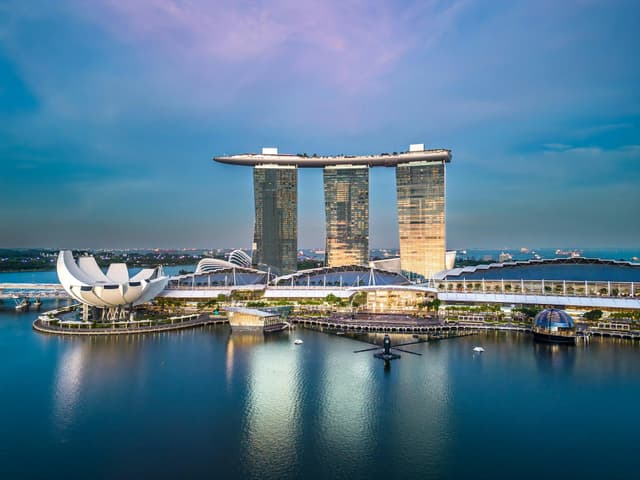
The Formula 1 Singapore Grand Prix is a night race held on the Marina Bay street circuit, usually in September or early October. It is one of the sport's most spectacular events, combining racing under floodlights with major concerts. It is exciting but very busy, and hotels near Marina Bay are pricey and book out far ahead. If you are attending, plan and book early. If you are not, consider travelling on other dates to avoid the crowds and higher prices.
What about the haze season?
Some years, regional land and forest fires create a smoky haze that can affect air quality, typically between August and October. It varies a lot from year to year and often clears within days. If you are sensitive to air quality, check the pollutant standards index before outdoor plans during those months, and keep indoor attractions as a backup. In many years the haze is mild or absent altogether.
When is the least crowded time to visit Singapore?
Singapore is a year round destination, but crowds swell around Chinese New Year, the Formula 1 weekend, the mid-year school holidays and the December festive season. For a quieter experience, target the shoulder weeks in late April, May or early November, and travel midweek where you can. Attractions such as Universal Studios and the zoo are noticeably calmer on weekdays outside school holidays.
What is the best time for families and honeymoons?
Families often travel during the mid-year or year-end school holidays for convenience, accepting busier attractions in exchange for time off. Couples seeking quieter, more romantic conditions do well in February to April, when the weather is at its best and the big events have passed. Whatever the season, Singapore's indoor attractions keep both families and couples happy on rainy afternoons.
What are the average temperatures and rainfall?
Temperatures barely change through the year, but rainfall does. Use this quick seasonal snapshot to set expectations.
| Period | Typical daytime temp | Rainfall level |
|---|---|---|
| February to April | 26 to 32 C | Lower, most comfortable |
| May to August | 27 to 33 C | Moderate, some afternoon rain |
| September to October | 26 to 32 C | Moderate, inter-monsoon storms |
| November to January | 25 to 31 C | Highest, northeast monsoon |
Humidity is high year round, often 70 to 90 percent, which makes the heat feel stronger, so plan breaks in air conditioned spaces.
How many days do you need in Singapore?
Three days is enough to see the highlights, four days lets you add Sentosa, and five days suits a slower pace with gardens and museums. Whatever your dates, plan the outdoor sights for the cooler mornings and keep the afternoons flexible. See our how many days in Singapore guide and the ready made Singapore itinerary for day by day plans.
How should you plan around the weather?
Pack light, breathable clothing, a compact umbrella and sunscreen whatever the month, plus a light layer for heavily air conditioned malls and the MRT. Plan outdoor sights such as Gardens by the Bay, the Botanic Gardens and Sentosa for the morning, and keep indoor options such as museums, the aquarium and shopping ready for afternoon downpours, which usually pass within an hour. Staying flexible is the key to enjoying Singapore in any season.
What should travellers from Nepal and the diaspora know?
There are direct flights from Kathmandu to Singapore of around five hours, which makes it an easy long weekend or a stopover on a wider Asia trip. Because Singapore's weather is warm and stable year round, it does not follow Nepal's seasons, so you can visit around your own holidays such as Dashain and Tihar, though those coincide with Deepavali and busy periods. Nepali passport holders should arrange a Singapore visa in advance, while many diaspora passports enter visa free, and all visitors submit the SG Arrival Card online before arrival.
What can you do in Singapore whatever the weather?
One reason Singapore works in any season is its wealth of indoor attractions. When an afternoon shower rolls in, you are never far from somewhere dry and interesting.
- Wander the cooled Cloud Forest and Flower Dome at Gardens by the Bay.
- Explore the National Gallery, the ArtScience Museum or the National Museum.
- Shop and eat along Orchard Road or in the sprawling malls of Marina Bay.
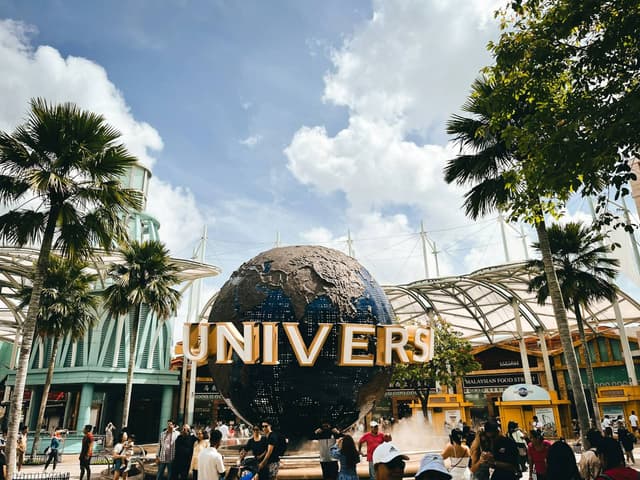
- Visit the Singapore Oceanarium or ride indoors at Universal Studios on Sentosa.
- Graze the hawker centres, which are covered and open in any weather.
For more ideas, see our guide to things to do in Singapore, the best food in Singapore and our Sentosa Island guide.
What is the weather like for outdoor attractions?
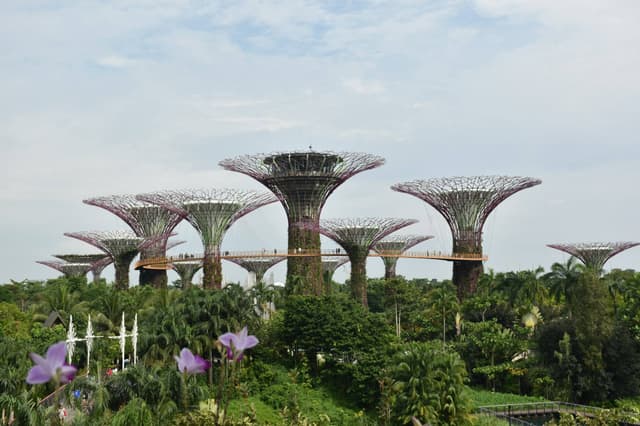
Outdoor highlights such as Gardens by the Bay, the Singapore Botanic Gardens, the zoo and Sentosa's beaches are best enjoyed in the morning, before the midday heat and any afternoon storms. The free evening light shows at Supertree Grove and Marina Bay Sands run year round and are rarely cancelled. In the wetter months, simply front load the outdoor sights and keep indoor plans for later in the day.
How does Singapore's weather compare to nearby destinations?
Singapore's climate is steadier than many of its neighbours. Unlike Thailand or Bali, which have clearer dry and wet seasons, Singapore stays warm and humid with rain possible any month. This makes it a reliable year round stop and an easy pairing with a regional trip, since you can visit whenever suits the rest of your route. If you are combining destinations, plan the other stops around their seasons and slot Singapore in flexibly.
Is Singapore worth visiting during the monsoon?
Yes. Even in the wettest months from November to January, rain tends to fall in short, heavy bursts rather than all day, and the city's indoor attractions, covered walkways and efficient transport keep you moving. The festive lights, year-end sales and New Year fireworks make this season special, and hotels outside the peak holiday dates can be better value. Just pack an umbrella and stay flexible.
What should you pack for Singapore's climate?
Pack for heat, humidity and sudden showers. Bring light, breathable clothing, comfortable walking shoes, sunscreen, a hat and a compact umbrella or rain jacket. Add a light layer for the strongly air conditioned malls, MRT and cinemas, plus a refillable water bottle to stay hydrated. Quick dry fabrics are your friend in the humidity.
How do crowds and prices change through the year?
Demand in Singapore rises around the big events and holidays and eases in between. Prices and crowds peak during Chinese New Year, the Formula 1 weekend, the mid-year school holidays and the December festive season, when hotels near Marina Bay and Orchard Road fill up and rates climb. The calmer, better value weeks tend to fall in late April and May and in early November, and midweek stays almost always beat weekends.
What are the best times for specific experiences?
Some experiences have their own ideal windows. Visit February to April for the most comfortable garden and waterfront weather, June for the Great Singapore Sale, August for National Day fireworks, September for the Grand Prix, and October to December for the festival of lights and holiday displays. Sentosa's beaches and outdoor attractions are best on dry weekday mornings, while the free evening light shows run beautifully all year.
When is the best time for a Singapore stopover?
Because Singapore is warm and reliable year round and Changi Airport is a major hub, it works as a stopover in any season. Even a short layover leaves time for Jewel Changi and its indoor waterfall, and with five or six hours you can reach the city for a quick look at Marina Bay. Our Changi Airport guide covers layovers and transfers.
What are the best and worst months at a glance?
Here is the quick verdict if you just want the headline.
| Category | Best pick |
|---|---|
| Best weather | February to April |
| Best value | Late April, May, early November, midweek |
| Wettest months | November to January |
| Biggest events | Chinese New Year, National Day, Formula 1, December festive |
| Quietest weeks | Shoulder periods outside school holidays |
How do you choose the best time for your trip?
Start with the weather window of February to April for the most comfortable conditions, then weigh events and budget. If a festival or the Grand Prix appeals, plan around it and book early. If value matters most, aim for quieter shoulder weeks and midweek stays. Before you lock in dates, read the essentials in our Singapore travel guide so your plan fits your budget and interests.
To match your dates with events and line up hotels and attractions in one plan, curated Singapore tour packages can bundle the stay and tickets for you.
Frequently asked questions
What is the best time of year to visit Singapore?
February to April is the most comfortable overall, with slightly less rain and pleasant conditions for sightseeing. Singapore is a year round destination thanks to its many indoor attractions.
Does it rain all the time in Singapore?
Rain is common but usually falls as short, heavy afternoon showers rather than all day, so trips run smoothly with a little planning and a few indoor options in reserve.
When is the monsoon in Singapore?
The northeast monsoon runs roughly from December to early March, bringing the wettest weather and the festive season lights. The drier southwest monsoon runs from June to September.
Is the Formula 1 race a good time to visit?
The night race in September is thrilling but busy, and hotels near Marina Bay are pricey and book out. If you are not attending, consider travelling on other dates for lower prices and fewer crowds.
What is the cheapest time to visit Singapore?
Rates tend to dip outside major events and school holidays, so quieter mid-year weeks, parts of November and midweek stays are often better value. Avoid the Grand Prix weekend and the year-end holidays.
Which month is driest in Singapore?
February is often the driest month, and the February to April window is generally the most comfortable. November to January is the wettest during the northeast monsoon.
When is the least crowded time to visit?
The shoulder weeks in late April, May and early November are usually quieter, and weekdays outside school holidays are calmer at attractions such as Universal Studios and the zoo.
Does the haze affect Singapore?
In some years, regional fires cause haze between August and October, though it varies and often clears within days. Check the air quality index during those months and keep indoor plans as a backup.
Is Singapore good to visit in December?
December is wet but very festive, with Orchard Road lights, year-end sales and New Year's Eve fireworks over Marina Bay. Expect rain and holiday crowds, and book ahead.
Do Nepali travellers need a visa for Singapore?
Nepali passport holders need to arrange a Singapore visa in advance, while many diaspora passports enter visa free for short stays. Every visitor must also submit the SG Arrival Card online before arrival.
Is Singapore worth visiting in the rainy season?
Yes. Rain usually falls in short, heavy bursts, and the many indoor attractions, covered walkways and efficient transport keep you moving. The festive months also bring lights, sales and fireworks.
How hot does Singapore get?
Daytime temperatures sit around 25 to 33 degrees Celsius all year, with high humidity that makes it feel warmer. Nights stay warm too, so light clothing and hydration are essential.
Is there a dry season in Singapore?
Not a distinct one. Singapore is warm and humid all year, but February to April is the driest and most comfortable window, while November to January is the wettest.
What is the best time to visit Singapore for families?
Families often travel during the mid-year or year-end school holidays for convenience, accepting busier attractions. For quieter conditions and the best weather, February to April is ideal.
Is Singapore a good year round destination?
Yes. Its warm, stable climate and wealth of indoor attractions mean any month works. February to April offers the best weather, while the festive months bring lights, sales and fireworks.
When are the Christmas lights on in Singapore?
The Orchard Road light displays usually switch on in mid to late November and run through December and into the new year, making the festive season a colourful, if busy, time to visit.
What is the worst time to visit Singapore?
There is no truly bad time, but November to January is the wettest and the Formula 1 and festive periods are the busiest and most expensive. If you want the driest weather and lower prices, avoid those windows.
How far ahead should you book for the Grand Prix?
Book several months ahead. Hotels near the Marina Bay circuit sell out and rates rise sharply, so securing accommodation and race tickets early is essential if you plan to attend in September.
Are there direct flights from Nepal to Singapore?
Yes, there are direct flights from Kathmandu to Singapore of around five hours, which makes it easy to visit around your own holidays or as a stopover on a wider Asia trip.
Is February a good time to visit Singapore?
Yes. February is often the driest month and among the most comfortable, and it usually features Chinese New Year celebrations. Expect slightly higher demand around the holiday itself.
What is the best time to visit for the gardens and outdoor sights?
February to April offers the clearest, most comfortable weather for Gardens by the Bay, the Botanic Gardens and Sentosa. Whatever the month, visit outdoor sights in the morning before the afternoon heat and showers.
Can you visit Singapore year round?
Yes. There is no true off season. The warm, stable climate and many indoor attractions make Singapore a reliable destination in any month, with February to April offering the best conditions.
When should you avoid visiting Singapore for lower prices?
To keep costs down, avoid the Formula 1 weekend in September, Chinese New Year, major conventions and the December year-end holidays, when hotel demand and rates are at their highest across the city.
Does Singapore have a rainy season and a dry season?
Not in the classic sense. It is warm and humid all year with rain possible any month, but the northeast monsoon from November to January is the wettest, while February to April is the driest and most comfortable.
'/%3E%3C/svg%3E)