A Sri Lanka Trip Paced for Families
This 8-day itinerary is built specifically around what works for families traveling with children: gentler cultural stops, close-up elephant encounters at multiple points along the route, and built-in rest after the trip's two longer driving days. Rather than treating the safari day as a single highlight, the itinerary layers elephant experiences throughout, from Pinnawala's orphanage to Udawalawe's wild herds to the Elephant Transit Home, giving children multiple chances to engage with the country's most requested wildlife encounter.
Arrival and an Easy First Day
The trip opens at Bandaranaike International Airport (CMB) with a short transfer to Negombo. Day 1 is left unscheduled beyond check-in, and Day 2's drive to the Cultural Triangle, at roughly four hours, is deliberately treated as enough activity for one day with children, with the afternoon left free by the pool rather than adding sightseeing on top of a long drive.
Sigiriya, Dambulla, and a Village Day
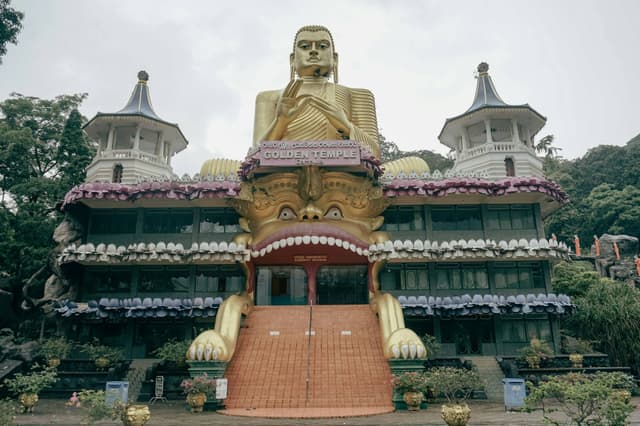
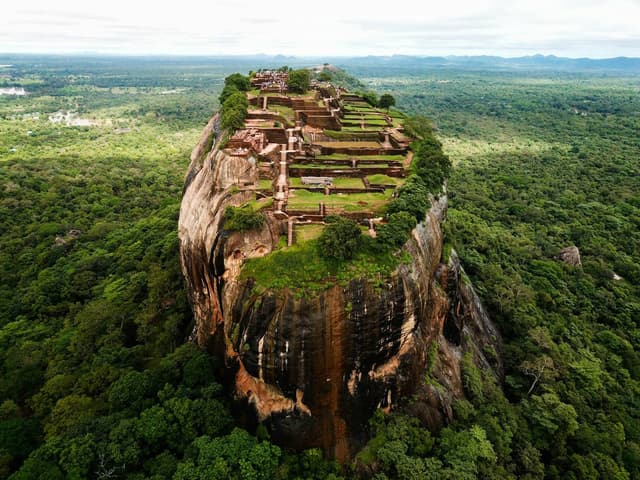
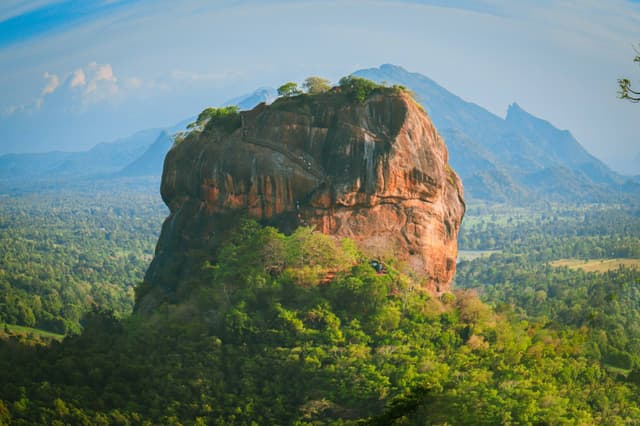
Day 3 opens with an early climb of Sigiriya Rock Fortress, timed to avoid the worst of the heat and crowds, an important consideration for a family climb. Dambulla's painted cave temples follow, with a rest through midday before the afternoon at Hiriwadunna, a village experience built around a bullock cart ride, a catamaran trip on the local lake, and a home-cooked lunch, giving children a hands-on, lower-intensity alternative to another heritage site.
Pinnawala and Kandy
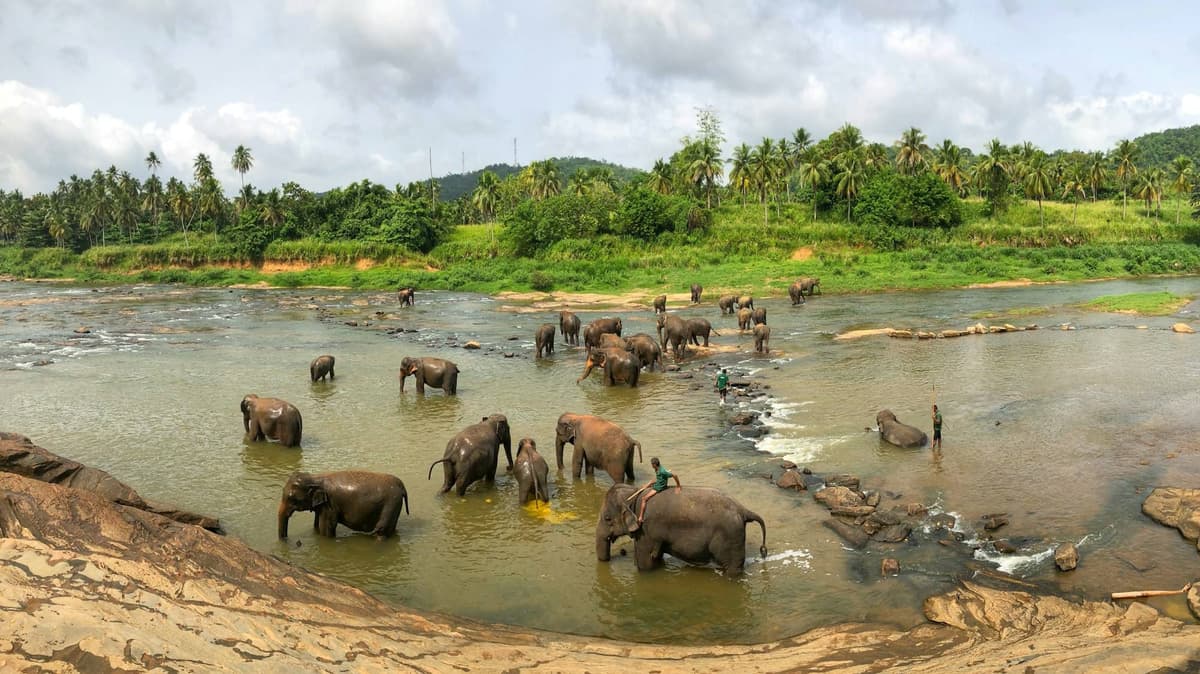
Day 4 covers a stop at the Pinnawala Elephant Orphanage, timed for the bathing hour when the elephants are led to the nearby river, one of the most popular family stops in Sri Lanka and generally a reliable, close-up wildlife encounter. Continuing to Kandy for the evening's Temple of the Sacred Tooth Relic ceremony, followed by a Kandyan dance show, gives the day a cultural close that still holds children's attention through performance rather than a purely historical stop.
The Journey South to Udawalawe
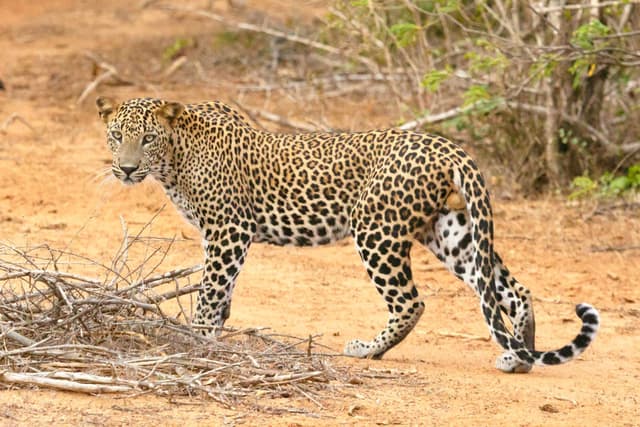
Day 5 covers what the itinerary itself flags as the trip's one long drive, broken up with stops and a lunch break to keep the day manageable. Udawalawe National Park is specifically chosen here over more commonly marketed options like Yala; unlike Yala, which closes annually for maintenance and can draw crowds of jeeps chasing leopard sightings, Udawalawe's large resident elephant population in open grassland makes sightings close to certain, with easier terrain to view across, making it the more dependable choice for a family with a single safari day.
Udawalawe Safari and the Elephant Transit Home
Day 6 opens with a dawn safari, timed for when elephant herds are most active and the light is best for viewing and photography, before returning for breakfast. The Elephant Transit Home, one of the island's most significant elephant rehabilitation centers, offers a feeding session for orphaned elephants being prepared for eventual release back into the wild, adding a conservation-focused stop alongside the wild safari experience. The drive west to Bentota closes the day with a shift to beach time for the trip's final stretch.
Bentota: Beach and Water Activities
Day 7 covers the Madu River mangrove safari, a gentler boat experience well suited to children, followed by an afternoon of watersports including banana boat and tube rides. The Kosgoda turtle hatchery, where visitors can take part in a hatchling release, tends to be a genuine highlight for children given the direct, hands-on nature of the experience, before the final drive to Negombo.
Getting Home
Day 8 is kept simple, with an early breakfast and a short transfer to Bandaranaike International Airport for departure.
Best Time to Visit
December through April offers the most reliable weather across every stop on this itinerary, with calmer coastal conditions for the Bentota watersports and comfortable travel conditions for the Cultural Triangle and Udawalawe legs. Udawalawe itself has good elephant sightings essentially year-round given its resident population, unlike parks that depend more heavily on seasonal migration patterns.
Practical Notes for Nepali Families
Sri Lankan Rupee (LKR) is the local currency. Sun protection matters throughout, particularly for the Sigiriya climb, the Udawalawe safari, and the Bentota beach days. Given how many stops this itinerary includes, packing light and reasonably flexible clothing helps manage the number of hotel changes, and it's worth pacing water intake and rest carefully around the two longer driving days (Day 2 and Day 5) to keep children comfortable.