

Visa for Nepali passport holdersPick a country: what you need, documents, and how our visa desk applies for you.
Kenya tour packages
Showing 2 of 2 packages
News & AlertsNORMALNo disruptions reported for Kenya.Checked 21 Oct 2026, 05:56 NPTView details ↓Hide details ↑
Weather by month
Best time for Nairobi: June to October, December to March — little rain, highs 23–28°C.
- Jan27°15°dry, best month
- Feb28°15°low rain, best month
- Mar28°16°dry, best month
- Apr26°16°medium rain
- May25°15°medium rain
- Jun24°13°low rain, best month
- Jul23°13°dry, best month
- Aug24°13°dry, best month
- Sep26°14°dry, best month
- Oct27°15°low rain, best month, this month
- Nov26°16°heavy rain
- Dec26°16°low rain, best month
Best time for Lake Nakuru: December to March — little rain, highs 26–28°C.
- Jan27°11°dry, best month
- Feb28°12°dry, best month
- Mar28°13°low rain, best month
- Apr26°14°medium rain
- May25°14°medium rain
- Jun24°13°medium rain
- Jul24°13°medium rain
- Aug24°12°medium rain
- Sep25°12°medium rain
- Oct25°12°medium rain, this month
- Nov24°12°medium rain
- Dec26°12°dry, best month
Best time for Lake Naivasha: December to March — little rain, highs 26–28°C.
- Jan27°11°dry, best month
- Feb28°12°dry, best month
- Mar28°13°low rain, best month
- Apr26°14°medium rain
- May25°14°medium rain
- Jun24°13°medium rain
- Jul24°13°medium rain
- Aug24°12°medium rain
- Sep25°12°medium rain
- Oct25°12°medium rain, this month
- Nov24°12°medium rain
- Dec26°12°dry, best month
Best monthNowdryheavy rainHigh / low °C
Weather: 10-year averages, 2015–2024 (NOAA weather stations). News: GDACS, ReliefWeb, GOV.UK travel advice (OGL v3.0) and local sources.Best Time to Visit Kenya →
FAQ
Journey Questions
Written and checked by the Gomayu travel desk, KathmanduUpdated October 2026About this guide
Complete guide
Kenya travel guide
Written and checked by the Gomayu travel desk, KathmanduUpdated October 2026About this guide
Why Kenya is worth the trip
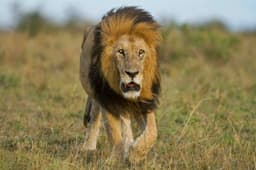
Kenya is worth the trip because the wildlife is genuinely wild and genuinely close. A Kenya tour package from Nepal is normally built around the Maasai Mara National Reserve (often spelt Masai Mara), open grassland where lion, elephant, buffalo, leopard and rhino, the Big Five, live alongside zebra, giraffe and enormous wildebeest herds. You watch from a vehicle, on their schedule, and nothing is staged.
Three things make Kenya work for Nepali families and first time safari travellers. Density is the first: the Mara puts big cats, plains game and river life inside one landscape, so even a short trip delivers. Infrastructure is the second. Nairobi is a major aviation hub, camps and lodges are used to international guests, and the safari industry has been running for decades. The third is variety. You can pair open grassland with flamingo lakes at Lake Nakuru, elephants under Mount Kilimanjaro at Amboseli, and a stretch of Indian Ocean beach at Diani if you want the trip to end slowly.
It also suits how Nepali travellers actually book. A Kenya safari from Nepal tends to be a milestone trip: a parents plus children holiday, a retirement gift, a honeymoon with something more interesting than a beach, or the bucket list item somebody has been putting off for years. The photographs look nothing like Thailand or Dubai, and children who will not sit through a museum will sit for three hours watching a lion.
Be clear about one thing before you commit. Safari means early mornings, dusty roads, long stretches where nothing happens, and then ten minutes you remember for the rest of your life. If that trade sounds good, Kenya is the right choice.
How a Kenya tour package from Nepal works
Every Kenya tour package from Nepal that Gomayu arranges is curated for three groups of travellers: Nepali passport holders flying out of Kathmandu, the Nepali diaspora, and non resident Nepalis (NRNs) booking from Australia, the UK, the US, the Gulf and beyond. Many of our travellers start from Kathmandu, and many book from abroad, so each package is designed to work on any passport and from either starting point.
The process is deliberately simple. Pick your dates first, then keep the route realistic rather than squeezing everything into one holiday. From there the package covers the pieces that are annoying to arrange alone: hotels matched to your budget, airport transfers on both ends, day tours with English speaking guides, and step by step help with whatever visa or entry paperwork your passport needs.
The same structure works for split families. Parents can fly out of Kathmandu while children join from London, Sydney or Doha, everyone meets at the same hotel on arrival day, and each traveller follows the entry rules of their own passport. If that describes your family, mention it when you enquire and the package is built around both starting points from day one.
Do Nepali passport holders need a visa for Kenya?
Nepali passport holders need travel authorisation for Kenya, but not a visa. Kenya abolished visas for every nationality on 1 January 2024 and replaced them with an Electronic Travel Authorisation, the eTA. Since 2025 Kenya has exempted most African nationals from the eTA, but Nepal is not on the exemption list, so every Nepali traveller, including infants and children, must hold an approved eTA before boarding a flight to Nairobi. (Checked at the end of September 2026.)
The Kenya eTA for Nepali citizens, what replaced the visa
The Kenya eTA for Nepali citizens is an online entry approval that replaced the old visa system entirely. There is no embassy appointment, no visa sticker and no passport submission. You apply online, upload your documents, and receive an approval linked to your passport that the airline checks at boarding and immigration checks on arrival.
Only one portal is official: etakenya.go.ke. The government reference page sits at immigration.go.ke/eta. Agent sites that look official and add their own handling charges do exist. Use the official portal, or let Gomayu file the application for you.
How to apply and what you need
Applications open 90 days before travel and must be submitted at least 3 days before departure. Have these ready before you start:
- A passport valid for at least 6 months beyond your arrival date, with a blank page
- A recent photograph, or a selfie taken during the application
- Your home address, phone number and email address
- A return or onward flight itinerary
- Proof of accommodation, or an invitation letter if you are staying with someone
Official guidance says processing takes up to 3 business days, so apply at least a week before you fly. One eTA covers one traveller, which means every member of a family, including children, needs their own approval.
Validity, single entry and the East Africa exception
An approved eTA is valid for 90 days from the date it is issued, and you must enter Kenya inside that window. On arrival, the immigration officer grants a stay of up to 90 days. The eTA is single entry. Leave Kenya and it is spent, with one exception: if you travel only to Burundi, the Democratic Republic of Congo, Rwanda, South Sudan, Tanzania or Uganda and return to Kenya before the authorisation expires, the same eTA still works.
If your trip covers Kenya, Rwanda and Uganda together, look at the East African Tourist Visa instead. It is multi entry across those three countries, valid for 90 days, and cannot be extended.
Yellow fever: the rule that matters is on the way home
Kenya itself asks for yellow fever proof only from travellers aged one and above who arrive from a country with yellow fever risk. Nepal is not one, and nor are the Gulf hubs of Doha, Dubai, Abu Dhabi and Sharjah, so a Gulf routing from Kathmandu does not trigger Kenya's entry rule. An African connection can: Ethiopia, for example, is on the WHO risk list.
The more important point for Nepali travellers is the return. Kenya is itself on the WHO list of countries with yellow fever risk, and Nepal requires proof of yellow fever vaccination from travellers aged nine months and over who arrive from a risk country. India has the same kind of rule and can isolate arriving passengers without proof for up to six days, which matters if you connect through Mumbai or Delhi on the way home. WHO also recommends the vaccine for travellers to most of Kenya, including the Maasai Mara.
In practice, plan to be vaccinated. The certificate becomes valid 10 days after the dose, so have it at least 10 days before you fly, and a single dose is now valid for life, even if an older certificate shows an expiry date. Ask a travel clinic in Kathmandu early about availability, and let your doctor decide if age or health makes the vaccine unsuitable. Gomayu can file the eTA for your whole group and check your routing before you ticket. Message the team on WhatsApp with your nationality and your planned connection.
When is the best time to visit Kenya?
The best time to visit Kenya for wildlife is the dry season, roughly July to October, when the grass is short, animals gather at water and the wildebeest herds are in the Maasai Mara. January and February give a second dry window with clear skies and fewer vehicles. The long rains, April to May, are the hardest period for game drives.
Kenya sits on the equator, so temperature barely changes across the year. Rainfall is what moves, and rainfall is what moves the animals.
| Months | Season | What it means on safari |
|---|---|---|
| January to February | Hot and dry | Excellent general game viewing and clear light for photography. Calving happens in Tanzania, not Kenya. |
| March | Warming, rains building | Green and quiet, fewer vehicles, weather becomes less predictable. |
| April to May | Long rains | The wettest stretch of the year. Tracks soften and game drives get interrupted. |
| June | Drying out | Landscape still green, crowds still low, herds begin arriving from the south. |
| July to September | Dry, peak migration | Highest wildlife concentration and river crossing season. Busiest months and the first to sell out. |
| October | Dry, migration thinning | Herds start moving back towards Tanzania. Game viewing is still strong. |
| November to mid December | Short rains | Short afternoon showers, excellent birdlife, noticeably quieter parks. |
| Late December | Dry, festive peak | Good conditions with high demand across the holiday period. |
One thing to get right before you book. The wildebeest calving season, roughly late January to February, does not happen in Kenya. It happens in the southern Serengeti and the Ndutu plains, in Tanzania. Travellers book Kenya in February expecting newborn herds and end up in the wrong country. If calving is your goal, you need Tanzania.
For Nepali holidays, Dashain (11 to 25 October 2026) falls at the end of the migration season, when herds are starting to move back towards Tanzania but game viewing is still strong. Tihar (7 to 11 November 2026) falls in the short rains, with quieter parks and short afternoon showers. Both are popular travel windows, and Mara camps fill early, so planning a Kenya safari roughly three months ahead is the practical minimum.
How to get to Kenya from Nepal
There is no nonstop flight from Kathmandu to Kenya, so every trip from Nepal connects at least once and lands at Jomo Kenyatta International Airport (NBO) in Nairobi, the arrival point for almost every safari. The usual one-stop routes from Kathmandu run through Doha on Qatar Airways, Dubai on flydubai, Sharjah on Air Arabia, or Mumbai. Which hub suits you depends on where you actually live, and routings through Africa or India carry yellow fever consequences, covered below.
Nairobi NBO as the gateway
Jomo Kenyatta International Airport is East Africa's main hub and the entry point for the Maasai Mara, Amboseli, Lake Nakuru, Lake Naivasha and the coast. Kenya Airways is the national carrier and flies the widest network in and out of Nairobi.
Routing shapes by origin
Nepali travellers are spread across a lot of time zones now, so the sensible routing depends on where you start.
- Kathmandu departures: one stop through the Gulf or India. Qatar Airways via Doha; flydubai, Himalaya Airlines or Nepal Airlines to Dubai, then Emirates, flydubai or Kenya Airways to Nairobi; Air Arabia via Sharjah; Air Arabia Abu Dhabi and Etihad via Abu Dhabi; or via Mumbai. The shortest routings add up to roughly nine to ten hours of flying time plus the connection.
- Gulf residents in Doha, Dubai, Abu Dhabi or Sharjah: the shortest option of anyone, a single hop.
- India connections: Kenya Airways serves Mumbai from Nairobi.
- Southeast Asia: Kenya Airways is the only carrier flying nonstop between Nairobi and Southeast Asia, to Bangkok, roughly three times a week. There is no nonstop Nairobi to Singapore service.
- Australia, including Sydney: no direct service exists. Everything connects through the Gulf, Johannesburg or Southeast Asia.
- United States and Canada: Kenya Airways is the only carrier with a nonstop Nairobi to United States route, to New York JFK. Other North American cities connect via Europe or the Gulf.
- Europe: Kenya Airways, British Airways, KLM, Air France, Lufthansa, Turkish and Swiss all serve Nairobi.
The African transit and yellow fever
Ethiopian Airlines via Addis Ababa is a major feeder into Nairobi and often looks like the neatest connection on paper. Ethiopia is a yellow fever risk country, so arriving in Kenya from Addis Ababa brings Kenya's own yellow fever rule into play. Because you will need the certificate for your return to Nepal anyway, the simplest plan is to be vaccinated at least 10 days before you fly, whichever routing you choose.
Domestic hops to the Mara
Getting from Nairobi into the Maasai Mara is either a road transfer or a light aircraft flight to an airstrip inside the reserve. Flying buys back hours that matter on a short trip. Driving shows you the Rift Valley escarpment on the way. Both Gomayu Kenya packages reach the Mara by road in a private safari vehicle; ask us if you would rather fly, because it changes how many usable game drive hours you get on your arrival day, and light aircraft carry strict baggage limits.
Places to visit in Kenya: the parks worth your days
The places to visit in Kenya that matter most on a first trip are the Maasai Mara for big cats, Amboseli for elephants under Mount Kilimanjaro, Lake Nakuru for rhino and flamingos, Lake Naivasha for boat rides and walking, and Nairobi itself for a half day of elephants and giraffes before you fly home.
Maasai Mara safari, the reserve everything else orbits
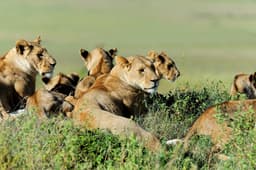
A Maasai Mara safari is the reason most people come to Kenya at all. The Maasai Mara National Reserve is the northern extension of the Serengeti ecosystem, open grassland cut by the Mara River, with resident lion prides, cheetah on the plains, leopard along the tree lines, and elephant and buffalo throughout. Between roughly July and October the wildebeest herds are here and the river crossings happen. Outside those months the resident predators are still resident, which is why the Mara reads well in almost any season. A ring of private conservancies borders the reserve, and choosing between the two is covered further down this page.
Amboseli, elephants with Kilimanjaro behind them
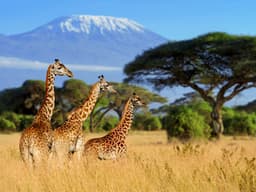
Amboseli is the elephant park, and photographers keep going back for the backdrop. Mount Kilimanjaro rises across the border in Tanzania and, on a clear morning, sits directly behind the herds. Cloud often hides the summit by mid morning, so the good light is early. Amboseli's open, dusty flats also make elephants easy to see and easy to photograph in full family groups.
Lake Nakuru, rhino and flamingos in one stop
Lake Nakuru National Park is a compact, fenced Rift Valley park known for rhino, both black and white, and for the flamingos that give the lake its pink edge. Flamingo numbers rise and fall with the water level and are not guaranteed in any given month. Rothschild's giraffe are another draw. Nakuru pairs well with the Mara precisely because it is a completely different habitat.
Lake Naivasha and Hell's Gate, the part where you leave the vehicle
Lake Naivasha is a freshwater Rift Valley lake with hippo, pelicans and fish eagles, and it is one of the few places on a Kenya trip where you get out and move. A boat ride takes you to Crescent Island, where you walk among zebra, giraffe and antelope because there are no big predators there. Nearby Hell's Gate National Park allows cycling and walking through its gorge and cliff scenery. Families with restless teenagers usually rate this day the highest.
Tsavo East and Tsavo West, scale and red dust
Tsavo is Kenya's vast southeastern wilderness, split into Tsavo East and Tsavo West. Tsavo East is flat and open, famous for red dusted elephants that take their colour from the soil. Tsavo West is greener and more broken, with volcanic hills and springs. Tsavo suits travellers who want space and few other vehicles rather than guaranteed dense sightings, and it sits conveniently between Nairobi and the coast.
Samburu, the dry north and its own species
Samburu, in Kenya's arid north, holds animals you will not see in the Mara at all: Grevy's zebra, reticulated giraffe, the long necked gerenuk, Beisa oryx and Somali ostrich. The Ewaso Ng'iro River draws elephant and predators to its banks. Samburu is a second or third trip destination for most people, or a strong addition for anyone who has already done the Mara once.
Nairobi itself, more than a transit stop
Nairobi is the only capital city in the world with a national park on its edge. Nairobi National Park holds lion, rhino, giraffe and buffalo with office towers on the horizon. Two more stops make an easy half day: the David Sheldrick elephant orphanage, where orphaned calves are hand raised, and the Giraffe Centre, where you feed Rothschild's giraffe from a raised platform. This is the standard way to use an arrival day or a departure day.
Diani Beach and the coast, if you want to slow down
Diani Beach, south of Mombasa, is white sand, warm Indian Ocean water and reef. It is where Kenya trips go to finish. Mombasa adds Swahili old town streets, Fort Jesus and a coastal cuisine that is genuinely its own thing. Adding the coast turns a safari into a two part holiday, and honeymoon couples in particular tend to want that second half.
The Big Five: what you can realistically expect
Lion, elephant and buffalo are usually seen on a Maasai Mara safari, and cheetah is often seen on the open plains. Leopard is shy and seen by some groups, not all. Rhino is the hardest of the Big Five in the Mara; Lake Nakuru National Park, which Kenya Wildlife Service describes as Kenya's first rhino sanctuary with both black and white rhino, gives far better odds. That is one reason our Nakuru package pairs the two parks. Nobody can promise every animal, and an honest guide will not.
National reserve or private conservancy, which should you choose?
The choice comes down to rules and crowds. The Maasai Mara National Reserve is public land run by Narok County, open to any licensed vehicle and to day visitors, so a popular sighting attracts a queue of vehicles. The private conservancies bordering the reserve cap vehicle numbers, allow more, and require you to stay inside them.
| Point | Maasai Mara National Reserve | Private conservancy (Ol Kinyei, Naboisho, Mara North, Olare Motorogi) |
|---|---|---|
| Off road driving | Prohibited | Some permit it with authorisation, which is why sightings can be closer |
| Night game drives | Prohibited | Permitted with authorisation |
| Vehicles at a sighting | Not capped, popular sightings get busy | Capped per sighting |
| Where you stay | Wide choice inside and outside the reserve | Generally you must stay at a camp inside that conservancy |
| Access | Open to any licensed vehicle, day visitors included | Restricted to conservancy guests |
| Entry system | Narok County runs it, separate from Kenya Wildlife Service | Conservancy fee, usually handled by your camp |
| Best for | First trips, and Mara River crossings, which happen inside the reserve | Photographers, repeat visitors, families who want quiet |
Both the reserve and the conservancies charge entry fees, and the two systems are structured differently. On Gomayu's Kenya packages, entry fees for the reserve and the parks named in the itinerary are already included, so there is nothing to pay at the gate.
The practical answer for most first timers: the river crossings and the classic Mara scenery are inside the reserve, so the reserve belongs in the trip. If you have the days, splitting your nights between the reserve and one conservancy gives you both the spectacle and the quiet. Most Kenya packages for Nepali passport holders are built around the reserve, and a conservancy night can usually be added on request. Send Gomayu your dates on WhatsApp and ask for a quote in NPR with and without the conservancy night, then compare.
The Great Migration in the Maasai Mara, honestly
The Great Migration in the Maasai Mara runs from mid to late July, when the herds cross north out of Tanzania, peaks through August and September, and turns around near October when the animals head back south. August is generally the strongest single month. Nobody can promise you a river crossing on a specific date.
Here is what actually happens on the ground. Wildebeest and zebra move with rainfall and grass, not with a calendar. They reach the Mara River, gather on the bank, hesitate, sometimes for hours and sometimes for a whole day, and then go, or turn around and walk away. Guides read the build up and position the vehicle for it. That is the entire skill, and it still fails often.
Two corrections worth having before you book. First, the herds also cross the Sand River and the Talek River, both shallower and far less dramatic than the Mara River footage everyone has seen on television. Second, calving season, roughly late January to February, takes place in the southern Serengeti and the Ndutu plains in Tanzania, not in Kenya. Booking Kenya in February to see newborn herds is a mistake we would rather correct before you pay for anything.
A realistic expectation for a July to September trip: excellent general wildlife, huge herds spread across the plains, heavy predator activity, and a good but not certain chance of witnessing a Mara River crossing. Any operator who guarantees a crossing is selling you something they do not control.
What a safari day actually looks like
A safari day is built around animal behaviour, not yours. Game drives run in the early morning and the late afternoon, because that is when predators move and the light is worth photographing. Parks open at 06:00 and you must be out or back in camp by 18:00, so the shape of the day is fixed for everyone.
The usual rhythm is an early wake up, coffee, out at first light, back mid morning for a full breakfast, rest through the hot middle of the day when the animals are resting too, then out again in the afternoon until the gate hour. Some camps run a full day drive with a packed lunch instead, which covers far more ground and suits people chasing specific sightings.
Vehicles matter more than most people expect. Minivans with a pop up roof are common on shared departures. Four wheel drive Land Cruisers with open sides handle rough ground better and give everyone an unobstructed view. Ask what your package uses and confirm that every passenger gets a window seat. On a photography trip that is the most important question after which park you are visiting.
Accommodation splits into lodges and tented camps. Lodges are permanent buildings with solid walls and usually a pool. Tented camps are canvas on a raised platform with proper beds and an ensuite bathroom, and they put you much closer to the sound of the bush at night. Neither one is roughing it. Families with small children often prefer lodges, couples usually prefer camps.
A hot air balloon safari over the Mara launches at dawn and drifts low across the plains as the sun comes up. It is a popular add on, it books out during migration season, and it has to be reserved well before you arrive rather than arranged at camp.
Park entry, eCitizen and the rules you must follow
Kenya Wildlife Service no longer accepts cash at park gates. National park entry is paid electronically through the eCitizen platform at kwspay.ecitizen.go.ke, by M-Pesa or card, and the system issues a QR coded e-ticket that is scanned at the gate. Screenshot that QR code and keep it available offline, because network coverage at gates is unreliable.
Carry the passport whose details were used to buy the ticket. One important exception: the Maasai Mara National Reserve is run by Narok County, not by Kenya Wildlife Service, so it uses its own separate entry system. On a Gomayu package the team handles all of this, but you should still understand how it works.
The rules inside are enforced, and breaking them can end a game drive early:
- Park hours are 06:00 to 18:00. You must be out of the park or inside your camp by 18:00.
- Night game drives are prohibited inside the Maasai Mara National Reserve and the national parks. Only private conservancies may run them, and only with authorisation.
- Off road driving is prohibited in the National Reserve and the national parks. Some conservancies permit it.
- Drones are banned without written permission from both the reserve or park management and the Kenya Civil Aviation Authority. Assume you are not filming with one.
- The speed limit in the reserve is 50 km/h, and lower in areas with dense wildlife.
- Do not get out of the vehicle except at designated points, do not feed or harass any animal, and take your litter out with you.
What to pack for a safari
Pack light, neutral coloured clothing you can layer. Mornings on the open plains are genuinely cold in an open vehicle, the middle of the day is hot, and fine dust gets into everything you own. Most camps offer a laundry service, so three or four changes of clothing are enough for a week.
- Neutral colours: khaki, olive, beige, grey. Avoid bright white, which shows dust immediately, and avoid dark blue and black, which attract tsetse flies.
- A fleece or warm jacket plus a windproof layer for the early drive, and short sleeves for later in the day.
- A wide brimmed hat, strong sunscreen and sunglasses. Equatorial sun is harsh even when the air feels cool.
- Closed walking shoes. You do not need hiking boots for game drives.
- Binoculars, one pair per person if you can manage it. This changes the trip more than any camera upgrade.
- A camera with real zoom, plus spare batteries and memory cards. Charging in camp can be limited to certain hours.
- Insect repellent, personal medicines in their original packaging, and a small first aid kit.
- A soft duffel bag rather than a hard suitcase if your trip includes a light aircraft flight, which has strict baggage limits.
- A universal adapter for Kenya's three pin square plug, and a power bank for long drive days.
Food, water and health
Food on a Kenya safari is easier than most people expect. Camps and lodges run buffet or set menus with grilled meat, stews, rice, pasta, vegetables, soups and fresh fruit, and international guests are the norm rather than the exception. Drink bottled or filtered water only, including when you brush your teeth.
Vegetarian food is genuinely available and not an afterthought. Kenyan cooking already has a strong vegetarian base: sukuma wiki, which is braised collard greens, githeri of beans and maize, chapati, rice and lentils. Nairobi also has a long established South Asian community, so Indian restaurants are everywhere and many understand no onion no garlic requests. Jain and strict vegetarian travellers should have Gomayu notify the camps in advance, because remote camps order their supplies days ahead and cannot improvise.
On health, Kenya carries malaria risk across much of the country. Speak to a travel doctor before you go about prophylaxis for your specific route, and use repellent and long sleeves at dusk regardless of what you take. For yellow fever, see the section above: plan to be vaccinated, because Nepal asks for the certificate when you fly home from Kenya. UK travel health guidance (NaTHNaC) advises antimalarial tablets for the Maasai Mara, while Nairobi itself is very low risk.
You do not need altitude preparation for a safari the way you would for a trek in Nepal, but the equatorial sun is strong and dehydration creeps up during long drives. Keep water in the vehicle and drink more than you think you need. Bring your regular medicines in their original packaging along with the prescription.
Travel insurance for a Kenya safari
Travel insurance is not part of Gomayu's Kenya packages, and it matters more on safari than on a city holiday. Parks are hours from a major hospital, so choose a policy that covers medical treatment and emergency medical evacuation for every day of the trip, plus flight delays and missed connections, because every routing from Kathmandu connects at least once. Declare any existing health conditions when you buy, especially for elderly parents.
Money, SIM cards and connectivity
Kenya's currency is the Kenyan shilling, KES. Check the shilling to Nepali rupee rate before you travel so you can judge what you are being asked for in markets and craft stalls. Cards work in hotels, lodges and city restaurants, but Kenya runs on mobile money far more than it runs on plastic.
M-Pesa is the mobile money system almost everyone uses, from taxi drivers to small shops, and it is also what the eCitizen park payment system accepts alongside cards. Visitors can use M-Pesa with a local SIM, though most travellers on a package will never need to.
For connectivity, either a local SIM from Safaricom or Airtel, or a travel eSIM loaded before departure, will do the job. Data coverage is good in Nairobi and along the main roads and patchy inside the parks. Camps usually offer wifi in the main lounge area rather than in the rooms, and it is often slow. Download offline maps, your eTA approval and your park QR codes before you leave the city. Tell your bank you are travelling so your cards are not blocked mid trip.
Is Kenya safe for tourists?
Yes, on the standard tourist circuit. This needs saying precisely, because the government advisories look alarming until you check them against a map. The UK and US warnings for Kenya cover the northeastern border regions and parts of the coast, and none of them cover the parks and beaches a Kenya trip for Nepali travellers actually visits.
What the advisories say (checked at the end of September 2026). The UK FCDO advises against all travel to Mandera County, parts of Wajir and Garissa counties, Lamu County apart from Lamu Island and Manda Island, and all areas within 60 km of the Kenya to Somalia border, and against all but essential travel to a few further areas near the Tana River and the north coast. The US State Department rates Kenya overall as Level 2, Exercise Increased Caution, with Do Not Travel areas in the north-eastern and northern border counties, parts of the north coast, parts of the far north-west, and some Nairobi neighbourhoods away from the tourist areas.
Now the balance. The Maasai Mara, Nairobi, Lake Nakuru, Lake Naivasha, Amboseli, Tsavo and Diani Beach all sit outside those zones. Lamu Island can still be visited, but you should fly into Lamu Airport rather than drive there.
The realistic risks are ordinary ones. Petty theft and mugging occur in Nairobi and Mombasa, so do not walk at night, do not carry visible valuables, and use transport arranged by your hotel. Protests occasionally disrupt the Nairobi central business district, so avoid crowds and demonstrations completely. Road safety on intercity driving is a genuine risk, which is one good reason to travel with a driver guide instead of self driving. Inside camps and on game drives you are with professional guides, and families with young children do this trip every week of the year.
How many days do you need, and how to plan yours
Seven days is the practical minimum, which is why a Kenya tour package from Nepal is usually built as a seven day trip. That covers two long international travel days at either end and still leaves enough nights in the parks for the wildlife to show up. Fewer nights and you spend most of the holiday in transit.
Gomayu runs two Kenya routings. One covers Nairobi, the Maasai Mara and Lake Nakuru, pairing big cat country with a Rift Valley lake and rhino. The other covers Nairobi, the Maasai Mara and Lake Naivasha, which trades the rhino park for boat rides and walking on Crescent Island. Families with restless children usually prefer the Naivasha version. Wildlife photographers usually prefer Nakuru.
Ten days or more lets you add Amboseli for Kilimanjaro views, a conservancy night for quieter sightings, or a few days at Diani Beach to finish slowly. Anything that includes Samburu or Tsavo needs longer again.
Book earlier than feels necessary. Migration season and the Dashain and Tihar window are the two periods when Mara camps fill first, and roughly three months ahead is the sensible target. Send Gomayu your dates, your group size, and say if you want reserve or conservancy nights, and you will get an honest recommendation and a quote in NPR. WhatsApp is the fastest way to reach the team. Gomayu Holidays is operated by Zeta Tours and Travels Pvt. Ltd., with a registered office in Nepal and a phone number that a person answers.
What a Kenya package includes, and what changes the price
Both Gomayu Kenya packages are land packages running Nairobi to Nairobi. They include hotels in Nairobi and safari lodges on twin or double sharing, meals as named in the itinerary, airport pickup and drop, a private safari vehicle with a driver who is also your guide, game drives and transfers as per the itinerary, and park entry and permits for the parks named. International flights, the Kenya eTA, travel insurance, the hot air balloon and tips are not included.
The price moves mainly with group size, because the vehicle and guide are shared across the group, and with season, lodge choice and any conservancy night or fly-in you add. International fares from Kathmandu change daily and are quoted separately. The live prices are in the first question of the FAQ on this page and on each package card, and our Kenya safari cost guide explains the budget in more detail.
Best Kenya tour packages from Nepal
To summarise, these are the most popular Kenya tour packages from Nepal that we arrange for Nepali travellers and the Nepali diaspora:
All destination
Explore more destinations
Search Tours or Places
Search Tours or Places