












































+977-9709047652
Explore by Country
See all 22 Thailand packages
Most popular pick
See all 22 Thailand packages →
See all 11 Vietnam packages
Most popular pick
See all 11 Vietnam packages →
See all 10 Indonesia (Bali) packages
Most popular pick
See all 10 Indonesia (Bali) packages →
See all 7 Maldives packages
Most popular pick
See all 7 Maldives packages →
See all 10 China packages
Most popular pick
See all 10 China packages →
See all 13 Sri Lanka packages
Most popular pick
See all 13 Sri Lanka packages →
See all 9 Malaysia packages
Most popular pick
See all 9 Malaysia packages →
See all 8 Singapore packages
Most popular pick
See all 8 Singapore packages →
See all 2 Kenya packages
Most popular pick
See all 2 Kenya packages →
See all 16 India packages
Most popular pick
See all 16 India packages →
See all 3 Dubai packages
Most popular pick
See all 3 Dubai packages →
See all 7 Nepal packages
Most popular pick
See all 7 Nepal packages →
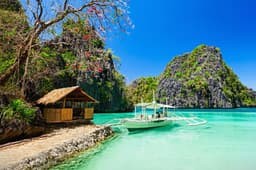
See all 6 Philippines packages
Most popular pick
See all 6 Philippines packages →

Char Dham Yatra Package from Nepal

11Days
Starts & ends in Delhi
WishlistPDF
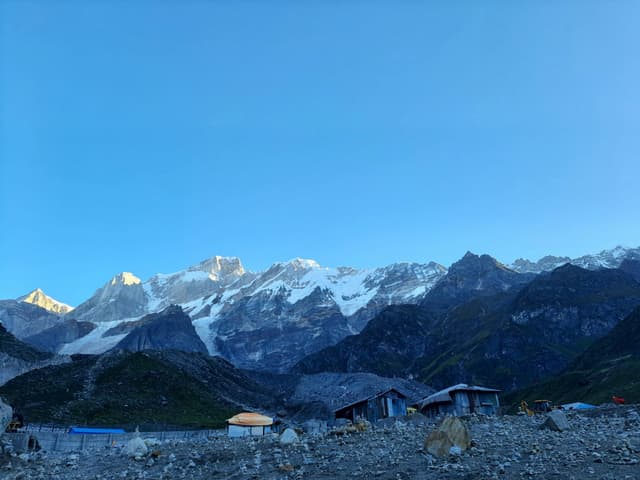
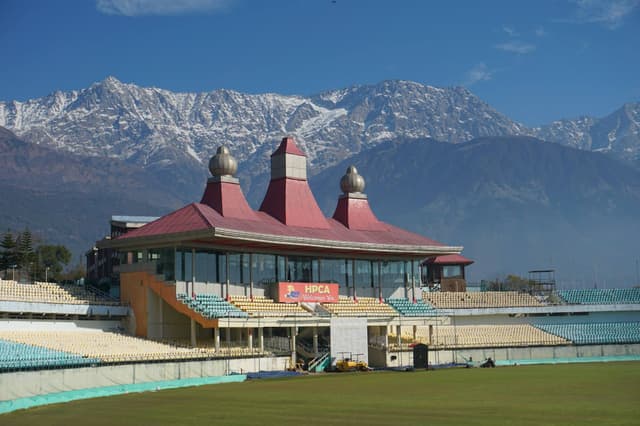
Char Dham Yatra Package from Nepal — photo 1
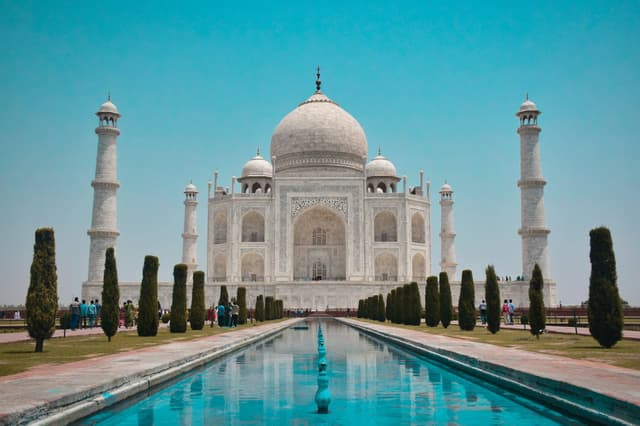
Char Dham Yatra Package from Nepal — photo 2
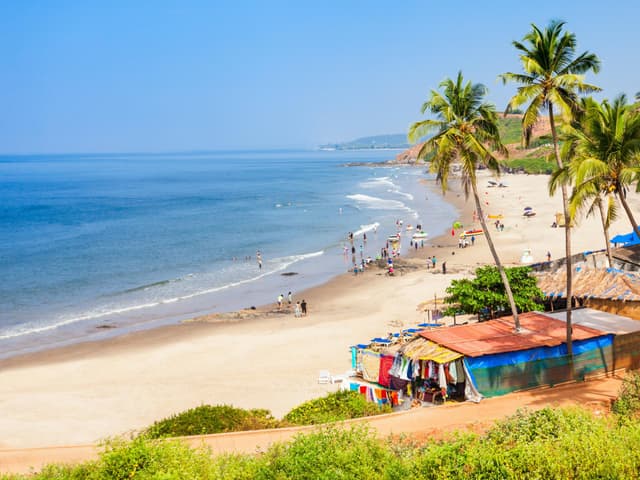
Char Dham Yatra Package from Nepal — photo 3
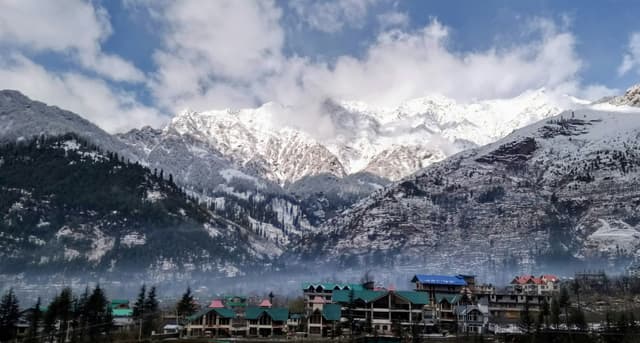
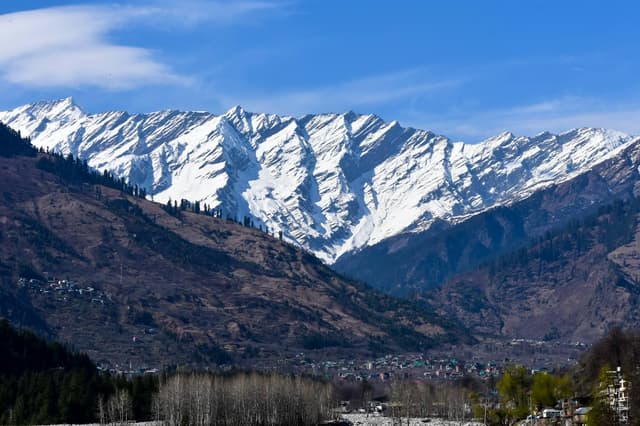
Char Dham Yatra Package from Nepal — photo 4
4.9 / 5google rating3,000+travellers / yr
News & AlertsNORMALNo disruptions reported for Haridwar & Rishikesh, Kedarnath & Badrinath.Checked 21 Oct 2026, 05:56 NPTView details ↓Hide details ↑

We don't have a 10-year weather-station record near Haridwar & Rishikesh, Kedarnath & Badrinath, so there is no month-by-month table for this trip.

News: GDACS, ReliefWeb, GOV.UK travel advice (OGL v3.0) and local sources.Best Time to Visit India →

Pricing
✓ Tour✕ Visa✕ Flights
Group sizePrice / person
2 paxNRs 84,500 /person
3-7 paxNRs 81,800 /person
8-13 paxNRs 79,500 /person
14+ paxNRs 76,900 /person
Per person, land package onlyWhat's included
News & AlertsNORMALNo disruptions reported for Haridwar & Rishikesh, Kedarnath & Badrinath.Checked 21 Oct 2026, 05:56 NPTView details ↓Hide details ↑

We don't have a 10-year weather-station record near Haridwar & Rishikesh, Kedarnath & Badrinath, so there is no month-by-month table for this trip.

News: GDACS, ReliefWeb, GOV.UK travel advice (OGL v3.0) and local sources.Best Time to Visit India →

Overview

Overview

An 11-day pilgrimage covering all four Char Dham shrines in Uttarakhand, starting and ending in Delhi. Yamunotri and Kedarnath involve real mountain treks; Gangotri and Badrinath are reached by road.

Registration with Uttarakhand tourism is required, and Gomayu handles it for you. Best late April to June or mid September to early November.

Delhi
Starts at
Delhi
Ends at
Late Apr to Jun, mid Sep to early Nov
Season
Highlights

Trip highlights

✓Darshan at all four shrines: Yamunotri, Gangotri, Kedarnath and Badrinath
✓Ganga Aarti at Har Ki Pauri in Haridwar
✓The 6km trek to Yamunotri from Janki Chatti, with pony and palki available
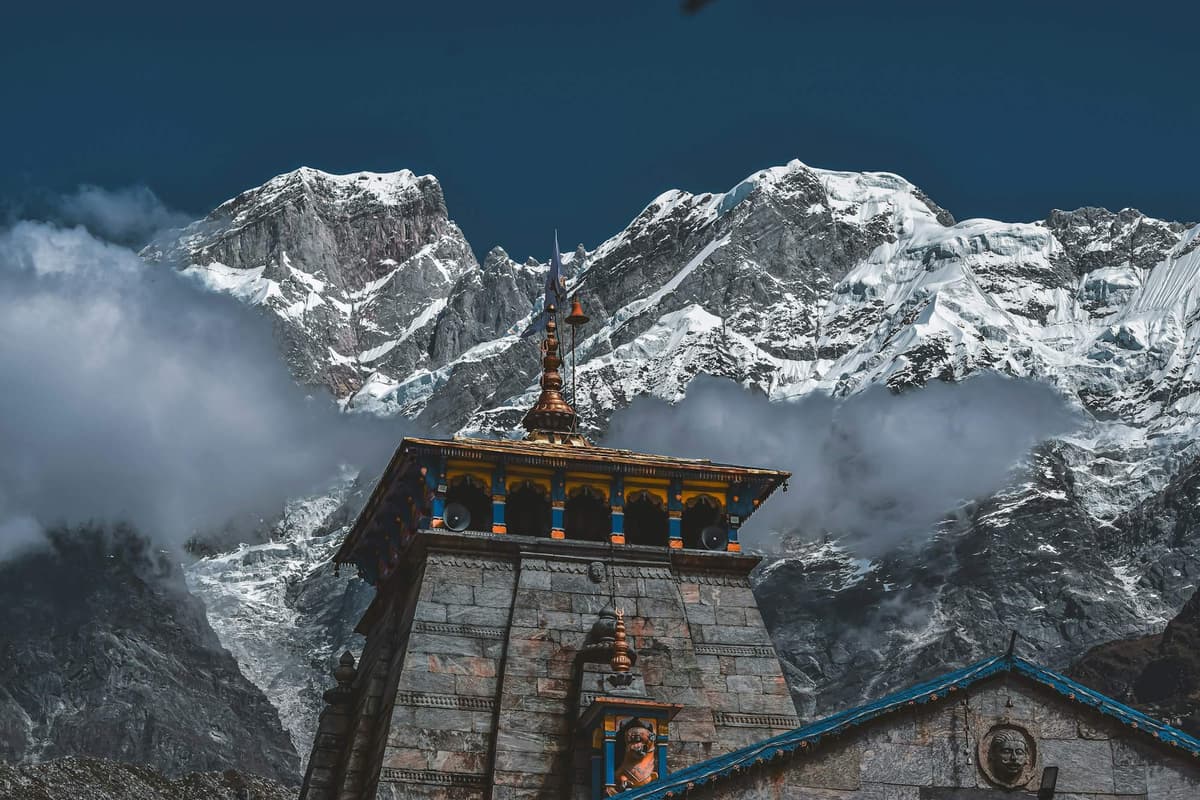
✓The 16km trek to Kedarnath Temple at 3,583m
✓Tapt Kund hot spring below Badrinath Temple
✓Compulsory Uttarakhand yatra registration handled for you
Itinerary

Day-by-day itinerary

Everything below is fully customizable. Add nights, swap activities, or change hotels.

Day1 Arrival in Delhi
  • Arrive at Indira Gandhi International Airport and meet our representative.
  • Transfer to your hotel in Delhi and check in.
  • Rest of the day free. We confirm your yatra registration before you travel up.
MealsNot includedAccommodationHotel
Day2 Delhi to Haridwar
  • Breakfast and check out, then drive to Haridwar, about 220km and five to six hours.
  • Check in and rest in the afternoon.
  • Evening Ganga Aarti at Har Ki Pauri.
MealsBreakfastAccommodationHotel
Day3 Haridwar to Janki Chatti
  • Early breakfast and check out.
  • Drive towards the Yamunotri base at Janki Chatti, about 220km and seven to eight hours on mountain road.
  • Health screening kiosks operate on the route; anyone over 50 is checked.
  • Check in and rest early, ready for the trek.
MealsBreakfast, DinnerAccommodationHotel or guest house
Day4 Yamunotri Temple Darshan
  • Early start. Trek 6km each way from Janki Chatti to Yamunotri Temple at 3,293m.
  • Pony, palki and kandi are available, booked at the government prepaid counter at Janki Chatti.
  • Darshan at the temple. Rice and potatoes are cooked as prasad by dipping them in Surya Kund, which is near boiling and is not for bathing.
  • The ritual bath is taken in the separate cold water kund.
  • Trek back down to Janki Chatti.
MealsBreakfast, DinnerAccommodationHotel or guest house
Day5 Janki Chatti to Gangotri
  • Breakfast and check out.
  • Drive to Gangotri, about 200km and six to seven hours.
  • Gangotri Temple sits at 3,100m on the Bhagirathi.
  • Check in and rest.
MealsBreakfast, DinnerAccommodationHotel or guest house
Day6 Gangotri Temple Darshan
  • Morning darshan at Gangotri Temple.
  • Visit Kedar Ganga Sangam and Bhagirath Shila nearby.
  • Afternoon at leisure. This day also serves as acclimatisation before Kedarnath.
MealsBreakfast, DinnerAccommodationHotel or guest house
Day7 Gangotri to Guptkashi or Phata
  • Breakfast and check out.
  • Long drive of about 250km, seven to eight hours, to the Kedarnath road head.
  • Overnight at Guptkashi or Phata, which is also the acclimatisation stop before the climb.
MealsBreakfast, DinnerAccommodationHotel
Day8 Kedarnath Darshan
  • Very early drive to Sonprayag. Private vehicles stop here; a government shuttle covers the 5km to Gaurikund.
  • Trek 16km from Gaurikund to Kedarnath Temple at 3,583m. Pony, palki and kandi are booked at the prepaid counter, and the queue starts around four in the morning.
  • Helicopter from Phata or Guptkashi is available as an upgrade, booked only through the official IRCTC portal, and it is grounded in poor weather.
  • Mobile phones are banned inside the temple premises. Photography is allowed only from a marked point about 80m away. Lockers are available.
MealsBreakfast, DinnerAccommodationHotel
Day9 To Badrinath
  • Breakfast and check out.
  • Drive to Badrinath via Joshimath, about 220km and seven to eight hours.
  • Badrinath Temple sits at 3,133m.
  • Check in and rest.
MealsBreakfast, DinnerAccommodationHotel
Day10 Badrinath Darshan and Drive to Srinagar
  • Early morning bath at Tapt Kund, then darshan at Badrinath Temple.
  • Visit Mana village, the last village before the border.
  • Drive down to Srinagar or Rudraprayag, about 190km. We break the descent here rather than pushing to Haridwar, because night driving is restricted on these roads.
MealsBreakfast, DinnerAccommodationHotel
Day11 Srinagar to Haridwar and Delhi
  • Breakfast and check out, then drive down through Rishikesh to Haridwar and on to Delhi.
  • Drop at Indira Gandhi International Airport as per your flight schedule.
MealsBreakfastAccommodationNot included
Package pricing

Package pricing

The more travellers in your group, the lower the price per person.

From
NRs 81,800 /person
✓ Tour✕ Visa✕ Flights
Group sizePrice / person
2 paxNRs 84,500 /person
3-7 paxNRs 81,800 /person
8-13 paxNRs 79,500 /person
14+ paxNRs 76,900 /person

Prices are per person, land package only. International flights are billed separately, and we arrange them on request.

Inclusions

What's included

ItemsThis package
Accommodation on twin sharingIncluded
Breakfast daily and dinner on the hill daysIncluded
All transfers and mountain transport by private vehicleIncluded
Driver cum guideIncluded
Uttarakhand Char Dham yatra registration for every travellerIncluded
Temple darshan assistanceIncluded
International flights to and from DelhiNot included
VisaNot needed
Travel and medical insurance, which should include emergency evacuationNot included
Pony, palki, kandi and porter chargesNot included
Kedarnath helicopter ticketsNot included
Sonprayag to Gaurikund shuttleNot included
Special or VIP darshan ticketsNot included
Anything caused by landslide, road closure or weather suspensionNot included
Optional activities not in the itineraryNot included
Tips for guides and driversNot included
Beverages, donations and personal expensesNot included

Anything not listed here is not included.

Good to know

Good to know

Check your visa before you book flights.

Visa for IndiaFor Nepali passport holders: who needs a visa, fees and documentsIndia visa →
FAQ

Good to know

Send an enquiry from this page or contact our team by phone, WhatsApp or email with your travel dates, the number of travellers and their ages. We reply with availability and a written quotation, at no cost.
Complete guide

Complete travel guide

The Char Dham is not a sightseeing trip. Four shrines between 3,100 and 3,583 metres, two of them reached only on foot, on roads that close without warning. Nepali pilgrims make this journey every year and most of them come home tired and happy. The ones who get into trouble are almost always the ones who arrived unprepared for the altitude. This guide is written with that in mind.

Registration is compulsory, and it is free

You cannot take darshan at any of the four shrines without an Uttarakhand yatra registration. It is issued by the state tourism board, it costs nothing, and it carries a unique number that is also required before the helicopter portal will accept a booking.

Counters exist at Haridwar, Rishikesh, Barkot, Sonprayag and Pandukeshwar, so it can be done on arrival, but in peak season that means queuing. We register every traveller in your group before you leave. Registration also feeds the GPS tracking the state uses on the routes, and Kedarnath added RFID in 2026.

Health: the part that actually matters

This is the section to read twice.

Altitude sickness becomes a genuine risk above 2,500 metres, and Kedarnath sits at 3,583. Roughly a quarter to a third of people who ascend into this range feel it to some degree. At Kedarnath every breath carries about a third less oxygen than at sea level.

But the bigger killer on this yatra is not altitude sickness. It is cardiac. 152 pilgrims died in the first 47 days of the 2026 season, 246 across 2024, and the great majority were over 55 with existing heart disease, diabetes or high blood pressure. The state now runs mandatory health screening for everyone over 50 at kiosks at Sitapur, Sonprayag and Gaurikund, checking blood pressure, oxygen saturation and pulse, and a medical check before departure is compulsory if you are over 55 or have a cardiac, hypertension, asthma or diabetes history.

Three things we ask of you. Get the check done in Kathmandu before you book, not at the kiosk. Tell us honestly about any heart or breathing condition, because it changes which itinerary we recommend. And buy travel insurance that includes emergency evacuation, because Nepal's Swasthya Bima pays nothing in India and Indian private hospitals ask foreign nationals for an upfront deposit.

Our eleven day version is built with acclimatisation in it. The Gangotri day and the night at Guptkashi both sit at moderate altitude before the Kedarnath climb, which is exactly what the state advisory asks for. Shorter itineraries skip that.

The treks, honestly measured

Yamunotri is 6 kilometres each way from Janki Chatti, roughly five to seven hours round trip. Kedarnath is 16 kilometres each way from Gaurikund on the trail realigned after 2013. Older listings still say 14, 19 or 21 kilometres; those are the pre-2013 route.

You do not have to walk. Pony, palki and kandi are available on both, but they are booked only at the government prepaid counters, never online and never through a middleman, and at Gaurikund the queue forms around four in the morning. At Kedarnath expect roughly 3,000 to 4,500 rupees for a pony one way and 8,000 to 12,000 for a palki. Yamunotri is far cheaper.

One detail that catches people at Kedarnath: private vehicles stop at Sonprayag. A government shuttle covers the last 5 kilometres to Gaurikund and it is compulsory, not optional.

The helicopter, and what it cannot promise

Helicopters run to Kedarnath from Phata, Guptkashi and Sirsi. The only official booking channel is the IRCTC heliyatra portal; everything else is a reseller at a markup, and your yatra registration number is needed to book.

Be realistic about reliability. Services are grounded whenever the weather closes in, and in 2026 they were grounded outright during the monsoon suspension. After two incidents in June 2025 the rules were tightened with a two pilot requirement and live tracking. It is a good option for someone who cannot walk 16 kilometres. It is not a guarantee, and we will not sell it as one.

Surya Kund is for cooking, not bathing

Worth saying plainly because it is widely written wrong. Surya Kund at Yamunotri runs at up to 88 degrees. Nobody bathes in it. Pilgrims tie rice or potatoes in a cloth and dip them in to cook as prasad, which is then offered at the temple. The ritual bath is taken in the separate cold water kund, or in the Yamuna itself. If any page tells you to bathe in Surya Kund, it is telling you to step into near boiling water.

Kedarnath: no phones inside

Since the 2026 season opening there is a complete ban on mobile phones inside the Kedarnath temple premises. Not just no photography, no phones at all. Photographs are permitted from a marked point about 80 metres from the temple, and lockers are available nearby for phones, wallets and valuables. Bring modest clothing; the dress code is enforced.

Season, and why we do not run in July or August

The temples open on Akshaya Tritiya and close around Diwali. In 2026 they opened between 19 and 23 April and close between 10 and 13 November. The 2027 dates are announced around Maha Shivratri, so nobody can publish them yet.

The monsoon break is a safety decision, not a religious one. The shrines stay open through July and August, but the yatra itself is repeatedly suspended. That is not a rain caveat. The 2013 Kedarnath disaster killed thousands; the yatra was halted by landslides in July 2025; and in 2026 routes were blocked at Patalganga and Tangni with helicopters grounded under red alerts and rivers near warning level. We do not operate those months.

So: late April to June, and mid September to early November. May, June and late September to October are the best of it.

Night driving, and why we break the descent

Uttarakhand restricts night movement on hill roads, generally from around seven or eight in the evening. Many operators sell a Badrinath to Haridwar day of 320 kilometres and ten to twelve hours. Do the arithmetic: morning darshan finishes around nine, so you either lose the darshan, or you are on the Devprayag switchbacks after dark, or you get stopped at a barrier.

We break that leg with a night at Srinagar or Rudraprayag instead. It costs a night and it removes the single most dangerous stretch of the itinerary.

Getting there, and what to carry

Nepali citizens need no visa for India. What you need is an original document: a Nepalese passport, citizenship certificate or Election Commission voter ID. Photocopies are not accepted at airline check in. We recommend the passport, because the name matches your ticket cleanly.

On money: notes of 100 rupees and below can be carried without limit, and notes above 100 up to 25,000 rupees per person in either direction. Do not accept a 2000 rupee note in change; it is technically still legal tender but shops refuse it and ordinary banks no longer exchange it.

Pack for cold. Even in June, mornings at Kedarnath and Badrinath are near freezing. Warm layers, a windproof outer, gloves, a cap, broken in shoes with grip, a walking stick, a torch, and any regular medication in its original packaging with a prescription.

Who this trip suits

Pilgrims who want all four shrines and are honest with themselves about fitness. There is a 6 kilometre trek and a 16 kilometre trek in it, long mountain drives most days, and cold at altitude. It is entirely doable for a reasonably fit person in their sixties who takes the pony where needed. It is not doable for someone with unmanaged heart disease, and we would rather tell you that before you pay than at Sonprayag. If eleven days is too long, our five day Do Dham covers Kedarnath and Badrinath, though it gives you less acclimatisation.

See the full India tour package from Nepal range for other durations and budgets.

Char Dham Yatra Package from Nepal

11Days
Starts & ends in Delhi
Char Dham Yatra Package from Nepal — photo 1
Char Dham Yatra Package from Nepal — photo 2
Char Dham Yatra Package from Nepal — photo 3
Char Dham Yatra Package from Nepal — photo 4
WishlistPDF
4.9 / 5google rating3,000+travellers / yr
News & AlertsNORMALNo disruptions reported for Haridwar & Rishikesh, Kedarnath & Badrinath.Checked 21 Oct 2026, 05:56 NPTView details ↓Hide details ↑

We don't have a 10-year weather-station record near Haridwar & Rishikesh, Kedarnath & Badrinath, so there is no month-by-month table for this trip.

News: GDACS, ReliefWeb, GOV.UK travel advice (OGL v3.0) and local sources.Best Time to Visit India →

Overview

Overview

An 11-day pilgrimage covering all four Char Dham shrines in Uttarakhand, starting and ending in Delhi. Yamunotri and Kedarnath involve real mountain treks; Gangotri and Badrinath are reached by road.

Registration with Uttarakhand tourism is required, and Gomayu handles it for you. Best late April to June or mid September to early November.

Delhi
Starts at
Delhi
Ends at
Late Apr to Jun, mid Sep to early Nov
Season
Highlights

Trip highlights

✓Darshan at all four shrines: Yamunotri, Gangotri, Kedarnath and Badrinath
✓Ganga Aarti at Har Ki Pauri in Haridwar
✓The 6km trek to Yamunotri from Janki Chatti, with pony and palki available
✓The 16km trek to Kedarnath Temple at 3,583m
✓Tapt Kund hot spring below Badrinath Temple
✓Compulsory Uttarakhand yatra registration handled for you
Itinerary

Day-by-day itinerary

Everything below is fully customizable. Add nights, swap activities, or change hotels.

Day1 Arrival in Delhi
  • Arrive at Indira Gandhi International Airport and meet our representative.
  • Transfer to your hotel in Delhi and check in.
  • Rest of the day free. We confirm your yatra registration before you travel up.
MealsNot includedAccommodationHotel
Day2 Delhi to Haridwar
  • Breakfast and check out, then drive to Haridwar, about 220km and five to six hours.
  • Check in and rest in the afternoon.
  • Evening Ganga Aarti at Har Ki Pauri.
MealsBreakfastAccommodationHotel
Day3 Haridwar to Janki Chatti
  • Early breakfast and check out.
  • Drive towards the Yamunotri base at Janki Chatti, about 220km and seven to eight hours on mountain road.
  • Health screening kiosks operate on the route; anyone over 50 is checked.
  • Check in and rest early, ready for the trek.
MealsBreakfast, DinnerAccommodationHotel or guest house
Day4 Yamunotri Temple Darshan
  • Early start. Trek 6km each way from Janki Chatti to Yamunotri Temple at 3,293m.
  • Pony, palki and kandi are available, booked at the government prepaid counter at Janki Chatti.
  • Darshan at the temple. Rice and potatoes are cooked as prasad by dipping them in Surya Kund, which is near boiling and is not for bathing.
  • The ritual bath is taken in the separate cold water kund.
  • Trek back down to Janki Chatti.
MealsBreakfast, DinnerAccommodationHotel or guest house
Day5 Janki Chatti to Gangotri
  • Breakfast and check out.
  • Drive to Gangotri, about 200km and six to seven hours.
  • Gangotri Temple sits at 3,100m on the Bhagirathi.
  • Check in and rest.
MealsBreakfast, DinnerAccommodationHotel or guest house
Day6 Gangotri Temple Darshan
  • Morning darshan at Gangotri Temple.
  • Visit Kedar Ganga Sangam and Bhagirath Shila nearby.
  • Afternoon at leisure. This day also serves as acclimatisation before Kedarnath.
MealsBreakfast, DinnerAccommodationHotel or guest house
Day7 Gangotri to Guptkashi or Phata
  • Breakfast and check out.
  • Long drive of about 250km, seven to eight hours, to the Kedarnath road head.
  • Overnight at Guptkashi or Phata, which is also the acclimatisation stop before the climb.
MealsBreakfast, DinnerAccommodationHotel
Day8 Kedarnath Darshan
  • Very early drive to Sonprayag. Private vehicles stop here; a government shuttle covers the 5km to Gaurikund.
  • Trek 16km from Gaurikund to Kedarnath Temple at 3,583m. Pony, palki and kandi are booked at the prepaid counter, and the queue starts around four in the morning.
  • Helicopter from Phata or Guptkashi is available as an upgrade, booked only through the official IRCTC portal, and it is grounded in poor weather.
  • Mobile phones are banned inside the temple premises. Photography is allowed only from a marked point about 80m away. Lockers are available.
MealsBreakfast, DinnerAccommodationHotel
Day9 To Badrinath
  • Breakfast and check out.
  • Drive to Badrinath via Joshimath, about 220km and seven to eight hours.
  • Badrinath Temple sits at 3,133m.
  • Check in and rest.
MealsBreakfast, DinnerAccommodationHotel
Day10 Badrinath Darshan and Drive to Srinagar
  • Early morning bath at Tapt Kund, then darshan at Badrinath Temple.
  • Visit Mana village, the last village before the border.
  • Drive down to Srinagar or Rudraprayag, about 190km. We break the descent here rather than pushing to Haridwar, because night driving is restricted on these roads.
MealsBreakfast, DinnerAccommodationHotel
Day11 Srinagar to Haridwar and Delhi
  • Breakfast and check out, then drive down through Rishikesh to Haridwar and on to Delhi.
  • Drop at Indira Gandhi International Airport as per your flight schedule.
MealsBreakfastAccommodationNot included
Package pricing

Package pricing

The more travellers in your group, the lower the price per person.

From
NRs 81,800 /person
✓ Tour✕ Visa✕ Flights
Group sizePrice / person
2 paxNRs 84,500 /person
3-7 paxNRs 81,800 /person
8-13 paxNRs 79,500 /person
14+ paxNRs 76,900 /person

Prices are per person, land package only. International flights are billed separately, and we arrange them on request.

Inclusions

What's included

ItemsThis package
Accommodation on twin sharingIncluded
Breakfast daily and dinner on the hill daysIncluded
All transfers and mountain transport by private vehicleIncluded
Driver cum guideIncluded
Uttarakhand Char Dham yatra registration for every travellerIncluded
Temple darshan assistanceIncluded
International flights to and from DelhiNot included
VisaNot needed
Travel and medical insurance, which should include emergency evacuationNot included
Pony, palki, kandi and porter chargesNot included
Kedarnath helicopter ticketsNot included
Sonprayag to Gaurikund shuttleNot included
Special or VIP darshan ticketsNot included
Anything caused by landslide, road closure or weather suspensionNot included
Optional activities not in the itineraryNot included
Tips for guides and driversNot included
Beverages, donations and personal expensesNot included

Anything not listed here is not included.

Good to know

Good to know

Check your visa before you book flights.

Visa for IndiaFor Nepali passport holders: who needs a visa, fees and documentsIndia visa →
FAQ

Good to know

Send an enquiry from this page or contact our team by phone, WhatsApp or email with your travel dates, the number of travellers and their ages. We reply with availability and a written quotation, at no cost.
Complete guide

Complete travel guide

The Char Dham is not a sightseeing trip. Four shrines between 3,100 and 3,583 metres, two of them reached only on foot, on roads that close without warning. Nepali pilgrims make this journey every year and most of them come home tired and happy. The ones who get into trouble are almost always the ones who arrived unprepared for the altitude. This guide is written with that in mind.

Registration is compulsory, and it is free

You cannot take darshan at any of the four shrines without an Uttarakhand yatra registration. It is issued by the state tourism board, it costs nothing, and it carries a unique number that is also required before the helicopter portal will accept a booking.

Counters exist at Haridwar, Rishikesh, Barkot, Sonprayag and Pandukeshwar, so it can be done on arrival, but in peak season that means queuing. We register every traveller in your group before you leave. Registration also feeds the GPS tracking the state uses on the routes, and Kedarnath added RFID in 2026.

Health: the part that actually matters

This is the section to read twice.

Altitude sickness becomes a genuine risk above 2,500 metres, and Kedarnath sits at 3,583. Roughly a quarter to a third of people who ascend into this range feel it to some degree. At Kedarnath every breath carries about a third less oxygen than at sea level.

But the bigger killer on this yatra is not altitude sickness. It is cardiac. 152 pilgrims died in the first 47 days of the 2026 season, 246 across 2024, and the great majority were over 55 with existing heart disease, diabetes or high blood pressure. The state now runs mandatory health screening for everyone over 50 at kiosks at Sitapur, Sonprayag and Gaurikund, checking blood pressure, oxygen saturation and pulse, and a medical check before departure is compulsory if you are over 55 or have a cardiac, hypertension, asthma or diabetes history.

Three things we ask of you. Get the check done in Kathmandu before you book, not at the kiosk. Tell us honestly about any heart or breathing condition, because it changes which itinerary we recommend. And buy travel insurance that includes emergency evacuation, because Nepal's Swasthya Bima pays nothing in India and Indian private hospitals ask foreign nationals for an upfront deposit.

Our eleven day version is built with acclimatisation in it. The Gangotri day and the night at Guptkashi both sit at moderate altitude before the Kedarnath climb, which is exactly what the state advisory asks for. Shorter itineraries skip that.

The treks, honestly measured

Yamunotri is 6 kilometres each way from Janki Chatti, roughly five to seven hours round trip. Kedarnath is 16 kilometres each way from Gaurikund on the trail realigned after 2013. Older listings still say 14, 19 or 21 kilometres; those are the pre-2013 route.

You do not have to walk. Pony, palki and kandi are available on both, but they are booked only at the government prepaid counters, never online and never through a middleman, and at Gaurikund the queue forms around four in the morning. At Kedarnath expect roughly 3,000 to 4,500 rupees for a pony one way and 8,000 to 12,000 for a palki. Yamunotri is far cheaper.

One detail that catches people at Kedarnath: private vehicles stop at Sonprayag. A government shuttle covers the last 5 kilometres to Gaurikund and it is compulsory, not optional.

The helicopter, and what it cannot promise

Helicopters run to Kedarnath from Phata, Guptkashi and Sirsi. The only official booking channel is the IRCTC heliyatra portal; everything else is a reseller at a markup, and your yatra registration number is needed to book.

Be realistic about reliability. Services are grounded whenever the weather closes in, and in 2026 they were grounded outright during the monsoon suspension. After two incidents in June 2025 the rules were tightened with a two pilot requirement and live tracking. It is a good option for someone who cannot walk 16 kilometres. It is not a guarantee, and we will not sell it as one.

Surya Kund is for cooking, not bathing

Worth saying plainly because it is widely written wrong. Surya Kund at Yamunotri runs at up to 88 degrees. Nobody bathes in it. Pilgrims tie rice or potatoes in a cloth and dip them in to cook as prasad, which is then offered at the temple. The ritual bath is taken in the separate cold water kund, or in the Yamuna itself. If any page tells you to bathe in Surya Kund, it is telling you to step into near boiling water.

Kedarnath: no phones inside

Since the 2026 season opening there is a complete ban on mobile phones inside the Kedarnath temple premises. Not just no photography, no phones at all. Photographs are permitted from a marked point about 80 metres from the temple, and lockers are available nearby for phones, wallets and valuables. Bring modest clothing; the dress code is enforced.

Season, and why we do not run in July or August

The temples open on Akshaya Tritiya and close around Diwali. In 2026 they opened between 19 and 23 April and close between 10 and 13 November. The 2027 dates are announced around Maha Shivratri, so nobody can publish them yet.

The monsoon break is a safety decision, not a religious one. The shrines stay open through July and August, but the yatra itself is repeatedly suspended. That is not a rain caveat. The 2013 Kedarnath disaster killed thousands; the yatra was halted by landslides in July 2025; and in 2026 routes were blocked at Patalganga and Tangni with helicopters grounded under red alerts and rivers near warning level. We do not operate those months.

So: late April to June, and mid September to early November. May, June and late September to October are the best of it.

Night driving, and why we break the descent

Uttarakhand restricts night movement on hill roads, generally from around seven or eight in the evening. Many operators sell a Badrinath to Haridwar day of 320 kilometres and ten to twelve hours. Do the arithmetic: morning darshan finishes around nine, so you either lose the darshan, or you are on the Devprayag switchbacks after dark, or you get stopped at a barrier.

We break that leg with a night at Srinagar or Rudraprayag instead. It costs a night and it removes the single most dangerous stretch of the itinerary.

Getting there, and what to carry

Nepali citizens need no visa for India. What you need is an original document: a Nepalese passport, citizenship certificate or Election Commission voter ID. Photocopies are not accepted at airline check in. We recommend the passport, because the name matches your ticket cleanly.

On money: notes of 100 rupees and below can be carried without limit, and notes above 100 up to 25,000 rupees per person in either direction. Do not accept a 2000 rupee note in change; it is technically still legal tender but shops refuse it and ordinary banks no longer exchange it.

Pack for cold. Even in June, mornings at Kedarnath and Badrinath are near freezing. Warm layers, a windproof outer, gloves, a cap, broken in shoes with grip, a walking stick, a torch, and any regular medication in its original packaging with a prescription.

Who this trip suits

Pilgrims who want all four shrines and are honest with themselves about fitness. There is a 6 kilometre trek and a 16 kilometre trek in it, long mountain drives most days, and cold at altitude. It is entirely doable for a reasonably fit person in their sixties who takes the pony where needed. It is not doable for someone with unmanaged heart disease, and we would rather tell you that before you pay than at Sonprayag. If eleven days is too long, our five day Do Dham covers Kedarnath and Badrinath, though it gives you less acclimatisation.

See the full India tour package from Nepal range for other durations and budgets.

Search Tours or Places