
























Visa for Nepali passport holdersPick a country: what you need, documents, and how our visa desk applies for you.
Thailand tour packages
Showing 10 of 22 packages
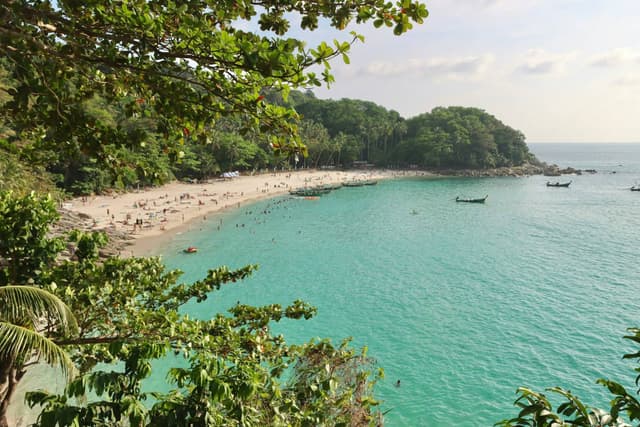
Thailand, Singapore & Malaysia Tour with Phuket
10 Days · 9 Nights
NRs 1,01,000/ person
✓ Tour✕ Flight✕ Visa
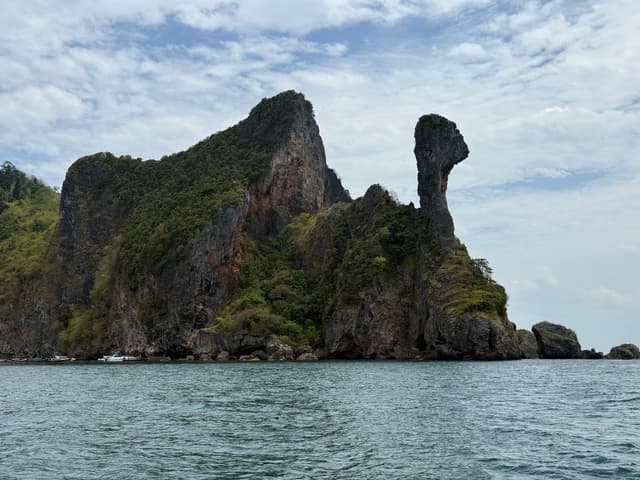
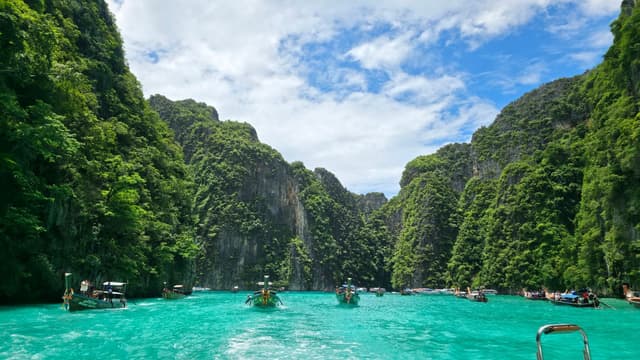
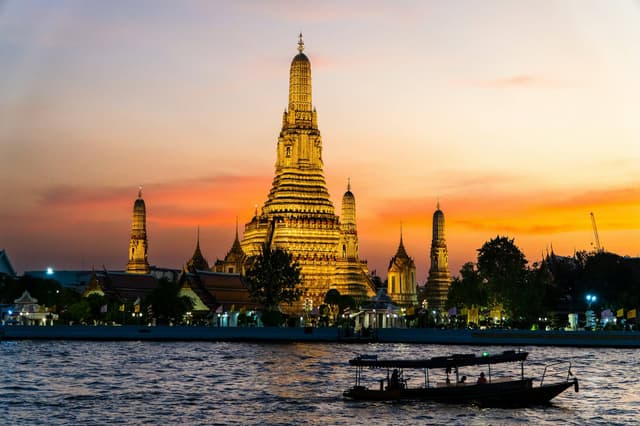

News & AlertsCAUTIONRough seas may change island boat trips in southern Thailand — until 26 Oct 2026. +2 moreChecked 21 Oct 2026, 05:56 NPTView details ↓Hide details ↑
Travel news
Caution
Rough seas may change island boat trips in southern Thailand
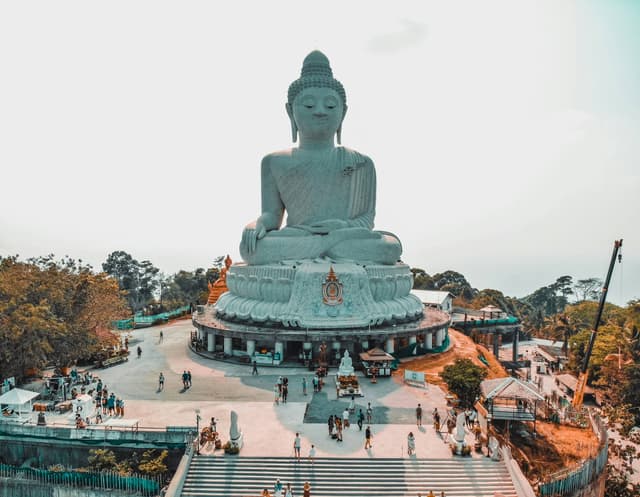
The Thai weather office warns of waves above 3 metres in thunderstorms in both the Andaman Sea and the Gulf of Thailand from 21 to 25 October, with heavy rain in places around Phuket, Krabi and Surat Thani. Island and boat trips may be moved or cancelled on rough days.
Phuket, Krabi and Koh Samui sea trips · 4 Oct – 26 Oct 2026 · Nation Thailand – TMD warning 21–25 Oct
Caution
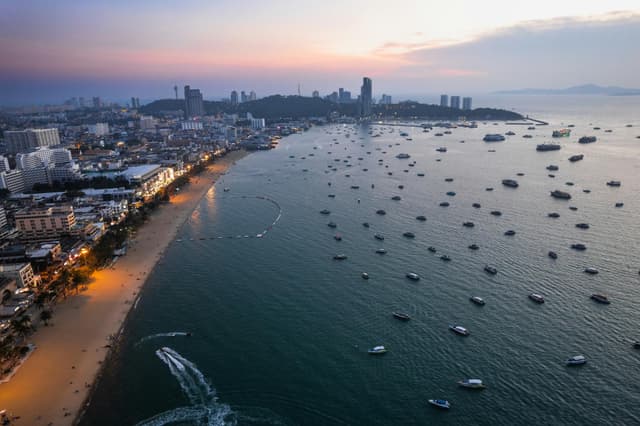
Heavy rain and short-lived road flooding in Pattaya
Thunderstorms with heavy rain in places are forecast for Chonburi, getting heavier from 21 to 25 October, after a storm flooded part of South Pattaya on 19 October. Tours run; transfers may be slower during downpours.
Pattaya and Banglamung · 25 Sep – 26 Oct 2026 · Nation Thailand – TMD warning 21–25 Oct · The Pattaya News
Caution
More heavy rain and street flooding in Bangkok this week
The Thai weather office warns of heavier rain and possible flash flooding in Bangkok and the lower Central region from 21 to 25 October, and parts of eastern Bangkok are still flooded. City sightseeing runs, but some roads may be slow after downpours.
Bangkok · 24 Sep – 26 Oct 2026 · Nation Thailand – TMD warning 21–25 Oct · Nation Thailand – floods in 22 provinces
Resolved in the last 14 days (1)
- Chiang Mai: Heavy rain in northern Thailand; some Chiang Mai waterfalls closed — ended 12 Oct 2026
Weather by month
Best time for Bangkok: December to March — little rain, highs 33–35°C.
- Jan33°24°dry, best month
- Feb34°25°low rain, best month
- Mar35°27°low rain, best month
- Apr36°28°low rain
- May36°27°medium rain
- Jun35°27°heavy rain
- Jul34°26°heavy rain
- Aug34°26°heavy rain
- Sep33°26°heavy rain
- Oct33°26°heavy rain, this month
- Nov33°26°medium rain
- Dec33°24°dry, best month
Best time for Pattaya: December to March — little rain, highs 30–32°C.
- Jan30°24°low rain, best month
- Feb31°25°low rain, best month
- Mar32°26°low rain, best month
- Apr33°27°medium rain
- May33°27°medium rain
- Jun32°27°medium rain
- Jul32°26°heavy rain
- Aug32°27°medium rain
- Sep31°26°heavy rain
- Oct31°25°heavy rain, this month
- Nov31°25°medium rain
- Dec30°24°dry, best month
Best time for Phuket: December to March — little rain, highs 33–35°C.
- Jan33°25°low rain, best month
- Feb35°26°low rain, best month
- Mar35°26°dry, best month
- Apr35°27°medium rain
- May34°26°heavy rain
- Jun33°26°heavy rain
- Jul33°26°heavy rain
- Aug32°26°heavy rain
- Sep32°25°heavy rain
- Oct32°25°heavy rain, this month
- Nov32°25°heavy rain
- Dec33°25°low rain, best month
Best time for Krabi: February — little rain, highs 34°C.
- Jan33°22°medium rain
- Feb34°22°dry, best month
- Mar36°23°low rain
- Apr35°23°medium rain
- May34°24°heavy rain
- Jun33°24°heavy rain
- Jul32°23°heavy rain
- Aug32°23°heavy rain
- Sep32°23°heavy rain
- Oct32°23°heavy rain, this month
- Nov32°23°heavy rain
- Dec32°23°medium rain
Best time for Chiang Mai: November to February — little rain, highs 30–33°C.
- Jan30°16°low rain, best month
- Feb33°17°dry, best month
- Mar37°21°dry
- Apr37°24°low rain
- May36°25°heavy rain
- Jun35°25°medium rain
- Jul33°25°heavy rain
- Aug33°24°heavy rain
- Sep33°24°heavy rain
- Oct33°23°heavy rain, this month
- Nov32°21°low rain, best month
- Dec30°18°dry, best month
Best time for Koh Samui: February to March — little rain, highs 29–30°C.
- Jan29°24°medium rain
- Feb29°25°low rain, best month
- Mar30°26°low rain, best month
- Apr32°26°medium rain
- May33°26°medium rain
- Jun34°25°medium rain
- Jul33°25°medium rain
- Aug33°25°medium rain
- Sep32°25°medium rain
- Oct31°25°heavy rain, this month
- Nov30°24°heavy rain
- Dec30°24°heavy rain
Best monthNowdryheavy rain36°+ very hotHigh / low °C
Weather: 10-year averages, 2015–2024 (NOAA weather stations). News: GDACS, ReliefWeb, GOV.UK travel advice (OGL v3.0) and local sources.Best Time to Visit Thailand →
FAQ
Journey Questions
Written and checked by the Gomayu travel desk, KathmanduUpdated October 2026About this guide
Complete Guide
Complete Thailand Travel Guide
Written and checked by the Gomayu travel desk, KathmanduUpdated October 2026About this guide
Why Thailand is worth the trip
Thailand is worth the trip because it serves almost every kind of traveller well without forcing a compromise. A first time flyer gets a soft landing, a honeymoon couple gets an island, a family gets short internal flights and food children will actually eat, and a repeat visitor still finds a province they have never seen. That range is why a Thailand tour package from Nepal is one of the most popular international holidays for Nepali travellers.
The practical case is just as strong. Thailand has been receiving visitors for fifty years and is set up for it: bilingual signage, workable English in tourist areas, domestic flights running all day, and genuinely good hospitals in Bangkok, Chiang Mai and Phuket. Very little goes wrong that cannot be fixed the same afternoon.
There is a cultural comfort too. Thailand is a Theravada Buddhist country, so temple etiquette, monks collecting alms and removing shoes at a doorway all feel familiar rather than foreign to Nepali travellers. Hindu iconography sits openly inside Thai practice as well: the Erawan Shrine in central Bangkok is dedicated to Brahma and is busy at all hours.
The honest trade off: Thailand is not undiscovered, and pretending otherwise sets you up for disappointment. Patong Beach, the Khao San area and the standard Phi Phi day boat are crowded and loud in high season. That is a reason to plan around them, not to skip Thailand, because the quiet version of the same country sits one island away.
How a Thailand tour package from Nepal works
Every Thailand tour package from Nepal that Gomayu arranges is curated for three groups of travellers: Nepali passport holders flying out of Kathmandu, the Nepali diaspora, and non resident Nepalis (NRNs) booking from Australia, the UK, the US, the Gulf and beyond. Many of our travellers start from Kathmandu, and many book from abroad, so each package is designed to work on any passport and from either starting point.
The process is deliberately simple. Pick your dates first, because in Thailand the dates decide the coast, then choose two regions at most. From there the package covers the pieces that are annoying to arrange alone: hotels matched to your budget, airport transfers on both ends, day tours with English speaking guides, and step by step help with the Thai e-Visa for Nepali passport holders. Nonstop flights from Kathmandu to Bangkok take about 3 hours 20 minutes, so the travel day itself is short.
The same structure works for split families. Parents can fly out of Kathmandu while children join from London, Sydney or Doha, everyone meets at the same Bangkok hotel, and each traveller follows the visa rules of their own passport. If that describes your family, mention it when you enquire and the package is built around both starting points from day one.
Planning a Thailand trip from Nepal: what Nepali travellers ask
Nepali travellers planning Thailand usually ask the same few things: what the price covers, which package fits their group, how to combine countries, and how to handle money and insurance. Short answers are here; visa, season and flight detail follow further down this guide.
What the package price covers
Every Thailand package on this page is priced per person as a land package: hotels, airport transfers, and the tours and transport listed on the tour page. Flights from Kathmandu and the Thai e-Visa are not in the card price; we quote flights separately, and the per-person price falls as your group grows. The live prices are in the first question of the FAQ and on each package card, and our Thailand trip cost guide explains what changes them.
Which Thailand package suits you
- First trip abroad or a short break: Bangkok and Pattaya, with short road transfers and no domestic flight.
- Honeymoon and couples: Bangkok with Koh Samui, Phuket or Krabi, chosen by month, because the two coasts have opposite monsoons.
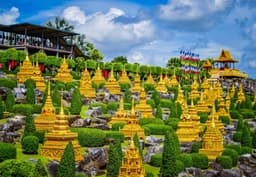
- Families with children: Bangkok, Pattaya, Coral Island and Nong Nooch Garden, or the Bangkok Family Friendly Tour.
- Parents and senior travellers: Bangkok plus one beach, few hotel changes, and no Chiang Mai from February to April because of the smoke season.
- Friends and office groups: Bangkok with Phuket and Krabi for island days; the per-person price drops for larger groups.
Combining Thailand with Singapore, Malaysia or Vietnam
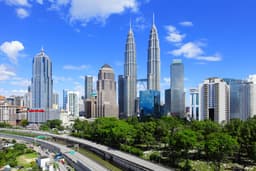
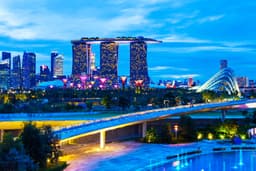
Thailand pairs well with its neighbours on one trip from Kathmandu. We run the Thailand, Singapore and Malaysia Tour (10 days), a longer Grand Tour (11 days) and the Thailand and Vietnam Tour (8 days). Each country has its own entry rules for a Nepali passport, and our visa desk handles each application.
Money and travel insurance from Nepal
US dollars are the easiest cash to carry. Buy them in Nepal through a bank or licensed money changer, within the per-trip limit set by Nepal Rastra Bank, and change them to Thai baht at licensed exchange counters in Thailand; check the day's THB to NPR rate first. Buy travel insurance before you leave, from an insurer in Nepal or in your country of residence, covering medical treatment and evacuation. Gomayu does not sell insurance itself.
Thailand visa for Nepali citizens: what you need before you fly
Nepali citizens need a visa for Thailand and must obtain it before departure. There is no visa exemption for Nepali passport holders and no visa on arrival, so arriving in Bangkok without an approved visa is not an option. Arrange the Thailand visa first, right after choosing your dates.
There is also a second, entirely separate requirement that catches people out: the Thailand Digital Arrival Card. A valid visa does not exempt you from it. Both must be done, in different places, at different times.
How the Thai e-Visa works
Since 1 January 2025 the process for applicants in Nepal has moved entirely online to the official portal at thaievisa.go.th. You create an account, upload documents, submit and wait for the decision by email. There is no in-person passport submission at the embassy any more, which removed the most tedious step of the old process.
Two tourist categories matter. The single entry tourist visa, coded TR, is valid three months from the date of issue. The multiple entry version, coded MT, is valid six months. Under both, the period of stay granted at immigration is up to 60 days per entry.
This is the most common confusion on the subject, so it is worth stating flatly. Visa validity is the window in which you may arrive. Period of stay is how long you may remain once you have arrived. A three month single entry visa does not let you stay three months: it lets you enter once within those three months and then stay up to 60 days. On a multiple entry visa, each entry carries its own stay allowance.
Documents and passport validity
The Royal Thai Embassy in Kathmandu lists the following for a tourist application. Assemble all of it before starting the online form, because missing uploads are the usual cause of delay.
- A Nepali passport, either the e-passport or the older machine readable passport (MRP), valid more than six months
- Three completed application forms
- Three passport size photographs
- A six month bank statement showing the required minimum balance per person
- Confirmed accommodation booked in the applicant's own name
- A detailed travel plan covering the dates applied for
- A confirmed return air ticket
Two of those trip people up. The accommodation booking must be in the applicant's own name, so a hotel reserved under a relative's name will not do. And the bank statement is a per person requirement, so every applicant in a family or group needs their own funding evidence.
Processing takes a minimum of seven working days once the application is complete, and in practice runs seven to fourteen days. Requirements and payment channels change, so check the current details on thaievisa.go.th at the time you apply rather than relying on any third party page. Apply four to six weeks before departure and avoid non-refundable bookings until the visa is approved.
The Thailand Digital Arrival Card
The paper TM6 arrival card has been abolished. In its place, the Thailand Digital Arrival Card, shortened to TDAC, has been mandatory for every non-Thai arrival since 1 May 2025. It applies by air, land or sea, and on every single entry, including a re-entry after a short hop to a neighbouring country.
You submit it online at tdac.immigration.go.th within the 72 hours before arrival, not earlier. It asks for passport details, flight details and your first night's address, and takes a few minutes. Websites that offer to file it for you are not official, and many such sites compete for the same search terms, so type the official address yourself.
Since March 2026 the data you submit feeds the automated e-gates at Bangkok Suvarnabhumi, Don Mueang, Chiang Mai, Phuket and Hat Yai, which is why a mismatch between your TDAC entry and your passport slows you down at the barrier. Check spelling and passport number against the document before submitting.
You will also see references to the THIM app from the Thailand Immigration Bureau. As things stand it is a pilot and an optional mobile channel for the same arrival card registration, and it does not replace the TDAC requirement. The Bureau intends THIM to become the primary channel from August 2026, so confirm which one is in force close to your travel date.
One more point, because it circulates constantly in travel groups. The proposed tourist arrival levy has been postponed repeatedly and is not in force. Nothing of that kind is payable today.
Applying if you live outside Nepal
Your visa route follows your country of residence, not your citizenship. A Nepali passport holder living in Australia, Japan, the United States, Canada or the UAE applies to the Thai embassy or consulate covering where they live, not to the Kathmandu mission. The visa category and the permitted stay are the same, but the portal, document list and processing time can differ.
Check the website of the Thai mission accredited to your city before assembling anything, since a document set built for the Kathmandu process may not match what another consulate asks for. Your residence permit is usually an additional required document. The arrival card requirement is identical wherever you fly out of.
| Requirement | What it is | When to complete it | Where to do it |
|---|---|---|---|
| Thai e-Visa (TR) | The tourist visa itself, single entry valid three months from issue, or multiple entry (MT) valid six months, with a stay of up to 60 days per entry | Four to six weeks before departure, allowing seven to fourteen days of processing | Online at thaievisa.go.th, or the portal of the Thai mission covering your country of residence |
| Thailand Digital Arrival Card (TDAC) | The mandatory immigration arrival card that replaced the paper TM6, required of every non-Thai arrival on every entry by air, land or sea | Within the 72 hours before arrival, on each separate entry | Online at tdac.immigration.go.th |
| THIM app | An optional mobile channel for the same arrival card registration, currently a pilot and intended to become the primary channel from August 2026 | Same 72 hour window, if you use it instead of the website | Thailand Immigration Bureau mobile app, after checking which channel is in force |
When is the best time to visit Thailand?
November to February is the best time to visit Thailand for most travellers. That window is dry and comfortable in Bangkok and the central plains, clearest in the north, and sits inside the Andaman coast's good weather. It is also the busiest and most heavily booked period of the year.
There is no single answer for the whole country, though, because Thailand's two coastlines do not share a weather calendar. Getting that one fact right is worth more than any other piece of planning.
November to February: the cool dry season
This is the peak. Bangkok is pleasant rather than punishing, humidity drops and evenings are walkable. The north is at its best, with clear mountain air around Chiang Mai and Chiang Rai. The Andaman coast has calm seas and reliable sun. Book early, because the rest of the world is trying to be there at the same time.
March to May: the hot season
Bangkok and the central plains run at 35 to 40C through these months, a heavy humid heat that limits sightseeing between late morning and late afternoon. Beaches cope better than cities because there is sea breeze and water. The north is the region to avoid now. Songkran, the Thai new year water festival, ran 13 to 15 April in 2026.
February to April in the north: burning season
Northern Thailand has a burning season, and it is worse than most travel writing admits. Agricultural and forest burning across the north fills the valleys with smoke from February to April every year, and Chiang Mai sits in a bowl that traps it. This is not a haze that spoils photographs. It is a public health event.
On 30 March 2026 Chiang Mai ranked as the most polluted city in the world, with an air quality index of 233 and PM2.5 at 188. Municipal areas in the province were declared disaster zones on 1 April 2026. Those are not unusual figures for the season; they are typical of its worst weeks.
Say it plainly: anyone with asthma or a respiratory condition, and anyone travelling with young children or elderly parents, should not book Chiang Mai in February, March or April. Move the northern leg to November or January, or replace it with a coast.
June to October: the southwest monsoon
The southwest monsoon brings rain and rough seas to the Andaman coast, which is why Phuket, Krabi, Phi Phi and Khao Lak are weakest from May to October. Rain usually arrives as heavy afternoon downpours rather than all day drizzle, so Bangkok and the north remain workable. The sea is the problem, not the sky: this is when the national park islands close and drownings spike.
The opposite coast rule
Thailand's two coasts run on opposite calendars, and most travel content gets this wrong. The Andaman coast on the west, meaning Phuket, Krabi, Phi Phi and Khao Lak, is best November to March and should be avoided May to October. The Gulf islands on the east, meaning Koh Samui, Koh Phangan and Koh Tao, are best December to June, driest January to April and again June to August, and wettest October to December, with November the worst month of all.
The consequence is simple. In November, while much of the world arrives for the best weather of the year, Koh Samui is in its rainy season and Phuket is coming good. In June and July, when Phuket is grey, Koh Samui is often fine. If your dates are fixed, choose the coast to fit them. If the island is fixed, move the dates.
One scheduling note for Nepali travellers. Dashain runs from 11 to 25 October 2026 and Tihar from 7 to 11 November 2026, the most popular departure window of the year from Kathmandu, and it needs booking roughly three months ahead. Weather wise it is mixed: Bangkok and the north are already turning good, the Andaman coast is reliable by mid November, and the Gulf islands are the worst possible choice in exactly those weeks. Later in November, Loy Krathong and the Yi Peng lantern nights in Chiang Mai fall around 24 and 25 November 2026; confirm the exact dates before you book. Nepali New Year in mid-April coincides with Songkran and the hot season, so a beach suits that break better than a city.
| Region | Best months | Wettest months | What the weather is like | Best for |
|---|---|---|---|---|
| Bangkok and central | November to February | June to October | Dry and comfortable in the cool season, then 35 to 40C from March to May, with heavy afternoon downpours during the monsoon | City breaks, temples, food, shopping, Ayutthaya day trips, first time visitors |
| Chiang Mai and the north | November to February | June to September, plus burning season haze February to April | Cool clear mornings in season, hot and hazy in spring, green and showery in the monsoon | Temples, mountains, markets, slower travel, cooler evenings, Yi Peng in November |
| Andaman coast | November to March | May to October | Calm seas and steady sun in season, rough water and squalls under the southwest monsoon | Limestone scenery, island hopping, diving, honeymoons, families wanting easy beaches |
| Gulf islands | December to June, driest January to April and June to August | October to December, November worst | Sheltered from the southwest monsoon, so good when the Andaman side is bad, then heavy rain late in the year | Resort stays, longer beach holidays, diving around Koh Tao, mid year travel |
How to get to Thailand from Nepal
Thailand is a short, direct flight from Kathmandu. Thai Airways and Nepal Airlines fly nonstop from Tribhuvan International Airport (KTM) to Bangkok Suvarnabhumi (BKK), and the flight takes about 3 hours 20 minutes. Thai Lion Air also flies from Kathmandu to Bangkok Don Mueang (DMK) in some seasons, so check which Bangkok airport is on your ticket. Phuket, Krabi, Koh Samui and Chiang Mai have no nonstop flights from Kathmandu, so those trips connect in Bangkok.
Almost everyone enters Thailand through Bangkok, and Bangkok has two airports. Suvarnabhumi (BKK) is the main international gateway and handles the full service carriers. Don Mueang (DMK) is the older airport and is now the base for most budget operations, including a large share of domestic flights to the beaches. Which one you land at, and which one your next flight leaves from, matters more than people expect.
From the other places Nepali passport holders live, routings are straightforward. The Gulf hubs of Doha, Dubai, Abu Dhabi and Muscat connect onward to Bangkok, and Delhi and Kolkata offer short connections. Kuala Lumpur, Singapore and Hong Kong feed Bangkok many times a day. Bangkok is directly connected to Australia, Japan and Korea, so travellers based in Sydney, Tokyo or Seoul can usually fly nonstop.
Now the trap, and it is the most common planning error on a Thailand trip. Budget domestic carriers to Phuket, Krabi and Koh Samui frequently depart from Don Mueang, not Suvarnabhumi. If you land at BKK holding a cheap onward ticket out of DMK, you face a cross city transfer of roughly 1.5 to 2 hours with your bags, after clearing immigration. Bangkok traffic is not something to plan around optimistically.
Two ways to avoid it. Either book the international and domestic legs on a single ticket with the same airline group, so the transfer is protected, or deliberately leave a long buffer and treat the airport change as part of the day. What does not work is a three hour gap between a BKK arrival and a DMK departure.
You can also skip Bangkok on the way in. Phuket (HKT) and Krabi (KBV) have their own international airports, which suits a pure beach trip. Koh Samui (USM) is a private airport served almost exclusively by Bangkok Airways, so options are limited and it is the one island where you should book flights early.
Changing planes in Bangkok on a Nepali passport
Many trips from Nepal to Bali, Vietnam and beyond connect in Bangkok. Thai embassy guidance says a Nepali passport holder needs no visa for a transfer at Suvarnabhumi or Don Mueang of up to 12 hours, as long as bags are checked through to the final destination and you stay in the transit area. A longer layover, or a self-transfer on separate tickets where you collect bags or change airports, needs a Thai transit visa, so book protected connections where you can.
Places to visit in Thailand
Thailand splits into five travel regions, and almost every good trip is built from two of them rather than all five. Bangkok is the arrival point and the cultural anchor, the north is the slow counterweight, the two coasts give completely different beach holidays, and the historic central plains are the specialist choice.
Bangkok
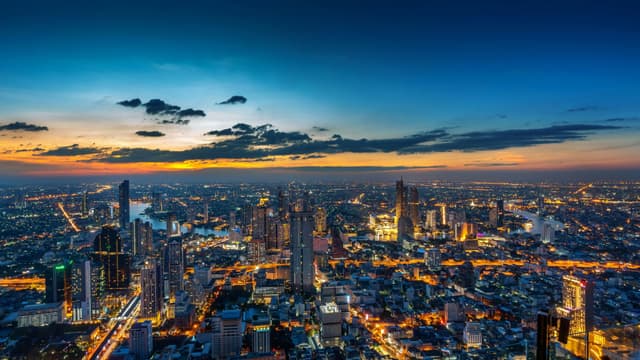
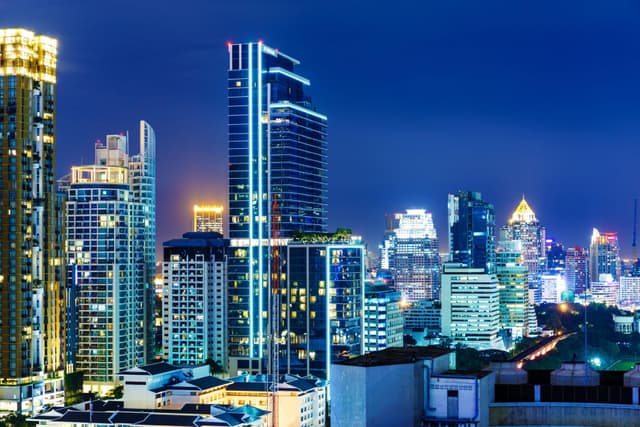
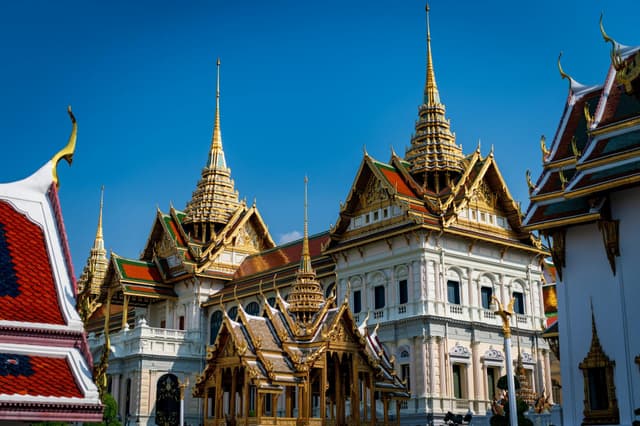
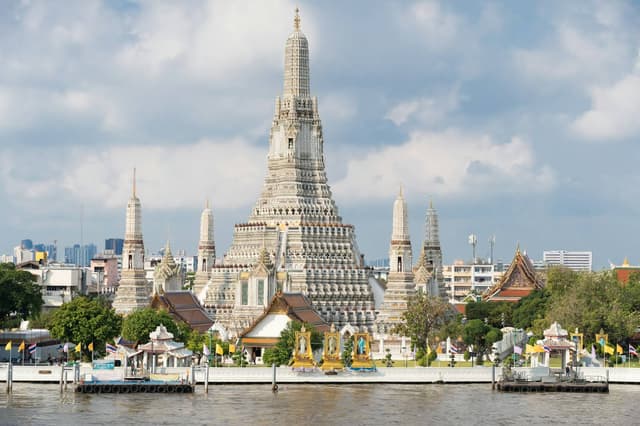
Bangkok rewards three days rather than one. The Grand Palace and Wat Phra Kaew hold the Emerald Buddha and are the country's most important religious site, best visited at opening time before the heat and the crowds. Wat Pho next door has the reclining Buddha and the massage school, and Wat Arun across the river is best in late afternoon light. Take the Chao Phraya express boat between them rather than a taxi.
Beyond the temples, Bangkok is a food and market city: Chinatown on Yaowarat Road after dark, Chatuchak weekend market, and the flower market at Pak Khlong Talat, which never closes. Do not avoid street food out of caution. Stalls with a queue of local office workers are among the safest places to eat in the country.
Chiang Mai and the north
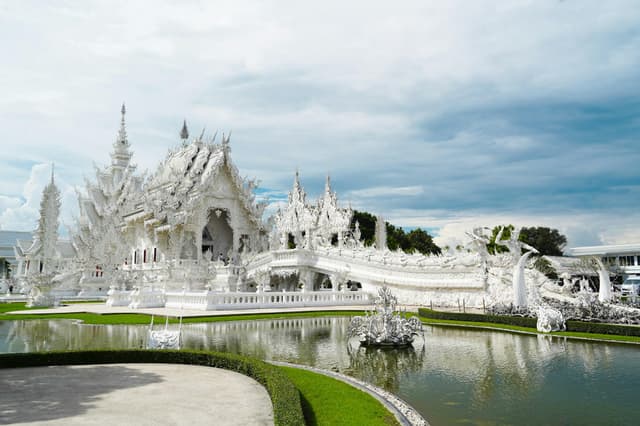
Chiang Mai is Thailand slowed down. The old city is a walled square full of temples, coffee shops and guesthouses that you can cover on foot. Doi Suthep on the mountain above is the essential half day trip. Chiang Rai has the White Temple at Wat Rong Khun and the Blue Temple, and Pai in the hills is where people go to do nothing for a week.
Choose your elephant experience carefully. Ethical sanctuaries where you observe and feed but never ride are widespread now, and riding camps still operate alongside them. The distinction is real, so ask direct questions before booking.
The Andaman coast
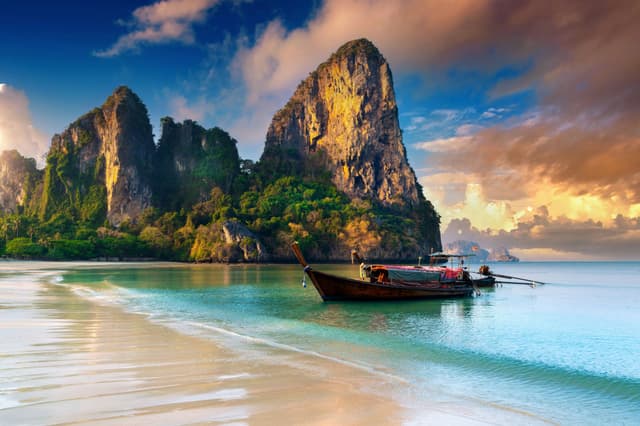
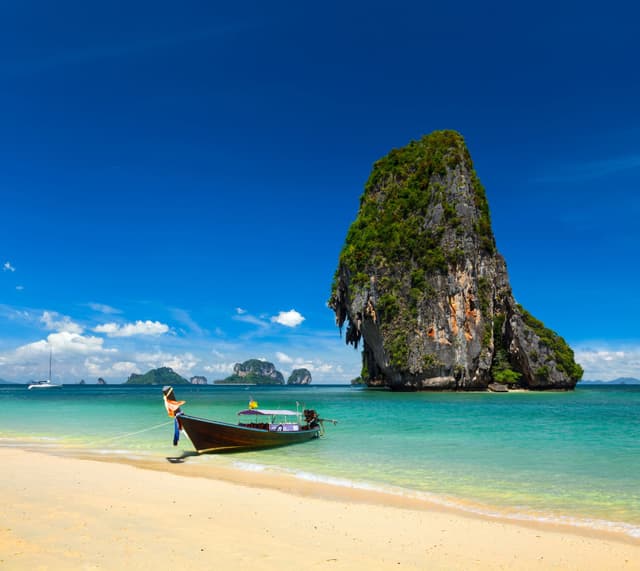
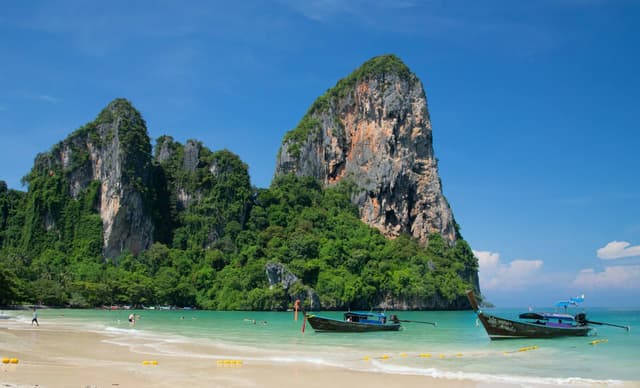
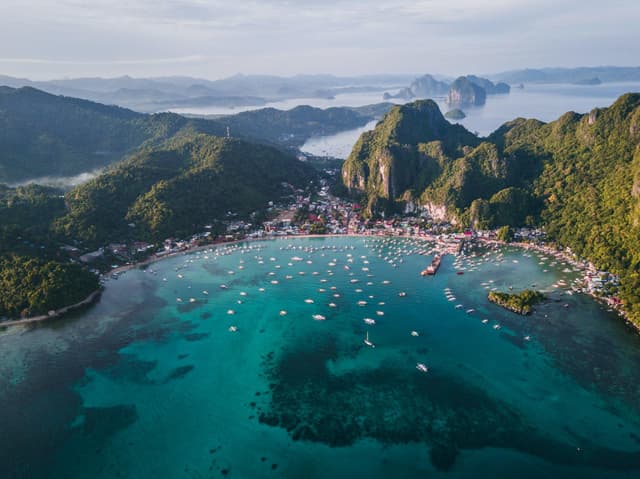
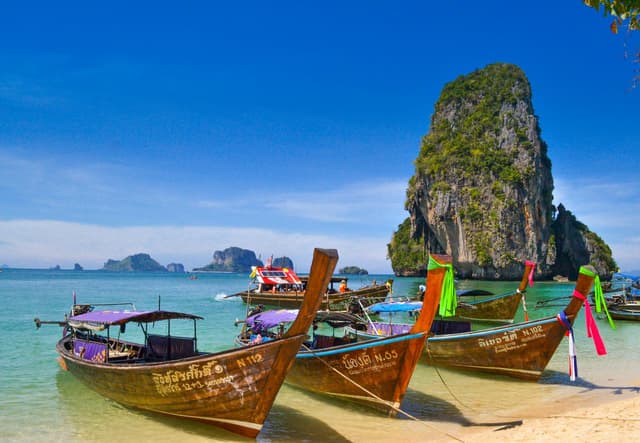
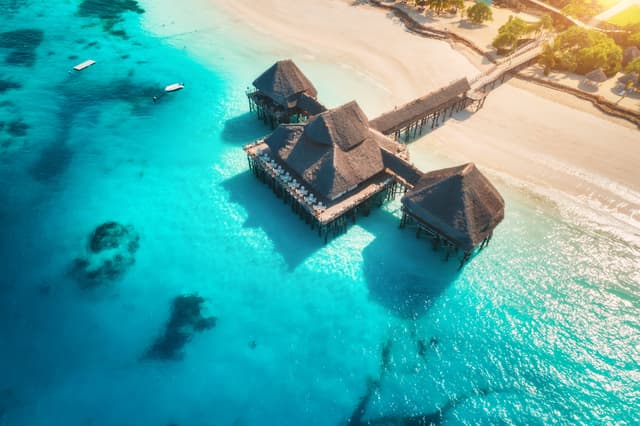
This is the Thailand of the postcards: vertical limestone karsts rising out of green water. Phuket is the biggest and best connected island, ranging from the noise of Patong to quiet stretches north and south. Krabi gives you Railay, reachable only by longtail boat and one of Asia's best climbing spots. Koh Lanta is calmer and better for families, and Khao Lak is the launch point for Similan diving.
The Gulf islands
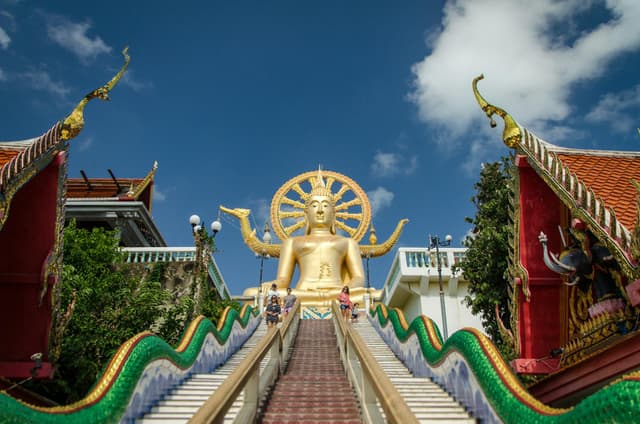
The Gulf trio have distinct personalities. Koh Samui is the developed one, with the widest range of resorts and its own airport, which makes it the easiest choice for honeymooners and families who want everything handled. Koh Phangan is quieter and greener than its Full Moon Party reputation suggests. Koh Tao is a diving island first, and one of the most popular places in the world to certify.
Ayutthaya, Sukhothai and historic Thailand
Ayutthaya is the old Siamese capital, sacked in 1767 and left as a field of brick ruins and headless Buddhas, with one famous Buddha head grown into fig tree roots at Wat Mahathat. It is a comfortable day trip from Bangkok and a UNESCO site. Sukhothai, further north, is older and better preserved, best seen by bicycle at first light.
Most people planning a Thailand tour package from Nepal try to fit all five regions into one holiday. Resist that. Two regions in ten days gives you a trip you remember; four gives you a blur of airports and a suitcase you never unpack.
Which Thailand islands close, and when?
Two of Thailand's most photographed marine areas close on a fixed annual schedule, and both closures are absolute. Mu Ko Similan and Mu Ko Surin national parks close from 15 May to 15 October every year, with no day trips and no overnight stays. Maya Bay on Phi Phi Leh closes separately from 1 August to 30 September. If your trip falls in those windows, the tour does not run.
The Similan and Surin closure lets the reefs recover and reflects the fact that the southwest monsoon makes the crossing dangerous. These are the best dive sites in Thai waters, which is why divers plan whole trips around the mid October reopening. If the Similans are your reason for going, your dates are decided for you.
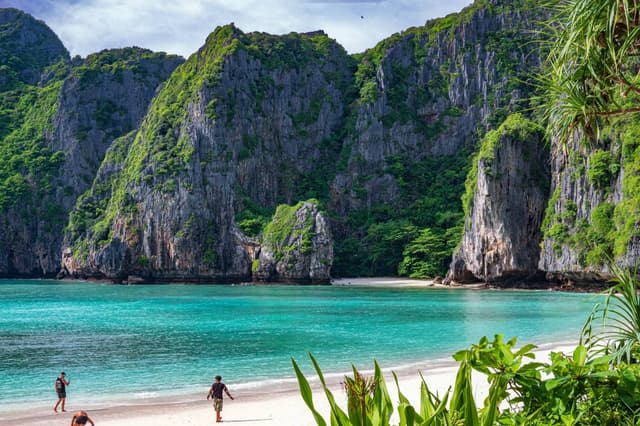
Maya Bay is stricter than most visitors realise, and old advice about it is actively misleading. When open, the bay operates from 07:00 to 18:00. Swimming and snorkelling are banned: you may wade to knee depth and no further. Boats cannot land on the beach at all. Access is by a floating pier at Loh Samah Bay on the far side of the island, then a short boardwalk.
Numbers are capped at roughly 380 visitors on site at any one time, with about an hour per group, and in peak season the daily allocation fills by mid morning. Take the earliest departure available and expect a controlled, protected site rather than the empty beach from the film. Those restrictions are why blacktip reef sharks have returned to the shallows.
Getting around Thailand
Thailand is one of the easiest countries in Asia to move around. Domestic flights link Bangkok to Chiang Mai, Phuket, Krabi, Samui and a dozen smaller cities in about an hour to ninety minutes, which is why most travellers fly between regions and use ground transport within them. Just remember the Don Mueang trap when booking those internal legs.
Trains are the underrated option. The overnight sleeper from Bangkok to Chiang Mai is comfortable, safe and saves a hotel night, and the modern air conditioned second class carriages are perfectly pleasant. They run late often enough that you should not connect one directly to a flight.
Ferries connect the islands on schedules that thin out sharply in bad weather, and crossings are cancelled outright in rough seas. Do not schedule an international flight for the day after an island departure. Leave a buffer night on the mainland.
In cities, use Grab or Bolt rather than negotiating. Bangkok metered taxis are plentiful but drivers sometimes refuse the meter for tourists, and the app removes that argument. The BTS Skytrain and MRT metro are the fastest way across Bangkok at any hour. Tuk tuks are a novelty ride rather than a transport method: agree the fare before getting in.
What to eat in Thailand
Thai food is the reason many people return, and the best of it is not in restaurants. Street stalls and open fronted shophouses specialise in one or two dishes and cook them hundreds of times a day, which is why they are both good and safe. Eat where local office workers queue and where food is cooked in front of you.
The dishes worth seeking out go well beyond pad thai. Som tam, the green papaya salad from the northeast, is sharp, sour and often fiercely hot. Tom yum goong is the hot and sour prawn soup, and tom kha gai its milder coconut cousin. Massaman curry is rich and mild, which makes it the friendliest curry for anyone new to Thai heat. Khao soi is a northern noodle curry worth planning a meal around.
On spice, be specific rather than polite. Saying you want it mild is understood; saying nothing means you get it as a Thai customer would. The phrase mai phet means not spicy.
Vegetarian, Jain, halal and no beef travellers
Thailand handles dietary requirements better than most of Southeast Asia, but you have to ask the right question. Fish sauce and shrimp paste are in almost everything by default, including dishes with no visible meat. The word to use is jay, shown on a yellow and red shopfront sign, which indicates strict vegan Buddhist food with no animal products and no garlic or onion, which happens to suit Jain travellers well. Asking for jay food is far more reliable than asking for vegetarian.
Halal food is easy to find in Bangkok around Nana and Ramkhamhaeng and is widespread across the south, particularly in Krabi, Phuket and Hat Yai, where the Thai Muslim population is large. Travellers who avoid beef will find Thailand simple, since pork, chicken and seafood dominate menus. Indian restaurants are common in Bangkok, Phuket and Chiang Mai.
Money, connectivity and practical basics
Thailand uses the Thai Baht, abbreviated THB. Cash still dominates day to day spending: street food, markets, tuk tuks, longtail boats, small guesthouses and almost everything on the smaller islands. Cards work fine in malls, hotels, chain restaurants, supermarkets and larger tour operators. Carry cash and treat the card as the backup, not the other way round.
Two things about withdrawing money matter. Thai ATMs apply a flat foreign card withdrawal charge per transaction regardless of the amount, and it is higher for Mastercard than Visa at most banks, so withdraw larger amounts less often. Second, when a machine offers to bill you in your home currency instead of baht, always decline and choose baht. That is dynamic currency conversion and it quietly adds several percent.
For connectivity there are two mobile networks, not three. AIS and True are the operators; DTAC merged into True Corporation in 2023 and no longer exists separately, so any guide telling you to compare three carriers is out of date. Tourist SIMs and eSIMs are sold at airport arrival halls, 7 Eleven stores and operator shops, and your passport is required for registration. An eSIM can be activated by QR code before you fly.
Tap water is not potable anywhere in Thailand, including in Bangkok hotels. Bottled and filtered water is universally available, and ice in commercial establishments is made from filtered water and is generally fine. Sockets take flat and round two pin plugs at 220V, so most Nepali chargers work without an adapter. Thailand is GMT+7, one hour fifteen minutes ahead of Nepal.
Pharmacies are excellent and widespread and convenience stores open around the clock. Buy travel insurance that explicitly covers what you intend to do, particularly diving and any use of a motorbike, and read the exclusions rather than the summary.
Laws and customs that catch travellers out
Most of Thailand's rules are common sense: follow local laws, dress modestly at religious sites, and treat temple etiquette as a rule rather than a suggestion. The points below are the ones that catch visitors out.
Temples, Buddha images and tattoos
Temple dress is enforced, not suggested. Shoulders and knees must be covered, for men and women equally. Shoes come off before an ordination hall, and so do hats and sunglasses. Do not point your feet at a Buddha image or a monk, do not climb on an image, and do not pose irreverently beside one. Women must not touch a monk or hand anything to one directly.
The souvenir rule surprises almost everyone. Under the 1961 Act on Ancient Monuments, Antiques, Objects of Art and National Museums, taking a newly made Buddha image larger than 12 cm out of Thailand requires an export permit from the Fine Arts Department, with a maximum of five images per trip, granted only for worship, education or cultural exchange. Antique images cannot be exported at all.
Finally, visible Buddha tattoos are treated as a cultural offence in Thailand. Travellers have been refused temple entry over them and in some cases detained, so cover them.
Is Thailand safe?
Thailand is a safe country for tourists and violent crime against visitors is rare. The risks that actually injure and kill travellers are mundane rather than dramatic: water, motorbikes and a small number of well practised scams. Almost every serious incident falls into one of those three categories, and all three are largely avoidable.
Drowning is the most underrated danger. Phuket alone records roughly 30 to 50 drownings a year, concentrated in the May to October monsoon, and the great majority follow the same pattern: a swimmer ignored a red or black flag, or entered the water at an unpatrolled beach. Red means dangerous conditions and black means do not enter. If caught in a rip current, do not fight it towards the beach. Swim parallel to the shore until you are out of the pull, then angle back in.
The jet ski scam remains the most common financial trap on Thai beaches. You return the craft, the operator points to pre-existing damage, demands a large sum on the spot, and sometimes produces police pressure. Two defences work: photograph and video the entire craft before riding, with the operator visible, and book through your hotel rather than a beach counter. If a confrontation starts, call the Tourist Police on 1155.
Motorbikes deserve the bluntest warning here. To ride legally in Thailand you need a motorcycle category licence plus an International Driving Permit; a car licence does not qualify you. Enforcement escalated sharply from April 2025, with 20,901 foreigners arrested in Phuket in a single campaign. Riding unlicensed voids your travel insurance entirely, and Thai hospital bills after an accident are severe. Helmets are mandatory.
On the border situation, be aware but not alarmed. All official Thailand to Cambodia land border crossings have been closed since late June 2025 following the border conflict, with a fragile ceasefire from 27 December 2025, and advisories recommend against travel within 50 km of the Cambodian border. Bangkok, Chiang Mai, Phuket, Krabi and the islands are unaffected and operating normally. A combined Thailand and Cambodia trip must now be done by air.
On the earthquake people still search for: the Myanmar earthquake of 28 March 2025 was felt in Bangkok, but the only structural failure was a single government tower under construction, and tourist infrastructure was undamaged.
Save these numbers before you fly. Tourist Police 1155, which has English speaking operators and handles any tourist facing problem. Nepali citizens can also contact the Embassy of Nepal in Bangkok, for example over a lost passport. Police 191. Ambulance 1669. Fire 199. Beyond that the usual sense applies: watch your bag in crowds and use hotel safes.
How many days do you need, and how to plan yours
Seven to ten days is the sweet spot for a first Thailand holiday, split between two regions. Five days covers Bangkok plus one nearby escape but will feel rushed. Two weeks lets you do a city, the north and a coast properly. Under four days you are really only seeing Bangkok, which is a fine trip in itself but not the Thailand most people picture.
The planning sequence that works is the reverse of what most people do. Start with your dates, because your dates decide your coast. Then pick the region that suits those dates, and only then the islands or cities inside it. Choosing the island first and discovering later that it is in its rainy season is the most common way a Thailand trip goes wrong.
A few honest allocations. Bangkok deserves three days, not one. Chiang Mai needs three to four to justify the internal flight. A beach stay under four nights is mostly travel. And leave a buffer night on the mainland before an international departure, because ferries cancel and flights do not wait.
By traveller type: honeymooners do best on Koh Samui or the quieter Phuket and Krabi resorts, with Bangkok as a two night bookend. Families should favour Koh Lanta or Khao Lak over the busy beaches. Solo travellers get the most out of Chiang Mai and Koh Tao. First timers should stick to Bangkok plus one beach.
People searching for a Thailand tour package from Nepal are usually asking two questions: when should I go, and which part should I see. Answer those two in the right order and the rest organises itself.
Gomayu Holidays plans each Thailand holiday for Nepali passport holders around season and region rather than a fixed template, so the coast matches your dates instead of the other way round, whichever country you are flying out of. Send us your travel dates on WhatsApp and we will tell you honestly which part of Thailand is right for that week.
Best Thailand tour packages from Nepal
To summarise, these are the most popular Thailand tour packages from Nepal that we arrange for Nepali travellers and the Nepali diaspora:
- Bangkok Pattaya Tour (5 days)
- Coral Island & Nong Nooch Garden Tour (6 days)
- Bangkok Pattaya Phuket Tour (7 days)
- Bangkok Phuket Krabi Tour (8 days)
- Bangkok Krabi Tour (6 days)
- Bangkok & Koh Samui Honeymoon Tour (7 days)
- Bangkok, Chiang Rai & Chiang Mai Tour (8 days)
- Bangkok & Koh Phangan Full Moon Party Tour (8 days)
- Thailand, Singapore & Malaysia Tour (10 days)
- Thailand & Vietnam Tour (8 days)
All destinations
Explore more destinations


Search Tours or Places
Search Tours or Places