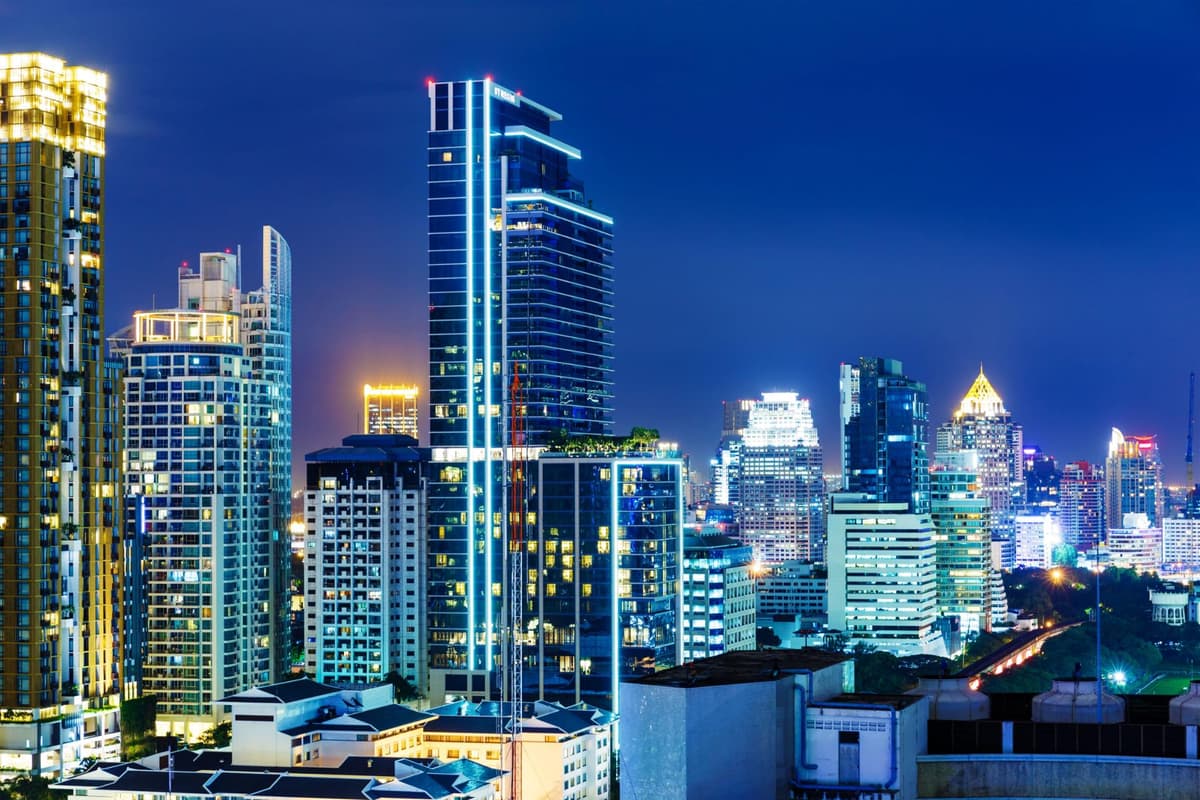
Six days, one city and one island. This is the shortest sensible way to see Bangkok and Phuket together without spending the trip in transit, and it works because there is a domestic flight in the middle rather than an overnight bus. Below is the practical detail that decides how the week goes.
Timing: the Andaman season is not the Bangkok season
Phuket sits on the Andaman coast, which runs its southwest monsoon roughly May to October. The window for this trip is November to April, and December to March gives the calmest sea, the clearest water and the most reliable boat days.
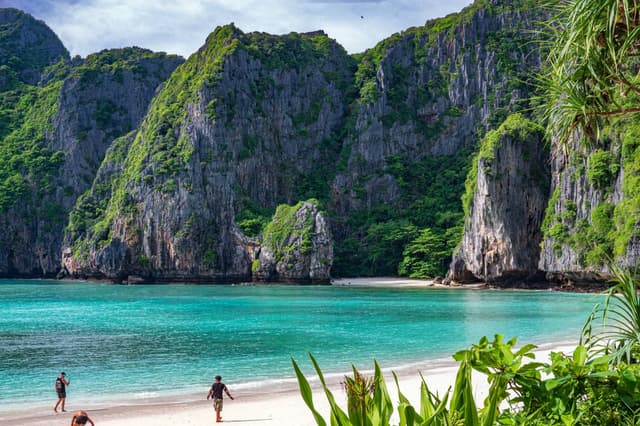
Skip September if you possibly can. It is the wettest month, the sea is at its roughest, and Maya Bay closes every year from 1 August to 30 September for reef recovery, so the Phi Phi day loses its headline stop. Box jellyfish are also most common from July to October. Bangkok, by contrast, is fine year round; it is hot in April and wet in the afternoons from June, but nothing here is season-dependent. So the coast decides your dates.
The visa, and the arrival card people forget
Nepali passport holders must have a Thai visa approved before boarding. There is no visa on arrival for Nepal and no exemption, so this is not something to sort out at the airport. Apply on the official portal, thaievisa.go.th. Expect to supply photographs, a bank statement, accommodation confirmed in your own name, a travel plan and a return ticket, with a passport valid more than six months. Official processing is a minimum of seven working days and realistically seven to fourteen, so start four to six weeks before departure.
Separately, every non-Thai arrival has needed the Thailand Digital Arrival Card since 1 May 2025. It is free, filed at tdac.immigration.go.th, and can only be submitted in the seventy two hours before you land. Any website charging a fee for it is not the government. Since March 2026 it feeds the automatic immigration gates, so make sure every detail matches your passport exactly.
Bangkok has two airports, and that matters here
This is the single most common trip-day problem on a Bangkok and Phuket itinerary. Suvarnabhumi handles most full service carriers; Don Mueang handles most low cost domestic flights, and the two sit on opposite sides of the city, an hour to ninety minutes apart in traffic. If your international arrival and your Phuket departure use different airports, that is a real transfer with real risk attached. We confirm which airport every leg uses at the time we ticket, and build the transfer in, so nobody finds out on the morning of the flight.
What Bangkok gives you in two days
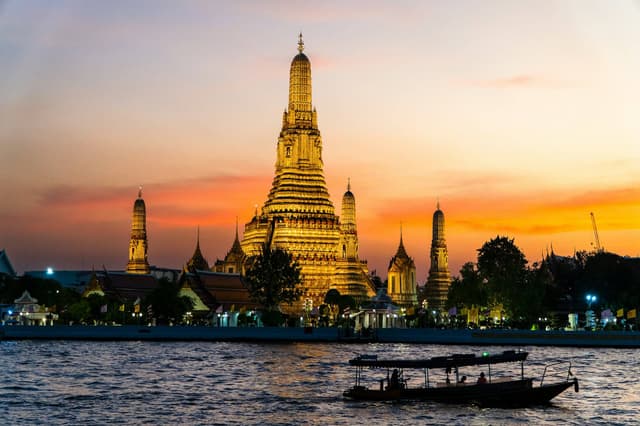
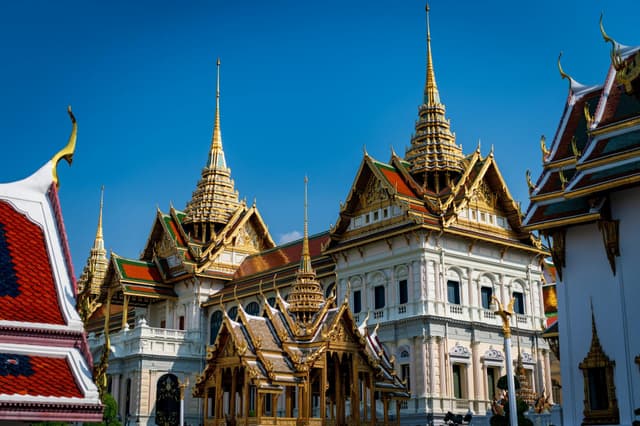
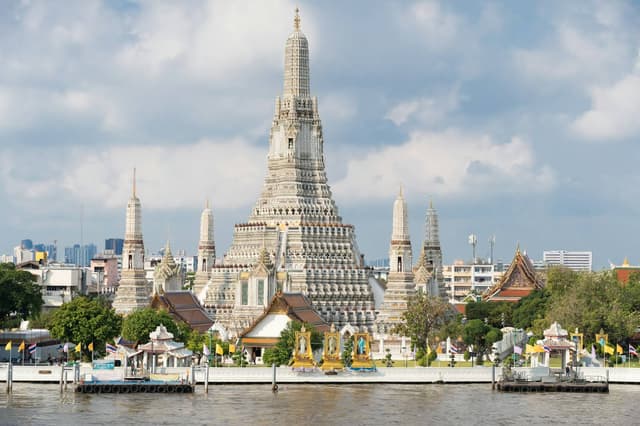
The Grand Palace and Wat Phra Kaew are the anchor, and the dress code is enforced at the gate rather than politely suggested: shoulders and knees covered, no see-through fabric, no sleeveless tops. Wat Pho with the reclining Buddha and Wat Arun across the river fill out the temple morning, and the Chao Phraya express boat is the pleasant way between them.
Two things worth knowing before you go. First, you will be told at some point that a temple is "closed today" and offered a tuk tuk tour instead. It is a scam, it is decades old and it still runs; the major temples are open daily. Walk to the official ticket window and check for yourself. Second, if Jim Thompson House is on your list, the main house can only be entered on a guided tour, the last one runs at five in the afternoon, and you cannot simply wander through. Allow an hour or so.
For shopping, Chatuchak weekend market is genuinely worth the heat if your dates include a Saturday or Sunday. Otherwise the Siam malls are air conditioned and open daily.
Phuket, and the Phi Phi day
Phuket is the base rather than the attraction. The beaches shelve steeply and the sea can be deceptive; the flag system is not decorative. Phuket records dozens of drownings a year, heavily concentrated in the monsoon months, and nearly all follow someone swimming past a red flag or at an unpatrolled beach. Caught in a rip current, swim parallel to the shore rather than straight in.
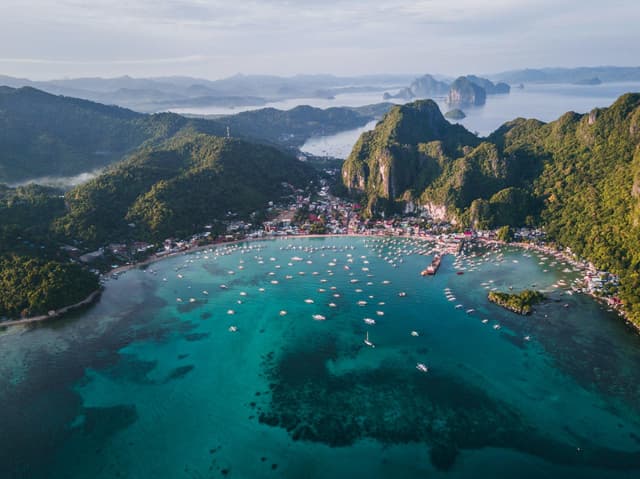
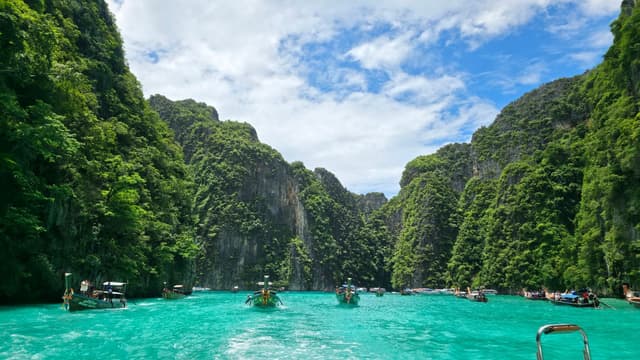
The Phi Phi excursion is the highlight, and the current rules differ from what older listings say. Swimming and snorkelling are banned at Maya Bay. Boats do not beach there; access is via a floating pier at Loh Samah and a short boardwalk, with a visitor cap and roughly an hour ashore. The swim stop is Pileh Lagoon, which is more interesting anyway. Viking Cave is viewed from the boat with no landing permitted. Monkey Beach, Bamboo Island and lunch on Phi Phi Don complete the day.
Be honest with yourself about the crossing. Phi Phi is forty to fifty kilometres out and the speedboat covers it fast, pounding through the swell. Seasickness is common and the ride is hard on backs and necks. If anyone in the group is pregnant, older, or prone to motion sickness, ask us for the large ferry instead, which takes about two hours but is far kinder. National park entry fees are collected at the pier and are not included in the package.
Laws that catch travellers out
Vapes are completely illegal in Thailand, including nicotine free and heated tobacco devices, to import, possess or use. Airport screening finds them, they are confiscated and the fines are heavy. Leave them at home.
Cannabis was recriminalised on 25 June 2025 and is medical only, with foreign prescriptions not accepted. Almost everything written online still describes the open 2022 to 2024 period, which no longer exists.
Smoking is banned on two dozen Thai beaches including Patong. Designated areas sit back from the sand.
Insulting the Thai monarchy is a criminal offence carrying years in prison, enforced against foreigners and including social media posts and damage to banknotes. At temples, keep shoulders and knees covered, remove shoes, never point your feet at a Buddha image and never turn your back on one for a photograph.
Money and connectivity
The currency is the baht. Cash for street food, markets, boats and small shops; cards work fine in malls and hotels. ATMs charge a flat foreign card fee per withdrawal, so take out more, less often, and always decline dynamic currency conversion when the machine offers to bill you in rupees. AIS and True are the two networks that matter, DTAC having merged into True in 2023. Tourist SIMs and eSIMs are sold at both airports and in 7 Eleven, and registration needs your passport. Do not drink the tap water.
Who this trip suits
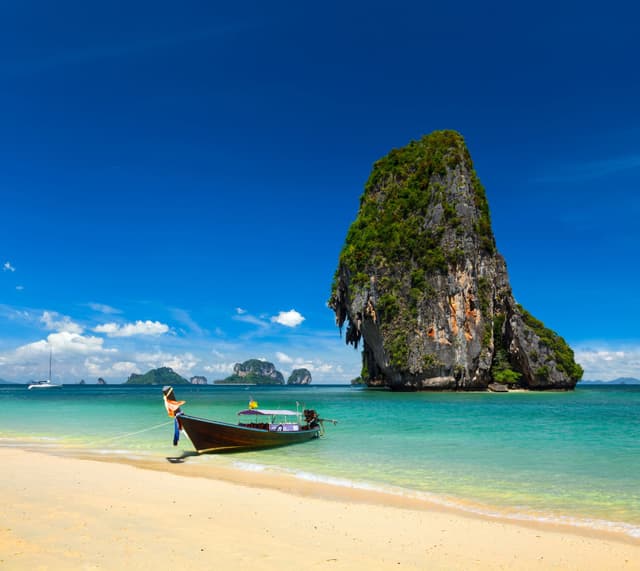
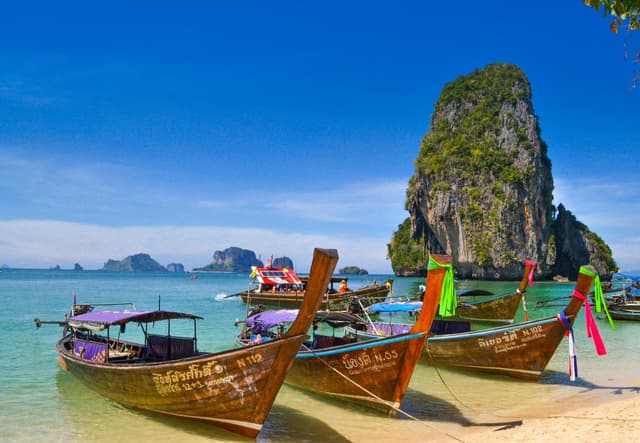
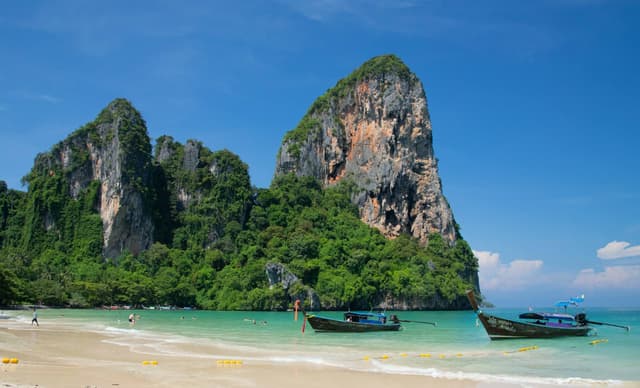
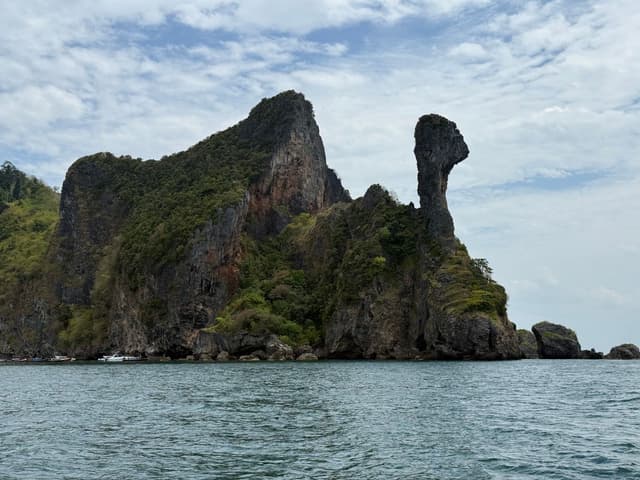
People with a week rather than two who want one proper city and one proper beach, and who would rather do two places well than four badly. If you want a second, quieter coastline in the same trip, the eight day version adds Krabi and its longtail boat islands. If your dates land in the monsoon, talk to us first, because the same budget buys a much better week in January.
This trip is part of our Thailand tour package from Nepal collection.
Plan your Thailand trip from Nepal
Before you book, Nepali and NRN travellers should review the Thailand visa for Nepali citizens. For planning, read things to do in Phuket and the best islands in Thailand. Compare every itinerary on our Thailand tour packages for Nepali travellers page, or see official visitor information from the Tourism Authority of Thailand.