



















































+977-9709047652
Explore by Country
See all 22 Thailand packages
Most popular pick
See all 22 Thailand packages
See all 11 Vietnam packages
Most popular pick
See all 11 Vietnam packages
See all 10 Indonesia (Bali) packages
Most popular pick
See all 10 Indonesia (Bali) packages
See all 4 Maldives packages
Most popular pick
See all 4 Maldives packages
See all 10 China packages
Most popular pick
See all 10 China packages
See all 6 Sri Lanka packages
Most popular pick
See all 6 Sri Lanka packages
See all 9 Malaysia packages
Most popular pick
See all 9 Malaysia packages
See all 8 Singapore packages
Most popular pick
See all 8 Singapore packages
See all 2 Kenya packages
Most popular pick
See all 2 Kenya packages
See all 16 India packages
Most popular pick
See all 16 India packages
See all 3 Dubai packages
Most popular pick
See all 3 Dubai packages
See all 6 Philippines packages
Most popular pick
See all 6 Philippines packages
Search Tours or Places
Blog / Singapore

Singapore Itinerary: 3, 4 and 5 Day Plans

19 min read 20 Aug 2026 · Updated 03 Sep 2026
Singapore Itinerary: 3, 4 and 5 Day Plans

Singapore packs world class sights, food and culture into a compact, walkable city state, so a well planned three or four day itinerary is enough to see the highlights without rushing. Three days covers Marina Bay, the cultural quarters and famous hawker food. A fourth day adds Sentosa or a slower pace, and a fifth lets you go deeper into gardens, museums and neighbourhood cafes.

This guide gives ready to use day by day plans for 3, 4 and 5 days, the smartest order to visit each area, how to hop between them on the MRT, where to eat along the way, where to stay, and a realistic daily budget. Every route is built around short, efficient journeys so you spend your time seeing Singapore rather than crossing it.

Trip lengthMain focusBest for
2 daysMarina Bay plus one cultural quarterStopovers, quick visits
3 daysMarina Bay, cultural quarters, hawker foodFirst visit, city highlights
4 daysAdds Sentosa or a slower dayFamilies, theme park fans
5 daysAdds gardens, museums and day tripsSlow travellers, repeat visitors

Why put Singapore on your itinerary?

Singapore rewards a short visit more than almost any city its size. It is spotlessly clean, exceptionally safe and easy to navigate in English, which makes it a gentle introduction to Asia for first time travellers and families. Within a few square kilometres you can wander a Chinese temple, an Indian bazaar and a Malay quarter, eat a Michelin listed hawker lunch for a few dollars, and watch a free light show under giant solar Supertrees at night. Its position between Malaysia and Indonesia also makes it a natural start or finish to a wider Southeast Asia trip.

How many days do you need in Singapore?

Three days is the sweet spot for a first visit and covers the signature sights comfortably. Add a fourth day if you want Sentosa, Universal Studios or a relaxed pace, and a fifth if you love gardens, museums or a short trip to nearby islands. Because Singapore is small and the MRT is fast, you rarely lose time in transit, so even a two day stopover leaves a strong impression.

DaysWhat you can realistically cover
2 daysMarina Bay and Gardens by the Bay, one cultural quarter, one hawker dinner
3 daysAll Marina Bay icons, Chinatown, Little India, Kampong Glam, a nature morning
4 daysEverything above plus a full Sentosa day
5 daysEverything above plus the Botanic Gardens, museums, shopping and a slow cafe day

If you are still deciding, our how many days in Singapore guide breaks down each option in more detail.
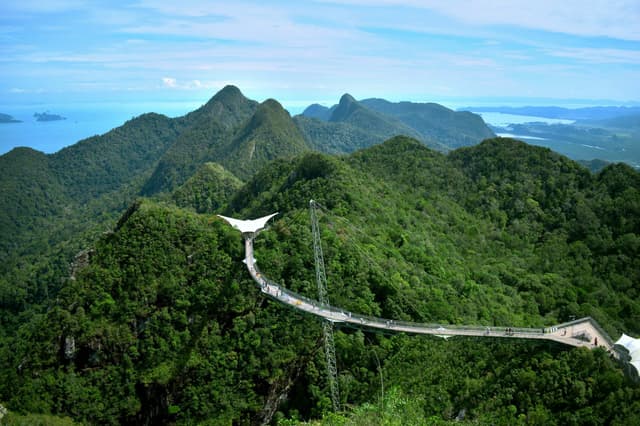
Explore Singapore tour packages
View all →

Can you see Singapore in 2 days?

Yes, two days is enough for a satisfying stopover if you keep the route tight. Spend the first day on Marina Bay, the Merlion, Gardens by the Bay and the free evening light shows, then give the second day to Chinatown and Little India with a hawker lunch and an Orchard Road or Kampong Glam evening. You will miss Sentosa and the zoo, but you will still see the icons and eat well. If your flight lands early or leaves late, add an hour at Jewel Changi on the way through.

What is the best 3 day Singapore itinerary?

This three day plan front loads the Marina Bay icons, spends a full day in the cultural quarters, and keeps a nature morning and nightlife for the final day. It groups sights by area so you walk between most stops and use the MRT only for longer hops.

Day 1: Marina Bay and Gardens by the Bay

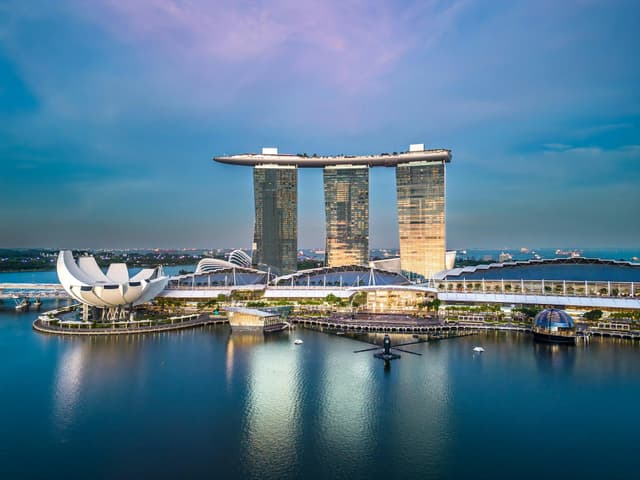
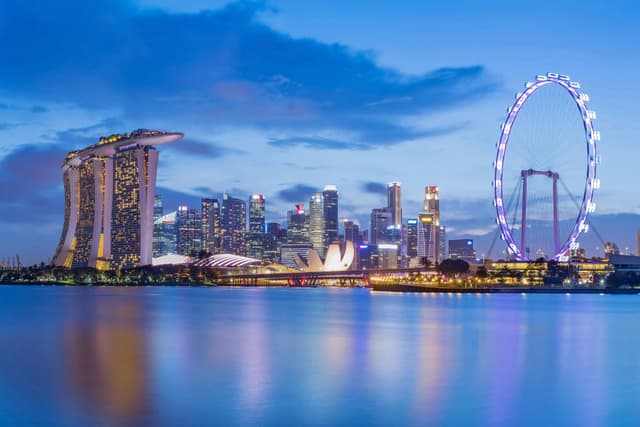
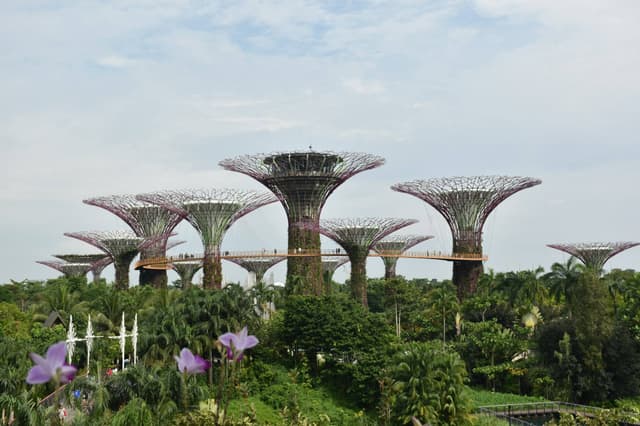
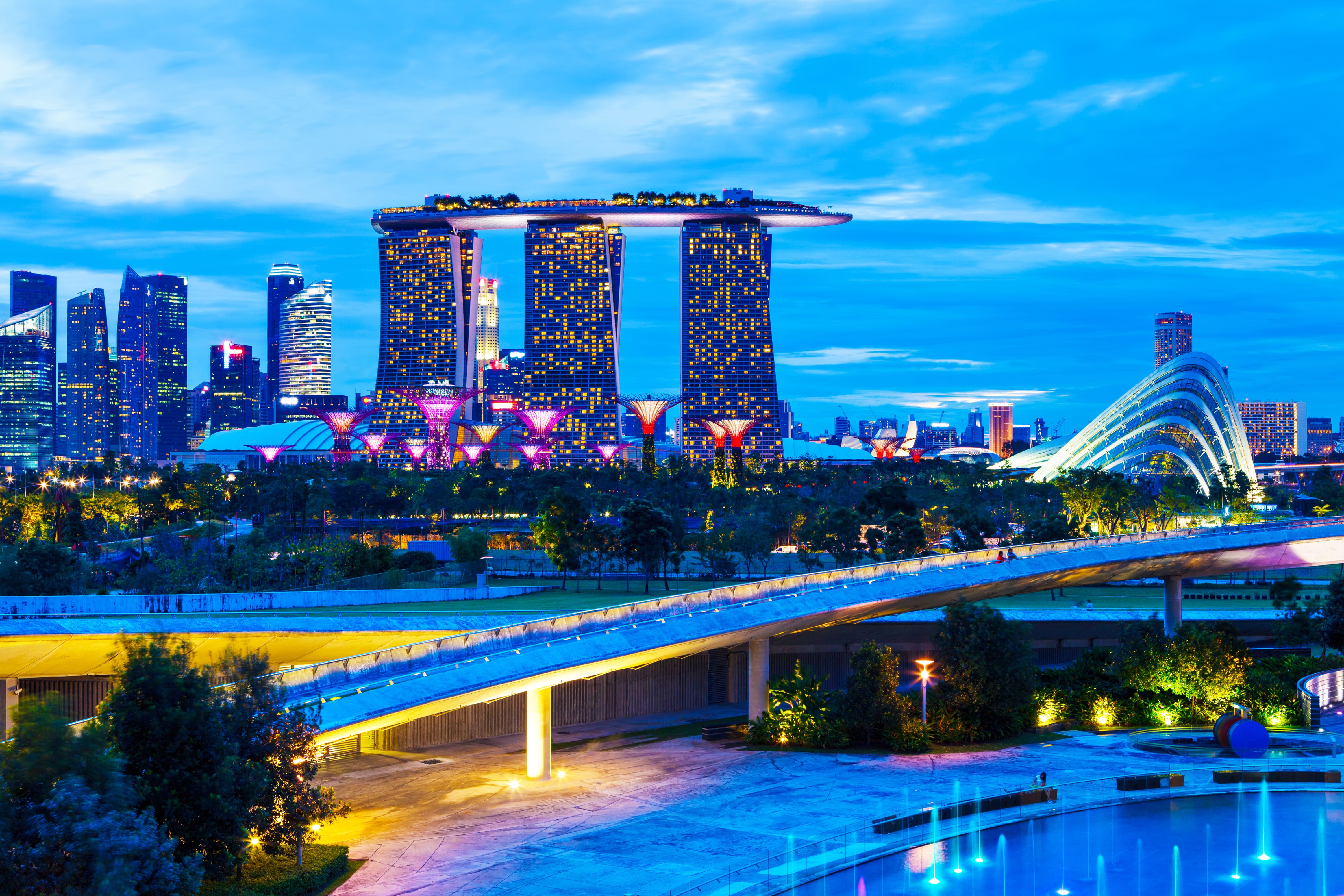
Start at Merlion Park for the classic photo of the Marina Bay Sands skyline, then walk the waterfront promenade past the Esplanade theatres and the Helix Bridge. Spend the afternoon at Gardens by the Bay, where the Cloud Forest dome holds a 35 metre indoor waterfall and the Flower Dome is the world's largest glass greenhouse. In the evening, stay for Garden Rhapsody, the free light and sound show at Supertree Grove that runs nightly, typically around 7:45pm and 8:45pm. Finish with Spectra, the free light and water show on the Event Plaza in front of Marina Bay Sands.

TimeDay 1 stop
MorningMerlion Park, waterfront promenade, ArtScience Museum
AfternoonGardens by the Bay: Cloud Forest and Flower Dome
EveningGarden Rhapsody at Supertree Grove, then Spectra

Day 2: Chinatown, Little India and Kampong Glam

Give day two to the cultural quarters. Begin in Chinatown at the Buddha Tooth Relic Temple and the colourful Sri Mariamman Temple, Singapore's oldest Hindu temple, then browse the market lanes and the Michelin listed stalls inside Chinatown Complex. After lunch, ride the MRT to Little India for the Sri Veeramakaliamman Temple, the bustling Tekka Centre and the rainbow coloured House of Tan Teng Niah. End in Kampong Glam under the golden dome of Sultan Mosque, with dinner and dessert along Arab Street and the mural filled Haji Lane.

Day 3: Nature morning and a lively evening

Spend the morning with animals or greenery. The Mandai Wildlife Reserve is home to Singapore Zoo, River Wonders, Bird Paradise and the newer Rainforest Wild Asia, while the UNESCO listed Singapore Botanic Gardens and its free National Orchid Garden offer a calmer option closer to the city. In the afternoon, shop or cafe hop along Orchard Road, then close the trip with a river cruise, a rooftop bar or dinner and drinks at Clarke Quay.

How do you spend a fourth day in Singapore?

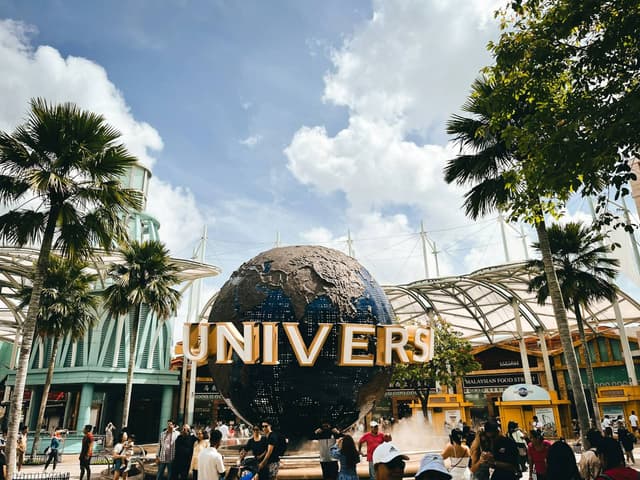
Use day four for Sentosa, the resort island a short ride south of the city. Universal Studios Singapore is the headline draw, and its new Minion Land, opened in February 2025, added the Buggie Boogie carousel and refreshed Despicable Me Minion Mayhem. Next door, the Singapore Oceanarium, which opened in July 2025 in place of the former S.E.A. Aquarium, is now about three times larger and organised around ocean science.

Beyond the big ticket attractions, Sentosa has three swimmable beaches at Siloso, Palawan and Tanjong, the Skyline Luge ride, the SkyHelix observation gondola and easy walking trails. Reach the island by the Sentosa Express monorail from VivoCity, the Sentosa Cable Car for the best views, or on foot along the Sentosa Boardwalk. If theme parks are not your thing, swap in a slow museum morning at the National Gallery or the ArtScience Museum and an afternoon of shopping. Our Sentosa Island guide covers every ride and beach in depth.

What does a 5 day Singapore itinerary add?

A fifth day turns a highlights trip into a relaxed one. Use it to slow down and explore the parts of Singapore that first timers often miss.

  • Gardens and parks: The Singapore Botanic Gardens deserve a full unhurried morning, and the Southern Ridges walk links hilltop parks by the tree top Henderson Waves bridge.
  • Museums and heritage: The National Museum of Singapore, the Peranakan Museum and the colourful shophouses of Katong and Joo Chiat tell the country's multicultural story.
  • Neighbourhood cafes: Tiong Bahru and Everton Park are full of design led cafes, murals and independent bakeries.
  • Nearby islands: A bumboat to Pulau Ubin shows a rustic, older Singapore of village trails and mangroves.

Families often use the extra day for the zoo or a second Sentosa visit, while couples add a spa afternoon or a sunset cocktail with a skyline view.

What are the best day trips from Singapore?

If you have five days or more, a short trip out of the city adds contrast. All three of these options are easy to reach and popular with visitors basing themselves in Singapore.

  • Pulau Ubin: A ten minute bumboat from Changi Point reaches this rustic island of village trails, granite quarries and the Chek Jawa wetlands. It is the closest thing to old Singapore.
  • Johor Bahru, Malaysia: Just across the causeway, Johor Bahru offers cheaper shopping, theme parks and food. Carry your passport and expect queues at the land border, especially on weekends.
  • Bintan or Batam, Indonesia: A ferry from Tanah Merah reaches these Indonesian islands in under two hours, with beach resorts and spas that make an easy overnight escape.

Because Singapore sits between Malaysia and Indonesia, many travellers combine it with a wider Southeast Asia trip rather than a single day trip.

What are the must-see attractions on a Singapore itinerary?

These are the anchor sights that shape most itineraries. Grouping them by area, as the day plans above do, keeps your route tight.

AttractionAreaWhy goTime needed
Gardens by the BayMarina BaySupertrees, cooled domes, free light showHalf day
Marina Bay Sands and waterfrontMarina BaySkyline views, SkyPark, Spectra show2 to 3 hours
ChinatownCentralTemples, markets, hawker foodHalf day
Little India and Kampong GlamCentralTemples, mosque, street art, foodHalf day
Mandai Wildlife ReserveNorthZoo, Night Safari, Bird ParadiseHalf to full day
Sentosa and Universal StudiosSouthTheme park, beaches, oceanariumFull day
Singapore Botanic GardensCentral westUNESCO park, free orchid garden2 to 3 hours
Jewel Changi AirportAirportRain Vortex waterfall, indoor forest1 to 2 hours

For a longer shortlist ordered by neighbourhood, see our roundup of the best places to visit in Singapore and the wider list of things to do in Singapore.

How do you get around Singapore between stops?

The MRT is the fastest and cheapest way to move between areas, and it reaches almost every attraction in this itinerary. Trains are clean, air conditioned and frequent, and the network is easy to read. Tap in and out with an EZ-Link card, a Singapore Tourist Pass, or simply a contactless bank card or phone through the SimplyGo system, which now works on all buses and trains. Walk within each district, since the cultural quarters and Marina Bay are compact, and save taxis or Grab for late nights after trains stop or for luggage runs.

OptionGood forNotes
MRT and busesAlmost all sightseeingCheapest, fast, air conditioned
SimplyGo contactlessCasual visitorsTap any Visa or Mastercard or phone, no separate card
Singapore Tourist PassHeavy transit daysUnlimited rides for 1, 2 or 3 days
Grab and taxisLate nights, groups, luggageMetered or app fare, more costly
WalkingWithin each districtFree, but bring water for the humidity

From Changi Airport, the MRT reaches the city in about 45 minutes, and Jewel Changi with its indoor waterfall is worth an hour if you have a layover. Our Changi Airport guide covers transfers and long stopovers.

Where should you stay in Singapore?

Singapore is small, so almost any central area works, but each neighbourhood has a different feel. Base yourself near an MRT station to make this itinerary effortless.

AreaFeelBest for
Marina BayIconic, upscaleSkyline views, big sights on your doorstep
Orchard RoadShopping, centralMalls, restaurants, easy transport
Chinatown and Tanjong PagarHeritage, foodieHawker food, boutique hotels, nightlife
Bugis and Kampong GlamTrendy, culturalMid range stays, street food, character
SentosaResort islandFamilies splurging on theme park days

Where should you eat along your Singapore route?

Hawker centres are the heart of Singapore's food scene, and eating at them is cheap, safe and delicious. Most sit right next to the attractions in this plan, so you never have to detour far for a great meal. Aim to try the national dishes as you go and treat dessert stalls and kopi, the local coffee, as part of the experience.

Hawker centreNearTry
Maxwell Food CentreChinatownHainanese chicken rice
Chinatown ComplexChinatownMichelin listed stalls, char kway teow
Lau Pa SatMarina Bay areaSatay street in the evening
Newton Food CentreOrchardChilli crab, barbecued seafood
Tekka CentreLittle IndiaBiryani, roti prata, Indian sweets
Old Airport RoadEastHokkien mee, laksa, local favourites

Signature dishes to hunt down include Hainanese chicken rice, chilli crab, laksa, char kway teow, satay, Hokkien mee, bak kut teh and kaya toast with soft boiled eggs. For a full breakdown of stalls and dishes, see our best food in Singapore hawker guide.

How much should you budget for a Singapore trip?

Singapore can be as affordable or as lavish as you like. Hawker meals, MRT rides and free sights such as Gardens by the Bay's outdoor areas keep costs low, while rooftop bars, theme parks and fine dining push them up quickly. The daily figures below are approximate per person guidance in Singapore dollars and exclude flights and hotels, and prices do change over time.

StyleApprox. daily spend (SGD)What it covers
Budget50 to 90Hawker meals, MRT, mostly free sights
Mid range120 to 220Casual restaurants, a paid attraction, some taxis
Comfort250 and upNicer dining, theme parks, rooftop bars

Save money by eating at hawker centres, buying attraction tickets online in advance, and carrying a refillable water bottle. Our guide on whether Singapore is expensive breaks costs down category by category.

When is the best time to follow this itinerary?

Singapore is hot and humid all year, with daytime temperatures around 25 to 32 degrees Celsius and no true seasons. February to April tends to be slightly drier and is a popular window, while November to January is the wetter northeast monsoon, though showers are usually short and heavy rather than all day. Because so much of this itinerary can shift indoors, to the cooled domes, museums, malls or hawker centres, rain rarely ruins a day.

Time your visit with events if you can. The Formula 1 Singapore Grand Prix lights up Marina Bay in September, Chinese New Year fills Chinatown in January or February, Deepavali brightens Little India, and National Day on 9 August brings parades and fireworks. For a month by month breakdown, see our best time to visit Singapore guide.

What should first time visitors know?

A few practical habits make Singapore easy. Tap water is safe to drink, so refill a bottle rather than buying plastic. Dress in light, breathable clothing and carry a small umbrella for sudden showers. Tipping is not expected, and many bills already add a service charge. Singapore is famously safe and clean, but its laws are strict, so avoid jaywalking, littering, smoking outside marked areas and eating or drinking on the MRT.

  • Connectivity: Buy a local SIM or an eSIM at the airport for cheap, fast data and easy Grab bookings.
  • Payments: Cards and phone payments work almost everywhere, though small hawker stalls may prefer cash or PayNow.
  • Language: English is widely spoken, so getting around and ordering food is simple.
  • Etiquette: Queue patiently, keep noise down on trains and remove shoes when entering homes or some temples.

For the full list of local rules and customs, read our dos and don'ts in Singapore guide.

What should you pack for Singapore?

Pack for heat, humidity and the occasional downpour. The essentials are light clothing, comfortable walking shoes, sun protection and a compact umbrella or rain jacket. Bring a light layer too, because indoor spaces, malls and the MRT are heavily air conditioned. A refillable water bottle, a power bank and a contactless card for transport round out the list.

How do you beat the heat and crowds?

The tropical heat is the main challenge, so plan around it. Start outdoor sights such as the Botanic Gardens, the zoo or the beaches early in the morning, then move to air conditioned spaces during the hottest midday hours. The cooled domes at Gardens by the Bay, the museums, the malls along Orchard Road and the hawker centres are all pleasant midday refuges. Carry water, wear a hat and reapply sunscreen. To dodge crowds, visit Sentosa and Universal Studios on a weekday, arrive at popular temples soon after they open, and book theme park and observation deck tickets online to skip queues.

What are common Singapore itinerary mistakes to avoid?

A few simple errors cost travellers time and comfort. Do not try to cram sights from opposite ends of the island into one day, because grouping by area is what keeps this plan efficient. Do not underestimate the humidity, which makes long walks tiring, so build in breaks. Do not skip the free experiences, since Gardens by the Bay's outdoor gardens, the light shows and the temples cost nothing and rank among the best moments. Finally, do not eat only in malls when the hawker centres next door serve better food for a fraction of the price.

Do you need to book Singapore attractions in advance?

For the big paid attractions, yes. Universal Studios Singapore, the Singapore Oceanarium, the Marina Bay Sands SkyPark and the Singapore Flyer all sell timed tickets online, usually at a small discount, and booking ahead lets you skip the ticket queues. The cooled domes at Gardens by the Bay are also cheaper and quicker with an online ticket. Free sights such as the outdoor gardens, the temples and the evening light shows need no booking at all, so you can keep those flexible around the weather.

Is Singapore a good base for a longer trip?

Yes. Singapore's world class airport and central location make it an easy hub for a longer holiday. Many travellers pair it with the beaches of Bali, the islands of the Maldives or a city and nature loop through Malaysia and Thailand, using Singapore as the polished, comfortable start or end. Combining Singapore with a neighbouring destination turns a single stopover into a full regional adventure without long backtracking.

How can you tailor this Singapore itinerary?

The same framework flexes easily for different travellers.

  • Families: Lead with the zoo, Sentosa and Gardens by the Bay, keep days shorter, and build in pool time. Our Singapore with kids guide lists the most child friendly stops.
  • Couples: Add a SkyPark sunset, a Singapore Flyer ride and a quiet Botanic Gardens morning. See our Singapore honeymoon ideas.
  • First timers: Stick to the three day core and do not over pack each day, since the humidity slows everyone down.
  • Shoppers: Swap a nature morning for Orchard Road and Bugis, covered in our Singapore shopping guide.

Wherever you start, first read the essentials in our Singapore travel guide so the plan fits your dates and budget.

To skip the logistics and bundle your stay, attraction tickets and airport transfers into one plan, curated Singapore tour packages can put this whole itinerary together for you.

Frequently asked questions

Is 3 days enough for Singapore?

Yes, three days is enough to see the highlights. It covers Marina Bay and Gardens by the Bay, the cultural quarters of Chinatown, Little India and Kampong Glam, and plenty of hawker food. A fourth day is ideal if you want Sentosa or a slower pace.

What is the best order to see Singapore in 3 days?

Start with the Marina Bay icons and Gardens by the Bay on day one, spend day two in the cultural quarters, and keep a nature morning plus a lively evening for day three. Grouping sights by area keeps most of your route walkable.

Can you see Singapore in 2 days?

Yes. Two days covers Marina Bay, Gardens by the Bay and the free evening light shows on day one, then Chinatown, Little India and an Orchard Road evening on day two. You will miss Sentosa and the zoo but still see the icons.

Do you need a 4th or 5th day in Singapore?

A fourth day is worth it for Sentosa, Universal Studios and the Singapore Oceanarium, or for a more relaxed pace. A fifth day suits travellers who love the Botanic Gardens, museums, cafes or a short trip to Pulau Ubin.

Is Singapore easy to get around for tourists?

Very. The MRT is clean, cheap and reaches nearly every attraction, and you can tap in with a contactless bank card or phone through SimplyGo. The city is safe and walkable within each district.

How do you get from Changi Airport to the city?

The MRT connects Changi Airport to the city centre in around 45 minutes and is the cheapest option. Taxis and Grab are faster and more direct. If you have a layover, Jewel Changi and its indoor Rain Vortex waterfall are inside the airport.

What is the must see attraction in Singapore?

Gardens by the Bay and the Marina Bay waterfront are the signature sights, best paired with the free Garden Rhapsody light show at Supertree Grove and the Spectra show at Marina Bay Sands.

Is Singapore good for families?

Yes. Sentosa, Universal Studios, the zoo, Bird Paradise and Gardens by the Bay make it very family friendly, and the short, easy transport between sights keeps young children happy.

How much does a Singapore trip cost per day?

Excluding flights and hotels, budget travellers can spend roughly 50 to 90 SGD a day using hawker centres and the MRT, mid range travellers around 120 to 220 SGD, and comfort travellers 250 SGD or more. Prices are approximate and change over time.

What is the best time of year to visit Singapore?

Singapore is warm and humid year round. February to April is slightly drier and popular, while November to January is wetter but with short, heavy showers. Much of this itinerary can move indoors, so rain rarely spoils a day.

Do Nepali travellers need a visa for Singapore?

Nepali passport holders need to arrange a Singapore visa in advance, while many diaspora passports such as those from the US, UK, EU and Australia enter visa free. Every visitor must also submit the SG Arrival Card online within three days before arrival.

Where is the best area to stay in Singapore?

Marina Bay suits skyline views and big sights, Orchard Road is best for shopping and transport, Chinatown and Tanjong Pagar are great for food and boutique hotels, and Bugis and Kampong Glam offer character at mid range prices. Families splurging on theme park days sometimes stay on Sentosa.

Can you visit Singapore on a layover?

Yes. With a layover of about five to six hours or more, you can clear immigration and reach the city by MRT for a quick look at Marina Bay or Chinatown. With less time, explore Jewel Changi and its Rain Vortex waterfall inside the airport.

Tags
Singapore
Share
G
Gomayu Team
Writer at Gomayu
Keep reading
Blog / Singapore
Singapore Itinerary: 3, 4 and 5 Day Plans
19 min read 20 Aug 2026 · Updated 03 Sep 2026
Singapore Itinerary: 3, 4 and 5 Day Plans

Singapore packs world class sights, food and culture into a compact, walkable city state, so a well planned three or four day itinerary is enough to see the highlights without rushing. Three days covers Marina Bay, the cultural quarters and famous hawker food. A fourth day adds Sentosa or a slower pace, and a fifth lets you go deeper into gardens, museums and neighbourhood cafes.

This guide gives ready to use day by day plans for 3, 4 and 5 days, the smartest order to visit each area, how to hop between them on the MRT, where to eat along the way, where to stay, and a realistic daily budget. Every route is built around short, efficient journeys so you spend your time seeing Singapore rather than crossing it.

Trip lengthMain focusBest for
2 daysMarina Bay plus one cultural quarterStopovers, quick visits
3 daysMarina Bay, cultural quarters, hawker foodFirst visit, city highlights
4 daysAdds Sentosa or a slower dayFamilies, theme park fans
5 daysAdds gardens, museums and day tripsSlow travellers, repeat visitors

Why put Singapore on your itinerary?

Singapore rewards a short visit more than almost any city its size. It is spotlessly clean, exceptionally safe and easy to navigate in English, which makes it a gentle introduction to Asia for first time travellers and families. Within a few square kilometres you can wander a Chinese temple, an Indian bazaar and a Malay quarter, eat a Michelin listed hawker lunch for a few dollars, and watch a free light show under giant solar Supertrees at night. Its position between Malaysia and Indonesia also makes it a natural start or finish to a wider Southeast Asia trip.

How many days do you need in Singapore?

Three days is the sweet spot for a first visit and covers the signature sights comfortably. Add a fourth day if you want Sentosa, Universal Studios or a relaxed pace, and a fifth if you love gardens, museums or a short trip to nearby islands. Because Singapore is small and the MRT is fast, you rarely lose time in transit, so even a two day stopover leaves a strong impression.

DaysWhat you can realistically cover
2 daysMarina Bay and Gardens by the Bay, one cultural quarter, one hawker dinner
3 daysAll Marina Bay icons, Chinatown, Little India, Kampong Glam, a nature morning
4 daysEverything above plus a full Sentosa day
5 daysEverything above plus the Botanic Gardens, museums, shopping and a slow cafe day

If you are still deciding, our how many days in Singapore guide breaks down each option in more detail.
Explore Singapore tour packages
View all →

Can you see Singapore in 2 days?

Yes, two days is enough for a satisfying stopover if you keep the route tight. Spend the first day on Marina Bay, the Merlion, Gardens by the Bay and the free evening light shows, then give the second day to Chinatown and Little India with a hawker lunch and an Orchard Road or Kampong Glam evening. You will miss Sentosa and the zoo, but you will still see the icons and eat well. If your flight lands early or leaves late, add an hour at Jewel Changi on the way through.

What is the best 3 day Singapore itinerary?

This three day plan front loads the Marina Bay icons, spends a full day in the cultural quarters, and keeps a nature morning and nightlife for the final day. It groups sights by area so you walk between most stops and use the MRT only for longer hops.

Day 1: Marina Bay and Gardens by the Bay

Start at Merlion Park for the classic photo of the Marina Bay Sands skyline, then walk the waterfront promenade past the Esplanade theatres and the Helix Bridge. Spend the afternoon at Gardens by the Bay, where the Cloud Forest dome holds a 35 metre indoor waterfall and the Flower Dome is the world's largest glass greenhouse. In the evening, stay for Garden Rhapsody, the free light and sound show at Supertree Grove that runs nightly, typically around 7:45pm and 8:45pm. Finish with Spectra, the free light and water show on the Event Plaza in front of Marina Bay Sands.

TimeDay 1 stop
MorningMerlion Park, waterfront promenade, ArtScience Museum
AfternoonGardens by the Bay: Cloud Forest and Flower Dome
EveningGarden Rhapsody at Supertree Grove, then Spectra

Day 2: Chinatown, Little India and Kampong Glam

Give day two to the cultural quarters. Begin in Chinatown at the Buddha Tooth Relic Temple and the colourful Sri Mariamman Temple, Singapore's oldest Hindu temple, then browse the market lanes and the Michelin listed stalls inside Chinatown Complex. After lunch, ride the MRT to Little India for the Sri Veeramakaliamman Temple, the bustling Tekka Centre and the rainbow coloured House of Tan Teng Niah. End in Kampong Glam under the golden dome of Sultan Mosque, with dinner and dessert along Arab Street and the mural filled Haji Lane.

Day 3: Nature morning and a lively evening

Spend the morning with animals or greenery. The Mandai Wildlife Reserve is home to Singapore Zoo, River Wonders, Bird Paradise and the newer Rainforest Wild Asia, while the UNESCO listed Singapore Botanic Gardens and its free National Orchid Garden offer a calmer option closer to the city. In the afternoon, shop or cafe hop along Orchard Road, then close the trip with a river cruise, a rooftop bar or dinner and drinks at Clarke Quay.

How do you spend a fourth day in Singapore?

Use day four for Sentosa, the resort island a short ride south of the city. Universal Studios Singapore is the headline draw, and its new Minion Land, opened in February 2025, added the Buggie Boogie carousel and refreshed Despicable Me Minion Mayhem. Next door, the Singapore Oceanarium, which opened in July 2025 in place of the former S.E.A. Aquarium, is now about three times larger and organised around ocean science.

Beyond the big ticket attractions, Sentosa has three swimmable beaches at Siloso, Palawan and Tanjong, the Skyline Luge ride, the SkyHelix observation gondola and easy walking trails. Reach the island by the Sentosa Express monorail from VivoCity, the Sentosa Cable Car for the best views, or on foot along the Sentosa Boardwalk. If theme parks are not your thing, swap in a slow museum morning at the National Gallery or the ArtScience Museum and an afternoon of shopping. Our Sentosa Island guide covers every ride and beach in depth.

What does a 5 day Singapore itinerary add?

A fifth day turns a highlights trip into a relaxed one. Use it to slow down and explore the parts of Singapore that first timers often miss.

  • Gardens and parks: The Singapore Botanic Gardens deserve a full unhurried morning, and the Southern Ridges walk links hilltop parks by the tree top Henderson Waves bridge.
  • Museums and heritage: The National Museum of Singapore, the Peranakan Museum and the colourful shophouses of Katong and Joo Chiat tell the country's multicultural story.
  • Neighbourhood cafes: Tiong Bahru and Everton Park are full of design led cafes, murals and independent bakeries.
  • Nearby islands: A bumboat to Pulau Ubin shows a rustic, older Singapore of village trails and mangroves.

Families often use the extra day for the zoo or a second Sentosa visit, while couples add a spa afternoon or a sunset cocktail with a skyline view.

What are the best day trips from Singapore?

If you have five days or more, a short trip out of the city adds contrast. All three of these options are easy to reach and popular with visitors basing themselves in Singapore.

  • Pulau Ubin: A ten minute bumboat from Changi Point reaches this rustic island of village trails, granite quarries and the Chek Jawa wetlands. It is the closest thing to old Singapore.
  • Johor Bahru, Malaysia: Just across the causeway, Johor Bahru offers cheaper shopping, theme parks and food. Carry your passport and expect queues at the land border, especially on weekends.
  • Bintan or Batam, Indonesia: A ferry from Tanah Merah reaches these Indonesian islands in under two hours, with beach resorts and spas that make an easy overnight escape.

Because Singapore sits between Malaysia and Indonesia, many travellers combine it with a wider Southeast Asia trip rather than a single day trip.

What are the must-see attractions on a Singapore itinerary?

These are the anchor sights that shape most itineraries. Grouping them by area, as the day plans above do, keeps your route tight.

AttractionAreaWhy goTime needed
Gardens by the BayMarina BaySupertrees, cooled domes, free light showHalf day
Marina Bay Sands and waterfrontMarina BaySkyline views, SkyPark, Spectra show2 to 3 hours
ChinatownCentralTemples, markets, hawker foodHalf day
Little India and Kampong GlamCentralTemples, mosque, street art, foodHalf day
Mandai Wildlife ReserveNorthZoo, Night Safari, Bird ParadiseHalf to full day
Sentosa and Universal StudiosSouthTheme park, beaches, oceanariumFull day
Singapore Botanic GardensCentral westUNESCO park, free orchid garden2 to 3 hours
Jewel Changi AirportAirportRain Vortex waterfall, indoor forest1 to 2 hours

For a longer shortlist ordered by neighbourhood, see our roundup of the best places to visit in Singapore and the wider list of things to do in Singapore.

How do you get around Singapore between stops?

The MRT is the fastest and cheapest way to move between areas, and it reaches almost every attraction in this itinerary. Trains are clean, air conditioned and frequent, and the network is easy to read. Tap in and out with an EZ-Link card, a Singapore Tourist Pass, or simply a contactless bank card or phone through the SimplyGo system, which now works on all buses and trains. Walk within each district, since the cultural quarters and Marina Bay are compact, and save taxis or Grab for late nights after trains stop or for luggage runs.

OptionGood forNotes
MRT and busesAlmost all sightseeingCheapest, fast, air conditioned
SimplyGo contactlessCasual visitorsTap any Visa or Mastercard or phone, no separate card
Singapore Tourist PassHeavy transit daysUnlimited rides for 1, 2 or 3 days
Grab and taxisLate nights, groups, luggageMetered or app fare, more costly
WalkingWithin each districtFree, but bring water for the humidity

From Changi Airport, the MRT reaches the city in about 45 minutes, and Jewel Changi with its indoor waterfall is worth an hour if you have a layover. Our Changi Airport guide covers transfers and long stopovers.

Where should you stay in Singapore?

Singapore is small, so almost any central area works, but each neighbourhood has a different feel. Base yourself near an MRT station to make this itinerary effortless.

AreaFeelBest for
Marina BayIconic, upscaleSkyline views, big sights on your doorstep
Orchard RoadShopping, centralMalls, restaurants, easy transport
Chinatown and Tanjong PagarHeritage, foodieHawker food, boutique hotels, nightlife
Bugis and Kampong GlamTrendy, culturalMid range stays, street food, character
SentosaResort islandFamilies splurging on theme park days

Where should you eat along your Singapore route?

Hawker centres are the heart of Singapore's food scene, and eating at them is cheap, safe and delicious. Most sit right next to the attractions in this plan, so you never have to detour far for a great meal. Aim to try the national dishes as you go and treat dessert stalls and kopi, the local coffee, as part of the experience.

Hawker centreNearTry
Maxwell Food CentreChinatownHainanese chicken rice
Chinatown ComplexChinatownMichelin listed stalls, char kway teow
Lau Pa SatMarina Bay areaSatay street in the evening
Newton Food CentreOrchardChilli crab, barbecued seafood
Tekka CentreLittle IndiaBiryani, roti prata, Indian sweets
Old Airport RoadEastHokkien mee, laksa, local favourites

Signature dishes to hunt down include Hainanese chicken rice, chilli crab, laksa, char kway teow, satay, Hokkien mee, bak kut teh and kaya toast with soft boiled eggs. For a full breakdown of stalls and dishes, see our best food in Singapore hawker guide.

How much should you budget for a Singapore trip?

Singapore can be as affordable or as lavish as you like. Hawker meals, MRT rides and free sights such as Gardens by the Bay's outdoor areas keep costs low, while rooftop bars, theme parks and fine dining push them up quickly. The daily figures below are approximate per person guidance in Singapore dollars and exclude flights and hotels, and prices do change over time.

StyleApprox. daily spend (SGD)What it covers
Budget50 to 90Hawker meals, MRT, mostly free sights
Mid range120 to 220Casual restaurants, a paid attraction, some taxis
Comfort250 and upNicer dining, theme parks, rooftop bars

Save money by eating at hawker centres, buying attraction tickets online in advance, and carrying a refillable water bottle. Our guide on whether Singapore is expensive breaks costs down category by category.

When is the best time to follow this itinerary?

Singapore is hot and humid all year, with daytime temperatures around 25 to 32 degrees Celsius and no true seasons. February to April tends to be slightly drier and is a popular window, while November to January is the wetter northeast monsoon, though showers are usually short and heavy rather than all day. Because so much of this itinerary can shift indoors, to the cooled domes, museums, malls or hawker centres, rain rarely ruins a day.

Time your visit with events if you can. The Formula 1 Singapore Grand Prix lights up Marina Bay in September, Chinese New Year fills Chinatown in January or February, Deepavali brightens Little India, and National Day on 9 August brings parades and fireworks. For a month by month breakdown, see our best time to visit Singapore guide.

What should first time visitors know?

A few practical habits make Singapore easy. Tap water is safe to drink, so refill a bottle rather than buying plastic. Dress in light, breathable clothing and carry a small umbrella for sudden showers. Tipping is not expected, and many bills already add a service charge. Singapore is famously safe and clean, but its laws are strict, so avoid jaywalking, littering, smoking outside marked areas and eating or drinking on the MRT.

  • Connectivity: Buy a local SIM or an eSIM at the airport for cheap, fast data and easy Grab bookings.
  • Payments: Cards and phone payments work almost everywhere, though small hawker stalls may prefer cash or PayNow.
  • Language: English is widely spoken, so getting around and ordering food is simple.
  • Etiquette: Queue patiently, keep noise down on trains and remove shoes when entering homes or some temples.

For the full list of local rules and customs, read our dos and don'ts in Singapore guide.

What should you pack for Singapore?

Pack for heat, humidity and the occasional downpour. The essentials are light clothing, comfortable walking shoes, sun protection and a compact umbrella or rain jacket. Bring a light layer too, because indoor spaces, malls and the MRT are heavily air conditioned. A refillable water bottle, a power bank and a contactless card for transport round out the list.

How do you beat the heat and crowds?

The tropical heat is the main challenge, so plan around it. Start outdoor sights such as the Botanic Gardens, the zoo or the beaches early in the morning, then move to air conditioned spaces during the hottest midday hours. The cooled domes at Gardens by the Bay, the museums, the malls along Orchard Road and the hawker centres are all pleasant midday refuges. Carry water, wear a hat and reapply sunscreen. To dodge crowds, visit Sentosa and Universal Studios on a weekday, arrive at popular temples soon after they open, and book theme park and observation deck tickets online to skip queues.

What are common Singapore itinerary mistakes to avoid?

A few simple errors cost travellers time and comfort. Do not try to cram sights from opposite ends of the island into one day, because grouping by area is what keeps this plan efficient. Do not underestimate the humidity, which makes long walks tiring, so build in breaks. Do not skip the free experiences, since Gardens by the Bay's outdoor gardens, the light shows and the temples cost nothing and rank among the best moments. Finally, do not eat only in malls when the hawker centres next door serve better food for a fraction of the price.

Do you need to book Singapore attractions in advance?

For the big paid attractions, yes. Universal Studios Singapore, the Singapore Oceanarium, the Marina Bay Sands SkyPark and the Singapore Flyer all sell timed tickets online, usually at a small discount, and booking ahead lets you skip the ticket queues. The cooled domes at Gardens by the Bay are also cheaper and quicker with an online ticket. Free sights such as the outdoor gardens, the temples and the evening light shows need no booking at all, so you can keep those flexible around the weather.

Is Singapore a good base for a longer trip?

Yes. Singapore's world class airport and central location make it an easy hub for a longer holiday. Many travellers pair it with the beaches of Bali, the islands of the Maldives or a city and nature loop through Malaysia and Thailand, using Singapore as the polished, comfortable start or end. Combining Singapore with a neighbouring destination turns a single stopover into a full regional adventure without long backtracking.

How can you tailor this Singapore itinerary?

The same framework flexes easily for different travellers.

  • Families: Lead with the zoo, Sentosa and Gardens by the Bay, keep days shorter, and build in pool time. Our Singapore with kids guide lists the most child friendly stops.
  • Couples: Add a SkyPark sunset, a Singapore Flyer ride and a quiet Botanic Gardens morning. See our Singapore honeymoon ideas.
  • First timers: Stick to the three day core and do not over pack each day, since the humidity slows everyone down.
  • Shoppers: Swap a nature morning for Orchard Road and Bugis, covered in our Singapore shopping guide.

Wherever you start, first read the essentials in our Singapore travel guide so the plan fits your dates and budget.

To skip the logistics and bundle your stay, attraction tickets and airport transfers into one plan, curated Singapore tour packages can put this whole itinerary together for you.

Frequently asked questions

Is 3 days enough for Singapore?

Yes, three days is enough to see the highlights. It covers Marina Bay and Gardens by the Bay, the cultural quarters of Chinatown, Little India and Kampong Glam, and plenty of hawker food. A fourth day is ideal if you want Sentosa or a slower pace.

What is the best order to see Singapore in 3 days?

Start with the Marina Bay icons and Gardens by the Bay on day one, spend day two in the cultural quarters, and keep a nature morning plus a lively evening for day three. Grouping sights by area keeps most of your route walkable.

Can you see Singapore in 2 days?

Yes. Two days covers Marina Bay, Gardens by the Bay and the free evening light shows on day one, then Chinatown, Little India and an Orchard Road evening on day two. You will miss Sentosa and the zoo but still see the icons.

Do you need a 4th or 5th day in Singapore?

A fourth day is worth it for Sentosa, Universal Studios and the Singapore Oceanarium, or for a more relaxed pace. A fifth day suits travellers who love the Botanic Gardens, museums, cafes or a short trip to Pulau Ubin.

Is Singapore easy to get around for tourists?

Very. The MRT is clean, cheap and reaches nearly every attraction, and you can tap in with a contactless bank card or phone through SimplyGo. The city is safe and walkable within each district.

How do you get from Changi Airport to the city?

The MRT connects Changi Airport to the city centre in around 45 minutes and is the cheapest option. Taxis and Grab are faster and more direct. If you have a layover, Jewel Changi and its indoor Rain Vortex waterfall are inside the airport.

What is the must see attraction in Singapore?

Gardens by the Bay and the Marina Bay waterfront are the signature sights, best paired with the free Garden Rhapsody light show at Supertree Grove and the Spectra show at Marina Bay Sands.

Is Singapore good for families?

Yes. Sentosa, Universal Studios, the zoo, Bird Paradise and Gardens by the Bay make it very family friendly, and the short, easy transport between sights keeps young children happy.

How much does a Singapore trip cost per day?

Excluding flights and hotels, budget travellers can spend roughly 50 to 90 SGD a day using hawker centres and the MRT, mid range travellers around 120 to 220 SGD, and comfort travellers 250 SGD or more. Prices are approximate and change over time.

What is the best time of year to visit Singapore?

Singapore is warm and humid year round. February to April is slightly drier and popular, while November to January is wetter but with short, heavy showers. Much of this itinerary can move indoors, so rain rarely spoils a day.

Do Nepali travellers need a visa for Singapore?

Nepali passport holders need to arrange a Singapore visa in advance, while many diaspora passports such as those from the US, UK, EU and Australia enter visa free. Every visitor must also submit the SG Arrival Card online within three days before arrival.

Where is the best area to stay in Singapore?

Marina Bay suits skyline views and big sights, Orchard Road is best for shopping and transport, Chinatown and Tanjong Pagar are great for food and boutique hotels, and Bugis and Kampong Glam offer character at mid range prices. Families splurging on theme park days sometimes stay on Sentosa.

Can you visit Singapore on a layover?

Yes. With a layover of about five to six hours or more, you can clear immigration and reach the city by MRT for a quick look at Marina Bay or Chinatown. With less time, explore Jewel Changi and its Rain Vortex waterfall inside the airport.
Tags
Singapore
Share
G
Gomayu Team
Writer at Gomayu
Keep reading