










































+977-9709047652
Explore by Country
See all 22 Thailand packages
Most popular pick
See all 22 Thailand packages
See all 11 Vietnam packages
Most popular pick
See all 11 Vietnam packages
See all 10 Indonesia (Bali) packages
Most popular pick
See all 10 Indonesia (Bali) packages
See all 4 Maldives packages
Most popular pick
See all 4 Maldives packages
See all 10 China packages
Most popular pick
See all 10 China packages
See all 6 Sri Lanka packages
Most popular pick
See all 6 Sri Lanka packages
See all 9 Malaysia packages
Most popular pick
See all 9 Malaysia packages
See all 8 Singapore packages
Most popular pick
See all 8 Singapore packages
See all 2 Kenya packages
Most popular pick
See all 2 Kenya packages
See all 16 India packages
Most popular pick
See all 16 India packages
See all 3 Dubai packages
Most popular pick
See all 3 Dubai packages
See all 6 Philippines packages
Most popular pick
See all 6 Philippines packages
Search Tours or Places
Blog / Dubai

Dubai Desert Safari: Types, Tips and Timing

20 min read 20 Aug 2026 · Updated 07 Sep 2026
Dubai Desert Safari: Types, Tips and Timing

A desert safari is the signature Dubai experience, mixing dune bashing in a four wheel drive with camel rides, sandboarding and a desert camp dinner under the stars. The two main choices are a short morning safari focused on adventure, or an evening safari that adds sunset views, a barbecue buffet and live entertainment. Most first timers pick the evening tour, while photographers and thrill seekers often prefer the quieter morning. This guide explains every safari type, what is included, current 2026 price ranges, where the tours run, what to wear, and how to choose a safe, well reviewed operator.

Safari typeIncludesBest forLength
Morning safariDune bashing, sandboarding, camel rideAdventure, fewer crowds3 to 4 hours
Evening safariSunset, camp, barbecue, showsFirst timers, families6 to 7 hours
Premium or luxuryConservation reserve, vintage Land Rover, falconryCouples, special occasions5 to 7 hours
Overnight safariCamp stay, stargazing, sunriseA deeper desert nightOvernight

What happens on a Dubai desert safari?

A driver collects you from your hotel in a four wheel drive, usually a Toyota Land Cruiser, and heads to the dunes about 45 minutes outside the city. The centrepiece is dune bashing, a rollercoaster like ride over the sand that lasts around 20 to 30 minutes. After that you stop for photos on a high dune, try sandboarding, and take a short camel ride. Evening tours then continue to a Bedouin style camp for a barbecue buffet, henna, shisha and live performances such as tanoura spinning, a fire show and belly dancing. Morning tours keep it shorter and skip the camp dinner, ending after the dune activities.

Morning or evening safari, which is better?

Choose the evening safari if you want the full experience with sunset, dinner and shows, which is why it is the most popular option. Pick the morning safari if you prefer cooler temperatures, quieter dunes and a shorter, adventure focused trip that leaves your afternoon and evening free. Overnight options suit travellers who want to sleep in the desert, stargaze away from city lights and wake for sunrise.

FactorMorningEvening
CrowdsQuieterBusier
TemperatureCoolerCools after sunset
FoodUsually noneBarbecue buffet
ShowsNoYes
PhotographySoft morning lightSunset and camp fire
Explore Dubai tour packages
View all →

What activities are included, and what costs extra?

Most shared evening safaris bundle the core activities into one price, while a few adrenaline add ons are charged separately. Knowing the split helps you avoid surprises at the camp.

  • Included on most evening tours: dune bashing, sandboarding, a short camel ride, henna, Arabic coffee and dates, shisha, and a barbecue buffet with live shows.
  • Usually extra: quad biking or ATV rides, dune buggy hire, a private table, and premium drinks packages.
  • Premium tours add: a falconry display, wildlife drives to spot Arabian oryx and gazelle, and vintage Land Rover rides in a protected reserve.

Vegetarian, vegan and halal options are standard at camps, and most operators can note dietary needs when you book.

What types of desert safari can you choose?

Safaris range from cheap shared group tours to exclusive eco experiences, and the price gap between them is large. The four broad tiers are worth understanding before you book.

Shared group safaris are the budget default: a shared vehicle, a large camp and set activities. Private safaris give you your own vehicle and driver for more flexibility and better photos. Premium and luxury safaris, run by operators such as Platinum Heritage, work inside the protected Dubai Desert Conservation Reserve, using vintage Land Rovers, smaller groups and a stronger conservation and cultural focus. Finally, self drive and overnight options let confident travellers camp out or, at the top end, add a dawn hot air balloon flight over the dunes.

How much does a Dubai desert safari cost in 2026?

Prices vary widely by tier and season, so treat these as guide ranges rather than fixed quotes. Shared evening safaris are the cheapest per person, while premium reserve experiences cost many times more for the exclusivity and small group size.

Safari tierApprox price per adult (AED)
Shared evening safariBudget group rate, often the lowest tier
Private safariMid range, charged per vehicle
Premium reserve (evening)From about 795
Luxury or Platinum experienceAbout 1,750 to 2,200

Add ons such as quad biking or a balloon ride are separate. Booking directly with a licensed operator, or through a package that bundles transfers, usually works out better value than paying for extras piecemeal at the camp.

Where do the desert safaris take place?

Most standard safaris run in the red dunes near Lahbab, southeast of the city, or in the Al Awir desert closer in. Al Marmoom, the region's first unfenced desert conservation reserve, is another common area. Premium eco operators use the Dubai Desert Conservation Reserve, a legally protected sanctuary of Ghaf tree forests and native wildlife that ordinary tours cannot enter. The reserve is home to the Arabian oryx, once locally extinct and reintroduced there, along with sand gazelle and desert foxes.

What should you wear and bring?

  • Light, breathable clothing and closed shoes that keep sand out.
  • Sunglasses, a hat and sunscreen for daytime and sunset glare.
  • A light jacket or layer for the evening, as the desert cools quickly after dark.
  • A camera or phone, plus a small amount of cash for optional extras and tips.
  • Modest dress at the camp out of respect for local custom, especially during Ramadan.

Is dune bashing safe, and who should avoid it?

Dune bashing is safe with a reputable operator and an experienced driver, and seatbelts are provided. That said, it is a bumpy, high energy ride, so pregnant travellers, people with back or heart conditions, and those prone to motion sickness should skip it or request a gentler drive. Very young children are usually better suited to the camp activities than the intense dune runs. Reputable operators brief passengers, maintain their vehicles and carry insurance, which is one more reason to choose a licensed company over the cheapest street deal.

When is the best time for a desert safari?

The cooler months from October to March are ideal, with comfortable daytime heat and pleasant evenings at the camp, which is also Dubai's peak tourist season. Summer safaris from June to September still run, but daytime heat can top 45 C, so an evening tour that starts as the sun drops is far more comfortable. During Ramadan, timings shift and some camps pause live entertainment and alcohol, though the desert experience itself continues. For a month by month view, see our guide on the best time to visit Dubai.

How do you choose a good operator?

Pick an operator with strong recent reviews, clear licensing and transparent inclusions rather than the lowest headline price. Good signs are named pickup times, a stated group size, proper safety briefings, and, for eco tours, permits to operate in the conservation reserve. Read what is and is not included so you are not surprised by charges for photos, drinks or quad biking at the camp. Booking through a reputable travel agent or a bundled package can simplify transfers and vetting.

How does the safari fit into a wider Dubai trip?

A desert safari is a half day commitment, so it slots easily into a three to five day city break. Many travellers pair an evening safari with daytime sights such as the Burj Khalifa, the Dubai Fountain and Old Dubai's souks, keeping a lighter day around the safari itself. Our Dubai itinerary shows where the safari fits, and things to do in Dubai covers the rest of the city. For costs across the trip, see whether Dubai is expensive.

A short history of the desert safari and Bedouin culture

The desert safari grew out of genuine Bedouin heritage. Long before Dubai's skyline existed, nomadic Bedouin tribes crossed these dunes with camels, navigating by the stars and surviving in harmony with a harsh landscape. Much of what you experience on a safari, from Arabic coffee poured from a dallah pot to falconry, henna and the Ghaf tree that shades desert life, comes from that culture. The Ghaf is the national tree of the United Arab Emirates precisely because it sustained Bedouin communities with shade, food and fodder. Good operators frame the evening not just as entertainment but as a window into this history, explaining how people read the dunes, hunted with falcons and told stories around the fire. Understanding that backdrop turns a fun night out into something more memorable.

What is dune bashing really like?

Dune bashing is the part most people remember. Your driver lets air out of the tyres for grip, then drives up, along and down steep sand dunes in a controlled but exhilarating way, the vehicle tilting and sliding as it crests each ridge. A typical session lasts 20 to 30 minutes and feels like a natural rollercoaster. Skilled drivers read the sand constantly, choosing lines that are thrilling without being reckless. If you enjoy theme park rides you will love it; if you are nervous, sit in the middle row, keep your seatbelt firm and tell the driver you would like a gentler pace. Keep loose items stowed, because phones and sunglasses slide around during the ride.

Sandboarding, camel rides and quad biking explained

Beyond the drive, the classic add ons each have their own character. Sandboarding is like snowboarding down a dune, standing or sitting on a waxed board; it is beginner friendly on the smaller slopes and free at most camps. Camel rides are short and gentle, usually a slow loop near the camp, and are a nod to the animal that made desert life possible. Quad biking and dune buggies, where offered, are powered rides across marked sand tracks and are almost always charged as an extra, with helmets provided. Photographers should note the golden hour just before sunset, when low light rakes across the ripples in the sand and turns the dunes deep orange.

The evening camp: food, henna and live shows

The evening camp is where the safari slows down. Set among the dunes, a typical camp has low cushioned seating around a central stage, food stations and small activity corners. You can get a henna design on your hand, watch fresh bread being made, try on traditional dress for photos, and draw on a shisha pipe. Dinner is a generous barbecue buffet with grilled meats, Arabic mezze, salads, rice dishes and dessert, with clearly marked vegetarian and vegan choices. As you eat, the shows begin: a tanoura dancer spins in a glowing skirt, a fire performer works the dark, and a belly dancer rounds out the night. Premium camps keep groups small and swap the party atmosphere for a quieter, more refined dinner under the stars.

Photography tips for the dunes

The desert is one of Dubai's best photo settings if you plan for the light. Arrive at a high dune for sunset, when shadows lengthen and the sand glows. Shoot into the light for silhouettes of camels and dune ridges, or with the sun behind you for rich colour. A small cloth or a zip bag protects your lens from fine sand, which gets everywhere. For night shots at the camp, a phone in night mode captures the fire and stars surprisingly well, and away from city lights on an overnight tour the Milky Way is often visible.

Can you combine the desert with Abu Dhabi or Liwa?

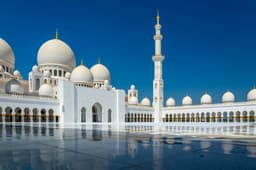
Yes, and many travellers do. A day trip to Abu Dhabi pairs naturally with a Dubai stay, taking in the Sheikh Zayed Grand Mosque and the Louvre Abu Dhabi, and our guide to the Abu Dhabi day trip from Dubai covers the route. For serious desert scenery, the Liwa Oasis and the Empty Quarter, several hours south, hold some of the tallest dunes on earth, including the towering Moreeb Dune. Liwa is a bigger commitment and usually an overnight, but it rewards travellers who want raw, empty desert far from the tour camps.

Sustainability and desert conservation

The desert around Dubai is a living ecosystem, and how you visit matters. Heavy, unregulated traffic damages fragile dune vegetation and disturbs wildlife, which is why protected areas such as the Dubai Desert Conservation Reserve and Al Marmoom limit access and vehicle numbers. Choosing an eco conscious operator that stays on approved routes, avoids feeding wildlife and manages waste helps keep the desert intact. The reintroduction of the Arabian oryx into the reserve, after the species was once locally extinct in the wild, is a conservation success story worth supporting by booking responsibly.

What does a typical evening safari timeline look like?

Timings vary by operator and season, but a standard evening safari follows a familiar rhythm from afternoon pickup to a late return.

TimeWhat happens
3:00 to 3:30 pmHotel pickup by four wheel drive
4:00 to 4:45 pmArrive at the dunes, tyre deflation, dune bashing
4:45 to 5:30 pmPhoto stop, sandboarding, camel ride
5:30 to 6:15 pmSunset over the dunes, arrive at camp
6:15 to 9:00 pmHenna, shisha, barbecue dinner and live shows
9:00 to 9:30 pmReturn transfer to your hotel

Is a desert safari good for couples and honeymooners?

A desert safari can be very romantic if you choose the right tier. Shared group camps are fun and social but busy, so couples after a special evening often prefer a private or premium safari with a smaller camp, a quiet dune for sunset and, on the top tours, a candlelit dinner away from the crowds. Some operators offer private dune dinners for two. Our Dubai honeymoon guide suggests how to build the safari into a couples trip alongside the city's finer dining and beaches.

Desert safari with kids: a family guide

Families do well on the evening safari, but a little planning makes it smoother. The camp itself is the highlight for children, with camel rides, henna, sandboarding on gentle slopes and space to run around. Dune bashing is the one activity to think about: most operators allow children over a certain age, but toddlers and very young kids are usually better sitting the wildest runs out. Bring water, wet wipes and a light layer, since the desert cools fast after sunset. Buffet dinners have plenty of mild, familiar options for fussy eaters. If you are travelling with little ones, a private safari lets you control the pace and leave when the children tire. Our guide to Dubai with family has more on kid friendly planning across the trip.

What wildlife and plants live in the desert?

The desert looks empty at first glance but supports specialised life. The Ghaf tree anchors the ecosystem, its deep roots reaching groundwater and its canopy sheltering insects, birds and mammals. In protected reserves you can see the Arabian oryx, a striking white antelope with long straight horns that was reintroduced after going extinct in the wild locally, along with sand gazelle. Smaller residents include the desert fox, sand cats, monitor lizards, geckos and, after dark, scorpions. Overhead, you might spot larks, hoopoes and birds of prey. Falconry, demonstrated on premium tours, showcases the peregrine and saker falcons that Bedouin once used to hunt for food.

Practical tips to know before you go

  • Eat light beforehand: dune bashing on a full stomach is uncomfortable, so save your appetite for the camp buffet.
  • Confirm pickup details: check the pickup window and area, as some deals only cover central hotels.
  • Ask about group size: smaller groups mean less waiting for activities at the camp.
  • Carry some cash: for tips, quad biking and any drinks not included.
  • Respect local custom: dress modestly at the camp and ask before photographing performers or other guests.

Common mistakes to avoid

The most common mistake is booking purely on price and ending up in an overcrowded camp with long queues for every activity. Another is underestimating the desert cold at night in winter, when temperatures can drop sharply after dark. Some travellers overload their day, booking a big morning of sightseeing and then a long evening safari, and end up exhausted; keeping the safari day light works better. Finally, do not skip reading the inclusions, or you may be surprised by charges for photos, sandboards or drinks that you assumed were free.

How does a desert safari compare with a city tour?

A desert safari and a Dubai city tour show two very different sides of the emirate, and most visitors do both. The city tour is about scale and modernity: the Burj Khalifa, Palm Jumeirah, malls and marina. The desert safari is about landscape, heritage and a slower evening under the stars. If you only have time for one, choose the safari for a first visit, since the city sights are easy to see independently while the desert genuinely needs a guided trip. Together they make a balanced two or three day introduction to Dubai.

Is the desert safari worth it?

For almost every first time visitor, yes. Few experiences pack sunset dunes, adventure, culture and a feast into one affordable evening, and it is the activity travellers most often name as a highlight of their Dubai trip. The key is matching the tier to what you want: a shared safari for value and fun, a private or premium reserve tour for comfort, wildlife and a quieter, more authentic feel. Book a licensed operator, dress for the sand and the evening chill, and it delivers one of the most memorable nights of a Dubai holiday.

Which desert area should you pick?

The area shapes the experience as much as the operator. Standard tours cluster in a few zones, each with a different feel, so it helps to know what you are booking.

AreaCharacterTypical use
Lahbab (red dunes)Tall, photogenic red sandMost standard evening safaris
Al AwirCloser to the city, golden dunesShorter transfers, group tours
Al MarmoomUnfenced conservation reserveEco and photography tours
Dubai Desert Conservation ReserveProtected sanctuary, wildlifePremium and luxury operators

If your priority is dramatic dunes and a lively camp, Lahbab is the classic pick. If you care most about wildlife, quiet and conservation, the protected reserves are worth the higher price. Al Awir suits travellers short on time who want the shortest drive from the city.

Staying safe and comfortable in the heat

Heat is the main health consideration, especially from May to September. Drink water steadily through the afternoon, wear sun protection and take shade at the camp between activities. Even in the cooler months the midday sun is strong, so a hat and sunglasses earn their place. If you feel dizzy or overheated during dune bashing, tell your driver, who can pause. The desert night can swing from hot to cool quickly, so that light jacket is not optional advice in winter. Travellers with medical conditions should carry any needed medication, as camps sit well outside the city.

How does the desert safari fit your budget?

The safari is one of Dubai's better value experiences when you consider how much it packs in. A shared evening tour bundles transfers, dune bashing, camp activities, dinner and shows into a single low price, which compares well against paying separately for a meal, a show and transport in the city. The jump in cost comes with exclusivity: private vehicles and protected reserve tours cost several times more because groups are small and access is restricted. Decide early whether you are optimising for value or for a quiet, premium evening, because that single choice drives most of the price. If Dubai's overall costs are on your mind, our guide on whether Dubai is expensive breaks down where the money goes across a trip.

How far in advance should you plan?

In the busy October to March season, book your safari a few days ahead so you get your preferred date, tier and pickup slot, and reserve premium reserve tours a week or two out because their daily places are limited. In the quieter summer months you can often book a day before. Slot the safari on a lighter day of your itinerary rather than back to back with a full morning of city sightseeing, and leave the whole evening free, since transfers and the camp dinner run late. A little forward planning is the difference between a rushed add on and a relaxed highlight of the trip.

To combine the safari with your city sights and transfers in one plan, curated Dubai holiday packages can include the hotel pickup and camp dinner so nothing is left to arrange on the day.

Frequently asked questions

How long does a Dubai desert safari take?

A morning safari runs about three to four hours, while an evening safari with dinner and shows lasts around six to seven hours including hotel transfers.

Is dune bashing safe?

Yes, with a reputable operator and an experienced driver. Seatbelts are provided, and those prone to motion sickness or with back or heart conditions can request a gentler ride or skip it.

Is a desert safari suitable for families?

Yes. The evening safari suits families, with camel rides, camp activities and a buffet. Very young children can skip the intense dune bashing and enjoy the camp instead.

Can you do a desert safari in summer?

Yes, but evenings are far more comfortable than daytime, when temperatures can exceed 45 C. Camps use shaded seating and the barbecue dinner starts after the worst heat fades.

What is the difference between a shared and a private safari?

A shared safari puts you in a group vehicle and a large camp at a lower price, while a private safari gives you your own vehicle, driver and flexible timing for better photos and comfort.

Do you need to book a desert safari in advance?

It is wise to book a day or two ahead in peak season from October to March, and earlier for premium reserve tours, which have limited daily places.

What food is served at the desert camp?

Evening camps serve a barbecue buffet with grilled meats, salads, Arabic mezze and dessert, with vegetarian, vegan and halal options available on request.

Is alcohol available on a desert safari?

Many premium and some standard evening camps offer alcohol, sometimes as a paid add on, but availability changes during Ramadan. Confirm with your operator when booking.

Can you see wildlife on a desert safari?

Yes, on premium tours in the Dubai Desert Conservation Reserve you can spot Arabian oryx, sand gazelle and, at dusk, desert foxes, along with a falconry display.

What should you tip on a desert safari?

Tipping is not compulsory but is appreciated. A small amount for your driver and camp staff is customary if you enjoyed the experience.

Are hotel pickups and drop offs included?

Most safaris include return transfers from central Dubai hotels. Pickups from outlying areas such as Marina or Palm may cost extra or start earlier, so confirm when booking.

What should women wear on a desert safari?

Comfortable, modest clothing works best: light trousers or a maxi dress, closed shoes and a scarf for wind and sun. Swimwear is not needed, and modest dress is appreciated at the camp.

Is a desert safari worth it for a short Dubai stopover?

Yes. An evening safari fits neatly into a one or two night stopover and gives a strong sense of place quickly. See our Dubai stopover guide for tight itineraries.

What is the best desert safari for photography?

Premium and private tours in the conservation reserves, timed for sunset, give the cleanest dunes and the best light with fewer people in the frame. The red dunes of Lahbab are the classic backdrop.

Can you drink alcohol during Ramadan on a safari?

Rules tighten during Ramadan, and many camps pause alcohol and live entertainment during daylight and sometimes the whole month. The desert drive and dinner still run, so confirm details with your operator.
Tags
Dubai
Share
G
Gomayu Team
Writer at Gomayu
Keep reading
Blog / Dubai
Dubai Desert Safari: Types, Tips and Timing
20 min read 20 Aug 2026 · Updated 07 Sep 2026
Dubai Desert Safari: Types, Tips and Timing

A desert safari is the signature Dubai experience, mixing dune bashing in a four wheel drive with camel rides, sandboarding and a desert camp dinner under the stars. The two main choices are a short morning safari focused on adventure, or an evening safari that adds sunset views, a barbecue buffet and live entertainment. Most first timers pick the evening tour, while photographers and thrill seekers often prefer the quieter morning. This guide explains every safari type, what is included, current 2026 price ranges, where the tours run, what to wear, and how to choose a safe, well reviewed operator.

Safari typeIncludesBest forLength
Morning safariDune bashing, sandboarding, camel rideAdventure, fewer crowds3 to 4 hours
Evening safariSunset, camp, barbecue, showsFirst timers, families6 to 7 hours
Premium or luxuryConservation reserve, vintage Land Rover, falconryCouples, special occasions5 to 7 hours
Overnight safariCamp stay, stargazing, sunriseA deeper desert nightOvernight

What happens on a Dubai desert safari?

A driver collects you from your hotel in a four wheel drive, usually a Toyota Land Cruiser, and heads to the dunes about 45 minutes outside the city. The centrepiece is dune bashing, a rollercoaster like ride over the sand that lasts around 20 to 30 minutes. After that you stop for photos on a high dune, try sandboarding, and take a short camel ride. Evening tours then continue to a Bedouin style camp for a barbecue buffet, henna, shisha and live performances such as tanoura spinning, a fire show and belly dancing. Morning tours keep it shorter and skip the camp dinner, ending after the dune activities.

Morning or evening safari, which is better?

Choose the evening safari if you want the full experience with sunset, dinner and shows, which is why it is the most popular option. Pick the morning safari if you prefer cooler temperatures, quieter dunes and a shorter, adventure focused trip that leaves your afternoon and evening free. Overnight options suit travellers who want to sleep in the desert, stargaze away from city lights and wake for sunrise.

FactorMorningEvening
CrowdsQuieterBusier
TemperatureCoolerCools after sunset
FoodUsually noneBarbecue buffet
ShowsNoYes
PhotographySoft morning lightSunset and camp fire
Explore Dubai tour packages
View all →

What activities are included, and what costs extra?

Most shared evening safaris bundle the core activities into one price, while a few adrenaline add ons are charged separately. Knowing the split helps you avoid surprises at the camp.

  • Included on most evening tours: dune bashing, sandboarding, a short camel ride, henna, Arabic coffee and dates, shisha, and a barbecue buffet with live shows.
  • Usually extra: quad biking or ATV rides, dune buggy hire, a private table, and premium drinks packages.
  • Premium tours add: a falconry display, wildlife drives to spot Arabian oryx and gazelle, and vintage Land Rover rides in a protected reserve.

Vegetarian, vegan and halal options are standard at camps, and most operators can note dietary needs when you book.

What types of desert safari can you choose?

Safaris range from cheap shared group tours to exclusive eco experiences, and the price gap between them is large. The four broad tiers are worth understanding before you book.

Shared group safaris are the budget default: a shared vehicle, a large camp and set activities. Private safaris give you your own vehicle and driver for more flexibility and better photos. Premium and luxury safaris, run by operators such as Platinum Heritage, work inside the protected Dubai Desert Conservation Reserve, using vintage Land Rovers, smaller groups and a stronger conservation and cultural focus. Finally, self drive and overnight options let confident travellers camp out or, at the top end, add a dawn hot air balloon flight over the dunes.

How much does a Dubai desert safari cost in 2026?

Prices vary widely by tier and season, so treat these as guide ranges rather than fixed quotes. Shared evening safaris are the cheapest per person, while premium reserve experiences cost many times more for the exclusivity and small group size.

Safari tierApprox price per adult (AED)
Shared evening safariBudget group rate, often the lowest tier
Private safariMid range, charged per vehicle
Premium reserve (evening)From about 795
Luxury or Platinum experienceAbout 1,750 to 2,200

Add ons such as quad biking or a balloon ride are separate. Booking directly with a licensed operator, or through a package that bundles transfers, usually works out better value than paying for extras piecemeal at the camp.

Where do the desert safaris take place?

Most standard safaris run in the red dunes near Lahbab, southeast of the city, or in the Al Awir desert closer in. Al Marmoom, the region's first unfenced desert conservation reserve, is another common area. Premium eco operators use the Dubai Desert Conservation Reserve, a legally protected sanctuary of Ghaf tree forests and native wildlife that ordinary tours cannot enter. The reserve is home to the Arabian oryx, once locally extinct and reintroduced there, along with sand gazelle and desert foxes.

What should you wear and bring?

  • Light, breathable clothing and closed shoes that keep sand out.
  • Sunglasses, a hat and sunscreen for daytime and sunset glare.
  • A light jacket or layer for the evening, as the desert cools quickly after dark.
  • A camera or phone, plus a small amount of cash for optional extras and tips.
  • Modest dress at the camp out of respect for local custom, especially during Ramadan.

Is dune bashing safe, and who should avoid it?

Dune bashing is safe with a reputable operator and an experienced driver, and seatbelts are provided. That said, it is a bumpy, high energy ride, so pregnant travellers, people with back or heart conditions, and those prone to motion sickness should skip it or request a gentler drive. Very young children are usually better suited to the camp activities than the intense dune runs. Reputable operators brief passengers, maintain their vehicles and carry insurance, which is one more reason to choose a licensed company over the cheapest street deal.

When is the best time for a desert safari?

The cooler months from October to March are ideal, with comfortable daytime heat and pleasant evenings at the camp, which is also Dubai's peak tourist season. Summer safaris from June to September still run, but daytime heat can top 45 C, so an evening tour that starts as the sun drops is far more comfortable. During Ramadan, timings shift and some camps pause live entertainment and alcohol, though the desert experience itself continues. For a month by month view, see our guide on the best time to visit Dubai.

How do you choose a good operator?

Pick an operator with strong recent reviews, clear licensing and transparent inclusions rather than the lowest headline price. Good signs are named pickup times, a stated group size, proper safety briefings, and, for eco tours, permits to operate in the conservation reserve. Read what is and is not included so you are not surprised by charges for photos, drinks or quad biking at the camp. Booking through a reputable travel agent or a bundled package can simplify transfers and vetting.

How does the safari fit into a wider Dubai trip?

A desert safari is a half day commitment, so it slots easily into a three to five day city break. Many travellers pair an evening safari with daytime sights such as the Burj Khalifa, the Dubai Fountain and Old Dubai's souks, keeping a lighter day around the safari itself. Our Dubai itinerary shows where the safari fits, and things to do in Dubai covers the rest of the city. For costs across the trip, see whether Dubai is expensive.

A short history of the desert safari and Bedouin culture

The desert safari grew out of genuine Bedouin heritage. Long before Dubai's skyline existed, nomadic Bedouin tribes crossed these dunes with camels, navigating by the stars and surviving in harmony with a harsh landscape. Much of what you experience on a safari, from Arabic coffee poured from a dallah pot to falconry, henna and the Ghaf tree that shades desert life, comes from that culture. The Ghaf is the national tree of the United Arab Emirates precisely because it sustained Bedouin communities with shade, food and fodder. Good operators frame the evening not just as entertainment but as a window into this history, explaining how people read the dunes, hunted with falcons and told stories around the fire. Understanding that backdrop turns a fun night out into something more memorable.

What is dune bashing really like?

Dune bashing is the part most people remember. Your driver lets air out of the tyres for grip, then drives up, along and down steep sand dunes in a controlled but exhilarating way, the vehicle tilting and sliding as it crests each ridge. A typical session lasts 20 to 30 minutes and feels like a natural rollercoaster. Skilled drivers read the sand constantly, choosing lines that are thrilling without being reckless. If you enjoy theme park rides you will love it; if you are nervous, sit in the middle row, keep your seatbelt firm and tell the driver you would like a gentler pace. Keep loose items stowed, because phones and sunglasses slide around during the ride.

Sandboarding, camel rides and quad biking explained

Beyond the drive, the classic add ons each have their own character. Sandboarding is like snowboarding down a dune, standing or sitting on a waxed board; it is beginner friendly on the smaller slopes and free at most camps. Camel rides are short and gentle, usually a slow loop near the camp, and are a nod to the animal that made desert life possible. Quad biking and dune buggies, where offered, are powered rides across marked sand tracks and are almost always charged as an extra, with helmets provided. Photographers should note the golden hour just before sunset, when low light rakes across the ripples in the sand and turns the dunes deep orange.

The evening camp: food, henna and live shows

The evening camp is where the safari slows down. Set among the dunes, a typical camp has low cushioned seating around a central stage, food stations and small activity corners. You can get a henna design on your hand, watch fresh bread being made, try on traditional dress for photos, and draw on a shisha pipe. Dinner is a generous barbecue buffet with grilled meats, Arabic mezze, salads, rice dishes and dessert, with clearly marked vegetarian and vegan choices. As you eat, the shows begin: a tanoura dancer spins in a glowing skirt, a fire performer works the dark, and a belly dancer rounds out the night. Premium camps keep groups small and swap the party atmosphere for a quieter, more refined dinner under the stars.

Photography tips for the dunes

The desert is one of Dubai's best photo settings if you plan for the light. Arrive at a high dune for sunset, when shadows lengthen and the sand glows. Shoot into the light for silhouettes of camels and dune ridges, or with the sun behind you for rich colour. A small cloth or a zip bag protects your lens from fine sand, which gets everywhere. For night shots at the camp, a phone in night mode captures the fire and stars surprisingly well, and away from city lights on an overnight tour the Milky Way is often visible.

Can you combine the desert with Abu Dhabi or Liwa?

Yes, and many travellers do. A day trip to Abu Dhabi pairs naturally with a Dubai stay, taking in the Sheikh Zayed Grand Mosque and the Louvre Abu Dhabi, and our guide to the Abu Dhabi day trip from Dubai covers the route. For serious desert scenery, the Liwa Oasis and the Empty Quarter, several hours south, hold some of the tallest dunes on earth, including the towering Moreeb Dune. Liwa is a bigger commitment and usually an overnight, but it rewards travellers who want raw, empty desert far from the tour camps.

Sustainability and desert conservation

The desert around Dubai is a living ecosystem, and how you visit matters. Heavy, unregulated traffic damages fragile dune vegetation and disturbs wildlife, which is why protected areas such as the Dubai Desert Conservation Reserve and Al Marmoom limit access and vehicle numbers. Choosing an eco conscious operator that stays on approved routes, avoids feeding wildlife and manages waste helps keep the desert intact. The reintroduction of the Arabian oryx into the reserve, after the species was once locally extinct in the wild, is a conservation success story worth supporting by booking responsibly.

What does a typical evening safari timeline look like?

Timings vary by operator and season, but a standard evening safari follows a familiar rhythm from afternoon pickup to a late return.

TimeWhat happens
3:00 to 3:30 pmHotel pickup by four wheel drive
4:00 to 4:45 pmArrive at the dunes, tyre deflation, dune bashing
4:45 to 5:30 pmPhoto stop, sandboarding, camel ride
5:30 to 6:15 pmSunset over the dunes, arrive at camp
6:15 to 9:00 pmHenna, shisha, barbecue dinner and live shows
9:00 to 9:30 pmReturn transfer to your hotel

Is a desert safari good for couples and honeymooners?

A desert safari can be very romantic if you choose the right tier. Shared group camps are fun and social but busy, so couples after a special evening often prefer a private or premium safari with a smaller camp, a quiet dune for sunset and, on the top tours, a candlelit dinner away from the crowds. Some operators offer private dune dinners for two. Our Dubai honeymoon guide suggests how to build the safari into a couples trip alongside the city's finer dining and beaches.

Desert safari with kids: a family guide

Families do well on the evening safari, but a little planning makes it smoother. The camp itself is the highlight for children, with camel rides, henna, sandboarding on gentle slopes and space to run around. Dune bashing is the one activity to think about: most operators allow children over a certain age, but toddlers and very young kids are usually better sitting the wildest runs out. Bring water, wet wipes and a light layer, since the desert cools fast after sunset. Buffet dinners have plenty of mild, familiar options for fussy eaters. If you are travelling with little ones, a private safari lets you control the pace and leave when the children tire. Our guide to Dubai with family has more on kid friendly planning across the trip.

What wildlife and plants live in the desert?

The desert looks empty at first glance but supports specialised life. The Ghaf tree anchors the ecosystem, its deep roots reaching groundwater and its canopy sheltering insects, birds and mammals. In protected reserves you can see the Arabian oryx, a striking white antelope with long straight horns that was reintroduced after going extinct in the wild locally, along with sand gazelle. Smaller residents include the desert fox, sand cats, monitor lizards, geckos and, after dark, scorpions. Overhead, you might spot larks, hoopoes and birds of prey. Falconry, demonstrated on premium tours, showcases the peregrine and saker falcons that Bedouin once used to hunt for food.

Practical tips to know before you go

  • Eat light beforehand: dune bashing on a full stomach is uncomfortable, so save your appetite for the camp buffet.
  • Confirm pickup details: check the pickup window and area, as some deals only cover central hotels.
  • Ask about group size: smaller groups mean less waiting for activities at the camp.
  • Carry some cash: for tips, quad biking and any drinks not included.
  • Respect local custom: dress modestly at the camp and ask before photographing performers or other guests.

Common mistakes to avoid

The most common mistake is booking purely on price and ending up in an overcrowded camp with long queues for every activity. Another is underestimating the desert cold at night in winter, when temperatures can drop sharply after dark. Some travellers overload their day, booking a big morning of sightseeing and then a long evening safari, and end up exhausted; keeping the safari day light works better. Finally, do not skip reading the inclusions, or you may be surprised by charges for photos, sandboards or drinks that you assumed were free.

How does a desert safari compare with a city tour?

A desert safari and a Dubai city tour show two very different sides of the emirate, and most visitors do both. The city tour is about scale and modernity: the Burj Khalifa, Palm Jumeirah, malls and marina. The desert safari is about landscape, heritage and a slower evening under the stars. If you only have time for one, choose the safari for a first visit, since the city sights are easy to see independently while the desert genuinely needs a guided trip. Together they make a balanced two or three day introduction to Dubai.

Is the desert safari worth it?

For almost every first time visitor, yes. Few experiences pack sunset dunes, adventure, culture and a feast into one affordable evening, and it is the activity travellers most often name as a highlight of their Dubai trip. The key is matching the tier to what you want: a shared safari for value and fun, a private or premium reserve tour for comfort, wildlife and a quieter, more authentic feel. Book a licensed operator, dress for the sand and the evening chill, and it delivers one of the most memorable nights of a Dubai holiday.

Which desert area should you pick?

The area shapes the experience as much as the operator. Standard tours cluster in a few zones, each with a different feel, so it helps to know what you are booking.

AreaCharacterTypical use
Lahbab (red dunes)Tall, photogenic red sandMost standard evening safaris
Al AwirCloser to the city, golden dunesShorter transfers, group tours
Al MarmoomUnfenced conservation reserveEco and photography tours
Dubai Desert Conservation ReserveProtected sanctuary, wildlifePremium and luxury operators

If your priority is dramatic dunes and a lively camp, Lahbab is the classic pick. If you care most about wildlife, quiet and conservation, the protected reserves are worth the higher price. Al Awir suits travellers short on time who want the shortest drive from the city.

Staying safe and comfortable in the heat

Heat is the main health consideration, especially from May to September. Drink water steadily through the afternoon, wear sun protection and take shade at the camp between activities. Even in the cooler months the midday sun is strong, so a hat and sunglasses earn their place. If you feel dizzy or overheated during dune bashing, tell your driver, who can pause. The desert night can swing from hot to cool quickly, so that light jacket is not optional advice in winter. Travellers with medical conditions should carry any needed medication, as camps sit well outside the city.

How does the desert safari fit your budget?

The safari is one of Dubai's better value experiences when you consider how much it packs in. A shared evening tour bundles transfers, dune bashing, camp activities, dinner and shows into a single low price, which compares well against paying separately for a meal, a show and transport in the city. The jump in cost comes with exclusivity: private vehicles and protected reserve tours cost several times more because groups are small and access is restricted. Decide early whether you are optimising for value or for a quiet, premium evening, because that single choice drives most of the price. If Dubai's overall costs are on your mind, our guide on whether Dubai is expensive breaks down where the money goes across a trip.

How far in advance should you plan?

In the busy October to March season, book your safari a few days ahead so you get your preferred date, tier and pickup slot, and reserve premium reserve tours a week or two out because their daily places are limited. In the quieter summer months you can often book a day before. Slot the safari on a lighter day of your itinerary rather than back to back with a full morning of city sightseeing, and leave the whole evening free, since transfers and the camp dinner run late. A little forward planning is the difference between a rushed add on and a relaxed highlight of the trip.

To combine the safari with your city sights and transfers in one plan, curated Dubai holiday packages can include the hotel pickup and camp dinner so nothing is left to arrange on the day.

Frequently asked questions

How long does a Dubai desert safari take?

A morning safari runs about three to four hours, while an evening safari with dinner and shows lasts around six to seven hours including hotel transfers.

Is dune bashing safe?

Yes, with a reputable operator and an experienced driver. Seatbelts are provided, and those prone to motion sickness or with back or heart conditions can request a gentler ride or skip it.

Is a desert safari suitable for families?

Yes. The evening safari suits families, with camel rides, camp activities and a buffet. Very young children can skip the intense dune bashing and enjoy the camp instead.

Can you do a desert safari in summer?

Yes, but evenings are far more comfortable than daytime, when temperatures can exceed 45 C. Camps use shaded seating and the barbecue dinner starts after the worst heat fades.

What is the difference between a shared and a private safari?

A shared safari puts you in a group vehicle and a large camp at a lower price, while a private safari gives you your own vehicle, driver and flexible timing for better photos and comfort.

Do you need to book a desert safari in advance?

It is wise to book a day or two ahead in peak season from October to March, and earlier for premium reserve tours, which have limited daily places.

What food is served at the desert camp?

Evening camps serve a barbecue buffet with grilled meats, salads, Arabic mezze and dessert, with vegetarian, vegan and halal options available on request.

Is alcohol available on a desert safari?

Many premium and some standard evening camps offer alcohol, sometimes as a paid add on, but availability changes during Ramadan. Confirm with your operator when booking.

Can you see wildlife on a desert safari?

Yes, on premium tours in the Dubai Desert Conservation Reserve you can spot Arabian oryx, sand gazelle and, at dusk, desert foxes, along with a falconry display.

What should you tip on a desert safari?

Tipping is not compulsory but is appreciated. A small amount for your driver and camp staff is customary if you enjoyed the experience.

Are hotel pickups and drop offs included?

Most safaris include return transfers from central Dubai hotels. Pickups from outlying areas such as Marina or Palm may cost extra or start earlier, so confirm when booking.

What should women wear on a desert safari?

Comfortable, modest clothing works best: light trousers or a maxi dress, closed shoes and a scarf for wind and sun. Swimwear is not needed, and modest dress is appreciated at the camp.

Is a desert safari worth it for a short Dubai stopover?

Yes. An evening safari fits neatly into a one or two night stopover and gives a strong sense of place quickly. See our Dubai stopover guide for tight itineraries.

What is the best desert safari for photography?

Premium and private tours in the conservation reserves, timed for sunset, give the cleanest dunes and the best light with fewer people in the frame. The red dunes of Lahbab are the classic backdrop.

Can you drink alcohol during Ramadan on a safari?

Rules tighten during Ramadan, and many camps pause alcohol and live entertainment during daylight and sometimes the whole month. The desert drive and dinner still run, so confirm details with your operator.

Tags
Dubai
Share
G
Gomayu Team
Writer at Gomayu
Keep reading