



























































































Short answer: yes. If you are asking "can you drink in Dubai", the answer for adult visitors is yes, as long as you are 21 or older and you drink in a licensed place such as a hotel bar, a licensed restaurant or your hotel room. UAE law prohibits drinking in public places or unlicensed locations, and it prohibits selling or serving alcohol to anyone under 21. Dress modestly away from beaches and pools, keep affection low key, ask before photographing people, carry a prescription for every medicine, and be extra considerate during Ramadan. Every legal rule below names its official UAE source, checked on 17 Nov 2026.
Dubai is one of the most visited cities in the world, and it is far more relaxed than many first time visitors expect. Hotels serve cocktails, beaches are full of swimmers, and couples from every continent walk hand in hand along the Marina. Yet it is still a city in a Muslim country with its own federal laws, and a few of those laws are stricter than what visitors from Europe, North America or South Asia are used to. The trouble is that most "Dubai laws for tourists" lists online repeat old rules from before the 2020 and 2022 legal reforms, or they mix up good manners with criminal law.
This guide separates the two. For each topic you get the rule, the official source, and practical advice from the perspective of travellers flying in from Kathmandu, the Nepali diaspora visiting friends and relatives in the UAE, honeymooners and families. If you are still building your plan, start with our complete Dubai travel guide and come back here before you pack.
One note before we start: this is general travel information, not legal advice. Laws in the UAE are written in Arabic, and the official Arabic text prevails if there is any difference with an English translation. If you are dealing with a specific legal problem, speak to a licensed UAE lawyer or your embassy.
What are the most important Dubai do's and don'ts?
The most important Dubai do's and don'ts are simple: drink only in licensed places and only if you are 21 or over, dress modestly in public, never use or carry recreational drugs, carry prescriptions for your medicines, ask before you photograph anyone, and avoid eating or drinking in public view during Ramadan fasting hours out of courtesy. Most other rules flow from these.
The table below is the quick version. Each row names the official UAE source we checked on 17 Nov 2026, so you can read the rule yourself instead of trusting a blog, including this one.
Table note: "Source" is the official page or law; "Checked" is the date we last read it. Rules change, so recheck close to your travel date.
| Topic | Do | Don't | Official source | Checked |
|---|---|---|---|---|
| Alcohol | Drink in licensed hotels, bars, restaurants or private places, aged 21 or over | Drink in public places or unlicensed locations, or buy for anyone under 21 | UAE Cabinet summary of the Crimes and Penalties Law (uaecabinet.ae) | 17 Nov 2026 |
| Bringing alcohol in | Stay within the customs allowance of 4 litres, or 2 cartons of 24 beer cans of up to 355 ml | Carry more without expecting duty and VAT on the excess | u.ae, Customs clearance | 17 Nov 2026 |
| Drink driving | Use the Metro, taxis or ride hailing after drinking | Drive or try to drive after drinking alcohol | Federal Decree-Law No. 14 of 2024 on Traffic Regulation, Article 35 | 17 Nov 2026 |
| Dress | Wear modest clothing in public places and full cover at mosques | Wear swimwear away from the beach or pool | dubai.ae (Dubai government portal), Sheikh Zayed Grand Mosque Centre | 17 Nov 2026 |
| Photos and privacy | Ask permission before photographing or filming people | Photograph strangers, accident scenes or victims, or post others' photos to harm them | Federal Decree-Law No. 34 of 2021, Article 44 | 17 Nov 2026 |
| Online insults | Keep reviews and posts factual and polite | Insult or abuse anyone in messages or on social media | Federal Decree-Law No. 34 of 2021, Article 43 | 17 Nov 2026 |
| Medicines | Carry a prescription or medical report; up to three months' supply | Bring narcotic or psychotropic medicines without the right paperwork | Emirates Drug Establishment (ede.gov.ae); u.ae | 17 Nov 2026 |
| Drugs | Leave every recreational drug at home, whatever its status in your country | Carry, buy or use recreational drugs | u.ae, Drugs and controlled medicines (Federal Decree-Law No. 30 of 2021) | 17 Nov 2026 |
| Ramadan | Eat in restaurants, food courts and designated areas during fasting hours | Eat, drink or smoke openly in public view during fasting hours | dubai.ae, The Holy Month of Ramadan; u.ae, Ramadan | 17 Nov 2026 |
| Paan and naswar | Leave them in Nepal | Pack betel leaf (paan) or naswar of any kind | dubai.ae, Customs guidelines for travellers | 17 Nov 2026 |
| Vapes | Carry a personal device for your own use | Assume a vape is allowed everywhere, including mosques | dubai.ae, Customs guidelines; Sheikh Zayed Grand Mosque Centre | 17 Nov 2026 |
Can you drink in Dubai as a tourist?
Yes, you can drink in Dubai as a tourist if you are 21 or older and you drink in a licensed venue or a private place. The UAE Cabinet's official summary of the federal Crimes and Penalties Law states that the law "prohibits the consumption of alcoholic beverages in a public place or in unlicensed locations" and prohibits the sale, provision or encouragement of alcohol to anyone below 21 years of age (Checked: 17 Nov 2026, UAE Cabinet).
So the short version of "is alcohol legal in Dubai" is: legal for adults, in the right place. In practice that means hotel bars, licensed restaurants and lounges, beach clubs with a licence, and your own hotel room. It does not mean the beach in front of your hotel, a public park, the Metro, a taxi or the pavement outside a bar.
Two everyday points surprise visitors. First, venues check identity. A Nepali passport, or any passport, is the safest ID to carry for this, because a photocopy or a phone photo may not be accepted at the door. Second, not every restaurant serves alcohol. Many excellent Emirati, Arabic, Indian and Nepali restaurants are not licensed, and that is normal. As the UAE's own embassy guidance puts it, if alcohol is not offered, it is better not to ask for it.
Where can you drink legally in Dubai?
You can drink legally in licensed hotels, bars, restaurants and clubs, and in private places such as your hotel room. The table below sums up common situations visitors ask about.
Table note: based on the UAE Cabinet summary of the Crimes and Penalties Law (public place and unlicensed location rule) and the UAE customs allowance, Checked: 17 Nov 2026. "Usually fine" means legal if the venue is licensed and you are 21 or over.
| Situation | Status | Why |
|---|---|---|
| Cocktail at a hotel bar | Usually fine | Licensed venue, adult guest |
| Wine with dinner at a licensed restaurant | Usually fine | Licensed venue; ask the restaurant if unsure |
| Minibar drink in your hotel room | Usually fine | Private place |
| Beer on a public beach or in a park | Not allowed | Public place |
| Drinking on the Metro, bus or in a taxi | Not allowed | Public place; transport rules also apply |
| Buying a drink for a 19 year old cousin | Not allowed | The law prohibits providing alcohol to anyone under 21 |
| Driving after "just one drink" | Avoid completely | Driving under the influence of alcohol is a criminal offence (Traffic Law, Article 35) |
| Duty free bottle in your bag at arrivals | Fine within the allowance | 4 litres, or 2 cartons of beer, per u.ae |
Buying alcohol to take away from a shop is a separate question. Retail rules are set locally, they differ between emirates, and shops will ask for identification. If you are staying with relatives who live in the UAE, let them guide you on what is allowed in their emirate and building. Do not carry open bottles between emirates or through public places.
Drink driving deserves its own line. Article 35 of Federal Decree-Law No. 14 of 2024 on Traffic Regulation makes driving or attempting to drive under the influence of alcohol a crime punishable by imprisonment and/or a fine of AED 20,000 to AED 100,000, with a licence suspension of at least three months on a first offence. The law has been in force since 29 March 2025 (Checked: 17 Nov 2026, UAE Legislation portal; penalty wording as reported by Gulf News). If you rent a car, do not drink at all on driving days.
How much alcohol can you bring through Dubai airport?
You can bring alcoholic drinks not exceeding 4 litres, or 2 cartons of beer with 24 cans of up to 355 ml each, according to the UAE government's customs page. Quantities above the limit attract customs duty plus VAT (Checked: 17 Nov 2026, u.ae, Customs clearance). The same page lists alcoholic drinks among restricted goods regulated by the Ministry of Interior and Dubai Police, so keep the bottles sealed and in your luggage until you reach your hotel.
If you plan to carry bottles back home, remember that Nepal has its own customs limits on arrival at Tribhuvan International Airport; our guide to the Nepal customs allowance for liquor, gold and phones explains what you can bring back.
What did the 2020 legal reforms change?
In 2020 the UAE amended its old Penal Code, including through Federal Decree-Law No. 15 of 2020, which is published by the UAE Ministry of Justice. Those changes, widely reported as relaxing rules on alcohol and on unmarried couples, were then carried into a brand new Crimes and Penalties Law that replaced the old code and has been in force since 2 January 2022 (Checked: 17 Nov 2026, UAE Legislation portal).
Here is what the official UAE Cabinet summary of the current law says, without exaggeration:
- Alcohol: drinking is prohibited in public places and unlicensed locations, and selling, providing or encouraging alcohol for anyone under 21 is prohibited.
- Relationships: the law "effectively decriminalizes consensual relationships out of wedlock" between adults.
- The exception people miss: a criminal case can still be brought for consensual extramarital relations with a person over 18 if the husband or guardian files a complaint, and that complaint can be withdrawn.
- Children: a couple who conceive a child outside marriage must marry or acknowledge the child and arrange identity and travel documents.
What the reforms did not do is turn Dubai into a city without rules. Public decency, privacy and drug laws remain strict, and federal law applies in every emirate. Older articles that warn of jail for any visitor holding a glass of wine, or for any couple sharing a room, are out of date. Articles that say "anything goes now" are wrong too.
What should tourists wear in Dubai?
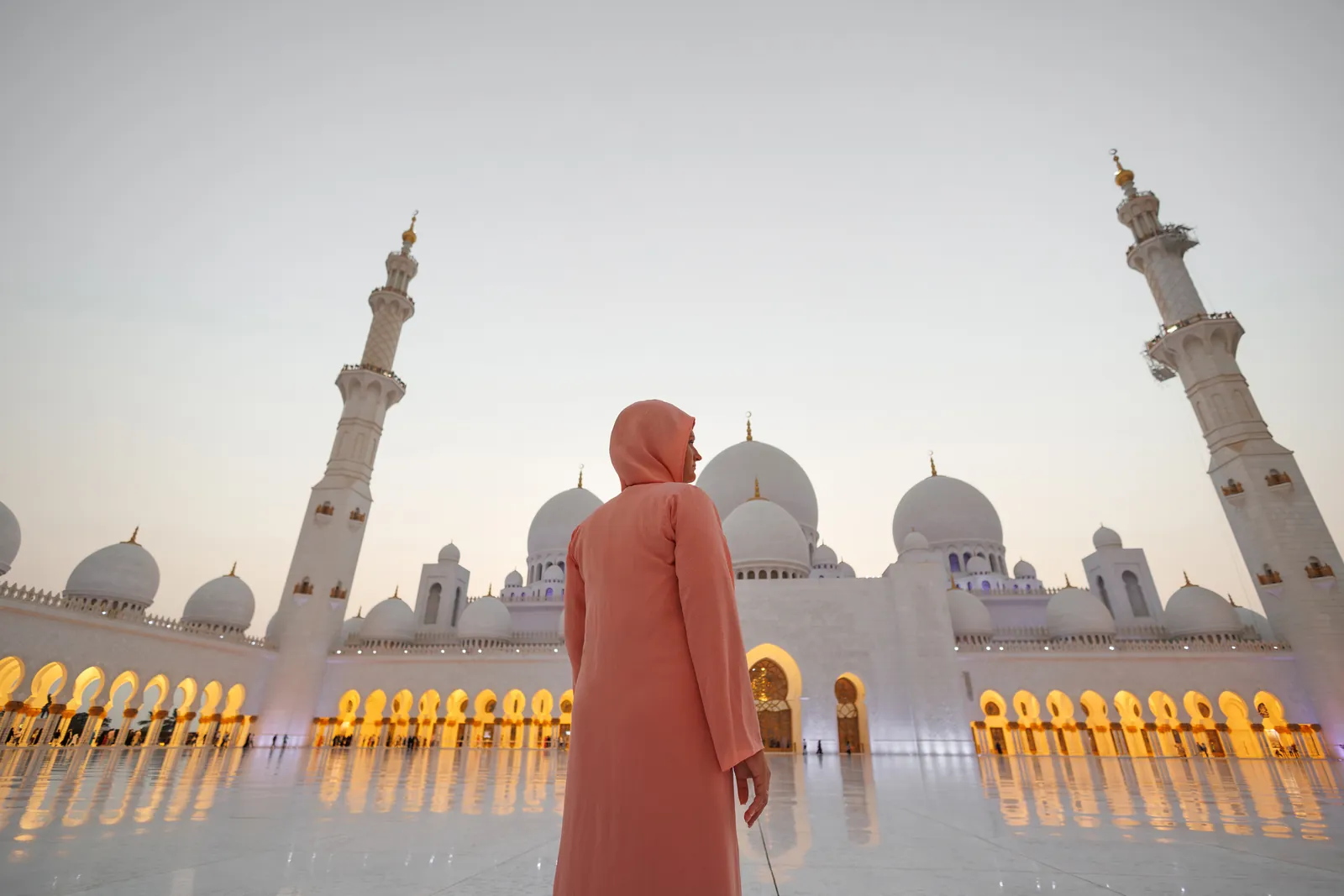
Tourists in Dubai should wear modest clothing in public places, keep swimwear for beaches and pools, and cover arms, legs and (for women) hair at mosques. The Dubai government portal asks everyone to wear "modest clothing in public" during Ramadan, and that is good everyday practice the rest of the year too (Checked: 17 Nov 2026, dubai.ae).
If you are wondering what to wear in Dubai day to day, think of "modest" as a practical standard, not a uniform. Nobody expects a visitor to wear an abaya to the mall. A sensible guide that works for almost every situation is to cover your shoulders and keep shorts and skirts around knee length in malls, souks, government buildings and on public transport. Clothing that is very short, very tight, see through or printed with offensive slogans is where problems start. In 40 degree summer heat, loose cotton and linen are your friends anyway.
The good news for travellers from Nepal is that the clothing you already own for temple visits and family functions works well. A kurta suruwal, a long skirt or loose trousers with a light top are perfect for old Dubai and the souks. Men in shorts and a T shirt are fine in most malls, while long trousers are the safer choice for heritage areas and government offices.
Malls, souks, the Metro and old Dubai
Malls, souks, the Metro and heritage districts are public places, so dress modestly there: covered shoulders and knee length or longer bottoms are the safe choice for both women and men. Large malls are also among the coldest places in the city in summer, so a light layer is useful even when it is scorching outside.
Old Dubai is more traditional than Downtown or the Marina. If your plan includes the abra crossings, the Gold Souk and the Spice Souk, dress a step more conservatively. Our list of the best things to do in Dubai marks which sights sit in which part of the city, so you can dress for the day ahead.
Beaches, pools and water parks
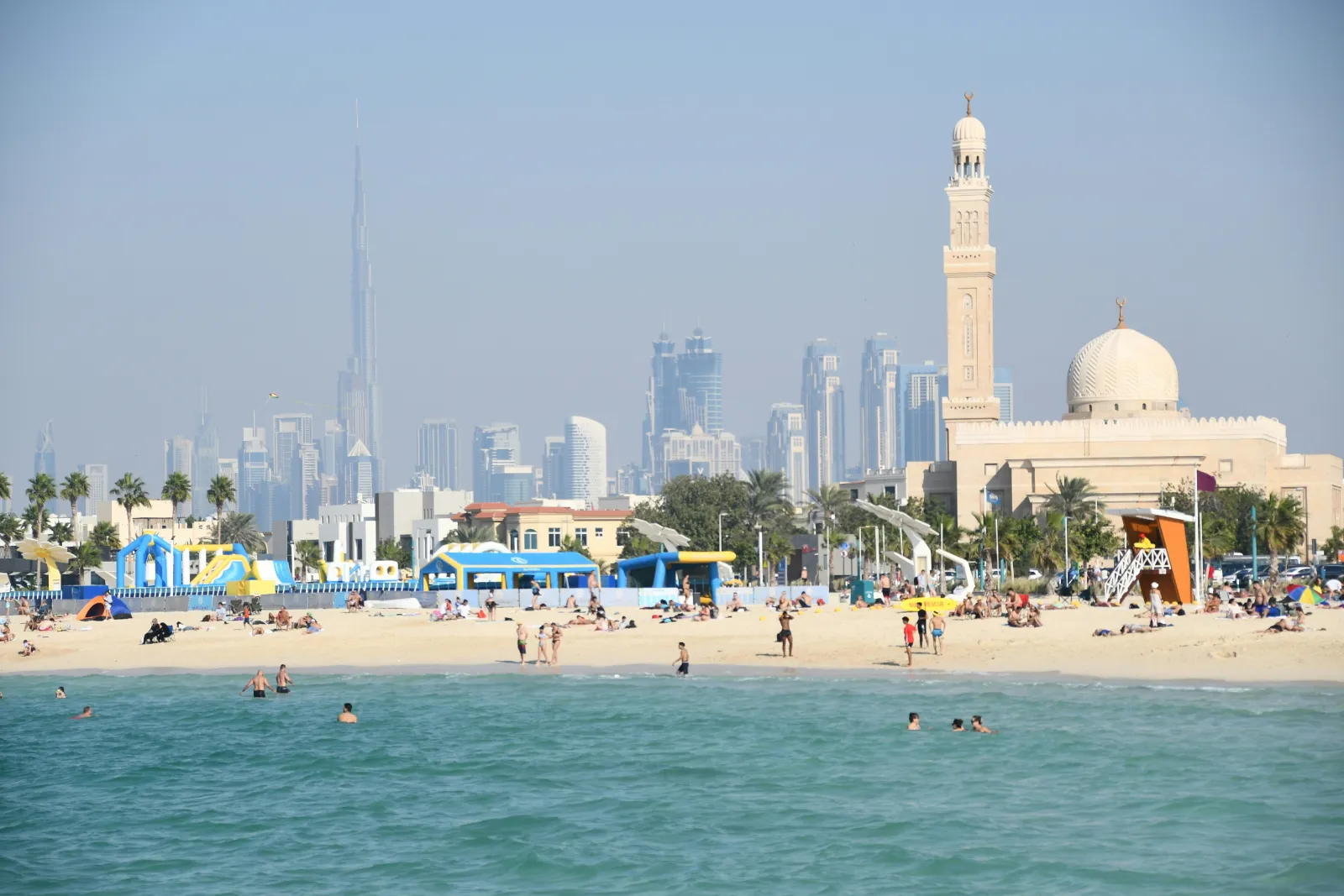
Normal swimwear is fine on Dubai's beaches, at hotel pools and in water parks. The rule visitors break is not what they wear on the sand, it is wearing it everywhere else. Cover up with a kaftan, shirt or shorts when you walk from the beach into a hotel lobby, a beachfront cafe or a shop.
Public beaches are family places used by Emirati families, residents and tourists side by side. Topless sunbathing is not acceptable, and staring at or photographing other beachgoers is both rude and, as you will see in the photography section, a legal risk. Our guide to the best beaches in Dubai covers which beaches suit families, which have night swimming and which are quieter.
Mosques and religious sites
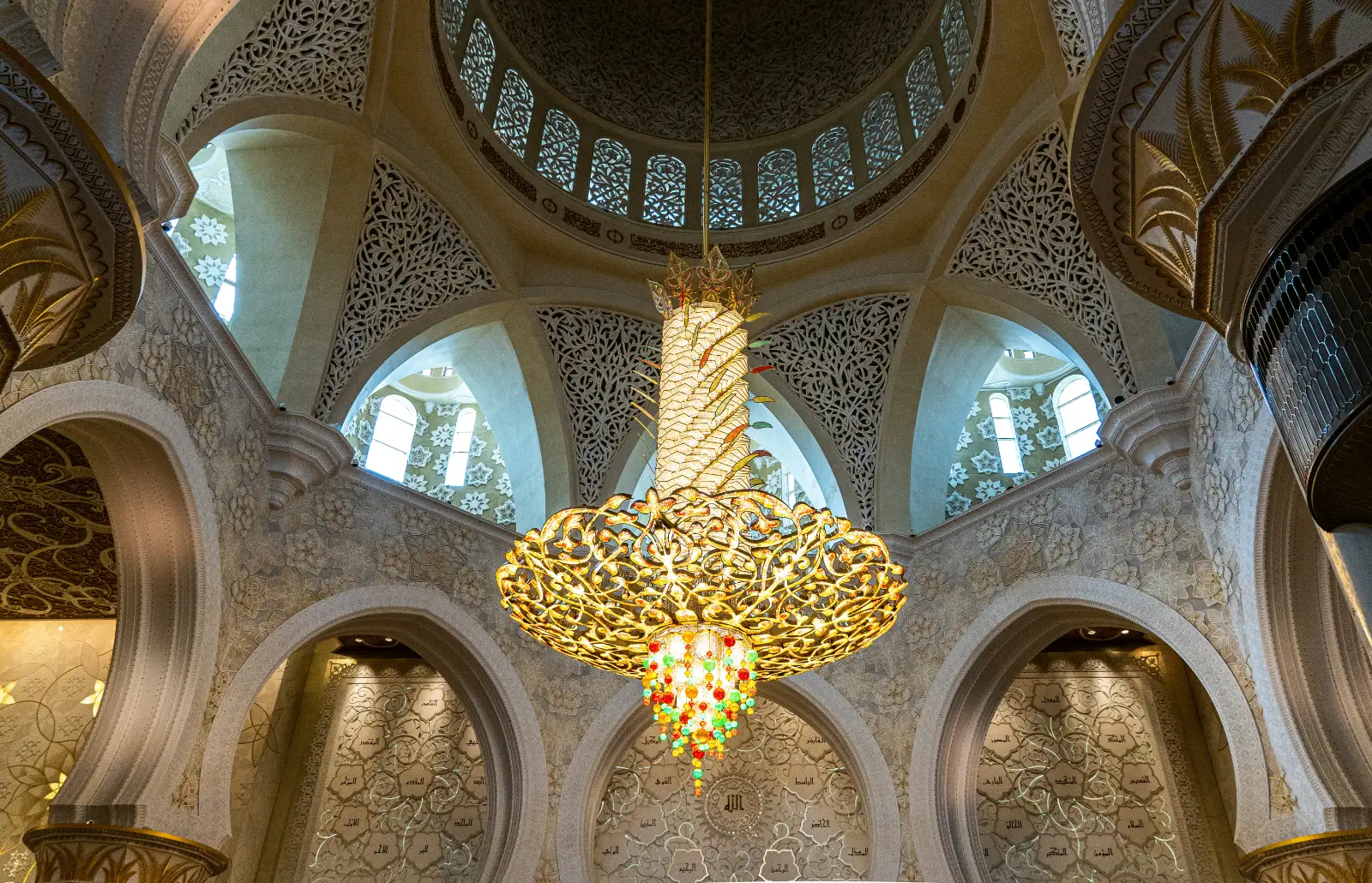
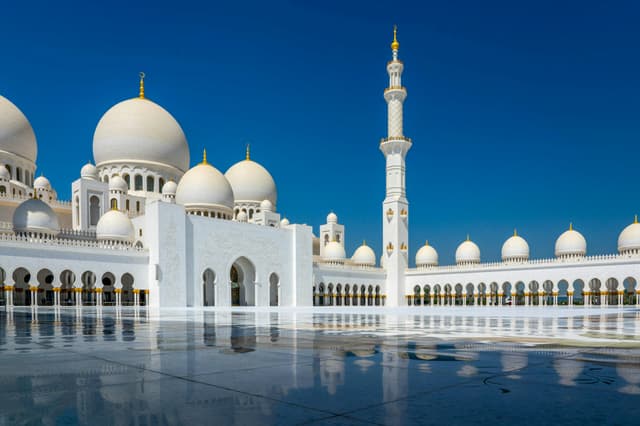
Mosques have the strictest dress code you will meet in the UAE: long, loose clothing to the ankles and wrists for women with a headscarf, and covered legs and no sleeveless or tight tops for men. The Sheikh Zayed Grand Mosque Centre's official "Mosque Manners" page also asks visitors to avoid transparent, tight or revealing clothing, slogans or inappropriate drawings, and it strictly prohibits "expressing intimacy in any form" inside the mosque (Checked: 17 Nov 2026, Sheikh Zayed Grand Mosque Centre).
Many visitors to Dubai take a day trip to the Grand Mosque in Abu Dhabi, so it helps to know the latest arrangements. Its official FAQ lists sightseeing tickets for visitors and states opening hours from 9:00 am to 8:30 pm Saturday to Thursday, with a midday break on Friday (Checked: 17 Nov 2026, SZGMC FAQs). Do not count on borrowing an abaya at the gate; arrive already dressed. Our Sheikh Zayed Grand Mosque dress code and visiting guide covers tickets, timing and what to wear in detail.
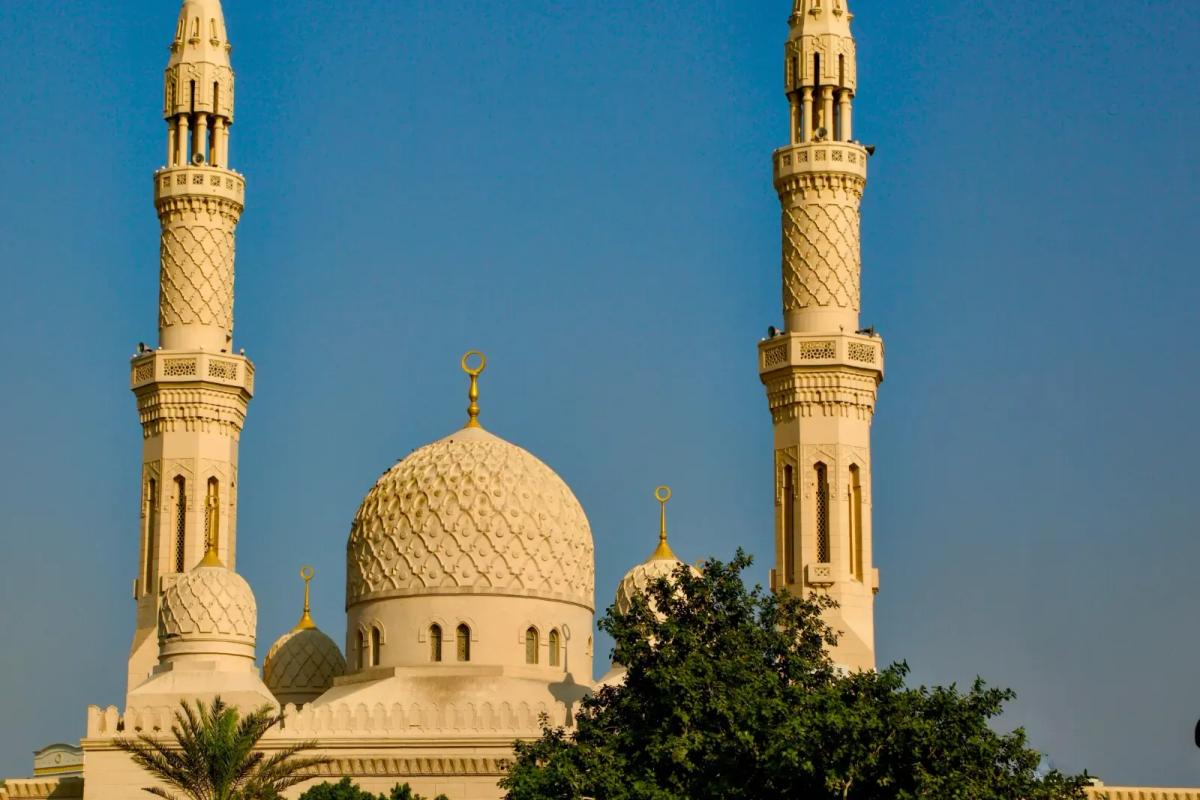
In Dubai itself, the Jumeirah Mosque has welcomed non-Muslim visitors on guided cultural tours run by the Sheikh Mohammed Centre for Cultural Understanding. Its dress code page asks men to avoid shorts and sleeveless tops and women to cover arms, legs and hair, and it says abayas and sheilas are provided for visitors who need them. Check the centre's current tour schedule before you go, because times change.
Table note: dress checklist by place, combining the official mosque guidance above with common practice in Dubai. Checked: 17 Nov 2026.
| Place | Women | Men | Tip |
|---|---|---|---|
| Malls and souks | Shoulders covered, knee length or longer | T shirt, shorts to the knee or trousers | Carry a light layer for strong air conditioning |
| Metro and buses | As for malls | As for malls | The Metro has cabins for women and children only (RTA) |
| Old Dubai and heritage areas | Loose, longer clothing | Trousers preferred | A kurta or long skirt works well |
| Beach, pool, water park | Swimwear is fine; no topless sunbathing | Swim shorts are fine | Cover up when you leave the sand |
| Hotel bars and restaurants | Smart casual; check the venue's dress code | Smart casual; some venues refuse shorts or flip flops | Evening venues set their own rules |
| Mosques | Loose, ankle and wrist length, hair covered | Legs covered, no sleeveless or tight tops | Arrive dressed; no shoes in prayer areas |
| Desert safari | Light, loose, covering clothes | Light, loose clothes | Closed shoes, sunglasses and a scarf for sand |
| Government offices | Conservative, covered | Long trousers | Treat it like a formal appointment |
Which behaviour in public can get you in trouble?
The public behaviour most likely to get visitors into trouble in Dubai is drinking or being drunk in public, intimate behaviour in public, aggressive or abusive language, and posting insults or other people's photos online. The Dubai government portal asks everyone to avoid "aggressive behavior, loud music, or inappropriate language" in public, and the UAE's cybercrime law makes online insults a criminal offence (Checked: 17 Nov 2026, dubai.ae and Federal Decree-Law No. 34 of 2021).
Most problems for visitors are not dramatic. They usually start with an argument: a dispute with a taxi driver, a heated exchange in a queue, or an angry message to a hotel, followed by a police complaint from the other side. In the UAE a complaint from the person you insulted is often how a case begins, so the safest habit is simple: stay calm, walk away, and let the hotel, the police or the company's complaints channel handle the dispute.
Public affection: what is acceptable?
Holding hands is common in Dubai and is generally fine for couples, married or not. Kissing, cuddling and anything more intimate belongs in private. There is no official list of acceptable gestures, so judge by the setting: a beach resort is more relaxed than a souk, and a mosque has a strict ban on any intimacy. Honeymooners can read our Dubai honeymoon ideas for romantic plans that suit these norms.
Swearing, rude gestures and online insults
Insulting someone through a phone, messaging app or social media is a crime under Article 43 of Federal Decree-Law No. 34 of 2021 on Combating Rumours and Cybercrimes, punishable by imprisonment and/or a fine of AED 250,000 to AED 500,000 (Checked: 17 Nov 2026, UAE Legislation portal). That covers a furious WhatsApp to a tour driver and an abusive comment on a restaurant's page alike. In person, swearing at someone or making a rude hand gesture can also lead to a police complaint. Honest, factual reviews are fine; abuse is not.
Table note: public behaviour quick guide. The "Source" column names the official basis where one exists; rows marked "common practice" are courtesy rather than a specific written rule. Checked: 17 Nov 2026.
| Behaviour | Risk level | Source |
|---|---|---|
| Drinking alcohol in a public place | Illegal | UAE Cabinet, Crimes and Penalties Law summary |
| Insulting someone by message or online | Illegal | Federal Decree-Law No. 34 of 2021, Article 43 |
| Photographing or filming strangers without consent | Illegal | Federal Decree-Law No. 34 of 2021, Article 44 |
| Begging, including during Ramadan | Illegal | dubai.ae; u.ae, Ramadan |
| Smoking in enclosed public places | Illegal | u.ae, Tobacco provisions (Federal Law No. 15 of 2009) |
| Loud music, aggression, inappropriate language | Avoid | dubai.ae |
| Kissing or intimate behaviour in public | Avoid | Common practice; banned in mosques (SZGMC) |
| Holding hands | Generally fine | Common practice |
| Eating with the left hand at a traditional meal | Avoid | UAE Embassy etiquette guidance |
What are the rules on photographing people?
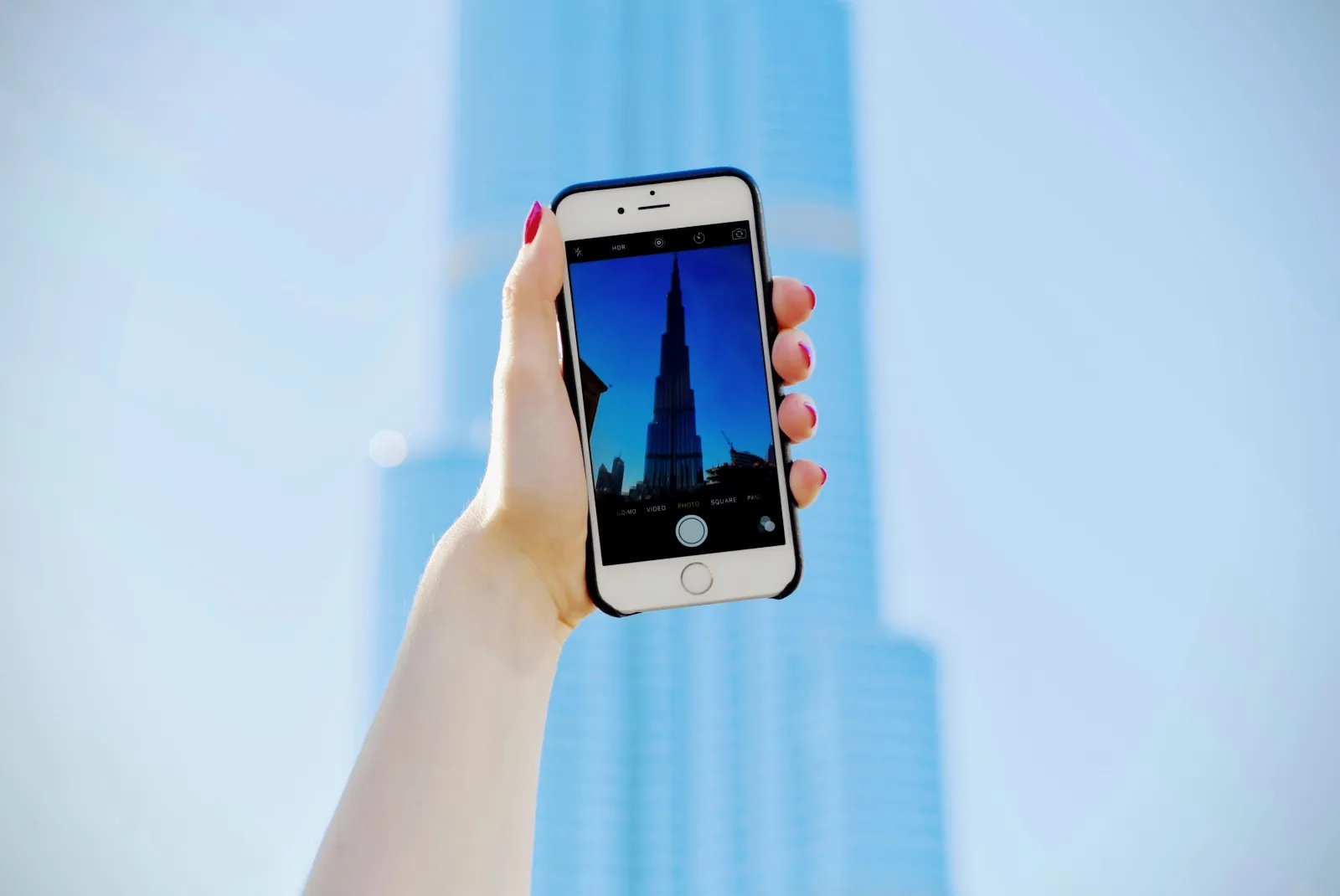
You must not photograph or film people in Dubai without their consent. Article 44 of Federal Decree-Law No. 34 of 2021 lists "taking photos of third parties in any public or private place" without consent among acts that invade privacy, with penalties of imprisonment of at least six months and/or a fine of AED 150,000 to AED 500,000, as the UAE Public Prosecution has explained (Checked: 17 Nov 2026, UAE Legislation portal, linked above).
The same article covers three other things visitors do without thinking:
- Accidents and emergencies: taking, sending or publishing photos of injured or dead people, or of victims of accidents or disasters, without permission is an offence. Do not film a road crash, even to "warn others".
- Publishing to harm: posting photos, scenes, comments or information about someone with the intention of harming them is an offence even if the content is true.
- Editing to insult: altering a photo or recording to defame or insult someone carries heavier penalties: imprisonment of at least one year and/or a fine of AED 250,000 to AED 500,000.
In practice this does not stop you photographing Dubai. Selfies, landmarks, skylines, the Dubai Fountain and your own family are all fine. Busy scenes where strangers happen to appear in the background of a landmark shot are part of normal tourist photography; the problem is when a stranger becomes your subject. A smile and a simple "May I take your photo?" solves almost everything. If someone says no, or waves you away, respect it and delete the shot.
Pay special attention to women and children who are not in your group, Emirati families, workers on building sites, police officers and anyone in a government or security setting. Mosques have their own rules too: at the Sheikh Zayed Grand Mosque, photos are allowed only at designated photo stops, and the centre can confiscate devices used in breach of its rules.
Table note: photography quick guide, based on Article 44 of Federal Decree-Law No. 34 of 2021 and the Sheikh Zayed Grand Mosque Centre rules. Checked: 17 Nov 2026.
| Photo situation | OK? | What to do |
|---|---|---|
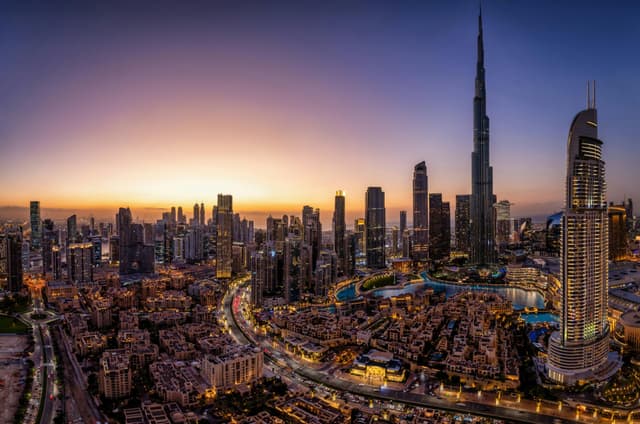
| Burj Khalifa, skyline, fountain show | Yes | Shoot freely |
| Selfie with your family at a mall | Yes | Keep strangers out of focus |
| Close up of a stranger in traditional dress | Only with consent | Ask first; accept a no |
| Other people's children at a beach or park | No | Do not photograph them |
| A road accident or injured person | No | Call 999 or 998 instead |
| Inside a mosque | Designated spots only | Follow signs and staff |
| Posting a video of an argument with a named person | No | Report the issue through official channels |
Which medicines need approval before you travel?
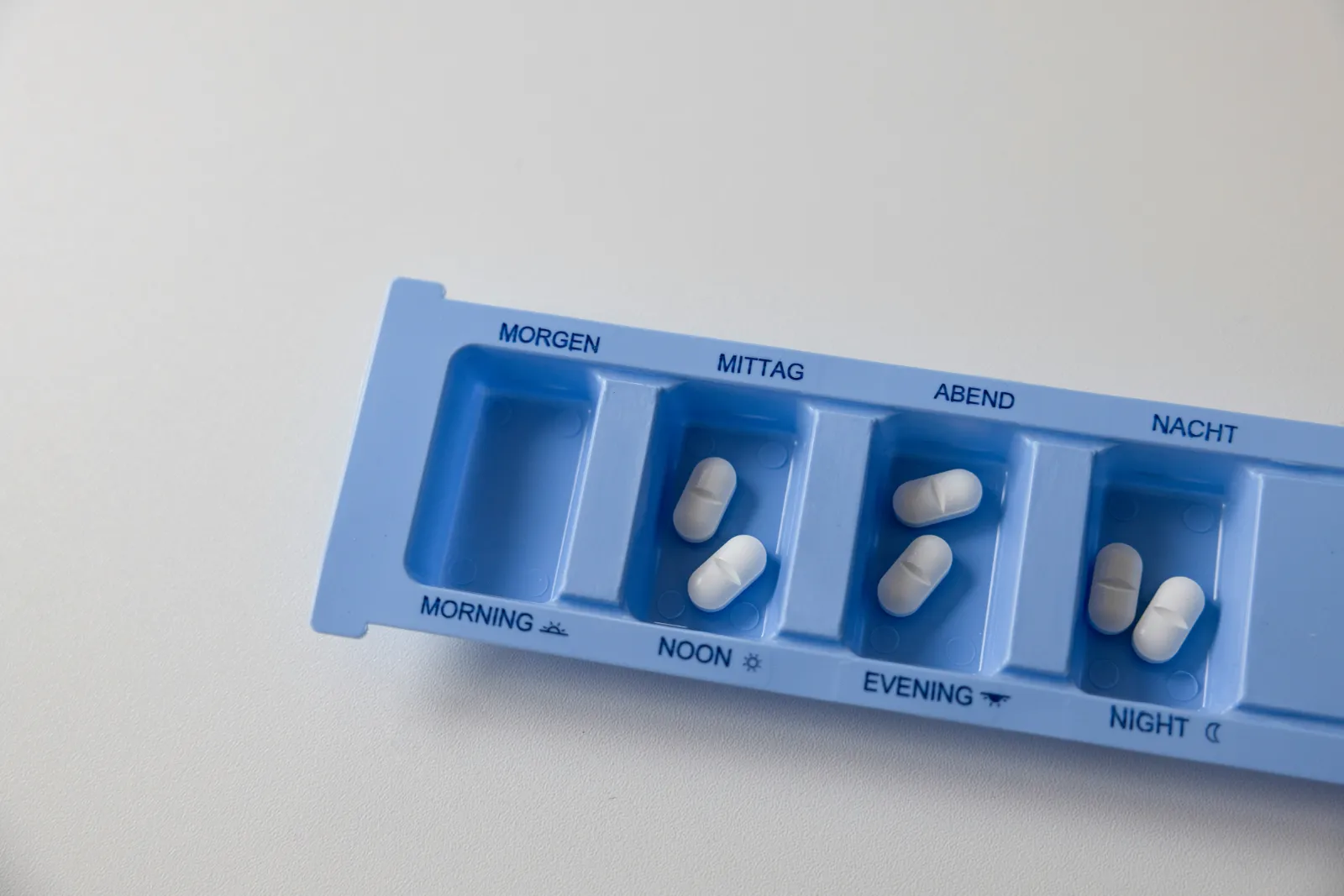
Narcotic and psychotropic medicines, and other controlled medicines, are the ones that need special care when you travel to Dubai. The UAE government says these are "neither freely available in the UAE, nor can they be freely imported into the country", while other prescribed medicines can be brought in for personal use in normal quantity (Checked: 17 Nov 2026, u.ae, Drugs and controlled medicines).
The online service for this now sits with the Emirates Drug Establishment (EDE), although the UAE government portal still refers to a Ministry of Health and Prevention (MOHAP) permit. The EDE service "Issue of Permit to Import Medicines for Personal Use" lets travellers request prior electronic approval to bring in narcotic and controlled medicines. EDE describes the online request as optional for travellers, and its FAQ sets out the key conditions (Checked: 17 Nov 2026, Emirates Drug Establishment):
- Quantity: no more than the patient's need for a maximum of three months.
- Prescription: issued within the last three months and stamped or recognised by the healthcare facility.
- Medical report: issued within the last year and stamped by the treating facility.
- Narcotic or psychotropic medicines: carry the prescription and the medical report, authenticated by the treating health authority.
- Other medicines: medicines that are not narcotic or psychotropic can be carried without prior submission.
- Transit: EDE says approval is not required for transit passengers who do not leave the airport.
Which medicines fall into the controlled groups? It depends on the active ingredient, not the brand name, and the list is longer than many travellers expect. Some strong painkillers, sleeping tablets, anxiety medicines, ADHD medicines and certain cough and cold products can be affected. EDE links an official list of controlled and semi controlled medicines from its service page; check your exact ingredient there or ask your doctor before you fly.
For Nepali travellers there are two practical steps that save trouble at the airport. Ask your doctor in Kathmandu for a typed prescription and a short medical report in English, with the generic name of each medicine, the dose and your passport name spelled exactly as in your passport. Then keep the medicines in their original strips or bottles, in your hand luggage, together with the papers. Loose tablets in an unlabelled box are the classic way to turn a routine bag check into a long conversation.
Our Dubai airport guide for Nepali travellers walks through arrival at DXB, terminals and the customs channels.
Table note: medicine checklist, based on EDE and u.ae guidance. Checked: 17 Nov 2026.
| Medicine type | What to carry | Prior approval? |
|---|---|---|
| Everyday medicines (for example paracetamol, antacids) | Original packs; normal personal quantity | Not needed |
| Regular prescription medicines that are not controlled | Prescription, original packs, up to three months' supply | Not needed |
| Narcotic or psychotropic medicines | Prescription and authenticated medical report, up to three months' supply | Optional EDE e-permit; advisable |
| Medical devices and equipment | Keep with prescription or doctor's letter | Restricted goods regulated by MOHAP; check before you fly |
What changes during Ramadan?
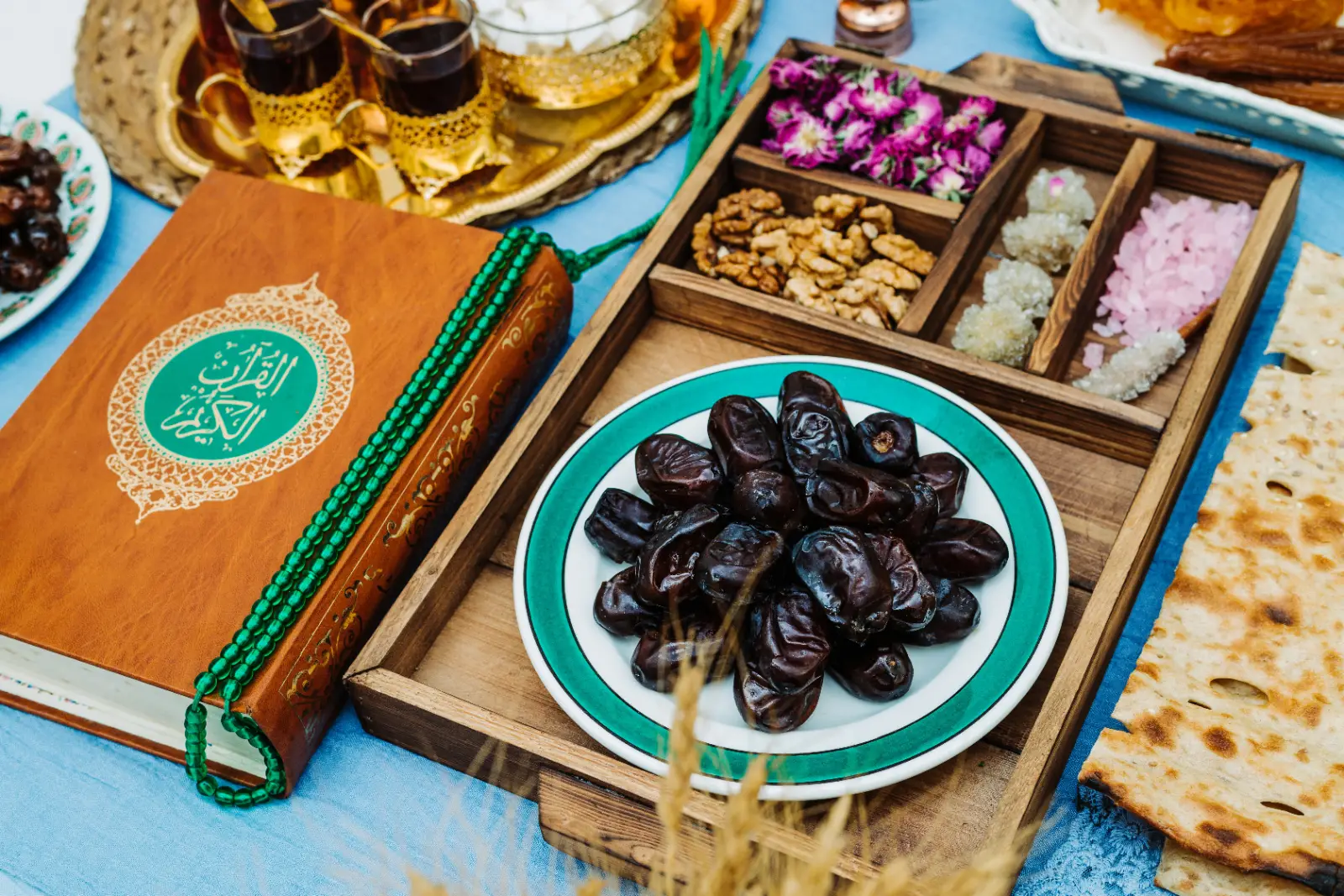
During Ramadan, Muslims fast from dawn to sunset, working hours shorten and the city's rhythm shifts towards the evening, but visitors can still eat, sightsee and shop. The Dubai government portal says non-Muslims "are not required to fast and there are no specific restrictions during Ramadan", and calls it "an act of kindness to abstain from eating, drinking, or smoking in public during fasting hours" (Checked: 17 Nov 2026, dubai.ae, The Holy Month of Ramadan).
That wording matters, because many websites still claim you will be arrested for sipping water in a mall. The Dubai government's own wording is about courtesy rather than punishment: eat and drink in restaurants, food courts, designated areas or your hotel, and avoid doing it openly on the street, in a taxi or on the Metro during fasting hours. The UAE government's Ramadan page notes that malls have restaurants and food courts with designated areas, that some restaurants adjust their hours or close during the day, and that attractions stay open (Checked: 17 Nov 2026, u.ae, Ramadan).
When is Ramadan 2027? Ramadan 2027 is expected to begin on about 8 February 2027, according to projections from the UAE's Astronomy Centre reported by The National, with Eid Al Fitr expected on 9 or 10 March 2027. The actual dates depend on the moon sighting, so treat them as estimates until they are announced.
Table note: Ramadan etiquette for visitors, based on dubai.ae and u.ae. Checked: 17 Nov 2026.
| Do | Don't |
|---|---|
| Eat in restaurants, food courts or your hotel during the day | Eat, drink or smoke openly on the street or on public transport |
| Dress a little more modestly than usual | Play loud music in public or in your car |
| Greet people with "Ramadan Kareem" | Start an argument or use rude language |
| Join an iftar at sunset; many hotels and restaurants host one | Give money to people begging on the street; begging is illegal |
| Expect busier, livelier evenings and late opening malls | Expect every cafe to be open for lunch |
Ramadan can be a lovely time to visit. Evenings are festive, iftar buffets are a highlight, and in early 2027 the weather will be pleasant. Travellers from Nepal may notice that the 2027 dates fall well outside the Dashain and Tihar peak, so Ramadan mainly matters for winter and early spring trips. For month by month weather and crowd advice, see our guide to the best time to visit Dubai.
Can unmarried couples share a hotel room?
Yes, unmarried adult couples can share a hotel room in Dubai. Since the reforms that began in 2020 and the Crimes and Penalties Law that took effect on 2 January 2022, consensual relationships between adults outside marriage have been effectively decriminalised, according to the UAE Cabinet's official summary of the law linked above (Checked: 17 Nov 2026).
The honest picture has three extra details:
- The complaint exception: the law still allows a criminal case for consensual extramarital relations with a person over 18 if a husband or guardian complains. For most tourist couples this never arises, but it explains why "completely legal in every situation" is not accurate.
- Pregnancy: a couple who conceive a child outside marriage must marry or acknowledge the child under the current law.
- Hotel policy: hotels set their own check in procedures. Expect every adult guest to show a passport at check in. If you are staying in a serviced apartment or with relatives, follow the building's rules on registered guests.
For Nepali couples, this often comes up in two situations: a pre wedding or engaged couple travelling together, and a couple visiting a family member who works in the UAE. In both cases the hotel question is straightforward; the larger issue is respecting the setting. Keep affection private, and remember that a relative's employer accommodation may have its own guest rules.
Which other local laws should visitors know?
The other local laws visitors should know cover drugs, vapes and tobacco, banned items such as paan and naswar, drink driving, begging and charity, and how to reach the police. The most serious of these is the drug law: the UAE government states plainly that "the UAE has a zero-tolerance policy for recreational use of drugs" (Checked: 17 Nov 2026, u.ae, Drugs and controlled medicines).
Drugs: zero tolerance
Federal Law by Decree No. 30 of 2021 on Combating Narcotics and Psychotropic Substances criminalises possessing, buying, importing and other dealings with narcotic and psychotropic substances outside regulated medical or scientific use. Do not carry any recreational drug, and do not bring cannabis products of any kind, even if they are sold legally where you live. Never carry a bag or parcel for someone else, however friendly the request.
Paan, naswar and other banned items
This is the rule that catches South Asian travellers most often. The Dubai government's customs guidance lists "Nasvaar and Betel leaves (paan) of any kind" among prohibited items, alongside narcotics, gambling tools, counterfeit goods and indecent material (Checked: 17 Nov 2026, dubai.ae, Customs guidelines). Leave paan and naswar at home, and if a relative asks you to bring some, politely refuse.
Vapes, cigarettes and shisha
You can bring a vape for personal use. The Dubai customs guidance says e-smoking devices are "permitted for personal use, subject to inspector's discretion", and the UAE customs page lists e-cigarettes as restricted goods regulated by the Ministry of Industry and Advanced Technology. The duty free tobacco allowance is 200 cigarettes, 50 cigars or 500 grams of tobacco (Checked: 17 Nov 2026, dubai.ae and u.ae).
Where you smoke or vape matters as much as what you bring. UAE tobacco rules ban smoking in enclosed public places, places of worship, schools, health and sports facilities, and in private cars when a child under 12 is present, and Dubai bans shisha in parks, beaches and public recreational areas (Checked: 17 Nov 2026, u.ae, Tobacco provisions). The Sheikh Zayed Grand Mosque goes further and lists electronic cigarettes of all kinds among items you may not carry inside. Use designated smoking areas only.
Begging and charity
Begging is illegal in Dubai, according to both the Dubai government portal and the UAE government's Ramadan page, which says beggars are liable to a fine and/or deportation as decided by the courts. Requests for money tend to increase during Ramadan. If you want to give, use licensed UAE charities rather than handing out cash.
Police, emergencies and your embassy
The UAE emergency numbers are 999 for police, 998 for ambulance and 997 for fire. For non-emergency police help in Dubai, the UAE government lists Dubai Police's Al Ameen service on 8004444 (Checked: 17 Nov 2026, u.ae, Handling emergencies).
Nepali citizens can contact the Embassy of Nepal in Abu Dhabi. Nepal also has a Consulate General in Dubai: the UAE Ministry of Foreign Affairs received the credentials of Nepal's Consul General in Dubai in June 2025, and Nepali media report that the consulate began services in August 2025. Check the embassy website for current service points before you need them. Travellers on other passports should note their own embassy's contact details before they fly.
Table note: other local laws at a glance. Checked: 17 Nov 2026.
| Rule | What it means for you | Official source |
|---|---|---|
| Zero tolerance on recreational drugs | Never carry, buy or use them | u.ae; Federal Law by Decree No. 30 of 2021 |
| Paan and naswar banned | Do not pack them | dubai.ae customs guidelines |
| Vapes for personal use | Allowed at the inspector's discretion; not in mosques | dubai.ae; SZGMC |
| No smoking in enclosed public places | Use designated areas | u.ae; Federal Law No. 15 of 2009 |
| Drink driving | Criminal offence; prison and/or fine, plus licence suspension | Federal Decree-Law No. 14 of 2024, Article 35 |
| Begging illegal | Give through licensed charities | dubai.ae; u.ae |
| Entry permit or visa | Depends on your passport | u.ae entry permit page |
How can Nepali travellers and diaspora hosts plan around these rules?
Nepali travellers and diaspora hosts can plan around Dubai's rules by sorting three things before departure: paperwork for medicines, the right clothes for the places on the plan, and a clear understanding of the alcohol and photography rules for everyone in the group, including older parents and teenagers. Nothing here is hard; it just needs a few minutes before the trip rather than at the airport.
Entry rules come first. Whether you need an entry permit or a visa depends on your passport, and the UAE government publishes a tool to check it on its entry permit information page. Most Nepali passport holders need a UAE entry permit arranged before travel; see our visa information page for the entry permit. If you hold another passport as part of the diaspora, check the official site for your passport.
Table note: a pre trip checklist for Nepali travellers and hosts. Checked: 17 Nov 2026.
| Before you fly from Kathmandu | Why |
|---|---|
| Typed prescription and English medical report for regular medicines | EDE rules on controlled medicines and the three month limit |
| Medicines in original packs, in hand luggage | Faster checks at DXB |
| No paan, naswar or unknown "herbal" products | Prohibited at Dubai customs |
| Modest outfits for malls, old Dubai and mosques; swimwear for the beach only | Dubai government guidance and mosque rules |
| Passport handy for bars and hotels | Venues check that drinkers are 21 or over |
| Agree as a group: no photos of strangers without asking | Article 44 of the cybercrime law |
| Save 999, 998 and the Nepal embassy contacts | Emergencies and consular help |
| Check Ramadan dates if travelling February to March 2027 | Daytime eating etiquette and shorter working hours |
If you live in the UAE and are hosting family from Nepal, a short briefing at the airport pickup goes a long way. Older relatives may not know that a casual photo of a stranger's child can cause offence, and younger cousins may not realise that buying a drink for a 20 year old is illegal. Families travelling with children should add a few extras to the list: snacks and water for Ramadan days, a light layer for cold malls, and a word with teenagers about photos and social media posts.
If you would rather have the hotels, transfers and sightseeing arranged around these points, you can browse Dubai tour packages and compare what suits your dates.
Frequently asked questions
Is alcohol legal in Dubai for tourists?
Yes, alcohol is legal in Dubai for tourists aged 21 or over when they drink in licensed venues such as hotel bars and licensed restaurants, or in private places like a hotel room. UAE law prohibits drinking in public places or unlicensed locations, according to the UAE Cabinet summary of the Crimes and Penalties Law, checked on 17 Nov 2026.
What is the drinking age in Dubai?
The drinking age in Dubai is effectively 21. UAE federal law prohibits selling, providing or encouraging alcohol for anyone below 21 years of age, so Dubai bars, restaurants and shops check identity. Carry your passport on nights out, because venues may not accept a photocopy or a photo on your phone as proof of age.
Can women wear shorts in Dubai?
Yes, women can wear shorts in Dubai, but the setting matters. Shorts are fine at beaches, pools, water parks and many resorts. In malls, souks, the Metro and old Dubai, knee length shorts or longer clothing with covered shoulders is the respectful choice. Mosques require loose, ankle length clothing and a headscarf for women.
Can unmarried couples stay together in Dubai?
Yes, unmarried adult couples can stay together in a Dubai hotel. UAE law reforms that took effect on 2 January 2022 effectively decriminalised consensual relationships outside marriage, according to the UAE Cabinet. A case can still arise if a husband or guardian complains, and every adult guest should expect to show a passport at check in.
Can couples hold hands in public in Dubai?
Yes, holding hands in public is generally fine for couples in Dubai, whether married or not. Kissing, cuddling and other intimate behaviour should be kept private, and any intimacy is prohibited inside mosques such as the Sheikh Zayed Grand Mosque. Judge by the setting: resorts are more relaxed than souks and heritage areas.
Can I bring my prescription medicines to Dubai?
Yes, you can bring prescription medicines to Dubai for personal use, up to three months' supply, with a recent prescription. For narcotic or psychotropic medicines, carry the prescription and an authenticated medical report, and consider the Emirates Drug Establishment e-permit before you travel. Check your medicine's ingredient against the official controlled list first.
Can I eat in public during Ramadan in Dubai?
The Dubai government says non-Muslims are not required to fast and that there are no specific restrictions during Ramadan, but it asks visitors, as an act of kindness, not to eat, drink or smoke in public during fasting hours. Eat in restaurants, food courts, designated areas or your hotel instead of on the street or Metro.
Can I photograph people in Dubai?
Only with their consent. Article 44 of the UAE cybercrime law (Federal Decree-Law No. 34 of 2021) makes taking photos of other people in public or private places without consent an offence, as is photographing accident victims. Landmarks, skylines and your own group are fine. Ask first, and delete the photo if someone says no.
Is swearing illegal in Dubai?
Insulting someone online or by message is a crime in Dubai under Article 43 of Federal Decree-Law No. 34 of 2021, with imprisonment and/or heavy fines. Swearing at someone or making a rude gesture in person can also lead to a police complaint, and the Dubai government asks visitors to avoid inappropriate language in public.
Can I bring e-cigarettes to Dubai?
Yes, you can bring an e-cigarette or vape to Dubai for personal use. Dubai's customs guidance says e-smoking devices are permitted for personal use at the inspector's discretion. Do not vape in enclosed public places or near children in cars, and do not carry e-cigarettes into the Sheikh Zayed Grand Mosque, where they are prohibited.