












































+977-9709047652
Explore by Country
See all 22 Thailand packages
Most popular pick
See all 22 Thailand packages →
See all 11 Vietnam packages
Most popular pick
See all 11 Vietnam packages →
See all 10 Indonesia (Bali) packages
Most popular pick
See all 10 Indonesia (Bali) packages →
See all 7 Maldives packages
Most popular pick
See all 7 Maldives packages →
See all 10 China packages
Most popular pick
See all 10 China packages →
See all 13 Sri Lanka packages
Most popular pick
See all 13 Sri Lanka packages →
See all 9 Malaysia packages
Most popular pick
See all 9 Malaysia packages →
See all 8 Singapore packages
Most popular pick
See all 8 Singapore packages →
See all 2 Kenya packages
Most popular pick
See all 2 Kenya packages →
See all 16 India packages
Most popular pick
See all 16 India packages →
See all 3 Dubai packages
Most popular pick
See all 3 Dubai packages →
See all 7 Nepal packages
Most popular pick
See all 7 Nepal packages →
See all 6 Philippines packages
Most popular pick
See all 6 Philippines packages →
Search Tours or Places
Blog / Malaysia

Best Time to Visit Malaysia: Seasons & Monsoons

18 min read 19 Aug 2026 · Updated 04 Oct 2026
Best Time to Visit Malaysia: Seasons & Monsoons

The best time to visit Malaysia is generally from December to February for the west coast and the cities, and from March to October for the east coast islands and Borneo. Malaysia is tropical and warm all year, so the main thing to plan around is the monsoon, which hits the two coasts at opposite times. That quirk is actually good news: somewhere in Malaysia is almost always in season, so you simply match your destination to the time of year. This guide walks through the weather month by month, the monsoon seasons, and the best time to go for beaches, diving, Borneo, the highlands and the cities.

When is the best time to visit Malaysia?

There is no single dry season for the whole country, because the coasts have opposite monsoons. As a rule, aim for the west coast and cities from December to February, and the east coast beaches and Borneo from March to October. If you only remember one thing, remember that the famous east coast islands like the Perhentians and Tioman are at their best from around April to September and largely close in the northeast monsoon.

RegionBest monthsAvoid
West coast (Kuala Lumpur, Penang, Langkawi)December to FebruaryWetter April to October
East coast islands (Perhentians, Tioman, Redang)March to OctoberMonsoon November to February
Borneo (Sabah and Sarawak)March to OctoberWettest November to January
Highlands (Cameron Highlands, Genting)Year round, coolerOccasional heavy rain any month

What is the weather like in Malaysia through the year?

Malaysia sits near the equator, so temperatures stay around 27 to 32 degrees Celsius by day all year, with warm nights and high humidity. Rain tends to come in short, heavy afternoon bursts rather than all day downpours, even in the wetter months, so travel is usually still possible outside the peak monsoon weeks. The one reliable escape from the heat is altitude: the Cameron Highlands and other hill stations are noticeably cooler, often dropping into the teens at night, which is why they are popular year round.
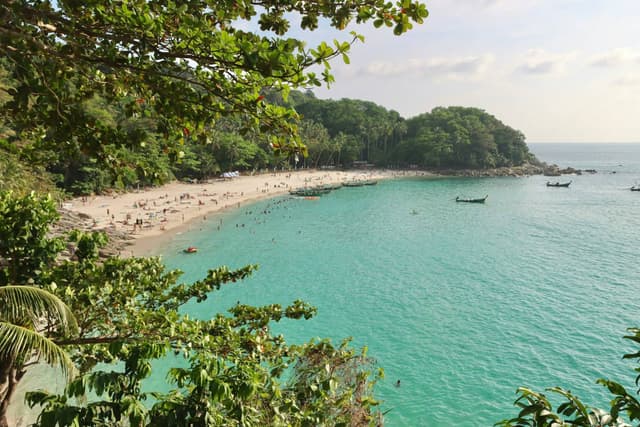
Explore Malaysia tour packages
View all →

What is the weather month by month?

Here is a simple month by month picture. Because the coasts differ, the notes describe the general pattern and flag which coast is affected.

MonthWeather patternGood for
JanuaryWest coast dry and sunny; east coast still wetKuala Lumpur, Penang, Langkawi
FebruaryWest coast dry; east coast easingCities, west coast beaches, Chinese New Year
MarchTransitional, generally good countrywideEverywhere starts to open up
AprilEast coast islands opening, warm and clearPerhentians, Tioman, diving begins
MayWarm, good visibility on the east coastIslands, diving, Borneo
JuneDry spells, peak island seasonEast coast beaches, Sabah
JulyWarm, popular, some west coast showersIslands, Borneo, families on holiday
AugustSimilar to July, festival seasonIslands, cultural festivals
SeptemberStill good on the east coastLate island season, diving
OctoberEast coast winding down, west coast wetterShoulder deals, fewer crowds
NovemberNortheast monsoon starts on the east coastWest coast, cities, highlands
DecemberEast coast wettest; west coast dryingKuala Lumpur, Penang, Langkawi, holidays

When should you avoid the monsoon?

Malaysia has two monsoons that arrive at opposite times, and understanding them is the key to timing a trip. The northeast monsoon, from about November to February, brings heavy rain and rough seas to the east coast and Borneo, when islands like the Perhentians, Redang and Tioman largely shut down and ferries stop. The southwest monsoon, from about April to October, brings wetter, humid spells to the west coast, but it rarely stops travel, and Kuala Lumpur, Penang and Langkawi remain enjoyable with sunshine between showers. If you are set on the east coast islands or on diving, avoid the November to February window. If you want the cities and the west coast at their driest, that same window is ideal.

When is the best time for beaches and diving?

For the clearest water and calmest seas on the east coast, plan for roughly April to September, with visibility often best around May and June. This is the window for Malaysia's headline dive and snorkel spots, including the Perhentians, Redang and, further afield, the world class waters around Sipadan off Sabah, which are excellent for much of the drier season. The west coast and Langkawi are at their driest and sunniest from December to February, better for relaxed beach days than for diving. For where to base yourself once you have chosen your dates, see our guide to the best places in Malaysia and things to do in Malaysia.

When is the best time to visit Borneo?

Malaysian Borneo, made up of Sabah and Sarawak, is best from around March to October, during the drier months. This is the prime window for climbing Mount Kinabalu, trekking in the rainforest, river safaris to spot orangutans and proboscis monkeys along the Kinabatangan, and diving at Sipadan. The wettest months are roughly November to January, when heavy rain can disrupt trekking and river trips, though wildlife watching continues year round. Because Borneo is a big trip in itself, it pays to align your dates with the drier season for the best trekking and wildlife conditions.

When is the best time for the highlands and cooler air?

The Cameron Highlands, Genting Highlands and Fraser's Hill are pleasant all year thanks to their altitude, with cool days and chilly nights that offer relief from the coastal heat. They can receive rain in any month, often in the afternoon, but this rarely spoils a visit to the tea plantations, strawberry farms and forest trails. If you are combining a highland stay with the cities, the drier west coast months of December to February give the most reliable weather, though the highlands themselves are a comfortable escape at any time of year.

Are there festivals worth timing your trip around?

Malaysia's mix of Malay, Chinese, Indian and indigenous cultures means a busy and colourful festival calendar, and timing your trip to catch one adds a lot, though transport and hotels get busier and pricier around the big dates.

  • Chinese New Year (January or February): lantern displays, family celebrations and lively temples, especially in Penang and Kuala Lumpur.
  • Thaipusam (January or February): the striking Hindu festival at Batu Caves, one of the country's most memorable events.
  • Hari Raya Aidilfitri (end of Ramadan, date shifts each year): the biggest Malay celebration, with open houses and festive food.
  • Deepavali (October or November): the Hindu festival of lights, celebrated across the country.
  • Malaysia Day and National Day (August and September): parades and national pride, especially in the cities.

The Malaysia travel guide covers planning around these dates and the practicalities of each region.

When is peak, shoulder and low season?

Because the country has two coasts, peak season depends on where you go, but a few patterns hold. The busiest and priciest times overall are the December and January holiday period, Chinese New Year, and the mid year school holidays around June and July, when both locals and international visitors travel. The shoulder months, such as March and October, often bring the best balance of decent weather and lower prices. The cheapest travel tends to be during the wetter shoulder weeks on whichever coast you are visiting, as long as you avoid the major festival dates and school holidays.

When is the cheapest time to visit Malaysia?

The cheapest time to visit is generally the wetter shoulder months on each coast, when hotels and flights ease off and crowds thin out. On the west coast that means avoiding the December to February peak and travelling in the wetter middle of the year, while on the east coast the shoulder weeks either side of the island season offer better value. Steer clear of Chinese New Year, Hari Raya and the mid year school holidays if budget matters most, as prices and demand climb sharply around them.

What should you pack for Malaysia's climate?

Pack for heat and humidity with occasional heavy rain. Answer first: light, breathable clothing, a compact rain layer, and something warmer for the highlands. Loose cotton or linen keeps you comfortable in the coastal heat, while a light rain jacket or travel umbrella handles the sudden showers. Bring modest clothing that covers shoulders and knees for mosques and more conservative areas, strong sun protection and insect repellent for the islands and Borneo, and a warm layer if you plan to visit the Cameron Highlands or climb Mount Kinabalu, where temperatures drop sharply.

If you would rather have your dates, hotels and transfers arranged so you travel in the best season for your route, you can browse our Malaysia tour packages and let the timing be handled for you.

How does the weather differ across Malaysia's regions?

Malaysia is really several climates in one country, and knowing the regional pattern helps you plan a multi stop trip. The west coast, running from Langkawi down through Penang and Kuala Lumpur to Melaka, is sheltered by Sumatra and enjoys its driest, sunniest weather from December to February, with a wetter, more humid stretch in the middle of the year. The east coast, facing the South China Sea, is the mirror image: lovely and dry from March to October, then battered by the northeast monsoon from November to February. Malaysian Borneo broadly follows the east coast pattern, drier from March to October and wettest from November to January. The highlands sit above all of this, cool and green year round with short afternoon showers possible any month. Because these patterns are offset, a well planned trip can chase good weather from one region to another rather than fighting the rain.

When is the best time for island hopping and the east coast?

The east coast islands are the reason many people time a Malaysia trip carefully, and the window is clear. From about April to September the seas are calm, the water is clear and warm, and the resorts and ferries on the Perhentians, Redang, Lang Tengah and Tioman are all running. May and June often bring the best underwater visibility, ideal for snorkelling and diving. As October arrives the season winds down, and from November to February the northeast monsoon closes most island resorts entirely, with rough seas and suspended ferries. If your heart is set on these islands, do not book them outside the season, as you may arrive to find everything shut. For a beach fix in the monsoon months, switch to the sheltered west coast instead.

When is the best time for the west coast: Langkawi, Penang and Melaka?

The west coast is the reliable choice for the northern winter months. Langkawi is at its best from December to April, with sunny days perfect for beaches, island tours and cable car views, though it can see showers later in the year. Penang, the food and heritage capital, is enjoyable year round but most comfortable in the drier December to February window, and it comes alive during Chinese New Year and the George Town festival season. Melaka, further south, follows a similar pattern and pairs well with Kuala Lumpur for a city and history focused trip. Because the west coast rarely closes down, it is the safe bet if you are travelling during the east coast monsoon and still want warm weather and sightseeing.

What about the haze season?

One seasonal factor worth knowing is the haze, which can affect parts of Malaysia in some years, usually between about July and October. It is caused by smoke drifting from land clearing fires in the wider region, and its severity varies a lot from year to year, from barely noticeable to reduced visibility and air quality warnings in the worst spells. It tends to affect the west coast, Kuala Lumpur and parts of Borneo more than the east coast islands. There is no need to avoid these months, as many years see little or no haze, but if you are sensitive to air quality it is worth checking recent conditions before you travel and keeping plans flexible.

When is the best time for wildlife and nature?

Nature lovers should lean toward the drier months for the best experience. In Borneo, March to October offers the most reliable conditions for rainforest trekking, river cruises along the Kinabatangan to spot orangutans, proboscis monkeys and pygmy elephants, and the climb up Mount Kinabalu. Turtle nesting is a special draw on parts of the east coast and around Borneo, with the main season generally falling between about May and September, when green and hawksbill turtles come ashore to lay eggs at protected beaches. Firefly river tours near Kuala Selangor and Kuching run year round but are best on clear, dry evenings. Aligning a wildlife trip with the drier season improves both the conditions and your chances of good sightings.

How many days do you need, and how does timing affect your route?

Timing shapes the shape of a Malaysia trip as much as the length. If you have a week, pick one side of the country that matches the season: the west coast and Kuala Lumpur in the northern winter, or the east coast islands and a slice of Borneo in the middle of the year. With ten days to two weeks you can combine regions, but do it with the calendar in mind, for example pairing Kuala Lumpur and Penang with Langkawi from December to February, or the Perhentians with Sabah from April to September. Because the monsoons are offset, trying to do the east coast islands and the driest west coast weather in the same trip is difficult, so let the season decide your priorities and save the other coast for a future visit.

Quick reference: best time by interest

You wantBest months
East coast islands and divingApril to September
West coast beaches (Langkawi)December to April
Kuala Lumpur and city sightseeingDecember to February
Borneo trekking and wildlifeMarch to October
Cooler highland escapesAny month
Turtle nestingMay to September
Lowest pricesWetter shoulder weeks, avoiding festivals

When is the best time for a first trip to Malaysia?

For a first visit that mixes cities, culture and a beach, the December to February window is the easiest to plan around. It gives you dry, sunny weather in Kuala Lumpur, Penang and Melaka, comfortable conditions in Langkawi, and coincides with the colour of Chinese New Year and Thaipusam. The trade off is that this is peak season on the west coast, so book ahead. If your dream is the classic east coast islands or Borneo instead, plan your first trip for the April to September window and accept that the west coast may be a little wetter. Either way, choosing your season first and your route second is the secret to a smooth first trip, because the monsoons make some combinations far easier than others.

How does Malaysia's weather compare with its neighbours?

Malaysia shares the region's tropical, humid climate, but its split monsoon sets it apart from some neighbours. Compared with Thailand, which also has regional variation, Malaysia's east coast and Thailand's Gulf coast broadly share the November to February wet spell, while Malaysia's west coast stays drier then. Singapore, just to the south, is warm and humid year round with no strong dry season, so a Malaysia trip can be timed to give you better beach weather than a Singapore stopover alone. If you are combining Malaysia with regional neighbours, plan the beach and island portions of the trip around Malaysia's clear seasons and treat the cities, which are enjoyable year round, as the flexible parts of the itinerary.

When is the best time for a family or relaxed beach holiday?

Families and anyone after easy, sun soaked beach days should aim for the settled, dry stretches on whichever coast they choose. For the east coast islands, the calm, clear seas of May to August are ideal for swimming and snorkelling with children, though this overlaps with the busy mid year school holidays, so book early. For the west coast and Langkawi, December to March offers reliable sunshine and gentle conditions. Highland stays in the Cameron Highlands make a cool, comfortable addition at any time of year and are a good way to break up the heat with younger travellers. Whichever you pick, the drier months mean fewer washed out days and calmer water, which matters most with families.

What is the single best month to visit Malaysia?

If forced to choose one month for the widest appeal, many travellers land on June. By June the east coast islands and Borneo are in full swing with calm seas and good diving, the west coast is still largely enjoyable, and the weather across much of the country is settled. The main caveats are that June falls in the mid year school holidays, so popular spots are busier and pricier, and the west coast can see the odd shower. For quieter travel with still good conditions, the shoulder months of March, April and September are strong alternatives, offering much of June's weather with thinner crowds and better value.

How far ahead should you book for the peak seasons?

Timing your booking matters as much as timing your trip in Malaysia's busiest windows. For the east coast islands in the May to September high season, book resorts and ferries a couple of months ahead, as the best places on the Perhentians and Redang fill quickly and capacity is limited. For the west coast over Christmas, New Year and Chinese New Year, reserve city hotels and Langkawi resorts well in advance, since these are the priciest weeks of the year. The mid year school holidays around June and July also see strong domestic demand, so early booking secures both better rates and the rooms you want. In the quieter shoulder months you can travel more spontaneously, often finding good last minute deals, which is one more reason those weeks suit flexible travellers.

Frequently asked questions

What is the rainy season in Malaysia?

The east coast and Borneo see the heaviest rain during the northeast monsoon from about November to February, while the west coast is wetter during the southwest monsoon from around April to October. Rain usually comes in short, heavy bursts rather than all day, so it rarely stops travel outside the peak monsoon weeks.

Is Malaysia good to visit year round?

Yes. Because the two coasts have opposite monsoons, somewhere in Malaysia is always in season. You simply match your destination to the time of year: the west coast and cities in December to February, the east coast islands and Borneo from March to October.

When is the best time for the Perhentian Islands?

Roughly March to October, when seas are calm and visibility is good for snorkelling and diving. Most island resorts and ferries close during the northeast monsoon from November to February, so the islands are effectively out of season then.

When is the cheapest time to visit Malaysia?

The wetter shoulder months on each coast tend to be cheapest, when hotels and flights drop and crowds thin. Avoid Chinese New Year, Hari Raya and the mid year school holidays, when prices and demand rise across the country.

Does it rain all day in Malaysia?

Rarely. Even in the wetter months, rain often falls in short, heavy afternoon showers that clear quickly, leaving plenty of time for sightseeing. Only the peak monsoon on the affected coast brings longer spells of rain.

When is the best time to visit Kuala Lumpur?

Kuala Lumpur is enjoyable year round, but the drier, sunnier months from December to February are the most comfortable for sightseeing. The city sees afternoon showers in the wetter middle of the year, though these usually pass quickly and rarely disrupt a trip.

When should I go to Borneo for wildlife?

The drier months from March to October are best for trekking, river safaris and climbing Mount Kinabalu, and offer the most reliable conditions for spotting orangutans and other wildlife. Animals can be seen year round, but the wettest months from November to January may disrupt river trips and trails.

What is the best month to visit Malaysia overall?

June is a strong all round choice, with the east coast islands and Borneo in season and the west coast still enjoyable, though it is busy and pricier due to school holidays. For fewer crowds with similar weather, try the shoulder months of March, April or September.

Can I visit the east coast islands and Langkawi in one trip?

It is tricky because their best seasons are offset. The east coast islands shine from April to September, while Langkawi and the west coast are driest from December to February. You can visit both at once in the transitional months around March and October, but expect a compromise on weather for one of them.

When is the best time to climb Mount Kinabalu?

The drier months from March to October offer the most reliable conditions for climbing Mount Kinabalu in Sabah, with a better chance of clear summit views. The wettest months from November to January bring more rain and cloud, which can make the climb harder and views less likely.

Is it worth visiting during a festival?

Tags
Malaysia
Share
G
Gomayu Team
Writer at Gomayu
Keep reading
Blog / Malaysia
Best Time to Visit Malaysia: Seasons & Monsoons
18 min read 19 Aug 2026 · Updated 04 Oct 2026
Best Time to Visit Malaysia: Seasons & Monsoons

The best time to visit Malaysia is generally from December to February for the west coast and the cities, and from March to October for the east coast islands and Borneo. Malaysia is tropical and warm all year, so the main thing to plan around is the monsoon, which hits the two coasts at opposite times. That quirk is actually good news: somewhere in Malaysia is almost always in season, so you simply match your destination to the time of year. This guide walks through the weather month by month, the monsoon seasons, and the best time to go for beaches, diving, Borneo, the highlands and the cities.

When is the best time to visit Malaysia?

There is no single dry season for the whole country, because the coasts have opposite monsoons. As a rule, aim for the west coast and cities from December to February, and the east coast beaches and Borneo from March to October. If you only remember one thing, remember that the famous east coast islands like the Perhentians and Tioman are at their best from around April to September and largely close in the northeast monsoon.

RegionBest monthsAvoid
West coast (Kuala Lumpur, Penang, Langkawi)December to FebruaryWetter April to October
East coast islands (Perhentians, Tioman, Redang)March to OctoberMonsoon November to February
Borneo (Sabah and Sarawak)March to OctoberWettest November to January
Highlands (Cameron Highlands, Genting)Year round, coolerOccasional heavy rain any month

What is the weather like in Malaysia through the year?

Malaysia sits near the equator, so temperatures stay around 27 to 32 degrees Celsius by day all year, with warm nights and high humidity. Rain tends to come in short, heavy afternoon bursts rather than all day downpours, even in the wetter months, so travel is usually still possible outside the peak monsoon weeks. The one reliable escape from the heat is altitude: the Cameron Highlands and other hill stations are noticeably cooler, often dropping into the teens at night, which is why they are popular year round.
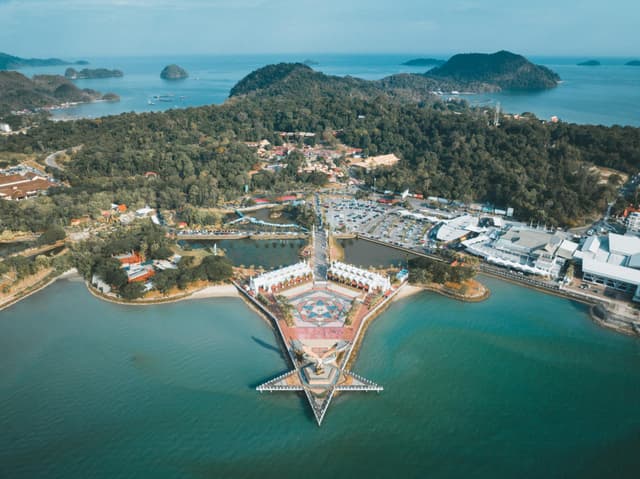
Explore Malaysia tour packages
View all →

What is the weather month by month?

Here is a simple month by month picture. Because the coasts differ, the notes describe the general pattern and flag which coast is affected.

MonthWeather patternGood for
JanuaryWest coast dry and sunny; east coast still wetKuala Lumpur, Penang, Langkawi
FebruaryWest coast dry; east coast easingCities, west coast beaches, Chinese New Year
MarchTransitional, generally good countrywideEverywhere starts to open up
AprilEast coast islands opening, warm and clearPerhentians, Tioman, diving begins
MayWarm, good visibility on the east coastIslands, diving, Borneo
JuneDry spells, peak island seasonEast coast beaches, Sabah
JulyWarm, popular, some west coast showersIslands, Borneo, families on holiday
AugustSimilar to July, festival seasonIslands, cultural festivals
SeptemberStill good on the east coastLate island season, diving
OctoberEast coast winding down, west coast wetterShoulder deals, fewer crowds
NovemberNortheast monsoon starts on the east coastWest coast, cities, highlands
DecemberEast coast wettest; west coast dryingKuala Lumpur, Penang, Langkawi, holidays

When should you avoid the monsoon?

Malaysia has two monsoons that arrive at opposite times, and understanding them is the key to timing a trip. The northeast monsoon, from about November to February, brings heavy rain and rough seas to the east coast and Borneo, when islands like the Perhentians, Redang and Tioman largely shut down and ferries stop. The southwest monsoon, from about April to October, brings wetter, humid spells to the west coast, but it rarely stops travel, and Kuala Lumpur, Penang and Langkawi remain enjoyable with sunshine between showers. If you are set on the east coast islands or on diving, avoid the November to February window. If you want the cities and the west coast at their driest, that same window is ideal.

When is the best time for beaches and diving?

For the clearest water and calmest seas on the east coast, plan for roughly April to September, with visibility often best around May and June. This is the window for Malaysia's headline dive and snorkel spots, including the Perhentians, Redang and, further afield, the world class waters around Sipadan off Sabah, which are excellent for much of the drier season. The west coast and Langkawi are at their driest and sunniest from December to February, better for relaxed beach days than for diving. For where to base yourself once you have chosen your dates, see our guide to the best places in Malaysia and things to do in Malaysia.

When is the best time to visit Borneo?

Malaysian Borneo, made up of Sabah and Sarawak, is best from around March to October, during the drier months. This is the prime window for climbing Mount Kinabalu, trekking in the rainforest, river safaris to spot orangutans and proboscis monkeys along the Kinabatangan, and diving at Sipadan. The wettest months are roughly November to January, when heavy rain can disrupt trekking and river trips, though wildlife watching continues year round. Because Borneo is a big trip in itself, it pays to align your dates with the drier season for the best trekking and wildlife conditions.

When is the best time for the highlands and cooler air?

The Cameron Highlands, Genting Highlands and Fraser's Hill are pleasant all year thanks to their altitude, with cool days and chilly nights that offer relief from the coastal heat. They can receive rain in any month, often in the afternoon, but this rarely spoils a visit to the tea plantations, strawberry farms and forest trails. If you are combining a highland stay with the cities, the drier west coast months of December to February give the most reliable weather, though the highlands themselves are a comfortable escape at any time of year.

Are there festivals worth timing your trip around?

Malaysia's mix of Malay, Chinese, Indian and indigenous cultures means a busy and colourful festival calendar, and timing your trip to catch one adds a lot, though transport and hotels get busier and pricier around the big dates.

  • Chinese New Year (January or February): lantern displays, family celebrations and lively temples, especially in Penang and Kuala Lumpur.
  • Thaipusam (January or February): the striking Hindu festival at Batu Caves, one of the country's most memorable events.
  • Hari Raya Aidilfitri (end of Ramadan, date shifts each year): the biggest Malay celebration, with open houses and festive food.
  • Deepavali (October or November): the Hindu festival of lights, celebrated across the country.
  • Malaysia Day and National Day (August and September): parades and national pride, especially in the cities.

The Malaysia travel guide covers planning around these dates and the practicalities of each region.

When is peak, shoulder and low season?

Because the country has two coasts, peak season depends on where you go, but a few patterns hold. The busiest and priciest times overall are the December and January holiday period, Chinese New Year, and the mid year school holidays around June and July, when both locals and international visitors travel. The shoulder months, such as March and October, often bring the best balance of decent weather and lower prices. The cheapest travel tends to be during the wetter shoulder weeks on whichever coast you are visiting, as long as you avoid the major festival dates and school holidays.

When is the cheapest time to visit Malaysia?

The cheapest time to visit is generally the wetter shoulder months on each coast, when hotels and flights ease off and crowds thin out. On the west coast that means avoiding the December to February peak and travelling in the wetter middle of the year, while on the east coast the shoulder weeks either side of the island season offer better value. Steer clear of Chinese New Year, Hari Raya and the mid year school holidays if budget matters most, as prices and demand climb sharply around them.

What should you pack for Malaysia's climate?

Pack for heat and humidity with occasional heavy rain. Answer first: light, breathable clothing, a compact rain layer, and something warmer for the highlands. Loose cotton or linen keeps you comfortable in the coastal heat, while a light rain jacket or travel umbrella handles the sudden showers. Bring modest clothing that covers shoulders and knees for mosques and more conservative areas, strong sun protection and insect repellent for the islands and Borneo, and a warm layer if you plan to visit the Cameron Highlands or climb Mount Kinabalu, where temperatures drop sharply.

If you would rather have your dates, hotels and transfers arranged so you travel in the best season for your route, you can browse our Malaysia tour packages and let the timing be handled for you.

How does the weather differ across Malaysia's regions?

Malaysia is really several climates in one country, and knowing the regional pattern helps you plan a multi stop trip. The west coast, running from Langkawi down through Penang and Kuala Lumpur to Melaka, is sheltered by Sumatra and enjoys its driest, sunniest weather from December to February, with a wetter, more humid stretch in the middle of the year. The east coast, facing the South China Sea, is the mirror image: lovely and dry from March to October, then battered by the northeast monsoon from November to February. Malaysian Borneo broadly follows the east coast pattern, drier from March to October and wettest from November to January. The highlands sit above all of this, cool and green year round with short afternoon showers possible any month. Because these patterns are offset, a well planned trip can chase good weather from one region to another rather than fighting the rain.

When is the best time for island hopping and the east coast?

The east coast islands are the reason many people time a Malaysia trip carefully, and the window is clear. From about April to September the seas are calm, the water is clear and warm, and the resorts and ferries on the Perhentians, Redang, Lang Tengah and Tioman are all running. May and June often bring the best underwater visibility, ideal for snorkelling and diving. As October arrives the season winds down, and from November to February the northeast monsoon closes most island resorts entirely, with rough seas and suspended ferries. If your heart is set on these islands, do not book them outside the season, as you may arrive to find everything shut. For a beach fix in the monsoon months, switch to the sheltered west coast instead.

When is the best time for the west coast: Langkawi, Penang and Melaka?

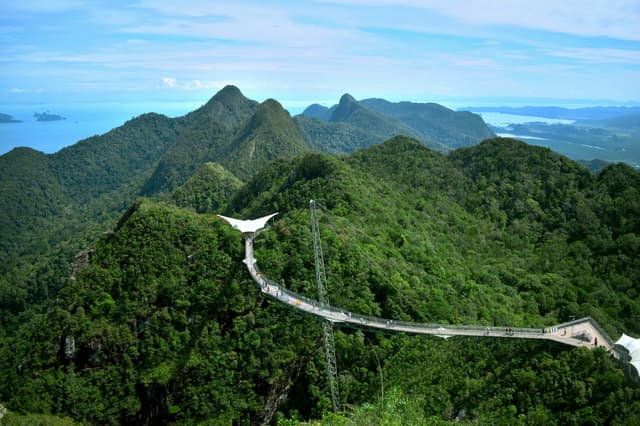
The west coast is the reliable choice for the northern winter months. Langkawi is at its best from December to April, with sunny days perfect for beaches, island tours and cable car views, though it can see showers later in the year. Penang, the food and heritage capital, is enjoyable year round but most comfortable in the drier December to February window, and it comes alive during Chinese New Year and the George Town festival season. Melaka, further south, follows a similar pattern and pairs well with Kuala Lumpur for a city and history focused trip. Because the west coast rarely closes down, it is the safe bet if you are travelling during the east coast monsoon and still want warm weather and sightseeing.

What about the haze season?

One seasonal factor worth knowing is the haze, which can affect parts of Malaysia in some years, usually between about July and October. It is caused by smoke drifting from land clearing fires in the wider region, and its severity varies a lot from year to year, from barely noticeable to reduced visibility and air quality warnings in the worst spells. It tends to affect the west coast, Kuala Lumpur and parts of Borneo more than the east coast islands. There is no need to avoid these months, as many years see little or no haze, but if you are sensitive to air quality it is worth checking recent conditions before you travel and keeping plans flexible.

When is the best time for wildlife and nature?

Nature lovers should lean toward the drier months for the best experience. In Borneo, March to October offers the most reliable conditions for rainforest trekking, river cruises along the Kinabatangan to spot orangutans, proboscis monkeys and pygmy elephants, and the climb up Mount Kinabalu. Turtle nesting is a special draw on parts of the east coast and around Borneo, with the main season generally falling between about May and September, when green and hawksbill turtles come ashore to lay eggs at protected beaches. Firefly river tours near Kuala Selangor and Kuching run year round but are best on clear, dry evenings. Aligning a wildlife trip with the drier season improves both the conditions and your chances of good sightings.

How many days do you need, and how does timing affect your route?

Timing shapes the shape of a Malaysia trip as much as the length. If you have a week, pick one side of the country that matches the season: the west coast and Kuala Lumpur in the northern winter, or the east coast islands and a slice of Borneo in the middle of the year. With ten days to two weeks you can combine regions, but do it with the calendar in mind, for example pairing Kuala Lumpur and Penang with Langkawi from December to February, or the Perhentians with Sabah from April to September. Because the monsoons are offset, trying to do the east coast islands and the driest west coast weather in the same trip is difficult, so let the season decide your priorities and save the other coast for a future visit.

Quick reference: best time by interest

You wantBest months
East coast islands and divingApril to September
West coast beaches (Langkawi)December to April
Kuala Lumpur and city sightseeingDecember to February
Borneo trekking and wildlifeMarch to October
Cooler highland escapesAny month
Turtle nestingMay to September
Lowest pricesWetter shoulder weeks, avoiding festivals

When is the best time for a first trip to Malaysia?

For a first visit that mixes cities, culture and a beach, the December to February window is the easiest to plan around. It gives you dry, sunny weather in Kuala Lumpur, Penang and Melaka, comfortable conditions in Langkawi, and coincides with the colour of Chinese New Year and Thaipusam. The trade off is that this is peak season on the west coast, so book ahead. If your dream is the classic east coast islands or Borneo instead, plan your first trip for the April to September window and accept that the west coast may be a little wetter. Either way, choosing your season first and your route second is the secret to a smooth first trip, because the monsoons make some combinations far easier than others.

How does Malaysia's weather compare with its neighbours?

Malaysia shares the region's tropical, humid climate, but its split monsoon sets it apart from some neighbours. Compared with Thailand, which also has regional variation, Malaysia's east coast and Thailand's Gulf coast broadly share the November to February wet spell, while Malaysia's west coast stays drier then. Singapore, just to the south, is warm and humid year round with no strong dry season, so a Malaysia trip can be timed to give you better beach weather than a Singapore stopover alone. If you are combining Malaysia with regional neighbours, plan the beach and island portions of the trip around Malaysia's clear seasons and treat the cities, which are enjoyable year round, as the flexible parts of the itinerary.

When is the best time for a family or relaxed beach holiday?

Families and anyone after easy, sun soaked beach days should aim for the settled, dry stretches on whichever coast they choose. For the east coast islands, the calm, clear seas of May to August are ideal for swimming and snorkelling with children, though this overlaps with the busy mid year school holidays, so book early. For the west coast and Langkawi, December to March offers reliable sunshine and gentle conditions. Highland stays in the Cameron Highlands make a cool, comfortable addition at any time of year and are a good way to break up the heat with younger travellers. Whichever you pick, the drier months mean fewer washed out days and calmer water, which matters most with families.

What is the single best month to visit Malaysia?

If forced to choose one month for the widest appeal, many travellers land on June. By June the east coast islands and Borneo are in full swing with calm seas and good diving, the west coast is still largely enjoyable, and the weather across much of the country is settled. The main caveats are that June falls in the mid year school holidays, so popular spots are busier and pricier, and the west coast can see the odd shower. For quieter travel with still good conditions, the shoulder months of March, April and September are strong alternatives, offering much of June's weather with thinner crowds and better value.

How far ahead should you book for the peak seasons?

Timing your booking matters as much as timing your trip in Malaysia's busiest windows. For the east coast islands in the May to September high season, book resorts and ferries a couple of months ahead, as the best places on the Perhentians and Redang fill quickly and capacity is limited. For the west coast over Christmas, New Year and Chinese New Year, reserve city hotels and Langkawi resorts well in advance, since these are the priciest weeks of the year. The mid year school holidays around June and July also see strong domestic demand, so early booking secures both better rates and the rooms you want. In the quieter shoulder months you can travel more spontaneously, often finding good last minute deals, which is one more reason those weeks suit flexible travellers.

Frequently asked questions

What is the rainy season in Malaysia?

The east coast and Borneo see the heaviest rain during the northeast monsoon from about November to February, while the west coast is wetter during the southwest monsoon from around April to October. Rain usually comes in short, heavy bursts rather than all day, so it rarely stops travel outside the peak monsoon weeks.

Is Malaysia good to visit year round?

Yes. Because the two coasts have opposite monsoons, somewhere in Malaysia is always in season. You simply match your destination to the time of year: the west coast and cities in December to February, the east coast islands and Borneo from March to October.

When is the best time for the Perhentian Islands?

Roughly March to October, when seas are calm and visibility is good for snorkelling and diving. Most island resorts and ferries close during the northeast monsoon from November to February, so the islands are effectively out of season then.

When is the cheapest time to visit Malaysia?

The wetter shoulder months on each coast tend to be cheapest, when hotels and flights drop and crowds thin. Avoid Chinese New Year, Hari Raya and the mid year school holidays, when prices and demand rise across the country.

Does it rain all day in Malaysia?

Rarely. Even in the wetter months, rain often falls in short, heavy afternoon showers that clear quickly, leaving plenty of time for sightseeing. Only the peak monsoon on the affected coast brings longer spells of rain.

When is the best time to visit Kuala Lumpur?

Kuala Lumpur is enjoyable year round, but the drier, sunnier months from December to February are the most comfortable for sightseeing. The city sees afternoon showers in the wetter middle of the year, though these usually pass quickly and rarely disrupt a trip.

When should I go to Borneo for wildlife?

The drier months from March to October are best for trekking, river safaris and climbing Mount Kinabalu, and offer the most reliable conditions for spotting orangutans and other wildlife. Animals can be seen year round, but the wettest months from November to January may disrupt river trips and trails.

What is the best month to visit Malaysia overall?

June is a strong all round choice, with the east coast islands and Borneo in season and the west coast still enjoyable, though it is busy and pricier due to school holidays. For fewer crowds with similar weather, try the shoulder months of March, April or September.

Can I visit the east coast islands and Langkawi in one trip?

It is tricky because their best seasons are offset. The east coast islands shine from April to September, while Langkawi and the west coast are driest from December to February. You can visit both at once in the transitional months around March and October, but expect a compromise on weather for one of them.

When is the best time to climb Mount Kinabalu?

The drier months from March to October offer the most reliable conditions for climbing Mount Kinabalu in Sabah, with a better chance of clear summit views. The wettest months from November to January bring more rain and cloud, which can make the climb harder and views less likely.
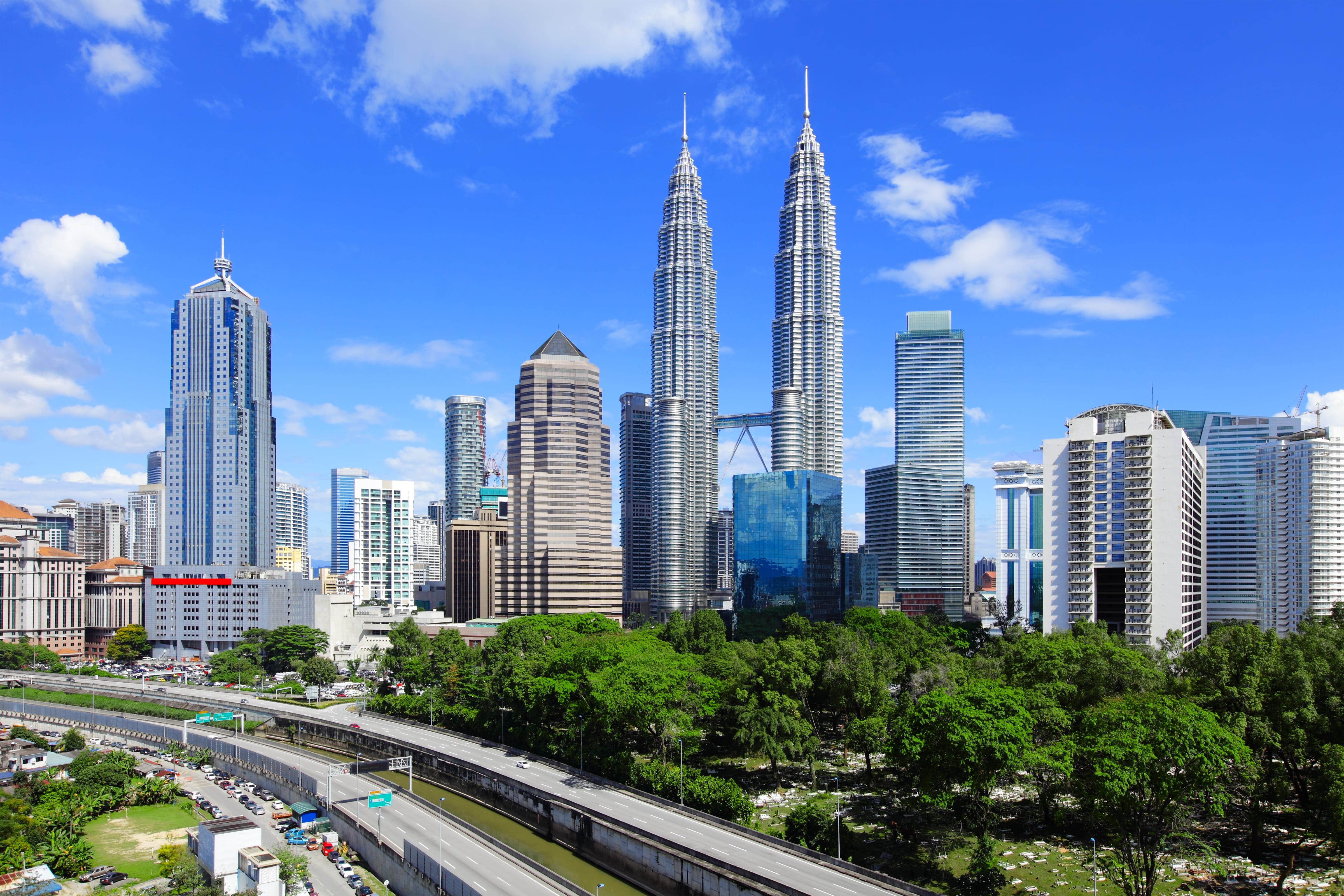
Is it worth visiting during a festival?

Tags
Malaysia
Share
G
Gomayu Team
Writer at Gomayu
Keep reading