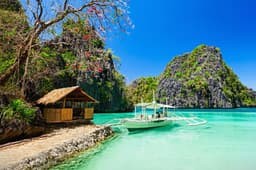













































Langkawi is an archipelago of 99 islands off the north-west coast of Malaysia, best known for its duty-free shopping, jungle-clad hills and easy beach life. The headline experiences are the Langkawi SkyCab cable car and Sky Bridge, the lively beach at Pantai Cenang, and a boat trip through the Kilim Geoforest Park mangroves, a UNESCO Global Geopark. Three to four nights is enough for a relaxed first visit, ideally between November and April when the weather is driest. This guide covers how to get there, what to do, the best beaches, when to go and how Langkawi fits into a wider Malaysia trip.
Where is Langkawi and how do you get there?
Langkawi sits in the state of Kedah, close to the Thai border, and is one of the most accessible islands in Malaysia. The main island, Pulau Langkawi, is well connected by both air and sea, so reaching it rarely costs you a full day.
Direct flights link Kuala Lumpur, Penang and Singapore to Langkawi International Airport, with the hop from Kuala Lumpur taking about an hour. Ferries run from Kuala Perlis and Kuala Kedah on the mainland, and from Penang, taking roughly one to three hours depending on the route. Once you arrive, most visitors rent a car or scooter, since public transport is limited and the island's attractions are spread out.
How many days do you need in Langkawi?
Two to three nights is the minimum for a satisfying first visit, and three to four nights is ideal if you want to combine the headline sights with real beach time. The island is compact but its attractions are scattered, so a little extra time removes any rush.
A three-night stay comfortably covers the SkyCab and Sky Bridge, a Kilim mangrove tour, an island-hopping trip and a couple of relaxed beach days. Add a fourth night if you want to slow down, explore the quieter north, or simply enjoy your resort. Anything shorter than two nights means choosing between the cable car and the boat tours rather than doing both.
What are the best things to do in Langkawi?
Langkawi packs a lot of variety into a small island, from a record-breaking cable car to mangrove safaris and sunset cruises. The list below covers the experiences most visitors build their trip around.
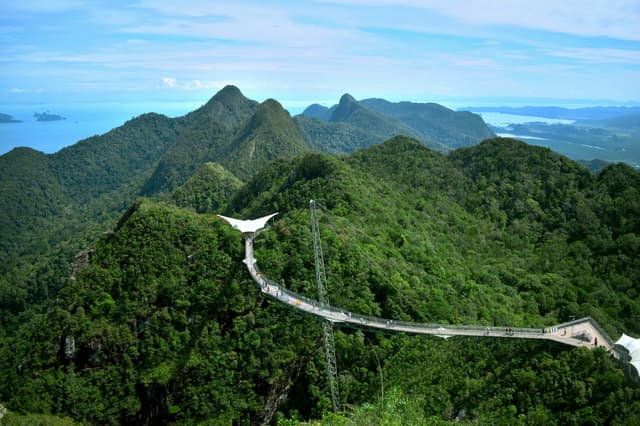
- Ride the SkyCab to the top of Gunung Mat Cincang and walk the curved Sky Bridge for panoramic views over the archipelago.
- Take a mangrove and wildlife boat tour through the Kilim Geoforest Park to see eagles, monkeys, bats and limestone caves.
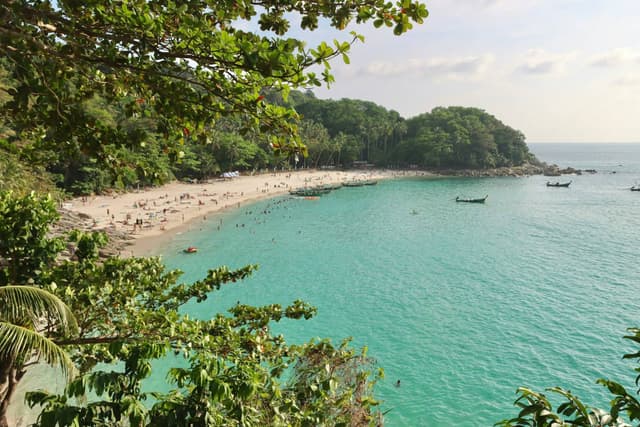
- Relax on Pantai Cenang, the liveliest beach, or the quieter Tanjung Rhu in the north.
- Go island hopping to the Lake of the Pregnant Maiden (Dayang Bunting) and the sandy Beras Basah island.
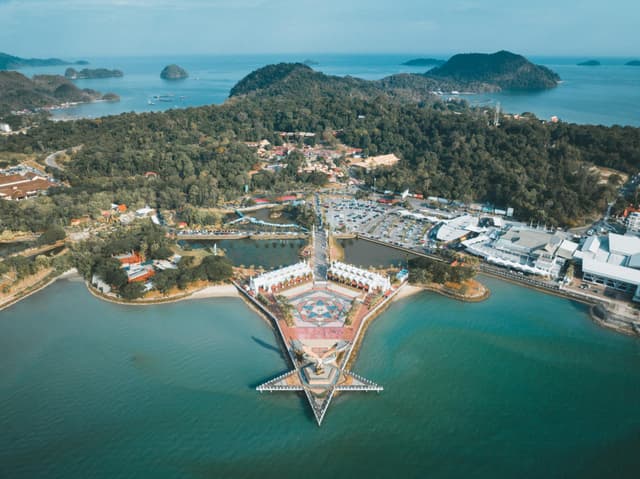
- Snap the giant eagle statue at Eagle Square (Dataran Lang) and end the day with a sunset cruise.
- Visit Underwater World Langkawi, one of the largest aquariums in the region, especially good with children.
- Browse the duty-free shops for chocolate, cosmetics and souvenirs at prices lower than the mainland.
Langkawi is a regular pick in our roundup of the best islands in Malaysia.
What is the Langkawi SkyCab and Sky Bridge?
The Langkawi SkyCab is the island's signature attraction and one of the steepest cable-car rides in the world. It climbs from the Oriental Village at Teluk Burau to the peak of Gunung Mat Cincang, covering about 2.2 kilometres with an incline that reaches around 42 degrees, and the journey to the top takes roughly 15 minutes.
At the summit you can step onto the Langkawi Sky Bridge, a curved 125-metre pedestrian suspension bridge that hangs high above the rainforest with sweeping views toward the Andaman Sea and, on clear days, southern Thailand. The Oriental Village at the base also has the SkyGlide, the SkyDome and the SkyRex, plus shops and cafes, making it an easy half-day out. Go early to beat the cloud that often builds over the peak by midday.
What is the Kilim Geoforest Park?
The Kilim Karst Geoforest Park is the wild heart of Langkawi and a highlight of any visit. Set at the island's northeast corner, it protects a mangrove ecosystem within the wider Langkawi UNESCO Global Geopark, threaded by narrow channels between dramatic limestone cliffs.
Boat tours wind past swiftlet caves, bat caves and lagoons ringed by ancient rock, with chances to spot white-bellied sea eagles, Brahminy kites, macaques, monitor lizards and, occasionally, otters. Choose a responsible operator that avoids feeding the eagles, since feeding disrupts their natural behaviour, and travel earlier in the day for calmer water and better wildlife sightings. It is one of the most rewarding half-days in Malaysia.
What are the best beaches in Langkawi?
Beaches are the reason many visitors come, and Langkawi offers everything from a buzzing main strip to secluded northern coves. The table below matches each to the kind of day you are after.
| Beach | Best for |
|---|---|
| Pantai Cenang | Water sports, cafes and nightlife |
| Tanjung Rhu | Quiet white sand and calm, shallow water |
| Pantai Kok | Marina, boat trips and sunsets |
| Datai Bay | Secluded luxury and a rainforest backdrop |
| Pantai Tengah | A calmer extension of Cenang with spas |
For more coastline across the country, see our guide to the best beaches in Malaysia.
What is island hopping in Langkawi like?
Island hopping is one of the most popular things to do, and shared boat tours make it affordable and easy. A typical half-day trip visits three or four of the surrounding islands, mixing swimming, wildlife and scenery.
The classic circuit stops at the Lake of the Pregnant Maiden (Tasik Dayang Bunting), a freshwater lake set in a limestone island where you can swim, followed by an eagle-watching cruise in a bay where raptors circle, and a beach break on the white sand of Beras Basah. Private charters let you set your own pace and add snorkelling. Bring reef shoes, sun protection and a dry bag, and choose a licensed operator with proper life jackets.
When is the best time to visit Langkawi?
The dry season from November to April brings the most reliable sunshine and calm seas, which is ideal for island hopping, the cable car and beach days. This is peak season, so book resorts and popular tours ahead.
May to October is the wetter monsoon-influenced stretch, with short heavy showers rather than all-day rain, greener scenery and lower prices. It is still perfectly visitable, but the sea can be choppier for boat trips and the SkyCab may close briefly in high winds or storms. For the driest, calmest conditions, aim for January to March. Our guide to the best time to visit Malaysia sets Langkawi in the wider seasonal picture.
How do you get around Langkawi?
Langkawi has limited public transport, so most visitors arrange their own wheels, which also unlocks the quieter corners of the island. The options below cover the practical ways to move around.
| Option | Good to know |
|---|---|
| Rental car | The easiest way to reach spread-out sights and northern beaches |
| Scooter | Cheap and fun for confident riders; wear a helmet |
| Taxis | Widely available; agree the fare before setting off |
| Ride-hailing | Works on the island but coverage can be patchy |
Roads are generally quiet and easy to drive, and having your own transport turns the island's scattered attractions from a logistical puzzle into a pleasure.
What is Langkawi's duty-free shopping like?
Langkawi's status as a duty-free island is part of its appeal and dates back to efforts to boost tourism decades ago. The whole island is a duty-free zone, so chocolate, alcohol, cosmetics, perfume and some electronics are noticeably cheaper than on the Malaysian mainland.
Pantai Cenang and Kuah town have the greatest concentration of shops, and chocolate is the classic souvenir. Personal duty-free allowances apply when you leave the island, so check the current limits if you plan to stock up. Even if shopping is not your priority, picking up local chocolate or coffee makes for easy gifts.
What food should you try in Langkawi?
Langkawi's food leans on fresh seafood and Malay flavours, with plenty of casual beachfront dining. Seafood is the star, from grilled fish and prawns to chilli crab, best enjoyed at a beachside restaurant as the sun goes down.
Look out for Malay staples such as nasi lemak, laksa and satay at local warungs and night markets, where prices are low and flavours are big. The rotating night markets, or pasar malam, held on different days around the island are a great way to graze on local dishes. Pantai Cenang also has a lively strip of international cafes and bars for when you fancy variety.
Where should you stay in Langkawi?
Where you base yourself shapes the feel of your trip, and Langkawi has a clear split between lively and secluded. Matching the area to your mood is more important than the specific hotel.
- Pantai Cenang and Pantai Tengah: the liveliest area, walkable, with the most restaurants, bars, shops and water sports.
- The north (Tanjung Rhu, Datai Bay): quiet, scenic and upscale, ideal for couples and honeymooners seeking seclusion.
- Kuah town: the main town for ferries, duty-free shopping and Eagle Square, less beachy but convenient.
- Pantai Kok and Teluk Burau: near the cable car and marina, calm and handy for boat trips.
Is Langkawi good for families and couples?
Langkawi works well for both, which is part of why it is so popular. Families appreciate the calm, shallow beaches at Tanjung Rhu, the cable car, Underwater World and easy island-hopping trips that keep children engaged.
Couples and honeymooners, meanwhile, gravitate to the secluded resorts of the north, sunset cruises, spa days and quiet coves. Because the island offers both buzz and seclusion within a short drive, it suits mixed groups and multi-generational trips just as easily as romantic escapes.
What is the history and legend of Langkawi?
Langkawi's culture is steeped in myth, and knowing the stories adds colour to what you see. The island's most famous legend is that of Mahsuri, a young woman wrongly accused of adultery and executed, who is said to have cursed Langkawi for seven generations with her dying breath, a curse locals credit with centuries of misfortune before prosperity finally returned.
You can visit Mahsuri's Tomb (Makam Mahsuri) to hear the tale, and many other sites carry legendary names, from the Lake of the Pregnant Maiden to Gunung Raya. Geologically, Langkawi is just as remarkable: it holds some of the oldest rock formations in the region, which is why it was designated Southeast Asia's first UNESCO Global Geopark. That deep history is part of why the island feels more layered than a simple beach getaway.
What natural wonders are there beyond Kilim?
Langkawi is more than beaches and a cable car, with waterfalls, forest walks and viewpoints that reward a little exploring. Renting a car makes these easy to reach.
- Telaga Tujuh (Seven Wells Waterfall): a series of natural pools and cascades near the cable car base, reached by a steep climb or the SkyCab.
- Temurun Waterfall: the island's tallest, tumbling in tiers through the rainforest in the northwest.
- Gunung Raya: Langkawi's highest peak, with a winding drive to panoramic viewpoints and a canopy of old-growth forest.
- Durian Perangin Waterfall: a quieter cascade best after the rains, popular with local families.
- Black Sand Beach (Pantai Pasir Hitam): an unusual dark-sand beach tied to its own local legend.
These natural sights show a wilder, greener side of Langkawi that many beach-focused visitors miss.
What is a good self-drive loop around Langkawi?
With a rental car, you can string the island's highlights into an easy loop over a day or two. The route below flows logically without doubling back.
| Stretch | Highlights |
|---|---|
| Southwest | Pantai Cenang, Pantai Tengah, Underwater World |
| West and Oriental Village | SkyCab, Sky Bridge, Telaga Tujuh, Pantai Kok marina |
| North | Temurun Waterfall, Datai Bay, Tanjung Rhu, Black Sand Beach |
| Northeast | Kilim Geoforest Park mangrove jetty |
| East and Kuah | Eagle Square, duty-free shopping, Mahsuri's Tomb |
Roads are quiet and scenic, so the driving itself is part of the pleasure, and having a car lets you chase sunsets at Pantai Kok or Tanjung Rhu without watching the clock.
What are the best sunset and evening spots?
Langkawi faces west, which makes it superb for sunsets, and evenings here are relaxed rather than raucous. The west-facing beaches deliver the best light show of the day.
Pantai Cenang is the classic sunset strip, with beach bars, fire shows and sundowners, while Pantai Kok and Tanjung Rhu offer quieter, more romantic settings. Sunset dinner cruises from the marina combine the view with dinner on the water and are especially popular with couples. After dark, Cenang has the liveliest cluster of bars and casual restaurants, though Langkawi's nightlife stays low-key compared with the mainland cities.
Can you take a day trip to Thailand from Langkawi?
Langkawi's position near the Thai maritime border makes an international day trip surprisingly easy for the adventurous. The Thai island of Koh Lipe, part of the Tarutao National Marine Park, lies a short speedboat ride away and is famous for its clear water and coral.
Seasonal ferries connect Langkawi and Koh Lipe, though services run mainly in the dry season and you will pass through immigration on both sides, so carry your passport and check current schedules. Even if you do not cross the border, boat tours toward the marine-park waters offer excellent snorkelling. It is a memorable add-on for travellers who want to tick off two countries in one trip.
What practical tips should first-time visitors know?
A few practicalities make a Langkawi trip smoother from the moment you land. None are complicated, but they save time and small frustrations.
- Connectivity: buy a local SIM or eSIM at the airport for cheap, reliable data across the island.
- Money: carry some cash for smaller stalls and jetties, though cards work at resorts and larger shops.
- Sun and sea: pack reef-safe sunscreen, a hat and reef shoes for rocky entries and boat landings.
- Modesty: beachwear is fine on the sand, but cover up in Kuah town and at any religious sites.
- Timing tours: book the cable car and mangrove trips for the morning, before cloud and afternoon showers build.
What wildlife can you see in Langkawi?
Langkawi is surprisingly rich in wildlife thanks to its rainforest interior and protected mangroves, and spotting it is one of the island's quiet pleasures. You do not need to be a dedicated naturalist to enjoy it.
The Kilim mangroves are the best place to see white-bellied sea eagles and Brahminy kites wheeling overhead, along with monitor lizards, mudskippers, macaques and, if you are lucky, otters and dusky langurs. On land, the forests around Gunung Raya and the cable car shelter hornbills, flying lemurs and colugos, while night walks can reveal owls and other nocturnal creatures. Choosing guides who observe wildlife responsibly, without feeding, keeps these encounters ethical and sustainable.
Is Langkawi expensive to visit?
Langkawi is generally considered good value, and its duty-free status helps keep some costs down compared with other resort islands. Accommodation spans everything from simple guesthouses near Pantai Cenang to secluded luxury resorts in the north, so it suits a wide range of travellers.
Local meals at hawker stalls and casual seafood restaurants are inexpensive, duty-free alcohol and chocolate are cheaper than on the mainland, and shared island-hopping tours are affordable. The bigger costs tend to be upscale resorts and private boat charters. Overall, careful travellers can enjoy Langkawi modestly, while those who want to splurge on a northern beach resort easily can.
What should you pack for Langkawi?
Packing for Langkawi is straightforward once you account for the tropical climate and the mix of beach, boat and jungle activities. A little preparation keeps you comfortable across the island's varied outings.
- Light, breathable clothing plus one modest outfit for Kuah town and any religious sites.
- Reef-safe sunscreen, a hat and sunglasses for strong equatorial sun.
- Reef shoes for rocky entries and boat landings on island-hopping trips.
- Insect repellent for mangrove tours and forest walks.
- A light rain layer, especially if visiting in the wetter May to October months.
- A dry bag to protect your phone and camera on boat trips.
How does Langkawi compare with other Malaysian islands?
Langkawi is often weighed against Malaysia's other islands, and each has a clear niche. Understanding the differences helps you decide whether Langkawi is the right fit or a stepping stone to somewhere quieter.
Langkawi is the most developed and accessible, with resorts for every budget, year-round flights and attractions like the cable car, which makes it ideal for first-timers, families and couples who want variety and comfort. The east-coast islands of Perhentian, Redang and Tioman offer clearer water and better snorkelling but are seasonal and more basic. Penang, though not a beach island, wins on food and heritage. In short, choose Langkawi for the all-round package, and the east coast for pristine underwater scenery in the right season.
What mistakes should first-time visitors avoid in Langkawi?
A little foresight helps you get the most from a short Langkawi stay. These are the slips travellers most often regret.
- Doing the cable car in the afternoon, when cloud builds over the peak, rather than early for clear views.
- Skipping a rental vehicle, which makes the island's spread-out sights hard to reach.
- Visiting in the wettest months of September and October without planning flexibility for boat trips.
- Only staying at Cenang and missing the quiet north and the waterfalls.
- Feeding wildlife on tours instead of choosing operators who observe eagles and monkeys responsibly.
How does Langkawi fit into a wider Malaysia trip?
Langkawi shines brightest as part of a longer Malaysian journey rather than as a standalone destination. Its easy flight connections make it simple to combine with the food and heritage of Penang and the city energy of Kuala Lumpur, giving a trip a satisfying mix of beach, culture and city.
A classic route pairs a few days in Kuala Lumpur with George Town in Penang and finishes with beach time in Langkawi, and you can see how to link them in our sample Malaysia itinerary or start with the big picture in our Malaysia travel guide. Travellers who want flights, island transfers and stays sorted in advance often begin with curated Malaysia tour packages and then add a few Langkawi nights to their route.
Frequently asked questions
How many days do you need in Langkawi?
Two to three nights covers the cable car, a mangrove tour and a couple of beach days, while three to four nights adds an island-hopping trip and time to relax. Fewer than two nights means choosing between the main sights.
Is Langkawi worth visiting?
Yes, especially for beaches, the SkyCab cable car and duty-free shopping. It is more laid-back than Malaysia's cities and easy to combine with Penang, Kuala Lumpur or even southern Thailand.
Is Langkawi duty-free?
Yes. The whole island is a duty-free zone, so chocolate, alcohol, perfume and some cosmetics are cheaper than on the mainland. Personal duty-free allowances apply when you leave, so check the current limits.
What is the best month to visit Langkawi?
January to March is ideal, with dry, sunny weather and calm seas for boat trips. The wider dry season runs November to April, while September and October are the wettest months.
Do you need a car in Langkawi?
It helps a lot. Attractions are spread out and public transport is limited, so many visitors rent a car or scooter, while taxis and ride-hailing cover shorter trips.
How do you get to Langkawi?
Direct flights connect Kuala Lumpur, Penang and Singapore to Langkawi International Airport, and ferries run from Kuala Perlis, Kuala Kedah and Penang, taking roughly one to three hours by sea.
What is the Langkawi Sky Bridge?
It is a curved 125-metre pedestrian suspension bridge near the top of Gunung Mat Cincang, reached via the SkyCab cable car, offering sweeping views over the rainforest, the archipelago and the Andaman Sea.
Is the Kilim mangrove tour worth it?
Yes. The Kilim Geoforest Park boat tour is a highlight, winding through limestone channels past caves and lagoons with chances to see eagles, monkeys and bats. Choose an operator that does not feed the eagles.
Is Langkawi good for families?
Very much so. Calm, shallow beaches such as Tanjung Rhu, the cable car, Underwater World and gentle island-hopping trips make it easy and enjoyable with children.