











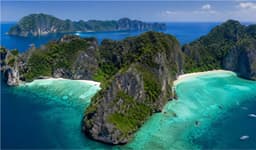

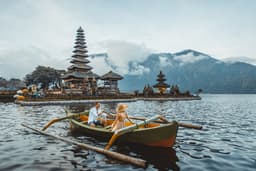
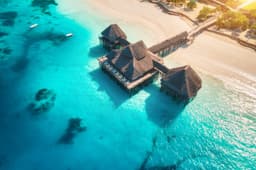








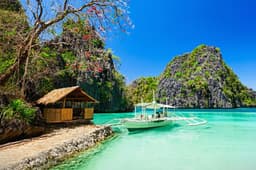

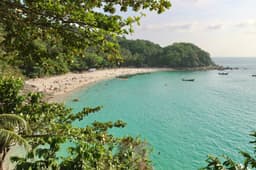


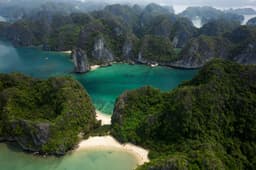
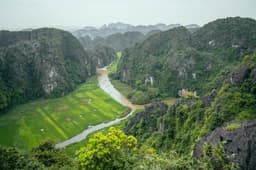

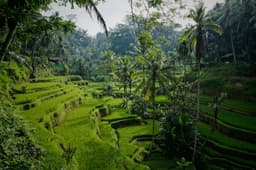
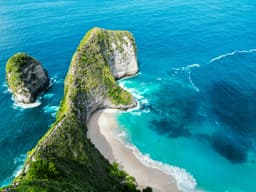
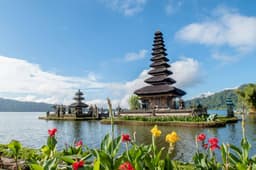

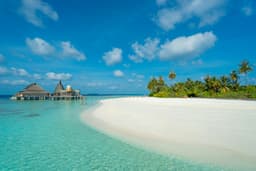
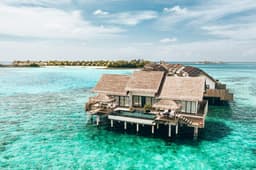
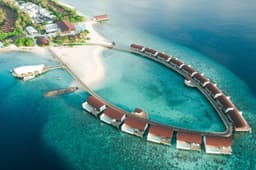







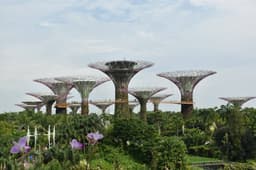




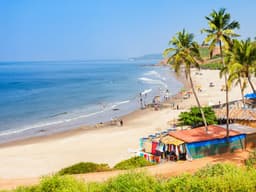

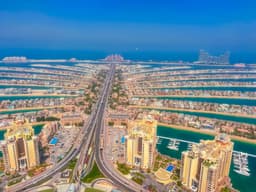




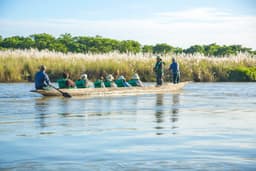



The best islands in Malaysia are Langkawi for beaches and cable car views, Penang for food and heritage, and the Perhentian Islands, Redang and Tioman for clear water, snorkelling and world class diving, with Sipadan off Borneo topping every diver's list. The key thing to understand is that Malaysia has two coasts with opposite seasons, so timing decides where you should go. This guide ranks the top islands, explains what each is best for, gives the current marine park fees and the best months, and shows how to combine an island with the mainland for a balanced trip.
Which are the best islands in Malaysia?
Malaysia has dozens of islands, but a handful stand out for beaches, marine life and character. Here is how the leading choices compare at a glance.
| Island | Coast | Best for |
|---|---|---|
| Langkawi | West | Beaches, cable car, duty free shopping |
| Penang | West | Food, George Town heritage, culture |
| Perhentian Islands | East | Snorkelling, budget beaches, turtles |
| Redang | East | Resorts, clear water, diving |
| Tioman | East | Jungle, diving, laid back villages |
| Sipadan (Borneo) | East (Sabah) | World class diving, permits required |
| Pangkor | West | Quiet, affordable, local feel |
What is the difference between the two coasts?
The single most important planning fact in Malaysia is the coast and its season. The west coast islands, Langkawi and Penang, face the Strait of Malacca and are sheltered, so they are best from November to April and stay open year round. The east coast islands, the Perhentians, Redang, Tioman, Lang Tengah and Kapas, face the South China Sea and shine from March to October; during the northeast monsoon from roughly November to February, seas turn rough and many east coast resorts and boats simply close. In short, visit the east coast in the northern summer and the west coast in the northern winter. Our guide on the best time to visit Malaysia has the month by month detail.




Why visit Langkawi?
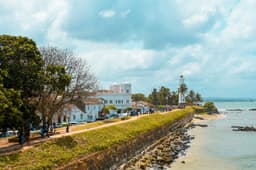
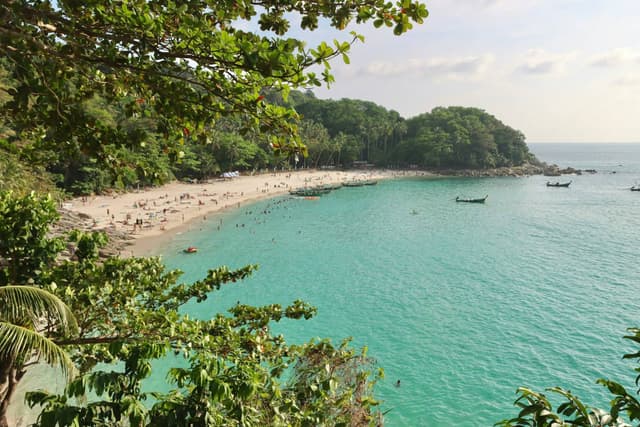
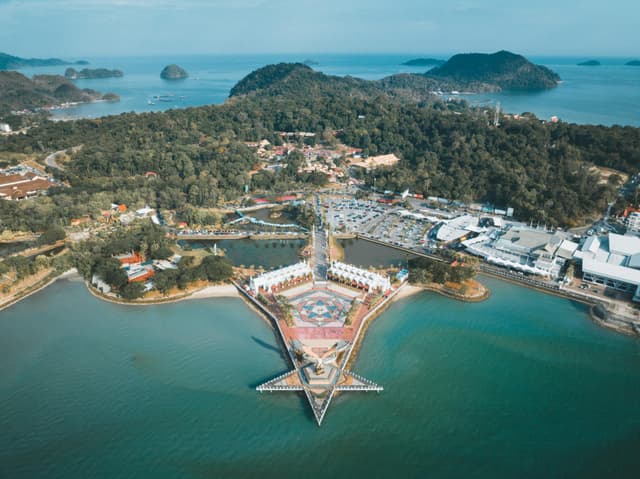
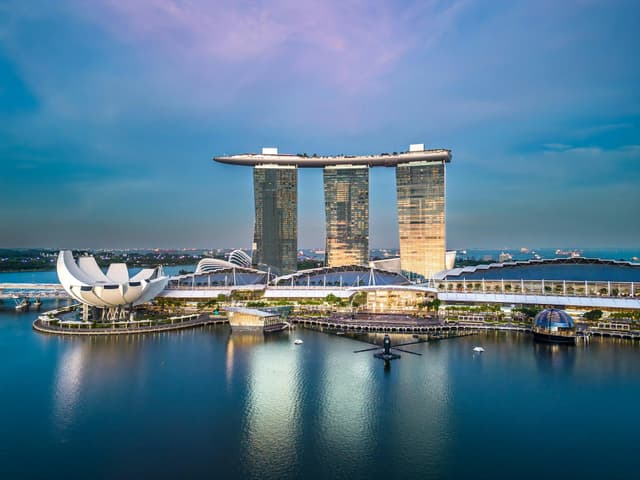
Langkawi is the most popular island and the easiest all rounder, an archipelago of 99 islands off the northwest coast. It combines relaxed beaches such as Pantai Cenang with genuine attractions: the SkyCab cable car and curved SkyBridge for rainforest and sea views, island hopping to the Kilim Geoforest Park mangroves, and duty free shopping thanks to the island's tax free status. There are beaches for every budget, sunset cruises, eagle feeding tours and waterfalls inland. Langkawi suits first timers, families and anyone who wants beach time plus things to do, and it has an international airport with wide connections. See our Langkawi travel guide for a deeper look.
Why visit Penang?
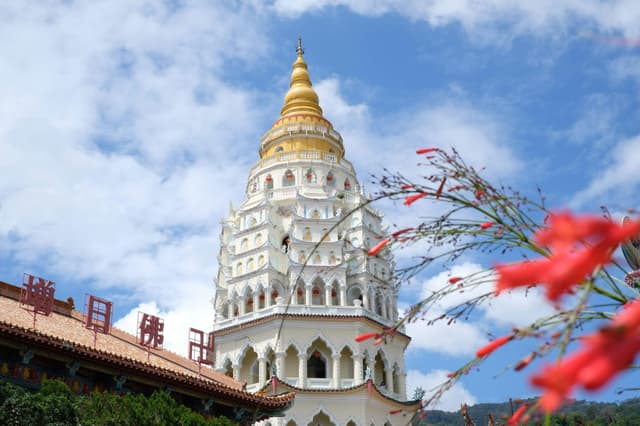
Penang is less about beaches and more about culture and food, which is why food lovers rank it a highlight of the whole country. Its capital, George Town, is a UNESCO World Heritage Site of colonial shophouses, clan jetties, street art and temples, best explored on foot. Penang is widely considered the food capital of Malaysia, famous for char kway teow, assam laksa, cendol and hawker centres where every dish has a specialist. Batu Ferringhi has the main beach strip, though the sand is modest compared with the east coast. Come to Penang to eat, wander heritage streets and soak up a rich multicultural mix.
What makes the Perhentian Islands special?
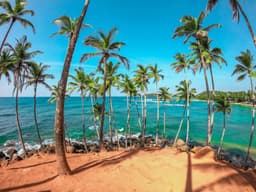
The Perhentian Islands, two islands called Kecil and Besar off the northeast coast, are the backpacker and snorkelling favourite. Perhentian Kecil, the smaller island, draws budget travellers with cheaper chalets, Long Beach and a sociable scene, while Perhentian Besar is quieter and more resort oriented, better for families and couples. The water is astonishingly clear, and you can snorkel with reef sharks, turtles and vivid coral straight off the beach or on a cheap boat tour. There are no roads or ATMs to speak of, so bring cash and expect a simple, back to nature stay. The Perhentians are firmly an east coast, March to October destination.
Why choose Redang?
Redang is the east coast's resort island, with powder white beaches and some of the clearest water in Malaysia. It leans more upmarket than the Perhentians, with beach resorts on Pasir Panjang and package stays that include meals and snorkelling trips. The house reefs are excellent, and Redang is a strong choice for families and couples who want comfort alongside great snorkelling and diving. Like its neighbours, it runs from around March to October and largely closes for the monsoon.
What is Tioman like?
Tioman, off the southeast coast near Mersing, blends jungle clad mountains with quiet beach villages and a relaxed, unhurried feel. Duty free status makes drinks cheap, the diving and snorkelling around the island and nearby Renggis are excellent, and inland trails lead through rainforest to waterfalls. Villages such as ABC, Salang and Juara each have their own character, from social to sleepy. Tioman suits divers and travellers who want nature and calm rather than nightlife, and it too is an east coast, March to October island.
Where is the best diving?
Sipadan, off Semporna in Sabah on Malaysian Borneo, is one of the world's greatest dive sites, an oceanic pinnacle drawing turtles, barracuda tornadoes, reef sharks and occasional hammerheads. Access is strictly controlled to protect the reef: only around 178 diving permits are issued each day across all operators, and as of 2026 divers are limited to three dives daily, so you must book months ahead through a licensed resort on nearby Mabul or Kapalai. Beyond Sipadan, Tioman, Redang and the Perhentians offer excellent and far more accessible diving and snorkelling for all levels. Our Borneo travel guide covers Sabah's islands and rainforest.
What marine park fees should you budget?
Most of Malaysia's east coast islands sit inside protected marine parks, so expect a conservation charge on arrival. The marine park conservation fee is RM30 for foreign adults and RM15 for foreign children aged 6 to 12 and seniors, with lower rates for Malaysians. It applies to Tioman, Redang, the Perhentians, Kapas, Lang Tengah, Payar and the Johor islands, and the money funds reef protection. It is a small, one time charge, but worth carrying cash for, as card facilities on the islands are limited.
Which island is best for you?
The right island depends on what you want from the trip. Use this quick guide to match an island to your priorities.
| You want | Best island |
|---|---|
| Beaches plus activities | Langkawi |
| Food and culture | Penang |
| Budget snorkelling | Perhentian Kecil |
| Resort and clear water | Redang |
| Jungle and diving | Tioman |
| World class diving | Sipadan (Borneo) |
How many days do you need?
Allow three to four nights on one island to enjoy the beach without spending your time on transfers, since boats and flights to the islands eat into travel days. Combining an island with Kuala Lumpur or Penang makes a balanced week to ten day trip, and pairing a west coast city break with an east coast beach stay is a classic route, weather permitting. Our Malaysia itinerary shows how to string it together.
For wider planning, read our Malaysia travel guide and our list of the best beaches in Malaysia.
What about Pangkor and the quieter west coast islands?
If you want beaches without the crowds, the smaller islands deliver. Pangkor, off Perak on the west coast, is a laid back, affordable island with local fishing villages, quiet beaches and a relaxed pace, reachable year round. Kapas, near Terengganu, is a tiny east coast gem for snorkelling and switching off, while Lang Tengah sits between Redang and the Perhentians with a handful of resorts and superb reefs. Rawa and Besar, off Mersing in the south, are small resort islands ideal for a short, quiet escape. These islands trade nightlife and choice for tranquillity, and are perfect for travellers who just want sand, sea and calm.
Which islands are near Kota Kinabalu in Sabah?
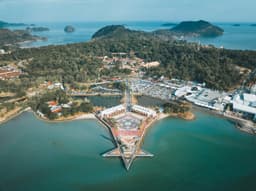
Over in Malaysian Borneo, the Tunku Abdul Rahman Marine Park sits just off Kota Kinabalu, making it the easiest island escape in Sabah. A short boat ride reaches Gaya, Manukan, Sapi, Mamutik and Sulug, five islands with beaches, snorkelling and easy day trips or overnight stays. Sapi and Manukan are the most popular for families and first timers, with clear water, reef fish and activities such as sea walking and zip lining between islands. They make a great add on to a Borneo trip built around Mount Kinabalu, orangutans and the rainforest.
What are Mabul and Kapalai known for?
Mabul and Kapalai, near Sipadan off Semporna, are the base islands most divers actually stay on, since accommodation on Sipadan itself is not allowed. Mabul is world famous for muck diving, hunting tiny critters such as frogfish, seahorses and flamboyant cuttlefish over its sandy slopes, while Kapalai is a sandbar with stilted water villages. Together they let you combine macro diving with day permits to the big fish action at Sipadan, and both suit divers who want to be in the water three or more times a day.
What is Pulau Payar Marine Park?
Pulau Payar, south of Langkawi, is a marine park usually visited as a day trip rather than an overnight stay. Boats run from Langkawi and Penang to a floating platform and beach where you can snorkel or dive among reef fish and baby blacktip sharks in shallow water. It is an easy way to add a marine experience to a west coast beach holiday, especially for families and non divers who want clear water without a long journey.
How do you get to Malaysia's islands?
Access varies by island and shapes your planning. Langkawi and Penang have their own airports with frequent flights from Kuala Lumpur and regional cities, making them the easiest to reach. The east coast islands are reached by boat: the Perhentians from Kuala Besut, Redang and Lang Tengah from Merang or Kuala Terengganu, and Tioman from Mersing or Tanjung Gemok, often after a flight to Kota Bharu or Kuala Terengganu. Sipadan means flying to Tawau in Sabah, then transferring to Semporna and on to Mabul or Kapalai. Because boats depend on weather and daylight, plan transfers for the morning and avoid tight same day flight connections.
Which island is best for a honeymoon?
For romance, Redang and Lang Tengah offer resort seclusion and dazzling water on the east coast, while Langkawi has luxury beach resorts, private sunset cruises and spa retreats year round. Tioman suits couples who love diving and nature over nightlife, and the water villages of Kapalai are a memorable splurge for diving honeymooners. Our Malaysia honeymoon guide pairs the right island with the season and adds mainland ideas for a balanced trip.
Which islands suit budget travellers?
Malaysia is friendly on the wallet, and some islands especially so. Perhentian Kecil is the classic budget base, with cheap chalets, sociable beaches and inexpensive snorkelling tours. Pangkor and Kapas are affordable and low key, and Tioman's duty free status keeps costs down. Even on pricier islands you can save by choosing simpler guesthouses, eating at local warungs and booking snorkelling as shared trips. For a full cost picture, see whether Malaysia is expensive.
What can you do beyond the beach?
Malaysia's islands offer far more than sunbathing. Snorkelling and diving are the headline activities, with turtles, reef sharks and coral gardens across the east coast. On Langkawi you can ride the SkyCab, kayak through mangroves, and island hop to eagle feeding spots. Jungle trekking leads to waterfalls on Tioman and Pangkor, while boat tours, sunset cruises and sea sports fill out the rest. Wildlife lovers can spot monitor lizards, hornbills and, in Sabah's waters, occasional dolphins and turtles. There is enough to keep active travellers busy between beach sessions.
How do you travel responsibly on the islands?
Malaysia's reefs are fragile and protected for a reason, so a few habits matter. Wear reef safe sunscreen, never touch or stand on coral, and keep a respectful distance from turtles and sharks. Take all rubbish back to the mainland, since island waste facilities are limited, and choose operators who follow marine park rules and do not feed wildlife. Paying the conservation fee, refusing single use plastics and picking eco minded resorts all help keep these islands beautiful for the future.
When exactly is the best time for each island?
Because the coasts flip seasons, the calendar decides where to go. This table sums up the ideal windows so you can plan around the weather rather than fight it.
| Island | Best months | Avoid |
|---|---|---|
| Langkawi | November to April | Occasional rain, still visitable year round |
| Penang | December to April | Wetter spells mid year |
| Perhentians, Redang, Lang Tengah | March to October | November to February (monsoon, closures) |
| Tioman | March to October | November to February |
| Sipadan (Borneo) | Year round, best April to December | Peak rains vary |
What is island life like day to day?
Life on Malaysia's islands is deliberately slow. On the east coast islands there are few or no cars, limited electricity hours on the smallest islands, and patchy mobile signal, which is part of the appeal. Days revolve around snorkelling trips, beach time, fresh seafood dinners and sunsets, with simple chalets rather than sprawling resorts on the budget islands. Langkawi and Penang are more developed, with full infrastructure, nightlife and dining. Knowing which experience you want, rustic and quiet or comfortable and connected, is the key to choosing well.
How do you combine islands with the mainland?
The best Malaysia trips balance an island with the mainland. A common route pairs a few days in cosmopolitan Kuala Lumpur, with its towers, markets and food, and then a beach finish on Langkawi or an east coast island depending on the season. Penang works as both a cultural city break and an island in one. For ideas on the capital, see things to do in Kuala Lumpur, and for the whole country our roundup of things to do in Malaysia helps you build the mix.
What food should you try on the islands?
Island food centres on fresh seafood: grilled fish, prawns, squid and crab, often served at simple beachside restaurants. On the east coast, try nasi kerabu and keropok lekor, Terengganu specialities, while Langkawi and Penang bring the full sweep of Malay, Chinese and Indian cooking. Penang in particular is a food destination in its own right, famous for char kway teow, assam laksa and cendol. Wherever you are, a fresh coconut and a plate of just caught seafood at sunset is the classic island meal. See what to eat in Malaysia for the must try dishes.
Are Malaysia's islands safe?
Malaysia's islands are generally very safe, and the main risks are practical rather than personal: strong currents at some beaches, boat transfers in poor weather, and sunburn. Use common sense in the water, follow local advice on conditions, and keep valuables secure in simple chalets. The far southeastern islands of Sabah near Semporna have had historical security advisories, so check current guidance and travel with reputable dive operators there. For most travellers, Malaysia's islands are relaxed and welcoming; our guide on whether Malaysia is safe covers the details.
What should you pack for a Malaysian island?
- Reef safe sunscreen and a hat, as the tropical sun is strong even when overcast.
- Your own snorkel and mask if you have them, for comfort and fit.
- Cash in ringgit, since many islands have no ATMs and limited card facilities.
- A dry bag for boat transfers and protecting electronics from spray.
- Light, quick dry clothing and water shoes for rocky entries.
- Insect repellent for the evenings, especially near jungle.
What mistakes should you avoid?
The biggest mistake is visiting the wrong coast for the season, arriving at a closed east coast island in December or expecting calm seas mid monsoon. Others include running out of cash on islands without ATMs, booking tight same day connections that a delayed boat can ruin, and leaving Sipadan permits too late. Travellers also sometimes underestimate transfer times or overpack their trip with too many islands. Pick one or two islands, match them to the season, carry cash, and leave buffer time around boat transfers for a smooth trip.
Which islands are best for first timers?
First time visitors do best on Langkawi, which is easy to reach, has beaches plus plenty to do, and works year round, or on Redang for a comfortable, resort based beach and snorkelling holiday in season. Penang is ideal if food and culture matter as much as sand. These three cover the most common priorities with the least logistical hassle, making them the safest first choices before you venture to the wilder budget islands on a return trip.
What is island hopping like?
Island hopping is one of the best ways to see more in a short stay. From Langkawi, half day tours visit the Kilim Geoforest mangroves, an eagle feeding spot, the freshwater Pregnant Maiden Lake on Pulau Dayang Bunti, and quiet beaches for a swim. On the east coast, boat trips from the Perhentians and Redang string together snorkelling sites, turtle spots and hidden coves. In Sabah, hops between Gaya, Sapi and Manukan pack several islands into a single day. Tours are inexpensive, easy to book locally, and a great way to enjoy the water without committing to one beach.
Can you see turtles and marine wildlife?
Yes, and it is a highlight for many visitors. Green and hawksbill turtles are regularly seen while snorkelling and diving around the Perhentians, Redang and Tioman, and some beaches host nesting turtles in season under conservation programmes. Reef sharks, especially harmless blacktips, cruise the shallows, and the reefs teem with clownfish, parrotfish and rays. In Sabah's waters around Sipadan and Mabul you may add barracuda schools, bumphead parrotfish and, for the lucky, larger pelagics. Keep a respectful distance, never chase or touch wildlife, and let the animals come to you.
Which island suits couples, families and solo travellers?
Each traveller type has a natural fit. Couples gravitate to Redang, Lang Tengah and luxury Langkawi resorts for seclusion and romance. Families do best on Langkawi and Redang, with calm beaches, resorts, and activities that suit children. Solo and budget travellers love Perhentian Kecil and Tioman for their sociable, low cost scenes where it is easy to meet people on snorkelling trips. Divers of any type head for Sipadan via Mabul. Matching the island to your group makes the difference between a good trip and a perfect one.
How much does an island trip cost?
Malaysia offers excellent value, and islands span the full range. Budget travellers can sleep, eat and snorkel cheaply on Perhentian Kecil, Tioman or Pangkor, while Redang, Lang Tengah and upscale Langkawi resorts sit at the higher end, often sold as packages with meals and boat trips included. The main costs are transfers, accommodation and diving, while food and snorkelling stay affordable. Booking east coast resorts as a package can simplify a trip and control costs, and travelling just outside peak holidays keeps prices lower.
How do you choose the right island for your trip?
With so many islands, the decision comes down to three questions. First, when are you travelling, since that fixes the coast: west coast for the northern winter, east coast for the northern summer. Second, what do you want most, whether that is easy beaches and activities (Langkawi), food and culture (Penang), clear water snorkelling (Perhentians, Redang), or serious diving (Sipadan and Tioman). Third, what is your style and budget, from rustic backpacker chalets to full service resorts. Answer those three and the shortlist almost always narrows to one or two obvious choices. Combine your chosen island with Kuala Lumpur or Penang for a well rounded week, carry enough cash, book east coast resorts and Sipadan permits ahead, and time everything to the season. Do that, and Malaysia's islands deliver some of the best beaches, reefs and value in Southeast Asia.
How do the east and west coast islands feel different?
Beyond the seasons, the two coasts have a different character. The west coast islands are more developed and cosmopolitan, with resorts, restaurants, nightlife and easy flights, so they suit travellers who want comfort and choice. The east coast islands are wilder and simpler, prized for their crystal water, coral and back to nature pace, often with basic chalets and no roads. Neither is better; they are two distinct experiences. Many travellers try one of each on separate trips, or across a longer holiday, to see both sides of island Malaysia.
To have island transfers, resorts and activities arranged for you, browse our curated Malaysia tour packages, which line up the boats, stays and snorkelling trips so nothing is left to chance.
Frequently asked questions
Which is the most popular island in Malaysia?
Langkawi is the most visited, thanks to its beaches, duty free status, cable car and easy flights. Penang is a close second for its food and heritage.
When should you avoid the east coast islands?
Avoid November to February, when the northeast monsoon brings rough seas and many east coast resorts close. Visit the west coast islands such as Langkawi and Penang instead during those months.
Are Malaysia's islands good for families?
Yes. Langkawi and Redang are especially family friendly, with calm beaches, resorts and easy activities. Bring reef safe sunscreen and snorkel gear for the children.
Do you need permits for any islands?
Diving at Sipadan requires a limited daily permit booked in advance through licensed operators. Most other islands need only the small marine park conservation fee, not a special permit.
Which island has the best snorkelling?
The Perhentians and Redang have the clearest water and the best reef snorkelling straight off the beach, with turtles and reef sharks commonly seen. Tioman is also excellent.
Which is better, the Perhentians or Redang?
Redang is more upmarket with resort comfort and package stays, while the Perhentians are cheaper and more sociable, especially Kecil. Both have superb water; choose by budget and style.
Can you visit the islands during the monsoon?
The west coast islands, Langkawi and Penang, stay open year round. The east coast islands largely close from November to February, so switch coasts rather than cancel.
Do you need to be a diver to enjoy the islands?
No. Snorkelling straight off the beach at the Perhentians, Redang and Tioman is superb, and non divers can enjoy island hopping, kayaking and boat tours everywhere.
How far ahead should you book Sipadan?
Book several months in advance. Daily permits are strictly limited to around 178 for divers, so resorts allocate them early and popular dates sell out fast.
What is the best island in Malaysia for beaches?
Redang and the Perhentians have the finest white sand and clearest water on the east coast, while Langkawi offers the best mix of beaches and activities year round on the west coast.
How do you get to the Perhentian Islands?
Take a boat from Kuala Besut jetty, reached by flying to Kota Bharu or driving. Speedboats run in about 30 to 45 minutes during the March to October season.
Which island is best for diving beginners?
Tioman, Redang and the Perhentians all have easy, shallow dive sites and dive schools ideal for beginners, with warm, clear water and abundant reef life.
What is the best island in Malaysia overall?
Langkawi is the best all rounder for its beaches, activities and year round access, while Sipadan is the best for diving and Penang the best for food and culture. The right pick depends on your priorities and the season.
Can you swim with turtles in Malaysia?
Yes. Green and hawksbill turtles are commonly seen snorkelling around the Perhentians, Redang and Tioman. Keep your distance and never touch or chase them, as they are protected.
Is Langkawi or Penang better?
Choose Langkawi for beaches, resorts and nature activities, and Penang for food, heritage and city culture. Both are west coast and easy to reach, and many trips combine the two.
Which island is best for a short weekend trip?
Langkawi is the easiest for a short break thanks to direct flights and lots to do, while Pangkor and the Sabah islands off Kota Kinabalu work well for a quick beach fix from the mainland.
Do the islands have good internet and phone signal?
Langkawi and Penang have full coverage, but the smaller east coast islands often have patchy signal and limited electricity hours. Treat those islands as a chance to disconnect.

'/%3E%3C/svg%3E)