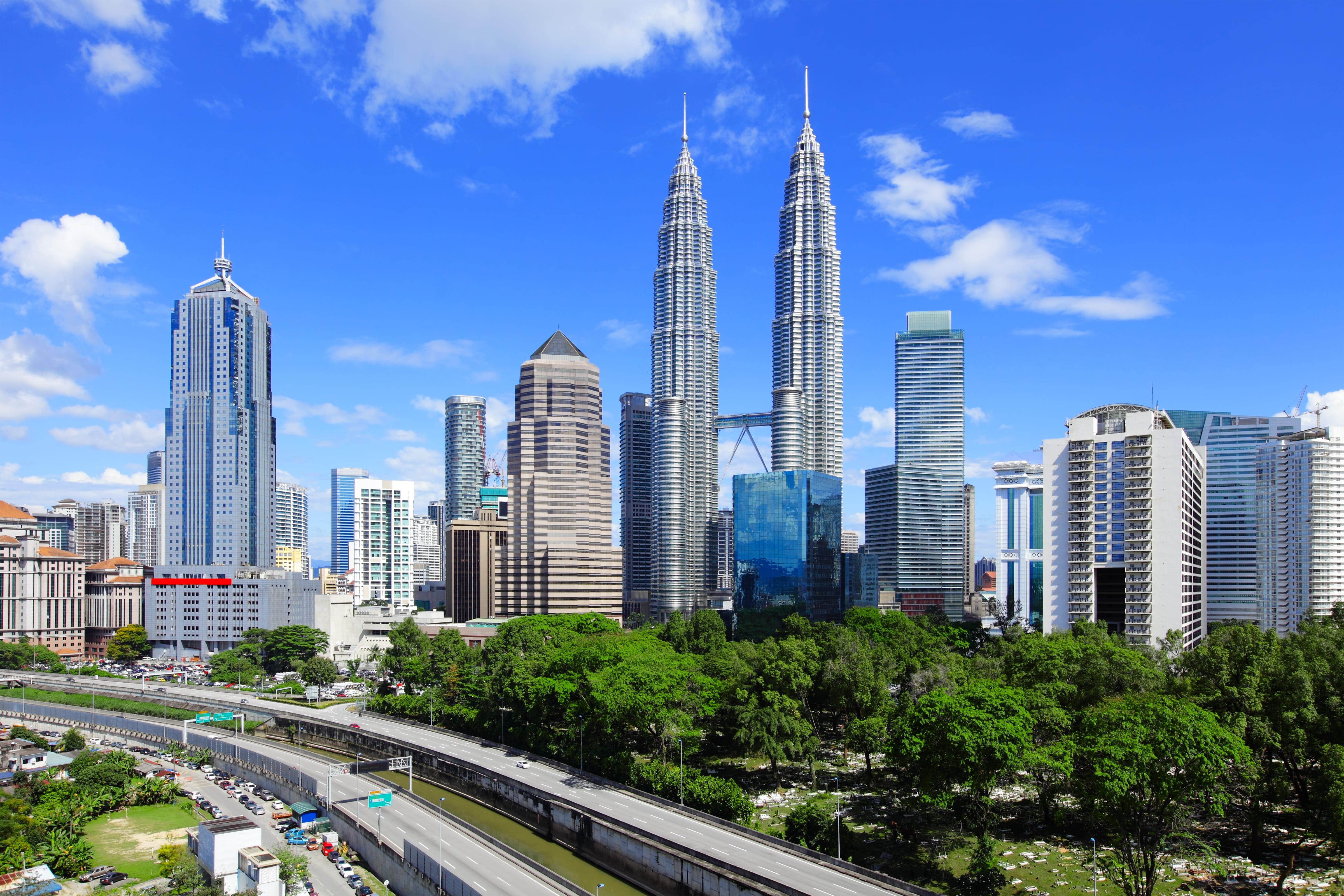













































No, Malaysia is one of the most affordable countries in Southeast Asia. Cheap and delicious street food, low cost public transport and excellent value hotels keep daily budgets down, and Malaysia is noticeably cheaper than neighbouring Singapore. A budget traveller can get by on around 35 to 45 US dollars a day, a comfortable mid range trip sits closer to 70 to 110 dollars, and even a smart holiday stays affordable by Western standards. This guide breaks down exactly where the money goes, with real prices in Malaysian Ringgit and dollars for food, transport, hotels, attractions and taxes, plus sample daily budgets and money saving tips.
Is Malaysia expensive to visit?
Malaysia is inexpensive for food and local transport, moderate for hotels in Kuala Lumpur, and only pricey if you choose luxury towers and imported goods. The local currency is the Malaysian Ringgit, written RM or MYR, and at the time of writing one US dollar buys roughly 4.5 Ringgit, so RM100 is about 22 dollars. Prices are quoted here in both currencies to make planning easy. The table below shows typical daily spend per person, excluding international flights.
| Travel style | Daily budget | What it covers |
|---|---|---|
| Budget | 35 to 45 USD (RM160 to RM200) | Hostels, hawker food, trains and buses |
| Mid range | 70 to 110 USD (RM315 to RM495) | Three star hotels, restaurants, some tours and taxis |
| Comfort | 150 to 220 USD (RM675 to RM990) | Four star hotels, private transfers, day trips |
| Luxury | 250 USD and up (RM1125 and up) | Five star towers, resorts and private guides |
The headline is simple: your two biggest levers are how you sleep and how you get around. Eat like a local and Malaysia is one of the cheapest holidays in Asia; pick international hotels and fine dining and the bill climbs, though it still undercuts Europe, Australia or Singapore.
How much does food cost in Malaysia?
Food is where Malaysia shines for value, and eating well is central to any visit. A plate of nasi lemak, char kway teow, roti canai or Hainanese chicken rice at a hawker centre or kopitiam costs only a few dollars, and the quality is superb. You genuinely do not need to spend much to eat brilliantly here.
| Meal or drink | Typical price | In USD |
|---|---|---|
| Hawker dish (nasi lemak, laksa) | RM8 to RM15 | 2 to 3.30 |
| Kopitiam breakfast with coffee | RM12 to RM18 | 2.70 to 4 |
| Mid range restaurant main | RM25 to RM50 | 5.50 to 11 |
| Western or international restaurant | RM40 to RM80 | 9 to 18 |
| Local coffee or teh tarik | RM3 to RM6 | 0.70 to 1.30 |
| Large bottle of water | RM2 to RM4 | 0.45 to 0.90 |
A sensible daily food budget is around RM60 to RM80 (about 15 to 18 dollars) if you mix hawker meals with the occasional restaurant. Alcohol is the exception to Malaysia's low prices, as it is taxed heavily, so a beer in a bar can cost RM15 to RM30. To plan what to order, see our guide on what to eat in Malaysia.
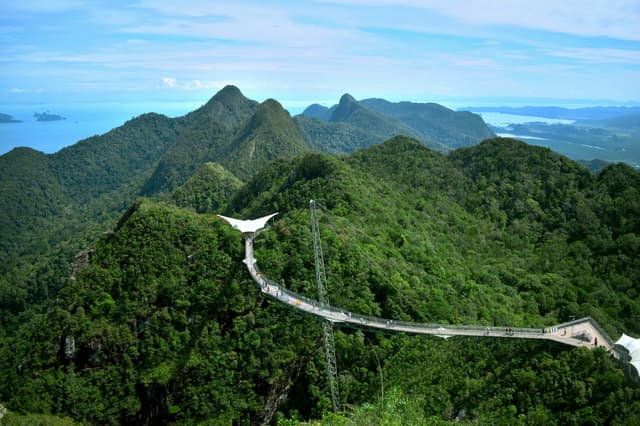
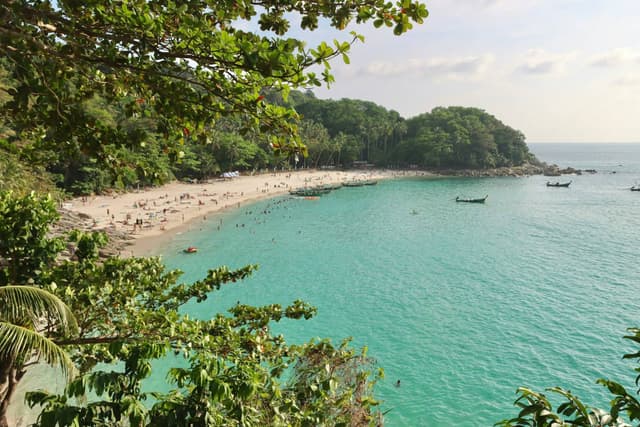
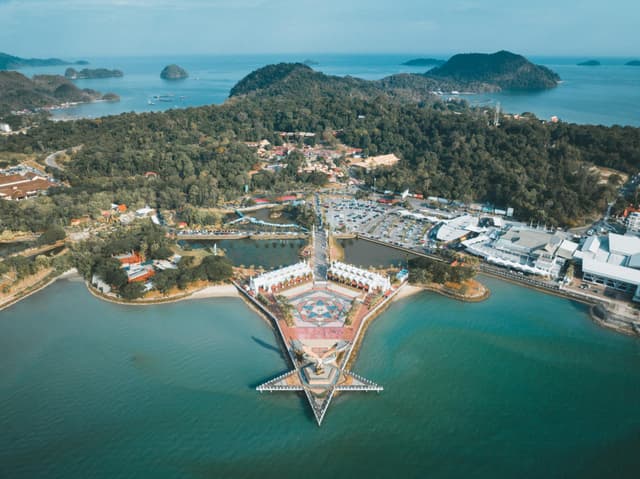
How much is transport in Malaysia?
Getting around is cheap, modern and easy, which keeps overall costs low. Kuala Lumpur has an efficient network of LRT, MRT and monorail lines, Grab ride hailing is inexpensive, and intercity buses and trains between the main cities are excellent value. Budget airlines link the peninsula with Borneo in a couple of hours for very little.
| Journey | Typical price | In USD |
|---|---|---|
| KL train or metro ride | RM2 to RM5 | 0.45 to 1.10 |
| Short Grab ride in the city | RM6 to RM20 | 1.30 to 4.40 |
| Airport train to central KL | RM15 to RM55 | 3.30 to 12 |
| Intercity bus (KL to Penang or Melaka) | RM15 to RM50 | 3.30 to 11 |
| ETS train KL to Ipoh or Penang | RM25 to RM80 | 5.50 to 18 |
| Budget flight to Borneo | RM90 to RM250 | 20 to 55 |
For most travellers, a mix of trains, the occasional Grab and one or two intercity buses keeps transport well under 10 dollars on a typical day. Car hire is possible but rarely necessary on the peninsula, given how good and cheap public transport is.
How much do hotels cost in Malaysia?
Accommodation is where you decide your budget. Hostels and guesthouses are cheap, comfortable three star hotels in Kuala Lumpur are moderate, and glossy towers with rooftop pools cost more but still less than in most Western capitals. Prices rise in Langkawi and beach resorts and dip in smaller towns.
| Accommodation | Price per night | In USD |
|---|---|---|
| Hostel dorm bed | RM30 to RM60 | 7 to 13 |
| Private guesthouse room | RM70 to RM140 | 15 to 31 |
| Three star city hotel | RM140 to RM280 | 31 to 62 |
| Four star hotel or nice resort | RM300 to RM550 | 66 to 122 |
| Five star tower or beach resort | RM600 and up | 133 and up |
Booking a week or two ahead and staying a short train ride from the very centre both trim the cost noticeably. For planning where to base yourself across the country, our Malaysia itinerary maps out a sensible route.
How much do attractions and activities cost?
Many of Malaysia's highlights are free or nearly free, which is a big reason it feels such good value. Batu Caves, most temples and mosques, city parks and street food trails cost nothing, while paid sights and activities are modestly priced.
| Attraction or activity | Typical price | In USD |
|---|---|---|
| Batu Caves and most temples | Free | Free |
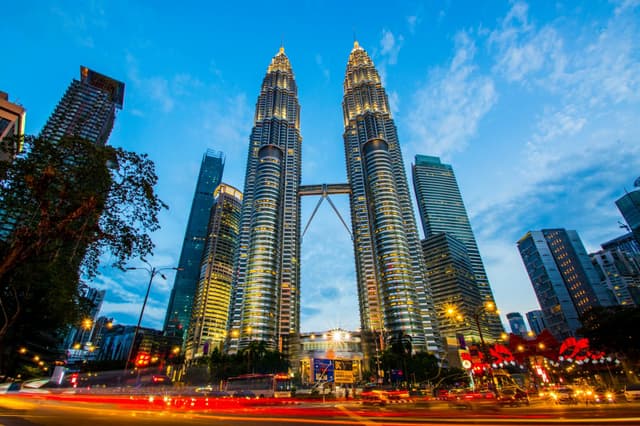
| Petronas Twin Towers skybridge | RM80 to RM98 | 18 to 22 |
| KL Tower observation deck | RM50 to RM105 | 11 to 23 |
| Island hopping day trip (Langkawi) | RM40 to RM80 | 9 to 18 |
| Theme park day pass | RM120 to RM250 | 27 to 55 |
| Diving day trip (two dives) | RM250 to RM450 | 55 to 100 |
For a full list of things worth your time and money, see our guide to things to do in Malaysia and the beach focused best islands in Malaysia.
What taxes and extra costs should you know about?
A few small charges are worth building into your budget so nothing surprises you at checkout. Malaysia applies a service tax on many hotels and restaurants, a small tourism tax on foreign hotel guests, and heavy duty on alcohol. None of these will break the bank, but they add up over a trip.
| Charge | What it is | Typical cost |
|---|---|---|
| Service tax | Government tax on many hotels and sit down restaurants | Around 8 percent |
| Tourism tax | Flat nightly charge for foreign guests at hotels | RM10 per room per night |
| Service charge | Often added by mid range and upmarket restaurants | Around 10 percent |
| Alcohol | Taxed heavily compared with food | RM15 to RM30 a beer |
Tipping is not expected in Malaysia, which helps keep costs predictable. Hawker stalls and small shops are cash only, so carry some Ringgit, while cards and e wallets work well in malls, hotels and city restaurants.
Is Malaysia cheaper than its neighbours?
Malaysia sits in the sweet spot of Southeast Asia: cheaper than Singapore, broadly similar to Thailand, and often better value than Bali once you factor in transport and food. The table gives a rough sense of daily costs for a comfortable mid range traveller.
| Country | Mid range daily budget | Notes |
|---|---|---|
| Malaysia | 70 to 110 USD | Cheap food and transport, moderate hotels |
| Thailand | 65 to 110 USD | Similar overall, cheaper on some islands |
| Singapore | 150 to 250 USD | Much pricier hotels and dining |
| Bali (Indonesia) | 70 to 120 USD | Cheap food, higher transfer costs |
If you are combining countries, Malaysia pairs naturally with Singapore and Thailand, letting you balance a splurge city with cheaper stops.
How much does a week or two in Malaysia cost?
Putting it together, here is what a whole trip tends to cost per person, excluding international flights. These totals assume a realistic mix of sightseeing, food and a couple of intercity journeys.
| Trip length | Budget style | Mid range style |
|---|---|---|
| One week | 250 to 320 USD | 500 to 750 USD |
| Ten days | 350 to 450 USD | 720 to 1100 USD |
| Two weeks | 500 to 650 USD | 1000 to 1500 USD |
Add international airfares on top, and remember that internal budget flights and buses are cheap enough to let you see a lot without a big jump in cost. A first trip that mixes Kuala Lumpur, Penang and a beach or an island is very achievable on a mid range budget.
How do costs differ around Malaysia?
Prices vary by region, so where you go shapes your budget as much as how you travel. The peninsula is generally cheaper than Malaysian Borneo, where tours and internal flights add up. Penang and Melaka are famous for cheap, brilliant food; Kuala Lumpur costs a little more for hotels; Langkawi is duty free, so alcohol and some goods are cheap while resorts are pricier; and Borneo rewards you with wildlife and diving but at a higher price.
| Destination | Cost level | What drives the price |
|---|---|---|
| Penang | Low | Cheap hawker food, affordable guesthouses |
| Melaka | Low | Compact, walkable, budget stays |
| Kuala Lumpur | Moderate | Higher hotel rates, cheap food and metro |
| Langkawi | Moderate | Duty free shopping, pricier beach resorts |
| Cameron Highlands | Moderate | Tours and cooler climate lodges |
| Borneo (Sabah, Sarawak) | Higher | Flights, wildlife tours, diving trips |
Borneo is the one place where a tight budget needs care. Climbing Mount Kinabalu and diving world class sites such as Sipadan are unforgettable but genuinely expensive, often several hundred dollars once permits, guides and boats are included. If those are on your list, budget for them separately rather than folding them into a daily figure.
What does a typical day cost, itemised?
To make the daily figures concrete, here is how a realistic day breaks down for two common travel styles in Kuala Lumpur. Your own day will vary, but these show where the money actually goes.
| Item | Budget day | Mid range day |
|---|---|---|
| Accommodation | RM50 (dorm) | RM220 (three star) |
| Breakfast | RM12 (kopitiam) | RM25 (cafe) |
| Lunch | RM12 (hawker) | RM35 (restaurant) |
| Dinner | RM18 (food court) | RM60 (restaurant) |
| Transport | RM15 (metro) | RM40 (Grab) |
| Attraction or activity | RM0 to RM20 | RM90 |
| Day total | About RM110 (25 USD) | About RM470 (105 USD) |
Notice how the budget day is dominated by the bed, not the food. Switching from a dorm to a private room is the single biggest cost decision most travellers make in Malaysia.
When is Malaysia cheapest to visit?
Malaysia is a year round destination, but prices swing with demand and school holidays. Flights and hotels cost more around the December to early January peak, during Chinese New Year in late January or February, and over major local holidays. The quieter shoulder periods, roughly March to early June and September to early November, bring lower room rates and better flight deals, though the west coast can be wet at times. Booking midweek and avoiding public holidays trims costs further.
| Period | Prices | Notes |
|---|---|---|
| December to early January | Highest | Peak holiday season, book early |
| Chinese New Year (Jan or Feb) | High | Domestic travel surges, hotels fill |
| March to June | Lower | Good value, occasional west coast rain |
| September to November | Lower | Quiet, decent weather on the west coast |
How should you handle money in Malaysia?
Managing cash and cards well saves both money and hassle. ATMs are everywhere in cities and towns and generally offer a fair rate, so withdrawing Ringgit on arrival usually beats changing large amounts of cash at home. Notify your bank before you travel, and be aware some ATMs charge a small local fee. Cards and e wallets such as Touch n Go are accepted in malls, chains and city restaurants, but hawker stalls, small shops and rural areas remain cash first. Keep a modest reserve of small notes for street food, local buses and tips at your discretion.
What are the best ways to save money in Malaysia?
A few simple habits stretch your budget a long way without cutting into the experience.
- Eat at hawker centres, kopitiams and food courts for the best value meals of the trip.
- Use the LRT, MRT and monorail in Kuala Lumpur, then Grab only for short hops.
- Travel between cities by intercity bus or ETS train rather than flying short distances.
- Visit free sights such as Batu Caves, temples, mosques and city parks.
- Book hotels a week or two ahead and stay a short ride from the very centre.
- Carry cash for stalls and small shops, and use e wallets or cards in malls and hotels.
- Travel in shoulder months for cheaper flights and hotel rates.
To go deeper on routes, culture and practicalities, read the full Malaysia travel guide and our advice on whether Malaysia is safe. If you would rather have flights, hotels and transfers arranged for you, you can compare curated Malaysia tour packages and travel with the budgeting done for you.
What would a real two-week route cost?
To turn the numbers into something you can picture, here is a rough mid range costing for a classic two week loop of Kuala Lumpur, Penang, the Cameron Highlands and Langkawi, per person and excluding international flights. It assumes three star hotels, a mix of hawker and restaurant meals, and public transport with the odd Grab.
| Cost line | Estimate | In USD |
|---|---|---|
| Hotels, 13 nights | RM2600 to RM3600 | 580 to 800 |
| Food, 14 days | RM900 to RM1200 | 200 to 265 |
| Intercity transport and transfers | RM350 to RM550 | 78 to 122 |
| City transport and Grab | RM250 to RM400 | 55 to 89 |
| Attractions and one island day | RM300 to RM500 | 66 to 110 |
| Taxes, SIM and extras | RM200 to RM350 | 44 to 78 |
| Two week total | RM4600 to RM6600 | About 1020 to 1465 USD |
Travel on a tighter budget with hostels and hawker food and the same route drops closer to 550 to 700 dollars, while stepping up to four star hotels and more tours lifts it well past 2000. Whichever style you choose, the flexibility to add or trim comes mostly from the accommodation line.
Booking independently gives you the most control, while a package bundles hotels, transfers and guiding into one price, which can work out competitively once you count the time and small savings on each booking. It is worth comparing both before you commit, especially for a first visit.
What do everyday extras cost?
Beyond food, beds and transport, a handful of small everyday costs are worth knowing so your budget holds up. None is large, but together they shape a comfortable trip.
| Item | Typical price | In USD |
|---|---|---|
| Tourist SIM card with data | RM10 to RM30 | 2 to 7 |
| Laundry per kilogram | RM8 to RM15 | 1.80 to 3.30 |
| One hour foot or body massage | RM60 to RM120 | 13 to 27 |
| Cinema ticket | RM15 to RM22 | 3.30 to 5 |
| Convenience store snack and drink | RM6 to RM12 | 1.30 to 2.70 |
| Left luggage per bag | RM10 to RM25 | 2 to 5.50 |
A local SIM is one of the best small purchases you can make, keeping Grab, maps and translation apps working for the price of a coffee back home.
How much does it cost to fly to Malaysia?
International airfares are usually the single biggest line in the whole budget, and they vary widely by season and how far ahead you book. Kuala Lumpur is a major hub served by full service and budget carriers alike, so fares are competitive, especially from elsewhere in Asia. Flights spike around December, Chinese New Year and school holidays, and drop in the quieter shoulder months. Booking two to three months ahead and staying flexible on dates is the surest way to keep the airfare down, after which Malaysia's low on the ground costs do the rest.
Is Malaysia expensive for a luxury trip?
Even at the top end, Malaysia offers strong value. Five star towers in Kuala Lumpur, private island resorts off Borneo and fine dining are all available, yet they typically cost less than equivalents in Singapore, the Maldives or Europe. A luxury traveller might spend 250 dollars a day or more, covering a five star room, private transfers and premium experiences, and still feel they are getting more for the money than in pricier destinations. The gap between a mid range and a luxury trip here is smaller than in many countries, which is part of Malaysia's appeal.
So is Malaysia good value overall?
Weighing it all up, Malaysia is one of the best value destinations in Asia for the quality you get. Few places let you eat this well for so little, move around this easily on cheap public transport, and mix world class cities, rainforest and beaches without a punishing budget. The country flexes to fit almost any traveller, from a backpacker counting every Ringgit to a family wanting comfortable hotels and easy days out. Your spending is driven far more by choices, especially where you sleep and how often you fly internally, than by unavoidable high prices. Plan a little, lean on hawker food and trains, and Malaysia delivers a rich trip that leaves room in the budget for the occasional splurge.
Frequently asked questions
Is Malaysia expensive for tourists?
No. Malaysia is one of the more affordable destinations in Southeast Asia. Food and public transport are cheap, hotels are moderate, and only luxury stays and alcohol push costs up. Most travellers spend far less than they would in Singapore or Western countries.
How much money do I need per day in Malaysia?
Budget travellers can manage on around 35 to 45 US dollars a day, mid range travellers on 70 to 110, and comfort travellers on 150 or more, all excluding international flights. Eating at hawker centres and using public transport keeps daily costs low.
Is Kuala Lumpur expensive?
Kuala Lumpur is the priciest part of Malaysia but still affordable. Food and transport stay cheap thanks to hawker centres and the metro, while international hotels and restaurants cost more than in smaller towns.
Is Malaysia cheaper than Thailand?
They are broadly similar. Malaysia is often a little cheaper for city transport and hotels, while Thailand can be cheaper on some islands. Both are far more affordable than Singapore or Western Europe.
What is the currency in Malaysia and should I carry cash?
The currency is the Malaysian Ringgit, written RM or MYR, at roughly 4.5 to the US dollar. Cards and e wallets are widely accepted in cities, but carry cash for hawker stalls, small shops and rural areas.
How much does food cost in Malaysia?
A hawker meal costs about RM8 to RM15, a mid range restaurant main RM25 to RM50, and a daily food budget of RM60 to RM80 covers a comfortable mix. Alcohol is the exception, as it is taxed heavily.
Are there hidden taxes or charges?
Expect a service tax of around 8 percent on many hotels and restaurants, a tourism tax of RM10 per room per night for foreign hotel guests, and a service charge of about 10 percent at upmarket restaurants. Tipping is not expected.
How much does a two week trip to Malaysia cost?
Excluding international flights, a budget trip runs about 500 to 650 US dollars for two weeks, while a mid range trip is roughly 1000 to 1500. Cheap internal buses and flights let you see a lot without a big jump in cost.
Is Malaysia a good value destination for families?
Yes. Many attractions are free or cheap, family rooms and apartments are good value, and hawker centres make eating out affordable. Theme parks and island trips are the main paid extras to budget for.
Is Borneo more expensive than the Malaysian peninsula?
Yes. Sabah and Sarawak involve internal flights, wildlife tours and diving, which push costs higher. Climbing Mount Kinabalu and diving Sipadan can each run to several hundred dollars once permits and guides are included, so budget for them separately.
Can I use cards everywhere in Malaysia?
Cards and e wallets work well in malls, chains, hotels and city restaurants, but hawker stalls, small shops, local buses and rural areas are cash first. Withdraw Ringgit from ATMs, which are common and usually offer a fair rate, and keep small notes handy.
When is the cheapest time to visit Malaysia?
The shoulder periods of March to early June and September to early November bring the lowest hotel and flight prices. Avoid the December to early January peak and Chinese New Year, when domestic travel surges and prices rise.
Is Malaysia cheap for solo travellers?
Very much so. Hostel dorms, single rooms and hawker meals keep solo costs low, and cheap public transport means you rarely need to split a taxi. A solo budget traveller can comfortably explore on around 40 dollars a day, while a mid range solo trip sits near 80 to 110.
How much cash should I carry each day?
Carrying around RM100 to RM200 in small notes covers hawker meals, local buses, entry fees and incidentals for most days, with cards and e wallets for hotels, malls and larger restaurants. Top up from ATMs as you go rather than changing a lot of cash at once.