Short answer: Yes, Malaysia is a safe country to visit for most travellers. It ranked 12th of 163 countries in the Global Peace Index 2026, the UK, US and Australian governments all rate most of the country at their lowest or normal-precaution level, and violent crime against visitors is rare. The real risks are petty theft, scams, dengue, road traffic and strict drug laws, plus one genuine no-go zone: the islands and coastal waters of eastern Sabah, where a kidnapping threat and a night-time sea curfew still apply as of September 2026.
Is Malaysia safe for tourists in 2026?
Malaysia is one of the safest countries in Asia for visitors, alongside Singapore and Japan, and the vast majority of trips pass without incident.
The Institute for Economics and Peace placed Malaysia 12th out of 163 nations in the Global Peace Index 2026, up one place from 13th in 2025. Within Asia only Singapore (8th) and Japan (10th) ranked higher. The index measures overall peacefulness rather than tourist crime, but it matches what travellers experience: a stable, well policed country with good infrastructure.
| Indicator | What it shows | Figure (as of 2026) |
|---|---|---|
| Global Peace Index 2026 | Overall peacefulness | 12th of 163 countries (13th in 2025) |
| US State Department | National advisory level | Level 1, exercise normal precautions (issued 22 February 2026) |
| Australia Smartraveller | National advisory level | Exercise normal safety precautions |
| UK FCDO | Areas advised against | Only eastern Sabah coastal islands (updated 19 March 2026) |
| Dengue, 2026 to week 35 | Main health risk | 65,979 cases, up 66% on the same period of 2025 |
| Road deaths | Main physical risk | Over 6,000 a year, roughly two thirds involving motorcyclists |
Read that table from the bottom up: for most visitors the things most likely to cause harm are mosquitoes, traffic and the sea, not criminals.
What do official travel advisories say about Malaysia?
All three major English-speaking governments treat Malaysia as a normal-risk destination, with a single raised warning for the islands and coastal waters of eastern Sabah in Malaysian Borneo. Nowhere in Peninsular Malaysia, Sarawak or mainland Sabah is under a travel warning.
| Government | Most of Malaysia | Eastern Sabah |
|---|---|---|
| UK Foreign, Commonwealth and Development Office | No warning; normal precautions | Advises against all but essential travel to the coastal islands from Sandakan to Tawau; mainland Sabah not included |
| US Department of State | Level 1, exercise normal precautions | Level 2, exercise increased caution, for islands and maritime areas from Kudat in the north to Tawau in the south |
| Australia Smartraveller | Exercise normal safety precautions | Reconsider your need to travel to offshore islands, resorts and dive sites south of and including Lankayan Island to Tawau |
The eastern Sabah kidnapping threat and sea curfew
The warning exists because armed groups based in the Sulu Archipelago of the southern Philippines have kidnapped foreigners and locals from islands and boats off eastern Sabah in the past. The UK says the threat is highest on islands close to the Sulu Archipelago. Malaysia responded by creating the Eastern Sabah Security Zone (ESSZone), patrolled by the Eastern Sabah Security Command (ESSCOM).
- Night-time sea curfew: as of September 2026 a curfew from 6pm to 6am restricts movement on the water up to 3 nautical miles (about 5.5km) off the coast in the affected districts. Breaking it can lead to a fine or up to six months in prison. The curfew is renewed in fixed periods, so check the current dates with your resort or local police.
- Which places this affects: the zone covers the islands off Semporna, the gateway to famous dive sites such as Sipadan and Mabul, plus islands off Sandakan, Lahad Datu and Tawau.
- Insurance impact: many travel insurers will not cover you in an area your own government advises against, so read your policy before booking a dive resort there.
- What is not affected: Kota Kinabalu, Mount Kinabalu, the Kinabatangan River and Sepilok on mainland Sabah are outside the UK's advised-against area.
Read the full wording on the UK government's Malaysia travel advice or Australia's Smartraveller page, and check your own country's foreign ministry too. For wider Borneo trip planning, including safe mainland Sabah routes, see our Borneo travel guide.
Terrorism and protests
The UK notes that terrorist attacks cannot be ruled out in crowded places such as malls, bars and places of worship, the same generic risk found in many countries. It is also illegal for foreign nationals to join demonstrations in Malaysia, so walk away from any rally.
Which parts of Malaysia are safest, city by city?
Every major tourist city in Malaysia is safe to visit with ordinary big-city awareness; the differences are about types of petty crime and nightlife risk rather than danger. The table summarises the main hotspots and what to watch for in each.
| Place | Overall feel | Main issues | Extra care in |
|---|---|---|---|
| Kuala Lumpur | Safe, busy capital | Bag snatching, pickpockets, drink spiking, taxi overcharging | Bukit Bintang late at night, Chow Kit after dark, crowded LRT and monorail platforms |
| Penang (George Town) | Very relaxed | Motorbike bag snatching, traffic on narrow heritage streets | Unlit back lanes late at night, Batu Ferringhi beach after dark |
| Melaka | Very safe, compact | Crowds and pickpockets at the weekend night market | Jonker Street on Friday to Sunday evenings |
| Langkawi | Very safe, laid back | Scooter accidents, jellyfish, strong swell in the wet season | Roads at night, remote beaches in rough weather |
| Kota Kinabalu | Safe gateway city | Petty theft, sea conditions on island hops | Waterfront markets at night |
| Kuching | One of the calmest cities | Very little; haze in dry spells | General awareness only |
| Johor Bahru | Safe but gritty border city | Snatch theft, car break-ins, traffic around the causeway | Quiet streets at night, parked cars with visible bags |
Kuala Lumpur
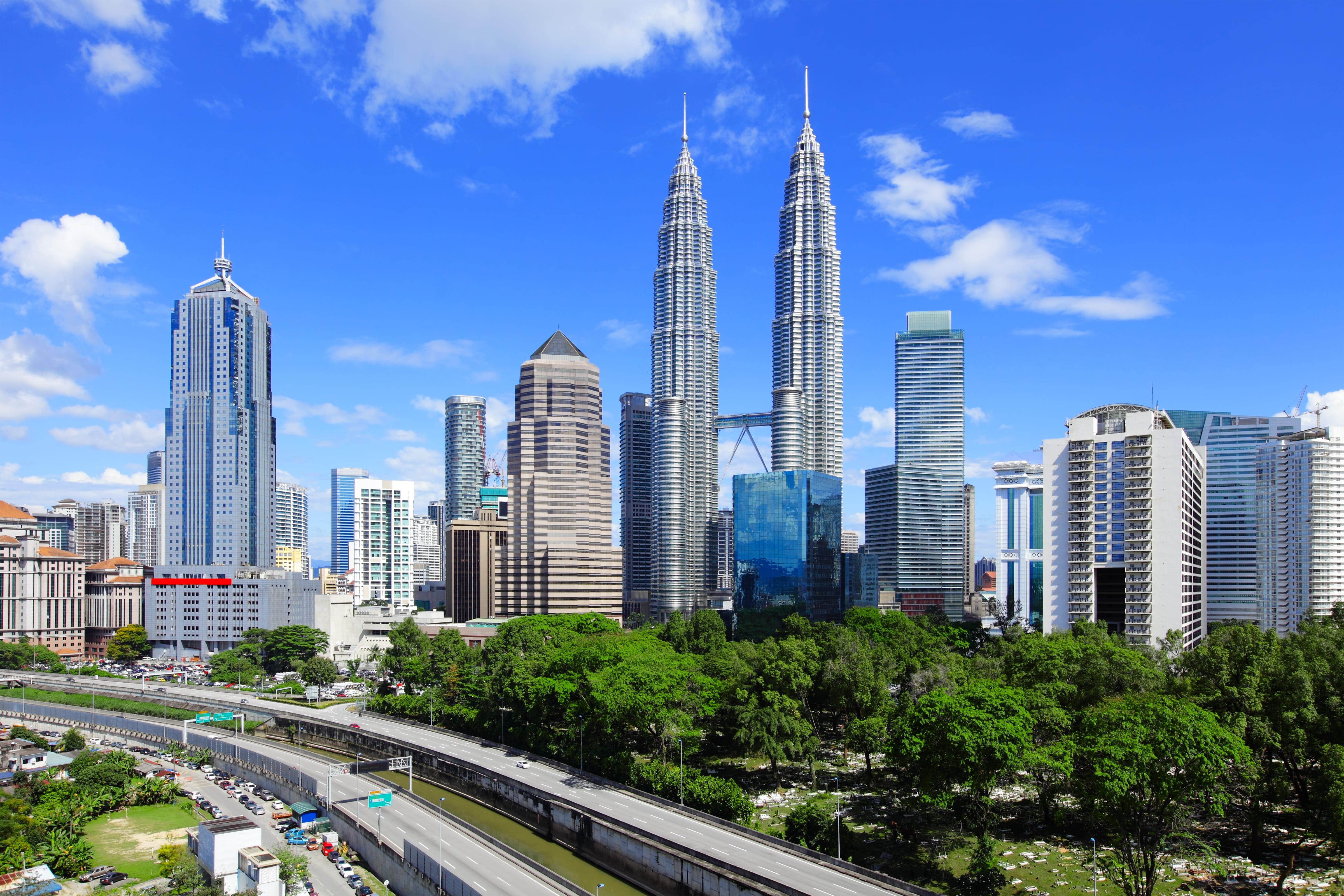
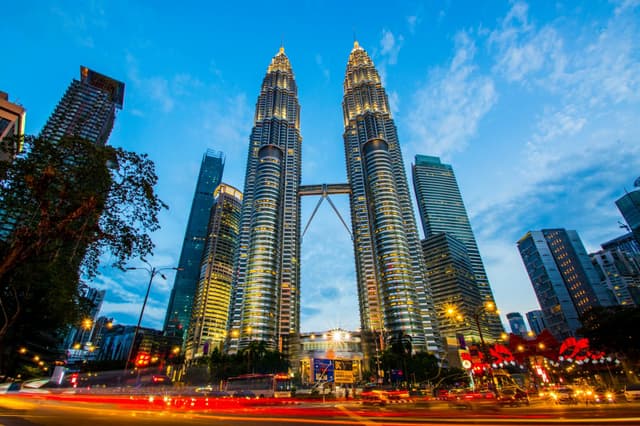
KL is where most visitors spend time and where most tourist crime happens, simply because of the crowds. Bukit Bintang, the shopping and nightlife strip, is well lit and patrolled, but pickpockets work the pavements around Jalan Alor and the malls, and the bar area sees the occasional spiked drink or late-night robbery. Chow Kit, with its wet market and budget hostels, is fascinating by day and fine for a meal in the evening, but it is not a place to wander lost at 2am. Petaling Street (Chinatown), Kampung Baru and KLCC are comfortable at normal hours. Tourist Police officers in white helmets and dark blue uniforms patrol Bukit Bintang, KLCC and Chinatown, and there is a Tourist Police booth at the Malaysia Tourism Centre (MaTiC) on Jalan Ampang. Our guide to things to do in Kuala Lumpur covers the city's sights in detail.
Penang and Melaka
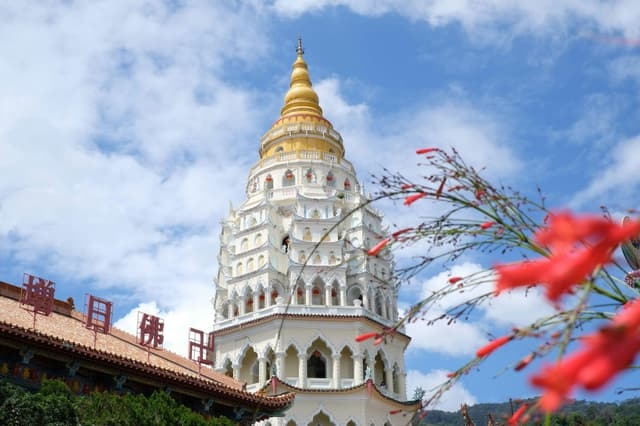
George Town's UNESCO-listed old town is pleasant to walk and serious crime against visitors is uncommon. Motorbikes are the main hazard, both as traffic and for snatch thieves, so keep your bag away from the road. In Melaka, keep a hand on your phone in the Jonker Street night market crowd.
Langkawi, Kota Kinabalu and Kuching
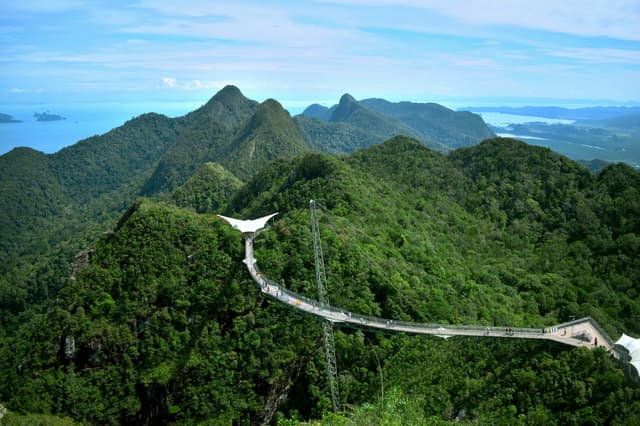
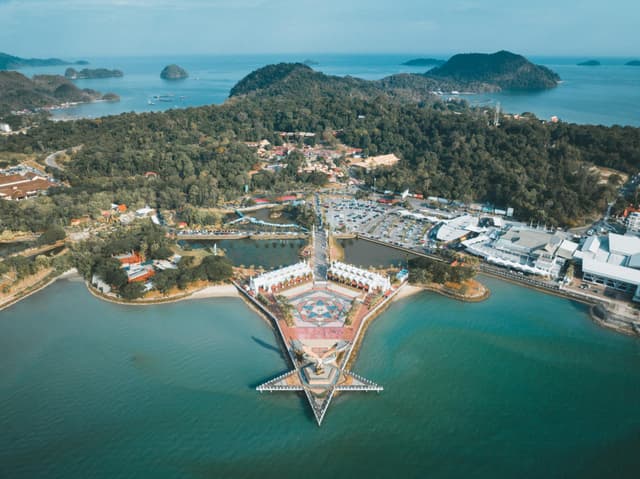
These are the most relaxed destinations on most itineraries. On Langkawi the risks are rented scooters, sea conditions and jellyfish rather than people; our Langkawi travel guide covers getting around safely. Kota Kinabalu and Kuching are friendly, low-crime cities where the main concerns are weather, haze and ordinary awareness.
Johor Bahru
JB has a long-standing reputation for snatch theft and car break-ins, but it is fine for a day trip or stopover: keep valuables out of sight in parked cars and avoid quiet streets after dark. The Johor Bahru to Singapore RTS Link train is scheduled to begin service by the end of 2026.
What crimes and scams should travellers in Malaysia watch for?
Most crime affecting visitors in Malaysia is opportunistic theft and small-scale scams, and nearly all of it is avoidable with a few habits. Official advisories single out three things above all: snatch theft by motorbike, drink spiking and card fraud.
| Crime or scam | How it works | How to avoid it |
|---|---|---|
| Motorbike snatch theft | Riders grab or cut the strap of a bag carried on the road side | Carry bags on the shoulder away from traffic; use cross-body straps; do not hold your phone at the kerb |
| Pickpocketing | Crowded markets, trains and malls | Front pockets, zipped bags, phone lanyard in crowds |
| Drink spiking | A stranger offers or tampers with a drink, then robs or assaults the victim; reported even in reputable bars | Watch your drink being made, never leave it unattended, refuse drinks from strangers |
| Methanol in alcohol | Counterfeit spirits contaminated with methanol | Drink in licensed venues; avoid unbranded or suspiciously cheap spirits |
| Taxi overcharging | Refusing the meter or quoting a flat inflated fare | Use Grab, airport coupon taxis or insist on the meter before setting off |
| Card skimming and cloning | Cards copied at shops, hotels or tampered ATMs | Keep the card in sight, use bank-branch ATMs, enable transaction alerts |
| Gem, card game and shop scams | Friendly stranger invites you home or to a "special" shop | Politely decline invitations from people who approach you on the street |
| Fake MDAC websites | Lookalike sites charge fees for the free arrival card | Use only the official Immigration Department portal; the MDAC is free |
| Online and phone scams | Callers posing as police, banks or couriers demand payment | Hang up; Malaysian police never ask for transfers by phone |
If you are a victim of crime, report it at the nearest police station and ask for a copy of the report for your insurer.
Is Malaysia safe for solo and female travellers?
Yes. Malaysia is one of the easier countries in Asia for solo travel, including for women, thanks to good English, reliable ride-hailing, plentiful hostels and a well developed transport network. Street harassment is generally low, though unwanted attention can happen, particularly towards women travelling alone at night.
- Use ride-hailing at night. Grab records the driver, vehicle and route, and you can share your trip in real time with a friend.
- Use women-only carriages if you prefer. Trains on KTM Komuter and some Rapid KL rail lines have women-only coaches, marked Koc Wanita.
- Dress for the setting. Shorts and vest tops are fine in KL malls, Penang and on resort beaches, but cover shoulders and knees at religious sites, in rural villages and in more conservative east coast states such as Kelantan and Terengganu.
- Keep your drink in sight in bars and clubs; drink spiking is the main nightlife risk named by official advisories.
- Save the helpline. Talian Kasih 15999 (WhatsApp 019 261 5999) is the government's 24 hour line for domestic and sexual violence and other crises, alongside 999 for emergencies.
Is Malaysia safe for LGBTQ+ travellers?
LGBTQ+ travellers visit Malaysia every year without problems, but the legal environment is restrictive and discretion is strongly advised. Same-sex sexual acts are illegal under federal law, with penalties that the US and Australian governments describe as up to 20 years in prison and whipping.
- Two legal systems: the Penal Code applies to everyone, and state sharia laws apply additionally to Muslims, including foreign Muslims, and can cover same-sex relations and cross-dressing.
- Enforcement: prosecutions of foreign tourists are rare, but the US State Department notes that police have raided venues frequented by LGBTQ+ people.
- Practical approach: public displays of affection are frowned upon for all couples, so the ordinary local norm of low-key behaviour in public keeps most visitors out of attention. Hotels generally do not question two adults sharing a room.
How strict are Malaysia's drug laws after the 2023 reform?
Malaysia's drug laws remain among the strictest in the world, even after reforms in 2023. Trafficking can still be punished by death, and possession, or simply testing positive for drugs in your bloodstream, can lead to prison.
| Point | Before July 2023 | Since 4 July 2023 |
|---|---|---|
| Drug trafficking sentence | Mandatory death penalty | Judge chooses death, or 30 to 40 years in prison plus at least 12 strokes of the cane |
| Other offences with mandatory death | 11 offences, including murder and terrorism | Mandatory element removed; death remains a possible sentence |
| Life imprisonment | Natural life (until death) | Replaced with fixed terms of 30 to 40 years |
| Possession and use | Prison, fines, caning | Still prosecuted; a positive urine test can count |
The Abolition of Mandatory Death Penalty Act 2023 gave judges discretion but did not abolish the death penalty. Cannabis, including CBD products legal elsewhere, is banned. Carrying a large enough quantity of a drug can create a legal presumption of trafficking, so never carry a package for anyone else, keep your luggage locked, and bring prescription medication in its original packaging with a copy of the prescription.
Vaping and smoking
The Control of Smoking Products for Public Health Act 2024 (Act 852) treats vapes like cigarettes. Smoking or vaping is banned in restaurants, coffee shops, many public buildings and a long list of other designated places, with fines of up to RM5,000. Look for designated smoking areas.
What are the main health risks in Malaysia?
Dengue fever is the biggest health risk for visitors in 2026, followed by heat, haze in the dry months and the usual stomach upsets. Private hospitals in Kuala Lumpur, Penang and Johor Bahru are excellent, which is why Malaysia is a medical tourism hub, but they are costly without insurance.
| Health issue | Current picture | What to do |
|---|---|---|
| Dengue | 65,979 cases and 62 deaths up to epidemiological week 35 of 2026, against 39,616 cases and 32 deaths for the same period of 2025; 2025 as a whole had 55,399 cases, down from 122,423 in 2024 | Repellent with DEET or picaridin day and evening; long sleeves at dawn and dusk; see a doctor for sudden fever |
| Haze | Usually June to October; in August 2026 11 monitoring stations hit unhealthy readings, with Kuching at 177 and Serian at 204 | Check the Air Pollutant Index (API); above 100 is unhealthy; carry an N95 mask if you have asthma |
| Heat | Afternoons in the low 30s °C and high humidity year round | Hydrate, plan hikes for early morning, use sunscreen |
| Food and water | Hepatitis A and traveller's diarrhoea possible | Busy stalls, freshly cooked food, bottled or filtered water |
| Rabies | Present in some states; monkeys, dogs and cats can bite | Never feed or touch animals; get any bite treated the same day |
| Malaria | Low risk in mainland areas; higher in remote parts of Borneo | Bite avoidance; ask a travel clinic about remote trips |
Vaccinations
The UK's travel health service recommends that most travellers be up to date with tetanus and measles (MMR) and consider hepatitis A. Hepatitis B, typhoid, rabies, Japanese encephalitis, dengue and chikungunya vaccines are advised for some travellers depending on how long you stay and what you do. Malaysia has no yellow fever, but arrivals from yellow fever risk countries must show a valid certificate. See a travel clinic six to eight weeks before departure.
Is the tap water safe to drink?
Treated tap water in Malaysia is tested against Ministry of Health standards, and Penang's utility describes its supply as among the cleanest in the country. The weak point is the ageing pipes and rooftop tanks in individual buildings, so most visitors and many locals drink boiled, filtered or bottled water. Brushing your teeth with tap water is fine.
Food safety
Hawker food is generally safe: choose busy stalls with a queue of locals and food cooked in front of you. Our guide to what to eat in Malaysia tells you which dishes to seek out.
Are Malaysia's beaches, jungles and mountains safe?
Malaysia's nature is safe to enjoy if you respect the monsoons and use licensed guides and operators. The main hazards are rough seas in the wrong season, rip currents, jellyfish, flash floods and heat on jungle trails.
Monsoon seasons by coast
| Region | Wettest months | Safety impact | Best calm months |
|---|---|---|---|
| East coast peninsula (Perhentian, Redang, Tioman, Kelantan, Terengganu) | November to March (northeast monsoon) | Rough seas, many island resorts and ferries close, serious flooding in some years | April to October |
| West coast (Langkawi, Penang, Pangkor) | April to May and September to November | Afternoon storms, choppier water and more jellyfish in some months | December to March |
| Sabah | October to February | Heavier rain, trail closures, sea swell | March to September |
| Sarawak | November to February | River flooding, road and trail disruption | March to October |
Australia's advisory notes that flooding and landslides are common in the wet season, usually October to February. For a month-by-month breakdown see the best time to visit Malaysia.
Beaches, currents and jellyfish
- Few lifeguards: most Malaysian beaches have no lifeguard, so obey warning flags and swim where locals swim.
- Rip currents: if caught, swim parallel to the shore until you are out of the pull, then head in.
- Jellyfish: Smartraveller warns that stings from jellyfish and other marine animals can be fatal. Box jellyfish stings have been documented around Langkawi. Wear a rash vest or stinger suit when snorkelling, and if stung, rinse with vinegar (not fresh water) and seek medical help for severe pain or breathing difficulty.
- Boats and diving: use licensed operators with life jackets and radios, check your insurance covers diving to the depth you plan, and never dive or boat into the eastern Sabah curfew zone after 6pm.
Jungle trekking
Taman Negara, the Cameron Highlands, Bako and the Borneo rainforests are safe with the right preparation. Hire a registered guide for anything beyond marked short trails, carry more water than you think you need, tell your guesthouse where you are going, and turn back if rivers rise after rain. Keep food away from macaques, which can bite.
Mount Kinabalu
At about 4,095m, Low's Peak on Mount Kinabalu is Malaysia's highest summit and a serious but achievable climb. Sabah Parks' official climbing rules make a licensed mountain guide compulsory (one guide for up to five climbers), require a permit and a two-day, one-night climb with an overnight stay at Panalaban, and set strict cut-off times, including passing the Sayat-Sayat checkpoint by 5:30am on summit day. Places are limited, with 30 beds a night at Panalaban open to international climbers, so book months ahead. Altitude sickness is possible, and your guide can turn the group back if weather is unsafe.
Is transport in Malaysia safe?
Public transport in Malaysia is modern and safe, but the roads are the country's biggest everyday danger. Malaysia records over 6,000 road deaths a year, more than 16 a day, and roughly two thirds of them involve motorcyclists.
| Mode | Safety level | Tips |
|---|---|---|
| Grab and other ride-hailing apps | High | Fixed upfront fare, tracked trip; check the plate matches before getting in |
| KL rail (LRT, MRT, monorail, KTM Komuter, KLIA Ekspres) | High | Watch bags on crowded platforms; women-only coaches on some lines |
| Metered and airport coupon taxis | Medium to high | Buy coupons at the official counter; insist on the meter elsewhere |
| Long-distance buses | Medium | Choose established operators; avoid overnight buses with a single driver where possible |
| Self-drive car | Medium | Drive on the left; carry your licence and an International Driving Permit if your licence requires one |
| Rented scooter | Low | Helmet is compulsory; only ride if you are licensed and experienced |
Malaysians drive on the left. The UK warns that drivers, especially motorbike riders, do not always stop at red lights or pedestrian crossings, so look both ways even on a green signal.
What do you need to enter Malaysia, including the MDAC?
Most foreign visitors must submit the free Malaysia Digital Arrival Card (MDAC) online within three days before arrival, in addition to holding a valid passport and any visa your nationality needs. Visa rules differ by passport, so check the current rule for yours with the Malaysian Immigration Department or your nearest Malaysian embassy.
- When: the MDAC can only be submitted in the three days (72 hours) before you arrive. It was introduced on 1 January 2024.
- Cost: free. Use only the official Immigration Department portal (imigresen-online.imi.gov.my); fake lookalike sites have charged travellers fees for it.
- Who is exempt: Singapore citizens, Malaysian permanent residents, diplomatic and official passport holders and certain border-pass holders.
- Checks: airlines and immigration checkpoints may verify your MDAC status, and a missing submission can cause delays or denied boarding, as of 2026.
- Carry ID: Malaysian law requires you to carry identification, such as your passport, at all times.
What emergency numbers should you save for Malaysia?
Save 999 before you land: it is Malaysia's single emergency number for police, ambulance and fire. The table lists the other numbers worth having.
| Service | Number | Notes |
|---|---|---|
| Police, ambulance and fire | 999 | Main emergency line for all three services |
| Fire and rescue (Bomba) | 994 | Direct fire service line |
| Talian Kasih crisis line | 15999 | 24 hours; domestic and sexual violence and welfare; WhatsApp 019 261 5999 |
| Royal Malaysia Police operations centre | +60 3 2115 9999 or +60 3 2266 2222 | Listed by Australia's Smartraveller |
| Tourist Police | Booth at Malaysia Tourism Centre (MaTiC), Jalan Ampang, KL | MaTiC line +60 3 9235 4800 (9am to 5pm daily); officers patrol Bukit Bintang, KLCC and Chinatown |
| Your embassy or consulate | Check your foreign ministry's website | For lost passports, arrests and serious incidents |
Which cultural rules keep you out of trouble in Malaysia?
Malaysia is a multicultural, Muslim-majority country, and most trouble visitors get into is cultural rather than criminal. A few habits keep you on the right side of both law and custom.
| Situation | Do | Avoid |
|---|---|---|
| Mosques and temples | Cover shoulders and knees; women cover hair in mosques (robes are often lent); remove shoes | Entering prayer halls during prayers; pointing feet at altars |
| Ramadan | Eat discreetly in the daytime; enjoy the evening bazaars | Eating, drinking or smoking in public in daylight in conservative areas; for Muslims this can be illegal |
| Royalty and religion | Stay neutral in conversation and online | Criticising the monarchy or any religion; this can be a criminal offence |
| Couples | Hold hands at most | Kissing and heavy affection in public |
| Alcohol | Drink in bars, hotels and Chinese restaurants | Drinking in public near mosques or in conservative states |
| Greetings and eating | Use your right hand to give, receive and eat | Touching people's heads, including children's |
How do you keep your money safe in Malaysia?
Malaysia is card-friendly and ATMs are everywhere, so there is no need to carry large amounts of cash. Card fraud is the main money risk, and official advisories warn that cards can be copied anywhere, from small shops to large hotels.
- Use ATMs inside bank branches or malls and cover the keypad.
- Keep your card in sight when paying, and turn on instant transaction alerts in your banking app.
- When a card machine offers to charge you in your home currency, choose ringgit (MYR) for a better rate.
- Keep small notes for hawker stalls, markets and rural areas where cards and e-wallets may not be accepted.
For daily budgets and typical prices, read is Malaysia expensive.
Do you need travel insurance for Malaysia?
Yes. Malaysia has no free healthcare for foreign visitors, and a hospital stay for dengue or a scooter crash at a private hospital can be very expensive, while a medical evacuation from Borneo costs far more. All three advisories reviewed here recommend comprehensive insurance.
- Medical cover: choose a policy with generous emergency medical and repatriation limits.
- Activities: check it covers diving to your planned depth, trekking at altitude for Mount Kinabalu and riding a scooter (often only if you hold the right licence and wear a helmet).
- Advisory exclusions: many policies exclude eastern Sabah islands while your government advises against travel there.
How can you plan a safe trip to Malaysia?
The safest Malaysia trip is simply a well planned one: match each region to its dry season, stay out of the eastern Sabah curfew zone, use licensed guides for mountains, jungle and diving, and take mosquito protection seriously in 2026. For route ideas, see our Malaysia itinerary guide, and if you prefer to have transport, guides and accommodation arranged by specialists, you can browse Malaysia tour packages for ideas.
Frequently asked questions
Is Malaysia safe to visit right now?
Yes. As of September 2026 the UK, US and Australia all treat most of Malaysia as a normal-precaution destination, and Malaysia ranks 12th in the Global Peace Index 2026. The one exception is the islands and coastal waters of eastern Sabah, where a kidnapping threat and a 6pm to 6am sea curfew apply. The biggest current health risk is dengue, with cases up sharply in 2026.
Is Kuala Lumpur safe at night?
Central Kuala Lumpur is generally safe at night, and areas such as KLCC, Bukit Bintang and Chinatown stay busy until late. The main risks are pickpockets, motorbike bag snatchers and drink spiking in bars. Use Grab rather than walking long distances late at night, avoid quiet unlit streets such as parts of Chow Kit in the early hours, and never leave your drink unattended.
Is Malaysia safe for solo female travellers?
Yes, Malaysia is one of the more comfortable Asian countries for women travelling alone. Use Grab after dark and share your trip, consider the women-only coaches on some trains, dress modestly at religious sites and in conservative east coast states, and watch your drink in bars. Save 999 and the 24 hour Talian Kasih line, 15999, for emergencies and crisis support.
Can you visit Sipadan and Semporna safely?
The islands off Semporna, including the famous dive sites of Sipadan and Mabul, lie within the eastern Sabah area covered by kidnapping warnings from the UK, US and Australia, and a 6pm to 6am sea curfew applies. Many people still dive there with established resorts, but check your government's latest advice and confirm your travel insurance covers the area before booking.
What happens if you are caught with drugs in Malaysia?
Penalties are severe. Since July 2023 the death penalty for drug trafficking is no longer mandatory, but judges can still impose it, or 30 to 40 years in prison plus caning. Possession and even a positive urine test can lead to prison. Cannabis and CBD products are banned. Never carry anything for anyone else, and keep prescription medicines in original packaging.
Is it safe to drink tap water in Malaysia?
Treated water leaving Malaysian plants meets Ministry of Health standards, but old pipes and rooftop tanks in buildings can affect quality, so most travellers drink bottled, filtered or boiled water. Bottled water is cheap and many hotels provide filtered water dispensers. Ice in restaurants is usually made from filtered water, and brushing your teeth with tap water is fine.
What is the emergency number in Malaysia?
Dial 999 for police, ambulance and fire from any phone. The fire and rescue service can be reached directly on 994. Talian Kasih, on 15999 or WhatsApp 019 261 5999, is a 24 hour crisis line. In Kuala Lumpur, Tourist Police patrol Bukit Bintang, KLCC and Chinatown and have a booth at the Malaysia Tourism Centre.
Do I need the Malaysia Digital Arrival Card?
Most foreign visitors must complete the free MDAC online in the three days before arrival. Singapore citizens, Malaysian permanent residents, diplomatic passport holders and some border-pass holders are exempt. Use only the official Immigration Department portal, as fake sites charge fees. Airlines may check your MDAC status, so submit it before you fly and keep the confirmation on your phone.
When is the dangerous season for Malaysian beaches and islands?
The east coast islands, including the Perhentians, Redang and Tioman, face the northeast monsoon from November to March, when seas are rough and many resorts and ferries close. The west coast, including Langkawi and Penang, is calmest from December to March. Sabah is wettest from October to February. Always obey beach warning flags, as most beaches have no lifeguards.
Is dengue a serious risk for travellers in Malaysia?
Dengue is the main health risk in 2026. Up to week 35 of the year Malaysia recorded 65,979 cases, a 66% rise on the same period of 2025, and 62 deaths. There is no reliable way to predict hotspots, so use repellent throughout the day, wear long sleeves at dawn and dusk and see a doctor quickly if you develop a sudden high fever.
Is Malaysia safe for LGBTQ+ travellers?
LGBTQ+ travellers do visit without problems, but same-sex sexual acts are illegal under federal law, with penalties of up to 20 years in prison and whipping, and sharia laws apply additionally to Muslims. Prosecutions of tourists are rare, but discretion in public and online is advised. Kuala Lumpur and Penang are the most relaxed places; conservative east coast states are the least.
Do you need a guide to climb Mount Kinabalu?
Yes. Sabah Parks requires every climber to have a licensed mountain guide, with one guide for up to five climbers, plus a climbing permit and an overnight stay at Panalaban before the summit push. Beds for international climbers are limited to about 30 a night, so book months ahead. Strict cut-off times apply on summit day, and guides can turn groups back in bad weather.