












































+977-9709047652
Explore by Country
See all 22 Thailand packages
Most popular pick
See all 22 Thailand packages →
See all 11 Vietnam packages
Most popular pick
See all 11 Vietnam packages →
See all 10 Indonesia (Bali) packages
Most popular pick
See all 10 Indonesia (Bali) packages →
See all 7 Maldives packages
Most popular pick
See all 7 Maldives packages →
See all 10 China packages
Most popular pick
See all 10 China packages →
See all 13 Sri Lanka packages
Most popular pick
See all 13 Sri Lanka packages →
See all 9 Malaysia packages
Most popular pick
See all 9 Malaysia packages →
See all 8 Singapore packages
Most popular pick
See all 8 Singapore packages →
See all 2 Kenya packages
Most popular pick
See all 2 Kenya packages →
See all 16 India packages
Most popular pick
See all 16 India packages →
See all 3 Dubai packages
Most popular pick
See all 3 Dubai packages →
See all 7 Nepal packages
Most popular pick
See all 7 Nepal packages →
See all 6 Philippines packages
Most popular pick
See all 6 Philippines packages →
Search Tours or Places
Blog / Malaysia

Things to Do in Kuala Lumpur: Top Attractions Guide

19 min read 21 Aug 2026 · Updated 12 Sep 2026
Things to Do in Kuala Lumpur: 12 Top Attractions Guide

The best things to do in Kuala Lumpur are riding up to the skybridge and 86th floor observation deck of the 452 metre Petronas Twin Towers, climbing the 272 steps to the Hindu shrines and limestone caverns of Batu Caves, and wandering the historic core around Merdeka Square and Chinatown's Petaling Street. Round out a visit with the Sky Deck at KL Tower, the nightly fountain show at KLCC Park, and an evening of hawker food on Jalan Alor. Two to three days is enough to see the city's headline landmarks, while four days or more leaves room for a day trip to Genting Highlands, Putrajaya, or further out to Melaka or the Cameron Highlands.

What should you not miss among Kuala Lumpur's landmark attractions?

Petronas Twin Towers

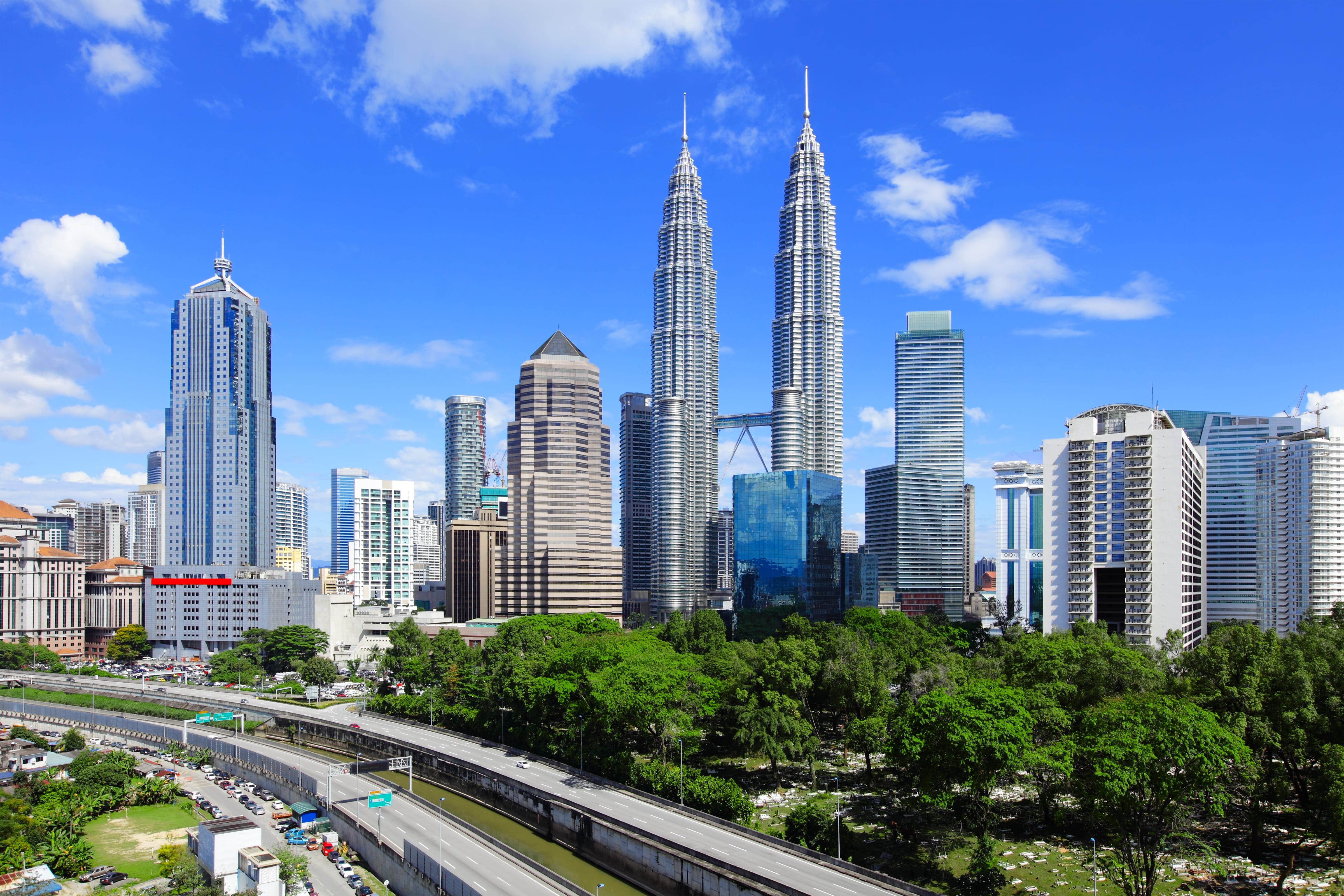
The Petronas Twin Towers are the city's defining image: twin 88 storey skyscrapers rising 452 metres, designed by architect Cesar Pelli around an eight pointed star floor plan inspired by Islamic geometric patterns. Visitors cross the double decker Skybridge linking floors 41 and 42, then take a separate lift to the observation deck on the 86th floor for views across the Klang Valley. Tickets are timed and can sell out during busy periods, so booking ahead is worth doing regardless of when you plan to visit.

KL Tower (Menara Kuala Lumpur)

A short walk away, KL Tower climbs to 421 metres including its antenna, with an enclosed observation deck around 276 metres up and an open air Sky Deck and glass floored Sky Box near the 300 metre mark. Because it sits on Bukit Nanas, a small hill at the edge of the city centre, the tower's views stretch further than its height alone suggests, and on a clear day you can pick out the hills around Genting Highlands on the horizon.

Batu Caves

North of the centre, Batu Caves is a limestone hill riddled with cave temples dedicated to the Hindu deity Murugan. The main Temple Cave is reached by climbing 272 brightly painted steps, guarded at the base by a 42.7 metre gold statue of Murugan, the tallest statue of a Hindu deity in Malaysia. Entry to the main cave is free; the smaller Dark Cave, a short detour partway up, requires a guided tour and protects a fragile ecosystem of cave dwelling species found almost nowhere else. Batu Caves is busiest, and most vivid, during the Thaipusam festival in January or February, when large numbers of devotees make a pilgrimage to the site.

Merdeka Square and the colonial quarter

Merdeka Square (Dataran Merdeka) is where Malaya's independence was declared on 31 August 1957, and the surrounding colonial quarter is one of the best places to understand how Kuala Lumpur grew from a tin mining settlement at the meeting point of the Klang and Gombak rivers, a confluence that gave the city its name, into a colonial administrative centre and then a modern capital. The Moorish influenced Sultan Abdul Samad Building faces the square, and the nearby Masjid Jamek mosque sits right at the river confluence itself.

  • Ride the Skybridge and 86th floor deck of the Petronas Twin Towers
  • Climb the 272 steps at Batu Caves
  • Take in the view from KL Tower's Sky Deck and Sky Box
  • Explore Merdeka Square and the colonial quarter
  • Wander Chinatown's Petaling Street market
  • Watch the Lake Symphony fountain show at KLCC Park
AttractionTypeHighlightApprox. time needed
Petronas Twin TowersLandmark skyscraperSkybridge and 86th floor observation deck, 452 metres tall1.5 to 2 hours
Batu CavesHindu shrine and limestone caves272 steps, 42.7 metre Murugan statue, Dark Cave tour2 to 3 hours
KL Tower (Menara KL)Telecommunications towerObservation deck, Sky Deck and glass floored Sky Box1.5 hours
Merdeka SquareHistoric public squareSite of the 1957 independence declaration, colonial architecture1 hour
Chinatown and Petaling StreetHistoric quarter and night marketStreet food, temples, bargain shopping1.5 to 2 hours
KLCC ParkUrban parkLake Symphony fountain and light show facing the towers45 minutes to 1 hour
Perdana Botanical GardensPark and gardensKL Bird Park, Orchid and Hibiscus Gardens, Islamic Arts Museum nearby2 to 3 hours
Thean Hou TempleChinese templeSix tiered hilltop temple with city views1 hour

Where can you experience Kuala Lumpur's culture and heritage?

Kuala Lumpur's multicultural character, with Malay, Chinese, Indian and indigenous communities living side by side, shows up most clearly in its older neighbourhoods. Chinatown centres on Petaling Street, a covered market street lined with food stalls, clothing and souvenir vendors, and two notable places of worship almost next door to each other: the ornate Hindu Sri Mahamariamman Temple and the Chinese Taoist Guan Di Temple. A block away, Central Market (Pasar Seni) is an Art Deco building turned crafts and souvenir market with regular cultural performances.

Brickfields, just south of KL Sentral, is often called Little India for its temples, spice shops, garland stalls and banana leaf rice restaurants. Kampung Baru, a pocket of traditional Malay wooden houses on stilts, sits almost in the shadow of the Petronas Towers and offers one of the starkest contrasts between old and new Kuala Lumpur anywhere in the city. For Islamic art and design, the Islamic Arts Museum Malaysia near the Perdana Botanical Gardens holds one of the region's most significant collections of Islamic decorative art, textiles and architecture.

If you are planning a wider loop around the country, Kuala Lumpur's heritage quarters are a useful primer before venturing further; this guide to things to do in Malaysia shows how the capital fits into a longer trip.

NeighbourhoodKnown forBest for
Merdeka Square and the colonial districtSultan Abdul Samad Building, Masjid Jamek, Royal Selangor ClubHistory and colonial architecture
Chinatown (Petaling Street)Night market, Sri Mahamariamman Temple, Guan Di TempleStreet food and bargain shopping
Central Market (Pasar Seni)Art Deco heritage building, handicrafts, cultural showsSouvenirs and local crafts
BrickfieldsHindu temples, Indian restaurants, KL Sentral transit hubIndian culture and cuisine
Kampung BaruTraditional Malay wooden houses beside the skylineContrast of old and new Kuala Lumpur
Bukit BintangJalan Alor food street, malls, nightlifeShopping and dining
Explore Malaysia tour packages
View all →

What is the food scene like in Kuala Lumpur?

Eating is one of the main reasons travellers fall for Kuala Lumpur. The city's Malay, Chinese and Indian communities each brought their own cooking traditions, and decades of overlap produced hybrid dishes found almost nowhere else. Breakfast is often nasi lemak, coconut milk rice served with sambal, fried anchovies, peanuts and a boiled or fried egg, sold everywhere from roadside stalls to hotel buffets. For dinner, head to a hawker centre or a street like Jalan Alor in Bukit Bintang, where dozens of open air stalls serve char kway teow (stir fried flat rice noodles with prawns, egg and cockles), grilled satay skewers with peanut sauce, and claypot dishes late into the night.

Roti canai, a flaky griddle fried flatbread served with dhal or curry, is a staple at mamak stalls, the Indian Muslim eateries that stay open around the clock across the city. In Brickfields, banana leaf rice restaurants pile rice with a rotating selection of curries and vegetables onto a fresh banana leaf. Chinatown and Pudu are good hunting grounds for dim sum and bak kut teh, a peppery pork rib soup in herbal broth with roots in nearby Klang. Finish with cendol, a shaved ice dessert with palm sugar syrup, coconut milk and pandan flavoured jelly, widely sold around Central Market and Petaling Street.

For a deeper dive into regional specialities and eating customs, this guide to what to eat in Malaysia covers dishes you will encounter well beyond the capital too.

DishWhat it isWhere to find it
Nasi lemakCoconut rice with sambal, anchovies, peanuts and eggHawker stalls citywide, especially at breakfast
Char kway teowStir fried flat rice noodles with prawns, egg and cocklesChinatown and Petaling Street hawker centres
SatayGrilled skewered meat served with peanut sauceJalan Alor, Kampung Baru
Roti canaiFlaky flatbread with dhal or curryMamak restaurants, open around the clock
Banana leaf riceRice with curries and vegetables on a banana leafBrickfields (Little India)
Bak kut tehHerbal pork rib soupChinatown, Pudu, and nearby Klang
CendolShaved ice dessert with palm sugar and coconut milkCentral Market, Petaling Street

Which areas are best to stay in Kuala Lumpur?

Where you base yourself shapes how much time you spend commuting. KLCC, the district around the Petronas Towers, puts you closest to the skyline views, the Suria KLCC mall and KLCC Park, and is well connected by LRT and monorail. Bukit Bintang is the liveliest choice, packed with shopping malls, street food on Jalan Alor, and a wide spread of accommodation options within walking distance of each other. Chinatown suits travellers who want to be surrounded by heritage shophouses, markets and budget guesthouses, with Petaling Street's food stalls on the doorstep.

Bangsar, a short taxi or e-hailing ride from the centre, has a more residential, cafe driven feel and a lively bar scene, while Brickfields is the practical choice if you are arriving or leaving via the airport, since it sits right next to KL Sentral, the city's main transport interchange.

AreaCharacterGood for
KLCCHigh rise, close to the Petronas Towers and Suria KLCC mallFirst time visitors who want landmark views
Bukit BintangShopping malls, nightlife, Jalan Alor food streetShopping, dining and a wide range of hotels
Chinatown (Petaling Street)Heritage shophouses, markets, budget guesthousesCulture, street food and backpacker travel
BangsarCafes, bars, residential streetsA quieter base with easy access by taxi or e-hailing
BrickfieldsNear KL Sentral, Little India characterTravellers connecting to KLIA or onward trains

How do you get around Kuala Lumpur?

Kuala Lumpur's public transport network covers most tourist areas well, and combining a couple of rail lines with short e-hailing rides is usually the most efficient approach. The LRT (Light Rail Transit) has two main lines, the Kelana Jaya Line and the Ampang and Sri Petaling Lines, which together connect KLCC, Chinatown, Bukit Bintang and several outlying suburbs. The MRT (Mass Rapid Transit) Kajang Line and Putrajaya Line reach newer interchange stations such as Merdeka and Tun Razak Exchange and extend further into the wider Klang Valley. The single line KL Monorail links KL Sentral to Titiwangsa via Bukit Bintang and is useful for short hops through the centre.

For a day trip to Batu Caves, the KTM Komuter suburban rail line runs directly from KL Sentral to Batu Caves station, a short walk from the temple steps. Airport transfers are simplest on the KLIA Ekspres, a nonstop train that covers KL Sentral to KLIA or klia2 in about 28 minutes. Walking works well within compact areas like Chinatown or Bukit Bintang, but Kuala Lumpur's heat, humidity and occasional sudden downpours make e-hailing apps a comfortable and inexpensive way to cover longer distances. If personal safety while travelling is a concern, this overview of whether Malaysia is safe to visit covers practical precautions for getting around cities and using public transport.

ModeCoverageUseful for
LRT (Light Rail Transit)Kelana Jaya Line, Ampang Line, Sri Petaling LineKLCC, Chinatown and Bukit Bintang connections
MRT (Mass Rapid Transit)Kajang Line, Putrajaya LineNewer interchanges and suburban areas
KL MonorailSingle line, KL Sentral to TitiwangsaShort hops through the city centre
KTM KomuterSuburban rail networkDay trips such as Batu Caves
KLIA EkspresNonstop rail, KL Sentral to KLIA and klia2Airport transfers in about 28 minutes
E-hailing apps and taxisCitywideLate night travel and areas without rail coverage

How many days do you need in Kuala Lumpur?

Two full days are enough to see the headline sights: the Petronas Towers, Batu Caves, Merdeka Square and Chinatown, plus an evening on Jalan Alor. Three days lets you slow down, add KL Tower or the Perdana Botanical Gardens, and spend a proper evening exploring Bukit Bintang or Bangsar. Four days or more opens up a day trip, whether that is the cooler air of Genting Highlands, the planned architecture of Putrajaya, or a longer excursion to Melaka or the Cameron Highlands.

Because Kuala Lumpur is Malaysia's main air hub, it also works well as a start or end point for a longer trip that adds islands, beaches or Borneo's rainforests and wildlife. For help sequencing a longer route through the country, this Malaysia itinerary guide and this broader Malaysia travel guide are useful starting points.

What day trips can you take from Kuala Lumpur?

Kuala Lumpur's central location in the Klang Valley makes it a convenient base for day trips ranging from a couple of hours to a full day out. Batu Caves, already a must see in its own right, is easily combined with a half day in the city centre since it sits so close to KL Sentral by train. Genting Highlands, a hill resort built on a ridge in the Titiwangsa mountain range, offers a noticeably cooler climate, a cable car ride up the hillside, and a large entertainment complex. Putrajaya, Malaysia's purpose built administrative capital, is known for the pink domed Putra Mosque, the Putrajaya Lake, and wide, manicured boulevards that make it feel entirely different from the older capital.

Further afield, Melaka (Malacca) is a UNESCO World Heritage listed port city with Portuguese, Dutch and British colonial layers, canal side streets, and the lively Jonker Street night market. Ipoh, a former tin mining town, is known for cave temples built into limestone cliffs, a restored old town with street art, and a food scene that rivals Kuala Lumpur's own. Kuala Selangor is a quieter option, best known for evening boat tours to watch synchronised fireflies along the mangrove lined river. The Cameron Highlands, Malaysia's best known hill station, rounds out the list with tea plantations, strawberry farms and a cool climate that makes a striking contrast to the lowland heat.

DestinationApprox. distance from KLHighlights
Batu CavesAbout 13 km north272 steps, Hindu shrines, Dark Cave tour
Genting HighlandsAbout 50 km northeastCable car, hill resort, cooler climate
PutrajayaAbout 25 km southPutra Mosque, Putrajaya Lake, planned garden city
Kuala SelangorAbout 70 km west, roughly 1.5 hours by roadFirefly night boat tours, silver leaf monkeys
Melaka (Malacca)About 150 km south, roughly 2 hours by roadUNESCO World Heritage old town, Jonker Street
IpohAbout 200 km north, roughly 2 to 2.5 hours by road or trainCave temples, old town street art, food scene
Cameron HighlandsAbout 200 km north, roughly 3.5 to 4 hours by roadTea plantations, strawberry farms, cool climate

What outdoor spaces and green escapes are worth visiting?

Kuala Lumpur packs a surprising amount of greenery into its centre. KLCC Park, a landscaped park at the foot of the Petronas Towers, has a jogging track, children's play areas and paddling pools, and puts on the free Lake Symphony fountain and light show most evenings, with the towers lit up behind it. The Perdana Botanical Gardens, also known as the Lake Gardens, is the city's largest green space, home to the Orchid Garden, Hibiscus Garden, and KL Bird Park, one of the largest free flight walk in aviaries in the world, sheltering hundreds of bird species under huge netted canopies.

For something closer to genuine rainforest, KL Forest Eco Park on Bukit Nanas is a small patch of primary forest right in the city centre, gazetted as a forest reserve in the early twentieth century and threaded with a canopy walkway strung between mature trees. It is one of the few places anywhere in the world where you can walk from a busy downtown street straight into rainforest canopy within a few minutes.

What shopping options does Kuala Lumpur offer?

Shopping in Kuala Lumpur ranges from glossy megamalls to street markets. Suria KLCC, built into the base of the Petronas Towers, combines international brands with a supermarket and a small aquarium. Pavilion Kuala Lumpur and the surrounding Bukit Bintang strip cover everything from luxury boutiques to electronics and local fashion labels. For something less polished, Central Market specialises in handicrafts, batik and souvenirs inside a heritage Art Deco building, while Petaling Street's night market is the place for bargaining over clothing, bags and trinkets. Nearby Low Yat Plaza rounds out the mix as the go to spot for electronics and gadgets.

What festivals and events shape a visit to Kuala Lumpur?

Malaysia's multicultural calendar means Kuala Lumpur has a major festival at almost any time of year, and timing a visit around one can add a memorable layer to a trip. Thaipusam, usually falling in January or February, draws huge crowds to Batu Caves, where devotees carry ornate kavadi structures up the 272 steps in a display that is one of the most striking religious processions in Southeast Asia. Chinese New Year, typically in late January or February, lights up Chinatown and Petaling Street with lion dance performances, lantern displays and extended market hours.

Hari Raya Aidilfitri, marking the end of the Islamic fasting month of Ramadan, brings open houses, festive markets and decorated malls across the city, with dates shifting each year according to the lunar calendar. Deepavali, the Hindu festival of lights, is celebrated warmly in Brickfields, where streets are strung with lights and lined with stalls selling sweets and oil lamps. National Day on 31 August and Malaysia Day on 16 September bring parades, flag displays and a festive atmosphere to Merdeka Square, marking Malaysia's independence and the formation of the wider federation.

What should first time visitors know before they go?

Dress codes matter more at religious sites than elsewhere in the city. At Batu Caves, mosques such as Masjid Jamek, and Hindu and Chinese temples, shoulders and knees should be covered, and some sites provide sarongs or robes for visitors who arrive in shorts or sleeveless tops. Shoes come off before entering the main prayer halls of mosques and many temple interiors, so slip on footwear is convenient.

  • Cover shoulders and knees at temples, mosques and Batu Caves
  • Remove shoes before entering prayer halls and many temple interiors
  • Carry a light rain layer and sun protection year round
  • Choose bottled or filtered water over tap water
  • Arrange a local SIM or eSIM on arrival for easy navigation and e-hailing

Tipping is not a strong local custom and is not expected in the way it is in some other countries, though rounding up or leaving small change for good service is appreciated. English is widely understood in tourist areas, so language is rarely a barrier, but learning a few basic Malay greetings, such as terima kasih for thank you, is a small courtesy that is often warmly received.

When is the best time to visit Kuala Lumpur?

Kuala Lumpur sits close to the equator, so temperatures stay warm and humid year round with little seasonal swing. Rainfall is fairly constant but tends to peak around the intermonsoon months, often bringing short, heavy afternoon downpours rather than all day rain, so mornings are usually a good window for outdoor sightseeing regardless of season. Because the weather does not vary as sharply here as it does on Malaysia's east coast islands, Kuala Lumpur is a reasonable year round destination; if you are combining it with beach time or island hopping elsewhere in the country, timing matters more for those legs of the trip. The official Tourism Malaysia website is a useful reference for current events and festival dates that might shape when you visit. This best time to visit Malaysia guide breaks down seasonal patterns region by region.

If you would rather have the logistics handled while you focus on exploring, browsing Malaysia tour packages is a straightforward way to combine a few days in Kuala Lumpur with time on the islands, beaches, or in Borneo's rainforests.

Frequently asked questions

How many days do you need in Kuala Lumpur?

Two days cover the essential landmarks such as the Petronas Towers, Batu Caves and Chinatown, while three to four days allow a more relaxed pace and room for one day trip. Travellers combining Kuala Lumpur with the rest of Malaysia often use it as a two to three day start or end point for a longer itinerary.

Is Kuala Lumpur worth visiting?

Yes. It combines an iconic modern skyline, layered colonial and multicultural heritage, and one of Southeast Asia's best street food scenes in a compact, well connected city. It also works well as a transit hub for reaching Malaysia's islands, beaches and Borneo.

What is Kuala Lumpur best known for?

Kuala Lumpur is best known for the Petronas Twin Towers, once the tallest buildings in the world, and for Batu Caves, a Hindu shrine complex built into limestone caves just north of the city. Its street food, multicultural neighbourhoods and modern transport network are close behind.

Can you go to the top of the Petronas Towers?

Visitors can access the Skybridge connecting floors 41 and 42 and an observation deck on the 86th floor, though the very top floors of the 88 storey towers are not open to the public. Tickets are timed and often sell out, so booking in advance is recommended.

Is Batu Caves free to visit?

Entry to the main Temple Cave, reached by climbing 272 steps, is free. The smaller Dark Cave requires a paid guided tour, and donations are welcomed at the shrines inside the main cave.

What is the best way to get from the airport to the city centre?

The KLIA Ekspres train is the fastest option, running nonstop between KLIA or klia2 and KL Sentral in about 28 minutes. From KL Sentral you can continue by LRT, monorail, or a short taxi or e-hailing ride to most hotel areas.

Is Kuala Lumpur safe for tourists?

Kuala Lumpur is generally safe for tourists, with the usual big city precautions around petty theft and busy areas at night applying as they would anywhere. Sticking to well lit, populated areas and using registered taxis or e-hailing apps after dark are sensible habits.

What language is spoken in Kuala Lumpur?

Malay is the national language, but English is widely spoken and understood, especially in tourist areas, hotels and restaurants. Mandarin, Cantonese and Tamil are also commonly heard given the city's multicultural population.

What currency is used in Kuala Lumpur?

The Malaysian ringgit (MYR) is the official currency used throughout Kuala Lumpur and the rest of Malaysia. Cards are widely accepted in malls and larger restaurants, while smaller hawker stalls and markets often prefer cash.

What day trip from Kuala Lumpur is best for a short visit?

Batu Caves is the easiest and quickest option, combining well with a half day in the city centre thanks to its short train ride from KL Sentral. If you have a full day, Genting Highlands or Putrajaya each offer a very different experience from the capital itself.
Tags
Malaysia
Share
G
Gomayu Team
Writer at Gomayu
Keep reading
Blog / Malaysia
Things to Do in Kuala Lumpur: Top Attractions Guide
19 min read 21 Aug 2026 · Updated 12 Sep 2026
Things to Do in Kuala Lumpur: 12 Top Attractions Guide

The best things to do in Kuala Lumpur are riding up to the skybridge and 86th floor observation deck of the 452 metre Petronas Twin Towers, climbing the 272 steps to the Hindu shrines and limestone caverns of Batu Caves, and wandering the historic core around Merdeka Square and Chinatown's Petaling Street. Round out a visit with the Sky Deck at KL Tower, the nightly fountain show at KLCC Park, and an evening of hawker food on Jalan Alor. Two to three days is enough to see the city's headline landmarks, while four days or more leaves room for a day trip to Genting Highlands, Putrajaya, or further out to Melaka or the Cameron Highlands.

What should you not miss among Kuala Lumpur's landmark attractions?

Petronas Twin Towers

The Petronas Twin Towers are the city's defining image: twin 88 storey skyscrapers rising 452 metres, designed by architect Cesar Pelli around an eight pointed star floor plan inspired by Islamic geometric patterns. Visitors cross the double decker Skybridge linking floors 41 and 42, then take a separate lift to the observation deck on the 86th floor for views across the Klang Valley. Tickets are timed and can sell out during busy periods, so booking ahead is worth doing regardless of when you plan to visit.

KL Tower (Menara Kuala Lumpur)

A short walk away, KL Tower climbs to 421 metres including its antenna, with an enclosed observation deck around 276 metres up and an open air Sky Deck and glass floored Sky Box near the 300 metre mark. Because it sits on Bukit Nanas, a small hill at the edge of the city centre, the tower's views stretch further than its height alone suggests, and on a clear day you can pick out the hills around Genting Highlands on the horizon.

Batu Caves

North of the centre, Batu Caves is a limestone hill riddled with cave temples dedicated to the Hindu deity Murugan. The main Temple Cave is reached by climbing 272 brightly painted steps, guarded at the base by a 42.7 metre gold statue of Murugan, the tallest statue of a Hindu deity in Malaysia. Entry to the main cave is free; the smaller Dark Cave, a short detour partway up, requires a guided tour and protects a fragile ecosystem of cave dwelling species found almost nowhere else. Batu Caves is busiest, and most vivid, during the Thaipusam festival in January or February, when large numbers of devotees make a pilgrimage to the site.

Merdeka Square and the colonial quarter

Merdeka Square (Dataran Merdeka) is where Malaya's independence was declared on 31 August 1957, and the surrounding colonial quarter is one of the best places to understand how Kuala Lumpur grew from a tin mining settlement at the meeting point of the Klang and Gombak rivers, a confluence that gave the city its name, into a colonial administrative centre and then a modern capital. The Moorish influenced Sultan Abdul Samad Building faces the square, and the nearby Masjid Jamek mosque sits right at the river confluence itself.

  • Ride the Skybridge and 86th floor deck of the Petronas Twin Towers
  • Climb the 272 steps at Batu Caves
  • Take in the view from KL Tower's Sky Deck and Sky Box
  • Explore Merdeka Square and the colonial quarter
  • Wander Chinatown's Petaling Street market
  • Watch the Lake Symphony fountain show at KLCC Park
AttractionTypeHighlightApprox. time needed
Petronas Twin TowersLandmark skyscraperSkybridge and 86th floor observation deck, 452 metres tall1.5 to 2 hours
Batu CavesHindu shrine and limestone caves272 steps, 42.7 metre Murugan statue, Dark Cave tour2 to 3 hours
KL Tower (Menara KL)Telecommunications towerObservation deck, Sky Deck and glass floored Sky Box1.5 hours
Merdeka SquareHistoric public squareSite of the 1957 independence declaration, colonial architecture1 hour
Chinatown and Petaling StreetHistoric quarter and night marketStreet food, temples, bargain shopping1.5 to 2 hours
KLCC ParkUrban parkLake Symphony fountain and light show facing the towers45 minutes to 1 hour
Perdana Botanical GardensPark and gardensKL Bird Park, Orchid and Hibiscus Gardens, Islamic Arts Museum nearby2 to 3 hours
Thean Hou TempleChinese templeSix tiered hilltop temple with city views1 hour

Where can you experience Kuala Lumpur's culture and heritage?

Kuala Lumpur's multicultural character, with Malay, Chinese, Indian and indigenous communities living side by side, shows up most clearly in its older neighbourhoods. Chinatown centres on Petaling Street, a covered market street lined with food stalls, clothing and souvenir vendors, and two notable places of worship almost next door to each other: the ornate Hindu Sri Mahamariamman Temple and the Chinese Taoist Guan Di Temple. A block away, Central Market (Pasar Seni) is an Art Deco building turned crafts and souvenir market with regular cultural performances.

Brickfields, just south of KL Sentral, is often called Little India for its temples, spice shops, garland stalls and banana leaf rice restaurants. Kampung Baru, a pocket of traditional Malay wooden houses on stilts, sits almost in the shadow of the Petronas Towers and offers one of the starkest contrasts between old and new Kuala Lumpur anywhere in the city. For Islamic art and design, the Islamic Arts Museum Malaysia near the Perdana Botanical Gardens holds one of the region's most significant collections of Islamic decorative art, textiles and architecture.

If you are planning a wider loop around the country, Kuala Lumpur's heritage quarters are a useful primer before venturing further; this guide to things to do in Malaysia shows how the capital fits into a longer trip.

NeighbourhoodKnown forBest for
Merdeka Square and the colonial districtSultan Abdul Samad Building, Masjid Jamek, Royal Selangor ClubHistory and colonial architecture
Chinatown (Petaling Street)Night market, Sri Mahamariamman Temple, Guan Di TempleStreet food and bargain shopping
Central Market (Pasar Seni)Art Deco heritage building, handicrafts, cultural showsSouvenirs and local crafts
BrickfieldsHindu temples, Indian restaurants, KL Sentral transit hubIndian culture and cuisine
Kampung BaruTraditional Malay wooden houses beside the skylineContrast of old and new Kuala Lumpur
Bukit BintangJalan Alor food street, malls, nightlifeShopping and dining
Explore Malaysia tour packages
View all →

What is the food scene like in Kuala Lumpur?

Eating is one of the main reasons travellers fall for Kuala Lumpur. The city's Malay, Chinese and Indian communities each brought their own cooking traditions, and decades of overlap produced hybrid dishes found almost nowhere else. Breakfast is often nasi lemak, coconut milk rice served with sambal, fried anchovies, peanuts and a boiled or fried egg, sold everywhere from roadside stalls to hotel buffets. For dinner, head to a hawker centre or a street like Jalan Alor in Bukit Bintang, where dozens of open air stalls serve char kway teow (stir fried flat rice noodles with prawns, egg and cockles), grilled satay skewers with peanut sauce, and claypot dishes late into the night.

Roti canai, a flaky griddle fried flatbread served with dhal or curry, is a staple at mamak stalls, the Indian Muslim eateries that stay open around the clock across the city. In Brickfields, banana leaf rice restaurants pile rice with a rotating selection of curries and vegetables onto a fresh banana leaf. Chinatown and Pudu are good hunting grounds for dim sum and bak kut teh, a peppery pork rib soup in herbal broth with roots in nearby Klang. Finish with cendol, a shaved ice dessert with palm sugar syrup, coconut milk and pandan flavoured jelly, widely sold around Central Market and Petaling Street.

For a deeper dive into regional specialities and eating customs, this guide to what to eat in Malaysia covers dishes you will encounter well beyond the capital too.

DishWhat it isWhere to find it
Nasi lemakCoconut rice with sambal, anchovies, peanuts and eggHawker stalls citywide, especially at breakfast
Char kway teowStir fried flat rice noodles with prawns, egg and cocklesChinatown and Petaling Street hawker centres
SatayGrilled skewered meat served with peanut sauceJalan Alor, Kampung Baru
Roti canaiFlaky flatbread with dhal or curryMamak restaurants, open around the clock
Banana leaf riceRice with curries and vegetables on a banana leafBrickfields (Little India)
Bak kut tehHerbal pork rib soupChinatown, Pudu, and nearby Klang
CendolShaved ice dessert with palm sugar and coconut milkCentral Market, Petaling Street

Which areas are best to stay in Kuala Lumpur?

Where you base yourself shapes how much time you spend commuting. KLCC, the district around the Petronas Towers, puts you closest to the skyline views, the Suria KLCC mall and KLCC Park, and is well connected by LRT and monorail. Bukit Bintang is the liveliest choice, packed with shopping malls, street food on Jalan Alor, and a wide spread of accommodation options within walking distance of each other. Chinatown suits travellers who want to be surrounded by heritage shophouses, markets and budget guesthouses, with Petaling Street's food stalls on the doorstep.

Bangsar, a short taxi or e-hailing ride from the centre, has a more residential, cafe driven feel and a lively bar scene, while Brickfields is the practical choice if you are arriving or leaving via the airport, since it sits right next to KL Sentral, the city's main transport interchange.

AreaCharacterGood for
KLCCHigh rise, close to the Petronas Towers and Suria KLCC mallFirst time visitors who want landmark views
Bukit BintangShopping malls, nightlife, Jalan Alor food streetShopping, dining and a wide range of hotels
Chinatown (Petaling Street)Heritage shophouses, markets, budget guesthousesCulture, street food and backpacker travel
BangsarCafes, bars, residential streetsA quieter base with easy access by taxi or e-hailing
BrickfieldsNear KL Sentral, Little India characterTravellers connecting to KLIA or onward trains

How do you get around Kuala Lumpur?

Kuala Lumpur's public transport network covers most tourist areas well, and combining a couple of rail lines with short e-hailing rides is usually the most efficient approach. The LRT (Light Rail Transit) has two main lines, the Kelana Jaya Line and the Ampang and Sri Petaling Lines, which together connect KLCC, Chinatown, Bukit Bintang and several outlying suburbs. The MRT (Mass Rapid Transit) Kajang Line and Putrajaya Line reach newer interchange stations such as Merdeka and Tun Razak Exchange and extend further into the wider Klang Valley. The single line KL Monorail links KL Sentral to Titiwangsa via Bukit Bintang and is useful for short hops through the centre.

For a day trip to Batu Caves, the KTM Komuter suburban rail line runs directly from KL Sentral to Batu Caves station, a short walk from the temple steps. Airport transfers are simplest on the KLIA Ekspres, a nonstop train that covers KL Sentral to KLIA or klia2 in about 28 minutes. Walking works well within compact areas like Chinatown or Bukit Bintang, but Kuala Lumpur's heat, humidity and occasional sudden downpours make e-hailing apps a comfortable and inexpensive way to cover longer distances. If personal safety while travelling is a concern, this overview of whether Malaysia is safe to visit covers practical precautions for getting around cities and using public transport.

ModeCoverageUseful for
LRT (Light Rail Transit)Kelana Jaya Line, Ampang Line, Sri Petaling LineKLCC, Chinatown and Bukit Bintang connections
MRT (Mass Rapid Transit)Kajang Line, Putrajaya LineNewer interchanges and suburban areas
KL MonorailSingle line, KL Sentral to TitiwangsaShort hops through the city centre
KTM KomuterSuburban rail networkDay trips such as Batu Caves
KLIA EkspresNonstop rail, KL Sentral to KLIA and klia2Airport transfers in about 28 minutes
E-hailing apps and taxisCitywideLate night travel and areas without rail coverage

How many days do you need in Kuala Lumpur?

Two full days are enough to see the headline sights: the Petronas Towers, Batu Caves, Merdeka Square and Chinatown, plus an evening on Jalan Alor. Three days lets you slow down, add KL Tower or the Perdana Botanical Gardens, and spend a proper evening exploring Bukit Bintang or Bangsar. Four days or more opens up a day trip, whether that is the cooler air of Genting Highlands, the planned architecture of Putrajaya, or a longer excursion to Melaka or the Cameron Highlands.

Because Kuala Lumpur is Malaysia's main air hub, it also works well as a start or end point for a longer trip that adds islands, beaches or Borneo's rainforests and wildlife. For help sequencing a longer route through the country, this Malaysia itinerary guide and this broader Malaysia travel guide are useful starting points.

What day trips can you take from Kuala Lumpur?

Kuala Lumpur's central location in the Klang Valley makes it a convenient base for day trips ranging from a couple of hours to a full day out. Batu Caves, already a must see in its own right, is easily combined with a half day in the city centre since it sits so close to KL Sentral by train. Genting Highlands, a hill resort built on a ridge in the Titiwangsa mountain range, offers a noticeably cooler climate, a cable car ride up the hillside, and a large entertainment complex. Putrajaya, Malaysia's purpose built administrative capital, is known for the pink domed Putra Mosque, the Putrajaya Lake, and wide, manicured boulevards that make it feel entirely different from the older capital.

Further afield, Melaka (Malacca) is a UNESCO World Heritage listed port city with Portuguese, Dutch and British colonial layers, canal side streets, and the lively Jonker Street night market. Ipoh, a former tin mining town, is known for cave temples built into limestone cliffs, a restored old town with street art, and a food scene that rivals Kuala Lumpur's own. Kuala Selangor is a quieter option, best known for evening boat tours to watch synchronised fireflies along the mangrove lined river. The Cameron Highlands, Malaysia's best known hill station, rounds out the list with tea plantations, strawberry farms and a cool climate that makes a striking contrast to the lowland heat.

DestinationApprox. distance from KLHighlights
Batu CavesAbout 13 km north272 steps, Hindu shrines, Dark Cave tour
Genting HighlandsAbout 50 km northeastCable car, hill resort, cooler climate
PutrajayaAbout 25 km southPutra Mosque, Putrajaya Lake, planned garden city
Kuala SelangorAbout 70 km west, roughly 1.5 hours by roadFirefly night boat tours, silver leaf monkeys
Melaka (Malacca)About 150 km south, roughly 2 hours by roadUNESCO World Heritage old town, Jonker Street
IpohAbout 200 km north, roughly 2 to 2.5 hours by road or trainCave temples, old town street art, food scene
Cameron HighlandsAbout 200 km north, roughly 3.5 to 4 hours by roadTea plantations, strawberry farms, cool climate

What outdoor spaces and green escapes are worth visiting?

Kuala Lumpur packs a surprising amount of greenery into its centre. KLCC Park, a landscaped park at the foot of the Petronas Towers, has a jogging track, children's play areas and paddling pools, and puts on the free Lake Symphony fountain and light show most evenings, with the towers lit up behind it. The Perdana Botanical Gardens, also known as the Lake Gardens, is the city's largest green space, home to the Orchid Garden, Hibiscus Garden, and KL Bird Park, one of the largest free flight walk in aviaries in the world, sheltering hundreds of bird species under huge netted canopies.

For something closer to genuine rainforest, KL Forest Eco Park on Bukit Nanas is a small patch of primary forest right in the city centre, gazetted as a forest reserve in the early twentieth century and threaded with a canopy walkway strung between mature trees. It is one of the few places anywhere in the world where you can walk from a busy downtown street straight into rainforest canopy within a few minutes.

What shopping options does Kuala Lumpur offer?

Shopping in Kuala Lumpur ranges from glossy megamalls to street markets. Suria KLCC, built into the base of the Petronas Towers, combines international brands with a supermarket and a small aquarium. Pavilion Kuala Lumpur and the surrounding Bukit Bintang strip cover everything from luxury boutiques to electronics and local fashion labels. For something less polished, Central Market specialises in handicrafts, batik and souvenirs inside a heritage Art Deco building, while Petaling Street's night market is the place for bargaining over clothing, bags and trinkets. Nearby Low Yat Plaza rounds out the mix as the go to spot for electronics and gadgets.

What festivals and events shape a visit to Kuala Lumpur?

Malaysia's multicultural calendar means Kuala Lumpur has a major festival at almost any time of year, and timing a visit around one can add a memorable layer to a trip. Thaipusam, usually falling in January or February, draws huge crowds to Batu Caves, where devotees carry ornate kavadi structures up the 272 steps in a display that is one of the most striking religious processions in Southeast Asia. Chinese New Year, typically in late January or February, lights up Chinatown and Petaling Street with lion dance performances, lantern displays and extended market hours.

Hari Raya Aidilfitri, marking the end of the Islamic fasting month of Ramadan, brings open houses, festive markets and decorated malls across the city, with dates shifting each year according to the lunar calendar. Deepavali, the Hindu festival of lights, is celebrated warmly in Brickfields, where streets are strung with lights and lined with stalls selling sweets and oil lamps. National Day on 31 August and Malaysia Day on 16 September bring parades, flag displays and a festive atmosphere to Merdeka Square, marking Malaysia's independence and the formation of the wider federation.

What should first time visitors know before they go?

Dress codes matter more at religious sites than elsewhere in the city. At Batu Caves, mosques such as Masjid Jamek, and Hindu and Chinese temples, shoulders and knees should be covered, and some sites provide sarongs or robes for visitors who arrive in shorts or sleeveless tops. Shoes come off before entering the main prayer halls of mosques and many temple interiors, so slip on footwear is convenient.

  • Cover shoulders and knees at temples, mosques and Batu Caves
  • Remove shoes before entering prayer halls and many temple interiors
  • Carry a light rain layer and sun protection year round
  • Choose bottled or filtered water over tap water
  • Arrange a local SIM or eSIM on arrival for easy navigation and e-hailing

Tipping is not a strong local custom and is not expected in the way it is in some other countries, though rounding up or leaving small change for good service is appreciated. English is widely understood in tourist areas, so language is rarely a barrier, but learning a few basic Malay greetings, such as terima kasih for thank you, is a small courtesy that is often warmly received.

When is the best time to visit Kuala Lumpur?

Kuala Lumpur sits close to the equator, so temperatures stay warm and humid year round with little seasonal swing. Rainfall is fairly constant but tends to peak around the intermonsoon months, often bringing short, heavy afternoon downpours rather than all day rain, so mornings are usually a good window for outdoor sightseeing regardless of season. Because the weather does not vary as sharply here as it does on Malaysia's east coast islands, Kuala Lumpur is a reasonable year round destination; if you are combining it with beach time or island hopping elsewhere in the country, timing matters more for those legs of the trip. The official Tourism Malaysia website is a useful reference for current events and festival dates that might shape when you visit. This best time to visit Malaysia guide breaks down seasonal patterns region by region.

If you would rather have the logistics handled while you focus on exploring, browsing Malaysia tour packages is a straightforward way to combine a few days in Kuala Lumpur with time on the islands, beaches, or in Borneo's rainforests.

Frequently asked questions

How many days do you need in Kuala Lumpur?

Two days cover the essential landmarks such as the Petronas Towers, Batu Caves and Chinatown, while three to four days allow a more relaxed pace and room for one day trip. Travellers combining Kuala Lumpur with the rest of Malaysia often use it as a two to three day start or end point for a longer itinerary.

Is Kuala Lumpur worth visiting?

Yes. It combines an iconic modern skyline, layered colonial and multicultural heritage, and one of Southeast Asia's best street food scenes in a compact, well connected city. It also works well as a transit hub for reaching Malaysia's islands, beaches and Borneo.

What is Kuala Lumpur best known for?

Kuala Lumpur is best known for the Petronas Twin Towers, once the tallest buildings in the world, and for Batu Caves, a Hindu shrine complex built into limestone caves just north of the city. Its street food, multicultural neighbourhoods and modern transport network are close behind.

Can you go to the top of the Petronas Towers?

Visitors can access the Skybridge connecting floors 41 and 42 and an observation deck on the 86th floor, though the very top floors of the 88 storey towers are not open to the public. Tickets are timed and often sell out, so booking in advance is recommended.

Is Batu Caves free to visit?

Entry to the main Temple Cave, reached by climbing 272 steps, is free. The smaller Dark Cave requires a paid guided tour, and donations are welcomed at the shrines inside the main cave.

What is the best way to get from the airport to the city centre?

The KLIA Ekspres train is the fastest option, running nonstop between KLIA or klia2 and KL Sentral in about 28 minutes. From KL Sentral you can continue by LRT, monorail, or a short taxi or e-hailing ride to most hotel areas.

Is Kuala Lumpur safe for tourists?

Kuala Lumpur is generally safe for tourists, with the usual big city precautions around petty theft and busy areas at night applying as they would anywhere. Sticking to well lit, populated areas and using registered taxis or e-hailing apps after dark are sensible habits.

What language is spoken in Kuala Lumpur?

Malay is the national language, but English is widely spoken and understood, especially in tourist areas, hotels and restaurants. Mandarin, Cantonese and Tamil are also commonly heard given the city's multicultural population.

What currency is used in Kuala Lumpur?

The Malaysian ringgit (MYR) is the official currency used throughout Kuala Lumpur and the rest of Malaysia. Cards are widely accepted in malls and larger restaurants, while smaller hawker stalls and markets often prefer cash.

What day trip from Kuala Lumpur is best for a short visit?

Batu Caves is the easiest and quickest option, combining well with a half day in the city centre thanks to its short train ride from KL Sentral. If you have a full day, Genting Highlands or Putrajaya each offer a very different experience from the capital itself.

Tags
Malaysia
Share
G
Gomayu Team
Writer at Gomayu
Keep reading