












+977-9709047652
Explore by Country
See all 22 Thailand packages
Most popular pick
See all 22 Thailand packages →
See all 11 Vietnam packages
Most popular pick
See all 11 Vietnam packages →
See all 10 Indonesia (Bali) packages
Most popular pick
See all 10 Indonesia (Bali) packages →
See all 7 Maldives packages
Most popular pick
See all 7 Maldives packages →
See all 10 China packages
Most popular pick
See all 10 China packages →
See all 13 Sri Lanka packages
Most popular pick
See all 13 Sri Lanka packages →
See all 9 Malaysia packages
Most popular pick
See all 9 Malaysia packages →
See all 8 Singapore packages
Most popular pick
See all 8 Singapore packages →
See all 2 Kenya packages
Most popular pick
See all 2 Kenya packages →
See all 16 India packages
Most popular pick
See all 16 India packages →
See all 3 Dubai packages
Most popular pick
See all 3 Dubai packages →
See all 7 Nepal packages
Most popular pick
See all 7 Nepal packages →
See all 6 Philippines packages
Most popular pick
See all 6 Philippines packages →
Search Tours or Places
Blog / Malaysia

Things to Do in Malaysia: Cities, Islands & Rainforest

19 min read 19 Aug 2026 · Updated 15 Sep 2026
Things to Do in Malaysia: Cities, Islands & Rainforest

Malaysia packs modern cities, world class food, rainforest older than the Himalayas, tea hills and two very different island coasts into one easy, affordable trip. The best things to do span the whole country: eat your way through Kuala Lumpur and Penang, climb to Batu Caves, laze on the beaches of Langkawi and the Perhentians, cool off in the Cameron Highlands, and cross to Borneo for orangutans and Mount Kinabalu. English is widely spoken, transport is smooth and prices are low, which is why Malaysia is one of the easiest introductions to Southeast Asia.

This guide walks through the best things to do region by region, the top cities, islands, highlands and rainforest, what to eat, the best time to go and how to get around, so you can build a trip that mixes culture, nature and beach at your own pace.

What are the best things to do in Malaysia?

These signature experiences capture the country's remarkable variety, and most first trips combine three or four of them.

  • Explore Kuala Lumpur: the Petronas Towers, Batu Caves, Merdeka 118 and buzzing food streets.
  • Eat in Penang: George Town's UNESCO streets, murals and legendary hawker food.
  • Relax on the islands: Langkawi for resorts, the Perhentians, Redang and Tioman for snorkelling.
  • Cool down in the highlands: tea plantations, strawberry farms and mossy forest in the Cameron Highlands.
  • Cross to Borneo: orangutans at Sepilok, Mount Kinabalu, Sipadan diving and jungle rivers.
  • Step into ancient rainforest: canopy walks and night safaris in Taman Negara.
ExperienceWhereIdeal time
City sightseeing and foodKuala Lumpur, Penang, MelakaYear round
West coast islandsLangkawi, PangkorYear round
East coast snorkellingPerhentians, Redang, TiomanMarch to October
Highlands and teaCameron Highlands, GentingYear round
Wildlife and divingSabah and Sarawak, BorneoMarch to September

What is there to do in Kuala Lumpur?

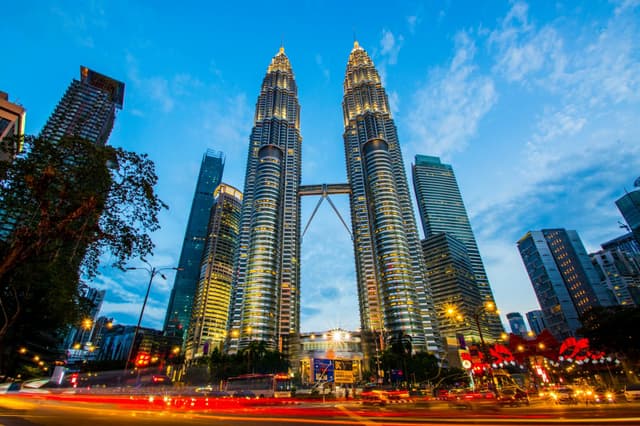
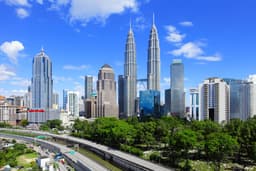
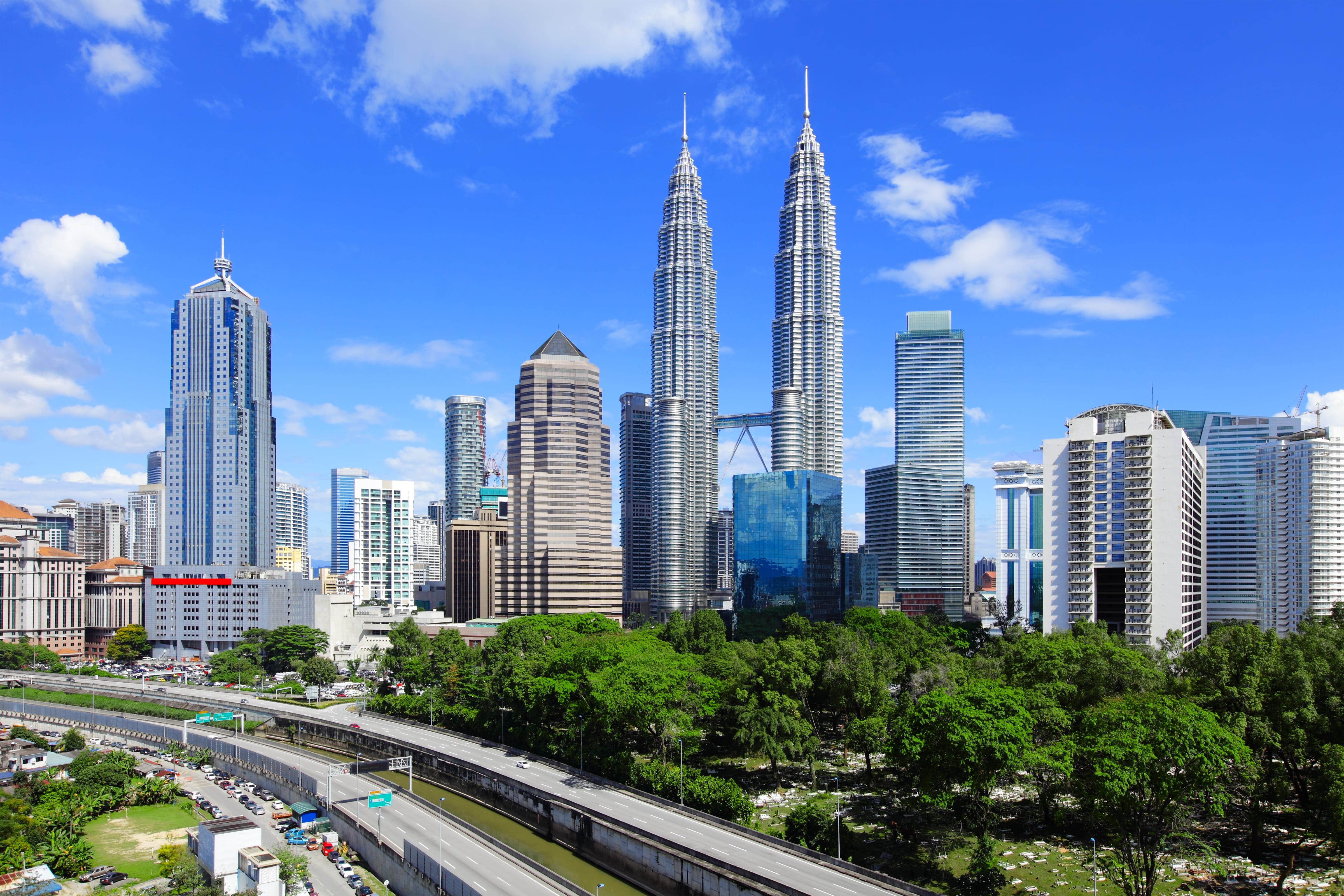
Kuala Lumpur, or KL, is the natural starting point and rewards two or three days. The 452 metre Petronas Twin Towers, the tallest twin towers in the world, define the skyline, and you can ride to the Skybridge and observation deck or watch the fountain show in KLCC Park below. Nearby, the new Merdeka 118 rises to almost 679 metres as the second tallest building in the world, with the Malaysia's highest observation deck. On the city edge, the Batu Caves draw crowds up 272 rainbow painted steps past a towering golden statue of Lord Murugan to a Hindu shrine set in a limestone cavern, most spectacular during the Thaipusam festival. Add the Bukit Bintang shopping and food district, the street stalls of Chinatown around Petaling Street, the tranquil Thean Hou Temple and the excellent Islamic Arts Museum, and KL easily fills a busy few days.
Explore Malaysia tour packages
View all →

Why is Penang and George Town a highlight?

Penang is Malaysia's food and heritage capital, and its main city, George Town, is a UNESCO World Heritage site full of colourful shophouses, clan temples and the wrought iron and mural street art made famous by artist Ernest Zacharevic. Wander the Clan Jetties, the stilt villages of Chinese families over the water, ride the funicular up Penang Hill for sweeping views, and visit the vast Kek Lok Si temple. Above all, come hungry: George Town's hawker centres serve some of the best street food in Asia, from char kway teow to assam laksa. Many travellers rate Penang the single best eating destination in the country.

What can you do in Melaka?

Melaka (Malacca), a short drive south of KL, is the peninsula's other UNESCO city and a window into Malaysia's trading past. The compact old town centres on the terracotta Dutch square with the Christ Church and Stadthuys, the ruins of the A Famosa fort and St Paul's Hill, and the lively Jonker Street night market with its Nyonya food and antiques. A river cruise threads past painted murals and old warehouses, and the Peranakan mansions tell the story of the Straits Chinese community. Melaka works well as a day trip or an overnight stop between KL and Singapore.

Which islands and beaches are best?

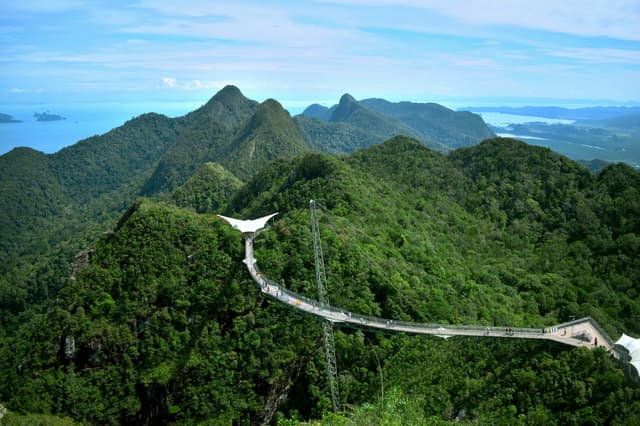
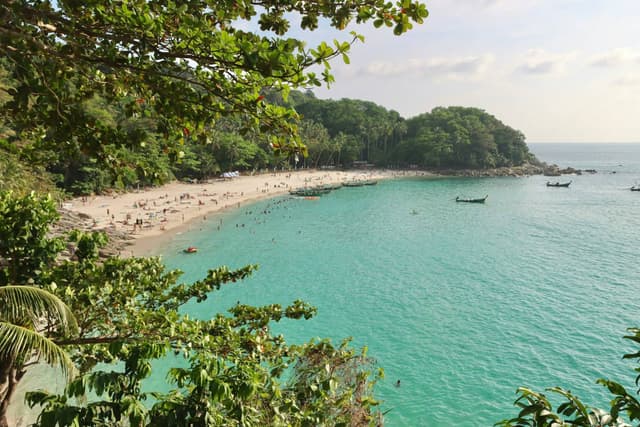
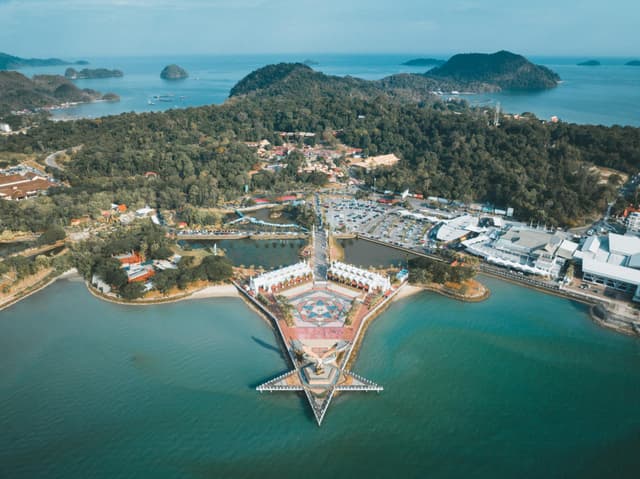
Malaysia has beaches on both coasts, and which you choose depends on the season. Langkawi, an archipelago in the northwest, is the most developed, with resorts, the SkyCab cable car, the curving Sky Bridge, mangrove tours and duty free shopping, and it stays open all year. The east coast islands, the Perhentians, Redang and Tioman, have clearer water and superb snorkelling and diving, but they run on the opposite season and largely close during the northeast monsoon from November to February. Pangkor on the west coast is a quieter, more local choice.

IslandCoastBest forSeason
LangkawiWestResorts, families, cable car, duty freeYear round
Perhentian IslandsEastSnorkelling, budget, laid backMarch to October
RedangEastDiving and clear water resortsMarch to October
TiomanEastDiving, jungle, duty freeMarch to October
PangkorWestQuiet, local, valueYear round

For a deeper look at where to swim and dive, see our guides to the best islands in Malaysia and the best beaches in Malaysia.

What are the Cameron Highlands and other cool retreats?

When the lowland heat builds, Malaysians head for the hills. The Cameron Highlands, at around 1,500 metres, are a patchwork of emerald BOH tea plantations, strawberry and flower farms, and the eerie Mossy Forest, all reachable on cool walking trails. Genting Highlands, closer to KL, offers a cooler climate, theme parks and a casino resort, while the Fraser's Hill and Bukit Tinggi retreats are quieter. The highlands are a refreshing counterpoint to the cities and coast and make an easy two night addition to a peninsula trip.

What can you do in Malaysian Borneo?

Borneo is Malaysia's wild side and a highlight for nature lovers, split between the states of Sabah and Sarawak. In Sabah you can meet rehabilitated orangutans at the Sepilok centre, watch pygmy elephants and proboscis monkeys along the Kinabatangan River, climb the 4,095 metre Mount Kinabalu, the highest peak in Malaysia, and dive the legendary reefs of Sipadan, where permits are strictly limited. Sarawak adds the caves of Gunung Mulu, one of the largest cave systems on earth, the proboscis monkeys of Bako National Park, and the orangutans of Semenggoh near the charming city of Kuching. Borneo needs its own flight and at least three to four extra days, but it delivers wildlife found almost nowhere else.

Where can you see ancient rainforest and wildlife?

On the peninsula, Taman Negara protects one of the oldest tropical rainforests on the planet, estimated at around 130 million years old. You reach it by road and river, then explore on one of the world's longest canopy walkways, night jungle safaris, and boat trips to spot hornbills and, with luck, tapir. Closer to KL, the fireflies of Kuala Selangor light up mangrove trees after dark like natural fairy lights, and the Kuala Gandah elephant sanctuary offers responsible encounters. These nature escapes show a side of Malaysia far removed from its glassy city skylines.

What should you eat in Malaysia?

Food is a headline reason to visit, blending Malay, Chinese, Indian and Peranakan traditions into one of Asia's great cuisines. Start with nasi lemak, the coconut rice national dish, then work through char kway teow, several regional laksas, satay skewers, roti canai, Hainanese chicken rice and Nyonya specialities such as ayam pongteh. Cool down with cendol or ais kacang, brave a durian if you dare, and begin the day with kaya toast and soft eggs. Penang and Kuala Lumpur have the deepest food scenes, but every town has its own hawker gems.

DishWhat it is
Nasi lemakCoconut rice with sambal, anchovies, egg and peanuts, the national dish
Char kway teowSmoky stir fried flat rice noodles with prawns and egg
Assam laksaTangy tamarind and mackerel noodle soup, a Penang icon
SatayGrilled marinated skewers with peanut sauce
Roti canaiFlaky griddled flatbread served with curry
CendolShaved ice with pandan jelly, coconut milk and palm sugar

For a full menu of what to try, read our guide to the best things to do in Kuala Lumpur and the cost of travel in Malaysia.

When is the best time to visit Malaysia?

Malaysia is warm and tropical year round, with temperatures usually between 27 and 32 degrees Celsius, so timing is more about which coast you want than about heat. The west coast, including KL, Penang and Langkawi, is driest and best from December to April. The east coast islands are best from March to October and close during the November to February monsoon. Borneo is generally best from March to September. The Cameron Highlands stay cool and pleasant all year.

RegionBest monthsNotes
West coast (KL, Penang, Langkawi)December to AprilDriest, sunniest
East coast islandsMarch to OctoberClosed in the monsoon
BorneoMarch to SeptemberDrier for trekking and diving
HighlandsYear roundAlways cool

How many days do you need and how do you get around?

A week covers the peninsula highlights of Kuala Lumpur, Penang or Melaka and one island or the highlands, while ten days lets the trip breathe and twelve to fourteen days adds Borneo. Getting around is simple: budget airlines such as AirAsia link every region cheaply, the comfortable ETS electric train runs up the west coast from KL through Ipoh to Butterworth for Penang, and the Grab ride app works in every city. Ferries connect the mainland to Langkawi, Penang and the east coast islands.

Trip lengthSuggested route
5 to 6 daysKuala Lumpur, Penang or Melaka, one island
7 daysKL, Penang, Cameron Highlands, Langkawi
10 daysAdd an east coast island or more beach time
12 to 14 daysAdd Borneo for wildlife and Kinabalu

What culture and festivals can you experience?

Malaysia's multicultural mix of Malay, Chinese, Indian and indigenous communities means there is almost always a festival somewhere. Thaipusam sees huge crowds and striking devotion at Batu Caves in late January or February, Chinese New Year fills George Town and KL with lanterns and lion dances, Hari Raya marks the end of Ramadan with open houses and feasting, and Deepavali lights up Little India. Everyday culture is just as rich, from mosque and temple visits to Peranakan heritage and the longhouse communities of Borneo. Dressing modestly at religious sites and joining a festival if your dates align adds a memorable layer to any trip.

If you would rather have flights, hotels and transfers arranged for you, you can browse our curated Malaysia tour packages and pick a route that covers the cities, islands or Borneo.

Sabah or Sarawak: which part of Borneo should you choose?

Malaysian Borneo is split into two states, and travellers with limited time usually pick one. Sabah, in the north, is the choice for classic wildlife and adventure: orangutans at Sepilok, the Kinabatangan River safari, Mount Kinabalu and the diving mecca of Sipadan all sit within reach of the hub city of Kota Kinabalu. Sarawak, to the southwest, is quieter and more cultural, centred on the riverside city of Kuching, with the orangutans of Semenggoh, the proboscis monkeys of Bako, indigenous longhouse stays, and the vast caves of Gunung Mulu. If wildlife and mountains top your list, go to Sabah; if you want caves, culture and a beautiful small city, choose Sarawak.

StateBase cityHighlights
SabahKota KinabaluSepilok, Kinabatangan, Kinabalu, Sipadan
SarawakKuchingSemenggoh, Bako, Mulu caves, longhouses

What are Kuala Lumpur's best neighbourhoods to explore?

KL rewards travellers who wander beyond the towers. KLCC is the modern heart, with the Petronas Towers, the park and the Suria mall. Bukit Bintang is the shopping and nightlife zone, packed with malls, rooftop bars and the food stalls of Jalan Alor. Chinatown, around Petaling Street, mixes temples, markets and the restored Kwai Chai Hong laneway. Little India in Brickfields bursts with colour, garland stalls and banana leaf meals. Bangsar and TREC are where locals go for dinner and drinks, while the leafy Lake Gardens, Bird Park and National Mosque offer a calmer, greener side of the city. Spending an evening at a rooftop bar watching the towers light up is a KL rite of passage.

Is Malaysia good for families and honeymooners?

Malaysia suits both. Families find plenty to do: the theme parks of Genting Highlands and Sunway Lagoon, the interactive Petrosains and Aquaria KLCC in the capital, easy island resorts on Langkawi, and wildlife encounters that thrill children, all with good hospitals and English widely spoken. Honeymooners lean towards Langkawi's private resorts and mangrove cruises, a Borneo eco lodge, or a Perhentian island escape, often paired with a couple of days of city food and culture. Because the country is compact and well connected, mixed groups can combine beach, city and nature without long overland journeys.

TravellerBest mix
First timersKL, Penang, Langkawi
FamiliesKL theme parks, Langkawi, a wildlife day
HoneymoonersLangkawi resort, Borneo lodge, city food
Adventure travellersKinabalu, Taman Negara, Sipadan diving
Food loversPenang, KL, Melaka

What outdoor and adventure activities are on offer?

Beyond the beaches, Malaysia is a genuine adventure destination. Climbing Mount Kinabalu is a two day trek to a 4,095 metre summit for sunrise above the clouds, while Taman Negara offers jungle trekking, rapids shooting and the famous canopy walkway. Divers rank Sipadan among the best sites in the world for turtles and barracuda, and the Perhentians and Tioman are ideal for learning to dive. White water rafting on Sabah's Padas River, caving in Mulu, island hopping by kayak around Langkawi's geopark, and mountain biking in the highlands round out the options. Malaysia's warm water and reliable operators make it easy to try something new.

Where should you shop in Malaysia?

Shopping is a national pastime, and prices are low. Kuala Lumpur is the hub, from the luxury malls of KLCC and Bukit Bintang to the bustling Central Market and the night markets, or pasar malam, that pop up across the city. Langkawi and Tioman are duty free islands, good for chocolate, cosmetics and spirits, while Penang and Melaka are the places for antiques, batik, pewter and Peranakan crafts. Malaysian pewter, songket textiles, batik and local coffee and tea make distinctive gifts. Bargaining is expected at markets but not in malls.

How expensive is a trip to Malaysia?

Malaysia offers excellent value and works for almost any budget. Hawker meals, budget flights, cheap Grab rides and affordable guesthouses keep daily costs low, while the country also has luxury resorts and fine dining when you want them. Broadly, backpackers travel comfortably on a modest daily budget, mid range travellers enjoy good hotels and plenty of activities for a reasonable spend, and the islands and Borneo tours sit at the higher end mainly because of flights, permits and resort stays. Compared with much of the region, Malaysia stretches a travel budget a long way. For a full breakdown, see whether Malaysia is expensive for travellers.

Practical tips for visiting Malaysia

The currency is the Malaysian ringgit. Cards and the Touch n Go e wallet are widely accepted in cities, but carry cash for hawker stalls, small towns and islands. Grab is the go to ride app and usually cheaper and clearer than street taxis. Tap water is best avoided in favour of sealed or filtered water. Malaysia is a Muslim majority country, so dress modestly at mosques and in rural and east coast areas, cover shoulders and knees at religious sites, and note that some east coast states are more conservative. Mobile data is cheap and fast, a local SIM or eSIM is easy to buy at the airport, and driving is on the left. Tipping is not expected, though rounding up is appreciated.

What are the best day trips from Kuala Lumpur?

KL makes a great base for short excursions when you want a change of scene. Batu Caves is barely 30 minutes from the centre and pairs a Hindu shrine with limestone cliffs. Melaka is a two hour drive south into UNESCO history, while the Genting Highlands are a cool escape with theme parks reached by a scenic cable car. The Kuala Selangor fireflies and the Sekinchan paddy fields make a memorable evening trip northwest of the city, and Putrajaya, the planned administrative capital, showcases grand mosques and modern architecture around a lake. Even the highlands and Ipoh, with its cave temples and old town cafes, are within reach for an overnight.

Day tripDistance from KLHighlight
Batu CavesAbout 30 minutesCave temple and 272 steps
MelakaAbout 2 hoursUNESCO old town
Genting HighlandsAbout 1 hourCool air, theme parks, cable car
Kuala SelangorAbout 1.5 hoursFireflies and seafood
PutrajayaAbout 40 minutesMosques and lakeside architecture

How does Malaysia compare to its neighbours?

Travellers often weigh Malaysia against Thailand and Singapore. Compared with Thailand, Malaysia is quieter and less touristy, with easier English, a stronger multicultural food scene and, many say, the edge on street eating, though Thailand wins on beaches and nightlife. Compared with Singapore, Malaysia is far cheaper and more varied, trading Singapore's polish for rainforest, islands and heritage cities. Because the three are so close, many trips combine them: KL to Singapore by train or a Langkawi to southern Thailand hop are both easy.

FactorMalaysiaThailandSingapore
CostLowLowHigh
FoodDiverse, hawker ledBold, street ledRefined, pricey
NatureRainforest and BorneoIslands and jungleLimited, city parks
Best forVariety and valueBeaches and partiesShort city breaks

What can you do in Malaysia at night?

Evenings are lively across the country. In Kuala Lumpur, the Jalan Alor food street sizzles into the small hours, the rooftop bars of Bukit Bintang and TREC draw a stylish crowd, and the night markets sell everything from durian to gadgets. George Town glows with heritage lit lanes and hawker centres, Melaka's Jonker Street becomes a weekend night market, and the islands offer beach barbecues and, on the east coast, bioluminescent plankton after dark. For something calmer, an evening river cruise in Melaka or a firefly tour near KL makes a gentle end to the day.

How can you enjoy wildlife responsibly?

Malaysia's star attractions are living creatures, so how you visit matters. Choose established sanctuaries such as Sepilok and Semenggoh that focus on rehabilitation and release rather than shows, keep a respectful distance and never feed wild animals, and pick Kinabatangan and Bako operators who follow park rules on approach distances. Avoid attractions that offer hands on contact with orangutans or other protected species. Sipadan limits daily diver permits precisely to protect its reefs, so book ahead and follow no touch diving practice. Travelling this way keeps Borneo's wildlife wild for the travellers who follow.

What are Malaysia's UNESCO World Heritage sites?

Malaysia holds an impressive spread of UNESCO World Heritage sites that make natural anchors for a trip. The historic cities of George Town in Penang and Melaka are listed together for their Straits of Malacca trading heritage, blending Malay, Chinese, Indian and European influences in living streets of shophouses and temples. In Borneo, Kinabalu Park protects Southeast Asia's iconic mountain and extraordinary plant life, while Gunung Mulu National Park in Sarawak is famed for its caves, karst pinnacles and the enormous Sarawak Chamber. The Archaeological Heritage of the Lenggong Valley in Perak preserves some of the oldest evidence of human activity in the region. Building even two of these into your route gives a trip real depth beyond the beaches and food.

UNESCO siteLocationKnown for
George Town and MelakaPeninsula west coastHeritage trading cities
Kinabalu ParkSabahMount Kinabalu and biodiversity
Gunung MuluSarawakCaves and karst pinnacles
Lenggong ValleyPerakPrehistoric archaeology

Where are the best photo spots in Malaysia?

For photographers, Malaysia is endlessly rewarding. The Petronas Towers framed from KLCC Park or a Bukit Bintang rooftop are the classic skyline shot, especially at blue hour. George Town's murals and Clan Jetties, the rainbow steps of Batu Caves, the tea terraces of the Cameron Highlands, Langkawi's Sky Bridge above the rainforest canopy, and a Kinabatangan river sunrise with proboscis monkeys in the trees all deliver standout images. Pack a light rain cover for sudden tropical showers, shoot early to beat both the heat and the crowds, and always ask before photographing people at prayer or at work.

What can you do in Malaysia for free?

Malaysia is easy on the wallet, and some of its best experiences cost nothing. Wander George Town's mural trail and Clan Jetties on foot, walk through KL's Lake Gardens, Bird Park surrounds and the free entry National Mosque grounds, and browse the colour and aromas of Little India and the Central Market. Sunset at the KLCC park fountains, temple visits at Thean Hou or Kek Lok Si, a stroll along Melaka's riverfront, and beach time on any public shore all come without a ticket. Even the hawker centres, where a memorable meal costs very little, make the country feel generous. Building a few of these free highlights into each day keeps a Malaysia trip both rich and affordable.

Frequently asked questions

How many days do you need in Malaysia?

Seven to ten days covers Kuala Lumpur, Penang and an island or the highlands. Add three or four more days if you want to include Borneo for orangutans and Mount Kinabalu.

Is Malaysia good for first time visitors to Asia?

Yes. English is widely spoken, transport is efficient and affordable, and the mix of cities, beaches, highlands and food makes Malaysia one of the easiest and most rewarding introductions to Southeast Asia.

Do you need a separate trip for Borneo?

Borneo is a short, cheap flight from the peninsula and works well as an add on. Plan at least three to four days to make the journey and the wildlife worthwhile.

Which is better, Langkawi or the Perhentians?

Langkawi suits resorts, families, shopping and year round travel, while the Perhentians suit snorkelling and a laid back budget vibe but close during the November to February monsoon.

What is Malaysian food like?

Malaysian food blends Malay, Chinese, Indian and Peranakan flavours. Signature dishes include nasi lemak, several laksas, char kway teow, satay and roti canai, with Penang and KL offering the best hawker scenes.

What is the best time to visit Malaysia?

Visit the west coast and cities from December to April, the east coast islands from March to October, and Borneo from March to September. The highlands are pleasant all year.

Is Malaysia safe for tourists?

Malaysia is generally safe and welcoming, with low levels of violent crime against visitors. Take normal precautions against petty theft in crowded areas, use registered Grab rides at night, and follow local advice on currents when swimming.

Do you need a visa to visit Malaysia?

Many nationalities can enter Malaysia visa free for tourism for up to 30 or 90 days, and all arrivals now complete the online Malaysia Digital Arrival Card before travel. Check the current rules for your passport before you book.

Tags
Malaysia
Share
G
Gomayu Team
Writer at Gomayu
Keep reading
Blog / Malaysia
Things to Do in Malaysia: Cities, Islands & Rainforest
19 min read 19 Aug 2026 · Updated 15 Sep 2026
Things to Do in Malaysia: Cities, Islands & Rainforest

Malaysia packs modern cities, world class food, rainforest older than the Himalayas, tea hills and two very different island coasts into one easy, affordable trip. The best things to do span the whole country: eat your way through Kuala Lumpur and Penang, climb to Batu Caves, laze on the beaches of Langkawi and the Perhentians, cool off in the Cameron Highlands, and cross to Borneo for orangutans and Mount Kinabalu. English is widely spoken, transport is smooth and prices are low, which is why Malaysia is one of the easiest introductions to Southeast Asia.

This guide walks through the best things to do region by region, the top cities, islands, highlands and rainforest, what to eat, the best time to go and how to get around, so you can build a trip that mixes culture, nature and beach at your own pace.

What are the best things to do in Malaysia?

These signature experiences capture the country's remarkable variety, and most first trips combine three or four of them.

  • Explore Kuala Lumpur: the Petronas Towers, Batu Caves, Merdeka 118 and buzzing food streets.
  • Eat in Penang: George Town's UNESCO streets, murals and legendary hawker food.
  • Relax on the islands: Langkawi for resorts, the Perhentians, Redang and Tioman for snorkelling.
  • Cool down in the highlands: tea plantations, strawberry farms and mossy forest in the Cameron Highlands.
  • Cross to Borneo: orangutans at Sepilok, Mount Kinabalu, Sipadan diving and jungle rivers.
  • Step into ancient rainforest: canopy walks and night safaris in Taman Negara.
ExperienceWhereIdeal time
City sightseeing and foodKuala Lumpur, Penang, MelakaYear round
West coast islandsLangkawi, PangkorYear round
East coast snorkellingPerhentians, Redang, TiomanMarch to October
Highlands and teaCameron Highlands, GentingYear round
Wildlife and divingSabah and Sarawak, BorneoMarch to September

What is there to do in Kuala Lumpur?

Kuala Lumpur, or KL, is the natural starting point and rewards two or three days. The 452 metre Petronas Twin Towers, the tallest twin towers in the world, define the skyline, and you can ride to the Skybridge and observation deck or watch the fountain show in KLCC Park below. Nearby, the new Merdeka 118 rises to almost 679 metres as the second tallest building in the world, with the Malaysia's highest observation deck. On the city edge, the Batu Caves draw crowds up 272 rainbow painted steps past a towering golden statue of Lord Murugan to a Hindu shrine set in a limestone cavern, most spectacular during the Thaipusam festival. Add the Bukit Bintang shopping and food district, the street stalls of Chinatown around Petaling Street, the tranquil Thean Hou Temple and the excellent Islamic Arts Museum, and KL easily fills a busy few days.
Explore Malaysia tour packages
View all →

Why is Penang and George Town a highlight?

Penang is Malaysia's food and heritage capital, and its main city, George Town, is a UNESCO World Heritage site full of colourful shophouses, clan temples and the wrought iron and mural street art made famous by artist Ernest Zacharevic. Wander the Clan Jetties, the stilt villages of Chinese families over the water, ride the funicular up Penang Hill for sweeping views, and visit the vast Kek Lok Si temple. Above all, come hungry: George Town's hawker centres serve some of the best street food in Asia, from char kway teow to assam laksa. Many travellers rate Penang the single best eating destination in the country.

What can you do in Melaka?

Melaka (Malacca), a short drive south of KL, is the peninsula's other UNESCO city and a window into Malaysia's trading past. The compact old town centres on the terracotta Dutch square with the Christ Church and Stadthuys, the ruins of the A Famosa fort and St Paul's Hill, and the lively Jonker Street night market with its Nyonya food and antiques. A river cruise threads past painted murals and old warehouses, and the Peranakan mansions tell the story of the Straits Chinese community. Melaka works well as a day trip or an overnight stop between KL and Singapore.

Which islands and beaches are best?

Malaysia has beaches on both coasts, and which you choose depends on the season. Langkawi, an archipelago in the northwest, is the most developed, with resorts, the SkyCab cable car, the curving Sky Bridge, mangrove tours and duty free shopping, and it stays open all year. The east coast islands, the Perhentians, Redang and Tioman, have clearer water and superb snorkelling and diving, but they run on the opposite season and largely close during the northeast monsoon from November to February. Pangkor on the west coast is a quieter, more local choice.

IslandCoastBest forSeason
LangkawiWestResorts, families, cable car, duty freeYear round
Perhentian IslandsEastSnorkelling, budget, laid backMarch to October
RedangEastDiving and clear water resortsMarch to October
TiomanEastDiving, jungle, duty freeMarch to October
PangkorWestQuiet, local, valueYear round

For a deeper look at where to swim and dive, see our guides to the best islands in Malaysia and the best beaches in Malaysia.

What are the Cameron Highlands and other cool retreats?

When the lowland heat builds, Malaysians head for the hills. The Cameron Highlands, at around 1,500 metres, are a patchwork of emerald BOH tea plantations, strawberry and flower farms, and the eerie Mossy Forest, all reachable on cool walking trails. Genting Highlands, closer to KL, offers a cooler climate, theme parks and a casino resort, while the Fraser's Hill and Bukit Tinggi retreats are quieter. The highlands are a refreshing counterpoint to the cities and coast and make an easy two night addition to a peninsula trip.

What can you do in Malaysian Borneo?

Borneo is Malaysia's wild side and a highlight for nature lovers, split between the states of Sabah and Sarawak. In Sabah you can meet rehabilitated orangutans at the Sepilok centre, watch pygmy elephants and proboscis monkeys along the Kinabatangan River, climb the 4,095 metre Mount Kinabalu, the highest peak in Malaysia, and dive the legendary reefs of Sipadan, where permits are strictly limited. Sarawak adds the caves of Gunung Mulu, one of the largest cave systems on earth, the proboscis monkeys of Bako National Park, and the orangutans of Semenggoh near the charming city of Kuching. Borneo needs its own flight and at least three to four extra days, but it delivers wildlife found almost nowhere else.

Where can you see ancient rainforest and wildlife?

On the peninsula, Taman Negara protects one of the oldest tropical rainforests on the planet, estimated at around 130 million years old. You reach it by road and river, then explore on one of the world's longest canopy walkways, night jungle safaris, and boat trips to spot hornbills and, with luck, tapir. Closer to KL, the fireflies of Kuala Selangor light up mangrove trees after dark like natural fairy lights, and the Kuala Gandah elephant sanctuary offers responsible encounters. These nature escapes show a side of Malaysia far removed from its glassy city skylines.

What should you eat in Malaysia?

Food is a headline reason to visit, blending Malay, Chinese, Indian and Peranakan traditions into one of Asia's great cuisines. Start with nasi lemak, the coconut rice national dish, then work through char kway teow, several regional laksas, satay skewers, roti canai, Hainanese chicken rice and Nyonya specialities such as ayam pongteh. Cool down with cendol or ais kacang, brave a durian if you dare, and begin the day with kaya toast and soft eggs. Penang and Kuala Lumpur have the deepest food scenes, but every town has its own hawker gems.

DishWhat it is
Nasi lemakCoconut rice with sambal, anchovies, egg and peanuts, the national dish
Char kway teowSmoky stir fried flat rice noodles with prawns and egg
Assam laksaTangy tamarind and mackerel noodle soup, a Penang icon
SatayGrilled marinated skewers with peanut sauce
Roti canaiFlaky griddled flatbread served with curry
CendolShaved ice with pandan jelly, coconut milk and palm sugar

For a full menu of what to try, read our guide to the best things to do in Kuala Lumpur and the cost of travel in Malaysia.

When is the best time to visit Malaysia?

Malaysia is warm and tropical year round, with temperatures usually between 27 and 32 degrees Celsius, so timing is more about which coast you want than about heat. The west coast, including KL, Penang and Langkawi, is driest and best from December to April. The east coast islands are best from March to October and close during the November to February monsoon. Borneo is generally best from March to September. The Cameron Highlands stay cool and pleasant all year.

RegionBest monthsNotes
West coast (KL, Penang, Langkawi)December to AprilDriest, sunniest
East coast islandsMarch to OctoberClosed in the monsoon
BorneoMarch to SeptemberDrier for trekking and diving
HighlandsYear roundAlways cool

How many days do you need and how do you get around?

A week covers the peninsula highlights of Kuala Lumpur, Penang or Melaka and one island or the highlands, while ten days lets the trip breathe and twelve to fourteen days adds Borneo. Getting around is simple: budget airlines such as AirAsia link every region cheaply, the comfortable ETS electric train runs up the west coast from KL through Ipoh to Butterworth for Penang, and the Grab ride app works in every city. Ferries connect the mainland to Langkawi, Penang and the east coast islands.

Trip lengthSuggested route
5 to 6 daysKuala Lumpur, Penang or Melaka, one island
7 daysKL, Penang, Cameron Highlands, Langkawi
10 daysAdd an east coast island or more beach time
12 to 14 daysAdd Borneo for wildlife and Kinabalu

What culture and festivals can you experience?

Malaysia's multicultural mix of Malay, Chinese, Indian and indigenous communities means there is almost always a festival somewhere. Thaipusam sees huge crowds and striking devotion at Batu Caves in late January or February, Chinese New Year fills George Town and KL with lanterns and lion dances, Hari Raya marks the end of Ramadan with open houses and feasting, and Deepavali lights up Little India. Everyday culture is just as rich, from mosque and temple visits to Peranakan heritage and the longhouse communities of Borneo. Dressing modestly at religious sites and joining a festival if your dates align adds a memorable layer to any trip.

If you would rather have flights, hotels and transfers arranged for you, you can browse our curated Malaysia tour packages and pick a route that covers the cities, islands or Borneo.

Sabah or Sarawak: which part of Borneo should you choose?

Malaysian Borneo is split into two states, and travellers with limited time usually pick one. Sabah, in the north, is the choice for classic wildlife and adventure: orangutans at Sepilok, the Kinabatangan River safari, Mount Kinabalu and the diving mecca of Sipadan all sit within reach of the hub city of Kota Kinabalu. Sarawak, to the southwest, is quieter and more cultural, centred on the riverside city of Kuching, with the orangutans of Semenggoh, the proboscis monkeys of Bako, indigenous longhouse stays, and the vast caves of Gunung Mulu. If wildlife and mountains top your list, go to Sabah; if you want caves, culture and a beautiful small city, choose Sarawak.

StateBase cityHighlights
SabahKota KinabaluSepilok, Kinabatangan, Kinabalu, Sipadan
SarawakKuchingSemenggoh, Bako, Mulu caves, longhouses

What are Kuala Lumpur's best neighbourhoods to explore?

KL rewards travellers who wander beyond the towers. KLCC is the modern heart, with the Petronas Towers, the park and the Suria mall. Bukit Bintang is the shopping and nightlife zone, packed with malls, rooftop bars and the food stalls of Jalan Alor. Chinatown, around Petaling Street, mixes temples, markets and the restored Kwai Chai Hong laneway. Little India in Brickfields bursts with colour, garland stalls and banana leaf meals. Bangsar and TREC are where locals go for dinner and drinks, while the leafy Lake Gardens, Bird Park and National Mosque offer a calmer, greener side of the city. Spending an evening at a rooftop bar watching the towers light up is a KL rite of passage.

Is Malaysia good for families and honeymooners?

Malaysia suits both. Families find plenty to do: the theme parks of Genting Highlands and Sunway Lagoon, the interactive Petrosains and Aquaria KLCC in the capital, easy island resorts on Langkawi, and wildlife encounters that thrill children, all with good hospitals and English widely spoken. Honeymooners lean towards Langkawi's private resorts and mangrove cruises, a Borneo eco lodge, or a Perhentian island escape, often paired with a couple of days of city food and culture. Because the country is compact and well connected, mixed groups can combine beach, city and nature without long overland journeys.

TravellerBest mix
First timersKL, Penang, Langkawi
FamiliesKL theme parks, Langkawi, a wildlife day
HoneymoonersLangkawi resort, Borneo lodge, city food
Adventure travellersKinabalu, Taman Negara, Sipadan diving
Food loversPenang, KL, Melaka

What outdoor and adventure activities are on offer?

Beyond the beaches, Malaysia is a genuine adventure destination. Climbing Mount Kinabalu is a two day trek to a 4,095 metre summit for sunrise above the clouds, while Taman Negara offers jungle trekking, rapids shooting and the famous canopy walkway. Divers rank Sipadan among the best sites in the world for turtles and barracuda, and the Perhentians and Tioman are ideal for learning to dive. White water rafting on Sabah's Padas River, caving in Mulu, island hopping by kayak around Langkawi's geopark, and mountain biking in the highlands round out the options. Malaysia's warm water and reliable operators make it easy to try something new.

Where should you shop in Malaysia?

Shopping is a national pastime, and prices are low. Kuala Lumpur is the hub, from the luxury malls of KLCC and Bukit Bintang to the bustling Central Market and the night markets, or pasar malam, that pop up across the city. Langkawi and Tioman are duty free islands, good for chocolate, cosmetics and spirits, while Penang and Melaka are the places for antiques, batik, pewter and Peranakan crafts. Malaysian pewter, songket textiles, batik and local coffee and tea make distinctive gifts. Bargaining is expected at markets but not in malls.

How expensive is a trip to Malaysia?

Malaysia offers excellent value and works for almost any budget. Hawker meals, budget flights, cheap Grab rides and affordable guesthouses keep daily costs low, while the country also has luxury resorts and fine dining when you want them. Broadly, backpackers travel comfortably on a modest daily budget, mid range travellers enjoy good hotels and plenty of activities for a reasonable spend, and the islands and Borneo tours sit at the higher end mainly because of flights, permits and resort stays. Compared with much of the region, Malaysia stretches a travel budget a long way. For a full breakdown, see whether Malaysia is expensive for travellers.

Practical tips for visiting Malaysia

The currency is the Malaysian ringgit. Cards and the Touch n Go e wallet are widely accepted in cities, but carry cash for hawker stalls, small towns and islands. Grab is the go to ride app and usually cheaper and clearer than street taxis. Tap water is best avoided in favour of sealed or filtered water. Malaysia is a Muslim majority country, so dress modestly at mosques and in rural and east coast areas, cover shoulders and knees at religious sites, and note that some east coast states are more conservative. Mobile data is cheap and fast, a local SIM or eSIM is easy to buy at the airport, and driving is on the left. Tipping is not expected, though rounding up is appreciated.

What are the best day trips from Kuala Lumpur?

KL makes a great base for short excursions when you want a change of scene. Batu Caves is barely 30 minutes from the centre and pairs a Hindu shrine with limestone cliffs. Melaka is a two hour drive south into UNESCO history, while the Genting Highlands are a cool escape with theme parks reached by a scenic cable car. The Kuala Selangor fireflies and the Sekinchan paddy fields make a memorable evening trip northwest of the city, and Putrajaya, the planned administrative capital, showcases grand mosques and modern architecture around a lake. Even the highlands and Ipoh, with its cave temples and old town cafes, are within reach for an overnight.

Day tripDistance from KLHighlight
Batu CavesAbout 30 minutesCave temple and 272 steps
MelakaAbout 2 hoursUNESCO old town
Genting HighlandsAbout 1 hourCool air, theme parks, cable car
Kuala SelangorAbout 1.5 hoursFireflies and seafood
PutrajayaAbout 40 minutesMosques and lakeside architecture

How does Malaysia compare to its neighbours?

Travellers often weigh Malaysia against Thailand and Singapore. Compared with Thailand, Malaysia is quieter and less touristy, with easier English, a stronger multicultural food scene and, many say, the edge on street eating, though Thailand wins on beaches and nightlife. Compared with Singapore, Malaysia is far cheaper and more varied, trading Singapore's polish for rainforest, islands and heritage cities. Because the three are so close, many trips combine them: KL to Singapore by train or a Langkawi to southern Thailand hop are both easy.

FactorMalaysiaThailandSingapore
CostLowLowHigh
FoodDiverse, hawker ledBold, street ledRefined, pricey
NatureRainforest and BorneoIslands and jungleLimited, city parks
Best forVariety and valueBeaches and partiesShort city breaks

What can you do in Malaysia at night?

Evenings are lively across the country. In Kuala Lumpur, the Jalan Alor food street sizzles into the small hours, the rooftop bars of Bukit Bintang and TREC draw a stylish crowd, and the night markets sell everything from durian to gadgets. George Town glows with heritage lit lanes and hawker centres, Melaka's Jonker Street becomes a weekend night market, and the islands offer beach barbecues and, on the east coast, bioluminescent plankton after dark. For something calmer, an evening river cruise in Melaka or a firefly tour near KL makes a gentle end to the day.

How can you enjoy wildlife responsibly?

Malaysia's star attractions are living creatures, so how you visit matters. Choose established sanctuaries such as Sepilok and Semenggoh that focus on rehabilitation and release rather than shows, keep a respectful distance and never feed wild animals, and pick Kinabatangan and Bako operators who follow park rules on approach distances. Avoid attractions that offer hands on contact with orangutans or other protected species. Sipadan limits daily diver permits precisely to protect its reefs, so book ahead and follow no touch diving practice. Travelling this way keeps Borneo's wildlife wild for the travellers who follow.

What are Malaysia's UNESCO World Heritage sites?

Malaysia holds an impressive spread of UNESCO World Heritage sites that make natural anchors for a trip. The historic cities of George Town in Penang and Melaka are listed together for their Straits of Malacca trading heritage, blending Malay, Chinese, Indian and European influences in living streets of shophouses and temples. In Borneo, Kinabalu Park protects Southeast Asia's iconic mountain and extraordinary plant life, while Gunung Mulu National Park in Sarawak is famed for its caves, karst pinnacles and the enormous Sarawak Chamber. The Archaeological Heritage of the Lenggong Valley in Perak preserves some of the oldest evidence of human activity in the region. Building even two of these into your route gives a trip real depth beyond the beaches and food.

UNESCO siteLocationKnown for
George Town and MelakaPeninsula west coastHeritage trading cities
Kinabalu ParkSabahMount Kinabalu and biodiversity
Gunung MuluSarawakCaves and karst pinnacles
Lenggong ValleyPerakPrehistoric archaeology

Where are the best photo spots in Malaysia?

For photographers, Malaysia is endlessly rewarding. The Petronas Towers framed from KLCC Park or a Bukit Bintang rooftop are the classic skyline shot, especially at blue hour. George Town's murals and Clan Jetties, the rainbow steps of Batu Caves, the tea terraces of the Cameron Highlands, Langkawi's Sky Bridge above the rainforest canopy, and a Kinabatangan river sunrise with proboscis monkeys in the trees all deliver standout images. Pack a light rain cover for sudden tropical showers, shoot early to beat both the heat and the crowds, and always ask before photographing people at prayer or at work.

What can you do in Malaysia for free?

Malaysia is easy on the wallet, and some of its best experiences cost nothing. Wander George Town's mural trail and Clan Jetties on foot, walk through KL's Lake Gardens, Bird Park surrounds and the free entry National Mosque grounds, and browse the colour and aromas of Little India and the Central Market. Sunset at the KLCC park fountains, temple visits at Thean Hou or Kek Lok Si, a stroll along Melaka's riverfront, and beach time on any public shore all come without a ticket. Even the hawker centres, where a memorable meal costs very little, make the country feel generous. Building a few of these free highlights into each day keeps a Malaysia trip both rich and affordable.

Frequently asked questions

How many days do you need in Malaysia?

Seven to ten days covers Kuala Lumpur, Penang and an island or the highlands. Add three or four more days if you want to include Borneo for orangutans and Mount Kinabalu.

Is Malaysia good for first time visitors to Asia?

Yes. English is widely spoken, transport is efficient and affordable, and the mix of cities, beaches, highlands and food makes Malaysia one of the easiest and most rewarding introductions to Southeast Asia.

Do you need a separate trip for Borneo?

Borneo is a short, cheap flight from the peninsula and works well as an add on. Plan at least three to four days to make the journey and the wildlife worthwhile.

Which is better, Langkawi or the Perhentians?

Langkawi suits resorts, families, shopping and year round travel, while the Perhentians suit snorkelling and a laid back budget vibe but close during the November to February monsoon.

What is Malaysian food like?

Malaysian food blends Malay, Chinese, Indian and Peranakan flavours. Signature dishes include nasi lemak, several laksas, char kway teow, satay and roti canai, with Penang and KL offering the best hawker scenes.

What is the best time to visit Malaysia?

Visit the west coast and cities from December to April, the east coast islands from March to October, and Borneo from March to September. The highlands are pleasant all year.

Is Malaysia safe for tourists?

Malaysia is generally safe and welcoming, with low levels of violent crime against visitors. Take normal precautions against petty theft in crowded areas, use registered Grab rides at night, and follow local advice on currents when swimming.

Do you need a visa to visit Malaysia?

Many nationalities can enter Malaysia visa free for tourism for up to 30 or 90 days, and all arrivals now complete the online Malaysia Digital Arrival Card before travel. Check the current rules for your passport before you book.
Tags
Malaysia
Share
G
Gomayu Team
Writer at Gomayu
Keep reading