



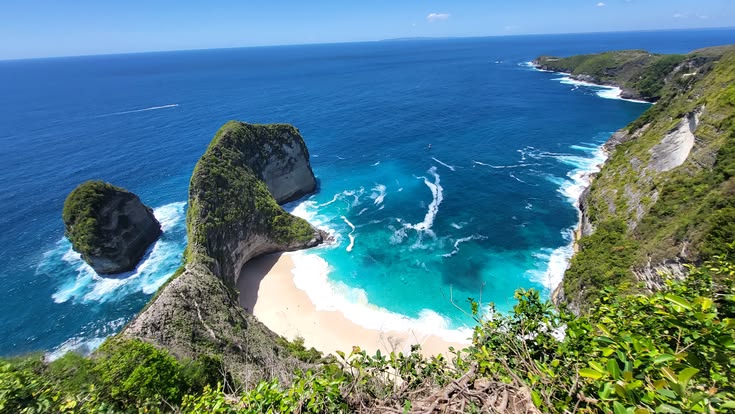
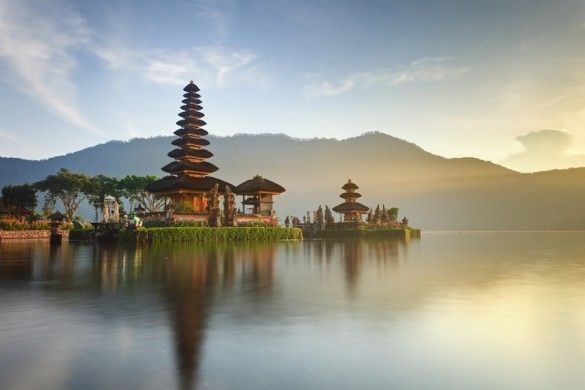
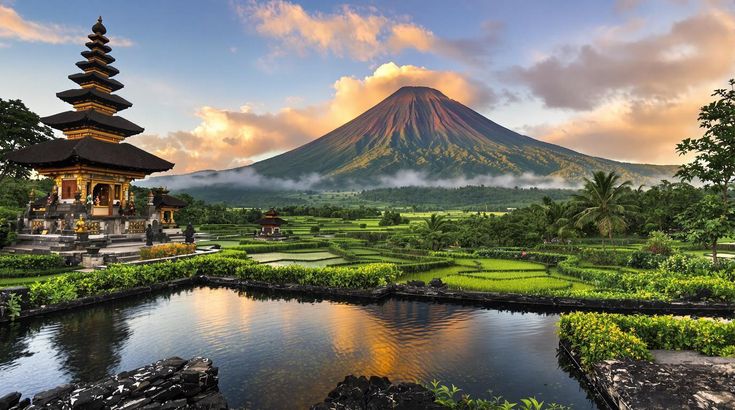
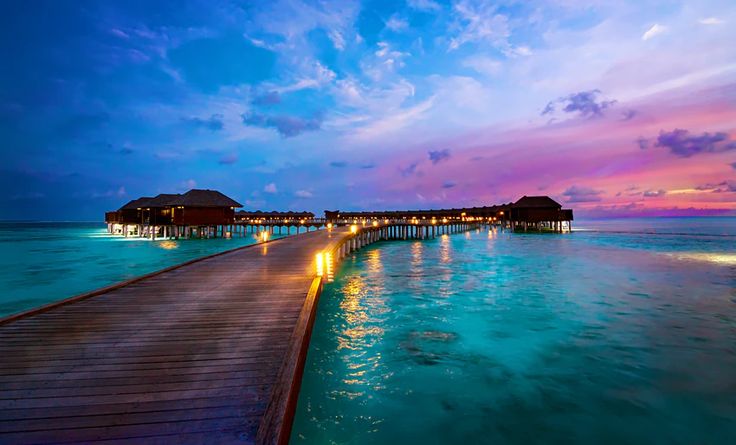



Malaysia is two very different countries wearing one flag, and the best places to visit in Malaysia are split across both of them. Peninsular Malaysia gives you cities, colonial port towns, tea hills and calm island beaches, all linked by good roads and cheap flights. Malaysian Borneo, the states of Sabah and Sarawak, gives you rainforest, wild rivers, caves and a serious mountain. Most first time visitors plan for one and then wish they had planned for the other.
This Malaysia travel guide walks through twelve places worth your time, who each one suits and the one thing that catches people out. Read the weather section first, because in Malaysia timing decides everything.
Malaysia has two monsoons, and one of them closes the islands
The northeast monsoon runs roughly from November to February and hits the east coast of the peninsula. This is the one that ruins trips. Boats to the Perhentian Islands stop running, most resorts there shut for the season, Redang goes quiet and Tioman drops to reduced or suspended service. Things reopen around March, though the sea stays rough into April.
The southwest monsoon, roughly May to September, is gentler and mostly means afternoon rain on the west coast. That is why the answer to the best time to visit Malaysia is not one season but two. For the east coast islands, aim for May to September. For Langkawi, Penang and the west coast, November to March is drier and calmer. Borneo is wettest from November to February as well, but Sabah and Sarawak never really close.
Kuala Lumpur is the obvious start, and it earns it
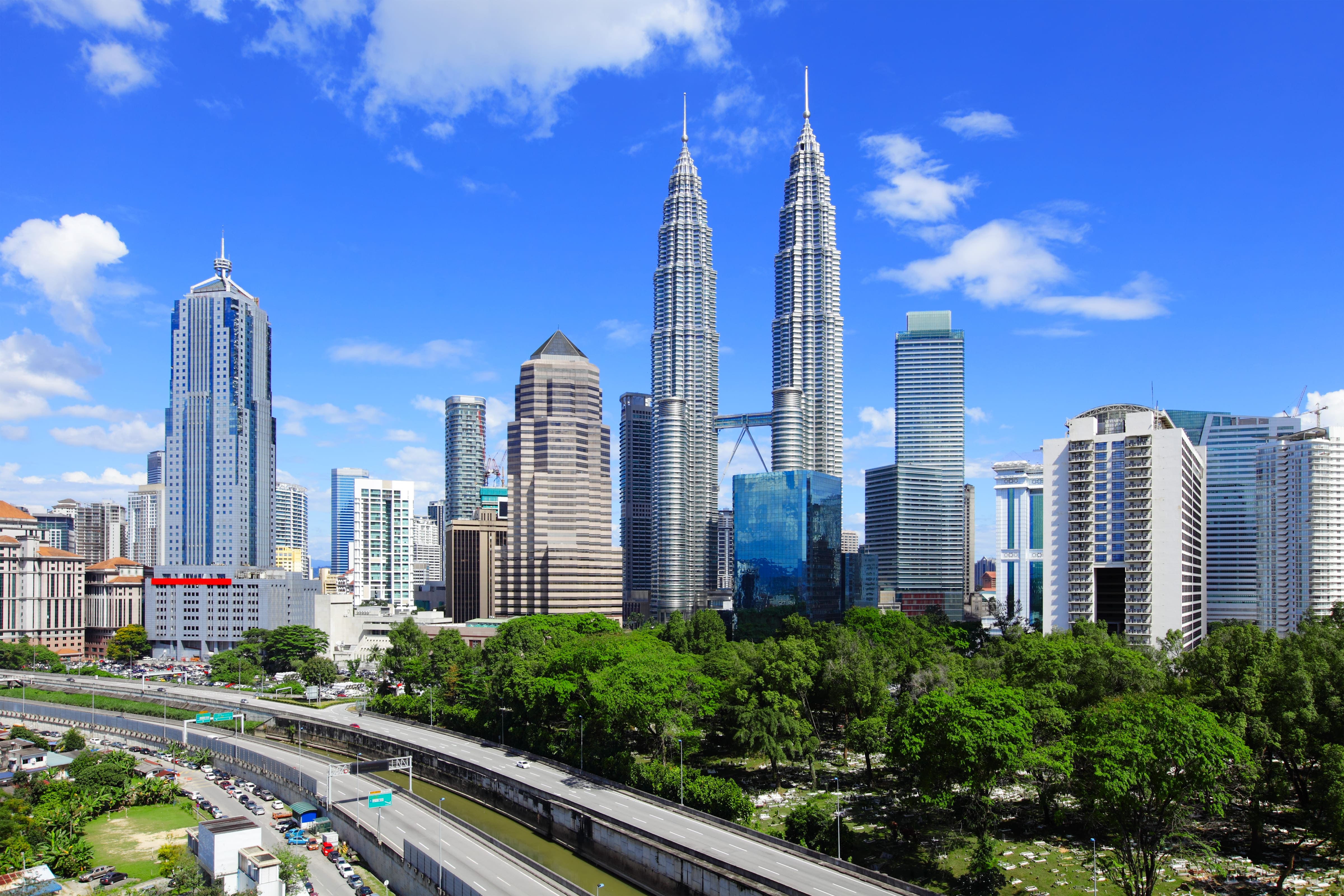
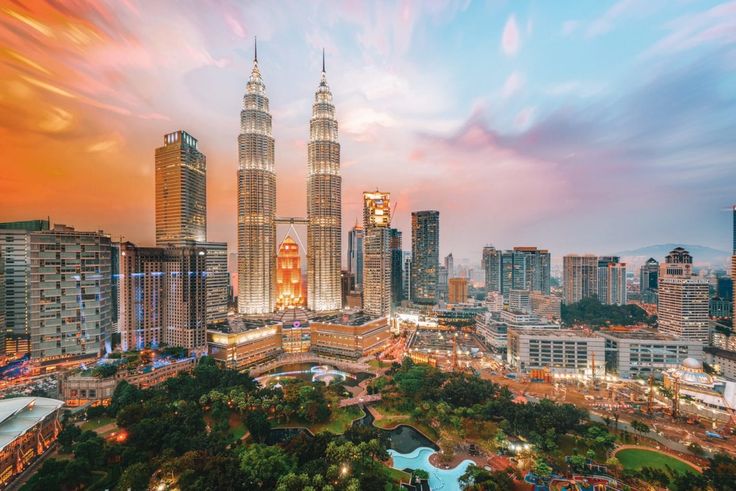
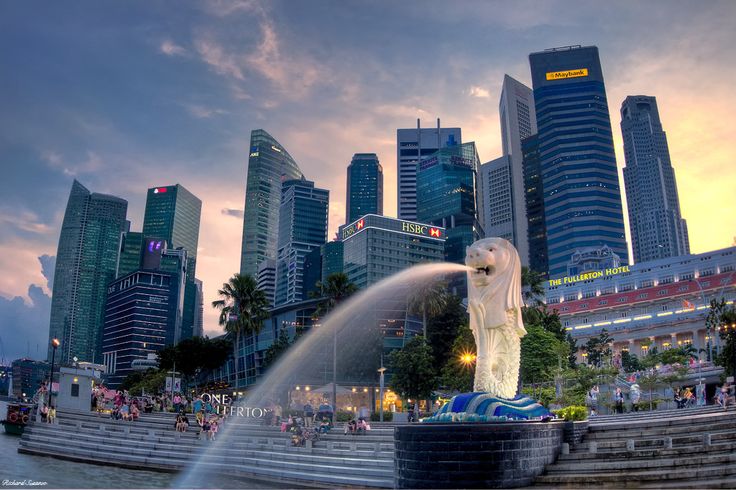
Almost every Malaysia itinerary opens in Kuala Lumpur, because that is where the long haul flights land. The Petronas Twin Towers, at 451.9 meters, are still the tallest twin towers in the world, but no longer the tallest thing in the city. Merdeka 118 tops out at 678.9 meters, making it the tallest building in Malaysia and the second tallest in the world.
Beyond the towers, KL is about food courts, night markets, the Batu Caves steps outside the center and some good museums. It suits first timers, families and anyone with a short stopover.
Honest warning: traffic is bad and sidewalks are patchy. Use the trains, and allow buffer time to the airport, which sits well outside the city.
Penang and George Town are the food capital
George Town, the UNESCO listed old center of Penang, is where most travelers eat the best meals of their trip. Chinese shophouses, Indian temples, colonial buildings and street art sit in a small grid you can cover on foot. It suits food travelers, couples, photographers and anyone who likes a city they can walk. Two nights is the sweet spot, three if you want Penang Hill and the beaches at Batu Ferringhi.
Honest warning: famous hawker stalls close on rotating days and some shut by early afternoon. Check before building a plan around one.
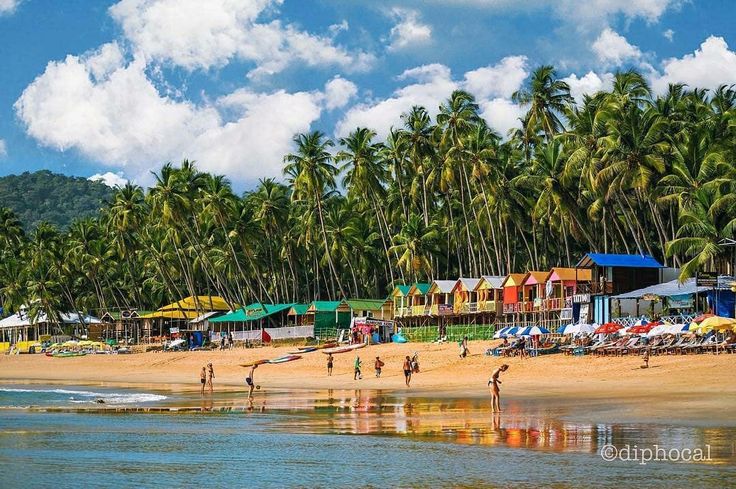
Langkawi is the easy beach island
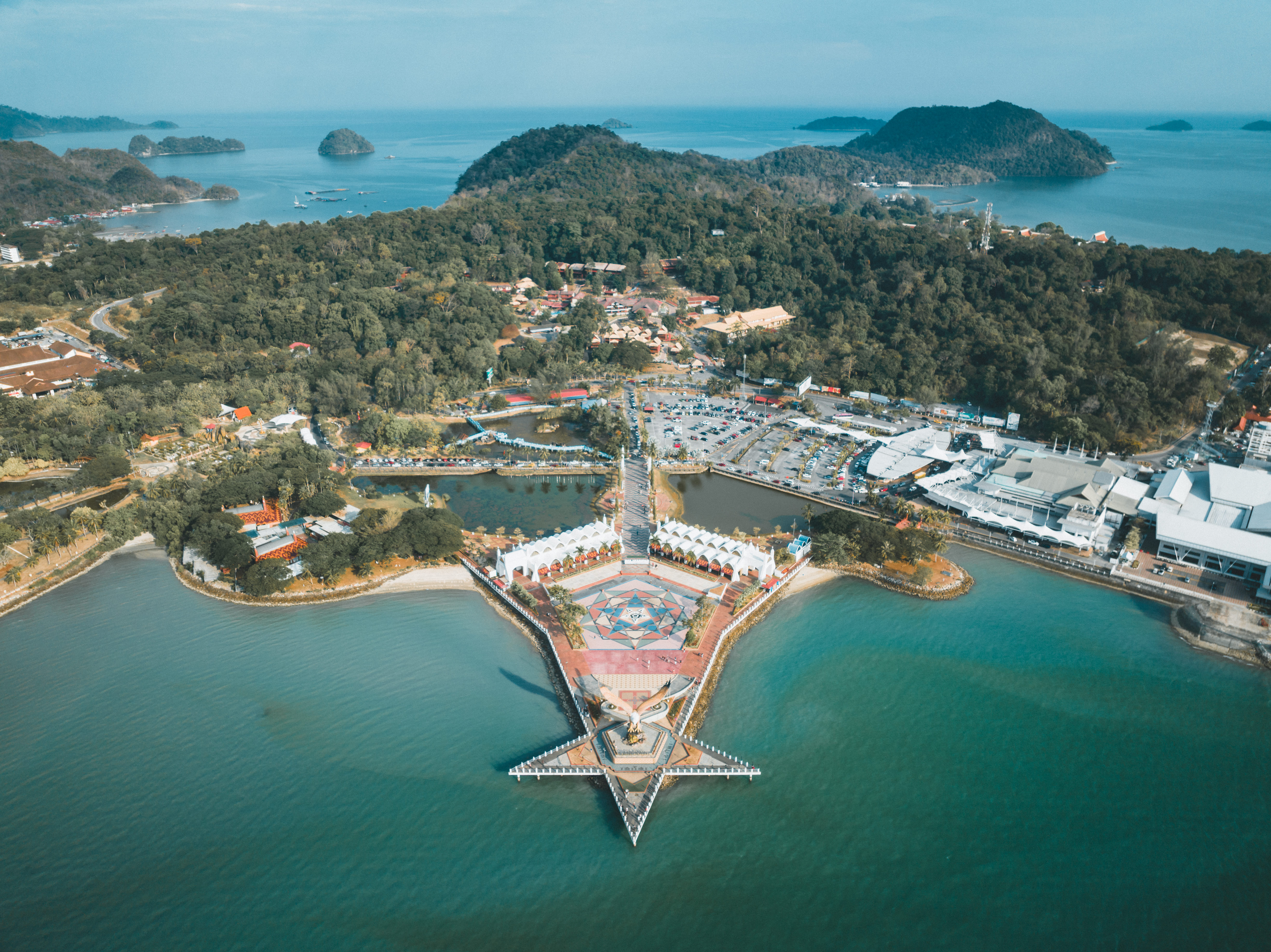
Langkawi sits off the northwest coast, close to the Thai border, and is the most accessible beach destination in the country. Flights from KL are constant, there is a ferry from Penang, and the island has everything from simple guesthouses to serious resorts. The SkyCab cable car and the sky bridge are the standout non beach attractions. This is the classic couples pick, which is why our Malaysia and Langkawi Honeymoon Tour is built around it, and it works well for families who want a low effort week.
Honest warning: Langkawi is large and spread out. Without a rental car or scooter you will rely heavily on taxis, so pick your beach carefully.
Malacca is the history stop
Malacca, spelled Melaka locally, is the other UNESCO city, about two hours south of KL by road. Portuguese, Dutch and British rule all left something behind, and the Peranakan heritage shows up in the architecture and the food. Jonker Street comes alive on weekend nights. It suits history minded travelers and anyone doing an overland route toward Singapore, and one night is usually enough.
Honest warning: Malacca is quiet midweek. For the night market and the atmosphere, be there Friday to Sunday.
Cameron Highlands and Ipoh cool things down
The Cameron Highlands are Malaysia's tea country, high enough that you will want a jacket at night. Tea estates, strawberry farms, mossy forest trails and cool air make a good break from the coast. Ipoh, on the way, is a former tin mining town with limestone cave temples, white coffee and one of the country's better food scenes. Both suit families, older travelers and anyone tired of the humidity, and two nights in the highlands plus one in Ipoh fits neatly between KL and Penang.
Honest warning: the road up is winding and slow, and weekend or holiday traffic can double the journey. Travel midweek if you can.
Taman Negara is one of the oldest rainforests on earth
Taman Negara is the peninsula's flagship national park, a lowland rainforest estimated to be well over a hundred million years old. You get canopy walkways, river trips, night walks and jungle treks, usually reached by road and a long boat ride from Kuala Tahan. It suits active travelers, families with older kids and anyone who wants rainforest without flying to Borneo.
Honest warning: big animal sightings are rare. Come for the forest, birds and walkways, not tigers or elephants, and expect leeches after rain.
The Perhentian Islands are the best snorkeling on the peninsula
The Perhentians, off the northeast coast, deliver clear water, turtles, reef sharks and simple beach life. There are two main islands, Besar for a quieter and more comfortable stay, Kecil for backpackers and diving schools. They suit divers, snorkelers, budget travelers and couples who want a beach with no nightlife pressure.
Honest warning: the islands effectively shut from around November to February. Boats stop and resorts close, so plan for May to September.
Tioman is the island with a bit more life
Tioman sits off the southeast coast and is bigger, greener and more mountainous than the Perhentians, with villages, jungle trails and duty free status. Diving is good, the beaches are quiet, and you reach it by ferry from Mersing or Tanjung Gemok. It suits divers, couples and travelers combining Malaysia with Singapore, since it is closer to that end of the country, and our Singapore and Malaysia Tour covers that pairing.
Honest warning: Tioman also winds down during the northeast monsoon, and ferry times shift with sea conditions even in good months. Never book a tight onward flight the day you leave.
Kota Kinabalu and Mount Kinabalu open up Borneo
Kota Kinabalu is the gateway to Sabah, with sunsets, island hopping in Tunku Abdul Rahman Marine Park and easy access to the mountain. Mount Kinabalu itself, at 4,095 meters, is the highest peak between the Himalaya and New Guinea, and the summit sunrise is the reason most people come.
The climb is regulated. Sabah Parks issues a limited number of climbing permits per day, currently 163, a licensed mountain guide is compulsory, and single day climbs are no longer allowed, so every climb is a minimum two days and one night with a booked overnight stay on the mountain.
Honest warning: permits sell out months ahead for weekends and holidays. If the summit matters, book it before anything else.
Sepilok and the Kinabatangan river are the wildlife pair
Near Sandakan in eastern Sabah, the Sepilok Orangutan Rehabilitation Centre runs feeding sessions at 10am and 3pm, and the Bornean Sun Bear Conservation Centre sits right next door at the same entrance. Both are open to visitors and both are genuine conservation projects rather than shows.
From there, most people continue to the Kinabatangan river for boat safaris. Realistic sightings include proboscis monkeys, long tailed macaques, hornbills, crocodiles and plenty of birds, with pygmy elephants and wild orangutans possible but never guaranteed.
Honest warning: the orangutans are encouraged to forage in the wild, so in fruiting season they often skip the feeding platform. Nobody can promise a sighting.
Mulu caves are Sarawak's big one
Gunung Mulu National Park is a UNESCO World Heritage Site in Sarawak built around some of the largest cave systems on the planet, including Deer Cave and Clearwater Cave. The evening bat exodus, when millions of bats stream out of Deer Cave, is the signature sight. It suits caving enthusiasts, photographers and travelers who want something few people have done.
Honest warning: there is no road in, only small aircraft. Flights are limited, cancellations happen, and the bat exodus does not occur in rain, so allow two nights.
Where to go in Malaysia at a glance
| Place | Region | Best for | When to go |
|---|---|---|---|
| Kuala Lumpur | Peninsular Malaysia | First timers, stopovers, city food | Year round |
| Penang and George Town | Peninsular Malaysia | Food travelers, walkable heritage | Nov to Mar |
| Langkawi | Peninsular Malaysia | Honeymooners, families, easy beaches | Nov to Apr |
| Malacca | Peninsular Malaysia | History, weekend trips | Year round, weekends |
| Cameron Highlands | Peninsular Malaysia | Cool weather, tea estates | Year round, midweek |
| Ipoh | Peninsular Malaysia | Cave temples, coffee, food | Year round |
| Taman Negara | Peninsular Malaysia | Rainforest treks, canopy walks | Mar to Sep |
| Perhentian Islands | Peninsular Malaysia | Snorkeling, diving, budget beaches | May to Sep only |
| Tioman | Peninsular Malaysia | Diving, quiet island time | Mar to Oct |
| Kota Kinabalu and Mount Kinabalu | Malaysian Borneo | Climbers, island hopping | Mar to Sep |
| Sepilok and Kinabatangan | Malaysian Borneo | Wildlife, river safaris | Year round |
| Mulu caves | Malaysian Borneo | Caving, adventure travel | Year round |
Entry paperwork you need to sort before you fly
Nearly all foreign visitors must submit the Malaysia Digital Arrival Card, no more than three days before arrival, on the official portal at the Malaysian Immigration Department's MDAC site. It is free, and the main exemptions are Malaysian citizens and permanent residents, Singapore citizens, diplomatic and official passport holders, and certain Brunei, Thai and Indonesian border pass holders. Copycat sites charge for it, so use the government address only.
On visas, around fifty countries including the UK, most of the EU, the United States, Australia, Canada and New Zealand enter without one, and ASEAN nationals get visa free entry too. Indian and Chinese passport holders currently have a visa exemption running to 31 December 2026. Everyone else applies through the official eVISA portal at malaysiavisa.imi.gov.my. Confirm your own nationality on the official site, since these rules change.
One thing that surprises people: Sabah and Sarawak run their own immigration control. Even on a domestic flight from KL you clear immigration again on arrival and get a fresh entry pass for that state. No second arrival card is needed, but keep your passport handy.
How to plan your Malaysia trip
Pick one side and do it properly. Ten days on the peninsula covers Kuala Lumpur, Malacca, Cameron Highlands, Penang and Langkawi at a comfortable pace. Ten days in Borneo covers Kota Kinabalu, the mountain, Sepilok and the Kinabatangan, plus Mulu if you can handle the flight schedule.
With two weeks or more, do one week on each and connect them with a short flight into Kota Kinabalu or Kuching. Domestic flights are frequent and cheap, so internal travel is the least of your worries.
Malaysia also pairs neatly with its neighbors, which is why a lot of travelers combine it with Singapore or add Thailand at the front, as our Thailand, Singapore and Malaysia Tour does. If Thailand is on your list, our guide to what to do in Thailand is a useful companion read. For everything from short city breaks to full Borneo routes, browse our Malaysia tour packages and we will shape one around your dates.
Frequently asked questions about visiting Malaysia
What is the best time to visit Malaysia?
It depends which coast you want. For the east coast islands like the Perhentians and Tioman, travel between May and September. For Langkawi, Penang and the west coast, November to March is drier. Kuala Lumpur, Malacca and Borneo work year round.
How many days do you need in Malaysia?
Ten days covers either Peninsular Malaysia or Malaysian Borneo properly, not both. Two weeks lets you split the trip, spending about a week on each side and connecting with a short domestic flight. Anything under a week is best kept to KL, Malacca and Penang.
Do I need a visa to visit Malaysia?
Around fifty nationalities, including the UK, most EU countries, the United States, Australia, Canada and New Zealand, enter visa free, as do ASEAN nationals. Indian and Chinese passport holders are exempt until 31 December 2026. Others apply through the official eVISA portal before travel.
Is the Malaysia Digital Arrival Card compulsory?
Yes, for almost all foreign travelers. Submit it on the official immigration portal no more than three days before arrival. Malaysian citizens and permanent residents, Singapore citizens, diplomatic passport holders and certain border pass holders are exempt. The official submission is free of charge.
Which is better for a first trip, Peninsular Malaysia or Borneo?
Peninsular Malaysia is easier for a first trip, with short distances, good roads and a mix of cities, heritage towns, highlands and beaches. Choose Malaysian Borneo if wildlife, caves or climbing Mount Kinabalu is the main reason you are going.
Do I need to book the Mount Kinabalu climb in advance?
Yes, and early. Sabah Parks caps daily climbing permits at 163, a licensed mountain guide is compulsory, and every climb is a minimum of two days and one night. Weekend and holiday dates sell out months ahead, so book before anything else.
'/%3E%3C/svg%3E)