








Thailand rewards almost every kind of traveler, which is exactly why deciding what to do in Thailand can feel harder than booking the flight. One country gives you a capital city that never really sleeps, limestone islands in warm green water, hill towns with cool mornings, and food good enough to plan a whole trip around. There are more good places to go in Thailand than any single trip can hold, so this guide lays the country out region by region, and tells you which parts to skip.
Reasons to visit Thailand, honestly stated
Thailand is easy. That is the real reason it works. Getting between cities is quick and frequent, English is widely used in tourist areas, the food is cheap and excellent at every level, and you can go from a temple morning to a beach afternoon without much planning. Few countries pack this much variety into short travel distances.
It is also crowded in the obvious places, and that matters. The famous beaches and the famous markets carry famous crowds. The good news is that stepping one town sideways usually solves it, and this guide points to those sideways steps. If you want the whole thing arranged around your dates, our Thailand tour packages cover the main routes.
When is the best time to visit Thailand?
November to February is the sweet spot: dry, cooler, and comfortable for walking around cities and ruins. It is also the busiest stretch of the year, so book well ahead. The rest of the year has real trade offs worth knowing before you commit.
| Season | Months | What it is actually like |
|---|---|---|
| Cool and dry | November to February | Best weather nationwide. Peak crowds. Loy Krathong and Yi Peng light up the north in November. |
| Hot | March to May | Heavy heat, especially inland. Songkran, the water festival, runs April 13 to 15 and shuts down normal life in the best way. |
| Green and wet | June to October | Rain comes in short afternoon bursts more often than all day. Fewer people, greener landscapes, easier bookings. |
Two timing traps the glossy guides tend to skip. First, northern Thailand has a burning season roughly from February into April, when agricultural smoke settles over Chiang Mai and air quality drops sharply. If clean air matters to you, go north outside those months. Second, the Andaman marine parks close seasonally, covered below.
Places to visit in Bangkok, and how long to give it
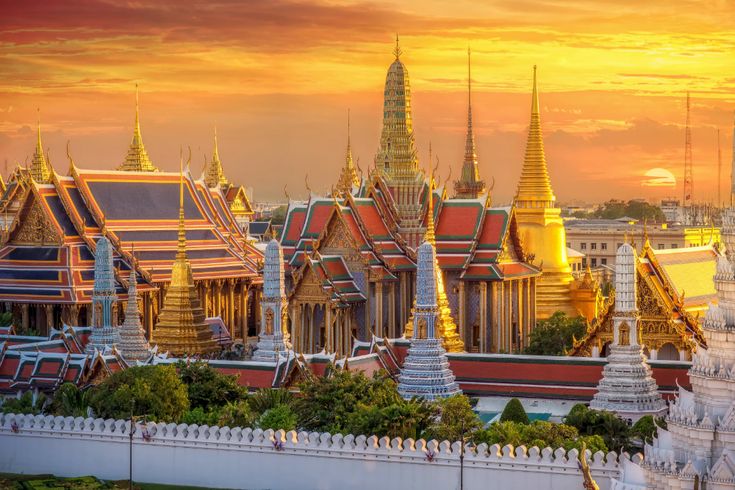
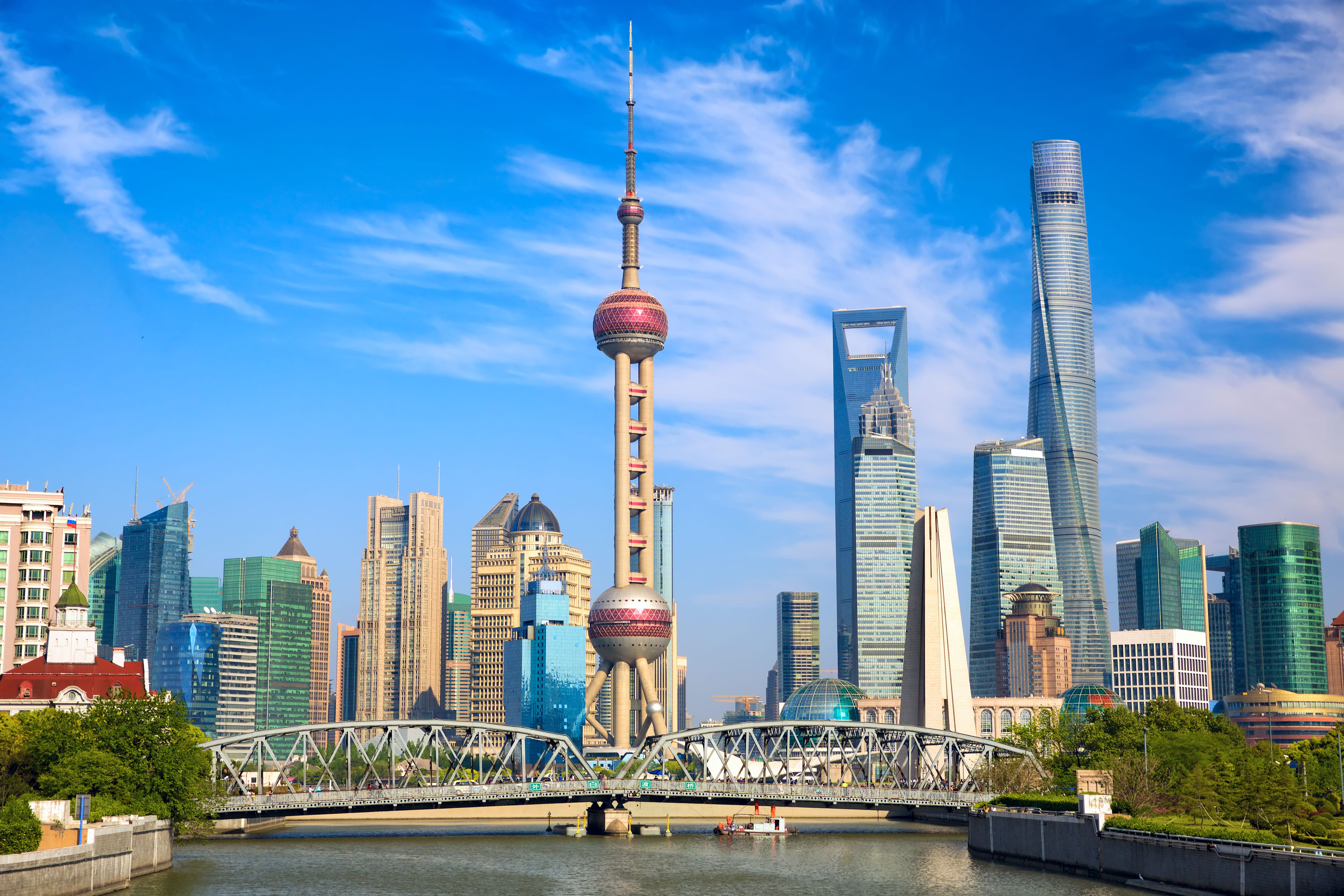
Three days is the right length for Bangkok. Two feels rushed, five and you will be looking for the coast. Start with the Grand Palace and Wat Pho early in the morning, before the heat and the tour groups arrive together. Both are working religious sites, so cover your shoulders and knees or you will be turned away at the gate.
After that, the city gets more interesting than its landmark list suggests. Ride the Chao Phraya express boat instead of taking taxis along the river. Eat your way through Chinatown after dark on Yaowarat Road. Spend a Saturday or Sunday getting lost in Chatuchak, which only runs on weekends and is one of the largest markets anywhere.
Many people pair the capital with a short coastal add on, which is what our Bangkok and Pattaya trip is built around when time is tight.
Thailand markets: which ones deserve your morning
Here is the unpopular opinion. Skip Damnoen Saduak. It is the floating market you have seen in every photograph, and it now runs almost entirely on tour buses, with vendors selling souvenirs to visitors rather than produce to neighbors. You will pay for a boat, get photographed, and leave.
Go to Amphawa instead. It operates Friday through Sunday from early afternoon into the evening, it is genuinely a local weekend market, the grilled river prawns are the point, and boats head out after dark to see fireflies in the mangroves. For night markets, Chiang Mai's Sunday Walking Street and Bangkok's train markets are both better uses of an evening than any daytime floating market.
Best islands in Thailand and where the beaches really are
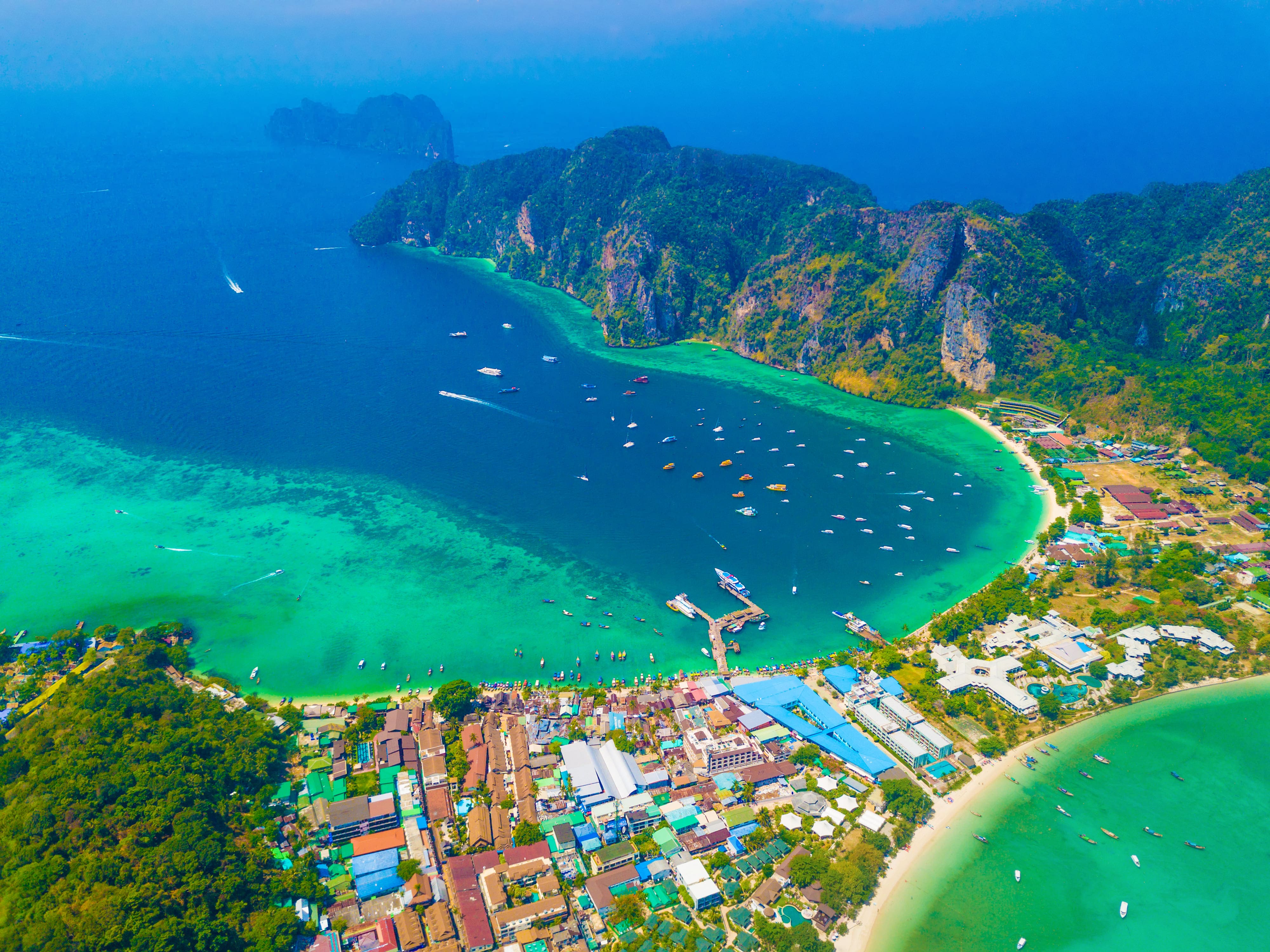
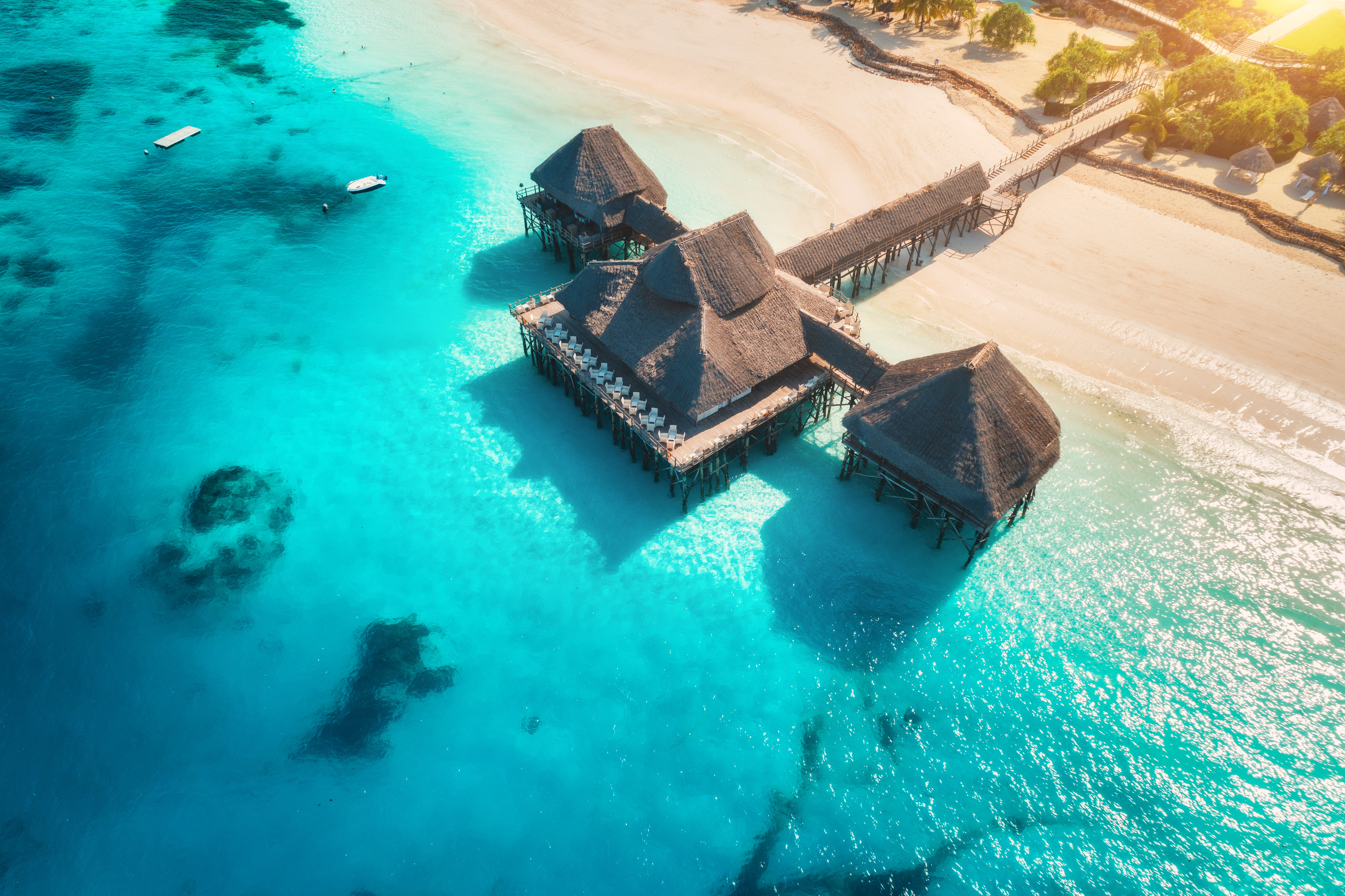
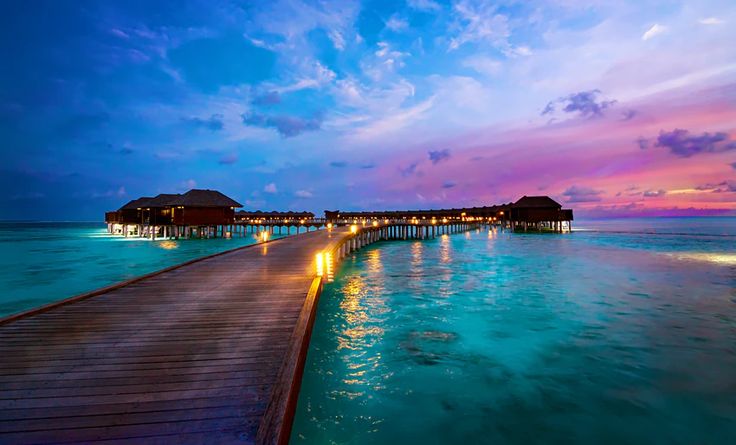
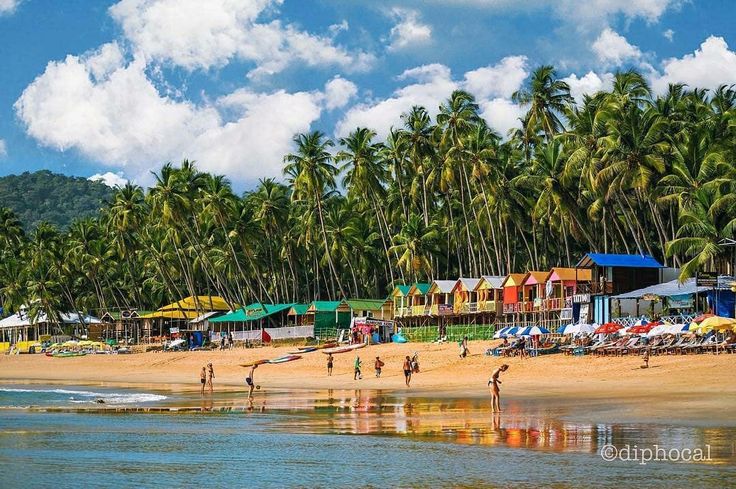
Thailand has two separate coasts with opposite weather patterns, and understanding that one fact will save your beach days. The Andaman side, home to Phuket, Krabi and the Phi Phi islands, is at its best from November to April. The Gulf side, with Koh Samui and Koh Tao, holds up better through the middle of the year and gets its worst weather around October and November.
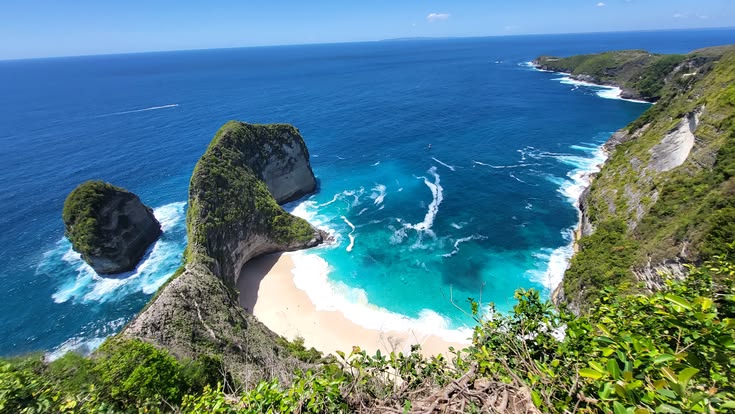
Krabi is the pick if you want dramatic scenery you can reach without much effort, with limestone towers rising straight out of the water at Railay and kayaking through the mangroves at Ao Thalane. Phuket is the pick if you want infrastructure, nightlife and easy day trips. Koh Tao is where most people in Asia learn to dive. Koh Samui suits couples who want comfort more than adventure.
Two seasonal closures to plan around. The Similan and Surin islands, the best snorkeling and diving in the country, close every year from mid May to mid October and simply cannot be visited in that window. Maya Bay on Phi Phi Leh closes each August and September, and even when open, access to the water inside the bay is restricted to protect the reef recovery.
We go much deeper on individual stretches of sand in our guide to Thailand's best beaches. For itineraries that combine the capital with the Andaman coast, look at the Bangkok, Phuket and Krabi route or the shorter Bangkok and Krabi trip. Couples usually want the Koh Samui honeymoon route instead.
Chiang Mai and northern Thailand: cooler air, older stones, better coffee
Northern Thailand feels like a different country from the beaches, and skipping it is the most common mistake first time visitors make. Chiang Mai has a walled old city dense with temples, a serious cafe culture, and mountains twenty minutes away. Chiang Rai adds Wat Rong Khun, the white temple built by artist Chalermchai Kositpipat, which looks less like a temple than a sculpture someone kept adding to.
If ruins interest you, Ayutthaya and Sukhothai are both UNESCO World Heritage sites and both are best explored by bicycle in the early morning. Ayutthaya is close enough to the capital for a long day trip. Sukhothai takes more effort and rewards it with far fewer people. Our Bangkok, Chiang Rai and Chiang Mai route strings the northern highlights together.
Elephant sanctuaries in Thailand: do this one carefully
Do not ride elephants, and avoid anywhere advertising shows, painting or circus style performances. The training that makes those possible is the problem. Look instead for sanctuaries that let you observe, feed and walk alongside the animals without riding, and that are transparent about where their elephants came from. Ask directly. A genuine sanctuary will answer happily.
Is Thailand safe for visitors?
Yes, broadly. Violent crime against tourists is rare and Thailand handles millions of visitors a year without incident. Your realistic risks are ordinary ones: road accidents, especially on rented motorbikes, which is the single biggest danger tourists face here; petty theft in crowded places; and the standard scams, usually a friendly stranger telling you an attraction is closed today and offering an alternative. It is not closed.
Practical habits cover most of it. Use metered taxis or ride hailing apps. Do not rent a motorbike without a license and a helmet. Drink bottled water. Keep your passport in the hotel safe and carry a photo of it instead. Solo travelers, including women traveling alone, generally find Thailand one of the more comfortable countries in the region.
Thailand travel tips to sort out before you fly
The one piece of paperwork nobody can skip is the Thailand Digital Arrival Card. Since May 2025, every non Thai national arriving by air, land or sea must submit it, and you should do it within three days before you arrive. It takes a few minutes on the official Thai Immigration Bureau arrival card portal. The Tourism Authority of Thailand also publishes a step by step guide to the arrival card.
Visa rules depend on your passport and changed during 2026, including the length of visa free stays. Check your own government's travel advice and the Thai embassy that covers you before booking, because guides written even a year ago are already out of date on this.
Beyond that: carry cash for markets and small restaurants, buy a local SIM at the airport, wear covered shoulders and knees on temple days, take your shoes off where you see others doing it, and never say anything disrespectful about the Thai royal family, which is a criminal offense.
Common questions about what to do in Thailand
What are the best places to go in Thailand for a first visit?
Bangkok for three days, then one coast, then the north if you have the time. That order works because you land in the capital anyway, the beaches reward a longer stay, and Chiang Mai is the part most people regret skipping. Trying to cover all three in under ten days means spending your trip in transit.
How many days do you need in Thailand?
Ten days is the practical minimum for a first trip that includes both a city and a coast without feeling rushed. Two weeks lets you add the north. Anything under a week is best spent in one region rather than split across the country, because internal travel will eat your days.
What is the number one thing to do in Thailand?
Eat. Thai food at street level is the country's greatest attraction. Beyond that, most people's standout memory is a specific place rather than an activity: an island morning before the boats arrive, or a temple courtyard at opening time.
Which month should I avoid in Thailand?
There is no bad month countrywide, only bad month and region combinations. Avoid the north from February to April because of smoke haze, avoid the Andaman marine parks from mid May to mid October when they close, and avoid the Gulf islands in October and November when their rain peaks.
Do I need to book tours in advance in Thailand?
For the peak November to February window, book accommodation and any island transfers ahead, because the good options fill up. Day tours can usually be arranged locally a day or two before. Anything involving a seasonal marine park should be confirmed in advance because the dates are fixed.
Is Thailand a good destination for families with children?
Thailand is one of the easiest countries in Asia to travel with children. Thai culture is openly warm toward kids, restaurants accommodate them without fuss, and the beach resorts on the Gulf coast and around Phuket are set up for families. Shorter travel legs work better than ambitious multi region routes.
The honest answer to what to do in Thailand is: less than you think. Pick two regions, give each of them real time, eat everything put in front of you, and leave the rest for next time. Most people come back.
'/%3E%3C/svg%3E)