


+977-9709047652
Explore by Country
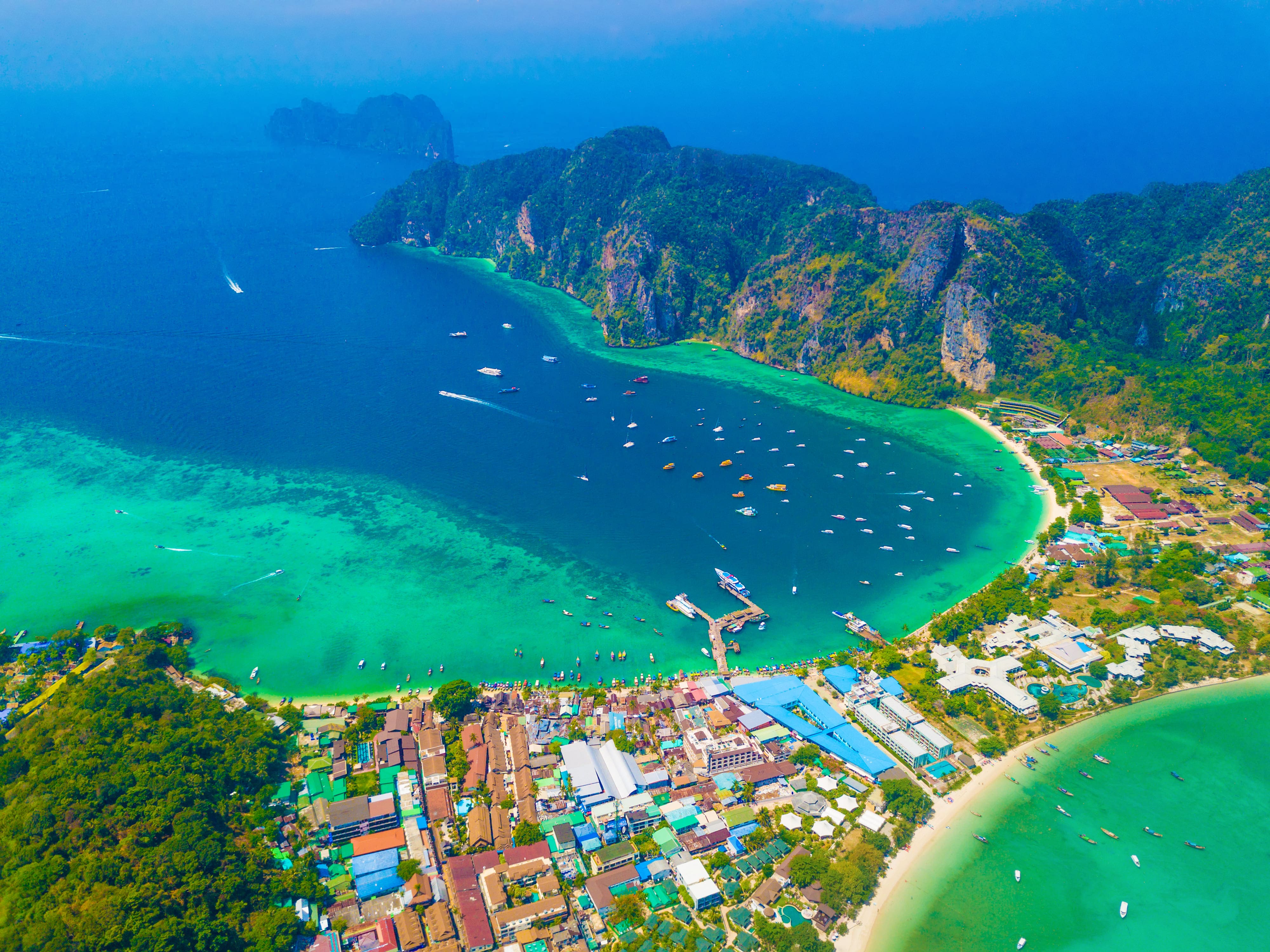
See all 12 Thailand packages
Most popular pick
See all 12 Thailand packages
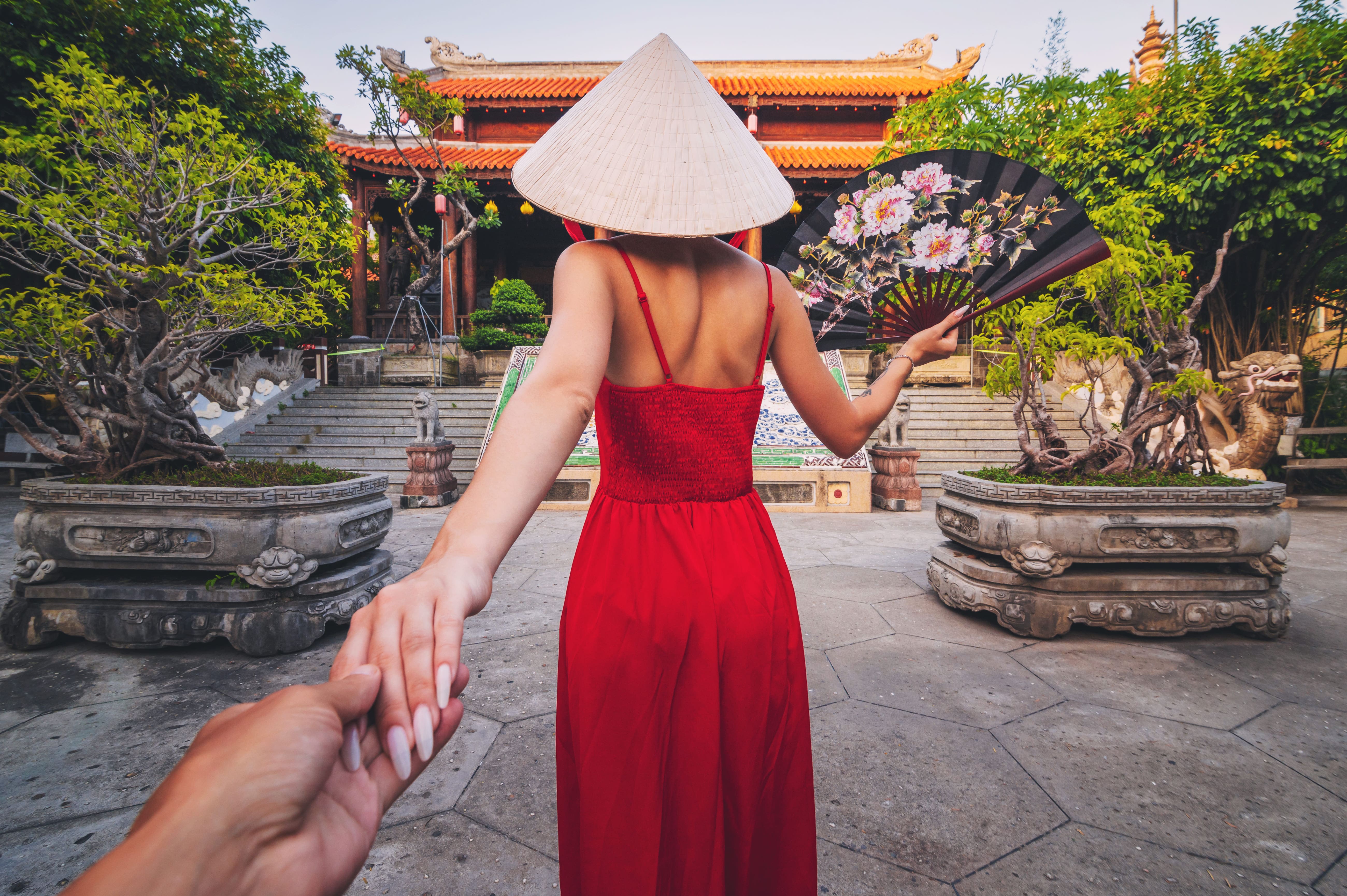
See all 8 Vietnam packages
Most popular pick
See all 8 Vietnam packages
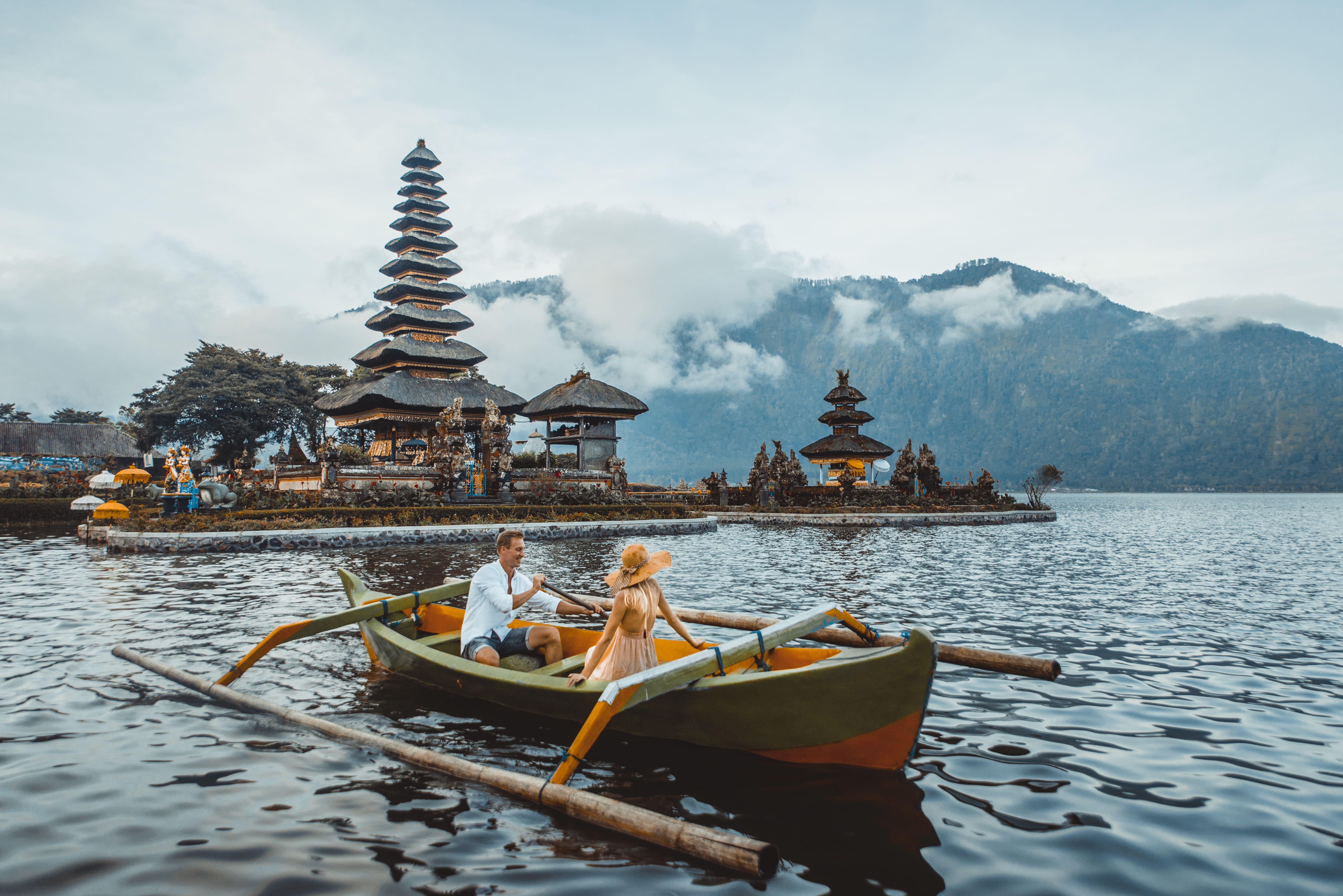
See all 4 Indonesia (Bali) packages
Most popular pick
See all 4 Indonesia (Bali) packages
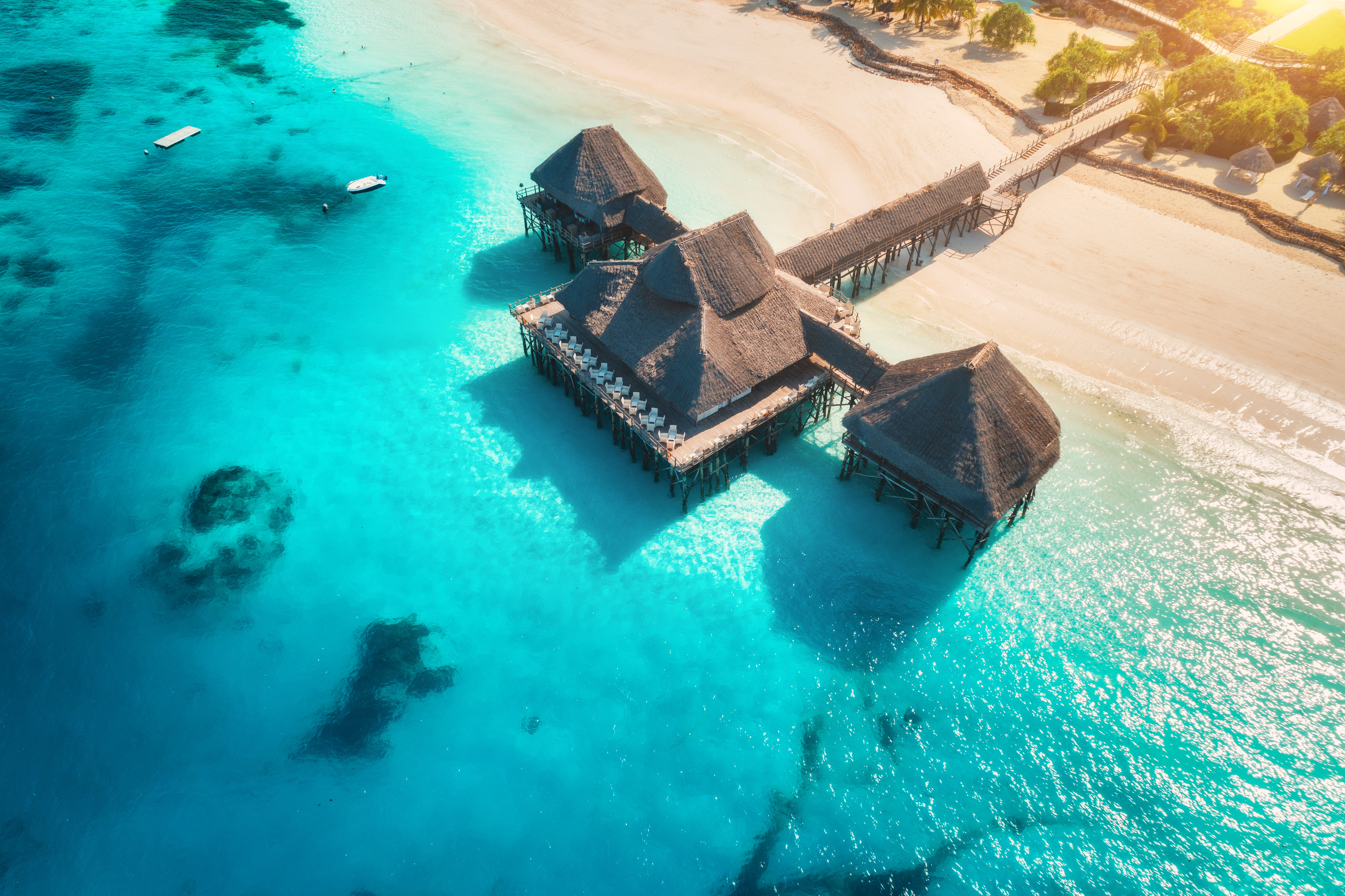
See all 3 Maldives packages
Most popular pick
See all 3 Maldives packages
See all 3 China packages
Most popular pick
See all 3 China packages
See all 2 Sri Lanka packages
Most popular pick
See all 2 Sri Lanka packages
See all 3 Malaysia packages
Most popular pick
See all 3 Malaysia packages
See all 2 Singapore packages
Most popular pick
See all 2 Singapore packages
See all 2 Kenya packages
Most popular pick
See all 2 Kenya packages
See all 4 India packages
Most popular pick
See all 4 India packages
Search Tours or Places
Blog / Thailand

Best Beaches in Thailand You Shouldn't Miss

15 min read 28 Oct 2024

Thailand has more good beaches than most countries have coastline. That is the real problem when you plan a trip here. Not finding a nice beach, but working out which one actually suits you, because a beach that is perfect for one traveller is a bad week for another.

This guide covers thirteen of the best beaches in Thailand, grouped by coast, with an honest note on who each one is for. Some are busy. Some take effort to reach. One of them you are not allowed to swim at, which very few articles bother to mention.

Thailand has two coasts, and their seasons are opposite

This is the single most useful thing to understand before you book, and it is the mistake that ruins the most Thai beach holidays.

The Andaman coast on the west side covers Phuket, Krabi, Phi Phi, Koh Lanta and Koh Lipe. Its dry season runs roughly from November to April, and December to March gives you the calmest sea and the most reliable island hopping. From May to October the southwest monsoon brings rougher water and ferry cancellations.

The Gulf coast on the east side covers Koh Samui, Koh Phangan and Koh Tao. It runs on a different rainfall calendar. Its wettest stretch is roughly September to December, with November usually the worst of it, so the Gulf islands tend to be at their best from January onward and through the middle of the year.

The practical takeaway: in December, head west. In June and July, head east. If you try to do both coasts in one short trip, one half of it will probably be wet.

Railay Beach, Krabi

Railay is on the mainland, but limestone cliffs cut it off from the road, so the only way in is by longtail boat. That one fact is why it still feels different from everywhere else. No cars, no motorbikes, no traffic noise.

Railay is really four beaches. Railay West has the sunset and the swimming. Railay East is mangrove and mud at low tide, so it is where the cheaper rooms are rather than where you sunbathe. Phra Nang Cave Beach around the headland is the postcard one, with clear shallow water and a cave shrine at the far end. Tonsai next door is the climbing and backpacker corner.

Rock climbers come here from all over the world for the cliff routes. If you have never climbed, the schools on the beach will take you up something easy in a morning.

Good for: climbers, photographers, anyone who wants dramatic scenery without a long boat journey. Watch out for: Railay East is not a swimming beach, so book on the west side if the beach itself matters to you.

Maya Bay, Koh Phi Phi Leh

Maya Bay is the beach from the film The Beach, and it is the one most people picture when they think of Thailand. It is also the most misunderstood entry on this list, because the rules changed completely and a lot of older articles still describe a place that no longer exists.

Here is what is actually true now. Maya Bay closed for years so the reef and the beach could recover, and it reopened under strict national park control. Swimming is not allowed in the bay. Neither is snorkelling. Rangers enforce it, and you are expected to stay ankle deep at the shoreline. Boats no longer pull up on the sand either. They enter through Loh Samah Bay at the back of the island and you walk in over a floating pier and a boardwalk.

Visits are timed. Most groups get around an hour ashore. The bay also closes completely every year from 1 August to 30 September, with the exact dates confirmed by the national park each July, so if you are travelling in those two months you will not get in at all.

None of that makes it not worth going. It is still an extraordinary place to stand in, and it is far cleaner and quieter than it was in its overcrowded years. Just go knowing it is a look, not a swim. If swimming and snorkelling are the point, most day trips pair Maya Bay with stops at Pileh Lagoon or Bamboo Island, and that is where you actually get in the water.

Good for: the view, the photograph, the story. Watch out for: book a trip that includes real snorkelling stops elsewhere, or you will spend the day looking at water you cannot enter.

Patong Beach, Phuket

Patong is the loudest beach in Thailand and it does not pretend otherwise. Three kilometres of sand backed by hotels, malls, tailors, massage shops and the whole Bangla Road nightlife strip.

Every water activity you can think of is sold here, from jet skis to parasailing. Food and shopping are a two minute walk from your towel. It is easy, it is convenient, and it never stops.

Be honest with yourself about whether that is what you want. Plenty of people love Patong and go back every year. Plenty of others check in, realise their room overlooks a bar street, and spend the week wishing they had booked elsewhere in Phuket.

Good for: nightlife, first time visitors who want everything within walking distance, groups. Watch out for: jet ski rental disputes are a known problem on this beach. Photograph any damage before you take one out.

Kata Beach, Phuket

Kata is what a lot of people actually want when they say Phuket. It is on the same island, twenty minutes south of Patong, and it has restaurants and bars and a proper beach, but at a volume you can hold a conversation over.

The sand is soft, the bay is gently curved, and the water is calm enough in the dry season that small children can swim without a parent standing over them the whole time.

From May to October the swell picks up and Kata turns into Phuket's main surf beach. Boards are easy to rent and the waves are forgiving, which makes it a rare thing in Thailand: somewhere the wet season is genuinely a reason to visit rather than a reason to stay away.

Good for: families, couples, beginner surfers in the green season. Watch out for: that same swell means rip currents. Swim between the flags and take the red flags seriously.

Nai Harn Beach, Phuket

Nai Harn sits at the southern tip of Phuket, hemmed in by green hills, and it stays noticeably quieter than the west coast beaches because there is no long strip of development behind it. A lake and a monastery take up much of the land that would otherwise be hotels.

The water here is some of the clearest on the island from November to April. Locals swim here, which is usually the best signal you can get about a beach.

Good for: couples, swimmers, anyone who wants Phuket without the crowds. Watch out for: fewer restaurants nearby, so plan meals rather than assuming you can wander out and find something.

Ao Nang Beach, Krabi

Ao Nang is not the most beautiful beach in Krabi, and it is not trying to be. It is the base. The pier here is where boats leave for Railay, Phi Phi, Hong Island and the Four Islands trip, and the town behind it has the hotels, the restaurants and the pharmacies.

Think of Ao Nang as your hotel, not your beach. You sleep here and you spend your days on better sand a short boat ride away. For a first trip to Krabi that is a genuinely sensible way to plan it, and it removes a lot of logistics.

The sunsets over the limestone stacks offshore are excellent, and they are free.

Good for: island hopping bases, families who want everything nearby, first visits to Krabi. Watch out for: the beach itself is average and can be rocky at low tide.

Kantiang Bay, Koh Lanta

Koh Lanta is the calm one, and Kantiang Bay near its southern end is the calmest part of it. A curve of pale sand with jungle hills behind and very little on it.

Nothing much happens here, which is the entire appeal. You swim, you read, you eat, the sun goes down over the water directly in front of you. Snorkelling straight off the beach is good, and the road down to this end of the island keeps day trippers away.

Good for: couples, honeymoons, anyone who wants to stop moving. Watch out for: it is a long way from the pier at the north of the island, so factor in the transfer.

Sunset Beach, Koh Lipe

Koh Lipe is the last inhabited island before the Malaysian border, and it gets called the Maldives of Thailand often enough that the nickname has stuck. The water genuinely is that colour.

Sunset Beach is the smallest and quietest of the island's three main beaches. You can walk across the whole island in about half an hour, so quiet here is a matter of a few hundred metres rather than a real journey. Coral starts close enough to shore that you can snorkel without a boat.

Good for: snorkellers, sunsets, travellers willing to go further for fewer people. Watch out for: Lipe is remote and getting there takes most of a day. Much of the island closes down in the wettest months.

Chaweng Beach, Koh Samui

Chaweng is Samui's main event: about six kilometres of white sand with a coral reef offshore that keeps the water flat and shallow at the northern end. Hotels run the length of it, from simple to very expensive.

The north end is calm and family friendly. The centre is where the beach clubs and the nightlife are. The south end quietens down again. Where you book along that strip matters more than most people realise, so read the map before you read the reviews.

Good for: people who want plenty happening, water sports, nightlife with a better beach than Patong has. Watch out for: at the far northern end the reef can leave the water very shallow at low tide.

Lamai Beach, Koh Samui

Lamai is Chaweng's quieter neighbour on the same coast, and for a lot of travellers it is the better choice. Same clear water, fewer hotels, and a town behind it that still feels like a Thai town rather than a resort strip.

There is a small nightlife scene if you want one, and a proper local market if you would rather eat where the residents eat.

Good for: travellers who want Samui without the Chaweng crowds, longer stays. Watch out for: parts of the beach have rocks and a steeper drop, so walk a little before you pick your spot.

Sairee Beach, Koh Tao

Sairee is the longest beach on Koh Tao at 1.85 kilometres, and it is the centre of everything on the island. Koh Tao certifies more new divers than almost anywhere in the world, and most of the schools are on or just behind this beach.

The beach itself is pleasant rather than spectacular. That is not really the point. The point is what is underwater, and the fact that you can go from never having dived to certified in about four days.

Evenings are relaxed. Bars on the sand, fire shows, and a sunset that faces you directly.

Good for: divers and anyone who wants to become one, snorkellers, solo travellers. Watch out for: the swimming area gets busy with boat traffic. Stay inside the marked zones.

Thong Nai Pan, Koh Phangan

Koh Phangan is known for the Full Moon Party at Haad Rin, and that reputation puts a lot of people off an island that is mostly nothing like it. Thong Nai Pan is the proof.

Up on the northeast coast, two bays sit side by side. Thong Nai Pan Noi is the smaller and slightly livelier of the pair, Thong Nai Pan Yai the longer and quieter. Both have soft sand, calm water and a fraction of the crowds you get in the south of the island.

Good for: travellers who want Phangan's scenery without its party reputation, yoga and wellness stays, families. Watch out for: the road across the island is steep and rough in places. Take a taxi rather than a scooter unless you are experienced.

White Sand Beach, Koh Chang

Koh Chang sits in the east near the Cambodian border and is Thailand's third largest island, after Phuket and Koh Samui. You will see it described as the second largest in a lot of places, including some that should know better, but that figure came from an old bad measurement and it is wrong.

White Sand Beach, or Hat Sai Khao, is its longest and best known beach. Powder sand, palms, and forested mountains rising directly behind it.

One honest correction: this is the most developed beach on Koh Chang, not a quiet one. The northern roadside is solid with places to eat, drink and sleep. What is true is that Koh Chang as a whole is far less built up than Phuket or Samui, and the far northern end of this beach stays genuinely peaceful even in high season, because most visitors never walk that far.

Good for: travellers who want an island that is easy to reach overland from Bangkok, families, longer stays. Watch out for: the sea here is at its best in the dry months. This coast has its own weather pattern, so check conditions for Trat province specifically.

The best beaches in Thailand at a glance

BeachWhereCoastBest for
Railay BeachKrabiAndamanRock climbing, scenery, no roads
Maya BayKoh Phi Phi LehAndamanThe view only, no swimming
Patong BeachPhuketAndamanNightlife, water sports, shopping
Kata BeachPhuketAndamanFamilies, beginner surfing
Nai Harn BeachPhuketAndamanClear water, fewer crowds
Ao Nang BeachKrabiAndamanIsland hopping base
Kantiang BayKoh LantaAndamanCouples, quiet, snorkelling
Sunset BeachKoh LipeAndamanSnorkelling, sunsets, remoteness
Chaweng BeachKoh SamuiGulfPlenty happening, water sports
Lamai BeachKoh SamuiGulfSamui at a slower pace
Sairee BeachKoh TaoGulfDiving and dive courses
Thong Nai PanKoh PhanganGulfQuiet bays, wellness stays
White Sand BeachKoh ChangEastEasy access, longer stays

How to choose the right beach in Thailand

If you only have one week, pick one coast and stay on it. Island hopping between the Andaman and the Gulf eats two travel days and usually means one leg in bad weather.

If you want scenery above everything, go to Krabi. The limestone cliffs are what makes photographs of Thailand look like Thailand.

If you want to learn to dive, go to Koh Tao. Nowhere else combines the conditions, the shallow training sites and the sheer number of schools.

If you are travelling with children, Kata, Ao Nang, the north end of Chaweng and White Sand Beach all have calm shallow water and food within walking distance.

If you want quiet, accept that quiet costs a transfer. Kantiang Bay, Thong Nai Pan and Koh Lipe are all peaceful for exactly the same reason: they are awkward to get to.

Frequently asked questions

What is the best beach in Thailand?

There is no single answer, and any article that gives you one is guessing. For scenery it is Railay in Krabi. For diving it is Sairee on Koh Tao. For convenience it is Patong or Chaweng. For quiet it is Kantiang Bay on Koh Lanta.

Can you swim at Maya Bay?

No. Swimming and snorkelling are both banned in the bay under national park rules, and rangers enforce it. You can walk at the shoreline. The bay also closes entirely from 1 August to 30 September each year.

Which side of Thailand has better beaches?

Both are excellent, so choose by date rather than by quality. The Andaman side is better from November to April. The Gulf side is better from January through the middle of the year, and is at its wettest from September to December.

What is the best beach in Phuket?

Kata for families and swimming, Nai Harn for clear water and space, Patong if you want nightlife and everything within walking distance.

Which Thai beach is best for a honeymoon?

Kantiang Bay on Koh Lanta and the Thong Nai Pan bays on Koh Phangan are both quiet and scenic. Koh Lipe suits couples who do not mind a long journey.

Are Thailand's beaches good for families?

Many are. Kata, Ao Nang, northern Chaweng and White Sand Beach all have calm water, gentle entry and restaurants close by.

Planning a beach trip to Thailand

The beaches on this list sit across five different islands and two mainland provinces, and the difference between a good trip and a frustrating one is usually routing and timing rather than budget.

If you would rather not build it yourself, our Thailand tour packages cover the main beach regions, and a few of them are built specifically around this coastline. The Bangkok and Krabi itinerary is the straightforward way to reach Railay and the Four Islands. The Bangkok, Phuket and Krabi route covers both Andaman hubs in one trip. For the Gulf side, the Koh Samui honeymoon itinerary is built around Chaweng and Lamai.

Tell us your dates and we will tell you honestly which coast to be on. That one decision matters more than any other choice you make.

Tags
ThailandBeachesIslandsPhuketKrabiKoh SamuiTravel Guide
Share
G
Gomayu Team
Writer at Gomayu
Keep reading
Blog / Thailand

Best Beaches in Thailand You Shouldn't Miss

15 min read 28 Oct 2024

Thailand has more good beaches than most countries have coastline. That is the real problem when you plan a trip here. Not finding a nice beach, but working out which one actually suits you, because a beach that is perfect for one traveller is a bad week for another.

This guide covers thirteen of the best beaches in Thailand, grouped by coast, with an honest note on who each one is for. Some are busy. Some take effort to reach. One of them you are not allowed to swim at, which very few articles bother to mention.

Thailand has two coasts, and their seasons are opposite

This is the single most useful thing to understand before you book, and it is the mistake that ruins the most Thai beach holidays.

The Andaman coast on the west side covers Phuket, Krabi, Phi Phi, Koh Lanta and Koh Lipe. Its dry season runs roughly from November to April, and December to March gives you the calmest sea and the most reliable island hopping. From May to October the southwest monsoon brings rougher water and ferry cancellations.

The Gulf coast on the east side covers Koh Samui, Koh Phangan and Koh Tao. It runs on a different rainfall calendar. Its wettest stretch is roughly September to December, with November usually the worst of it, so the Gulf islands tend to be at their best from January onward and through the middle of the year.

The practical takeaway: in December, head west. In June and July, head east. If you try to do both coasts in one short trip, one half of it will probably be wet.

Railay Beach, Krabi

Railay is on the mainland, but limestone cliffs cut it off from the road, so the only way in is by longtail boat. That one fact is why it still feels different from everywhere else. No cars, no motorbikes, no traffic noise.

Railay is really four beaches. Railay West has the sunset and the swimming. Railay East is mangrove and mud at low tide, so it is where the cheaper rooms are rather than where you sunbathe. Phra Nang Cave Beach around the headland is the postcard one, with clear shallow water and a cave shrine at the far end. Tonsai next door is the climbing and backpacker corner.

Rock climbers come here from all over the world for the cliff routes. If you have never climbed, the schools on the beach will take you up something easy in a morning.

Good for: climbers, photographers, anyone who wants dramatic scenery without a long boat journey. Watch out for: Railay East is not a swimming beach, so book on the west side if the beach itself matters to you.

Maya Bay, Koh Phi Phi Leh

Maya Bay is the beach from the film The Beach, and it is the one most people picture when they think of Thailand. It is also the most misunderstood entry on this list, because the rules changed completely and a lot of older articles still describe a place that no longer exists.

Here is what is actually true now. Maya Bay closed for years so the reef and the beach could recover, and it reopened under strict national park control. Swimming is not allowed in the bay. Neither is snorkelling. Rangers enforce it, and you are expected to stay ankle deep at the shoreline. Boats no longer pull up on the sand either. They enter through Loh Samah Bay at the back of the island and you walk in over a floating pier and a boardwalk.

Visits are timed. Most groups get around an hour ashore. The bay also closes completely every year from 1 August to 30 September, with the exact dates confirmed by the national park each July, so if you are travelling in those two months you will not get in at all.

None of that makes it not worth going. It is still an extraordinary place to stand in, and it is far cleaner and quieter than it was in its overcrowded years. Just go knowing it is a look, not a swim. If swimming and snorkelling are the point, most day trips pair Maya Bay with stops at Pileh Lagoon or Bamboo Island, and that is where you actually get in the water.

Good for: the view, the photograph, the story. Watch out for: book a trip that includes real snorkelling stops elsewhere, or you will spend the day looking at water you cannot enter.

Patong Beach, Phuket

Patong is the loudest beach in Thailand and it does not pretend otherwise. Three kilometres of sand backed by hotels, malls, tailors, massage shops and the whole Bangla Road nightlife strip.

Every water activity you can think of is sold here, from jet skis to parasailing. Food and shopping are a two minute walk from your towel. It is easy, it is convenient, and it never stops.

Be honest with yourself about whether that is what you want. Plenty of people love Patong and go back every year. Plenty of others check in, realise their room overlooks a bar street, and spend the week wishing they had booked elsewhere in Phuket.

Good for: nightlife, first time visitors who want everything within walking distance, groups. Watch out for: jet ski rental disputes are a known problem on this beach. Photograph any damage before you take one out.

Kata Beach, Phuket

Kata is what a lot of people actually want when they say Phuket. It is on the same island, twenty minutes south of Patong, and it has restaurants and bars and a proper beach, but at a volume you can hold a conversation over.

The sand is soft, the bay is gently curved, and the water is calm enough in the dry season that small children can swim without a parent standing over them the whole time.

From May to October the swell picks up and Kata turns into Phuket's main surf beach. Boards are easy to rent and the waves are forgiving, which makes it a rare thing in Thailand: somewhere the wet season is genuinely a reason to visit rather than a reason to stay away.

Good for: families, couples, beginner surfers in the green season. Watch out for: that same swell means rip currents. Swim between the flags and take the red flags seriously.

Nai Harn Beach, Phuket

Nai Harn sits at the southern tip of Phuket, hemmed in by green hills, and it stays noticeably quieter than the west coast beaches because there is no long strip of development behind it. A lake and a monastery take up much of the land that would otherwise be hotels.

The water here is some of the clearest on the island from November to April. Locals swim here, which is usually the best signal you can get about a beach.

Good for: couples, swimmers, anyone who wants Phuket without the crowds. Watch out for: fewer restaurants nearby, so plan meals rather than assuming you can wander out and find something.

Ao Nang Beach, Krabi

Ao Nang is not the most beautiful beach in Krabi, and it is not trying to be. It is the base. The pier here is where boats leave for Railay, Phi Phi, Hong Island and the Four Islands trip, and the town behind it has the hotels, the restaurants and the pharmacies.

Think of Ao Nang as your hotel, not your beach. You sleep here and you spend your days on better sand a short boat ride away. For a first trip to Krabi that is a genuinely sensible way to plan it, and it removes a lot of logistics.

The sunsets over the limestone stacks offshore are excellent, and they are free.

Good for: island hopping bases, families who want everything nearby, first visits to Krabi. Watch out for: the beach itself is average and can be rocky at low tide.

Kantiang Bay, Koh Lanta

Koh Lanta is the calm one, and Kantiang Bay near its southern end is the calmest part of it. A curve of pale sand with jungle hills behind and very little on it.

Nothing much happens here, which is the entire appeal. You swim, you read, you eat, the sun goes down over the water directly in front of you. Snorkelling straight off the beach is good, and the road down to this end of the island keeps day trippers away.

Good for: couples, honeymoons, anyone who wants to stop moving. Watch out for: it is a long way from the pier at the north of the island, so factor in the transfer.

Sunset Beach, Koh Lipe

Koh Lipe is the last inhabited island before the Malaysian border, and it gets called the Maldives of Thailand often enough that the nickname has stuck. The water genuinely is that colour.

Sunset Beach is the smallest and quietest of the island's three main beaches. You can walk across the whole island in about half an hour, so quiet here is a matter of a few hundred metres rather than a real journey. Coral starts close enough to shore that you can snorkel without a boat.

Good for: snorkellers, sunsets, travellers willing to go further for fewer people. Watch out for: Lipe is remote and getting there takes most of a day. Much of the island closes down in the wettest months.

Chaweng Beach, Koh Samui

Chaweng is Samui's main event: about six kilometres of white sand with a coral reef offshore that keeps the water flat and shallow at the northern end. Hotels run the length of it, from simple to very expensive.

The north end is calm and family friendly. The centre is where the beach clubs and the nightlife are. The south end quietens down again. Where you book along that strip matters more than most people realise, so read the map before you read the reviews.

Good for: people who want plenty happening, water sports, nightlife with a better beach than Patong has. Watch out for: at the far northern end the reef can leave the water very shallow at low tide.

Lamai Beach, Koh Samui

Lamai is Chaweng's quieter neighbour on the same coast, and for a lot of travellers it is the better choice. Same clear water, fewer hotels, and a town behind it that still feels like a Thai town rather than a resort strip.

There is a small nightlife scene if you want one, and a proper local market if you would rather eat where the residents eat.

Good for: travellers who want Samui without the Chaweng crowds, longer stays. Watch out for: parts of the beach have rocks and a steeper drop, so walk a little before you pick your spot.

Sairee Beach, Koh Tao

Sairee is the longest beach on Koh Tao at 1.85 kilometres, and it is the centre of everything on the island. Koh Tao certifies more new divers than almost anywhere in the world, and most of the schools are on or just behind this beach.

The beach itself is pleasant rather than spectacular. That is not really the point. The point is what is underwater, and the fact that you can go from never having dived to certified in about four days.

Evenings are relaxed. Bars on the sand, fire shows, and a sunset that faces you directly.

Good for: divers and anyone who wants to become one, snorkellers, solo travellers. Watch out for: the swimming area gets busy with boat traffic. Stay inside the marked zones.

Thong Nai Pan, Koh Phangan

Koh Phangan is known for the Full Moon Party at Haad Rin, and that reputation puts a lot of people off an island that is mostly nothing like it. Thong Nai Pan is the proof.

Up on the northeast coast, two bays sit side by side. Thong Nai Pan Noi is the smaller and slightly livelier of the pair, Thong Nai Pan Yai the longer and quieter. Both have soft sand, calm water and a fraction of the crowds you get in the south of the island.

Good for: travellers who want Phangan's scenery without its party reputation, yoga and wellness stays, families. Watch out for: the road across the island is steep and rough in places. Take a taxi rather than a scooter unless you are experienced.

White Sand Beach, Koh Chang

Koh Chang sits in the east near the Cambodian border and is Thailand's third largest island, after Phuket and Koh Samui. You will see it described as the second largest in a lot of places, including some that should know better, but that figure came from an old bad measurement and it is wrong.

White Sand Beach, or Hat Sai Khao, is its longest and best known beach. Powder sand, palms, and forested mountains rising directly behind it.

One honest correction: this is the most developed beach on Koh Chang, not a quiet one. The northern roadside is solid with places to eat, drink and sleep. What is true is that Koh Chang as a whole is far less built up than Phuket or Samui, and the far northern end of this beach stays genuinely peaceful even in high season, because most visitors never walk that far.

Good for: travellers who want an island that is easy to reach overland from Bangkok, families, longer stays. Watch out for: the sea here is at its best in the dry months. This coast has its own weather pattern, so check conditions for Trat province specifically.

The best beaches in Thailand at a glance

BeachWhereCoastBest for
Railay BeachKrabiAndamanRock climbing, scenery, no roads
Maya BayKoh Phi Phi LehAndamanThe view only, no swimming
Patong BeachPhuketAndamanNightlife, water sports, shopping
Kata BeachPhuketAndamanFamilies, beginner surfing
Nai Harn BeachPhuketAndamanClear water, fewer crowds
Ao Nang BeachKrabiAndamanIsland hopping base
Kantiang BayKoh LantaAndamanCouples, quiet, snorkelling
Sunset BeachKoh LipeAndamanSnorkelling, sunsets, remoteness
Chaweng BeachKoh SamuiGulfPlenty happening, water sports
Lamai BeachKoh SamuiGulfSamui at a slower pace
Sairee BeachKoh TaoGulfDiving and dive courses
Thong Nai PanKoh PhanganGulfQuiet bays, wellness stays
White Sand BeachKoh ChangEastEasy access, longer stays

How to choose the right beach in Thailand

If you only have one week, pick one coast and stay on it. Island hopping between the Andaman and the Gulf eats two travel days and usually means one leg in bad weather.

If you want scenery above everything, go to Krabi. The limestone cliffs are what makes photographs of Thailand look like Thailand.

If you want to learn to dive, go to Koh Tao. Nowhere else combines the conditions, the shallow training sites and the sheer number of schools.

If you are travelling with children, Kata, Ao Nang, the north end of Chaweng and White Sand Beach all have calm shallow water and food within walking distance.

If you want quiet, accept that quiet costs a transfer. Kantiang Bay, Thong Nai Pan and Koh Lipe are all peaceful for exactly the same reason: they are awkward to get to.

Frequently asked questions

What is the best beach in Thailand?

There is no single answer, and any article that gives you one is guessing. For scenery it is Railay in Krabi. For diving it is Sairee on Koh Tao. For convenience it is Patong or Chaweng. For quiet it is Kantiang Bay on Koh Lanta.

Can you swim at Maya Bay?

No. Swimming and snorkelling are both banned in the bay under national park rules, and rangers enforce it. You can walk at the shoreline. The bay also closes entirely from 1 August to 30 September each year.

Which side of Thailand has better beaches?

Both are excellent, so choose by date rather than by quality. The Andaman side is better from November to April. The Gulf side is better from January through the middle of the year, and is at its wettest from September to December.

What is the best beach in Phuket?

Kata for families and swimming, Nai Harn for clear water and space, Patong if you want nightlife and everything within walking distance.

Which Thai beach is best for a honeymoon?

Kantiang Bay on Koh Lanta and the Thong Nai Pan bays on Koh Phangan are both quiet and scenic. Koh Lipe suits couples who do not mind a long journey.

Are Thailand's beaches good for families?

Many are. Kata, Ao Nang, northern Chaweng and White Sand Beach all have calm water, gentle entry and restaurants close by.

Planning a beach trip to Thailand

The beaches on this list sit across five different islands and two mainland provinces, and the difference between a good trip and a frustrating one is usually routing and timing rather than budget.

If you would rather not build it yourself, our Thailand tour packages cover the main beach regions, and a few of them are built specifically around this coastline. The Bangkok and Krabi itinerary is the straightforward way to reach Railay and the Four Islands. The Bangkok, Phuket and Krabi route covers both Andaman hubs in one trip. For the Gulf side, the Koh Samui honeymoon itinerary is built around Chaweng and Lamai.

Tell us your dates and we will tell you honestly which coast to be on. That one decision matters more than any other choice you make.

Tags
ThailandBeachesIslandsPhuketKrabiKoh SamuiTravel Guide
Share
G
Gomayu Team
Writer at Gomayu
Keep reading