Short answer: Choose Singapore if you want a short, very easy, very polished city break where everything works and you can see the highlights in three or four days. Choose Malaysia if you want more variety for your money and time: a big capital, heritage towns, cool highlands, islands and rainforest in one country. If you have a week or more, you do not really have to choose, because Kuala Lumpur and Singapore sit about an hour apart by air and are linked by coach and rail through Johor Bahru. This guide compares the two side by side for families, couples and first timers, with Kathmandu routing, food notes for vegetarian and Hindu travellers, entry formalities and a month by month weather table.
We have written it for anyone weighing up the two, whether you are flying from Kathmandu for Dashain or a school holiday, visiting from the Gulf or Europe, or planning a first trip abroad with your parents. Everything time sensitive carries the date we checked it and the source, because rail openings, flight schedules and arrival rules in this part of Asia change often.
Malaysia or Singapore: which is better for your holiday?
Neither is better in every way. Singapore is better at ease: it is a single compact city state where trains run every few minutes, signs are in English and most visitors cover the main sights in three or four days. Malaysia is better at range: it is a full country with two very different halves, Peninsular Malaysia and Malaysian Borneo, and it rewards a week or two.
Size alone tells most of the story. Malaysia covers roughly 330,800 square kilometres and had about 34.4 million people in Malaysia's preliminary mid-2026 estimate. Singapore's land area was about 745 square kilometres in June 2026, with a total population of about 6.21 million the same month. In practical terms, Singapore is a city you explore by train in a few days, while Malaysia is a country you plan in regions.
| Factor | Malaysia | Singapore |
|---|---|---|
| What it is | A federation of 13 states and 3 federal territories across the Malay Peninsula and northern Borneo | A city state on one main island plus smaller islands such as Sentosa |
| Size | About 330,800 sq km | About 745 sq km (Checked: 27 Oct 2026, Department of Statistics Singapore, June 2026 figure) |
| Population | About 34.4 million (Checked: 27 Oct 2026, DOSM, preliminary mid-2026 estimate) | About 6.21 million (Checked: 27 Oct 2026, Population in Brief 2026, June 2026) |
| Pace | Relaxed outside Kuala Lumpur; longer travel days between regions | Fast, efficient, short hops between sights |
| Headline attractions | Petronas Twin Towers, Batu Caves, Penang, Melaka, Langkawi, Cameron Highlands, Borneo rainforest | Marina Bay, Gardens by the Bay, Sentosa, Universal Studios Singapore, Mandai wildlife parks, Little India, Chinatown |
| Food | Malay, Chinese and Indian cooking; very strong street food and banana leaf rice | Hawker centres with the same three traditions plus Peranakan dishes; very clean and well organised |
| Getting around | Domestic flights, ETS electric trains on the west coast, Grab, coaches and ferries | MRT metro, buses, Grab and taxis; much of the centre is walkable |
| Weather | Hot and humid year round; the two coasts get their heaviest rain at different times | Hot and humid year round; wettest from November to January |
| Languages | Malay is the national language; English is widely spoken in cities and tourist areas | Four official languages: English, Malay, Mandarin and Tamil |
| Currency | Malaysian ringgit (MYR) | Singapore dollar (SGD) |
| Time difference from Nepal | 2 hours 15 minutes ahead | 2 hours 15 minutes ahead |
| Best trip length | 7 to 14 nights | 3 to 5 nights |
Choose Malaysia if
- You have a week or more and want cities, beaches and nature in one trip.
- You want your budget to stretch further on hotels, meals and day trips.
- You enjoy slower travel days, road trips and island hopping.
- You want highland cool air (Cameron Highlands, Genting Highlands) as a break from the heat, which elderly parents often appreciate.
- You are interested in rainforest, wildlife or diving, which Singapore cannot offer at the same scale.
Choose Singapore if
- You have four or five days and want the easiest possible first trip abroad.
- You are travelling with young children and want theme parks, zoos and clean, step free public transport close together.
- You value order, cleanliness and short transfers over variety.
- You are travelling with parents who prefer short journeys and air conditioned connections.
- You want a city break built around food, gardens and skyline views.
Choose both if
- You have seven to ten nights, which is the most common holiday window around Dashain, Tihar and school breaks.
- You want Singapore's polish plus Malaysia's variety, without a long flight between them.
- You can fly into one and out of the other, which saves you from backtracking.
For deeper background on each country before you decide, read our Malaysia travel guide and our Singapore travel guide.
How do they compare for families, couples and first timers?
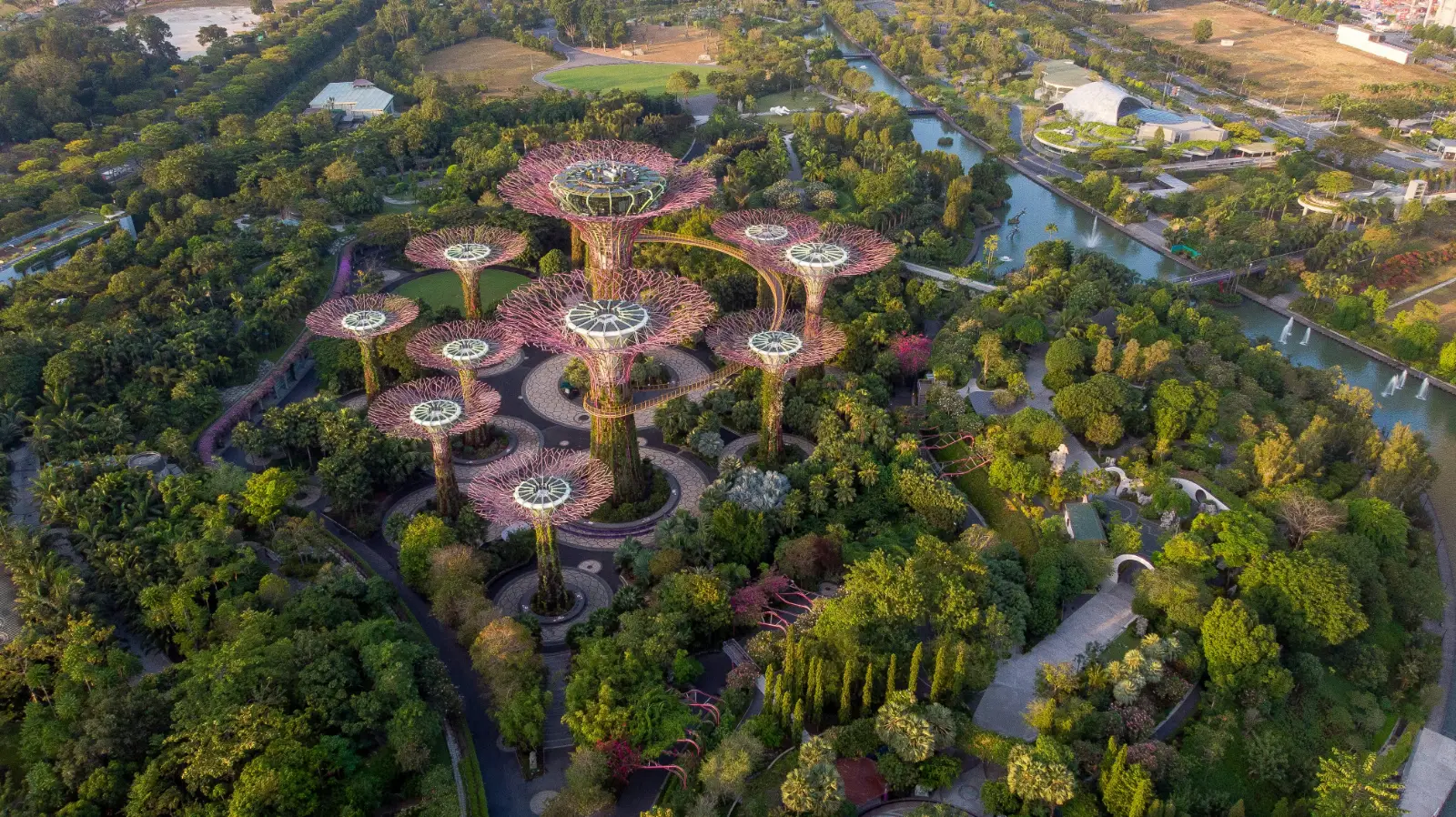
Singapore wins for first timers and families with small children because distances are short and everything is predictable. Malaysia wins for couples and older children who want variety, and for anyone who wants more space and more nights for the same spend. The table below is how we would match each type of traveller.
| Traveller type | Better fit | Why |
|---|---|---|
| First trip abroad | Singapore | English signage everywhere, short transfers, very clear airport and metro systems |
| Families with children under 8 | Singapore | Universal Studios Singapore, Mandai wildlife parks and Gardens by the Bay are close together and easy by MRT or taxi |
| Families with older children and teens | Malaysia, or both | Theme parks plus beaches, caves, highlands and island boat trips |
| Honeymooners | Malaysia, or both | Island resorts in Langkawi and the east coast add the beach time Singapore lacks |
| Couples on a short break | Singapore | Rooftop views, Marina Bay, Sentosa and food in a compact city |
| Travelling with elderly parents | Singapore, or Kuala Lumpur plus a highland stay | Short distances, lifts and step free stations; Malaysia's highlands offer cooler air |
| Budget minded travellers | Malaysia | Hotels, local transport and meals generally stretch further |
| Food lovers | Both | Singapore for hawker centres in one place, Malaysia for regional variety such as Penang and Melaka |
| Nature and adventure | Malaysia | Rainforest, Mount Kinabalu, diving and wildlife in Borneo |
| Solo travellers | Both | Singapore for ease, Malaysia for a longer, more varied trip |
Families
Singapore is the easier family choice for a short holiday. Taxis and Grab cars are plentiful, the MRT is clean and lift equipped, and most attractions have shaded queues, nursing rooms and clean toilets. Our guide to Singapore with kids goes into the attractions and pacing in detail.
Malaysia is the better family choice if you have more time. Kuala Lumpur has an aquarium, a large city park and big malls with indoor play areas, Genting Highlands has theme park rides in cooler air, and Johor Bahru, just across the causeway from Singapore, is home to Legoland Malaysia. For older children, a few nights on Langkawi or Penang add beaches, cable cars and boat trips. The trade off is longer travel days between places.
Couples and honeymooners
Singapore works best as a romantic city break: evenings at Marina Bay, the light shows at Gardens by the Bay, and Sentosa for a beach afternoon. It does not have the island resort feel many Nepali honeymooners picture. Malaysia does, with Langkawi on the west coast and islands such as Redang and the Perhentians on the east coast, which suit different months. One option that works well is three nights in Singapore and four or five in Malaysia. Our Malaysia honeymoon guide covers resorts and seasons.
First timers
If this is your first trip outside South Asia, Singapore is the gentlest introduction. Immigration at Changi is efficient, the airport connects straight into the metro, and almost every sign and menu is in English. Kuala Lumpur is also beginner friendly, with English widely spoken and Grab available everywhere, but you will notice more traffic, more heat on the pavements and longer distances between sights.
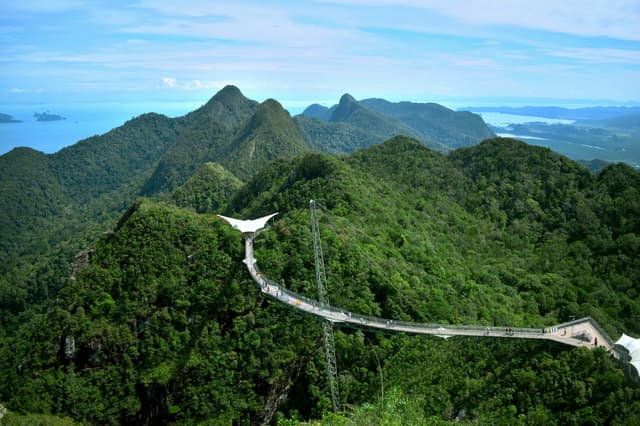
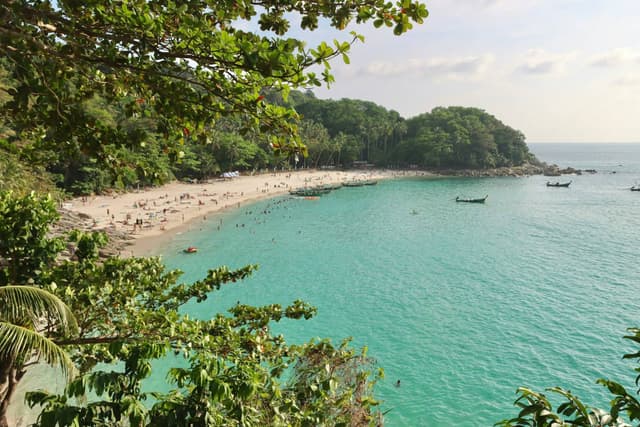
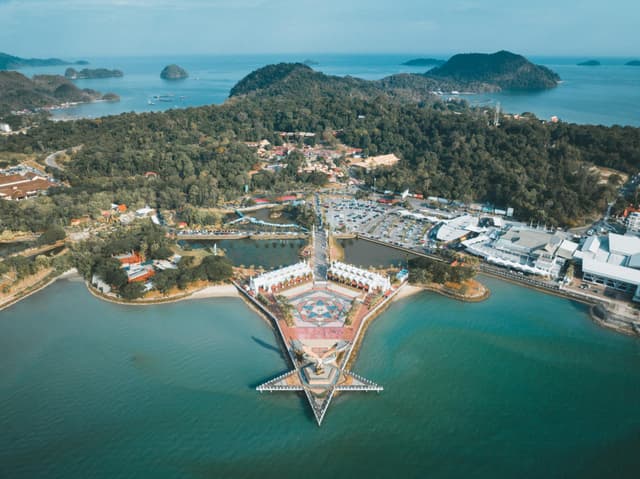
Which is easier to reach from Kathmandu?
Both are reachable by non-stop flight from Kathmandu, and Kuala Lumpur has more choice. When we checked, four airlines were listed as flying Kathmandu to Kuala Lumpur non-stop and one, Singapore Airlines, as flying Kathmandu to Singapore non-stop. That makes Kuala Lumpur the easier entry point for most Nepali travellers, with more departure times to choose from.
| Route | Non-stop airlines listed | Approximate flying time | Notes |
|---|---|---|---|
| Kathmandu (KTM) to Kuala Lumpur (KUL) | Malaysia Airlines, Batik Air, Himalaya Airlines, Nepal Airlines | About 4 hours 30 to 55 minutes, depending on the flight | Most choice of timings; also a common connection point onward to Singapore, Langkawi or Penang |
| Kathmandu (KTM) to Singapore (SIN) | Singapore Airlines | About 4 hours 50 minutes to 5 hours 10 minutes, depending on the schedule | Overnight departure from Kathmandu arriving early morning in Singapore at the time we checked |
| Kuala Lumpur (KUL) to Singapore (SIN) | Many airlines; one of the busiest international routes in the region | About 1 hour in the air | Add airport transfer and check-in time |
Checked: 27 Oct 2026, Gomayu direct flights list (checked 8 Oct 2026) and published airline schedules for the winter 2026 season. Airlines add, pause and retime routes every season, so confirm with the airline before you book. Our full list of direct flights from Kathmandu is updated regularly.
The open-jaw tip
If you plan to see both countries, book Kathmandu to Kuala Lumpur on the way out and Singapore to Kathmandu on the way home, or the other way round. This is called an open-jaw ticket. It avoids spending a travel day going back to your starting city, and it lets you cross between the two countries once, overland or by a short flight. Ask whoever books your flights to price both directions, because which way round works better depends on the airline and season.
Time difference
Both Malaysia and Singapore run on UTC+8, which is 2 hours 15 minutes ahead of Nepal Time. Flights from Kathmandu often leave late at night and land early in the morning, so plan an easy first day, especially with children or parents.
Which feels more budget-friendly day to day?
Malaysia feels noticeably more budget friendly day to day. Singapore is one of the more expensive cities in Southeast Asia, mainly because of hotel rates, while Malaysia generally gives you more room, more meals out and more paid activities for the same spend. Food is the one area where Singapore stays reasonable, because hawker centres keep everyday meals affordable.
We do not quote prices here, because rates move with season, exchange rates and demand, and any figure would be out of date quickly. The table below is a qualitative comparison of how the two usually feel when you are on the ground.
| Spending area | Malaysia | Singapore |
|---|---|---|
| Hotels | Generally good value, including at the mid range and upscale end | The biggest cost; rooms tend to be smaller for the same spend |
| Everyday meals | Very good value at hawker stalls, mamak shops and food courts | Reasonable at hawker centres; restaurants and bars cost noticeably more |
| Local transport | Inexpensive trains, buses and Grab rides in cities | Efficient and fairly priced MRT and buses; taxis cost more |
| Attractions | Many free or low cost sights such as temples, parks and heritage streets | Big ticket attractions add up quickly for families; many gardens and walks are free |
| Shopping | Wide range; Langkawi is a duty free island | Excellent malls, often better for electronics choice than for bargains |
| Alcohol | Taxed and pricier than in much of the region | Expensive |
A practical point for Nepali travellers: carry your foreign currency within the limits Nepal allows and keep the receipts from your bank or money changer. Both countries are card friendly, and in Singapore you can tap many contactless bank cards on the MRT, but a dual currency card that works abroad is not something every Nepali bank account comes with, so check with your bank before you go. You will be dealing in Malaysian ringgit (MYR) and Singapore dollars (SGD), not Nepali rupees (NPR), so exchange a small amount before departure and the rest where rates are better.
For a detailed look at how far your money goes in each, read is Malaysia expensive? and how expensive Singapore really is.
What are the headline attractions in each?
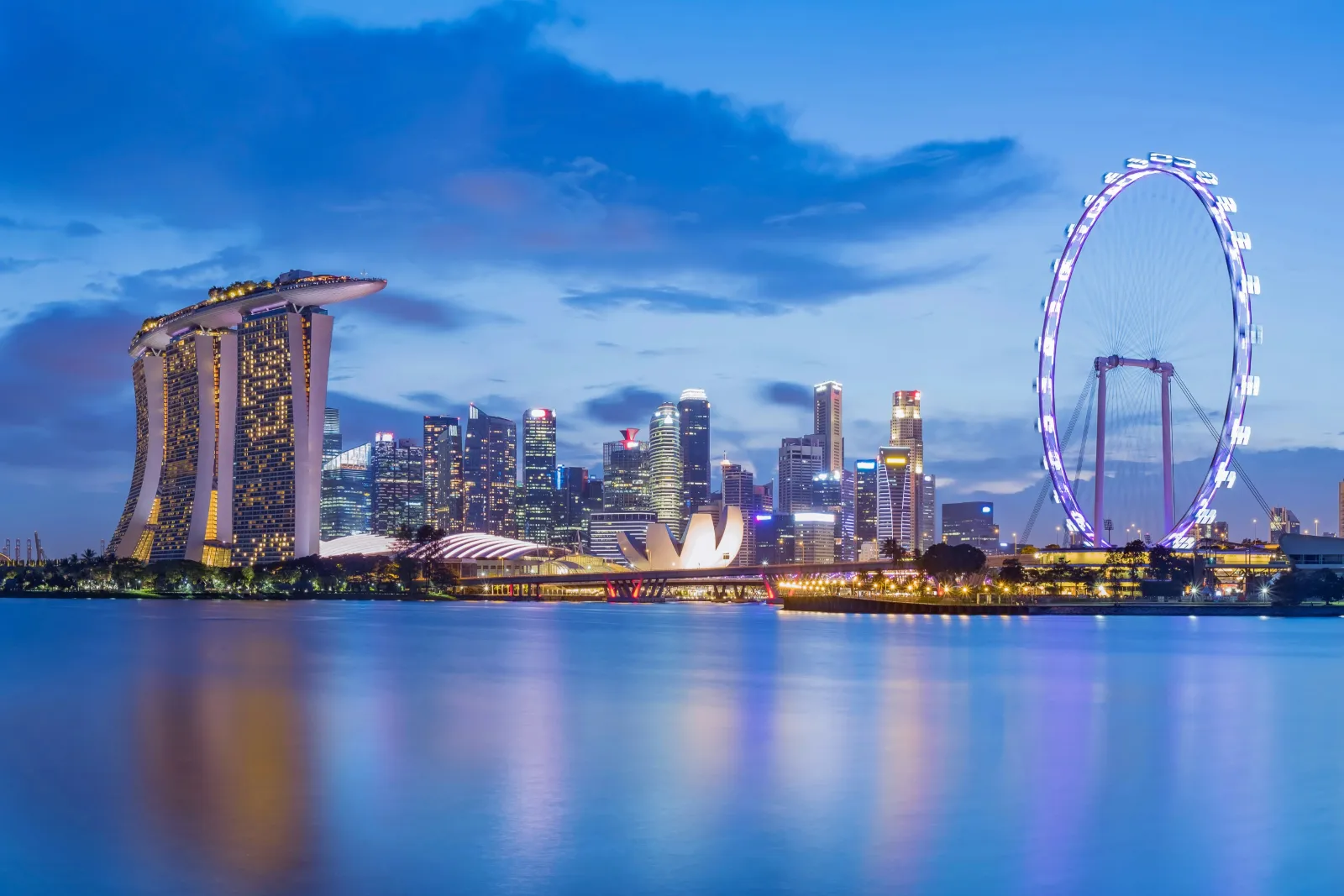
Singapore's highlights are mostly modern and urban: Marina Bay, Gardens by the Bay, Sentosa and world class zoos. Malaysia's highlights are spread across a whole country: the Kuala Lumpur skyline and Batu Caves, heritage towns in Penang and Melaka, island beaches, highlands and Borneo rainforest. If you love variety, Malaysia has more of it; if you want the most in the least travel time, Singapore delivers.
| Theme | Malaysia | Singapore |
|---|---|---|
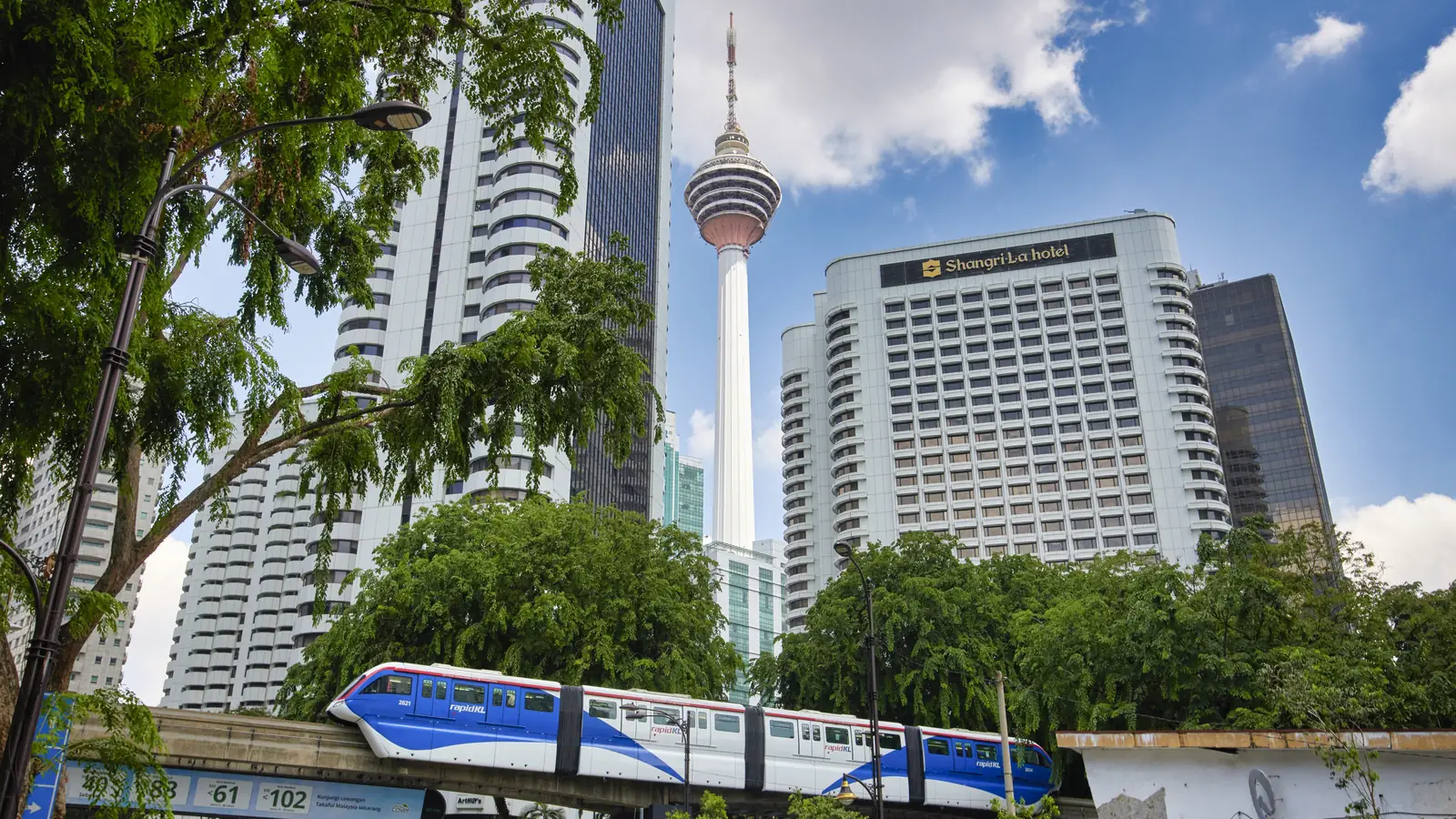
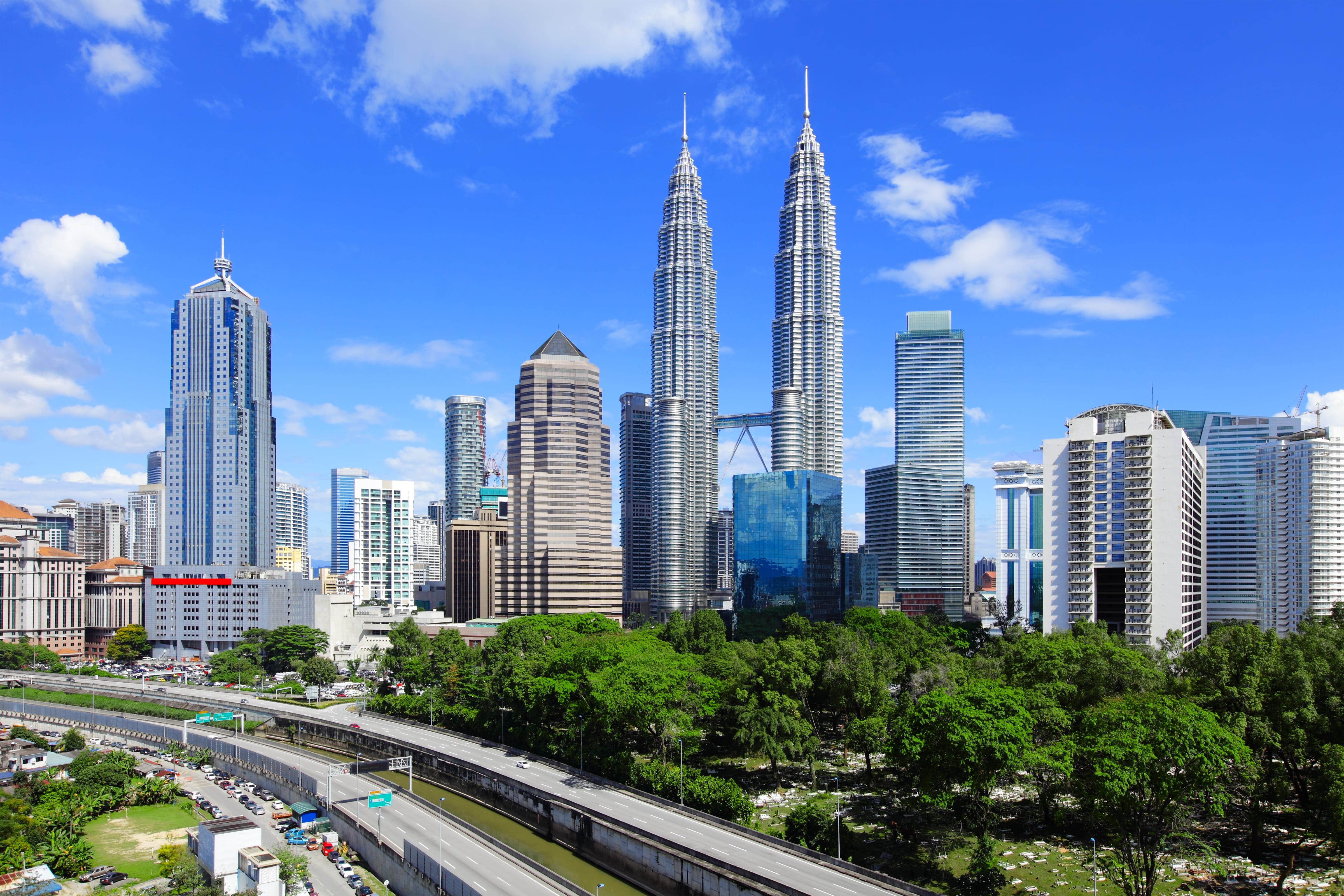
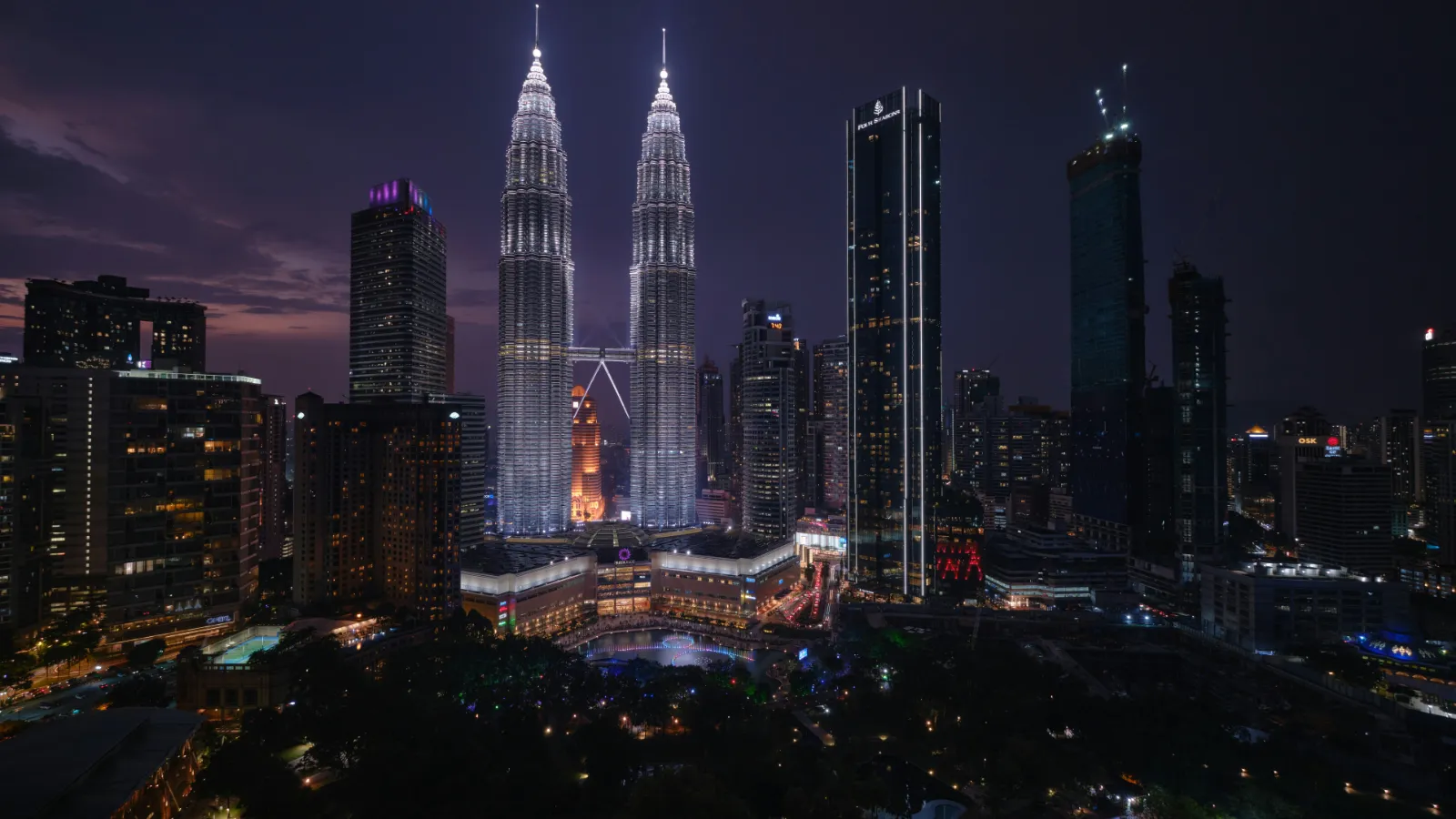
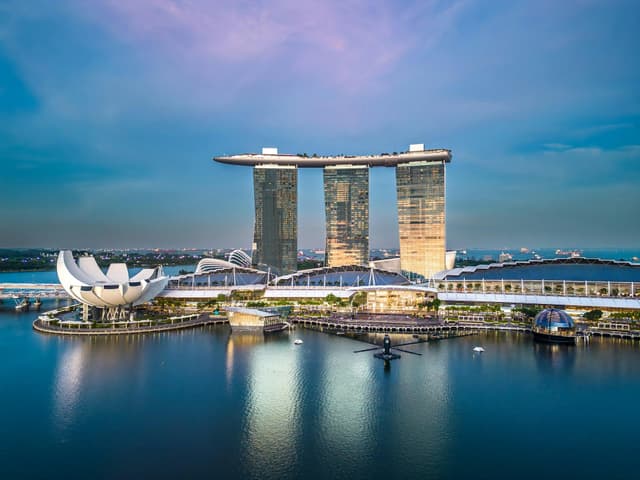
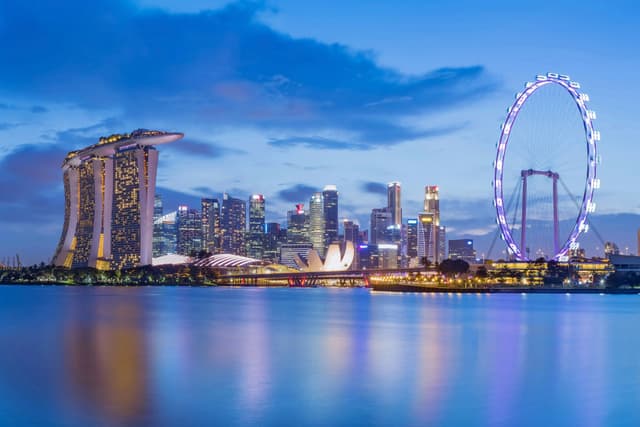
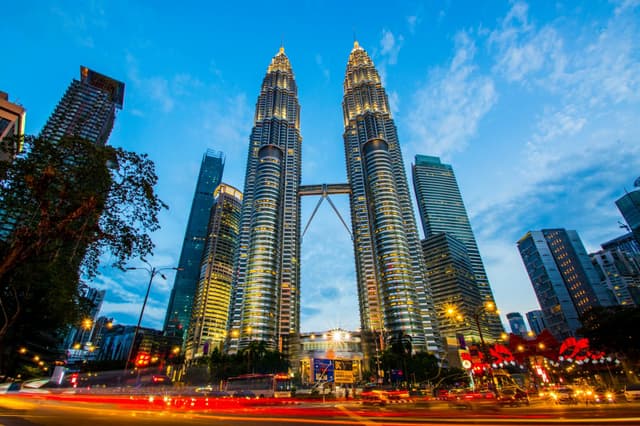
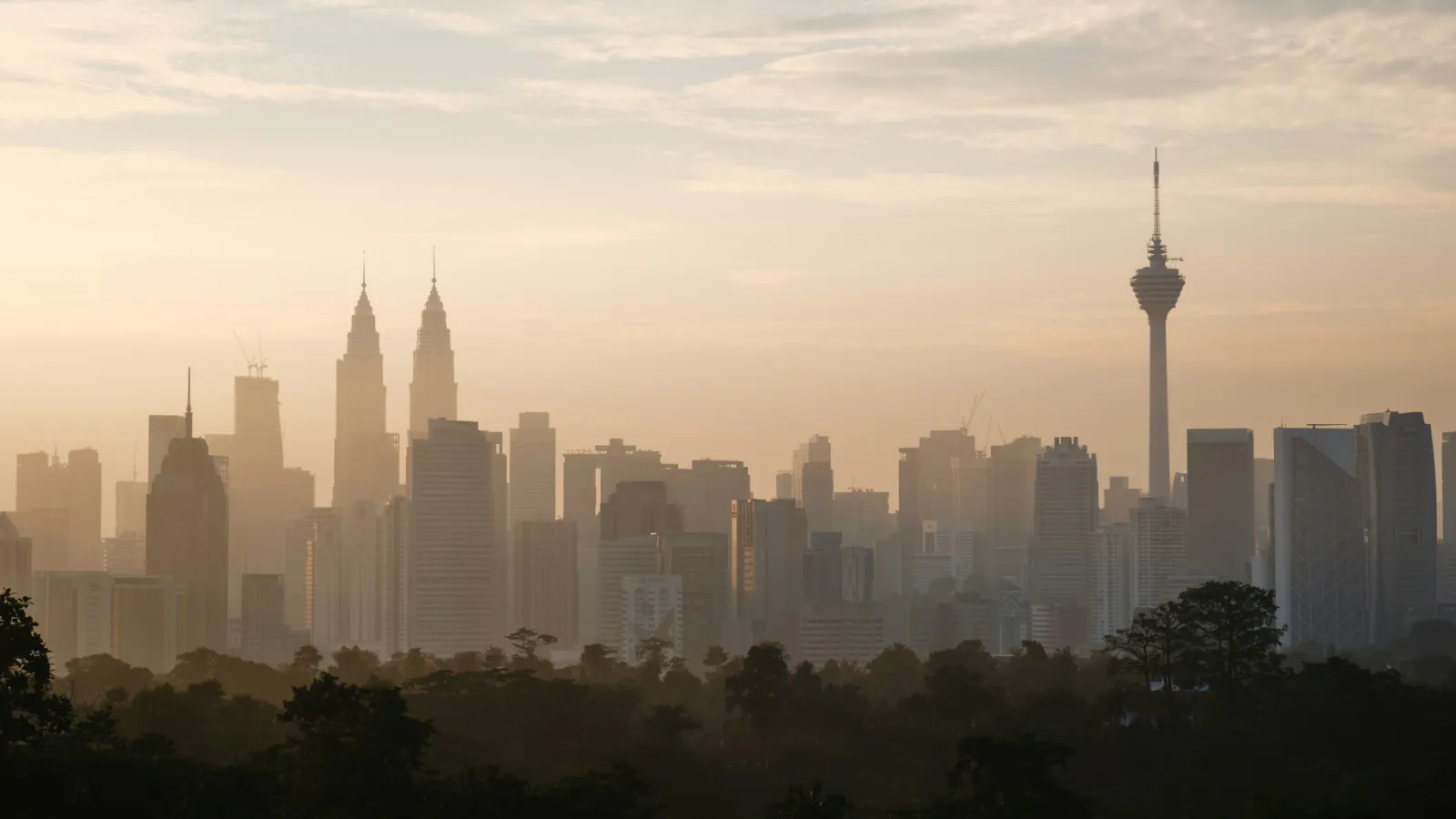
| Iconic skyline | Petronas Twin Towers and KL Tower, Kuala Lumpur | Marina Bay Sands and the Marina Bay waterfront |
| Gardens and nature | Cameron Highlands tea estates, Taman Negara, Borneo rainforest, Mount Kinabalu | Gardens by the Bay, Singapore Botanic Gardens, MacRitchie Reservoir trails |
| Beaches and islands | Langkawi, Penang, Redang, Perhentian, Tioman | Sentosa beaches (city beaches, not resort islands) |
| Heritage and culture | George Town (Penang) and Melaka, Malay villages, mosques and Chinese clan houses | Chinatown, Little India, Kampong Glam, colonial civic district |
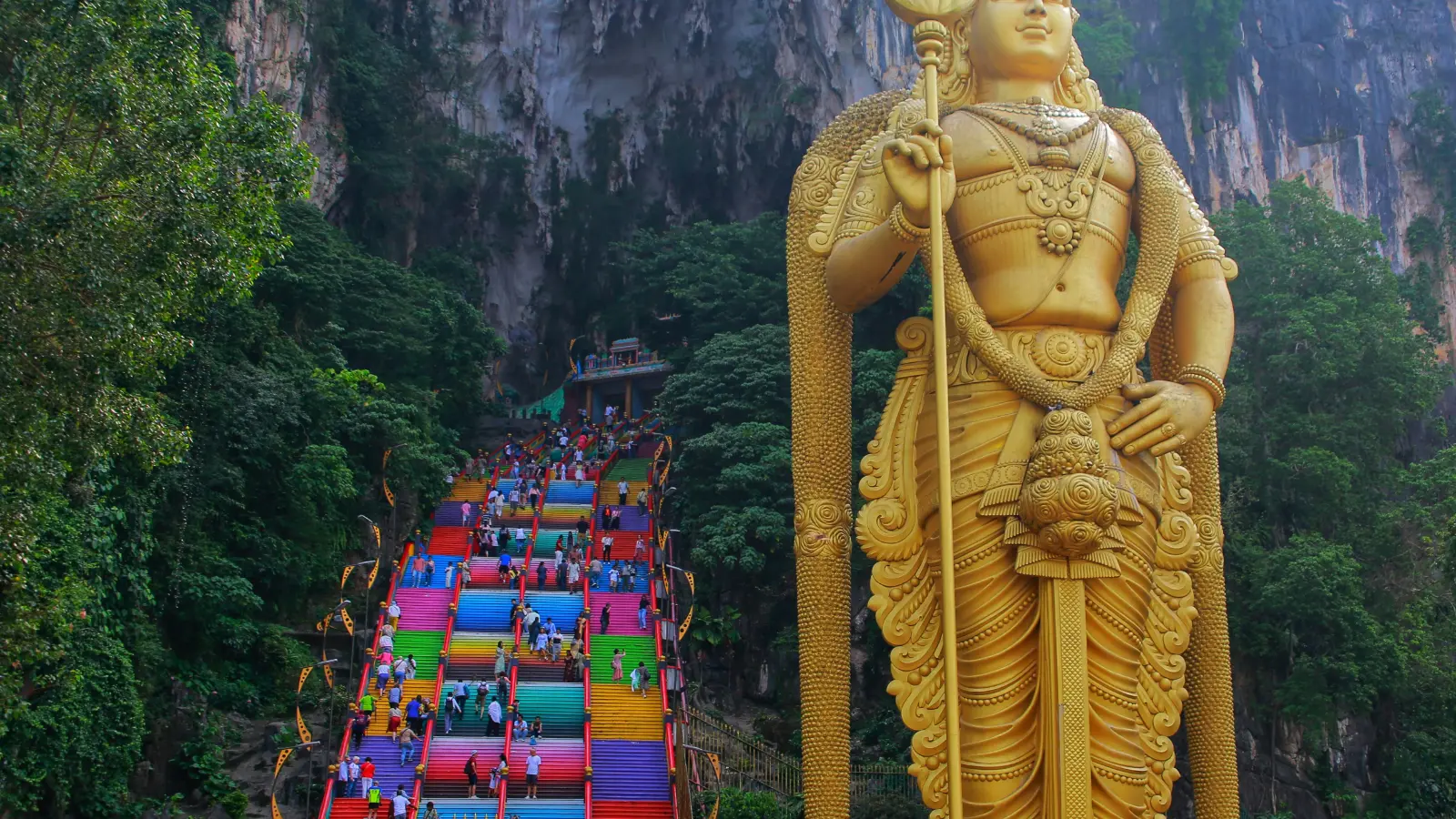
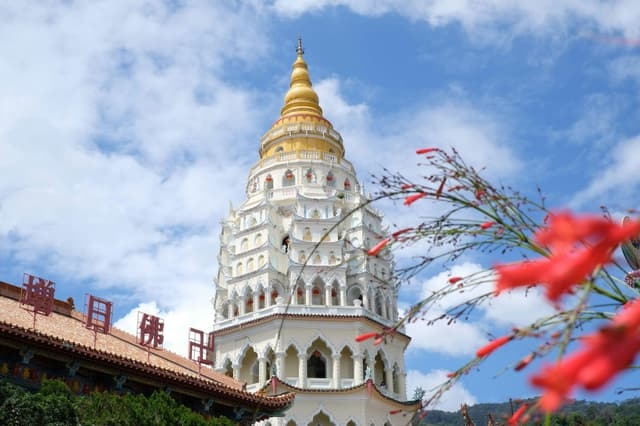
| Hindu and Buddhist sites | Batu Caves, Sri Maha Mariamman Temple in Kuala Lumpur, Thean Hou Temple, Kek Lok Si in Penang | Sri Mariamman Temple, Sri Srinivasa Perumal Temple, Buddha Tooth Relic Temple |
| Theme parks and family | Legoland Malaysia (Johor), Genting Highlands, Sunway Lagoon | Universal Studios Singapore, Mandai wildlife parks, Sentosa attractions |
| Wildlife | Orangutans and rainforest in Sabah and Sarawak | Singapore Zoo, Night Safari, Bird Paradise and River Wonders at Mandai |
Malaysia in brief
Most first visits to Malaysia focus on the peninsula. Kuala Lumpur is the hub, with the Petronas Twin Towers, Batu Caves on the northern edge of the city and an easy day trip to Putrajaya or Melaka. Penang is the food capital and has a heritage core in George Town. Langkawi is the classic beach island on the west coast. The Cameron Highlands offer tea estates and cooler air. Malaysian Borneo is a separate trip: Sabah and Sarawak give you rainforest, orangutans and Mount Kinabalu, and they run their own immigration control, so you show your passport again even on a domestic flight from Kuala Lumpur.
Singapore in brief
Singapore packs its highlights into a small area. A typical first visit covers Marina Bay and Gardens by the Bay, a heritage walk through Chinatown, Little India and Kampong Glam, one full day on Sentosa or at Universal Studios Singapore, and an evening at the Night Safari. Changi Airport is an attraction in itself, with Jewel and its indoor waterfall linked to the terminals. For how long to give each area, read how many days you need in Singapore.
How does the food compare for vegetarian and Hindu travellers?
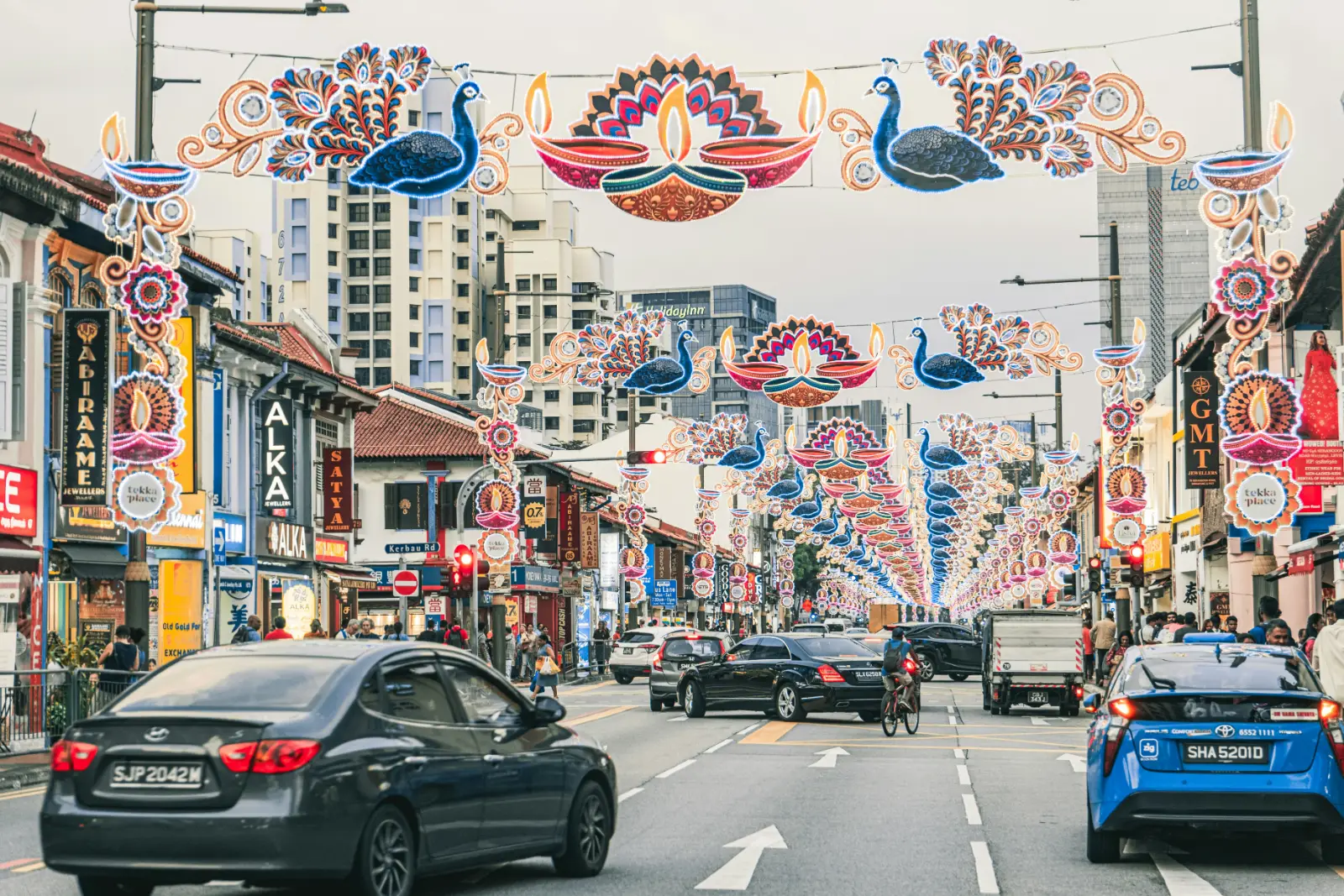
Both countries are easy for vegetarian and Hindu travellers, because both have large Tamil and wider Indian communities, Indian vegetarian restaurants and Chinese Buddhist vegetarian stalls. Singapore is slightly easier because Little India is compact, menus are in English and labelling is consistent. Malaysia offers more variety and more banana leaf restaurants across more cities, from Brickfields in Kuala Lumpur to Little India in Penang.
| Food question | Malaysia | Singapore |
|---|---|---|
| Pure vegetarian Indian food | Widely available in Brickfields (Kuala Lumpur), Penang, Ipoh and other cities with Indian communities | Concentrated in Little India, plus food courts and malls citywide |
| Chinese vegetarian | Buddhist vegetarian restaurants in most cities, often using mock meat | Common in hawker centres and near Buddhist temples |
| Avoiding beef | Ask: beef appears in Malay dishes such as rendang and in some soups and satay | Ask: beef appears in some noodle soups, satay and Western dishes |
| Halal food | Very widely available; Malaysia is a Muslim majority country | Widely available and certified |
| Hidden ingredients to ask about | Shrimp paste (belacan), fish sauce, anchovies in sambal and nasi lemak | Shrimp paste, fish sauce, lard in some Chinese dishes |
| Language for ordering | English widely understood in cities; Tamil and Hindi helpful in Indian restaurants | English everywhere; Tamil widely spoken in Little India |
Tips for vegetarian, Hindu and Buddhist travellers
- Learn one phrase: "no meat, no fish, no egg" in English works in both countries; in Malay, "tak mahu daging" means "no meat".
- Choose Indian banana leaf restaurants that advertise themselves as vegetarian, rather than mixed ones, if you want to avoid shared serving spoons.
- Deepavali, which falls in the same period as Tihar's Laxmi Puja, is a public holiday in Singapore and in most of Malaysia. Little India in Singapore holds a festive street light-up in the weeks around it, and Malaysian Indian families host open houses. It is a lovely time for Nepali Hindu families to visit, though hotels in Little India fill early.
- Thaipusam, usually in January or February, draws very large crowds to Batu Caves near Kuala Lumpur. Go for the experience, or avoid that day if you want a quiet temple visit with elderly parents.
For dishes to look for, see our guide to what to eat in Malaysia and the best food in Singapore.
What entry formalities apply to each?
Both countries require most foreign visitors to submit a digital arrival card before arrival, and the visa rules are different for each. For Malaysia, you submit the Malaysia Digital Arrival Card (MDAC). For Singapore, you submit the SG Arrival Card (SGAC), which includes an electronic health declaration. These are separate from any visa, and you need the right one for each country you enter, including when you cross by land.
| Item | Malaysia | Singapore |
|---|---|---|
| Arrival card | Malaysia Digital Arrival Card (MDAC), submitted online no more than three days before arrival | SG Arrival Card (SGAC), submitted online within three days before arrival, counting the arrival day |
| Applies at land borders? | Yes, for foreign visitors entering by road or rail | Yes, foreign visitors at Woodlands and Tuas must submit it; the land checkpoint exemption covers only Singapore citizens, permanent residents and Long-Term Pass holders |
| Nepali passport holders | Nepal is on Malaysia's list of countries that must apply for a visa before travel | Nepal is not on Singapore's list of visa-required countries; entry is at the immigration officer's discretion |
| Where to check | Immigration Department of Malaysia (imi.gov.my) | Immigration and Checkpoints Authority (ica.gov.sg) |
| Our guidance | visa process for Nepali passport holders (Malaysia) | Singapore visa guidance |
Checked: 27 Oct 2026, Immigration Department of Malaysia visa requirement by country list; ICA visa requirements list and SG Arrival Card page.
If you hold another passport, check the official immigration site for your own nationality, because rules differ widely. The two countries keep separate lists, so a passport that needs no visa for one may need one for the other. Use only official government websites for arrival cards; copycat sites exist.
If your route enters either country more than once, for example Singapore, then Malaysia, then Singapore again for your flight home, share the full route with our visa team when you ask for Malaysia visa guidance.
Can you combine Malaysia and Singapore in one trip?
Yes, and it is one of the easiest two country trips in Asia. Kuala Lumpur and Singapore are about an hour apart by air, about five to six hours apart by coach before border queues, and connected by train to Johor Bahru and then a five minute shuttle train across the strait. A new direct rail link between Johor Bahru and Singapore, the RTS Link, is built but not yet open to passengers.
| Option | Route | Approximate time | Good for | Watch out for |
|---|---|---|---|---|
| Flight | Kuala Lumpur (KUL) to Singapore Changi (SIN) | About 1 hour in the air, plus airport time on both ends | Families, elderly parents, anyone with heavy luggage | KLIA is outside the city; allow time for the airport train or road transfer |
| Coach | Kuala Lumpur (mainly Terminal Bersepadu Selatan, TBS) to Singapore | Usually 5 to 6 hours, longer when the causeway is busy | Budget travellers, backpackers | You get off with your bags at both immigration points; weekends and holidays bring long queues |
| ETS train, then Shuttle Tebrau | KL Sentral to JB Sentral by ETS electric train, then JB Sentral to Woodlands Train Checkpoint | Roughly 4 to 5 hours on the ETS depending on the service, then 5 minutes on the shuttle, plus clearance time | Rail fans, travellers stopping in Johor Bahru | Limited daily departures on both legs; shuttle tickets carry passport details and sell out at busy times |
| RTS Link (not open yet) | Bukit Chagar, Johor Bahru, to Woodlands North, Singapore | About 5 minutes | Future cross-border trips | Passenger service now expected in February 2027, not end 2026 |
RTS Link status
The Johor Bahru to Singapore Rapid Transit System Link will run between Bukit Chagar station in Johor Bahru and Woodlands North station in Singapore, with a journey of about five minutes and capacity for up to 10,000 passengers per hour in each direction at peak times. The Land Transport Authority's project page still gives a target of the end of 2026. However, on 2 October 2026 Singapore's Land Transport Authority and Malaysia's Ministry of Transport said in a joint statement that the operator, RTS Operations, now expects passenger service to start in February 2027, after final system tests, trial runs and independent safety certification. So if you are travelling in late 2026 or January 2027, plan on the existing options. Checked: 27 Oct 2026, LTA RTS Link project page and the joint news release of 2 Oct 2026. The exact opening date will be announced after safety approvals.
KTM Shuttle Tebrau
Shuttle Tebrau is the KTMB train between JB Sentral in Johor Bahru and Woodlands Train Checkpoint in Singapore. The scheduled run is five minutes, but allow much longer for check-in and immigration on both sides. KTMB's 2026 timetable, as summarised in July 2026, showed 18 departures a day from JB Sentral (05:00 to 22:45) and 13 from Woodlands (08:30 to 23:45), 31 trips in all. Tickets are issued in the passenger's name with passport details, which must match the travel document. Under the RTS Link agreement, Shuttle Tebrau is due to stop six months after the RTS Link opens, so it remains the rail option through at least the first half of 2027. Checked: 27 Oct 2026, Shuttle Tebrau timetable summary (checked July 2026) and Bernama; confirm on the KTMB booking site before you travel, as timetables and sale windows change.
ETS from Kuala Lumpur to Johor Bahru
Since 12 December 2025, ETS electric trains have run all the way from KL Sentral to JB Sentral after the southern line's electrification and double tracking was completed. The service launched with four daily trips and more departures have been reported since; journey times are roughly four to five hours depending on the service. Checked: 27 Oct 2026, Malay Mail launch report (Dec 2025) and later timetable summaries; frequencies change, so check the KTMB schedule.
How to split your nights
For most travellers, three nights in Singapore is enough for a first look, and four to six nights in Malaysia lets you see Kuala Lumpur plus one more region, such as Langkawi, Penang or the Cameron Highlands. Johor Bahru works as a one night stop for families heading to Legoland Malaysia. If you are travelling with elderly parents or small children, fly between Kuala Lumpur and Singapore rather than taking the coach, because the border crossing by road means getting off twice with all your bags.
If you are planning around Dashain and Tihar leave, read our guide to Dashain and Tihar holidays abroad, which covers booking windows for the busiest weeks out of Kathmandu.
How does the weather compare month by month?
Both are hot and humid all year, with no cold season, so the real question is where and when the heavy rain falls. Singapore's wettest stretch is November to January, with December the wettest month on average and February the driest. Malaysia is split by coast: the east coast of the peninsula takes heavy rain in the northeast monsoon from about November or December to March, while the west coast, including Kuala Lumpur, Penang and Langkawi, gets its heaviest rain in the inter-monsoon months, with June and July among the drier months in most districts.
Here is how the official sources describe the seasons:
- Singapore (Meteorological Service Singapore): Northeast Monsoon from December to early March, with a wet phase that peaks from November to January; inter-monsoon from late March to May; Southwest Monsoon from June to September; a second inter-monsoon in October and November. Rain is usually heaviest in the afternoon. Daytime highs typically stay at or under 31 to 33°C, and nights rarely drop below 23 to 25°C. December's long-term mean rainfall is 331.9 mm, and the annual mean is 2,113.3 mm (1991 to 2020). Checked: 27 Oct 2026, MSS climate of Singapore.
- Malaysia (MetMalaysia): four seasons, the northeast monsoon (roughly November or December to March), the southwest monsoon and two shorter inter-monsoon periods. Heavy northeast monsoon rain falls mainly on exposed areas such as the east coast of Peninsular Malaysia, western Sarawak and the northeast coast of Sabah. Across much of the peninsula, rainfall peaks in October to November and again in April to May, and June and July are the driest months in most districts. Annual temperature variation is small, under about 2°C in most places. Checked: 27 Oct 2026, MetMalaysia climate of Malaysia.
| Month | Kuala Lumpur and west coast (Penang, Langkawi) | Peninsular east coast islands (Redang, Perhentian, Tioman) | Singapore |
|---|---|---|---|
| January | Drier spell, especially in the northwest (Penang, Langkawi) | Northeast monsoon; rough seas, many island resorts closed | Wet phase continues early in the month, then drier |
| February | Fairly dry, good beach month on the west coast | Monsoon continues; most island trips not practical | Driest month on average |
| March | Warm; showers start to build late in the month | Monsoon easing; resorts begin reopening toward the end of the month | Dry to moderate; inter-monsoon starts late March |
| April | Inter-monsoon; afternoon thunderstorms more frequent | Season opening; calmer seas | Inter-monsoon; afternoon thunderstorms |
| May | Inter-monsoon; afternoon storms | Good island season | Inter-monsoon; hot, afternoon storms |
| June | Among the drier months; occasional haze in some years | Good island season | Southwest Monsoon; warm with intermittent showers; occasional haze in some years |
| July | Among the drier months | Good island season; school holiday crowds from the region | Southwest Monsoon |
| August | Moderate showers | Good island season | Southwest Monsoon |
| September | Showers increasing | Season winding down by late month | Southwest Monsoon ends; haze possible in some years |
| October | Wettest period begins; heavy afternoon storms | Resorts begin closing; seas getting rough | Inter-monsoon; afternoon thunderstorms |
| November | One of the wettest months | Northeast monsoon arriving; most resorts closed | Wet phase begins; frequent heavy showers |
| December | Still showery, with rain usually easing late in the month | Northeast monsoon; most island resorts closed | Wettest month on average |
Island resort opening dates vary by property and year; check with your hotel before booking the east coast between October and March.
What this means for Dashain, Tihar and school holidays
Dashain and Tihar usually fall in October or early November, which is inter-monsoon in both countries. Expect sunny mornings and heavy afternoon thunderstorms rather than all day rain. Plan outdoor sightseeing and theme parks for the morning, keep museums, malls, aquariums and food tours for the afternoon, and skip the peninsula's east coast islands, which are closing for the monsoon. Langkawi and Penang are still workable, but this is not their best beach season. Nepal's winter school holiday falls in December and January, which is Singapore's wettest period; on Malaysia's west coast the drier spell usually starts in January, especially around Penang and Langkawi. For more detail by month, see our guides to the best time to visit Malaysia and the best time to visit Singapore.
Is Malaysia or Singapore safer?
Both are safe for most travellers, including families and solo women, and Singapore is the safer of the two in terms of everyday crime. Singapore is known for very low crime, well lit streets and reliable public transport late at night. Malaysia is also generally safe, but in busy parts of Kuala Lumpur and other cities, take normal care with bags and phones, especially near the roadside, where bag snatching has been reported.
| Safety point | Malaysia | Singapore |
|---|---|---|
| Street crime | Low to moderate; petty theft and bag snatching in busy city areas | Very low |
| Solo women | Generally comfortable; dress modestly at mosques and in conservative areas | Very comfortable, including late at night |
| Laws to respect | Very strict drug laws; respect for religion and the monarchy | Very strict drug laws; strict rules and fines on littering, smoking areas and more |
| Natural risks | Monsoon floods on the east coast; rough seas in the closed season | Heat, afternoon thunderstorms and occasional haze |
| Transport safety | Use Grab or registered taxis; avoid unlicensed touts at airports | Very reliable public transport and licensed taxis |
Practical advice that works for both: buy travel insurance before you leave Kathmandu, carry a printed copy of your hotel bookings and return ticket, and save your embassy's contact details. For a fuller picture of the Malaysia side, read our article on whether Malaysia is safe for travellers.
How should you plan the trip?
Start with your number of nights, then work backwards. With four nights or fewer, pick one country, and pick Singapore if this is a first trip abroad or you are travelling with young children. With five or six nights, choose Malaysia alone for more variety, or split it three and three if you want both cities. With seven to ten nights, combine both and use an open-jaw flight so you only cross the border once.
| Nights available | Our suggestion | Why |
|---|---|---|
| 3 to 4 | Singapore only, or Kuala Lumpur only | Enough for one city without rushing |
| 5 to 6 | Malaysia (Kuala Lumpur plus one region), or Kuala Lumpur and Singapore | Variety without too many transfers |
| 7 to 10 | Malaysia and Singapore together | The classic two country trip; open-jaw flights avoid backtracking |
| 11 to 14 | Peninsular Malaysia plus Singapore, or Malaysia including Borneo | Room for a beach island or rainforest stay |
A checklist before you book:
- Confirm the visa requirement for each country on your passport well before your flight.
- Submit the MDAC and SGAC only through the official government sites, within their time windows.
- Check your passport validity and the Nepal departure requirements well before your flight.
- Decide how you will cross between the countries: flight, coach or train, and note that the RTS Link is not open yet.
- Match your month to the right coast in Malaysia, and expect afternoon storms in October and November in both countries.
- For vegetarian or no-beef diets, save a few restaurant areas in Little India and Brickfields before you land.
If you would rather have flights, hotels, transfers and the border crossing arranged together, browse our Malaysia tour packages, and ask for Singapore to be added if you want both countries in one trip.
Frequently asked questions
Is Singapore more expensive than Malaysia?
Yes, Singapore is generally more expensive than Malaysia, mainly because hotels cost more and rooms are smaller. Everyday hawker meals in Singapore stay reasonable, but restaurants, taxis, alcohol and big attractions add up. Malaysia usually stretches the same budget further on hotels, food and transport, especially outside Kuala Lumpur.
Which is better for a honeymoon, Malaysia or Singapore?
Malaysia is usually better for a honeymoon because it has island resorts such as Langkawi, Redang and the Perhentians, which Singapore does not. Singapore is better for a romantic city break with skyline views, gardens and dining. You can also combine three nights in Singapore with four or five nights on a Malaysian island.
Which is better with young kids, Malaysia or Singapore?
Singapore is usually better with young kids because attractions such as Universal Studios Singapore, the Mandai wildlife parks and Gardens by the Bay are close together and easy to reach by clean, lift equipped trains. Malaysia suits older children better, with theme parks, beaches, highlands and Legoland Malaysia in Johor Bahru, but involves longer travel days.
How many days do you need to see both Malaysia and Singapore?
Seven to ten nights is a comfortable length to see both Malaysia and Singapore. Give Singapore about three nights and Malaysia four to six, which covers Kuala Lumpur plus one region such as Langkawi, Penang or the Cameron Highlands. Flying into one country and out of the other saves a day of backtracking.
Can you travel from Kuala Lumpur to Singapore by bus?
Yes. Coaches run from Kuala Lumpur, mainly from Terminal Bersepadu Selatan (TBS), to Singapore and usually take about five to six hours, plus extra time when the causeway border is busy. You get off with your luggage at both the Malaysian and Singapore immigration points, so the bus is less comfortable for elderly parents or small children.
Is the Johor Bahru to Singapore RTS Link running?
No, not yet. As of 27 Oct 2026, the RTS Link between Bukit Chagar in Johor Bahru and Woodlands North in Singapore is not open to passengers. A joint statement by Singapore and Malaysia on 2 October 2026 said service is now expected to start in February 2027. Until then, use the KTM Shuttle Tebrau, a coach or a flight.
Do you need separate arrival cards for Malaysia and Singapore?
Yes. Malaysia uses the Malaysia Digital Arrival Card (MDAC) and Singapore uses the SG Arrival Card (SGAC), and most foreign visitors must submit each one before entering that country, including by land. Both are submitted online within about three days before arrival. Arrival cards are separate from visas, so check the visa rules for your passport too.
Which has better vegetarian food, Malaysia or Singapore?
Both have excellent vegetarian food because of their large Indian and Chinese Buddhist communities. Singapore is slightly easier for vegetarians, with Little India compact and menus clearly in English. Malaysia has more variety across more cities, including banana leaf restaurants in Brickfields in Kuala Lumpur and Little India in Penang. Always ask about shrimp paste and fish sauce.
Which is safer for solo female travellers, Malaysia or Singapore?
Singapore is the safer choice for solo female travellers, with very low crime and reliable transport late at night. Malaysia is also generally safe for women travelling alone, but take care with bags in busy city areas, use Grab or registered taxis, and dress modestly when visiting mosques or conservative areas.
Malaysia ki Singapore, pahilo trip ko lagi kun ramro?
Pahilo patak bidesh jane ho bhane Singapore sajilo chha: sahar sano, safa ra surakshit chha, ani tin chaar din mai mukhya thau herna sakinchha. Ek hapta bhanda badhi samaya chha bhane Malaysia ra Singapore dubai sangai ghumna sakinchha. (English: For a first trip abroad, Singapore is easier; with a week or more, combine both.)
What is the best month to visit both Malaysia and Singapore?
February and March are good months to visit both Malaysia and Singapore together, because February is Singapore's driest month on average and Malaysia's west coast, including Kuala Lumpur, Penang and Langkawi, is fairly dry then. For Malaysia's east coast islands, travel between about April and September instead.