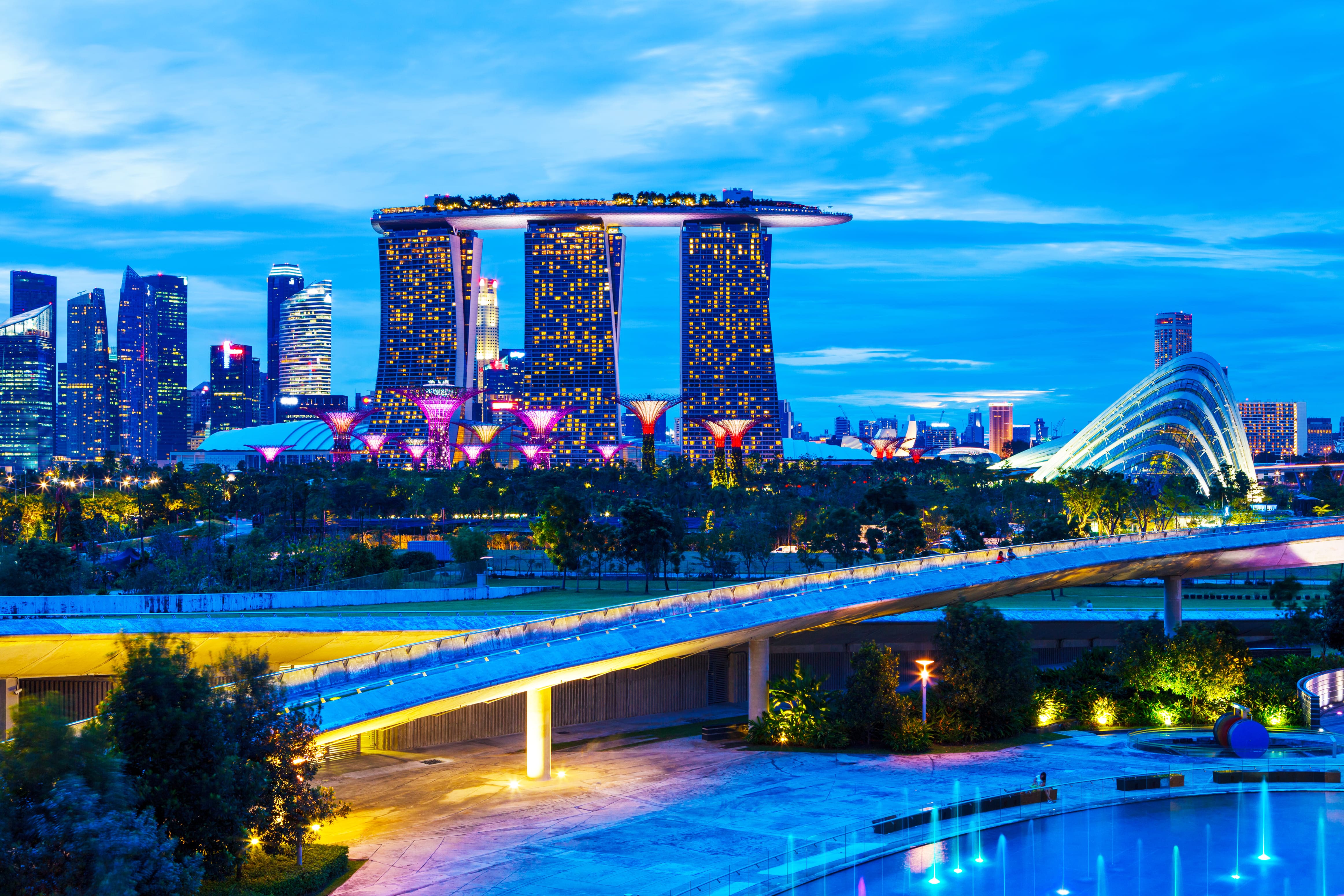













































Singapore is not a cheap destination, but it does not have to break the bank either. The honest answer is that it is one of the pricier cities in Asia for hotels, alcohol and big ticket attractions, yet it offers some of the best value street food and public transport anywhere in the world. Budget travellers can manage on about 75 to 110 US dollars a day, mid range visitors on 150 to 260 dollars, and luxury travellers on 445 dollars and up. This 2026 guide breaks the costs down clearly so you can plan a trip that fits your budget. For the full picture, start with our Singapore travel guide.
How much does a trip to Singapore cost per day?
Your daily spend in Singapore is driven almost entirely by where you sleep and how much you drink, because food and transport stay cheap at every level. The table shows realistic per person daily ranges for 2026, excluding international flights.
| Travel style | How you travel | Daily budget per person |
|---|---|---|
| Budget | Hostels, hawker food, MRT, mostly free sights | SGD 100 to 150 (about USD 75 to 112) |
| Mid range | Three star hotels, mix of hawker and restaurants, a paid attraction or two | SGD 250 to 350 (about USD 185 to 260) |
| Luxury | Four or five star hotels, fine dining, multiple attractions | SGD 600 and up (about USD 445 and up) |
The single biggest variable is your hotel. Because Singapore is compact and the MRT is excellent, you never spend much moving around, so the smart play is to save on accommodation and food and spend where it counts, on one or two standout experiences.
What is cheap and what is expensive in Singapore?
- Very cheap: hawker centre meals, kopi and tea, MRT and bus rides, tap water, and many top attractions that are free.
- Mid range: mid tier hotels, restaurant meals, Grab rides, and single attraction tickets.
- Expensive: beer and cocktails, luxury hotels, theme parks, taxis late at night, and Marina Bay rooftop bars.
The classic Singapore mistake is to eat and drink like you are in a Western city. Lean on hawker centres and tap water, keep alcohol to a minimum or buy at supermarkets, and your daily average drops quickly.
How much does food cost in Singapore?
Food is where Singapore delivers extraordinary value. Hawker centres serve some of the best food in Asia for a few dollars a plate, so you can eat superbly on a small budget. The table shows typical 2026 prices.
| Item | Typical price (SGD) |
|---|---|
| Hawker dish (chicken rice, laksa, char kway teow) | 3.50 to 7 |
| Kaya toast set with kopi | 4 to 6 |
| Casual restaurant main | 12 to 25 |
| Fine dining per head | 80 and up |
| Local coffee (kopi) or tea | 1.20 to 2.50 |
| Pint of beer in a bar | 12 to 18 |
| Cocktail in a rooftop bar | 20 to 28 |
| Bottled water (or free from the tap) | 1 to 2 |
Two people can eat three hawker meals a day for less than the price of one restaurant dinner. Tap water is safe and free everywhere, which quietly saves a lot over a trip. Alcohol is the real budget killer thanks to high taxes, so it is the one thing worth rationing. For where to eat, see the best food in Singapore.
What do transport costs look like?
Singapore has one of the world's best public transport systems, and it is cheap. You will not need a taxi for most of your trip, and you certainly do not need a car.
| Transport | Typical cost (SGD) | Notes |
|---|---|---|
| Single MRT or bus ride | 1 to 2.50 | Tap in with a contactless card or SimplyGo |
| Grab or taxi across town | 10 to 25 | More during peak hours and late at night |
| Airport MRT to the city | About 2 | Cheapest way in from Changi |
| Sentosa Express monorail | Included with tap in access | You can also walk in via the boardwalk |
A contactless bank card or a local transit card covers the MRT and buses, so skip paper tickets. Changi Airport itself, including the Jewel with its indoor waterfall, is free to explore and worth a couple of hours on arrival or departure.
How much is accommodation in Singapore?
Accommodation is the biggest cost and the biggest lever. Land is scarce, so rooms cost more than in neighbouring countries, but hostels and budget hotels keep the entry point reasonable.
| Accommodation | Price per night (SGD) |
|---|---|
| Hostel dorm bed | 25 to 55 |
| Budget or capsule hotel | 70 to 130 |
| Three star hotel | 130 to 220 |
| Four star hotel | 250 to 400 |
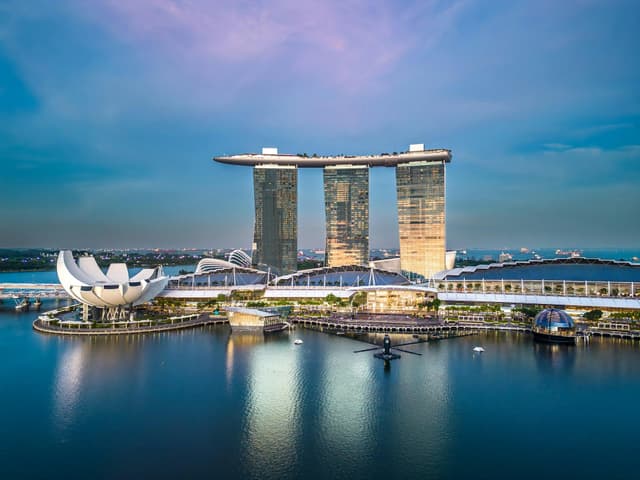
| Marina Bay Sands or five star | 500 and up |
Staying near an MRT station matters more than staying in a marquee district, since the network connects everything quickly. Neighbourhoods like Bugis, Chinatown and Lavender offer good value with fast links to Marina Bay and Orchard Road.
What do attractions and entrance fees cost?
This is where the big spending happens, so it pays to pick your highlights. Many of Singapore's best experiences are free, while the marquee parks and towers carry real prices. The table lists headline 2026 prices.
| Attraction | Adult price (SGD) |
|---|---|
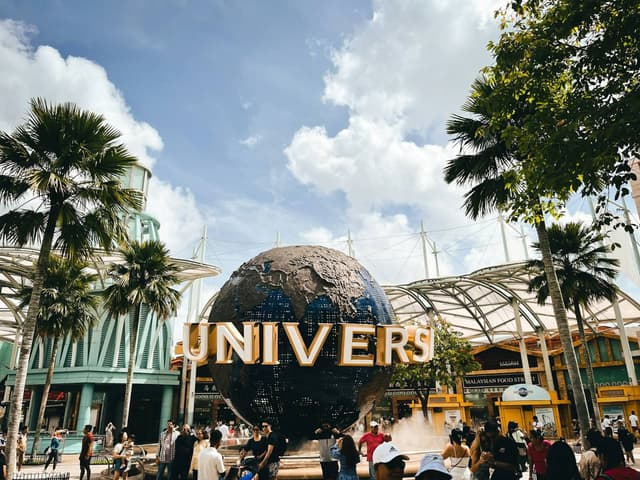
| Universal Studios Singapore | About 76 off peak, up to 89 peak |
| Gardens by the Bay conservatories (Cloud Forest and Flower Dome) | About 32 to 53 |
| Marina Bay Sands SkyPark observation deck | About 32 |
| Singapore Zoo | About 51 |
| Night Safari | About 56 |
| S.E.A. Aquarium, Sentosa | About 44 |
| Supertree Grove light show, Merlion Park, Marina Bay waterfront | Free |
| Singapore Botanic Gardens and Jewel Changi | Free |
Combining tickets, such as a Universal Studios and Gardens by the Bay bundle, usually costs less than buying them separately, and booking online ahead of arrival beats the gate price.
You can build a rich two or three day trip around the free attractions alone, then add one paid highlight like Universal Studios or the Gardens conservatories. That keeps the overall cost sensible while still delivering the big moments.
Sample budgets for a 3 to 5 day trip
Seeing the whole trip helps. These tables give rough per person totals for a 4 day trip, excluding international flights, based on the ranges above.
Budget traveller, about 4 days
| Category | Estimated total (SGD) |
|---|---|
| Hostel or budget hotel | 150 to 350 |
| Hawker food and drinks | 80 to 140 |
| MRT and buses | 20 to 40 |
| One paid attraction plus free sights | 40 to 90 |
| Approximate total | 290 to 620 |
Mid range traveller, about 4 days
| Category | Estimated total (SGD) |
|---|---|
| Three star hotel | 520 to 880 |
| Mix of hawker and restaurant meals | 180 to 320 |
| MRT, buses and some Grab rides | 60 to 120 |
| Two or three attractions | 150 to 280 |
| Approximate total | 910 to 1,600 |
Treat these as planning ranges rather than quotes, since hotel prices move with demand and big events. Travelling as a pair lowers the per person figure because rooms and rides are shared.
When is Singapore cheapest to visit?
Singapore is warm and humid all year, so timing is less about weather and more about hotel demand. Rates climb around major events like the Formula 1 night race in September, big conferences, and the year end holidays, and they ease in the quieter spells such as parts of February, and the mid year window outside the school holidays. Booking hotels ahead and avoiding event weekends is the simplest way to save. For timing detail, see the best time to visit Singapore.
How to visit Singapore on a budget
- Eat at hawker centres. They are cheap, safe and some of the best food in Asia.
- Drink the tap water. It is clean and free, which adds up over a trip.
- Ride the MRT and buses. They reach everywhere and cost a fraction of taxis.
- Build days around free attractions like the Gardens light show, Merlion Park, the Botanic Gardens and Jewel Changi.
- Book theme park and attraction tickets online and look for combos.
- Keep alcohol to a minimum, or buy from supermarkets rather than bars.
- Stay near an MRT station in a value neighbourhood rather than a premium address.
How many days do you need, and does that change the cost?
Most visitors find three to five days is the sweet spot for Singapore. Fewer days can mean rushing between highlights, while more days let you slow down and lean on cheaper hawker meals and free sights, which lowers the daily average. Adding a day or two rarely adds much cost if you have already seen the paid attractions. For a full breakdown, read how many days you need in Singapore.
Money, cards and hidden costs
The currency is the Singapore dollar. Cards and mobile payments are accepted almost everywhere, even at many hawker stalls, so you need less cash than in most of Asia. A few things to watch:
- Service charge and GST. Restaurants often add a service charge plus tax, so the bill runs higher than the menu price. Hawker centres do not.
- Alcohol. The biggest surprise for many visitors. A few rounds of drinks can cost more than a day of food.
- Late night taxis. Surcharges apply after midnight and during peak hours, so plan around the MRT where you can.
- Tipping. Not expected in Singapore, which quietly keeps costs down.
None of these are traps, just line items to expect. Budgeting for the service charge and keeping alcohol modest keeps your real spend close to the ranges above.
Is Singapore more expensive than its neighbours?
Yes, Singapore is the most expensive stop in Southeast Asia for accommodation and nightlife, though its food and transport are cheaper and better than most. The table gives a simple relative sense for a mid range traveller.
| Destination | Relative daily cost for mid range travel |
|---|---|
| Singapore | High, driven by hotels and alcohol |
| Malaysia | Low to moderate |
| Thailand | Low to moderate |
| Bali, Indonesia | Low to moderate |
| Dubai | Moderate to high |
Many travellers pair Singapore with cheaper Malaysia or Bali to balance the budget, spending two or three focused days in Singapore and longer where costs are lower. If you would rather have the hotels, transfers and highlights arranged into one price, a well planned Singapore tour package can be surprisingly good value, since operators secure better hotel rates than walk in prices.
What can you do for free or almost free in Singapore?
One reason Singapore is more affordable than its reputation is the sheer number of world class attractions that cost nothing. Loading your itinerary with these keeps the daily average down even on a short trip.
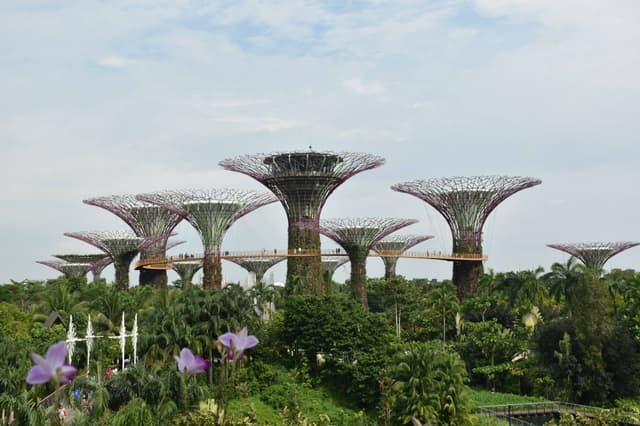
- Gardens by the Bay outdoor gardens and the Supertree Grove light show, held nightly, are free even though the conservatories are paid.
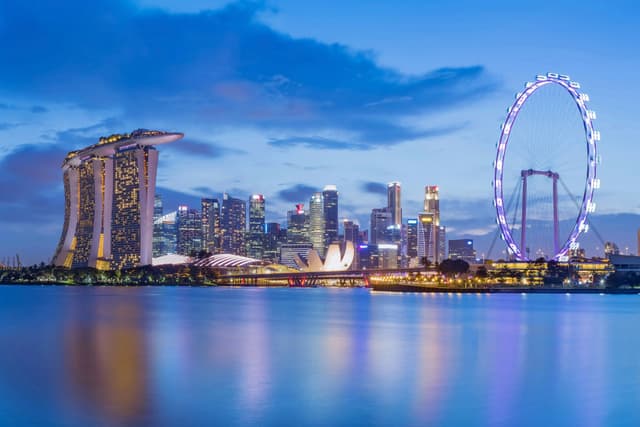
- Marina Bay waterfront and the Merlion, plus the Spectra light and water show, cost nothing to enjoy.
- Jewel Changi Airport and its Rain Vortex, the world's tallest indoor waterfall, are free to visit.
- Singapore Botanic Gardens, a UNESCO World Heritage Site, is free apart from the National Orchid Garden.
- Colourful neighbourhoods such as Chinatown, Little India, Kampong Glam and Haji Lane are free to wander.
- Southern Ridges and the Henderson Waves walk offer skyline views without a ticket.
Build two or three days around these and add just one paid highlight, and Singapore starts to feel far better value than the headlines suggest.
A worked example: what one day in Singapore costs
Averages make more sense as a real day. Here is a typical mid range day for one traveller using the prices above.
| During the day | Cost (SGD) |
|---|---|
| Three star hotel room, per person sharing | 65 to 110 |
| Kaya toast breakfast with kopi | 4 to 6 |
| MRT rides around the city | 4 to 8 |
| Hawker lunch | 4 to 7 |
| Gardens by the Bay conservatories | 32 to 53 |
| Restaurant dinner with a soft drink | 18 to 30 |
| Approximate day total | 127 to 214 |
Swap the paid attraction for a free one such as the Supertree light show, and skip the restaurant for a hawker dinner, and the same day drops well under a hundred dollars while still feeling full and comfortable.
How do GST and the exchange rate affect your budget?
Singapore adds a goods and services tax, and restaurants often layer a service charge on top, so the final bill at sit down places runs higher than the menu. Hawker centres and supermarkets do not add these, which is another reason the cheap end of eating stays cheap. The Singapore dollar is a stable, fully convertible currency, so there are no wild swings to plan around, but it is a strong currency, which is part of why prices feel high to visitors from weaker economies. Quote your budget in Singapore dollars, withdraw from ATMs as needed, and treat the US dollar equivalents here as a guide that moves a little with the market.
Budget versus comfort: what does the extra money buy?
It helps to see exactly what rising spend gets you, because in Singapore the jump is mostly about the hotel, not the experience.
| What you get | Budget | Comfort |
|---|---|---|
| Where you sleep | Hostel or capsule near an MRT | Four star hotel or Marina Bay view |
| How you eat | Hawker centres and food courts | Restaurants and the odd fine dining night |
| Attractions | Free sights plus one paid highlight | Universal Studios, Gardens, Zoo and more |
| How you move | MRT and buses | Grab and taxis for convenience |
| Pace | Busy, self guided, great value | Smooth, spacious, more privacy |
The honest takeaway is that the sights themselves are the same whichever budget you choose. What extra money buys in Singapore is comfort, a nicer bed and easier transport, rather than a fundamentally different city.
How to build your own Singapore budget in five steps
- Pick your style. Budget, mid range or luxury sets your nightly room cost, which is the biggest number in a Singapore trip.
- Count the nights. Multiply your nightly hotel range by the number of nights for the largest line in the budget.
- Add daily food and transport. Allow SGD 25 to 60 a day for food if you mix hawker and restaurants, plus a few dollars for the MRT.
- List the paid attractions. Add Universal Studios, the Gardens conservatories, the Zoo or the SkyPark as one off costs rather than daily ones.
- Add a buffer and fixed costs. Include your flight, a service charge cushion for restaurant meals, and ten to fifteen percent for extras.
Follow those five steps and you will land on a realistic total that matches the sample budgets above, with the flexibility to trade a fine dining night for two hawker dinners whenever you like.
Where should you stay for the best value?
Because the MRT connects the whole island quickly, the smart move is to stay near a station in a well priced neighbourhood rather than pay a premium for a Marina Bay address. The table shows how the main areas compare on value.
| Area | Why stay here | Value note |
|---|---|---|
| Bugis and Kampong Glam | Central, lively, great food, close to Marina Bay | Strong mid range value with fast MRT links |
| Chinatown | Hawker food, temples, walkable to the river | Good budget to mid range choice |
| Little India and Lavender | Colourful, cheap eats, budget hotels | The best value entry point |
| Orchard Road | Shopping and upscale hotels | Convenient but pricier |
| Marina Bay and Sentosa | Iconic views and resorts | Highest room rates on the island |
Staying two MRT stops from the sights rather than right on top of them can cut your room rate substantially without adding more than a few minutes to your day.
How much do shopping and nightlife cost?
Shopping ranges from free window browsing on Orchard Road to serious spending in the luxury malls, so it is entirely optional. For bargains, the markets and outlet centres beat the flagship stores. Nightlife is where costs climb fastest, driven by the same alcohol taxes that make bar drinks expensive.
- Malls and markets. Browsing is free, and areas like Bugis Street and Chinatown offer cheap souvenirs and clothing.
- Rooftop bars. Iconic but pricey, with cocktails from SGD 20 to 28. One sunset drink is a memorable splurge rather than a nightly habit.
- Clubs. Entry and drinks add up quickly, so set a limit before you go out.
- Free evenings. The Gardens light show, the Marina Bay Spectra show and a riverside walk cost nothing and are among the best things to do after dark.
Keeping nightlife occasional rather than nightly is the single easiest way to protect a Singapore budget, since a few rounds of drinks can rival a whole day of food and transport.
Is Singapore worth the cost?
For most travellers, yes. Singapore packs world class food, green spaces, museums, futuristic gardens and one of the planet's best airports into a small, spotless, easy to navigate city. The value comes from how much you can do cheaply or for free, from hawker meals to the Gardens light show, rather than from rock bottom prices. Treat it as a shorter, higher impact stop, lean on the free attractions and hawker centres, and Singapore delivers far more than its price tag suggests. Pairing it with cheaper Malaysia, Bali or Thailand is a popular way to enjoy the city without stretching the overall trip budget.
Common budget mistakes to avoid in Singapore
A handful of easy missteps push a Singapore trip well over budget, and all of them are simple to avoid once you know them.
- Eating only in restaurants. Skipping hawker centres is the most expensive habit. The best food in the city is also the cheapest.
- Buying bottled water. Tap water is safe, so carry a refillable bottle instead.
- Taking taxis everywhere. The MRT reaches nearly every attraction for a fraction of the fare, especially at peak times.
- Booking a Marina Bay hotel by default. Value neighbourhoods a couple of stops away cost far less for the same access.
- Paying gate prices for attractions. Online and combo tickets are cheaper, so book before you arrive.
- Underestimating the service charge. Sit down restaurants add tax and service, so the bill runs higher than the menu.
The bottom line is that Singapore is as expensive as you let it be. Choose a value hotel near an MRT station, eat at hawker centres, drink the tap water, build your days around the many free attractions and add one or two paid highlights, and you can enjoy one of the world's great cities without a luxury budget. Spend where it genuinely adds to the trip, and let the cheap, brilliant everyday experiences carry the rest.
Frequently asked questions
Is Singapore really that expensive?
It is expensive for hotels, alcohol and big attractions, but not for food or transport. Hawker meals cost a few dollars and the MRT is cheap, so budget travellers can manage on about 75 to 110 US dollars a day. The cost reputation mostly comes from luxury hotels and rooftop bars.
How much money do I need per day in Singapore?
Budget travellers spend around SGD 100 to 150 a day, mid range visitors SGD 250 to 350, and luxury travellers SGD 600 and up. Food and transport stay cheap at every level, so your hotel and drinking habits decide where you land.
What is the most expensive part of a Singapore trip?
Accommodation, followed by alcohol and theme park tickets. A luxury hotel or a night of cocktails can cost more than several days of hawker meals. Choosing a value hotel near an MRT station and rationing drinks are the two biggest savings.
Can you visit Singapore on a budget?
Yes. With hostels, hawker food, the MRT and the many free attractions, a careful traveller can keep a full day to around SGD 100 to 150. Building your itinerary around free sights like the Gardens light show and Jewel Changi, and adding just one paid highlight, keeps costs down.
Is food expensive in Singapore?
No, food is a highlight and a bargain. Hawker centres serve world class dishes for SGD 3.50 to 7 a plate. Restaurants and fine dining cost much more, and alcohol is pricey, but you can eat superbly for very little by sticking to hawker stalls.
Do I need cash in Singapore?
Less than in most of Asia. Cards and mobile payments work almost everywhere, including many hawker stalls, though carrying a little cash is handy for small purchases. Withdraw Singapore dollars from an ATM if you need it, and tap a contactless card for the MRT.
Is Singapore cheaper than Dubai or Hong Kong?
Singapore is broadly similar to Hong Kong and a little cheaper than Dubai for hotels, while its food and transport are cheaper than both. All three are premium Asian cities, so the biggest savings come from choosing value accommodation and eating where locals eat rather than in hotel restaurants.
How much should I budget for attractions in Singapore?
If you plan two or three paid attractions such as Universal Studios, the Gardens conservatories and the Zoo, budget around SGD 150 to 250 per person in total. Booking online and buying combo tickets lowers this, and mixing in the many free sights keeps the overall figure sensible.
How much does a 4 day Singapore trip cost per person?
A budget traveller can do four days for roughly SGD 290 to 620 excluding flights, staying in hostels and eating at hawker centres. A mid range trip with a three star hotel and a few attractions runs about SGD 910 to 1,600. Sharing a room and rides lowers the per person figure noticeably.
Is tap water safe to drink in Singapore?
Yes. Singapore's tap water is clean and safe to drink straight from the tap, so you can carry a refillable bottle instead of buying bottled water. Over a trip this is a small but real saving, and refill points are common around the city and at the airport.
Do you need to tip in Singapore?
No, tipping is not expected in Singapore, and many restaurants already add a service charge to the bill. This keeps costs a little lower than in tipping cultures, though you are always free to round up for exceptional service.
More Singapore travel guides
- Singapore Travel Guide: Everything You Need to Know
- How Many Days Do You Need in Singapore?
- Best Food in Singapore: What and Where to Eat
- Best Time to Visit Singapore: Month by Month