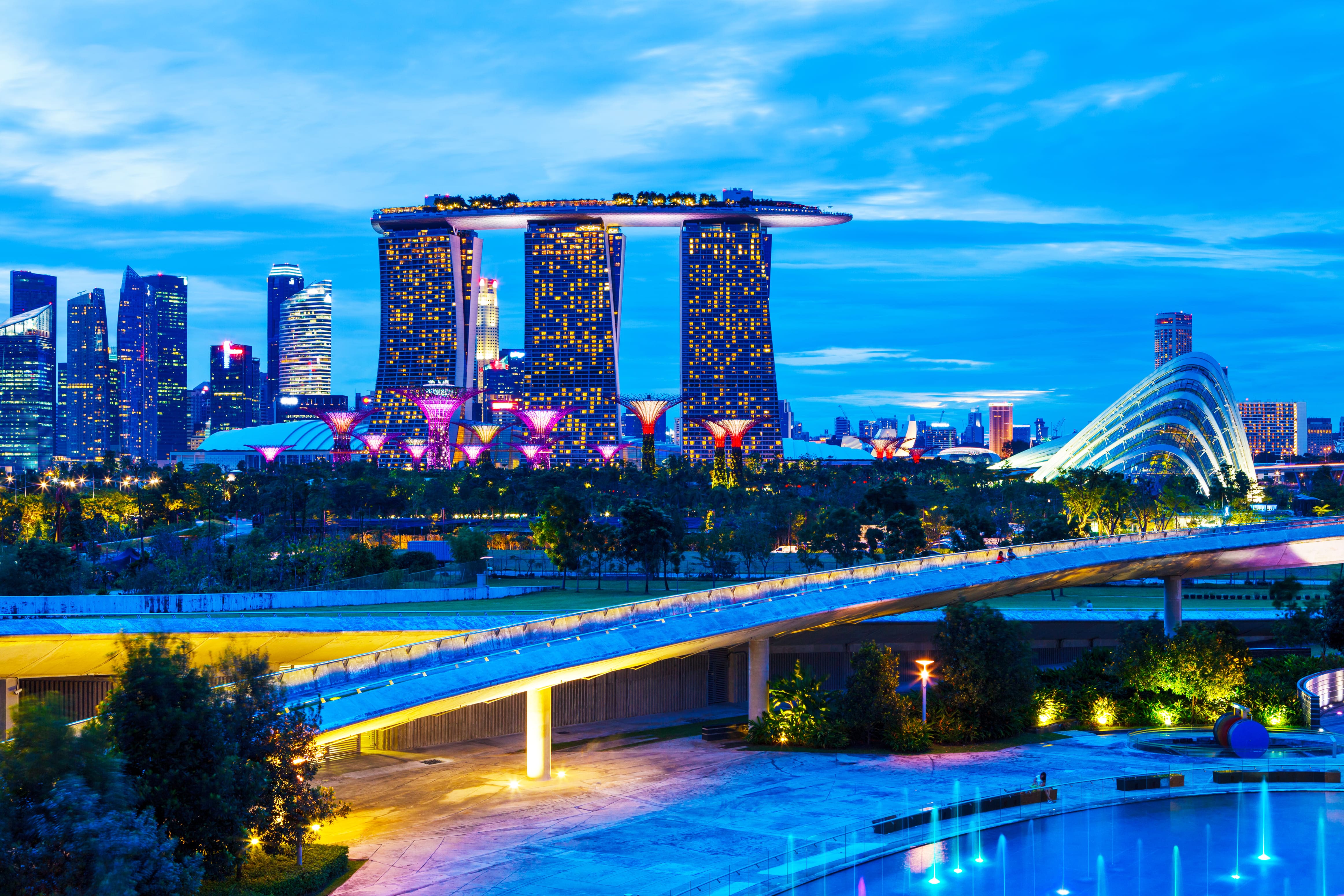













































Singapore is a shopping paradise that ranges from the luxury malls of Orchard Road and Marina Bay Sands to the bargain markets of Bugis Street and the indie boutiques of Haji Lane. Whether you want designer labels, electronics, textiles or souvenirs, it is all close together and easy to reach by MRT, and tourists can claim a GST refund on qualifying purchases before they fly home. This guide maps out the best places to shop, what to buy, how the tax refund works and when to find the best deals. For the wider trip, see our Singapore travel guide.
Where are the best places to shop in Singapore?
Singapore's shopping districts each have a distinct character, from luxury malls to street markets. The table shows where to head for what.
| Area | Best for | Highlights |
|---|---|---|
| Orchard Road | Malls, mid to high end | ION Orchard, Ngee Ann City, Paragon |
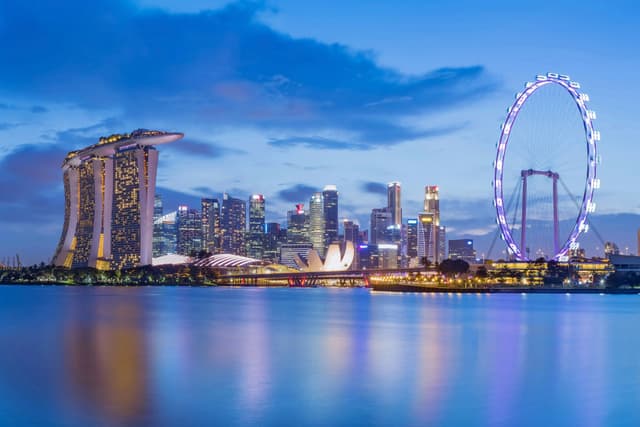
| Marina Bay Sands | Luxury labels | The Shoppes, canal and designer stores |
| VivoCity | Family shopping | Largest mall, gateway to Sentosa |
| Bugis Street | Bargains and souvenirs | Busy covered street market |
| Haji Lane | Indie and vintage | Boutiques, murals and cafes |
| Mustafa Centre | Everything, day or night | Huge 24 hour store in Little India |
| Chinatown | Gifts and trinkets | Street market and heritage shops |
Because most districts sit on or above an MRT line, you can cover several in a day. A classic plan pairs the malls of Orchard Road with the markets of Bugis and Kampong Glam, all a few stops apart.
Is Orchard Road worth it?
Yes. Orchard Road is Singapore's shopping heart, a tree lined stretch of more than 20 malls running for around two kilometres. Anchors include ION Orchard, Ngee Ann City with the Japanese department store Takashimaya, Paragon for luxury and 313 at Somerset for high street brands. It covers fashion, beauty, electronics, toys and dining under connected, air conditioned roofs, and it is easy to spend a full day here without stepping outside. Even window shoppers enjoy the scale and the festive light ups at Christmas. For more ways to fill your days, see our things to do in Singapore guide.

Where can you find markets and bargains?
Singapore is not only about luxury malls, and its markets are where prices come down and character goes up.
- Bugis Street is the largest street market, a covered maze of clothes, accessories and souvenirs at low prices.
- Chinatown Street Market is the spot for gifts, trinkets, silk and traditional crafts.
- Little India and the Mustafa Centre offer textiles, gold, spices and electronics, with Mustafa open 24 hours.
- Haji Lane in Kampong Glam is lined with independent boutiques, vintage stores and mural backed cafes.
- Tekka and wet markets give a local flavour alongside fabric and food stalls.
Pair a market day with the hawker centres in our best food in Singapore guide for the full Singapore experience.
Where should you shop for electronics?
Singapore has long been a magnet for electronics shoppers, though prices are now globally competitive rather than dramatically cheap. For a reliable experience, head to the big malls such as Funan, the reopened tech focused mall in the Civic District, or the Challenger and Best Denki chains in Orchard Road malls, where prices are fixed and warranties clear. The famous Sim Lim Square offers a huge range and room to bargain, but it requires care, so confirm the full price, warranty and that the item is sealed before paying. For most visitors, a reputable chain store gives peace of mind, and the GST refund still applies on qualifying purchases. Flying home to Nepal with a new phone or laptop? Check the duty-free limits in our Nepal customs allowance guide.
What luxury shopping does Singapore offer?
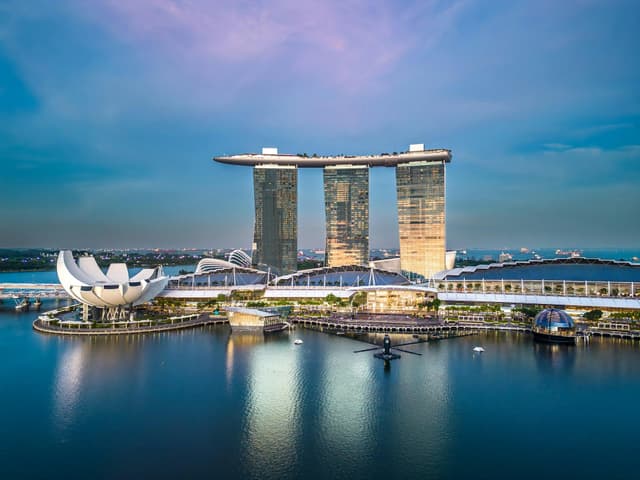
Singapore is a luxury shopping hub to rival any Asian city. The Shoppes at Marina Bay Sands hosts flagship boutiques from the world's leading fashion houses along an indoor canal complete with sampan rides. Orchard Road's Paragon and ION Orchard carry deep ranges of designer labels, watches and jewellery, and the airport's Jewel and terminals add duty free luxury on the way home. Prices are broadly in line with other global cities, but the concentration, service and tax refund make Singapore a comfortable place to shop the top brands.
What are the best malls in Singapore?
Malls are central to Singapore life, air conditioned refuges packed with shops, food courts and attractions. The table lists standout choices by strength.
| Mall | Where | Known for |
|---|---|---|
| ION Orchard | Orchard Road | Fashion, beauty and a viewing deck |
| The Shoppes at Marina Bay Sands | Marina Bay | Luxury labels and canal |
| VivoCity | HarbourFront | Largest mall, Sentosa link |
| Jewel Changi | Changi Airport | Rain Vortex, gardens and shops |
| Funan | City Hall | Tech, lifestyle and experiences |
| Suntec City | Marina Centre | Huge range and Fountain of Wealth |
Many malls are attractions in their own right, with rooftop gardens, cinemas and indoor play areas, so even a rainy afternoon becomes an outing.
What should you buy in Singapore?
Beyond fashion and electronics, Singapore has distinctive souvenirs worth seeking out. The table lists popular buys.
| Item | Where to find it |
|---|---|
| Kaya jam and local snacks | Supermarkets and specialty shops |
| Chilli crab and laksa sauces | Supermarkets, souvenir stores |
| Peranakan crafts and tiles | Chinatown, Katong, museums |
| Merlion souvenirs | Street markets and gift shops |
| Tea, orchid and TWG products | Malls and Changi Airport |
| Batik and textiles | Kampong Glam, Little India |
Edible souvenirs like kaya, pineapple tarts and cook at home sauces travel well and capture Singapore's famous flavours to enjoy back home.
How does the tourist GST refund work?
Visitors can claim back the Goods and Services Tax on qualifying purchases under the Tourist Refund Scheme, which is a real saving on bigger buys. To qualify you generally need to spend above a minimum amount at participating retailers, ask for an eTRS transaction at the point of sale, and keep your receipts and passport. At the airport before departure, you process the refund at the self help eTRS kiosks, present goods if asked, and choose your refund method. Claim the refund before you check in luggage containing the items, and allow extra time, as queues build at busy periods.
When is the best time to shop in Singapore?
Timing can stretch your budget. The Great Singapore Sale, usually held around the middle of the year, brings island wide discounts across malls and stores. Malls also run strong promotions during festive seasons such as Chinese New Year, Deepavali and Christmas, and year end sales are common. Because almost all shopping is indoors and air conditioned, it is a comfortable activity in any weather, rain or shine. Our best places to visit in Singapore guide helps you mix shopping with sights.
What are the best shopping tips for Singapore?
- Claim the tourist GST refund on qualifying purchases before you fly home.
- Compare electronics prices across shops and always check warranty coverage.
- Use the MRT, since most malls sit right above or beside a station.
- Carry a reusable bag and stay hydrated on busy shopping days.
- Bargain politely at street markets, but expect fixed prices in malls.
- Shop the mid year Great Singapore Sale for the widest discounts.
- Leave room in your luggage, or buy an extra bag at Mustafa Centre.
Prefer a trip with hotels, transfers and sightseeing arranged around your shopping days? Compare curated Singapore tour packages for an easy visit. For the full planning picture, read our Singapore travel guide.
What neighbourhoods are best for boutique shopping?
Beyond the big malls, Singapore's neighbourhoods offer character and one off finds. Each has a different personality and rewards a slower browse.
- Kampong Glam and Haji Lane mix independent fashion, vintage stores, perfumeries and textile shops around the golden Sultan Mosque.
- Tiong Bahru pairs art deco charm with indie bookshops, homeware boutiques and design led cafes.
- Katong and Joo Chiat showcase Peranakan crafts, ceramics and colourful shophouse stores.
- Dempsey Hill is a leafy former barracks turned upscale lifestyle, art and antique enclave.
- Chinatown blends heritage shops, tea houses and craft stalls with modern boutiques.
These areas suit travellers who want souvenirs and pieces they will not find in every airport, and they double as some of Singapore's most photogenic walks.
How does shopping in Singapore compare on price?
Singapore is a premium but competitive shopping city. Luxury goods are broadly in line with other global hubs, and the tourist GST refund can tip the balance in your favour on larger buys. Electronics are fairly priced rather than bargain cheap, so the appeal is range, reliability and warranty rather than rock bottom prices. Fashion spans affordable high street brands to designer flagships, and the markets keep everyday clothes, souvenirs and textiles genuinely cheap. The smart approach is to buy luxury and reliable electronics from reputable stores with the refund, and hunt bargains and gifts at Bugis, Chinatown, Little India and the Mustafa Centre.
What are the best department stores?
Singapore's department stores are destinations in themselves. Takashimaya at Ngee Ann City on Orchard Road is a vast Japanese store with fashion, homeware and a superb basement food hall. Isetan and BHG offer mid range fashion and household goods, Metro is a long standing local favourite, and Robinsons, once a heritage name, has evolved online. Marks and Spencer and Uniqlo serve dependable everyday clothing across multiple malls. For a one stop everything experience, the 24 hour Mustafa Centre in Little India is legendary, selling electronics, gold, groceries, perfume and souvenirs under one sprawling roof at keen prices.
Can you shop at Changi Airport and Jewel?
Yes, and Changi is one of the world's best airports for shopping. The terminals are packed with duty free luxury, cosmetics, liquor, chocolate and local souvenirs, often at competitive prices. Jewel Changi, the dome linked to the terminals, adds more than 280 shops and eateries around the spectacular Rain Vortex indoor waterfall, so you can shop, eat and sightsee before or after a flight. Many travellers save some souvenir and gift shopping, and their duty free allowance, for the airport, where the GST refund process is also completed.
Is Sim Lim Square safe for electronics?
Sim Lim Square is famous for the widest electronics range in Singapore, spread over several floors of independent shops, and prices can be keen if you know what you want. It has had a reputation for sharp practices in the past, so shop with care. Agree the full, final price before paying, insist the item is brand new and sealed, confirm the international or local warranty in writing, and avoid stores that pressure you or quote suspiciously low prices. Many honest retailers operate there, but for a stress free purchase, first time visitors may prefer the fixed price chains in Funan or Orchard Road malls.
How do payments and money work for shoppers?
Singapore is highly cashless, and cards, mobile wallets and contactless payments are accepted almost everywhere, from malls to many hawker stalls. Carrying some cash is still useful for street markets and small vendors, where bargaining and small purchases are easier in notes. The local currency is the Singapore dollar, and money changers in malls like Mustafa and Lucky Plaza offer competitive rates for exchanging cash. For the GST refund, remember that only purchases from participating retailers with an eTRS transaction qualify, so ask at the point of sale.
Which shopping suits your budget?
Singapore caters to every budget, and matching the district to your spend keeps a trip enjoyable. The table gives a quick guide.
| Budget | Where to shop |
|---|---|
| Luxury | Marina Bay Sands, Paragon, ION Orchard |
| Mid range | Orchard Road malls, Suntec City, VivoCity |
| Value and bargains | Bugis Street, Mustafa Centre, Chinatown |
| Boutique and indie | Haji Lane, Tiong Bahru, Katong |
| Duty free | Changi Airport and Jewel |
Mixing one or two districts across budgets in a single trip lets you enjoy the luxury flagships and the lively markets without overspending.
How much time do you need for shopping in Singapore?
You can dip into shopping in a spare afternoon or build a whole trip around it. A half day covers Orchard Road or a market district, a full day lets you pair malls with markets, and two to three days gives time for the luxury flagships, boutique neighbourhoods, electronics and airport duty free without rushing. Because everything connects by MRT, you rarely lose time in transit, so even a shopping focused long weekend feels productive. Building in food and sightseeing stops between shops keeps the pace enjoyable rather than exhausting.
What common shopping mistakes should you avoid?
A few simple habits keep a Singapore shopping trip smooth and good value.
| Mistake | Do this instead |
|---|---|
| Skipping the GST refund on big buys | Ask for an eTRS transaction and claim at the airport |
| Buying electronics without checking warranty | Confirm price, sealed box and warranty in writing |
| Bargaining in fixed price malls | Save haggling for street markets |
| Leaving no luggage space | Pack light or buy a cheap bag at Mustafa |
| Shopping only on Orchard Road | Explore markets and boutique neighbourhoods too |
Avoiding these keeps both your budget and your patience intact, and helps you come home with the pieces you actually wanted.
Where can you shop late at night?
Singapore is a night owl's shopping city. Most malls stay open until around 10pm, and the Mustafa Centre in Little India famously never closes, making it the go to for late night electronics, gold, souvenirs and groceries. Bugis Street and the night markets that pop up around festivals run into the evening, and the Orchard Road malls come alive with lights and dining after dark. For visitors adjusting to jet lag or squeezing shopping around sightseeing, the long opening hours are a real bonus.
How can you shop sustainably in Singapore?
Conscious shoppers have good options in Singapore. Vintage and thrift stores cluster in Haji Lane and around the arts districts, local designers and craft makers sell in Tiong Bahru, Katong and pop up markets, and bringing a reusable bag cuts down on plastic. Choosing quality pieces, local Peranakan crafts and edible souvenirs over mass produced trinkets supports makers and travels better. Many malls now house sustainable and local brand corners, so it is easy to shop thoughtfully while still enjoying the variety Singapore is known for.
What is a good one day shopping itinerary?
To cover the best of Singapore shopping in a single day, this simple flow works well and keeps travel to a minimum.
| Time | Where | Focus |
|---|---|---|
| Morning | Orchard Road | Malls, fashion, beauty and department stores |
| Midday | Kampong Glam and Haji Lane | Boutiques, vintage and a cafe lunch |
| Afternoon | Bugis Street and Little India | Bargains, souvenirs and the Mustafa Centre |
| Evening | Marina Bay Sands | Luxury browsing and the light show |
All four stops sit a few MRT stops apart, so you can shop across every budget and style in one comfortable, air conditioned day.
Where can families shop with children?
Family shoppers are well served in Singapore. VivoCity at HarbourFront is the largest mall and doubles as the gateway to Sentosa, with toy stores, a rooftop play area and family dining. Orchard Road malls carry big toy and kidswear brands, and Jewel Changi combines shopping with the Rain Vortex and Canopy Park for a fun family outing. Because malls are air conditioned, stroller friendly and full of food courts, a shopping day easily doubles as a family day out when the weather is hot or wet.
In the end, few cities pack as much shopping variety into as small a space as Singapore. From designer flagships along a canal to a 24 hour bazaar in Little India, from indie boutiques on a mural lined lane to a duty free wonderland at the airport, it is all within a short, cool MRT ride, and the tourist tax refund softens the cost of the bigger treats. Plan a mix of malls, markets and neighbourhoods, and Singapore delivers one of Asia's most satisfying shopping experiences.
Where can you buy gold, jewellery and watches?
Singapore is a trusted place to buy gold, jewellery and watches. Little India, especially around Serangoon Road and the Mustafa Centre, is known for gold jewellery at competitive rates, popular with locals and visitors alike. For fine watches and designer jewellery, the boutiques of ION Orchard, Paragon and The Shoppes at Marina Bay Sands carry the major houses with full warranties. Buying from established retailers gives assurance of authenticity and after sales service, and the tourist GST refund applies to qualifying purchases, which can be a meaningful saving on higher value pieces.
How can you combine shopping with sightseeing?
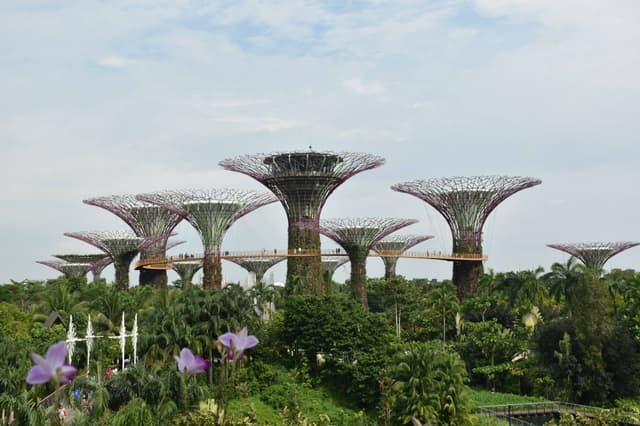
One of the joys of Singapore is how easily shopping folds into a day of sights. Browse Marina Bay Sands then step out to Gardens by the Bay and the evening light show, pair Orchard Road with a walk in the Botanic Gardens, or combine Chinatown or Little India shopping with their temples and food streets. VivoCity leads straight to Sentosa, and Jewel Changi turns airport time into an attraction. Because the city is compact and the MRT links it all, you never have to choose between shopping and seeing the sights.
A final tip is to plan your shopping around the calendar and your luggage. Time a visit with the mid year Great Singapore Sale or a festive season for the deepest discounts, keep receipts and your passport ready for the tax refund, and leave a little space, or budget for an extra bag, so your finds make it home easily. With a light plan like that, Singapore turns shopping from a chore into one of the highlights of the trip.
Frequently asked questions
Where is the best shopping in Singapore?
Orchard Road is the main shopping district with malls like ION Orchard and Paragon, while Marina Bay Sands has luxury labels, VivoCity is the largest mall, and Bugis Street and Haji Lane offer bargains and boutiques.
Can tourists claim a tax refund in Singapore?
Yes. Visitors can claim a GST refund on qualifying purchases from participating retailers under the Tourist Refund Scheme, processed at the airport before departure via the eTRS kiosks. Keep your receipts and passport handy and claim before checking in the goods.
Is Singapore good for cheap shopping?
It can be. Malls lean mid to high end, but Bugis Street, Chinatown Street Market, Little India and the Mustafa Centre offer affordable clothes, souvenirs and textiles, and the mid year Great Singapore Sale brings wide discounts.
What should you buy in Singapore?
Popular buys include fashion and beauty products, electronics, local snacks like kaya and chilli crab sauces, Peranakan crafts, tea and souvenirs such as Merlion themed gifts from the street markets.
When is the Great Singapore Sale?
The Great Singapore Sale is typically held around the middle of the year and features island wide discounts across malls and stores. Dates vary each year, so check before you travel and combine it with festive season promotions.
Is shopping cheaper in Singapore or Bangkok?
Bangkok is generally cheaper for street fashion and bargains, while Singapore offers a more premium, reliable experience with luxury flagships, quality electronics, clear warranties and the tourist GST refund. For markets and low prices Bangkok wins, but for a polished, trustworthy shop Singapore leads.
Do shops in Singapore accept cards and mobile payments?
Yes. Singapore is highly cashless, and cards, contactless and mobile wallets are accepted almost everywhere, including many hawker stalls. Carry some cash for street markets and small vendors where bargaining is easier.
What is the minimum spend for a GST refund in Singapore?
The Tourist Refund Scheme requires spending above a set minimum at participating retailers, and you can accumulate receipts from the same shop on the same day. Ask the retailer for an eTRS transaction, keep your passport and receipts, and process the refund at the airport before departure.
Where is the best place to buy souvenirs in Singapore?
Bugis Street, Chinatown Street Market and the Mustafa Centre are best for affordable souvenirs, while Katong and museum shops offer Peranakan crafts. Edible gifts like kaya, pineapple tarts and chilli crab sauce are available in supermarkets and at Changi Airport.
What are the opening hours for shopping in Singapore?
Most malls open from around 10am to 10pm daily, including weekends. Street markets like Bugis run through the day into the evening, and the Mustafa Centre in Little India is open 24 hours, making late night shopping easy.
Is Singapore good for luxury shopping?
Yes. Singapore is a leading luxury shopping hub, with designer flagships at The Shoppes at Marina Bay Sands, Paragon and ION Orchard. Prices are broadly in line with other global cities, and the tourist GST refund can make bigger purchases more attractive.
Can you bargain in Singapore?
Bargaining is expected at street markets like Bugis Street, Chinatown and some shops in Little India, but malls and department stores have fixed prices. Bargain politely with a smile at markets, and pay the marked price in malls.
Is Orchard Road or Marina Bay Sands better for shopping?
Orchard Road offers the widest range across mid to high end fashion, beauty and department stores over a long stretch of malls, while The Shoppes at Marina Bay Sands focuses on luxury flagships in a striking canal setting. Serious luxury shoppers love Marina Bay, while Orchard Road suits all round shopping.
More Singapore travel guides
- Singapore Travel Guide: Attractions, Food and How to Plan a Trip
- Things to Do in Singapore
- Best Food in Singapore
- Best Places to Visit in Singapore