


+977-9709047652
Explore by Country
See all 12 Thailand packages
Most popular pick
See all 12 Thailand packages
See all 8 Vietnam packages
Most popular pick
See all 8 Vietnam packages
See all 4 Indonesia (Bali) packages
Most popular pick
See all 4 Indonesia (Bali) packages
See all 3 Maldives packages
Most popular pick
See all 3 Maldives packages
See all 3 China packages
Most popular pick
See all 3 China packages
See all 2 Sri Lanka packages
Most popular pick
See all 2 Sri Lanka packages
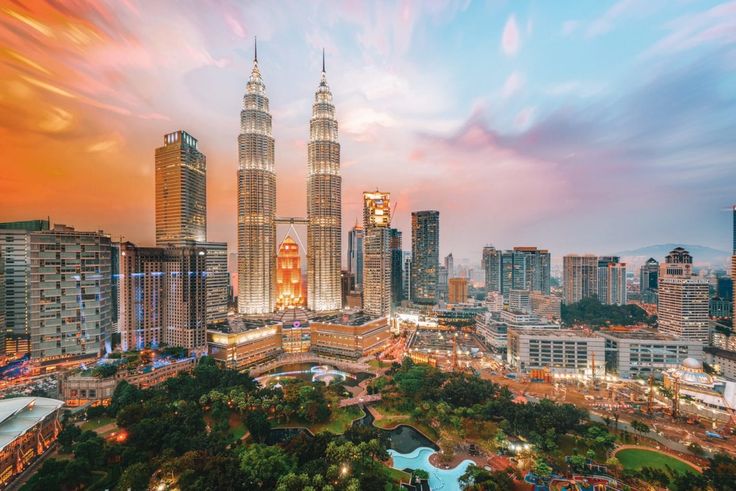
See all 3 Malaysia packages
Most popular pick
See all 3 Malaysia packages
See all 2 Singapore packages
Most popular pick
See all 2 Singapore packages
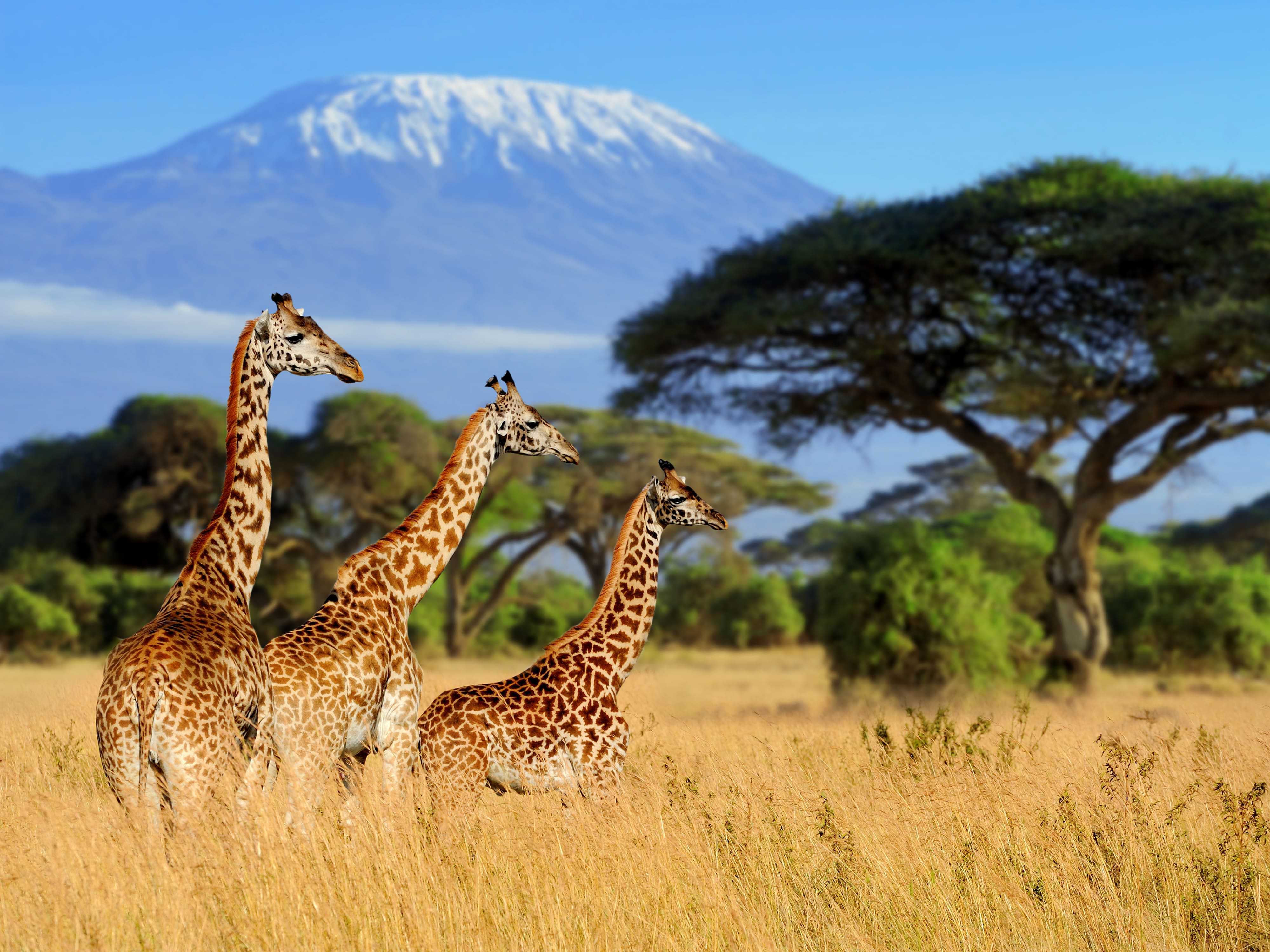
See all 2 Kenya packages
Most popular pick
See all 2 Kenya packages
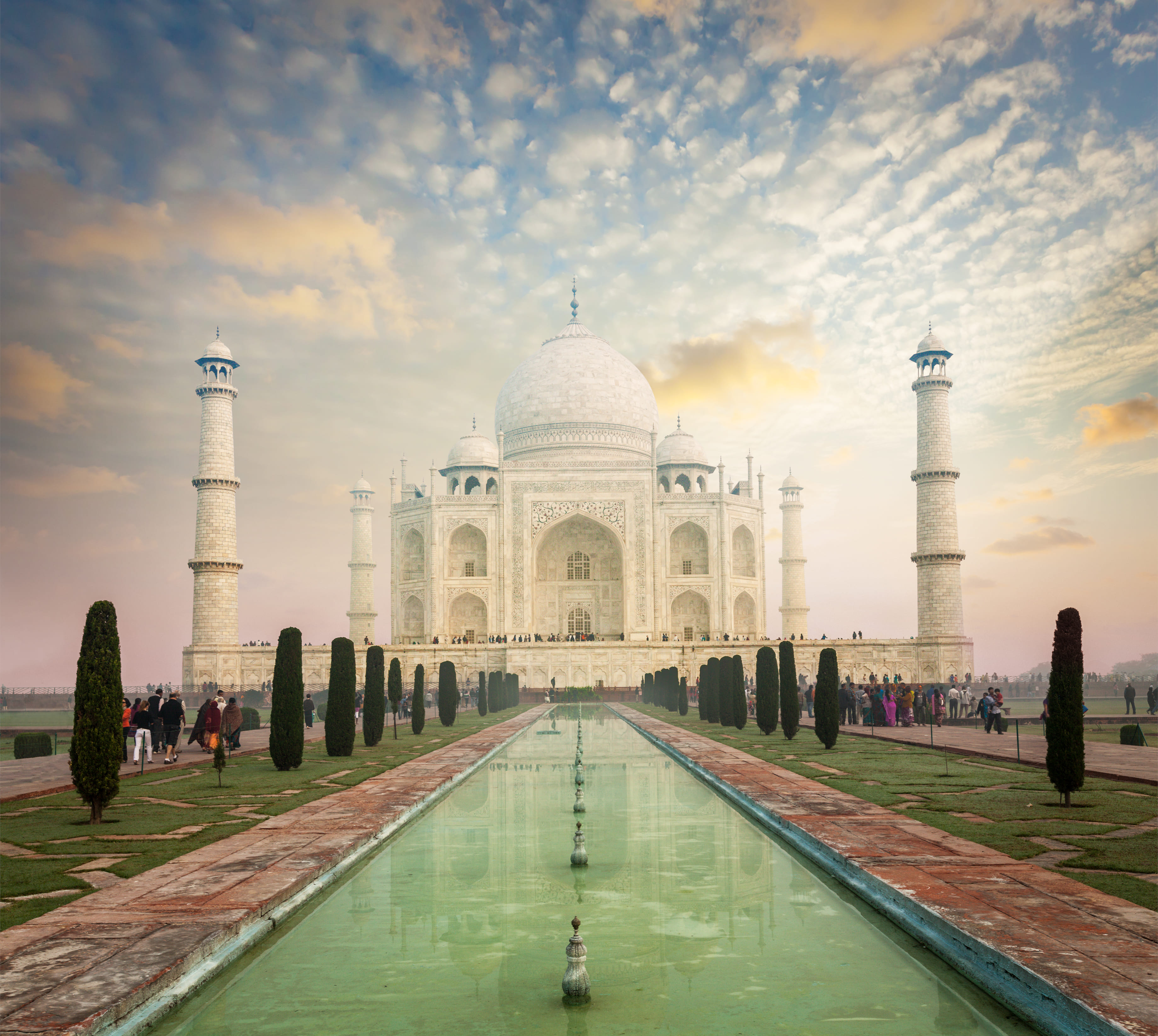
See all 4 India packages
Most popular pick
See all 4 India packages
Search Tours or Places
Blog / Singapore

12 Best Places to Visit in Singapore, by Area

11 min read 26 Jul 2026

Singapore fits an enormous amount into a small island, and that is exactly why it works so well for a short holiday. Most of the best places to visit in Singapore sit within a twenty minute train ride of each other, so you can see a rainforest park in the morning, eat at a hawker stall at lunch and watch a light show over the water the same night. This guide organizes everything by area, so you can plan by neighborhood instead of bouncing across the map.

How many days do you need in Singapore?

Three full days covers the main sights comfortably, and four to five days lets you add Sentosa, the wildlife parks and a slower afternoon somewhere green. Anything past a week and most travelers start pairing Singapore with a neighboring country. If you would rather have the logistics handled, our Singapore tour packages are built around this same three to five day shape.

The MRT is the reason a short Singapore itinerary works. Trains are frequent, clean, air conditioned and signed in English, and they reach almost everything in this guide, including Changi Airport and the edge of Sentosa. Just tap in with a contactless bank card. You will rarely need a taxi except late at night.

Marina Bay: the view everyone comes for

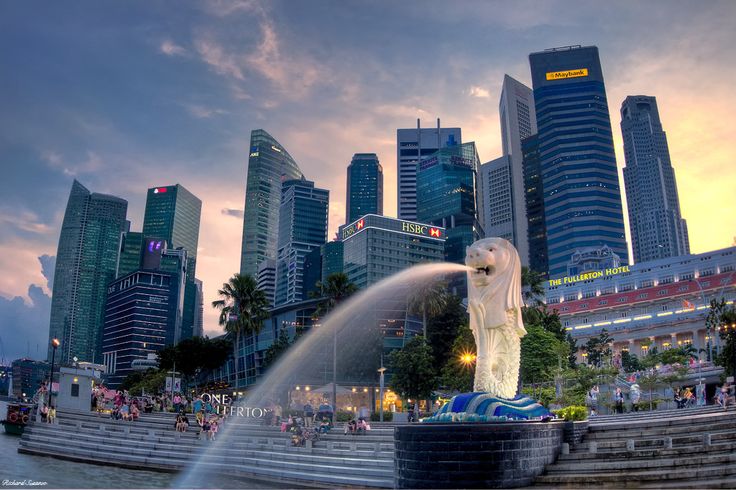
Marina Bay is the postcard, and it is worth seeing twice, once in daylight and once after dark. The bay is ringed by a walkable promenade, so you can start at Merlion Park, where the water spouting lion statue faces Marina Bay Sands, and keep going the whole way round in about an hour.

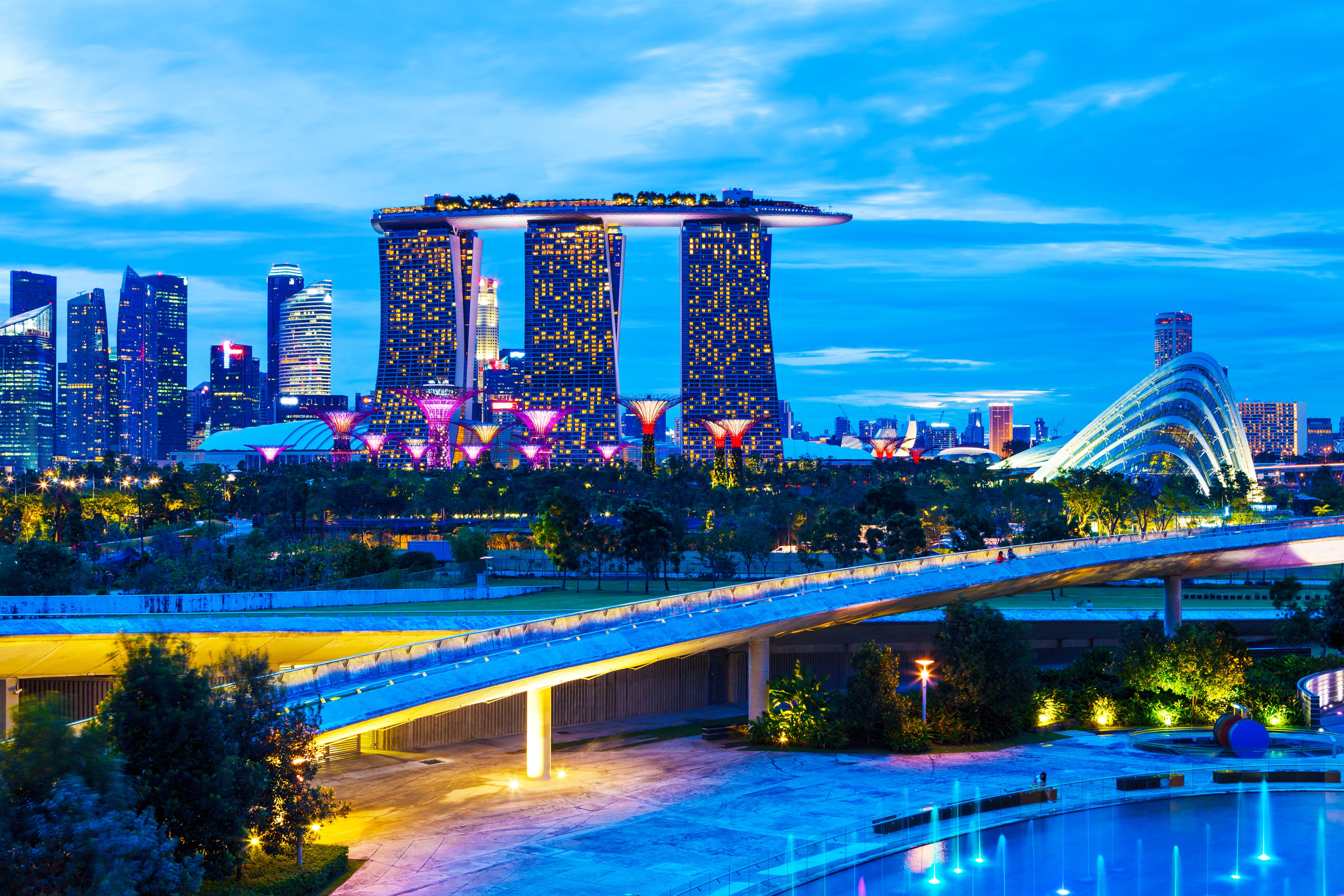
The double helix shape of the Helix Bridge is best appreciated at night, when it is lit up and framing the hotel behind it. Marina Bay Sands itself is a hotel, mall, casino and observation deck stacked together, and the rooftop deck is ticketed even if you are not staying. The promenade below is where most of the good photos happen anyway.

Gardens by the Bay

Gardens by the Bay sits right behind Marina Bay Sands and is partly free. The outdoor gardens, including the Supertree Grove, the Heritage Gardens and the waterfront paths, cost nothing to walk through. The Garden Rhapsody light and sound show at the Supertree Grove is also free and runs twice nightly at 7.45pm and 8.45pm.

The ticketed parts are the two conservatories, Flower Dome and Cloud Forest, plus Floral Fantasy, the OCBC Skyway walkway between the Supertrees and the Supertree Observatory. If you only pick one, Cloud Forest with its indoor waterfall and misted mountain is the more dramatic of the two domes.

Sentosa: beaches, rides and one very big aquarium

Sentosa is the island resort just off the south coast, reached by cable car, the Sentosa Express monorail from VivoCity, or on foot along the boardwalk. Universal Studios Singapore is the headline attraction and is fully open, with the Minion Land zone added in recent years.

The big change to know about is the aquarium. The old S.E.A. Aquarium has been replaced by the much larger Singapore Oceanarium, which opened in July 2025 on the same Resorts World Sentosa site. Beyond that you have Siloso, Palawan and Tanjong beaches, the Skyline Luge, the Sensoryscape walkway and the Wings of Time night show on the beachfront. A full day is realistic, and a half day is enough if you skip the theme park.

Mandai wildlife parks: zoo, night safari and more

The wildlife parks in the north of the island are genuinely world class and easily the best thing to do in Singapore with kids. There are now five, all clustered together at Mandai: Singapore Zoo, Night Safari, River Wonders, Bird Paradise and Rainforest Wild, which opened in 2025.

One important correction to older guides. Jurong Bird Park no longer exists. It closed in January 2023 and its collection moved to Bird Paradise at Mandai, so any article still sending you to Jurong is out of date. Pick two parks maximum in one day. Singapore Zoo in the afternoon followed by Night Safari after dark is the classic combination, since they share the same entrance area.

Singapore Botanic Gardens

The Singapore Botanic Gardens is a UNESCO World Heritage Site, the only tropical botanic garden on the list, and general entry is free. It opens early and stays open late, which makes it a good first stop before the heat builds or a calm end to a busy day.

The one part that is ticketed is the National Orchid Garden inside it, home to thousands of orchid varieties including the national flower. It is worth it if you like plants and skippable if you do not. Either way, the lakes, the rain forest patch and the bandstand are all free to wander.

Chinatown

Chinatown is compact, walkable and best done on foot over two or three hours. The Buddha Tooth Relic Temple anchors the area with its red and gold facade, and the Sri Mariamman Temple, the oldest Hindu temple in Singapore, sits a few doors down on the same street, which tells you a lot about how the country works.

Eat at Maxwell Food Centre or Chinatown Complex Food Centre rather than the tourist restaurants on Pagoda Street. The Chinatown Heritage Centre is a small, well done museum about how shophouse families lived.

Little India

Little India is the loudest and most colorful of the heritage areas, and it feels the least polished, in a good way. The Sri Veeramakaliamman Temple on Serangoon Road is the main landmark, and the bright multicolored Tan Teng Niah house is the most photographed building in the area.

Tekka Centre is the place to eat, and Mustafa Centre is a genuinely strange 24 hour department store selling everything from electronics to spices. Sunday evenings get very busy, so go on a weekday if crowds bother you.

Kampong Glam and Haji Lane

Kampong Glam is the Malay and Arab quarter, and it makes for the most enjoyable hour of walking in Singapore. The gold domed Sultan Mosque sits at the top of Bussorah Street, which is lined with restored shophouses, textile shops and cafes.

Haji Lane, one street over, is a narrow alley of independent boutiques, murals and bars. It is small, so do not expect to spend all afternoon there, but it photographs beautifully and the food around Arab Street is excellent. Dress modestly if you plan to go inside the mosque.

Orchard Road

Orchard Road is the main shopping strip, a long stretch of connected malls that you can walk almost entirely indoors and underground, which matters when it rains. ION Orchard, Ngee Ann City and Paragon are the anchors, and the basements are full of food courts. Skip it if shopping does not interest you, because the malls are similar to good malls elsewhere. Go if you want a cool, dry, comfortable few hours in the middle of a hot day.

Clarke Quay and the Singapore River

Clarke Quay is the riverside strip of restored warehouses that has long been the nightlife center. It reopened after a major upgrade as CQ @ Clarke Quay and now works during the day as well as at night, with more dining and family friendly space than it once had.

The nicest way to see it is the river itself. Bumboat cruises run between Clarke Quay, Boat Quay and Marina Bay, and the walk along the river from Clarke Quay to the Merlion takes roughly half an hour past Boat Quay and the old bridges.

Jewel Changi Airport

Jewel is open to the public and you do not need a flight to visit. It sits on the landside of Changi Airport, connected to Terminal 1 and linked to the others by walkways, and the MRT drops you right there.

The centerpiece is the Jewel Rain Vortex, the indoor waterfall, which runs daily from 10.00am to 10.00pm. The light and music showcase plays at 8.00pm and 9.00pm from Monday to Thursday, with an added 10.00pm show on Fridays, weekends and public holidays. The Shiseido Forest Valley around it is free, while the Canopy Park attractions on the top level are ticketed.

The off-list pick: TreeTop Walk and Pulau Ubin

If you want a day that feels nothing like the rest of the trip, go into the forest. The MacRitchie TreeTop Walk is a suspension bridge strung between two of the highest points in the central reserve, reached by a long loop trail through secondary rainforest with macaques and monitor lizards along the way. The bridge is closed on Mondays, so check before you go.

Pulau Ubin is the other option, a small island off the northeast coast reached by bumboat from Changi Point, with no malls, barely any cars, and rented bicycles instead. The Southern Ridges walk, including the wave shaped Henderson Waves bridge, is the easier version of the same idea and much closer to the city.

Singapore at a glance

PlaceAreaBest forTime needed
Marina Bay and Merlion ParkMarina BaySkyline views, night walks2 to 3 hours
Gardens by the BayMarina BaySupertrees, conservatoriesHalf a day
SentosaSouth coastFamilies, beaches, theme parkFull day
Mandai wildlife parksNorthKids, animals, night safariFull day
Singapore Botanic GardensCentral westQuiet mornings, orchids2 to 3 hours
ChinatownCentralTemples, hawker food2 to 3 hours
Little IndiaCentral northMarkets, street color2 hours
Kampong Glam and Haji LaneCentral eastShophouses, cafes, shopping2 hours
Orchard RoadCentralShopping, rainy afternoons2 to 4 hours
Clarke Quay and the riverRiversideNightlife, boat ridesAn evening
Jewel Changi AirportEastLayovers, last day2 to 3 hours
TreeTop Walk or Pulau UbinCentral and northeastNature, walking, escaping crowdsHalf to full day

How to plan your Singapore trip

Singapore has no real dry season. It is hot and humid all year, with two monsoon periods and rain possible in any month. November to January is the wettest stretch and February is usually the driest, but rain here tends to arrive as a heavy afternoon burst rather than an all day drizzle, so it rarely ruins a plan. Haze drifting in from regional fires is occasionally an issue in the middle months of the year, though it varies a lot and many years pass with barely any.

On paperwork, most short term visitors need to submit the SG Arrival Card before they land. It includes an electronic health declaration, it must be submitted within three days before arrival including the day you arrive, and it is free on the official SG Arrival Card portal run by the Immigration and Checkpoints Authority. Ignore any site that charges you for it. Visa rules depend on your passport, and many nationalities enter without a visa for a set number of days, so check the ICA site for your own country before you book.

Because the island is small, a lot of travelers combine it with a neighbor. Adding Kuala Lumpur, Malacca and Penang works well, and our Singapore and Malaysia Tour follows that route, while our Malaysia guide is a good place to start if you are weighing up whether a multi country trip is worth it. If you have closer to two weeks, the Thailand, Singapore and Malaysia Tour adds Bangkok and the beaches to the same loop.

Frequently asked questions about visiting Singapore

How many days in Singapore is enough?

Three full days is enough for Marina Bay, Gardens by the Bay and the heritage neighborhoods. Four or five days lets you add Sentosa and the Mandai wildlife parks without rushing. Beyond that, most people combine Singapore with Malaysia or Thailand.

Do I need a visa for Singapore, and what is the SG Arrival Card?

Visa requirements depend on your passport, and many nationalities enter without one for a set period. Separately, almost all travelers must submit the SG Arrival Card with its health declaration within three days before arrival. It is free on the official ICA site.

What is the best time of year to visit Singapore?

There is no dry season, so any month works. November to January is the wettest and February is typically the driest. Rain usually comes as short heavy showers, and indoor attractions plus the MRT mean a wet afternoon costs you very little.

Is chewing gum actually illegal in Singapore?

Chewing gum is not illegal. What is banned is importing and selling it, so you will not find it in shops. Bringing a small amount for personal use is fine, and therapeutic or nicotine gum is available through pharmacists and doctors.

Can you visit Jewel Changi Airport without a flight?

Yes. Jewel is on the public side of Changi Airport and anyone can walk in. The MRT stops there, the Rain Vortex runs daily from 10.00am to 10.00pm, and the evening light shows start at 8.00pm.

Is Jurong Bird Park still open?

No. Jurong Bird Park closed in January 2023 and its birds moved north to Bird Paradise at Mandai, next to Singapore Zoo, Night Safari and River Wonders. Any guide still listing Jurong Bird Park is out of date.

Tags
SingaporeSingapore Travel GuideMarina BaySentosaSoutheast AsiaFamily TravelCity BreaksTravel Tips
Share
G
Gomayu Team
Writer at Gomayu
Keep reading
Blog / Singapore

12 Best Places to Visit in Singapore, by Area

11 min read 26 Jul 2026

Singapore fits an enormous amount into a small island, and that is exactly why it works so well for a short holiday. Most of the best places to visit in Singapore sit within a twenty minute train ride of each other, so you can see a rainforest park in the morning, eat at a hawker stall at lunch and watch a light show over the water the same night. This guide organizes everything by area, so you can plan by neighborhood instead of bouncing across the map.

How many days do you need in Singapore?

Three full days covers the main sights comfortably, and four to five days lets you add Sentosa, the wildlife parks and a slower afternoon somewhere green. Anything past a week and most travelers start pairing Singapore with a neighboring country. If you would rather have the logistics handled, our Singapore tour packages are built around this same three to five day shape.

The MRT is the reason a short Singapore itinerary works. Trains are frequent, clean, air conditioned and signed in English, and they reach almost everything in this guide, including Changi Airport and the edge of Sentosa. Just tap in with a contactless bank card. You will rarely need a taxi except late at night.

Marina Bay: the view everyone comes for

Marina Bay is the postcard, and it is worth seeing twice, once in daylight and once after dark. The bay is ringed by a walkable promenade, so you can start at Merlion Park, where the water spouting lion statue faces Marina Bay Sands, and keep going the whole way round in about an hour.

The double helix shape of the Helix Bridge is best appreciated at night, when it is lit up and framing the hotel behind it. Marina Bay Sands itself is a hotel, mall, casino and observation deck stacked together, and the rooftop deck is ticketed even if you are not staying. The promenade below is where most of the good photos happen anyway.

Gardens by the Bay

Gardens by the Bay sits right behind Marina Bay Sands and is partly free. The outdoor gardens, including the Supertree Grove, the Heritage Gardens and the waterfront paths, cost nothing to walk through. The Garden Rhapsody light and sound show at the Supertree Grove is also free and runs twice nightly at 7.45pm and 8.45pm.

The ticketed parts are the two conservatories, Flower Dome and Cloud Forest, plus Floral Fantasy, the OCBC Skyway walkway between the Supertrees and the Supertree Observatory. If you only pick one, Cloud Forest with its indoor waterfall and misted mountain is the more dramatic of the two domes.

Sentosa: beaches, rides and one very big aquarium

Sentosa is the island resort just off the south coast, reached by cable car, the Sentosa Express monorail from VivoCity, or on foot along the boardwalk. Universal Studios Singapore is the headline attraction and is fully open, with the Minion Land zone added in recent years.

The big change to know about is the aquarium. The old S.E.A. Aquarium has been replaced by the much larger Singapore Oceanarium, which opened in July 2025 on the same Resorts World Sentosa site. Beyond that you have Siloso, Palawan and Tanjong beaches, the Skyline Luge, the Sensoryscape walkway and the Wings of Time night show on the beachfront. A full day is realistic, and a half day is enough if you skip the theme park.

Mandai wildlife parks: zoo, night safari and more

The wildlife parks in the north of the island are genuinely world class and easily the best thing to do in Singapore with kids. There are now five, all clustered together at Mandai: Singapore Zoo, Night Safari, River Wonders, Bird Paradise and Rainforest Wild, which opened in 2025.

One important correction to older guides. Jurong Bird Park no longer exists. It closed in January 2023 and its collection moved to Bird Paradise at Mandai, so any article still sending you to Jurong is out of date. Pick two parks maximum in one day. Singapore Zoo in the afternoon followed by Night Safari after dark is the classic combination, since they share the same entrance area.

Singapore Botanic Gardens

The Singapore Botanic Gardens is a UNESCO World Heritage Site, the only tropical botanic garden on the list, and general entry is free. It opens early and stays open late, which makes it a good first stop before the heat builds or a calm end to a busy day.

The one part that is ticketed is the National Orchid Garden inside it, home to thousands of orchid varieties including the national flower. It is worth it if you like plants and skippable if you do not. Either way, the lakes, the rain forest patch and the bandstand are all free to wander.

Chinatown

Chinatown is compact, walkable and best done on foot over two or three hours. The Buddha Tooth Relic Temple anchors the area with its red and gold facade, and the Sri Mariamman Temple, the oldest Hindu temple in Singapore, sits a few doors down on the same street, which tells you a lot about how the country works.

Eat at Maxwell Food Centre or Chinatown Complex Food Centre rather than the tourist restaurants on Pagoda Street. The Chinatown Heritage Centre is a small, well done museum about how shophouse families lived.

Little India

Little India is the loudest and most colorful of the heritage areas, and it feels the least polished, in a good way. The Sri Veeramakaliamman Temple on Serangoon Road is the main landmark, and the bright multicolored Tan Teng Niah house is the most photographed building in the area.

Tekka Centre is the place to eat, and Mustafa Centre is a genuinely strange 24 hour department store selling everything from electronics to spices. Sunday evenings get very busy, so go on a weekday if crowds bother you.

Kampong Glam and Haji Lane

Kampong Glam is the Malay and Arab quarter, and it makes for the most enjoyable hour of walking in Singapore. The gold domed Sultan Mosque sits at the top of Bussorah Street, which is lined with restored shophouses, textile shops and cafes.

Haji Lane, one street over, is a narrow alley of independent boutiques, murals and bars. It is small, so do not expect to spend all afternoon there, but it photographs beautifully and the food around Arab Street is excellent. Dress modestly if you plan to go inside the mosque.

Orchard Road

Orchard Road is the main shopping strip, a long stretch of connected malls that you can walk almost entirely indoors and underground, which matters when it rains. ION Orchard, Ngee Ann City and Paragon are the anchors, and the basements are full of food courts. Skip it if shopping does not interest you, because the malls are similar to good malls elsewhere. Go if you want a cool, dry, comfortable few hours in the middle of a hot day.

Clarke Quay and the Singapore River

Clarke Quay is the riverside strip of restored warehouses that has long been the nightlife center. It reopened after a major upgrade as CQ @ Clarke Quay and now works during the day as well as at night, with more dining and family friendly space than it once had.

The nicest way to see it is the river itself. Bumboat cruises run between Clarke Quay, Boat Quay and Marina Bay, and the walk along the river from Clarke Quay to the Merlion takes roughly half an hour past Boat Quay and the old bridges.

Jewel Changi Airport

Jewel is open to the public and you do not need a flight to visit. It sits on the landside of Changi Airport, connected to Terminal 1 and linked to the others by walkways, and the MRT drops you right there.

The centerpiece is the Jewel Rain Vortex, the indoor waterfall, which runs daily from 10.00am to 10.00pm. The light and music showcase plays at 8.00pm and 9.00pm from Monday to Thursday, with an added 10.00pm show on Fridays, weekends and public holidays. The Shiseido Forest Valley around it is free, while the Canopy Park attractions on the top level are ticketed.

The off-list pick: TreeTop Walk and Pulau Ubin

If you want a day that feels nothing like the rest of the trip, go into the forest. The MacRitchie TreeTop Walk is a suspension bridge strung between two of the highest points in the central reserve, reached by a long loop trail through secondary rainforest with macaques and monitor lizards along the way. The bridge is closed on Mondays, so check before you go.

Pulau Ubin is the other option, a small island off the northeast coast reached by bumboat from Changi Point, with no malls, barely any cars, and rented bicycles instead. The Southern Ridges walk, including the wave shaped Henderson Waves bridge, is the easier version of the same idea and much closer to the city.

Singapore at a glance

PlaceAreaBest forTime needed
Marina Bay and Merlion ParkMarina BaySkyline views, night walks2 to 3 hours
Gardens by the BayMarina BaySupertrees, conservatoriesHalf a day
SentosaSouth coastFamilies, beaches, theme parkFull day
Mandai wildlife parksNorthKids, animals, night safariFull day
Singapore Botanic GardensCentral westQuiet mornings, orchids2 to 3 hours
ChinatownCentralTemples, hawker food2 to 3 hours
Little IndiaCentral northMarkets, street color2 hours
Kampong Glam and Haji LaneCentral eastShophouses, cafes, shopping2 hours
Orchard RoadCentralShopping, rainy afternoons2 to 4 hours
Clarke Quay and the riverRiversideNightlife, boat ridesAn evening
Jewel Changi AirportEastLayovers, last day2 to 3 hours
TreeTop Walk or Pulau UbinCentral and northeastNature, walking, escaping crowdsHalf to full day

How to plan your Singapore trip

Singapore has no real dry season. It is hot and humid all year, with two monsoon periods and rain possible in any month. November to January is the wettest stretch and February is usually the driest, but rain here tends to arrive as a heavy afternoon burst rather than an all day drizzle, so it rarely ruins a plan. Haze drifting in from regional fires is occasionally an issue in the middle months of the year, though it varies a lot and many years pass with barely any.

On paperwork, most short term visitors need to submit the SG Arrival Card before they land. It includes an electronic health declaration, it must be submitted within three days before arrival including the day you arrive, and it is free on the official SG Arrival Card portal run by the Immigration and Checkpoints Authority. Ignore any site that charges you for it. Visa rules depend on your passport, and many nationalities enter without a visa for a set number of days, so check the ICA site for your own country before you book.

Because the island is small, a lot of travelers combine it with a neighbor. Adding Kuala Lumpur, Malacca and Penang works well, and our Singapore and Malaysia Tour follows that route, while our Malaysia guide is a good place to start if you are weighing up whether a multi country trip is worth it. If you have closer to two weeks, the Thailand, Singapore and Malaysia Tour adds Bangkok and the beaches to the same loop.

Frequently asked questions about visiting Singapore

How many days in Singapore is enough?

Three full days is enough for Marina Bay, Gardens by the Bay and the heritage neighborhoods. Four or five days lets you add Sentosa and the Mandai wildlife parks without rushing. Beyond that, most people combine Singapore with Malaysia or Thailand.

Do I need a visa for Singapore, and what is the SG Arrival Card?

Visa requirements depend on your passport, and many nationalities enter without one for a set period. Separately, almost all travelers must submit the SG Arrival Card with its health declaration within three days before arrival. It is free on the official ICA site.

What is the best time of year to visit Singapore?

There is no dry season, so any month works. November to January is the wettest and February is typically the driest. Rain usually comes as short heavy showers, and indoor attractions plus the MRT mean a wet afternoon costs you very little.

Is chewing gum actually illegal in Singapore?

Chewing gum is not illegal. What is banned is importing and selling it, so you will not find it in shops. Bringing a small amount for personal use is fine, and therapeutic or nicotine gum is available through pharmacists and doctors.

Can you visit Jewel Changi Airport without a flight?

Yes. Jewel is on the public side of Changi Airport and anyone can walk in. The MRT stops there, the Rain Vortex runs daily from 10.00am to 10.00pm, and the evening light shows start at 8.00pm.

Is Jurong Bird Park still open?

No. Jurong Bird Park closed in January 2023 and its birds moved north to Bird Paradise at Mandai, next to Singapore Zoo, Night Safari and River Wonders. Any guide still listing Jurong Bird Park is out of date.

Tags
SingaporeSingapore Travel GuideMarina BaySentosaSoutheast AsiaFamily TravelCity BreaksTravel Tips
Share
G
Gomayu Team
Writer at Gomayu
Keep reading