
















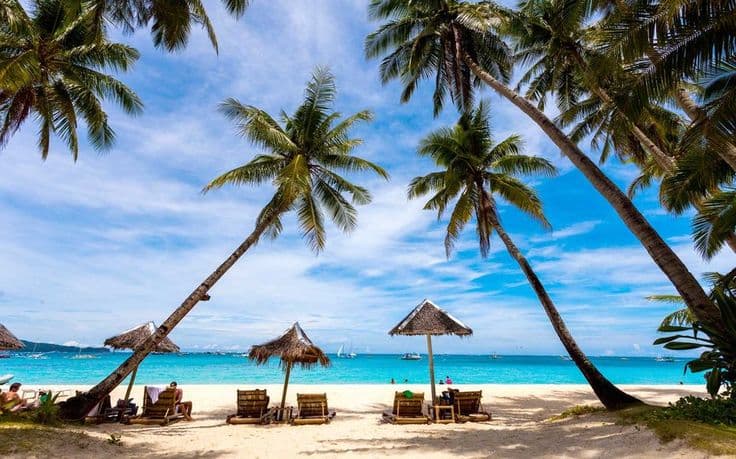
Most of what goes wrong on a Goa holiday is decided before anyone lands, and this Goa travel guide starts with the choice that causes it: North Goa and South Goa are not two halves of the same trip. They are two different holidays sharing an airport code.
North Goa is dense, loud and social. Beaches run into each other, shacks sit shoulder to shoulder, the roads are busy, and there is somewhere to be at every hour the law allows. South Goa is spread out, green and slow, with longer beaches, fewer people on them, and evenings that are quiet by design.
Neither is better. But people book the wrong one constantly, usually because a photo of empty sand sold them a place nothing like the one they end up in. Sort that first, and the rest of this Goa travel guide falls into place.
North Goa or South Goa: which one should you actually pick?
Goa is India's smallest state by area, and the Mandovi and Zuari rivers roughly divide it. North of them sit Bardez and Pernem, the busy talukas. South sit Salcete and Canacona, where the coast stretches out and crowds thin.
| Question | North Goa | South Goa |
|---|---|---|
| Feel | Busy, commercial, social | Quiet, spread out, residential |
| Beaches | Shorter, back to back, shack heavy | Long, wide, fewer structures |
| Nightlife | Clubs, markets, beach bars | Resort bars and early nights |
| Suits | First timers, groups, party travellers | Couples, families, long stays, writers and readers |
| Getting around | Short hops, heavy traffic in season | Longer distances, need your own wheels |
| Watch out for | Crowds, touting, noise | Boredom if you wanted a scene |
A workable compromise for a week is to split it: a few nights north for the forts, markets and the Old Goa churches, then move south and stop moving. Doing the reverse tends to feel like an anticlimax, and on a short three night Goa break it is better to pick one side and stay there.
Which North Goa beaches are worth your time?
North Goa's coast is a chain, and the character changes every few kilometres as you go up it.
- Sinquerim and Candolim. The southern end of the chain, with Fort Aguada above Sinquerim. Wide sand, plenty of hotels, calmer than what follows.
- Calangute and Baga. The busiest stretch in Goa. Water sports touts, packed shacks, traffic. Fun if that is the point, exhausting if it is not.
- Anjuna. Rocky and low key by day, with the long running flea market held on Wednesdays through the tourist season.
- Vagator and Ozran. Cliffs, red laterite, small coves, and Chapora Fort on the headland above with the best river mouth view in North Goa.
- Morjim, Ashwem and Mandrem. Across the Chapora river, and noticeably quieter. Morjim is an olive ridley turtle nesting beach, so parts of it are protected in season.
- Arambol. The far north, with a freshwater lake behind the sand and a long standing alternative crowd.
Two forts sit on this coast. Fort Aguada was built by the Portuguese in the early 17th century around a freshwater spring that resupplied ships, which is where the name comes from, and it still has its lighthouse; the old jail inside now runs as a museum. Chapora Fort is mostly ramparts and a climb, but the view over the Chapora river is the reason to go.
Which South Goa beaches are worth your time?
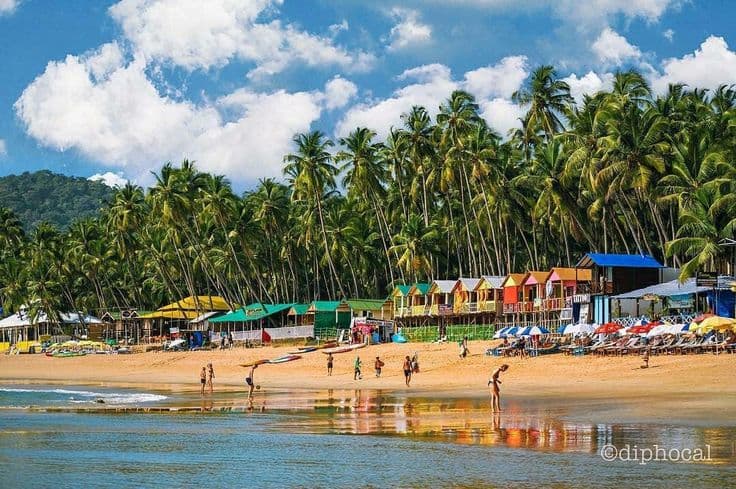
South Goa's beaches are longer and flatter, and the shack scene is thinner and more relaxed.
- Majorda, Betalbatim and Colva. A near continuous run of sand. Colva is the busy one, the others are calm even in season.
- Benaulim, Varca and Cavelossim. Classic South Goa resort country, ending at Mobor where the Sal river meets the sea.
- Agonda. Long, clean, deliberately low rise, and a turtle nesting beach. Probably the best quiet beach in the state.
- Palolem. A crescent bay in Canacona with rocky headlands at both ends. It has a real shack scene without the North Goa scale.
- Patnem and Galgibaga. Just south again. Galgibaga is another protected turtle beach and is very quiet.
Cabo de Rama, a Portuguese era fort on a headland between Cavelossim and Agonda, is the south's fort: ruined, windy, uncommercial, with better cliff views than Chapora. If Goa's coast feels busier than Southeast Asia's, the trade off is 400 years of European built history within a short drive of the sand, which the islands of Thailand cannot offer.
Old Goa, Fontainhas and the Portuguese layer
Portugal held Goa for roughly 450 years, and the built evidence is concentrated in two places.
Old Goa, the former capital upriver from Panjim, is a UNESCO World Heritage Site inscribed in 1986 as the Churches and Convents of Goa. Seven monuments are listed. The Basilica of Bom Jesus, completed in the early 1600s, holds the tomb of St Francis Xavier and is the one everyone comes for. The Sé Cathedral opposite is the largest church in Old Goa, with a Tuscan style exterior and the Golden Bell in its surviving tower. The Church of St Francis of Assisi, the Chapel of St Cajetan, the Church of Our Lady of the Rosary, the Chapel of St Catherine and the ruined Church of St Augustine complete the list, all within walking distance, which makes Old Goa an efficient half day.
Fontainhas, in Panjim, is the more atmospheric layer: the city's Latin Quarter, a grid of narrow lanes and ochre, blue and green washed houses with overhanging balconies and Portuguese street tiles. It is small and residential, so walk it slowly and quietly, ideally in the morning.
The inland Goa most people never see
Around Ponda are the spice plantations, working farms growing pepper, nutmeg, vanilla, cardamom and areca, most of which run guided walks and a meal. Ponda taluka also holds Goa's major Hindu temples, including Shanta Durga, Shri Mangueshi and Mahalasa, many relocated inland centuries ago during Portuguese rule and rebuilt in a distinctive Goan style with lamp towers.
Dudhsagar Falls is the headline. It drops around 310 metres on the Mahadayi river inside Bhagwan Mahaveer Wildlife Sanctuary and Mollem National Park, and the Belagavi to Vasco railway crosses its face, which is the image you have seen. Access has tightened considerably and is covered below.
The sanctuaries are worth a day. Bhagwan Mahaveer, Cotigao, Netravali and Bondla are all accessible, and Mhadei Wildlife Sanctuary in the northeast is the state's most significant forest block. Mhadei sits at the centre of a long running proposal to declare a tiger reserve in Goa, and in September 2025 the Supreme Court ordered status quo in the Mhadei and Cotigao areas while the case is examined, so expect access rules there to shift.
What is Goan food, really?
Goan food is its own cuisine, not a regional variation of anything. It sits on a Konkani coastal base of rice, coconut, kokum and fish, with a Portuguese layer that brought vinegar, chillies from the Americas, pork and bread.
- Xitt kodi. Fish curry and rice, the actual everyday meal of Goa, coconut and tamarind based.
- Vindaloo. From the Portuguese carne de vinha d'alhos, meat in wine and garlic. Traditionally pork, sharp with vinegar, nothing like the curry house version.
- Xacuti. A dark roasted coconut and spice curry, usually chicken.
- Cafreal. Green, herby, coriander and chilli, most often chicken and grilled or pan fried.
- Sorpotel and ambot tik. Sorpotel is a slow cooked spiced pork dish tied to Catholic Goan feasts. Ambot tik is a sour, hot fish curry.
- Recheado and balchão. Recheado is a red masala stuffed into whole fish. Balchão is a pickled, preserved style, usually prawn.
- Bebinca, dodol and serradura. The dessert trio. Bebinca is a layered coconut and egg cake baked one layer at a time.
- Poi and solkadi. Poi is the local pocket bread. Solkadi is a pink kokum and coconut digestive drink that genuinely helps after a heavy meal.
Feni is Goa's own spirit, distilled from cashew apple in the spring season or from coconut toddy, and it carries a Geographical Indication tag. It is strong, it is not rum, and it is best tried with soda and lime.
When to go, and what the monsoon actually means
November to February is peak season: dry, warm, and the whole shack economy running. It is also when Goa is fullest, particularly around Christmas and New Year. March to May is hot and humid with thinning crowds. June to September is the southwest monsoon.
The monsoon is not a washout, but it is a different trip. The interior turns green, waterfalls run hard, and crowds drop. What you lose is the coast: beach shacks are temporary licensed structures under the state shack policy and are dismantled before the rains, so the beach food and bar scene disappears until the season restarts around late September or October. Sea swimming is dangerous and often prohibited, and boat trips stop.
How do you get around Goa?
Goa has two airports, Dabolim near Vasco and Manohar International at Mopa in the north, plus Konkan Railway stations at Madgaon and Thivim. Distances between north and south are longer than the map suggests once season traffic starts. Public transport is thin, so most visitors hire a scooter or motorcycle. Helmets are mandatory, licences are checked, and only vehicles on yellow and black tourist plates are legal to rent out. Riding a privately plated rental is a common way to get fined.
Taxis are the contested part. Uber and Ola do not operate in Goa, and the state government has repeatedly said national aggregators are not welcome, framing it as protection for the roughly 12,000 strong local taxi trade. What Goa has instead is local platforms: Goa Miles, backed by the state tourism corporation, and the government's own Goa Taxi App, running since December 2022. By mid 2025 around 5,000 Goan taxis were on these apps, and the Goa Transport Aggregator Guidelines 2025 set the framework. In practice you download a Goa specific app rather than the one you use everywhere else, so add it to your travel app set up before you land. Street taxis are still widely used, and negotiating remains normal.
Goa travel guide essentials: the rules travellers get caught by
Goa enforces more than visitors expect, and enforcement has tightened.
- No drinking in public. Alcohol consumption on beaches and in public places is banned and prosecuted, and discarding bottles carelessly carries penalties. Drink in licensed shacks, bars and hotels.
- Nudity is illegal. Goa Police state plainly that nudity on beaches and in public places is forbidden and punishable. Topless sunbathing is not tolerated.
- Drugs. The NDPS Act is severe and Goa polices it actively, including around parties. There is no casual tier here.
- Music stops at 10pm. In January 2026 the Goa State Pollution Control Board restated that amplified music after 10pm is illegal statewide under central noise rules, with no exemption for weddings, religious or political events, outside a small number of notified days a year. Late night open air parties are not a reliable plan.
- No vehicles on the beach. Driving any vehicle onto the sand is prohibited.
- Swim between the flags. Follow the Drishti lifeguards and the flag zones, and stay out of the sea at night, especially after drinking. Goa Police specifically warn against it.
- South Goa water body restriction. From 26 June 2026 the South Goa district administration imposed a 60 day prohibition on swimming, bathing, diving and cliff jumping in waterfalls, rivers, lakes and abandoned quarries. Visiting waterfalls is still allowed; entering the water is not.
Dudhsagar access rules, because they have changed
This is the most out of date thing in older Goa articles, and the main reason any Goa travel guide needs rechecking each season.
Walking the railway track to Dudhsagar from Kulem or Castle Rock is banned. The Railway Protection Force patrols and penalises it, and passenger boarding at Dudhsagar station is not permitted. Older blog posts describing the track walk as a charming trek are describing something illegal.
The legal route is the forest department jeep safari from Collem, now run under a controlled system. Only vehicles registered and permitted by the Goa Forest Department go in, private cars and two wheelers are barred, permits are booked online through the state tourism corporation, the Collem gate works fixed morning to mid afternoon hours with batched entry, daily trip numbers are capped on the State Board for Wildlife's recommendation, life jackets are mandatory at the falls, and there is a compulsory stop at the nature interpretation centre. Safaris are suspended through the monsoon and resume once the sanctuary reopens. Book ahead and confirm the current status before you build a day around it.
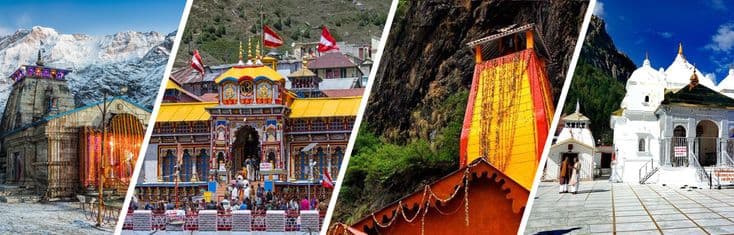
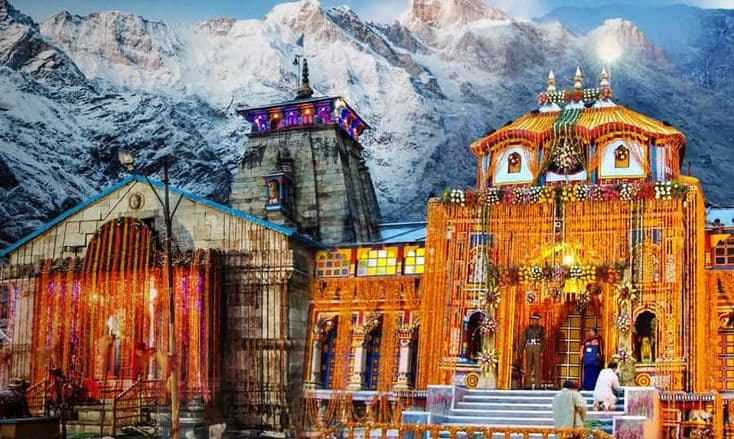
Goa rewards planning in a way most beach destinations do not, because the good parts are scattered across a state rather than concentrated on one strip. If you are building a wider India itinerary, Goa works as the slow half of a trip that starts somewhere demanding, whether a city run or a mountain circuit like the Char Dham Yatra.
Frequently asked questions
Is North Goa or South Goa better for a first visit?
North Goa is easier for a first visit because everything is close together and there is more to do without a vehicle. South Goa is better if you want quiet beaches, space and early nights. A week split between the two, north first, works for most people.
Can you visit Dudhsagar Falls during the monsoon?
The jeep safari from Collem is suspended through the monsoon months and resumes once the sanctuary reopens after the rains. Walking the railway track is banned year round and actively policed. During the rains the falls are usually only seen from a passing train.
Do Uber and Ola work in Goa?
No. Goa has not permitted national ride hailing aggregators, and the state government has repeatedly said they are not welcome. Local app platforms operate instead, mainly Goa Miles and the government's Goa Taxi App. Street taxis remain common and are usually negotiated directly.
Is it legal to drink alcohol on Goa's beaches?
No. Consuming alcohol on beaches and in public places is banned in Goa and violators are prosecuted, with additional penalties for discarding bottles. Drinking is fine inside licensed beach shacks, bars, restaurants and hotels, which is where it is meant to happen.
When do Goa's beach shacks open and close?
Beach shacks are temporary structures licensed seasonally under the state shack policy. They are typically erected around late September or October and dismantled before the monsoon, so the beach dining and bar scene largely disappears from around June to September.
Is Old Goa a UNESCO World Heritage Site?
Yes. The Churches and Convents of Goa at Old Goa were inscribed on the UNESCO World Heritage List in 1986. Seven monuments are included, among them the Basilica of Bom Jesus, which holds the tomb of St Francis Xavier, and the Sé Cathedral.
'/%3E%3C/svg%3E)