












































+977-9709047652
Explore by Country
See all 22 Thailand packages
Most popular pick
See all 22 Thailand packages →
See all 11 Vietnam packages
Most popular pick
See all 11 Vietnam packages →
See all 10 Indonesia (Bali) packages
Most popular pick
See all 10 Indonesia (Bali) packages →
See all 7 Maldives packages
Most popular pick
See all 7 Maldives packages →
See all 10 China packages
Most popular pick
See all 10 China packages →
See all 13 Sri Lanka packages
Most popular pick
See all 13 Sri Lanka packages →
See all 9 Malaysia packages
Most popular pick
See all 9 Malaysia packages →
See all 8 Singapore packages
Most popular pick
See all 8 Singapore packages →
See all 2 Kenya packages
Most popular pick
See all 2 Kenya packages →
See all 16 India packages
Most popular pick
See all 16 India packages →
See all 3 Dubai packages
Most popular pick
See all 3 Dubai packages →
See all 7 Nepal packages
Most popular pick
See all 7 Nepal packages →
See all 6 Philippines packages
Most popular pick
See all 6 Philippines packages →
Search Tours or Places
Blog / India

Best Places to Visit in India: Cities, Forts & Beaches

20 min read 19 Aug 2026 · Updated 09 Oct 2026
Best Places to Visit in India: Cities, Forts & Beaches

India is not one destination but a continent's worth of them. In a single country you can watch the sun rise over the Taj Mahal, drift through Kerala's palm-lined backwaters, ride a camel into the Thar Desert, meditate by the Ganges in Varanasi, and trek beneath Himalayan peaks. The best places to visit depend on what you love, but a few regions belong on almost every list: the Golden Triangle, Rajasthan, Kerala, Goa, the holy cities of the north, and the mountains of Himachal, Ladakh and the northeast.

This guide breaks India down by region and theme so you can build a trip that fits your time and taste. It covers the classic first-timer route, the palaces and deserts of Rajasthan, the tropical south, the beaches, the spiritual heartland, the Himalayas, the great cities, the wildlife parks, when to go and how to plan a realistic itinerary.

What are the best places to visit in India at a glance?

India is vast, so it helps to think in regions rather than a single list of cities. Here is a quick overview of where to go and what each area is famous for.

RegionBest forHighlights
Golden TriangleFirst trips, monumentsDelhi, Agra (Taj Mahal), Jaipur
RajasthanPalaces, deserts, colourUdaipur, Jodhpur, Jaisalmer
Kerala and the southBackwaters, nature, foodAlleppey, Munnar, Kochi
Goa and the coastBeaches, nightlifeGoa, Gokarna, Varkala
Spiritual northRivers, temples, yogaVaranasi, Rishikesh, Amritsar
The HimalayasMountains, trekkingLadakh, Manali, Darjeeling

Why is the Golden Triangle the classic first trip?

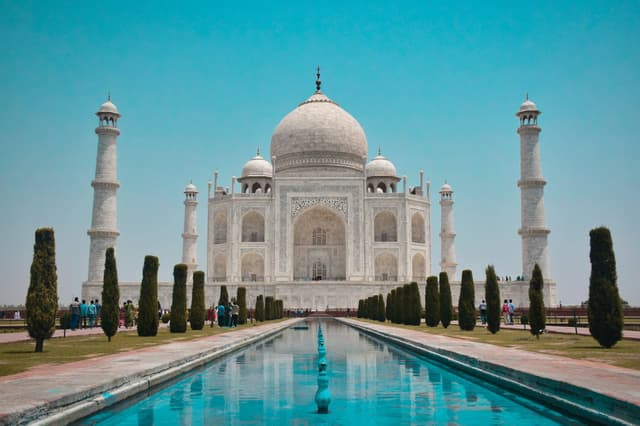
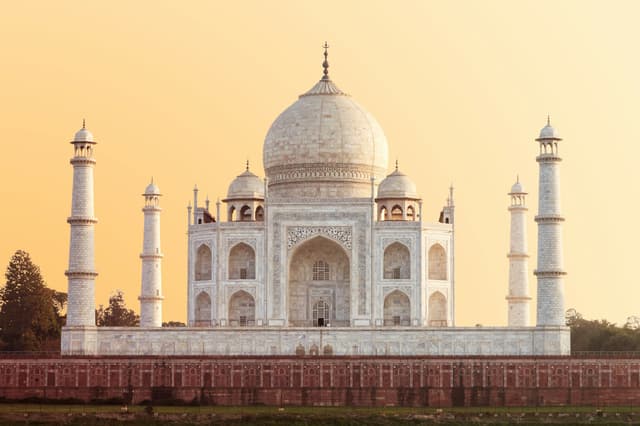
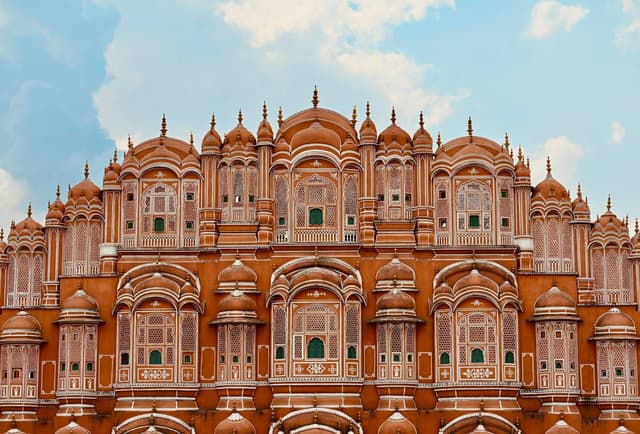
For a first visit, the Golden Triangle of Delhi, Agra and Jaipur is hard to beat. The three cities sit within a few hours of each other and pack in the country's most famous sights: the Mughal monuments of Delhi, the incomparable Taj Mahal in Agra, and the pink palaces and forts of Jaipur. You can cover the highlights in five or six days, entirely by road and rail, which makes it an efficient introduction to northern India.

The route is well organised for visitors, with plenty of hotels, guides and drivers who know it well. It is also the perfect launch pad for a longer trip, since Rajasthan, Varanasi and the Himalayan foothills all extend naturally from Delhi or Jaipur. For the ghats, the Ganga Aarti and Sarnath, see our guide to things to do in Varanasi.
Explore India tour packages
View all →

What makes Rajasthan so special?

If India has a most romantic region, it is Rajasthan, the land of kings. Each of its cities has a signature colour and character, and together they tell the story of the Rajput warrior clans and their spectacular forts and palaces.

  • Udaipur: the White City of lakes and palaces, often called the most beautiful in India.
  • Jodhpur: the Blue City beneath the mighty Mehrangarh Fort.
  • Jaisalmer: the Golden City rising from the Thar Desert, gateway to camel safaris under the stars.
  • Pushkar: a holy lakeside town famous for its autumn camel fair.
  • Bikaner and Ranthambore: a desert fort city and one of India's top tiger reserves.

A week in Rajasthan, often combined with the Golden Triangle, gives you desert nights, palace hotels, colourful bazaars and a real sense of India's royal past. It is one of the most rewarding regions in the country for a slower, two-week trip.

What should you see in Kerala and the south?

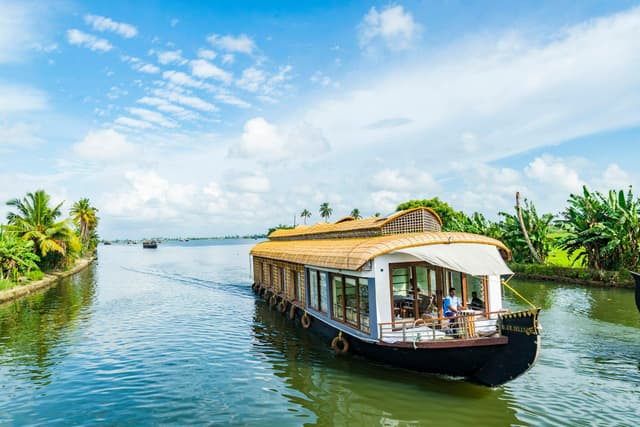
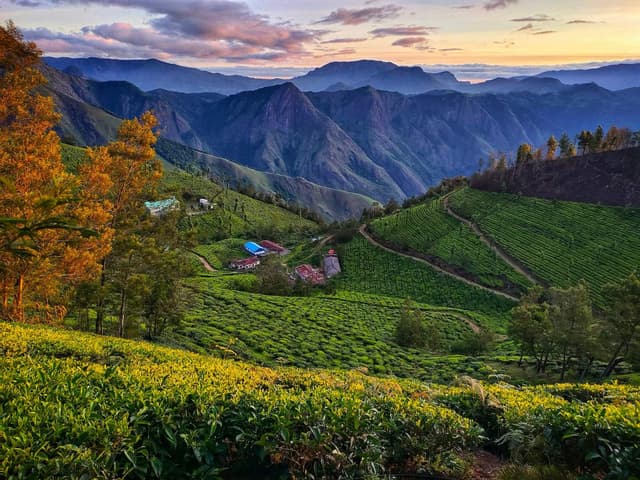
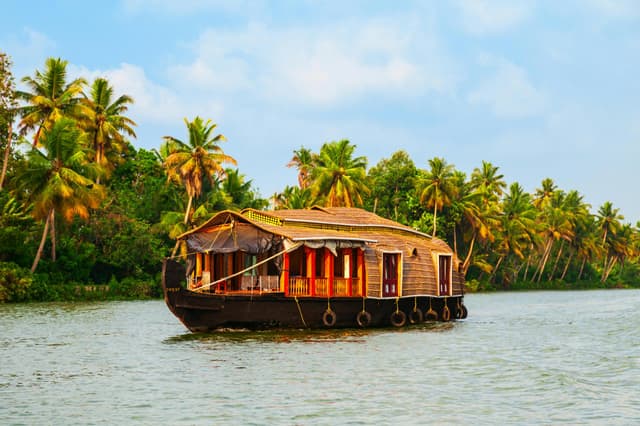
Southern India feels like a different country from the north: greener, calmer, with its own languages, temples and cuisine. Kerala, on the southwest coast, is the star. Its network of backwaters, best explored on an overnight houseboat from Alleppey, is one of India's signature experiences. Inland, the tea-covered hills of Munnar are cool and beautiful, while the historic port of Kochi mixes Portuguese, Dutch and colonial history with a lively arts scene.

Beyond Kerala, Tamil Nadu is a treasury of towering Dravidian temples in Madurai, Thanjavur and Mahabalipuram, and Karnataka holds the astonishing ruins of Hampi. The south is also India's best region for Ayurveda, seafood and a gentler pace, and it is at its finest from October to March.

Where are India's best beaches?

India's coastline stretches thousands of kilometres, and its beaches range from party hubs to near-empty sands. Goa is the most famous, with the busier beaches and nightlife in the north around Baga and Anjuna, and quieter, more upmarket sands in the south around Palolem. But there is far more coast to explore.

Beach areaCharacterBest for
North GoaLively, socialNightlife, markets, cafes
South GoaRelaxed, upscaleQuiet resorts, families
Gokarna, KarnatakaLaid back, bohoBackpackers, hiking between coves
Varkala, KeralaDramatic cliffsYoga, sunsets, wellness
Andaman IslandsTropical, pristineDiving, snorkelling, white sand

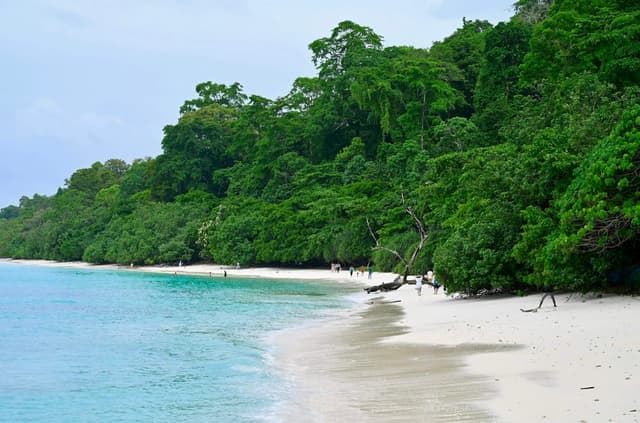
For the clearest water and best diving, the remote Andaman Islands in the Bay of Bengal are the standout, though they take more time and planning to reach.

What are India's spiritual highlights?

Faith is woven through daily life in India, and some of its most moving places are its spiritual centres. Varanasi, on the banks of the Ganges, is one of the oldest continuously inhabited cities on earth, where dawn boat rides pass bathing pilgrims and evening ceremonies fill the ghats with fire and chanting. Rishikesh, upstream in the Himalayan foothills, is the world's yoga capital and a hub for meditation and river rafting.

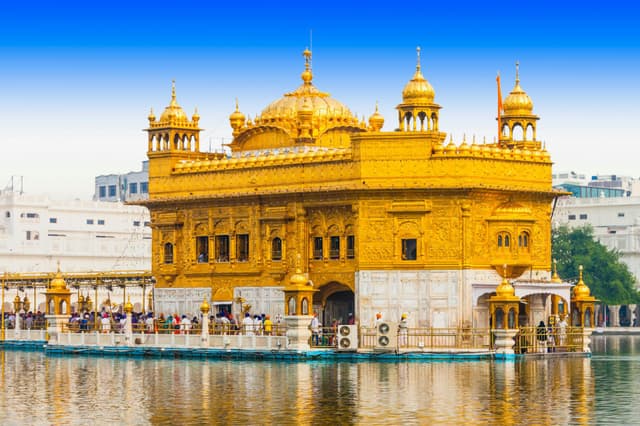
In the northwest, the Golden Temple of Amritsar, the holiest site of Sikhism, glows over its sacred pool and feeds tens of thousands of visitors free every day in an extraordinary display of hospitality. Bodh Gaya, where the Buddha attained enlightenment, draws pilgrims from across the Buddhist world. Whatever your own beliefs, these places offer some of the most memorable moments of any India trip.

What about the Himalayas and the north?

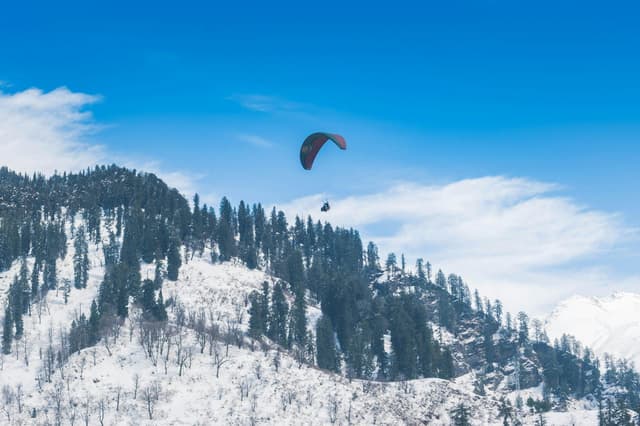
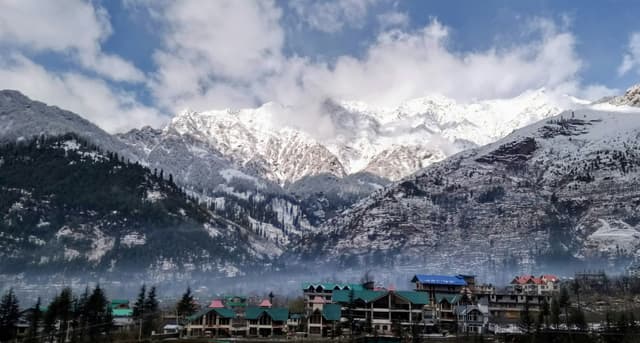
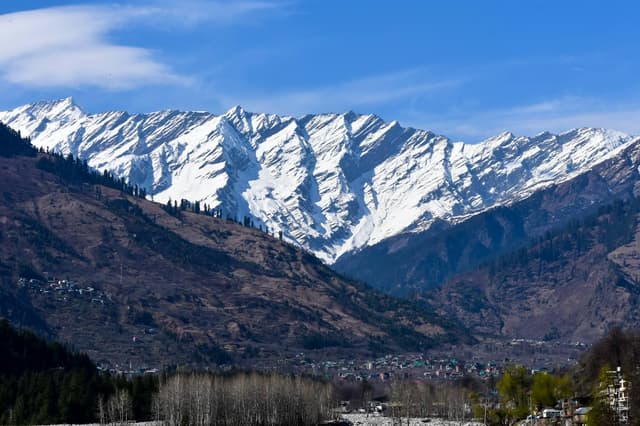
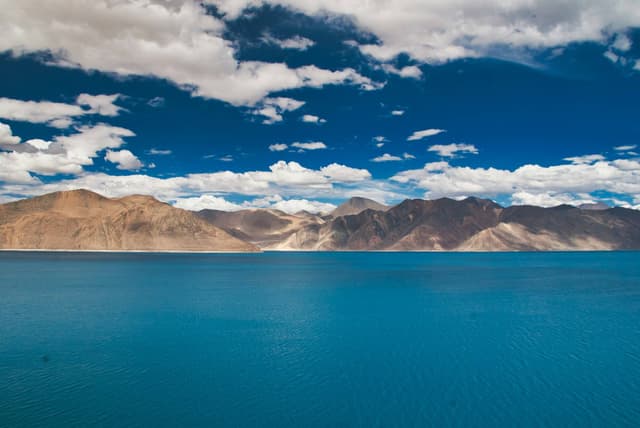
When the plains grow hot, India rises into the greatest mountains on earth. The Himalayan and Himalayan-foothill regions are a world of trekking, monasteries and cool mountain air. Ladakh, high on the Tibetan plateau, is a stark, beautiful desert of Buddhist monasteries and turquoise lakes, best from June to September. Himachal Pradesh offers the hill stations of Shimla and Manali and the laid-back traveller town of Kasol.

To the east, Darjeeling is famous for its tea and its toy train, with views of Kangchenjunga, while tiny Sikkim and remote Arunachal Pradesh offer some of the least-visited, most pristine corners of the country. These regions reward travellers who have a little more time and want to swap monuments for mountains.

Which great cities are worth exploring?

India's cities are intense, but the best of them are unmissable. Mumbai, the financial and film capital, mixes colonial grandeur, the Gateway of India, Bollywood energy and superb street food. Kolkata, the old capital of British India, is the country's cultural and intellectual heart, full of literature, art and grand crumbling architecture. Bengaluru and Hyderabad are the modern, cosmopolitan faces of the booming south, the latter home to the historic Charminar and a legendary biryani.

Even Delhi, so often treated only as the start of the Golden Triangle, deserves time in its own right for its layered history, museums and markets. A day or two in one of these cities adds a very different, contemporary dimension to a trip built around forts and temples.

What are India's best wildlife parks?

India is one of the world's great wildlife destinations, home to tigers, elephants, rhinos and hundreds of bird species. Its national parks are the place to see them, usually on a morning or afternoon jeep safari.

ParkStateKnown for
RanthamboreRajasthanTigers among ancient ruins
KazirangaAssamOne-horned rhinoceros
Jim CorbettUttarakhandTigers, elephants, India's oldest park
PeriyarKeralaElephants, boat safaris
BandhavgarhMadhya PradeshHigh tiger density

Most parks close during the monsoon and are best from roughly October or November to April or June, depending on the region. Booking safaris in advance is strongly recommended in peak season.

What are the top heritage and UNESCO sites?

Beyond the Taj Mahal, India holds an extraordinary wealth of world heritage. Hampi, in Karnataka, is a boulder-strewn landscape of temples and ruins from a once-mighty empire. The rock-cut caves of Ajanta and Ellora in Maharashtra contain some of the finest ancient art in Asia, carved directly into cliffs. The intricate temples of Khajuraho are famous for their sculpture, and the Sun Temple at Konark is a masterpiece shaped like a giant stone chariot. For travellers who love history, these sites reward the effort of reaching them with far smaller crowds than the headline monuments.

When is the best time to visit India?

India is huge, so the best time depends on the region, but as a broad rule the cooler, drier months from October to March suit most of the country. Summer is intense on the plains, while the same months open up the Himalayas.

RegionBest monthsNotes
North plains and RajasthanOctober to MarchHot April to June, some monsoon rain
Kerala and the southOctober to MarchGreen and humid in the monsoon
Goa and beachesNovember to FebruaryPeak dry season, busiest at Christmas
The HimalayasMay to SeptemberLadakh best June to September

If you can travel only in summer, head for the mountains; if only in winter, the plains, deserts and beaches are at their best.

How many days do you need, and how should you plan a route?

India rewards time, and trying to see too much in one visit is the classic mistake. A first trip of ten to fourteen days is best focused on one region, most often the Golden Triangle plus a slice of Rajasthan, or Kerala and the south. With three weeks or more, you can combine two regions, such as the north's monuments with the Himalayan foothills, or the south's backwaters with Goa's beaches.

Distances are long and travel is slower than the map suggests, so build in buffer time and use domestic flights or overnight trains for the big jumps. It is far better to see one region well than to spend your holiday in transit. Whichever route you choose, our India tour packages can bring the highlights together into one well-paced itinerary.

What practical tips should you know before visiting India?

A little preparation makes India far more enjoyable. Most visitors need a visa, and the convenient e-Tourist Visa is available online in 30-day, one-year and five-year forms, so apply before you travel. Carry a mix of cash and cards, since small vendors are cash-only while cities are increasingly digital. Dress modestly, especially at temples and mosques, and be ready to remove your shoes.

On health, drink only bottled or filtered water, eat freshly cooked food, and ease into rich and spicy dishes rather than diving in on day one; carry a basic stomach remedy. Be politely firm with touts and agree fares before rickshaw rides. India can feel overwhelming at first, but its warmth, colour and sheer variety are exactly why so many travellers return again and again.

What is the food like across India?

Indian food is not one cuisine but dozens, and eating your way across the regions is a journey in itself. The north leans on wheat, dairy and rich gravies: think buttery dal makhani, tandoori breads, kebabs and creamy paneer dishes. The south is built on rice and coconut, lighter and often fierier, with dosas, idlis, sambar and tangy fish curries. Bengal loves fish and sweets, Gujarat is a vegetarian paradise, and Hyderabad is famous for its layered biryani.

India is also the easiest country in the world for vegetarians, with a huge share of the population eating no meat, so plant-based travellers are spoiled for choice everywhere. The thali, a platter of small dishes served with rice or bread, is the perfect way to sample a region in one meal. Street food, from Delhi's chaat to Mumbai's vada pav, is a highlight, and best enjoyed from busy, freshly cooked stalls.

What festivals should you plan a trip around?

India's festivals are among the most vivid on earth, and timing a trip to catch one can transform it. Each has its own character and region.

FestivalWhenWhere and what
HoliMarchThe nationwide festival of colour
DiwaliOctober or NovemberThe festival of lights, everywhere
Pushkar Camel FairNovemberRajasthan desert spectacle
Durga PujaSeptember or OctoberKolkata's grandest celebration
Kumbh MelaCyclicalThe largest human gathering on earth

Festival dates follow the lunar calendar and shift each year, so check ahead. Accommodation fills fast around the big ones, especially Diwali and the Pushkar fair, so book early.

What are the best experiences and things to do in India?

Beyond the sights, India is defined by its experiences. A journey on the Indian railways, whether a scenic hill train or an overnight sleeper across the plains, is a rite of passage and a window onto everyday life. A dawn boat ride on the Ganges at Varanasi, a camel safari and desert camp near Jaisalmer, and a houseboat night on the Kerala backwaters are the kind of moments travellers remember for years.

  • Yoga and meditation: learn at the source in Rishikesh or a southern ashram.
  • Cooking classes: master a regional curry in almost any city.
  • Tiger safaris: track big cats in Ranthambore or Bandhavgarh.
  • Tea estates: stay among the plantations of Munnar or Darjeeling.
  • Textile and craft trails: block printing in Rajasthan, silk in Varanasi.

What is northeast India like?

The far northeast is India's best-kept secret, a cluster of seven states between Bhutan, Myanmar and Bangladesh that few foreign visitors reach. Meghalaya, the wettest place on earth, is famous for its living root bridges, hand-trained from the roots of rubber trees over generations, and its crystal-clear rivers. Assam has the tea gardens and the rhinos of Kaziranga, while Sikkim and Arunachal Pradesh offer Buddhist monasteries and Himalayan views with almost no crowds. The region takes more time and some permits to explore, but for travellers who want something genuinely off the beaten track, it is unforgettable.

How do you get around India?

India is enormous, so how you cover the distances shapes the trip. The railway network is one of the world's largest and a wonderful way to travel, with classes to suit every budget and overnight sleepers that save a hotel night; book popular routes well in advance. Domestic flights are cheap and plentiful, and they make sense for the long jumps, such as Delhi to Kerala or Mumbai to the northeast.

For regional touring, a hired car with a driver is affordable and flexible, and takes the stress out of chaotic roads. Within cities, app cabs such as Uber and Ola, prepaid taxis and auto-rickshaws are all easy to use. Whatever you choose, allow more time than the map suggests, since traffic and road conditions make journeys slower than the distances imply.

What should you pack and budget for India?

Pack light, modest, breathable clothing that covers shoulders and knees, a scarf for temples and sun, comfortable shoes that slip off easily, and a warm layer if you are heading to the mountains or travelling in winter. Add sunscreen, a refillable water bottle, hand sanitiser and any personal medicines.

India can suit almost any budget. Backpackers manage comfortably on a modest daily spend using trains and local food, while a mid-range trip with good hotels and private transport costs more, and heritage palace hotels sit at the luxury end. The biggest costs are usually accommodation and long-distance transport, so those are where your choices make the most difference. Whatever your style, India offers exceptional value compared with most of the world.

How does northern India differ from the south?

One of the first things travellers notice is how different the north and south of India feel. The north, home to the Golden Triangle, Rajasthan and the Himalayas, is the India of popular imagination: Mughal monuments, desert forts, snow-capped peaks and rich, wheat-based food. It tends to be more intense and faster paced, and its winters are cold while its summers are scorching.

The south, covering Kerala, Tamil Nadu, Karnataka and beyond, is greener, calmer and tropical, with its own Dravidian languages, towering temples, coconut-and-rice cuisine and a gentler rhythm. Many seasoned travellers come back for the south precisely because it offers a quieter, less crowded experience. Neither is better; they are simply two different countries within one, and a longer trip that samples both gives the fullest picture of India.

What are the most romantic places in India for couples?

India is full of destinations made for couples and honeymooners. Udaipur, with its lake palaces and rooftop dinners, is perhaps the most romantic city in the country. The Kerala backwaters, drifting past palm groves on a private houseboat, offer a slow, dreamy escape. For beaches, south Goa and the Andaman Islands provide quiet, upscale sands, while the tea hills of Munnar and the mountain views of Darjeeling suit couples who love cool air and scenery. A palace hotel in Rajasthan or a Himalayan retreat turns a trip into a genuinely special occasion, and many of these places pair beautifully within a single two-week itinerary.

Where should families go in India?

India can be a wonderful family destination with the right pace and planning. The Golden Triangle works well because the drives are short and the sights, from forts to the Taj Mahal, capture children's imaginations. Wildlife parks such as Ranthambore and Jim Corbett turn a holiday into an adventure, with the thrill of spotting deer, elephants and perhaps a tiger. Kerala's backwaters and beaches offer a relaxed, gentle option, and the hill stations provide cool relief from the heat.

For families, it helps to slow down, choose comfortable hotels with pools, be careful with food and water, and build in downtime. Indian culture is famously fond of children, and families often find themselves warmly welcomed everywhere they go.

What common mistakes should you avoid on an India trip?

The biggest mistake first-time visitors make is trying to see too much. India is not a country to rush, and cramming Delhi, Rajasthan, Kerala and Goa into ten days means spending the holiday in transit. Pick one region and see it properly. Other common errors are easy to avoid with a little awareness.

  • Underestimating travel times, since roads and railways are slower than the map suggests.
  • Overpacking the itinerary with no rest days to absorb the intensity.
  • Diving straight into heavy street food before your stomach has adjusted.
  • Ignoring the seasons and visiting the plains in the summer heat.
  • Not booking trains, safaris and festival-season hotels far enough ahead.

Travel slowly, plan around the seasons, and leave room for the unexpected encounters that so often become the best part of an India trip.

What are some of India's best hidden gems?

Once the famous sights are behind you, India rewards curiosity with places most visitors never reach. Spiti Valley, a high desert of Buddhist villages in Himachal Pradesh, feels like Ladakh with a fraction of the crowds. Hampi's boulder landscape in Karnataka is otherworldly and still relatively quiet. The stepwells of Gujarat, especially the astonishing Rani ki Vav in Patan, are architectural marvels hidden underground. Orchha, a small town of cenotaphs and palaces in Madhya Pradesh, offers Rajasthan-style grandeur without the tour buses, and the beaches of the Konkan coast between Goa and Mumbai remain blissfully undeveloped. Weaving one or two of these into a trip gives it a sense of discovery that the headline sights, wonderful as they are, cannot always match.

Is India expensive to travel?

India is one of the best-value destinations in the world, which is a big part of its appeal. Food, local transport and entry fees are inexpensive, and even comfortable hotels cost far less than their equivalents in Europe or East Asia. A budget traveller using trains, guesthouses and local restaurants can see a great deal for very little, while a mid-range trip with private drivers, good hotels and the occasional splurge remains excellent value. The luxury end, from palace hotels to private wildlife lodges, can be as indulgent as anywhere on earth, yet still often costs less than comparable experiences elsewhere. The main expenses for most visitors are international flights and long-distance travel within the country, so those are the areas where planning pays off most.

How do you stay healthy and comfortable in India?

Staying well in India is mostly about a few simple habits. Drink only sealed bottled or properly filtered water, and skip ice and raw salads where you are unsure of the source. Eat at busy places where food is cooked fresh and served hot, and ease into rich, spicy and street food over the first day or two rather than all at once. Carry hand sanitiser, a basic stomach remedy and any personal medication, and consider travel vaccinations well before you go.

In the heat, drink plenty of water, wear a hat and sunscreen, and plan sightseeing for the cooler mornings and late afternoons. Take rest days to absorb the intensity, protect valuables in crowds, and buy comprehensive travel insurance. With these small precautions in place, most visitors stay perfectly healthy and are free to enjoy everything the country has to offer.

Frequently asked questions about visiting India

What are the best places to visit in India for first-timers?

The Golden Triangle of Delhi, Agra and Jaipur is the classic first trip, covering the Taj Mahal and the Mughal and Rajput highlights in five or six days. Many first-timers extend it into Rajasthan for palaces and deserts, or choose Kerala in the south for backwaters and a gentler pace.

How many days do you need to visit India?

Plan at least ten to fourteen days for a first trip, focused on one region rather than the whole country. Three weeks or more lets you combine two regions, such as the north's monuments with the Himalayan foothills or the south's backwaters with the beaches of Goa.

When is the best time to visit India?

For most of the country, October to March offers the most comfortable weather. Summer is very hot on the plains from April to June, and the monsoon runs roughly July to September. The Himalayas, including Ladakh, are best in the summer months from May or June to September.

Is India safe for tourists?

Yes, millions visit every year without trouble. Take normal precautions: use reputable transport and hotels, agree fares in advance, be firm with touts, dress modestly at religious sites, and take extra care in crowds. Women and solo travellers do the trip regularly with sensible planning.

Do you need a visa to visit India?

Most nationalities do. The e-Tourist Visa can be applied for online and comes in 30-day, one-year and five-year options, with your passport needing at least six months of validity. Some neighbouring countries have special arrangements, so check the rules for your own nationality before travelling.

Which part of India is best for beaches?

Goa is the most famous, with lively beaches in the north and quieter, upscale sands in the south. For alternatives, try boho Gokarna in Karnataka, clifftop Varkala in Kerala, and for the clearest water, the remote Andaman Islands, which take more time to reach but reward divers and snorkellers.

What is the best region of India to see wildlife?

Central and northern India hold the top tiger reserves, including Ranthambore in Rajasthan, Bandhavgarh in Madhya Pradesh and Jim Corbett in Uttarakhand. Kaziranga in Assam is famous for one-horned rhinos, and Periyar in Kerala for elephants. Most parks are best from around October to April.

Tags
India
Share
G
Gomayu Team
Writer at Gomayu
Keep reading
Blog / India
Best Places to Visit in India: Cities, Forts & Beaches
20 min read 19 Aug 2026 · Updated 09 Oct 2026
Best Places to Visit in India: Cities, Forts & Beaches

India is not one destination but a continent's worth of them. In a single country you can watch the sun rise over the Taj Mahal, drift through Kerala's palm-lined backwaters, ride a camel into the Thar Desert, meditate by the Ganges in Varanasi, and trek beneath Himalayan peaks. The best places to visit depend on what you love, but a few regions belong on almost every list: the Golden Triangle, Rajasthan, Kerala, Goa, the holy cities of the north, and the mountains of Himachal, Ladakh and the northeast.

This guide breaks India down by region and theme so you can build a trip that fits your time and taste. It covers the classic first-timer route, the palaces and deserts of Rajasthan, the tropical south, the beaches, the spiritual heartland, the Himalayas, the great cities, the wildlife parks, when to go and how to plan a realistic itinerary.

What are the best places to visit in India at a glance?

India is vast, so it helps to think in regions rather than a single list of cities. Here is a quick overview of where to go and what each area is famous for.

RegionBest forHighlights
Golden TriangleFirst trips, monumentsDelhi, Agra (Taj Mahal), Jaipur
RajasthanPalaces, deserts, colourUdaipur, Jodhpur, Jaisalmer
Kerala and the southBackwaters, nature, foodAlleppey, Munnar, Kochi
Goa and the coastBeaches, nightlifeGoa, Gokarna, Varkala
Spiritual northRivers, temples, yogaVaranasi, Rishikesh, Amritsar
The HimalayasMountains, trekkingLadakh, Manali, Darjeeling

Why is the Golden Triangle the classic first trip?

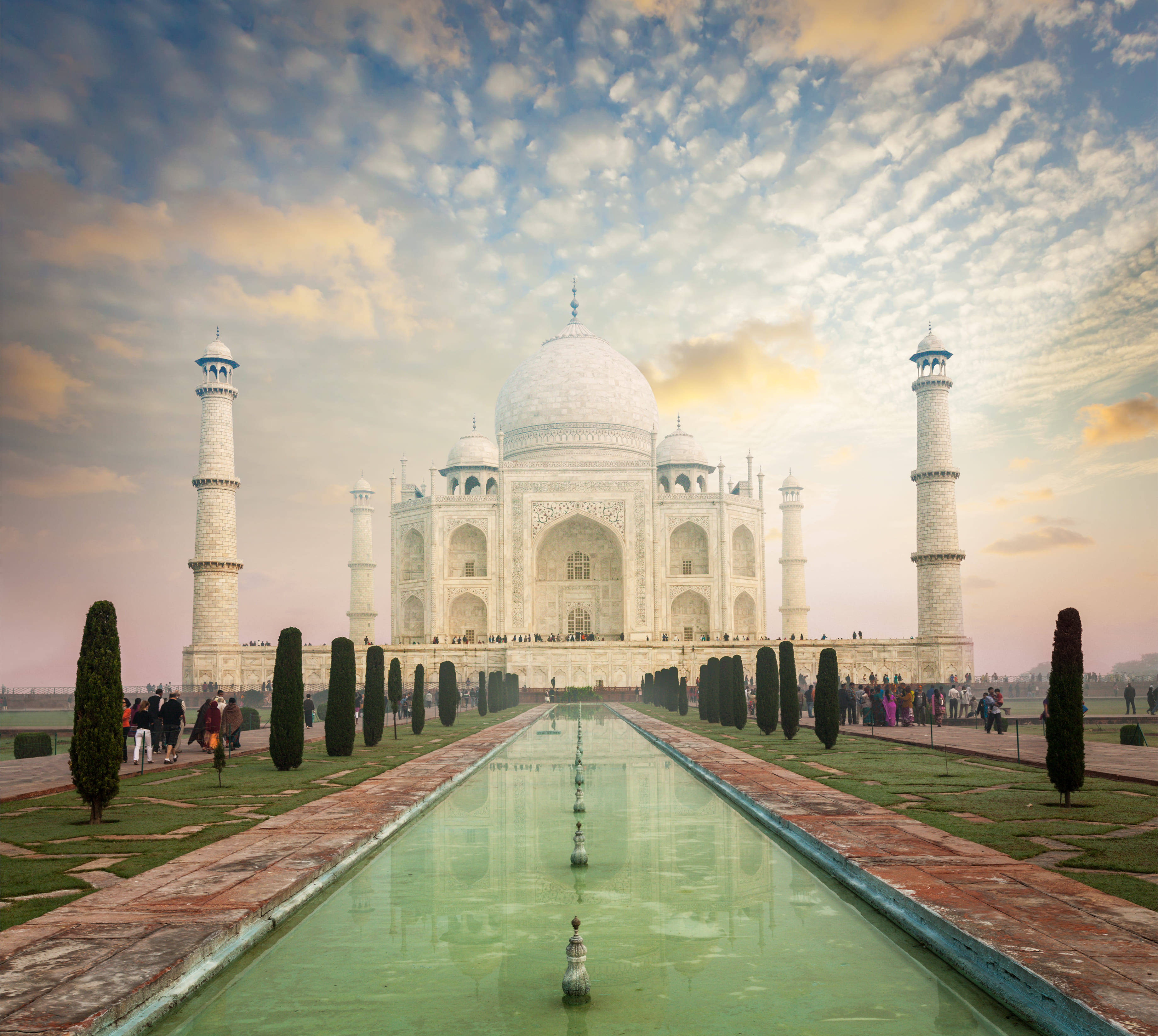
For a first visit, the Golden Triangle of Delhi, Agra and Jaipur is hard to beat. The three cities sit within a few hours of each other and pack in the country's most famous sights: the Mughal monuments of Delhi, the incomparable Taj Mahal in Agra, and the pink palaces and forts of Jaipur. You can cover the highlights in five or six days, entirely by road and rail, which makes it an efficient introduction to northern India.

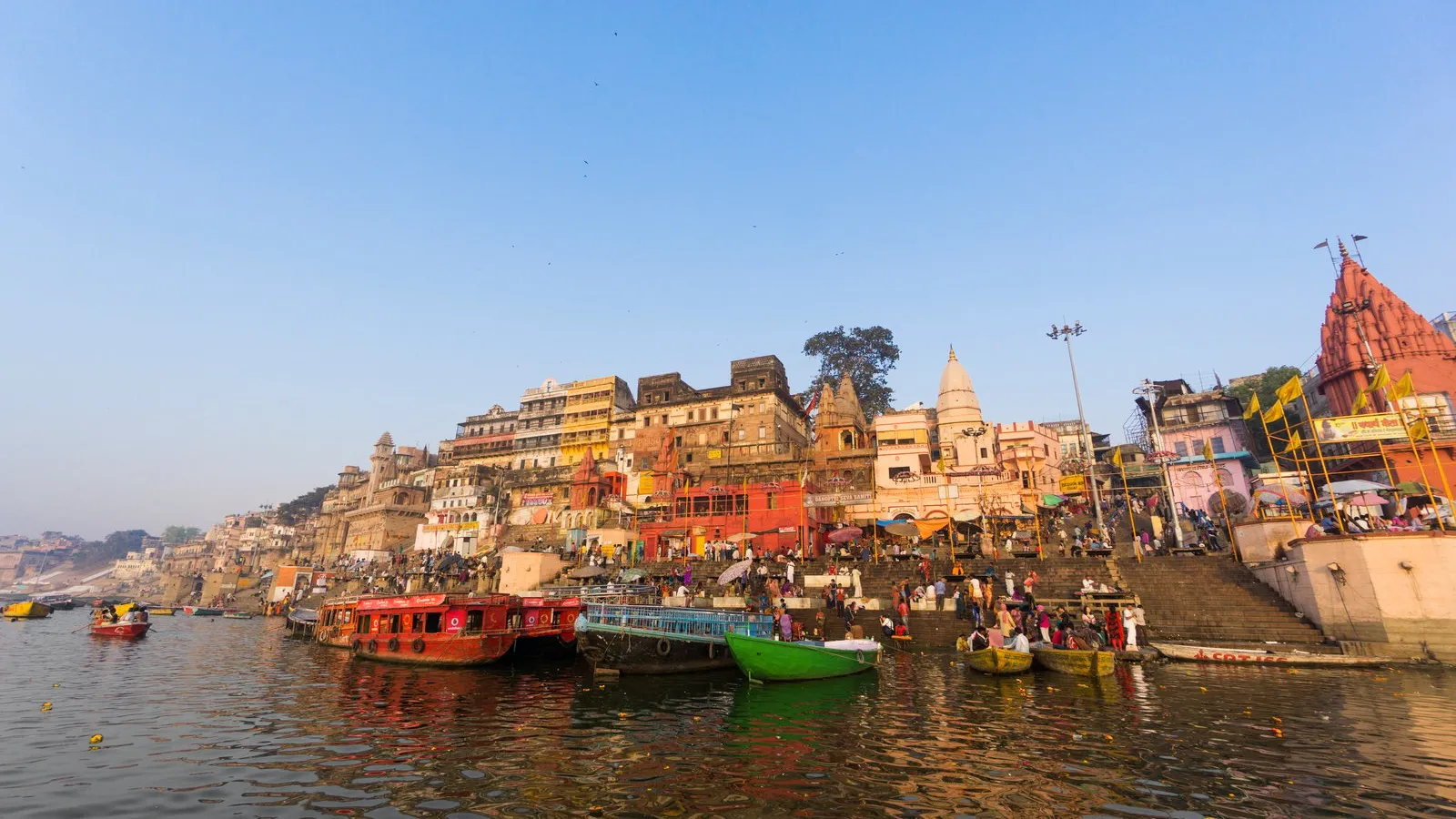
The route is well organised for visitors, with plenty of hotels, guides and drivers who know it well. It is also the perfect launch pad for a longer trip, since Rajasthan, Varanasi and the Himalayan foothills all extend naturally from Delhi or Jaipur. For the ghats, the Ganga Aarti and Sarnath, see our guide to things to do in Varanasi.
Explore India tour packages
View all →

What makes Rajasthan so special?

If India has a most romantic region, it is Rajasthan, the land of kings. Each of its cities has a signature colour and character, and together they tell the story of the Rajput warrior clans and their spectacular forts and palaces.

  • Udaipur: the White City of lakes and palaces, often called the most beautiful in India.
  • Jodhpur: the Blue City beneath the mighty Mehrangarh Fort.
  • Jaisalmer: the Golden City rising from the Thar Desert, gateway to camel safaris under the stars.
  • Pushkar: a holy lakeside town famous for its autumn camel fair.
  • Bikaner and Ranthambore: a desert fort city and one of India's top tiger reserves.

A week in Rajasthan, often combined with the Golden Triangle, gives you desert nights, palace hotels, colourful bazaars and a real sense of India's royal past. It is one of the most rewarding regions in the country for a slower, two-week trip.

What should you see in Kerala and the south?

Southern India feels like a different country from the north: greener, calmer, with its own languages, temples and cuisine. Kerala, on the southwest coast, is the star. Its network of backwaters, best explored on an overnight houseboat from Alleppey, is one of India's signature experiences. Inland, the tea-covered hills of Munnar are cool and beautiful, while the historic port of Kochi mixes Portuguese, Dutch and colonial history with a lively arts scene.

Beyond Kerala, Tamil Nadu is a treasury of towering Dravidian temples in Madurai, Thanjavur and Mahabalipuram, and Karnataka holds the astonishing ruins of Hampi. The south is also India's best region for Ayurveda, seafood and a gentler pace, and it is at its finest from October to March.

Where are India's best beaches?

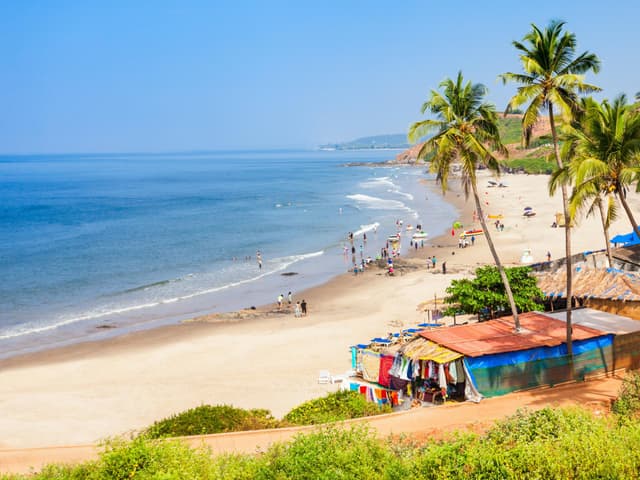
India's coastline stretches thousands of kilometres, and its beaches range from party hubs to near-empty sands. Goa is the most famous, with the busier beaches and nightlife in the north around Baga and Anjuna, and quieter, more upmarket sands in the south around Palolem. But there is far more coast to explore.

Beach areaCharacterBest for
North GoaLively, socialNightlife, markets, cafes
South GoaRelaxed, upscaleQuiet resorts, families
Gokarna, KarnatakaLaid back, bohoBackpackers, hiking between coves
Varkala, KeralaDramatic cliffsYoga, sunsets, wellness
Andaman IslandsTropical, pristineDiving, snorkelling, white sand

For the clearest water and best diving, the remote Andaman Islands in the Bay of Bengal are the standout, though they take more time and planning to reach.

What are India's spiritual highlights?

Faith is woven through daily life in India, and some of its most moving places are its spiritual centres. Varanasi, on the banks of the Ganges, is one of the oldest continuously inhabited cities on earth, where dawn boat rides pass bathing pilgrims and evening ceremonies fill the ghats with fire and chanting. Rishikesh, upstream in the Himalayan foothills, is the world's yoga capital and a hub for meditation and river rafting.

In the northwest, the Golden Temple of Amritsar, the holiest site of Sikhism, glows over its sacred pool and feeds tens of thousands of visitors free every day in an extraordinary display of hospitality. Bodh Gaya, where the Buddha attained enlightenment, draws pilgrims from across the Buddhist world. Whatever your own beliefs, these places offer some of the most memorable moments of any India trip.

What about the Himalayas and the north?

When the plains grow hot, India rises into the greatest mountains on earth. The Himalayan and Himalayan-foothill regions are a world of trekking, monasteries and cool mountain air. Ladakh, high on the Tibetan plateau, is a stark, beautiful desert of Buddhist monasteries and turquoise lakes, best from June to September. Himachal Pradesh offers the hill stations of Shimla and Manali and the laid-back traveller town of Kasol.

To the east, Darjeeling is famous for its tea and its toy train, with views of Kangchenjunga, while tiny Sikkim and remote Arunachal Pradesh offer some of the least-visited, most pristine corners of the country. These regions reward travellers who have a little more time and want to swap monuments for mountains.

Which great cities are worth exploring?

India's cities are intense, but the best of them are unmissable. Mumbai, the financial and film capital, mixes colonial grandeur, the Gateway of India, Bollywood energy and superb street food. Kolkata, the old capital of British India, is the country's cultural and intellectual heart, full of literature, art and grand crumbling architecture. Bengaluru and Hyderabad are the modern, cosmopolitan faces of the booming south, the latter home to the historic Charminar and a legendary biryani.

Even Delhi, so often treated only as the start of the Golden Triangle, deserves time in its own right for its layered history, museums and markets. A day or two in one of these cities adds a very different, contemporary dimension to a trip built around forts and temples.

What are India's best wildlife parks?

India is one of the world's great wildlife destinations, home to tigers, elephants, rhinos and hundreds of bird species. Its national parks are the place to see them, usually on a morning or afternoon jeep safari.

ParkStateKnown for
RanthamboreRajasthanTigers among ancient ruins
KazirangaAssamOne-horned rhinoceros
Jim CorbettUttarakhandTigers, elephants, India's oldest park
PeriyarKeralaElephants, boat safaris
BandhavgarhMadhya PradeshHigh tiger density

Most parks close during the monsoon and are best from roughly October or November to April or June, depending on the region. Booking safaris in advance is strongly recommended in peak season.

What are the top heritage and UNESCO sites?

Beyond the Taj Mahal, India holds an extraordinary wealth of world heritage. Hampi, in Karnataka, is a boulder-strewn landscape of temples and ruins from a once-mighty empire. The rock-cut caves of Ajanta and Ellora in Maharashtra contain some of the finest ancient art in Asia, carved directly into cliffs. The intricate temples of Khajuraho are famous for their sculpture, and the Sun Temple at Konark is a masterpiece shaped like a giant stone chariot. For travellers who love history, these sites reward the effort of reaching them with far smaller crowds than the headline monuments.

When is the best time to visit India?

India is huge, so the best time depends on the region, but as a broad rule the cooler, drier months from October to March suit most of the country. Summer is intense on the plains, while the same months open up the Himalayas.

RegionBest monthsNotes
North plains and RajasthanOctober to MarchHot April to June, some monsoon rain
Kerala and the southOctober to MarchGreen and humid in the monsoon
Goa and beachesNovember to FebruaryPeak dry season, busiest at Christmas
The HimalayasMay to SeptemberLadakh best June to September

If you can travel only in summer, head for the mountains; if only in winter, the plains, deserts and beaches are at their best.

How many days do you need, and how should you plan a route?

India rewards time, and trying to see too much in one visit is the classic mistake. A first trip of ten to fourteen days is best focused on one region, most often the Golden Triangle plus a slice of Rajasthan, or Kerala and the south. With three weeks or more, you can combine two regions, such as the north's monuments with the Himalayan foothills, or the south's backwaters with Goa's beaches.

Distances are long and travel is slower than the map suggests, so build in buffer time and use domestic flights or overnight trains for the big jumps. It is far better to see one region well than to spend your holiday in transit. Whichever route you choose, our India tour packages can bring the highlights together into one well-paced itinerary.

What practical tips should you know before visiting India?

A little preparation makes India far more enjoyable. Most visitors need a visa, and the convenient e-Tourist Visa is available online in 30-day, one-year and five-year forms, so apply before you travel. Carry a mix of cash and cards, since small vendors are cash-only while cities are increasingly digital. Dress modestly, especially at temples and mosques, and be ready to remove your shoes.

On health, drink only bottled or filtered water, eat freshly cooked food, and ease into rich and spicy dishes rather than diving in on day one; carry a basic stomach remedy. Be politely firm with touts and agree fares before rickshaw rides. India can feel overwhelming at first, but its warmth, colour and sheer variety are exactly why so many travellers return again and again.

What is the food like across India?

Indian food is not one cuisine but dozens, and eating your way across the regions is a journey in itself. The north leans on wheat, dairy and rich gravies: think buttery dal makhani, tandoori breads, kebabs and creamy paneer dishes. The south is built on rice and coconut, lighter and often fierier, with dosas, idlis, sambar and tangy fish curries. Bengal loves fish and sweets, Gujarat is a vegetarian paradise, and Hyderabad is famous for its layered biryani.

India is also the easiest country in the world for vegetarians, with a huge share of the population eating no meat, so plant-based travellers are spoiled for choice everywhere. The thali, a platter of small dishes served with rice or bread, is the perfect way to sample a region in one meal. Street food, from Delhi's chaat to Mumbai's vada pav, is a highlight, and best enjoyed from busy, freshly cooked stalls.

What festivals should you plan a trip around?

India's festivals are among the most vivid on earth, and timing a trip to catch one can transform it. Each has its own character and region.

FestivalWhenWhere and what
HoliMarchThe nationwide festival of colour
DiwaliOctober or NovemberThe festival of lights, everywhere
Pushkar Camel FairNovemberRajasthan desert spectacle
Durga PujaSeptember or OctoberKolkata's grandest celebration
Kumbh MelaCyclicalThe largest human gathering on earth

Festival dates follow the lunar calendar and shift each year, so check ahead. Accommodation fills fast around the big ones, especially Diwali and the Pushkar fair, so book early.

What are the best experiences and things to do in India?

Beyond the sights, India is defined by its experiences. A journey on the Indian railways, whether a scenic hill train or an overnight sleeper across the plains, is a rite of passage and a window onto everyday life. A dawn boat ride on the Ganges at Varanasi, a camel safari and desert camp near Jaisalmer, and a houseboat night on the Kerala backwaters are the kind of moments travellers remember for years.

  • Yoga and meditation: learn at the source in Rishikesh or a southern ashram.
  • Cooking classes: master a regional curry in almost any city.
  • Tiger safaris: track big cats in Ranthambore or Bandhavgarh.
  • Tea estates: stay among the plantations of Munnar or Darjeeling.
  • Textile and craft trails: block printing in Rajasthan, silk in Varanasi.

What is northeast India like?

The far northeast is India's best-kept secret, a cluster of seven states between Bhutan, Myanmar and Bangladesh that few foreign visitors reach. Meghalaya, the wettest place on earth, is famous for its living root bridges, hand-trained from the roots of rubber trees over generations, and its crystal-clear rivers. Assam has the tea gardens and the rhinos of Kaziranga, while Sikkim and Arunachal Pradesh offer Buddhist monasteries and Himalayan views with almost no crowds. The region takes more time and some permits to explore, but for travellers who want something genuinely off the beaten track, it is unforgettable.

How do you get around India?

India is enormous, so how you cover the distances shapes the trip. The railway network is one of the world's largest and a wonderful way to travel, with classes to suit every budget and overnight sleepers that save a hotel night; book popular routes well in advance. Domestic flights are cheap and plentiful, and they make sense for the long jumps, such as Delhi to Kerala or Mumbai to the northeast.

For regional touring, a hired car with a driver is affordable and flexible, and takes the stress out of chaotic roads. Within cities, app cabs such as Uber and Ola, prepaid taxis and auto-rickshaws are all easy to use. Whatever you choose, allow more time than the map suggests, since traffic and road conditions make journeys slower than the distances imply.

What should you pack and budget for India?

Pack light, modest, breathable clothing that covers shoulders and knees, a scarf for temples and sun, comfortable shoes that slip off easily, and a warm layer if you are heading to the mountains or travelling in winter. Add sunscreen, a refillable water bottle, hand sanitiser and any personal medicines.

India can suit almost any budget. Backpackers manage comfortably on a modest daily spend using trains and local food, while a mid-range trip with good hotels and private transport costs more, and heritage palace hotels sit at the luxury end. The biggest costs are usually accommodation and long-distance transport, so those are where your choices make the most difference. Whatever your style, India offers exceptional value compared with most of the world.

How does northern India differ from the south?

One of the first things travellers notice is how different the north and south of India feel. The north, home to the Golden Triangle, Rajasthan and the Himalayas, is the India of popular imagination: Mughal monuments, desert forts, snow-capped peaks and rich, wheat-based food. It tends to be more intense and faster paced, and its winters are cold while its summers are scorching.

The south, covering Kerala, Tamil Nadu, Karnataka and beyond, is greener, calmer and tropical, with its own Dravidian languages, towering temples, coconut-and-rice cuisine and a gentler rhythm. Many seasoned travellers come back for the south precisely because it offers a quieter, less crowded experience. Neither is better; they are simply two different countries within one, and a longer trip that samples both gives the fullest picture of India.

What are the most romantic places in India for couples?

India is full of destinations made for couples and honeymooners. Udaipur, with its lake palaces and rooftop dinners, is perhaps the most romantic city in the country. The Kerala backwaters, drifting past palm groves on a private houseboat, offer a slow, dreamy escape. For beaches, south Goa and the Andaman Islands provide quiet, upscale sands, while the tea hills of Munnar and the mountain views of Darjeeling suit couples who love cool air and scenery. A palace hotel in Rajasthan or a Himalayan retreat turns a trip into a genuinely special occasion, and many of these places pair beautifully within a single two-week itinerary.

Where should families go in India?

India can be a wonderful family destination with the right pace and planning. The Golden Triangle works well because the drives are short and the sights, from forts to the Taj Mahal, capture children's imaginations. Wildlife parks such as Ranthambore and Jim Corbett turn a holiday into an adventure, with the thrill of spotting deer, elephants and perhaps a tiger. Kerala's backwaters and beaches offer a relaxed, gentle option, and the hill stations provide cool relief from the heat.

For families, it helps to slow down, choose comfortable hotels with pools, be careful with food and water, and build in downtime. Indian culture is famously fond of children, and families often find themselves warmly welcomed everywhere they go.

What common mistakes should you avoid on an India trip?

The biggest mistake first-time visitors make is trying to see too much. India is not a country to rush, and cramming Delhi, Rajasthan, Kerala and Goa into ten days means spending the holiday in transit. Pick one region and see it properly. Other common errors are easy to avoid with a little awareness.

  • Underestimating travel times, since roads and railways are slower than the map suggests.
  • Overpacking the itinerary with no rest days to absorb the intensity.
  • Diving straight into heavy street food before your stomach has adjusted.
  • Ignoring the seasons and visiting the plains in the summer heat.
  • Not booking trains, safaris and festival-season hotels far enough ahead.

Travel slowly, plan around the seasons, and leave room for the unexpected encounters that so often become the best part of an India trip.

What are some of India's best hidden gems?

Once the famous sights are behind you, India rewards curiosity with places most visitors never reach. Spiti Valley, a high desert of Buddhist villages in Himachal Pradesh, feels like Ladakh with a fraction of the crowds. Hampi's boulder landscape in Karnataka is otherworldly and still relatively quiet. The stepwells of Gujarat, especially the astonishing Rani ki Vav in Patan, are architectural marvels hidden underground. Orchha, a small town of cenotaphs and palaces in Madhya Pradesh, offers Rajasthan-style grandeur without the tour buses, and the beaches of the Konkan coast between Goa and Mumbai remain blissfully undeveloped. Weaving one or two of these into a trip gives it a sense of discovery that the headline sights, wonderful as they are, cannot always match.

Is India expensive to travel?

India is one of the best-value destinations in the world, which is a big part of its appeal. Food, local transport and entry fees are inexpensive, and even comfortable hotels cost far less than their equivalents in Europe or East Asia. A budget traveller using trains, guesthouses and local restaurants can see a great deal for very little, while a mid-range trip with private drivers, good hotels and the occasional splurge remains excellent value. The luxury end, from palace hotels to private wildlife lodges, can be as indulgent as anywhere on earth, yet still often costs less than comparable experiences elsewhere. The main expenses for most visitors are international flights and long-distance travel within the country, so those are the areas where planning pays off most.

How do you stay healthy and comfortable in India?

Staying well in India is mostly about a few simple habits. Drink only sealed bottled or properly filtered water, and skip ice and raw salads where you are unsure of the source. Eat at busy places where food is cooked fresh and served hot, and ease into rich, spicy and street food over the first day or two rather than all at once. Carry hand sanitiser, a basic stomach remedy and any personal medication, and consider travel vaccinations well before you go.

In the heat, drink plenty of water, wear a hat and sunscreen, and plan sightseeing for the cooler mornings and late afternoons. Take rest days to absorb the intensity, protect valuables in crowds, and buy comprehensive travel insurance. With these small precautions in place, most visitors stay perfectly healthy and are free to enjoy everything the country has to offer.

Frequently asked questions about visiting India

What are the best places to visit in India for first-timers?

The Golden Triangle of Delhi, Agra and Jaipur is the classic first trip, covering the Taj Mahal and the Mughal and Rajput highlights in five or six days. Many first-timers extend it into Rajasthan for palaces and deserts, or choose Kerala in the south for backwaters and a gentler pace.

How many days do you need to visit India?

Plan at least ten to fourteen days for a first trip, focused on one region rather than the whole country. Three weeks or more lets you combine two regions, such as the north's monuments with the Himalayan foothills or the south's backwaters with the beaches of Goa.

When is the best time to visit India?

For most of the country, October to March offers the most comfortable weather. Summer is very hot on the plains from April to June, and the monsoon runs roughly July to September. The Himalayas, including Ladakh, are best in the summer months from May or June to September.

Is India safe for tourists?

Yes, millions visit every year without trouble. Take normal precautions: use reputable transport and hotels, agree fares in advance, be firm with touts, dress modestly at religious sites, and take extra care in crowds. Women and solo travellers do the trip regularly with sensible planning.

Do you need a visa to visit India?

Most nationalities do. The e-Tourist Visa can be applied for online and comes in 30-day, one-year and five-year options, with your passport needing at least six months of validity. Some neighbouring countries have special arrangements, so check the rules for your own nationality before travelling.

Which part of India is best for beaches?

Goa is the most famous, with lively beaches in the north and quieter, upscale sands in the south. For alternatives, try boho Gokarna in Karnataka, clifftop Varkala in Kerala, and for the clearest water, the remote Andaman Islands, which take more time to reach but reward divers and snorkellers.

What is the best region of India to see wildlife?

Central and northern India hold the top tiger reserves, including Ranthambore in Rajasthan, Bandhavgarh in Madhya Pradesh and Jim Corbett in Uttarakhand. Kaziranga in Assam is famous for one-horned rhinos, and Periyar in Kerala for elephants. Most parks are best from around October to April.
Tags
India
Share
G
Gomayu Team
Writer at Gomayu
Keep reading