






































































India has a beach for every mood, from the party shacks of north Goa to the silent white sand of the Andaman Islands, the cliff cafes of Kerala and the empty coves of Gokarna. With more than 7,500 kilometres of coastline plus two island groups, the country offers lively resort strips, quiet backpacker bays, luxury island escapes and historic seafront towns. This guide covers the best beaches in India region by region, the best time to visit each coast, the top islands, and the practical tips you need to plan a beach trip that suits you.
The short version: the west coast around Goa, Gokarna and Kerala holds the best known and most accessible beaches, the Andaman and Lakshadweep islands have the clearest water in the country, and the east coast adds history and long city beaches. Almost all of them are at their best from November to February.
Which are the best beaches in India?
The standouts spread across the west coast, the two island groups and a handful of east coast gems. The table below gives a quick shortlist and what each is known for.
| Beach | State or region | Best for |
|---|---|---|
| Palolem | South Goa | Calm crescent bay and cafes |
| Baga and Calangute | North Goa | Nightlife, shacks and water sports |
| Radhanagar | Andaman Islands | White sand, ranked among Asia's best |
| Varkala | Kerala | Red cliff, cafes and sunsets |
| Om Beach | Gokarna, Karnataka | Quiet backpacker coves |
| Kovalam | Kerala | Lighthouse coves and swimming |
| Agatti and Bangaram | Lakshadweep | Coral atolls and lagoons |
| Tarkarli | Konkan, Maharashtra | Clear water and scuba diving |
| Paradise Beach | Puducherry | Sandbar reached by boat |
What are the best beaches in Goa?
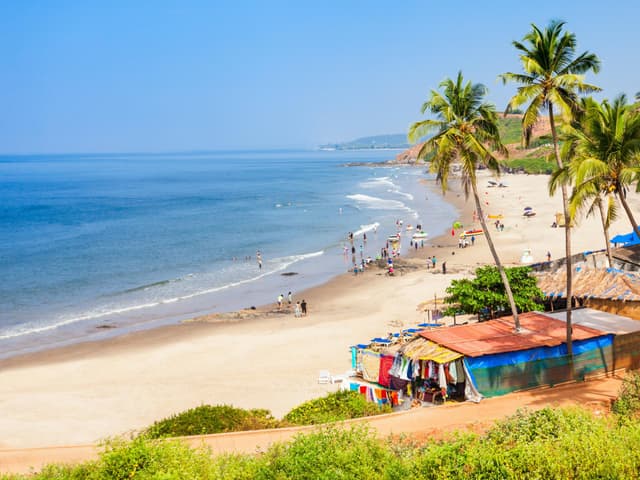
Goa is India's beach capital and the easiest place to start, split into a busy north and a calmer south. In the north, Baga, Calangute, Candolim and Anjuna buzz with beach shacks, flea markets, water sports and nightlife, while Vagator, Morjim (known for turtle nesting) and Ashwem are more stylish and relaxed. In the south, Palolem, Agonda, Colva, Benaulim and the hidden Butterfly Beach are quieter, with soft sand, swaying palms and gentler water.
| Area | Beaches | Vibe |
|---|---|---|
| North Goa | Baga, Calangute, Anjuna, Vagator | Lively, nightlife, markets |
| North (upmarket) | Morjim, Ashwem, Mandrem | Boutique and calm |
| South Goa | Palolem, Agonda, Colva, Benaulim | Quiet, scenic, relaxing |
Choose the north for energy and the south for peace. For a deeper look at where to stay and what to do, see our Goa travel guide.
What are the best beaches in Kerala?
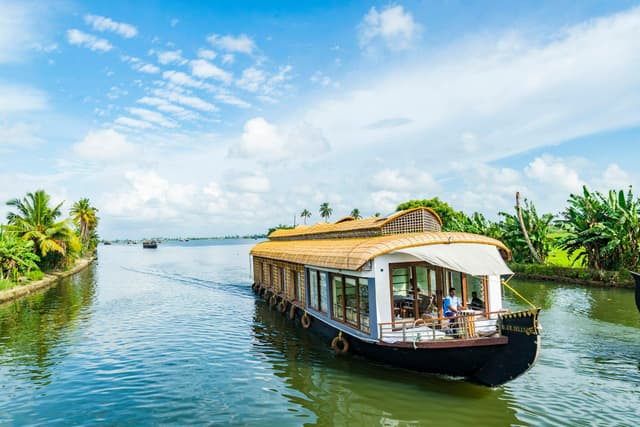
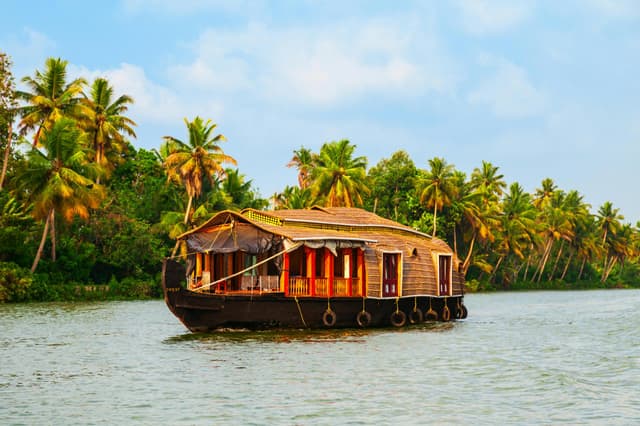
Kerala's coast is quieter and more scenic than Goa, and it works best as a place to unwind at the end of a touring trip. Varkala sits below dramatic red cliffs lined with cafes and yoga studios, Kovalam has a landmark lighthouse and three swimming coves near Trivandrum, and Marari is a peaceful fishing village beach that pairs perfectly with a backwater houseboat. Cherai, near Kochi, is an easy day trip where the backwaters meet the sea, and Bekal in the north offers wide, almost empty sand backed by a historic fort. Kerala beaches suit travellers who want calm and wellness over crowds and clubs.
Which islands have the best beaches in India?
India's two island groups hold its most striking beaches by a wide margin. The Andaman and Nicobar Islands sit in the Bay of Bengal, while Lakshadweep is a cluster of coral atolls in the Arabian Sea.
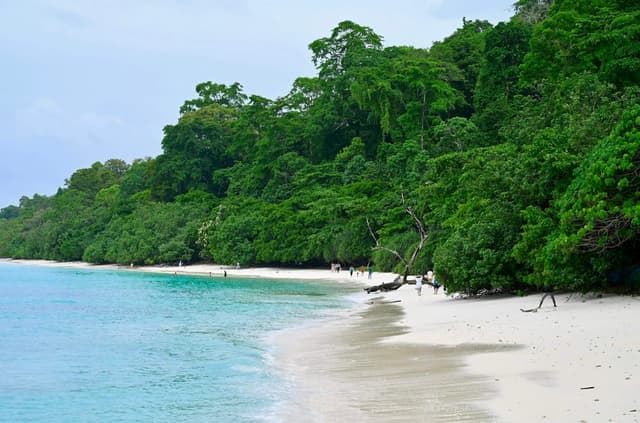
In the Andamans, Radhanagar Beach on Havelock Island (officially Swaraj Dweep) is regularly ranked among Asia's finest, with powder white sand and turquoise water, while Neil Island (Shaheed Dweep) is quieter and Elephant Beach is the top snorkelling spot. Lakshadweep is more exclusive and requires an entry permit; Agatti, Bangaram, Kavaratti and Minicoy offer lagoons, coral reefs and world class diving with far fewer visitors.
| Island group | Highlights | Access |
|---|---|---|
| Andaman Islands | Radhanagar, Elephant Beach, diving, snorkelling | Fly to Port Blair, then ferry |
| Lakshadweep | Coral atolls, lagoons, Agatti, Bangaram | Permit required, fly or ship from Kochi |
What about Gokarna and the Konkan coast?
Between Goa and Kerala lies a stretch of coast that rewards travellers willing to go a little off the main trail. Gokarna in Karnataka is a temple town with a string of walkable backpacker beaches, Om Beach (named for its shape), Kudle, Half Moon and Paradise, linked by clifftop paths and far calmer than Goa. Further north, the Konkan coast of Maharashtra hides Tarkarli near Malvan, known for unusually clear water and scuba diving, along with Ganpatipule, Alibaug, Kashid and the sea fort of Murud Janjira. These beaches are quiet, scenic and best reached by road.
Are there good beaches on India's east coast?
The east coast is less about swimming and more about long beaches, temples and history. Puri in Odisha is a major pilgrimage beach town beside the Jagannath Temple, and nearby Chandipur is famous for a sea that recedes several kilometres at low tide. Puducherry (Pondicherry) blends a French quarter promenade with the boat access Paradise Beach and the calm Auroville coast. In Tamil Nadu, Chennai's Marina is one of the longest urban beaches in the world, Mahabalipuram pairs sand with UNESCO shore temples, and Dhanushkodi near Rameswaram is a hauntingly empty spit of land. Gujarat adds Diu, with the palm backed Nagoa Beach, and Shivrajpur near Dwarka, one of India's Blue Flag certified beaches.
When is the best time to visit India's beaches?
For almost every Indian beach, the sweet spot is November to February, when the seas are calm, the humidity drops and the sun is reliable. The June to September southwest monsoon brings heavy rain and rough, unsafe water to the west coast and islands, and many shacks and water sports close. March to May is hot but still workable early in the season, especially on the islands.
| Coast or region | Best months | Avoid |
|---|---|---|
| Goa and Konkan | November to February | June to September monsoon |
| Kerala coast | October to March | June to September monsoon |
| Andaman Islands | November to April | May to September |
| Lakshadweep | October to March | Monsoon months |
| East coast (Odisha, Tamil Nadu) | November to February | Cyclone season, October to December risk |
Our best time to visit India guide explains the seasons across the whole country in more detail.
Which beach suits your kind of trip?
Because India's beaches are so varied, it helps to match the coast to the trip you want rather than trying to see them all.
| Traveller | Best choice | Why |
|---|---|---|
| Nightlife and groups | North Goa | Shacks, clubs, markets, water sports |
| Honeymoon | Andaman Islands or south Goa | Clear water, privacy, romance |
| Families | South Goa, Kovalam, Diu | Calm bays and easy facilities |
| Backpackers | Gokarna, Varkala | Cheap, scenic, laid back |
| Diving and snorkelling | Havelock, Lakshadweep, Tarkarli | Coral reefs and clear water |
| Culture with coast | Puducherry, Mahabalipuram, Puri | History beside the sea |
What water sports and activities can you try?
India's beaches are not just for lying still. North Goa is the hub for parasailing, jet skiing, banana boat rides and windsurfing, Tarkarli and the Andamans are the top spots for scuba diving and snorkelling, and Lakshadweep offers some of the best coral reef diving in the country. Gokarna and Varkala draw yoga and wellness travellers, Kovalam and Varkala have Ayurveda centres, and the Andamans add sea kayaking through mangroves and glass bottom boat trips. Kerala's coast connects easily to backwater cruises, so you can combine sea and lagoon in one trip.
| Activity | Best beaches |
|---|---|
| Scuba diving and snorkelling | Havelock, Neil, Lakshadweep, Tarkarli |
| Parasailing and jet ski | Baga, Calangute, Candolim |
| Yoga and wellness | Varkala, Gokarna, Kovalam |
| Kayaking and boat trips | Andamans, Puducherry, Kerala backwaters |
What are India's Blue Flag beaches?
India has a growing list of Blue Flag beaches, an international eco label awarded for water quality, safety, facilities and environmental management. Certified beaches include Shivrajpur in Gujarat, Ghoghla in Diu, Kasarkod and Padubidri in Karnataka, Kappad in Kerala, Rushikonda in Andhra Pradesh, the Golden Beach at Puri in Odisha, Radhanagar in the Andamans, Kovalam in Tamil Nadu, Eden in Puducherry, and Minicoy Thundi and Kadmat in Lakshadweep. These beaches are a safe bet for clean water, marked swimming zones and reliable facilities, which makes them a good choice for families.
Beach travel tips for India
- Choose north Goa for nightlife and south Goa, Kerala or Gokarna for calm.
- Book Andaman flights, ferries and island hotels early in the November to February peak.
- Apply for a Lakshadweep entry permit well ahead, as visitor numbers are capped.
- Carry reef safe sunscreen and respect local dress norms once you step off the sand.
- Watch for strong currents and swim only where lifeguards mark it safe.
- Carry cash for shacks, ferries and small islands where cards and mobile signal are patchy.
- Stick to sealed or filtered water and protect electronics from sand and salt spray.
Travellers from Nepal and the Nepali diaspora can compare curated India tour packages and read the full India itinerary ideas before booking.
A closer look at north Goa's beaches
North Goa is where most first time visitors land, and its beaches run almost continuously from Fort Aguada up to the Maharashtra border. Candolim and Sinquerim are the calmest of the northern strip, good for families, and they flow into Calangute and Baga, the busiest beaches in the state, packed with shacks, parasailing operators, dolphin boat trips and a lively after dark scene. Anjuna is famous for its Wednesday flea market and its cliffside bars, Vagator has two dramatic red cliff beaches below Chapora Fort, and further north Morjim, Ashwem, Mandrem and Arambol turn boutique and bohemian, with yoga retreats, turtle nesting sands and driftwood cafes. If you want to be at the centre of the action, base yourself around Baga or Calangute; if you want the north's energy without the crowds, Ashwem and Mandrem strike the balance.
A closer look at south Goa's beaches
South Goa is a different world of long, clean, palm backed sand and a slower pace. Palolem is the poster beach, a perfect crescent bay dotted with colourful cafes and calm enough for easy swimming and kayaking. Just north, Agonda is quieter still and a favourite for couples and long stays, while Colva and Benaulim are wide, traditional beaches close to the towns. Cavelossim, Mobor and Varca hold the south's upmarket resorts, and the tiny Butterfly Beach, reachable by boat from Palolem, is a hidden cove ringed by forest. South Goa suits honeymooners, families and anyone who wants to read a book to the sound of the waves rather than a beach club playlist.
The Andaman Islands in depth
The Andaman Islands reward the extra travel it takes to reach them. Almost everyone flies into Port Blair, the capital, then takes a fast ferry to Havelock (Swaraj Dweep), the main beach island. Havelock is home to Radhanagar, a long arc of soft white sand and shallow turquoise water that has been ranked among the best beaches in Asia, as well as Elephant Beach, the top spot for snorkelling and easy scuba. Neil Island (Shaheed Dweep) is smaller and sleepier, with the natural rock bridge at Laxmanpur and gentle beaches ideal for a two night unwind. Beyond the beaches, the islands offer scuba certification courses, sea kayaking through bioluminescent lagoons, and the limestone caves of Baratang. Because the Andamans are remote, they suit a dedicated four to seven day trip rather than a quick add on.
| Island | Highlights | Ideal stay |
|---|---|---|
| Port Blair | Cellular Jail, ferry hub, first night | 1 night |
| Havelock (Swaraj Dweep) | Radhanagar, Elephant Beach, diving | 2 to 3 nights |
| Neil (Shaheed Dweep) | Quiet beaches, natural bridge | 1 to 2 nights |
Lakshadweep, India's quietest islands
Lakshadweep is India's best kept beach secret, a scattering of 36 coral islands in the Arabian Sea off the Kerala coast. Only a handful are open to visitors, and every traveller needs an entry permit arranged in advance, which keeps numbers low and the lagoons pristine. Agatti has the airport and a stunning turquoise lagoon, Bangaram is a private island escape, Kavaratti is the administrative centre with calm swimming, and Minicoy in the far south has a lighthouse and a distinct Maldivian influenced culture. The draw here is world class coral reef diving and snorkelling, glassy lagoons for kayaking, and the sense of having a tropical island almost to yourself. Access is by flight or ship from Kochi, and package style arrangements are the norm because independent travel is restricted.
Gokarna and the Konkan coast in detail
For travellers who find Goa too busy, the coast on either side offers a calmer alternative. Gokarna in northern Karnataka is a Hindu temple town fringed by a chain of beaches reached on foot along clifftop trails: Kudle and Om are the liveliest with cafes and huts, while Half Moon and Paradise are more remote and peaceful. North of Goa, the Konkan coast of Maharashtra strings together Tarkarli and Devbagh near Malvan, prized for clear water and scuba diving, along with Ganpatipule with its seaside temple, and Alibaug, Kashid and Murud with its island sea fort, all within easy reach of Mumbai for a weekend by the sea. These beaches are best explored by road and reward travellers happy to trade facilities for space.
India's east coast beaches and Gujarat
The east coast and the far west add variety beyond the classic beach circuit. Puducherry blends a French colonial promenade, the boat access Paradise Beach and the tranquil Auroville coast, making it a favourite for a relaxed few days. Odisha's Puri is a lively pilgrimage beach beside the great Jagannath Temple, and nearby Chandipur astonishes visitors with a sea that retreats several kilometres at low tide. Tamil Nadu offers Chennai's vast Marina Beach, the shore temples of Mahabalipuram and the eerie, cyclone swept ruins of Dhanushkodi near Rameswaram. On the far west coast, Gujarat's Diu has the palm lined Nagoa Beach and a Portuguese fort, while Shivrajpur near Dwarka is a Blue Flag beach with clean sand and calm water. None of these rival the Andamans for swimming, but they combine coast with culture in a way the west coast resorts do not.
How do you reach and get around India's beaches?
Most beach regions have their own airport or a nearby hub. Goa has two airports, Dabolim and the newer Mopa, with direct flights from across India and many international cities. Kerala's beaches are served by Trivandrum and Kochi, the Konkan coast by Mumbai, the east coast by Chennai and Bhubaneswar, and the Andamans by Port Blair. Once on the coast, hired scooters and taxis are the easiest way to hop between beaches in Goa and Gokarna, app cabs and private cars work well in Kerala, and ferries link the Andaman and Lakshadweep islands. Train travel along the scenic Konkan Railway is a memorable way to reach Goa and the Maharashtra coast from Mumbai.
Where should you stay near the beach?
Accommodation ranges from simple beach huts to five star island resorts. In Goa, north coast guesthouses and party hostels sit near the action while south coast eco resorts and boutique villas offer quiet luxury. Kerala leans towards Ayurveda resorts and homestays, Gokarna and Varkala are backpacker territory with cliff top huts, and the Andamans mix budget lodges in Port Blair with upscale beach resorts on Havelock. Booking directly on the beach you want saves long transfers, and in peak season it pays to reserve well ahead, especially on the islands where beds are limited.
Responsible and safe beach travel
India's coast includes fragile ecosystems, from the coral reefs of Lakshadweep and the Andamans to the turtle nesting beaches of Morjim and Odisha, where olive ridley turtles arrive in huge numbers. Use reef safe sunscreen, never touch or stand on coral, take your litter with you, and keep a respectful distance from nesting sites. On safety, rip currents are the main hazard on open beaches, so heed red flags and lifeguard advice, and be cautious swimming during or just after the monsoon when the sea is at its roughest.
Andaman or Lakshadweep: which should you choose?
Both island groups deliver clear water and coral, but they suit different travellers. The Andamans are easier to reach, more developed and better for a first island trip, with ferries linking several islands and a wide range of stays and activities. Lakshadweep is more exclusive and pristine, with fewer visitors and superb diving, but it needs a permit, has limited accommodation and is usually visited on a package. If you want flexibility, nightlife and a choice of beaches, pick the Andamans; if you want quiet, untouched atolls and world class reefs, pick Lakshadweep.
| Factor | Andaman Islands | Lakshadweep |
|---|---|---|
| Access | Fly to Port Blair, then ferries | Permit plus flight or ship from Kochi |
| Crowds | Moderate, growing | Very low, capped |
| Best for | First island trip, variety | Diving, seclusion, luxury |
| Stays | Budget to upscale | Limited, mostly packages |
Are beaches near Mumbai worth visiting?
Mumbai itself is not a swimming destination, and city beaches such as Juhu and Girgaon Chowpatty are better for street food, sunsets and people watching than for the sea. For a proper beach break from the city, head south to Alibaug, Kashid and Murud on the Konkan coast, or a little further to Ganpatipule and Tarkarli, all reachable by road, ferry or the Konkan Railway. These make popular weekend escapes and are far cleaner and calmer than the urban shoreline.
How expensive is a beach trip in India?
India offers beach holidays at almost every price point. Gokarna, Varkala and the backpacker fringes of north Goa are famously cheap, with beach huts, thali meals and shared scooters keeping daily costs low. South Goa, Kerala Ayurveda resorts and the Andamans sit in the comfortable mid range, while private island resorts in Lakshadweep and luxury villas in south Goa reach the top tier. The islands cost more overall because flights, ferries and limited accommodation add up, whereas Goa and the Konkan coast are excellent value thanks to competition and easy access. For a fuller picture of costs across the country, see whether India is expensive for travellers.
What is the beach food and nightlife like?
Beach dining is one of the joys of the Indian coast. Goa's shacks serve fresh grilled fish, prawn curry, Goan sausage and cold drinks with your toes in the sand, and the north coast has the liveliest nightlife in the country, from beach clubs to sunset trance parties around Anjuna and Vagator. Kerala's coast leans towards karimeen fish and coconut curries, Gokarna and Varkala offer mellow cafe culture with yoga and live music, and the Andamans keep it simple with fresh seafood by the water. Wherever you are, eating the local catch of the day is almost always the best choice.
How do you combine beaches with the rest of India?
Beaches slot neatly into a wider Indian trip. Goa pairs well with the forts and cities of Maharashtra or a flight up to the Golden Triangle of Delhi, Agra and Jaipur. Kerala's beaches sit at the end of a backwaters and hill country loop, so Varkala or Marari make a natural finale after Munnar and Alleppey. Gokarna links to the temples and palaces of Karnataka, including Hampi, while Puducherry and Mahabalipuram fold into a Tamil Nadu temple circuit. The Andamans and Lakshadweep, being remote, work best as standalone island escapes of four to seven days rather than quick detours. Planning a coast at the end of a trip lets you wind down before flying home.
| Beach region | Pairs well with |
|---|---|
| Goa | Mumbai, Maharashtra forts, Golden Triangle |
| Kerala coast | Backwaters, Munnar, Tamil Nadu |
| Gokarna | Hampi and Karnataka heritage |
| Puducherry and Mahabalipuram | Chennai and Tamil Nadu temples |
A quick word on beach etiquette in India
Indian beaches are public and often shared with fishing communities, temples and local families, so a little awareness goes a long way. Away from the resort strips of Goa, swimwear can draw attention, and covering up between the sand and your hotel is appreciated. Ask before photographing fishers or their boats, avoid alcohol on beaches where it is not permitted, and be mindful during religious gatherings at places such as Puri. Treating the coast and its communities with respect keeps these beaches welcoming for everyone who follows.
Where is the water clearest for snorkelling?
If clear water is your priority, head for the islands and a few pockets of the mainland. The Lakshadweep atolls have the most transparent water in India, with visibility that regularly exceeds 20 metres over vibrant coral, followed closely by the reefs around Havelock and Neil in the Andamans. On the mainland, Tarkarli and Devbagh on the Konkan coast surprise many visitors with genuinely clear water and easy scuba, and Netrani Island off Murudeshwar in Karnataka is a well known dive site with reef fish and the occasional whale shark. West coast beaches such as Goa and Kerala are better for atmosphere and swimming than for underwater visibility, which drops after the monsoon churns up sediment. For the best snorkelling, aim for the dry season peak between December and April.
Frequently asked questions
Which is the best beach destination in India?
Goa is the most popular and easiest, with a wide choice of lively and quiet beaches and good flight connections. For the clearest water and white sand, the Andaman Islands are the top pick, while Gokarna and Kerala suit travellers who prefer calm.
Are Indian beaches good for swimming?
Many are, especially calm bays such as Palolem, Kovalam and the Andaman beaches in the dry season. Currents can be strong on open beaches, so swim only where it is marked safe and avoid the sea during the monsoon.
Which Indian islands have the best beaches?
The Andaman Islands have the most striking beaches, led by Radhanagar on Havelock. Lakshadweep is quieter and more exclusive, with coral atolls and lagoons, but needs an entry permit arranged in advance.
When should you avoid India's beaches?
Avoid the west coast and islands during the June to September monsoon, when heavy rain and rough seas make swimming unsafe and many shacks close. The east coast carries a cyclone risk from October to December.
Do you need to book Andaman beaches in advance?
Yes. Flights to Port Blair, ferries to Havelock and Neil, and island hotels fill up quickly in the November to February peak, so book transport and stays well ahead.
Which beaches are best for a honeymoon?
The Andaman Islands and south Goa top the list for couples, with private resorts, clear water and quiet sand. Marari in Kerala is another romantic choice that pairs with a backwater houseboat.
Are India's beaches safe for solo and women travellers?
Popular beaches in Goa, Gokarna, Kerala and the Andamans are widely visited by solo travellers. Take normal precautions, avoid isolated stretches after dark, and use registered transport at night.
Which is the cleanest beach in India?
Radhanagar in the Andamans and the Lakshadweep lagoons have the clearest water, while India Blue Flag beaches such as Shivrajpur, Ghoghla, Kappad and Radhanagar are certified for clean water, safety and facilities.
Can you visit Indian beaches on a budget?
Yes. Gokarna, Varkala and parts of north Goa offer cheap beach huts, inexpensive local food and shared scooters, making them among the best value beach destinations in Asia. The islands cost more due to flights and ferries.