












































+977-9709047652
Explore by Country
See all 22 Thailand packages
Most popular pick
See all 22 Thailand packages →
See all 11 Vietnam packages
Most popular pick
See all 11 Vietnam packages →
See all 10 Indonesia (Bali) packages
Most popular pick
See all 10 Indonesia (Bali) packages →
See all 7 Maldives packages
Most popular pick
See all 7 Maldives packages →
See all 10 China packages
Most popular pick
See all 10 China packages →
See all 13 Sri Lanka packages
Most popular pick
See all 13 Sri Lanka packages →
See all 9 Malaysia packages
Most popular pick
See all 9 Malaysia packages →
See all 8 Singapore packages
Most popular pick
See all 8 Singapore packages →
See all 2 Kenya packages
Most popular pick
See all 2 Kenya packages →
See all 16 India packages
Most popular pick
See all 16 India packages →
See all 3 Dubai packages
Most popular pick
See all 3 Dubai packages →
See all 7 Nepal packages
Most popular pick
See all 7 Nepal packages →
See all 6 Philippines packages
Most popular pick
See all 6 Philippines packages →
Search Tours or Places
Blog / India

Golden Triangle India: Delhi, Agra and Jaipur Guide

19 min read 21 Aug 2026 · Updated 14 Sep 2026
Golden Triangle India: Delhi, Agra & Jaipur Tour Guide

The Golden Triangle is the classic first trip to India, a loop that joins Delhi, Agra and Jaipur into a compact circuit of Mughal monuments, Rajput palaces and the country's most famous sight, the Taj Mahal. The three cities sit roughly 200 to 250 kilometres apart, so you can see the highlights in five or six days without ever taking a flight.

This guide covers what each city offers, how the cities connect, how many days you need, a day-by-day sample itinerary, the best time to go, current entry fees and honest practical tips. Whether you have four days or a relaxed week, the route works, and it remains the best introduction to northern India there is.

The Golden Triangle takes its name from the triangular shape the three cities make on a map: Delhi in the north, Agra to the south-east, and Jaipur to the south-west. It is popular because it packs an enormous amount of history and colour into a short, well-connected loop. In one trip you see the seat of Mughal and modern power in Delhi, the peak of Mughal architecture in Agra, and the pink-walled Rajput capital of Jaipur, all linked by good roads and fast trains.

For a first-time visitor, the appeal is efficiency. The route is set up for tourism, drivers and guides know it inside out, and you are never far from a hotel, a station or a decent meal. It is also flexible: you can do it in a rush over four days or stretch it into a week with side trips to a tiger reserve or a lake city.

How do the three cities connect?

The three legs of the triangle are short by Indian standards, and the roads have improved a lot in recent years. Here are the approximate distances and travel times by car.

RouteDistanceBy roadBy train
Delhi to AgraAbout 230 km3 to 3.5 hours (Yamuna Expressway)Gatimaan Express, about 100 minutes
Agra to JaipurAbout 240 km4 to 4.5 hours (via Fatehpur Sikri)Limited direct trains, road is easier
Jaipur to DelhiAbout 280 km5 to 5.5 hours (NH48)Several daily trains, 4.5 to 6 hours

Most travellers hire a car with a driver for the full loop, which costs far less than in Europe and lets you stop at Fatehpur Sikri and Abhaneri stepwell on the Agra to Jaipur leg. Trains are excellent for the Delhi to Agra hop, where the Gatimaan Express covers the distance in well under two hours.
Explore India tour packages
View all →

What are the top things to do in Delhi?

Delhi is really two cities: the wide, leafy avenues of New Delhi built by the British, and the crowded lanes of Old Delhi built by the Mughals. Give it a full day or two and split your time between them.

  • Red Fort: the vast red sandstone fort of the Mughal emperors, a UNESCO World Heritage Site.
  • Jama Masjid: India's largest mosque, at its best in the golden light of late afternoon.
  • Qutub Minar: a 73 metre victory tower from the 12th century, surrounded by early Islamic ruins.
  • Humayun's Tomb: the elegant Mughal garden tomb that inspired the Taj Mahal.
  • India Gate and Rajpath: the war memorial and ceremonial avenue at the heart of New Delhi.
  • Chandni Chowk: the frenetic market of Old Delhi, best explored on foot or by cycle rickshaw.

A rickshaw ride through Chandni Chowk, a bowl of street chaat and a visit to the serene Humayun's Tomb make a good first taste of the city. If you have extra time, the Lotus Temple and Akshardham are striking modern landmarks.

What should you see in Agra beyond the Taj Mahal?

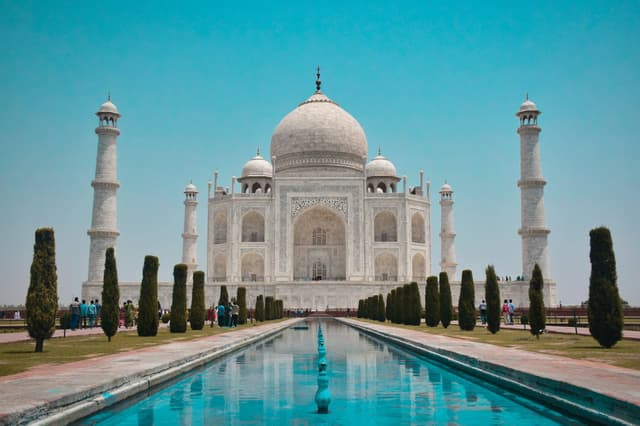
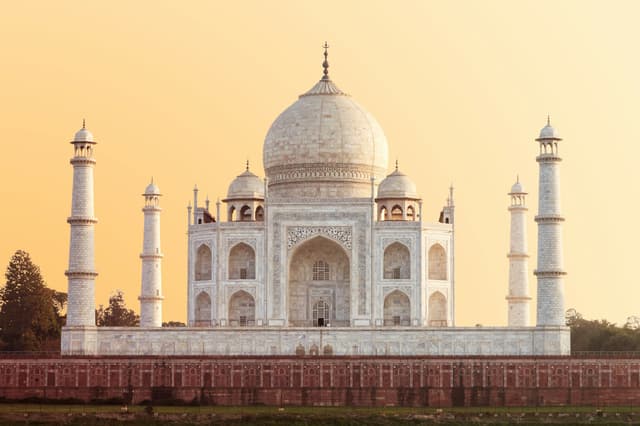
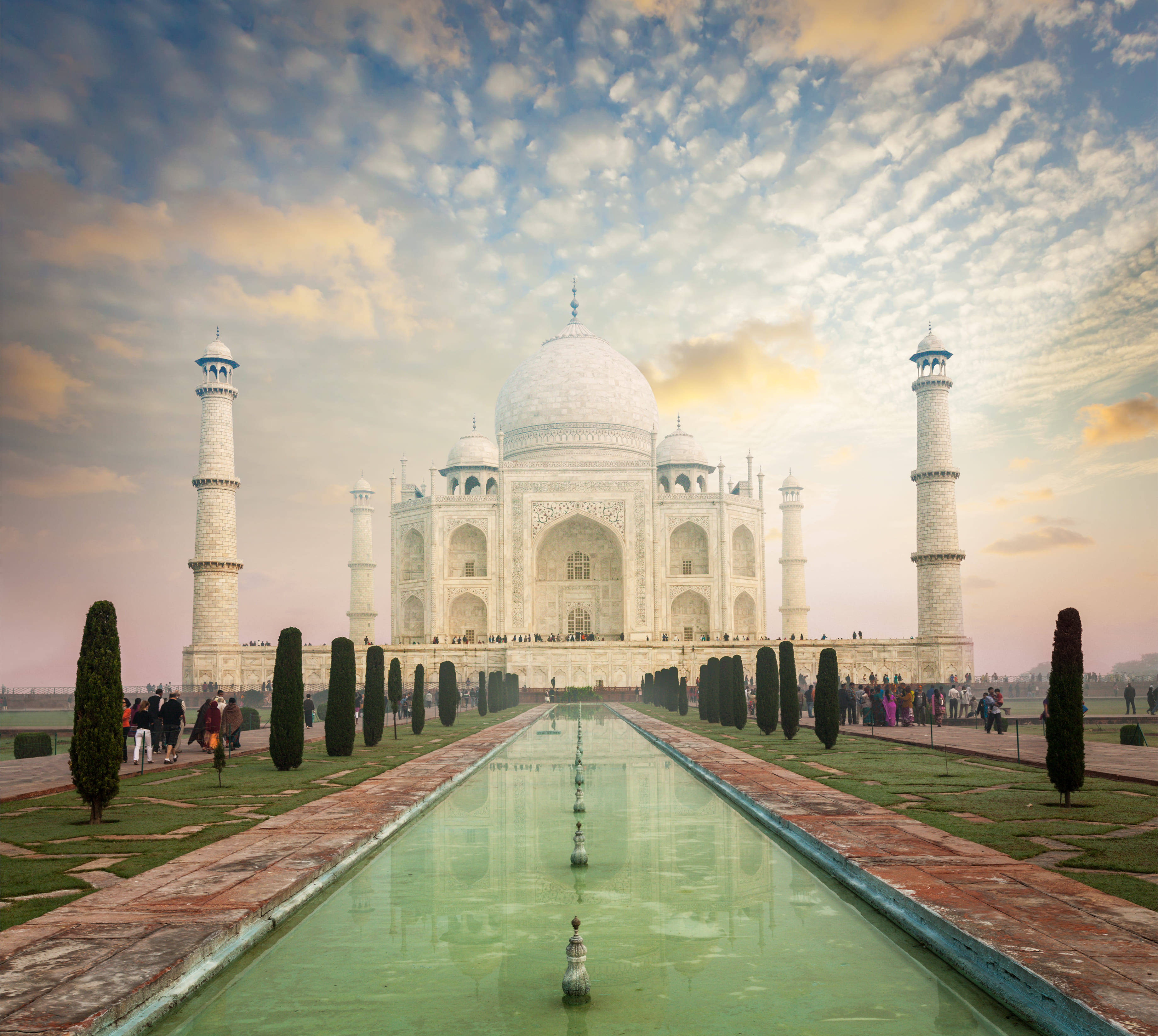
Agra is defined by the Taj Mahal, and rightly so. The white marble mausoleum, built by Shah Jahan for his wife Mumtaz Mahal in the mid 17th century, is even more breathtaking in person than in photographs, especially at sunrise when the crowds are thin and the marble glows pink then gold. It is closed on Fridays, so plan around that.

But Agra is more than one monument. Agra Fort, a short distance away, is a huge red sandstone fortress with palaces, courtyards and a poignant view of the Taj from the tower where Shah Jahan spent his final years. Across the river sits the small, jewel-like tomb of Itimad-ud-Daulah, often called the Baby Taj, whose intricate inlay work predates and previews the Taj itself. On the way to Jaipur, the abandoned Mughal capital of Fatehpur Sikri is a beautifully preserved ghost city well worth a two hour stop.

What are the must-see sights in Jaipur?

Jaipur, the Pink City, is the capital of Rajasthan and the most colourful corner of the triangle. Its old walls were painted pink in 1876 to welcome a royal visit, and the shade has stuck. The city rewards a relaxed pace and a bit of shopping.

  • Amber Fort: the honey-coloured hilltop fort and palace just outside the city, the standout sight.
  • City Palace: the still-royal complex of courtyards, museums and gateways in the old town.
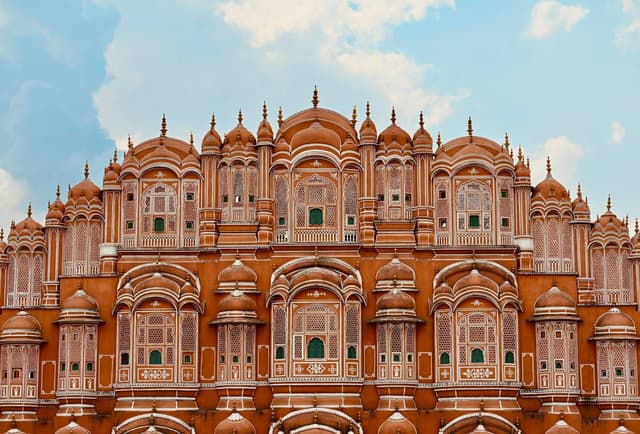
  • Hawa Mahal: the five-storey Palace of Winds with its honeycomb of 953 windows, best photographed early.
  • Jantar Mantar: an 18th century observatory of giant stone astronomical instruments, a UNESCO site.
  • Nahargarh Fort: for sunset views over the whole city.

Jaipur is also the best place on the route to shop, for block-printed textiles, blue pottery, gemstones and juttis (leather slippers). Bargain politely, and be wary of drivers steering you to shops where they earn commission.

How many days do you need for the Golden Triangle?

The honest answer is four days minimum and five or six for a comfortable trip. Four days is enough to hit the headline sights if you move quickly, but it means early starts and long drives. Adding a day lets you slow down, enjoy a sunrise Taj visit, and stop at Fatehpur Sikri without rushing. A week opens the door to a side trip.

Trip lengthWhat it coversBest for
4 daysDelhi, Agra, Jaipur highlights onlyShort holidays, fast pace
5 to 6 daysThe same, relaxed, with Fatehpur SikriMost first-time visitors
7 to 9 daysTriangle plus Ranthambore or UdaipurWildlife or a slower trip

What is an ideal Golden Triangle itinerary?

Here is a balanced six day plan that most travellers find comfortable. It starts and ends in Delhi, which has the best international flight connections.

DayBasePlan
1DelhiArrive, rest, evening at India Gate
2DelhiOld and New Delhi sightseeing
3AgraDrive or train to Agra, Agra Fort, Baby Taj
4JaipurSunrise Taj Mahal, drive via Fatehpur Sikri
5JaipurAmber Fort, City Palace, Hawa Mahal, bazaars
6DelhiDrive back to Delhi, depart

Reversing the loop (Delhi, Jaipur, Agra, Delhi) works equally well and can save time depending on your flights. The key is to see the Taj at sunrise, which means an overnight in Agra the evening before.

When is the best time to visit the Golden Triangle?

Northern India has a strong seasonal swing, and timing matters a lot for comfort. The peak season runs from October to March, when the weather is dry and pleasant. Summer is genuinely fierce, and the monsoon brings humidity and downpours.

SeasonMonthsWhat to expect
BestOctober to MarchWarm days, cool nights, ideal sightseeing
HotApril to June40C and above, very demanding
MonsoonJuly to SeptemberHumid, green, fewer crowds, some rain

December and January bring cold mornings and occasional fog that can delay trains, so pack a warm layer. October, November, February and March are the sweet spot.

How do you get around between the cities?

You have three main options. A private car with a driver is the most popular for the full loop, because it is affordable, flexible and lets you stop wherever you like. Trains are fast and comfortable for the Delhi to Agra leg, with the Gatimaan and Shatabdi Express services being the pick. Guided tour packages bundle the car, driver, guide and hotels together, which suits first-timers who would rather not arrange each piece.

Within each city, prepaid taxis, app-based cabs (Uber and Ola) and auto-rickshaws are all easy to use. Agree a fare or use the meter before you set off in an auto-rickshaw, and keep small notes handy for tips and entry queues.

How much do the sights cost?

Entry fees for foreign visitors are higher than for Indian citizens, but still modest by global standards. These are the headline 2026 prices; children under 15 are generally free at the main monuments.

SightForeigner ticketNotes
Taj MahalAbout INR 1,300Plus INR 200 to enter the main mausoleum; INR 50 off if booked online
Agra FortAbout INR 650Under 15s free
Amber Fort, JaipurAbout INR 550Composite tickets cover several Jaipur sites
City Palace, JaipurAbout INR 700Higher for special royal sections
Fatehpur SikriAbout INR 610On the Agra to Jaipur road

Prices change from time to time, so treat these as a guide and check on arrival. Booking the Taj Mahal ticket online saves a little and lets you skip one queue.

What should you eat along the route?

The Golden Triangle is a feast for anyone who loves North Indian food. Delhi is the street-food capital: try chaat, chole bhature, parathas in the lanes of Old Delhi, and kebabs around Jama Masjid. Agra is known for petha, a translucent sweet made from ash gourd, and for rich Mughlai curries. Jaipur brings Rajasthani thalis, dal baati churma and the sweet ghewar. Vegetarian travellers, including those who avoid onion and garlic, are exceptionally well catered for across all three cities, since much of North Indian cuisine is meat-free by tradition.

Can you extend the Golden Triangle?

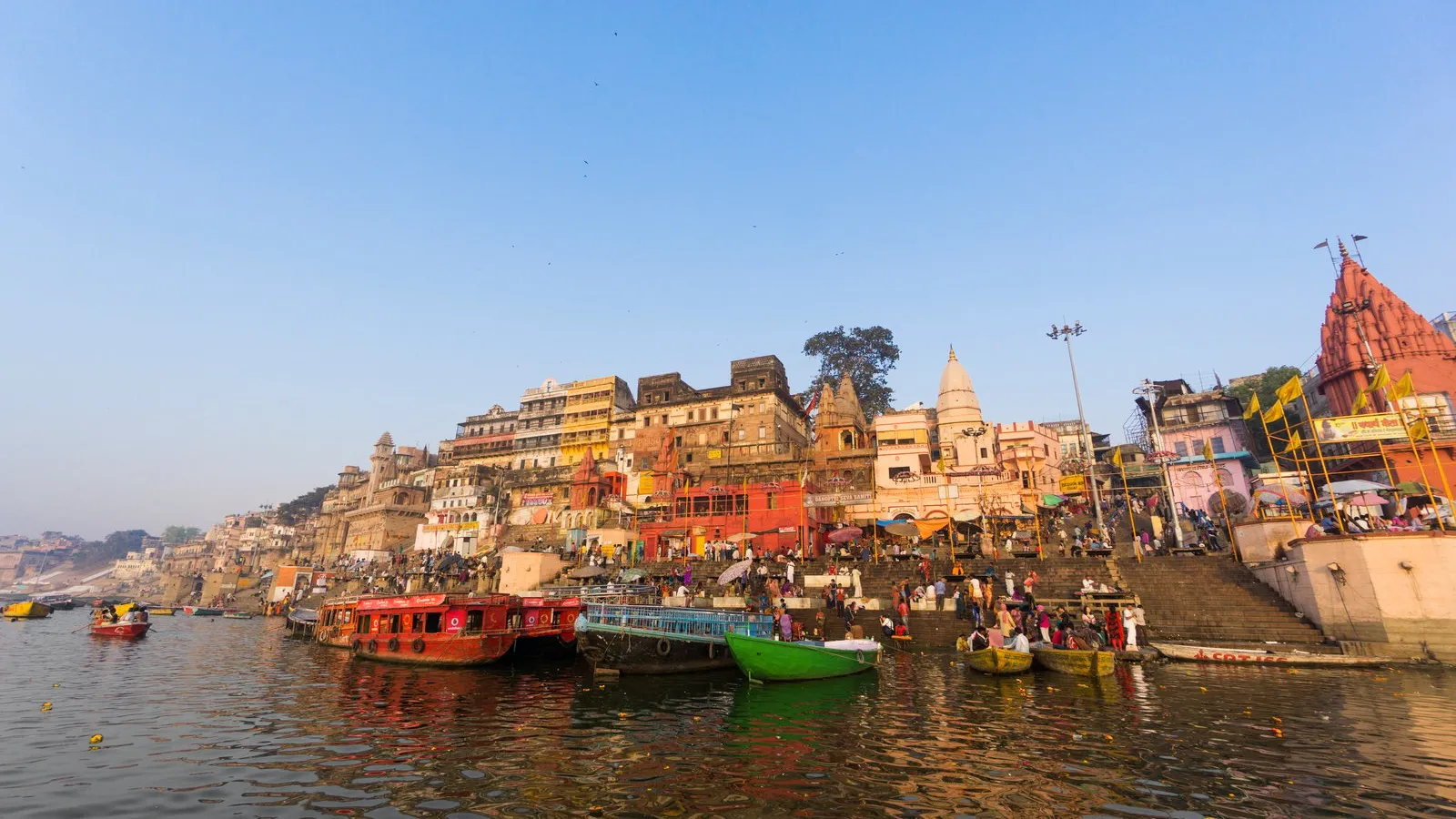
If you have more than a week, several add-ons pair naturally with the loop. Ranthambore National Park, a few hours from Jaipur, offers one of India's best chances to see a wild tiger. Udaipur, the lake city, adds romance and palaces to a Rajasthan trip. Further afield, Varanasi on the Ganges and Rishikesh in the Himalayan foothills are popular spiritual extensions, both reachable by a short flight or overnight train from Delhi.

What practical tips should first-time visitors know?

India can be intense on a first visit, and a little preparation goes a long way. Dress modestly at religious sites, covering shoulders and knees, and be ready to remove your shoes. Drink only bottled or filtered water, eat freshly cooked food, and ease into street food rather than diving in on day one. Carry hand sanitiser and a basic stomach remedy.

Be politely firm with touts and drivers who offer to take you to shops or claim a monument is closed. Agree prices before rickshaw rides, keep small change for tips, and photograph people only with a smile and their permission. Women travellers should take the usual sensible precautions and favour reputable drivers and hotels. None of this should put you off; millions visit every year without trouble, and the warmth of the welcome is one of the trip's lasting memories. When you are ready to plan the route in detail, our India tour packages bring the three cities together into one smooth itinerary.

What is the history behind the Golden Triangle cities?

The route is really a journey through several centuries of Indian power. Delhi has been the capital of empire after empire, from the Delhi Sultanate that raised the Qutub Minar in the 12th century, through the Mughals who built the Red Fort, to the British who laid out New Delhi in the early 20th century. Each layer left monuments you can still walk through, which is why Delhi rewards a guide who can explain what you are seeing.

Agra was the Mughal capital at the empire's height under Akbar, Jehangir and Shah Jahan, and the Taj Mahal is the emotional peak of that golden age, a tomb built for love and finished around 1653. Jaipur is younger and different in character: it was founded in 1727 by Maharaja Sawai Jai Singh II, an astronomer-king who laid out one of India's first planned cities on a strict grid and built the giant observatory at Jantar Mantar. Understanding this sweep, from Islamic sultanate to Mughal empire to Rajput kingdom, turns a checklist of forts and tombs into a single, connected story.

What are the best experiences beyond the monuments?

The Golden Triangle is more than a list of buildings, and the experiences between the sights often become the best memories. In Old Delhi, a cycle-rickshaw ride through Chandni Chowk and a guided street-food walk bring the city to life. In Agra, watching the sunrise change the colour of the Taj from a quiet riverside garden across the Yamuna is unforgettable and crowd-free.

  • Cooking class: learn to make a simple curry and fresh chapati, offered in all three cities.
  • Hot air balloon: Jaipur offers dawn flights over forts and fields in the cooler months.
  • Bazaar shopping: block-printed textiles and blue pottery in Jaipur, marble inlay in Agra.
  • Village or heritage stay: a night in a converted haveli or fort hotel in Rajasthan.

One note on ethics: if you visit Amber Fort, consider walking up or taking a jeep rather than an elephant ride, as animal-welfare standards vary. Small choices like this make for a more responsible trip.

Where should you stay in each city?

Accommodation on the route runs from simple guesthouses to converted palaces, and where you base yourself shapes the trip. In Delhi, many visitors stay in the leafy, central districts near Connaught Place or in the quieter enclaves of South Delhi, both well connected to the airport and sights. In Agra, it is worth choosing a hotel with a Taj Mahal view or one close to the eastern gate, which makes the sunrise visit much easier.

Jaipur has the widest choice of characterful places to stay, including heritage havelis and former royal residences that let you sleep inside the history you have come to see. Across all three cities you will find international chains, boutique hotels and budget guesthouses, so the route suits most budgets. Booking ahead is wise in the October to March peak season, when the best-value rooms fill quickly.

What should you pack for a Golden Triangle trip?

Pack for warm days, cooler evenings and a lot of walking on uneven stone. Light, breathable clothes that cover shoulders and knees are ideal for both the heat and for entering temples and mosques. A scarf is useful for women to cover their head at religious sites and for shade in the sun. Comfortable closed shoes that slip off easily help at monuments where you remove footwear.

  • A refillable water bottle and any personal medicines, including a stomach remedy.
  • Sunscreen, sunglasses and a hat for long days outdoors.
  • A warm layer from December to January for cold mornings.
  • A power bank and a universal adapter for Indian sockets.
  • Small notes of cash for tips, entry queues and rickshaws.

What are common scams and how do you avoid them?

The Golden Triangle is safe, but its popularity attracts a few practised hustles that are easy to sidestep once you know them. The most common is the driver or tout who insists a monument or your hotel is closed, then offers to take you somewhere better, usually a shop that pays commission. Ignore it and go to check for yourself. Another is the overpriced auto-rickshaw with a broken meter; agree a fare before you climb in or use an app cab.

Be cautious with gem and carpet shops that promise you can resell goods at a profit back home; you cannot. Buy only what you like for its own sake, and only from reputable places. Politely decline unsolicited guides at monument gates and use the official ticketed guides or a pre-arranged one. Keep your valuables close in crowds, use bottled water, and you will find the vast majority of people you meet are simply warm, curious and helpful.

What day trips and detours are worth adding on the drive?

The drive between Agra and Jaipur passes some of the route's most rewarding stops, and a good itinerary builds them in rather than racing past. Fatehpur Sikri, the red sandstone capital that Akbar built and then abandoned within a few decades, is remarkably intact and needs about two hours. A little off the main road, the Chand Baori stepwell at Abhaneri plunges thirteen storeys into the ground in a hypnotic geometry of steps, and it is one of India's most photogenic ancient structures.

Bird lovers can detour to the Keoladeo National Park at Bharatpur, a wetland sanctuary that shelters hundreds of species, especially in winter. Between Delhi and Jaipur, the hilltop fort-hotel at Neemrana makes a scenic lunch or overnight stop. None of these adds more than a few hours, and each one breaks up the driving with something memorable.

How do you get to and from the Golden Triangle?

Almost everyone starts and finishes in Delhi, home to Indira Gandhi International Airport, the busiest air hub in the region with direct flights from across Asia, Europe, the Gulf and beyond. From the airport, prepaid taxis and app cabs reach the city centre in under an hour outside peak traffic. Jaipur also has an international airport with a smaller network, so it is possible to fly in there and out of Delhi, or the reverse, which saves backtracking. Trains connect all three cities to the wider Indian rail network, so the Golden Triangle slots neatly into a longer journey through Rajasthan or on to Varanasi and beyond.

Who is the Golden Triangle best suited to?

The route is a superb choice for first-time visitors to India who want the headline sights in one efficient loop, and for anyone short on time who still wants real depth. Couples come for the romance of the Taj and the palace hotels, families appreciate the short drives and the variety, and history lovers find centuries of it packed into a few days. It works for independent travellers with a hired driver and for those who prefer a fully organised tour.

It is less suited to travellers seeking beaches, mountains or wilderness as their main goal, though the tiger reserves of Rajasthan are an easy add-on. If your dream trip is quiet nature or coastline, the Golden Triangle is better as a three or four day cultural opener before you move on elsewhere in India.

How much should you budget for the trip?

India can be done on almost any budget, and the Golden Triangle is no exception. Beyond your international flights, day-to-day costs are driven mainly by your choice of hotel and how you travel between cities. As a rough daily guide per person, excluding flights and any tour package, budget travellers can manage on relatively little while comfort and luxury cost more.

StyleApprox daily spend per personWhat it includes
BudgetINR 2,500 to 4,000Guesthouses, trains and shared transport, local food
Mid-rangeINR 6,000 to 12,000Good hotels, private car, mix of restaurants
LuxuryINR 20,000 and upHeritage and palace hotels, private guide, fine dining

Entry fees, tips and shopping sit on top of these figures. The biggest single saving for most people is choosing trains over private cars on the legs where trains are convenient, though many still prefer the door-to-door ease of a driver.

What makes the Taj Mahal so special?

It is worth understanding why the Taj Mahal stops people in their tracks, because it is more than just a pretty dome. Shah Jahan commissioned it as a mausoleum for his wife Mumtaz Mahal, who died in 1631, and the finished complex is a masterclass in symmetry: every element is mirrored across a central axis, from the reflecting pool to the four minarets that lean almost imperceptibly outward so that they would fall away from the tomb in an earthquake.

The white marble is inlaid with semi-precious stones in delicate floral patterns, a technique called pietra dura, and the surface seems to change colour through the day, from soft pink at dawn to brilliant white at noon and warm gold at dusk. It is a UNESCO World Heritage Site and one of the New Seven Wonders of the World, and it draws millions of visitors a year. Seeing it early, before the heat and the crowds build, is the single best decision you can make on the whole route, and it is the reason an overnight stay in Agra is always worth it.

Frequently asked questions about the Golden Triangle

How many days do you need for the Golden Triangle?

Four days is the practical minimum, and five or six days is ideal. Four days covers the main sights at a fast pace, while five or six lets you enjoy a sunrise visit to the Taj Mahal and stop at Fatehpur Sikri without rushing. A week or more allows a side trip to Ranthambore or Udaipur.

What is the best time to visit the Golden Triangle?

October to March offers the most comfortable weather, with warm days and cool nights. April to June is extremely hot, often above 40C, and July to September is humid with monsoon rain. December and January can bring cold mornings and fog that occasionally delays trains.

Is the Taj Mahal open every day?

No. The Taj Mahal is closed on Fridays for prayers. On other days it opens from sunrise to sunset, and the early morning is the best time to visit for soft light and thinner crowds. It is also worth booking your ticket online to save a small amount and skip a queue.

Should you travel by car or train on the Golden Triangle?

Many travellers use a car with a driver for the whole loop because it is affordable and flexible and allows stops at Fatehpur Sikri. Trains are excellent for the Delhi to Agra leg, where the Gatimaan Express takes under two hours. A mix of both often works best.

Is the Golden Triangle safe for first-time and solo travellers?

Yes, it is one of the most visited routes in India and is well set up for tourism. Take normal precautions: use reputable drivers and hotels, agree fares in advance, be firm with touts, and dress modestly at religious sites. Solo and women travellers do the trip regularly with sensible planning.

In which order should you visit the three cities?

Both directions work. The common loop is Delhi to Agra to Jaipur and back to Delhi, but reversing it to Delhi, Jaipur, Agra, Delhi is equally good and can fit your flights better. The main thing is to overnight in Agra so you can see the Taj Mahal at sunrise.

What can you add to the Golden Triangle if you have more time?

Popular extensions include Ranthambore National Park for tiger safaris, Udaipur for lakes and palaces, and further afield Varanasi on the Ganges and Rishikesh in the Himalayan foothills. Each adds two to four days and pairs naturally with the core loop.

Tags
India
Share
G
Gomayu Team
Writer at Gomayu
Keep reading
Blog / India
Golden Triangle India: Delhi, Agra and Jaipur Guide
19 min read 21 Aug 2026 · Updated 14 Sep 2026
Golden Triangle India: Delhi, Agra & Jaipur Tour Guide

The Golden Triangle is the classic first trip to India, a loop that joins Delhi, Agra and Jaipur into a compact circuit of Mughal monuments, Rajput palaces and the country's most famous sight, the Taj Mahal. The three cities sit roughly 200 to 250 kilometres apart, so you can see the highlights in five or six days without ever taking a flight.

This guide covers what each city offers, how the cities connect, how many days you need, a day-by-day sample itinerary, the best time to go, current entry fees and honest practical tips. Whether you have four days or a relaxed week, the route works, and it remains the best introduction to northern India there is.

The Golden Triangle takes its name from the triangular shape the three cities make on a map: Delhi in the north, Agra to the south-east, and Jaipur to the south-west. It is popular because it packs an enormous amount of history and colour into a short, well-connected loop. In one trip you see the seat of Mughal and modern power in Delhi, the peak of Mughal architecture in Agra, and the pink-walled Rajput capital of Jaipur, all linked by good roads and fast trains.

For a first-time visitor, the appeal is efficiency. The route is set up for tourism, drivers and guides know it inside out, and you are never far from a hotel, a station or a decent meal. It is also flexible: you can do it in a rush over four days or stretch it into a week with side trips to a tiger reserve or a lake city.

How do the three cities connect?

The three legs of the triangle are short by Indian standards, and the roads have improved a lot in recent years. Here are the approximate distances and travel times by car.

RouteDistanceBy roadBy train
Delhi to AgraAbout 230 km3 to 3.5 hours (Yamuna Expressway)Gatimaan Express, about 100 minutes
Agra to JaipurAbout 240 km4 to 4.5 hours (via Fatehpur Sikri)Limited direct trains, road is easier
Jaipur to DelhiAbout 280 km5 to 5.5 hours (NH48)Several daily trains, 4.5 to 6 hours

Most travellers hire a car with a driver for the full loop, which costs far less than in Europe and lets you stop at Fatehpur Sikri and Abhaneri stepwell on the Agra to Jaipur leg. Trains are excellent for the Delhi to Agra hop, where the Gatimaan Express covers the distance in well under two hours.

Explore India tour packages
View all →

What are the top things to do in Delhi?

Delhi is really two cities: the wide, leafy avenues of New Delhi built by the British, and the crowded lanes of Old Delhi built by the Mughals. Give it a full day or two and split your time between them.

  • Red Fort: the vast red sandstone fort of the Mughal emperors, a UNESCO World Heritage Site.
  • Jama Masjid: India's largest mosque, at its best in the golden light of late afternoon.
  • Qutub Minar: a 73 metre victory tower from the 12th century, surrounded by early Islamic ruins.
  • Humayun's Tomb: the elegant Mughal garden tomb that inspired the Taj Mahal.
  • India Gate and Rajpath: the war memorial and ceremonial avenue at the heart of New Delhi.
  • Chandni Chowk: the frenetic market of Old Delhi, best explored on foot or by cycle rickshaw.

A rickshaw ride through Chandni Chowk, a bowl of street chaat and a visit to the serene Humayun's Tomb make a good first taste of the city. If you have extra time, the Lotus Temple and Akshardham are striking modern landmarks.

What should you see in Agra beyond the Taj Mahal?

Agra is defined by the Taj Mahal, and rightly so. The white marble mausoleum, built by Shah Jahan for his wife Mumtaz Mahal in the mid 17th century, is even more breathtaking in person than in photographs, especially at sunrise when the crowds are thin and the marble glows pink then gold. It is closed on Fridays, so plan around that.

But Agra is more than one monument. Agra Fort, a short distance away, is a huge red sandstone fortress with palaces, courtyards and a poignant view of the Taj from the tower where Shah Jahan spent his final years. Across the river sits the small, jewel-like tomb of Itimad-ud-Daulah, often called the Baby Taj, whose intricate inlay work predates and previews the Taj itself. On the way to Jaipur, the abandoned Mughal capital of Fatehpur Sikri is a beautifully preserved ghost city well worth a two hour stop.

What are the must-see sights in Jaipur?

Jaipur, the Pink City, is the capital of Rajasthan and the most colourful corner of the triangle. Its old walls were painted pink in 1876 to welcome a royal visit, and the shade has stuck. The city rewards a relaxed pace and a bit of shopping.

  • Amber Fort: the honey-coloured hilltop fort and palace just outside the city, the standout sight.
  • City Palace: the still-royal complex of courtyards, museums and gateways in the old town.
  • Hawa Mahal: the five-storey Palace of Winds with its honeycomb of 953 windows, best photographed early.
  • Jantar Mantar: an 18th century observatory of giant stone astronomical instruments, a UNESCO site.
  • Nahargarh Fort: for sunset views over the whole city.

Jaipur is also the best place on the route to shop, for block-printed textiles, blue pottery, gemstones and juttis (leather slippers). Bargain politely, and be wary of drivers steering you to shops where they earn commission.

How many days do you need for the Golden Triangle?

The honest answer is four days minimum and five or six for a comfortable trip. Four days is enough to hit the headline sights if you move quickly, but it means early starts and long drives. Adding a day lets you slow down, enjoy a sunrise Taj visit, and stop at Fatehpur Sikri without rushing. A week opens the door to a side trip.

Trip lengthWhat it coversBest for
4 daysDelhi, Agra, Jaipur highlights onlyShort holidays, fast pace
5 to 6 daysThe same, relaxed, with Fatehpur SikriMost first-time visitors
7 to 9 daysTriangle plus Ranthambore or UdaipurWildlife or a slower trip

What is an ideal Golden Triangle itinerary?

Here is a balanced six day plan that most travellers find comfortable. It starts and ends in Delhi, which has the best international flight connections.

DayBasePlan
1DelhiArrive, rest, evening at India Gate
2DelhiOld and New Delhi sightseeing
3AgraDrive or train to Agra, Agra Fort, Baby Taj
4JaipurSunrise Taj Mahal, drive via Fatehpur Sikri
5JaipurAmber Fort, City Palace, Hawa Mahal, bazaars
6DelhiDrive back to Delhi, depart

Reversing the loop (Delhi, Jaipur, Agra, Delhi) works equally well and can save time depending on your flights. The key is to see the Taj at sunrise, which means an overnight in Agra the evening before.

When is the best time to visit the Golden Triangle?

Northern India has a strong seasonal swing, and timing matters a lot for comfort. The peak season runs from October to March, when the weather is dry and pleasant. Summer is genuinely fierce, and the monsoon brings humidity and downpours.

SeasonMonthsWhat to expect
BestOctober to MarchWarm days, cool nights, ideal sightseeing
HotApril to June40C and above, very demanding
MonsoonJuly to SeptemberHumid, green, fewer crowds, some rain

December and January bring cold mornings and occasional fog that can delay trains, so pack a warm layer. October, November, February and March are the sweet spot.

How do you get around between the cities?

You have three main options. A private car with a driver is the most popular for the full loop, because it is affordable, flexible and lets you stop wherever you like. Trains are fast and comfortable for the Delhi to Agra leg, with the Gatimaan and Shatabdi Express services being the pick. Guided tour packages bundle the car, driver, guide and hotels together, which suits first-timers who would rather not arrange each piece.

Within each city, prepaid taxis, app-based cabs (Uber and Ola) and auto-rickshaws are all easy to use. Agree a fare or use the meter before you set off in an auto-rickshaw, and keep small notes handy for tips and entry queues.

How much do the sights cost?

Entry fees for foreign visitors are higher than for Indian citizens, but still modest by global standards. These are the headline 2026 prices; children under 15 are generally free at the main monuments.

SightForeigner ticketNotes
Taj MahalAbout INR 1,300Plus INR 200 to enter the main mausoleum; INR 50 off if booked online
Agra FortAbout INR 650Under 15s free
Amber Fort, JaipurAbout INR 550Composite tickets cover several Jaipur sites
City Palace, JaipurAbout INR 700Higher for special royal sections
Fatehpur SikriAbout INR 610On the Agra to Jaipur road

Prices change from time to time, so treat these as a guide and check on arrival. Booking the Taj Mahal ticket online saves a little and lets you skip one queue.

What should you eat along the route?

The Golden Triangle is a feast for anyone who loves North Indian food. Delhi is the street-food capital: try chaat, chole bhature, parathas in the lanes of Old Delhi, and kebabs around Jama Masjid. Agra is known for petha, a translucent sweet made from ash gourd, and for rich Mughlai curries. Jaipur brings Rajasthani thalis, dal baati churma and the sweet ghewar. Vegetarian travellers, including those who avoid onion and garlic, are exceptionally well catered for across all three cities, since much of North Indian cuisine is meat-free by tradition.

Can you extend the Golden Triangle?

If you have more than a week, several add-ons pair naturally with the loop. Ranthambore National Park, a few hours from Jaipur, offers one of India's best chances to see a wild tiger. Udaipur, the lake city, adds romance and palaces to a Rajasthan trip. Further afield, Varanasi on the Ganges and Rishikesh in the Himalayan foothills are popular spiritual extensions, both reachable by a short flight or overnight train from Delhi.

What practical tips should first-time visitors know?

India can be intense on a first visit, and a little preparation goes a long way. Dress modestly at religious sites, covering shoulders and knees, and be ready to remove your shoes. Drink only bottled or filtered water, eat freshly cooked food, and ease into street food rather than diving in on day one. Carry hand sanitiser and a basic stomach remedy.

Be politely firm with touts and drivers who offer to take you to shops or claim a monument is closed. Agree prices before rickshaw rides, keep small change for tips, and photograph people only with a smile and their permission. Women travellers should take the usual sensible precautions and favour reputable drivers and hotels. None of this should put you off; millions visit every year without trouble, and the warmth of the welcome is one of the trip's lasting memories. When you are ready to plan the route in detail, our India tour packages bring the three cities together into one smooth itinerary.

What is the history behind the Golden Triangle cities?

The route is really a journey through several centuries of Indian power. Delhi has been the capital of empire after empire, from the Delhi Sultanate that raised the Qutub Minar in the 12th century, through the Mughals who built the Red Fort, to the British who laid out New Delhi in the early 20th century. Each layer left monuments you can still walk through, which is why Delhi rewards a guide who can explain what you are seeing.

Agra was the Mughal capital at the empire's height under Akbar, Jehangir and Shah Jahan, and the Taj Mahal is the emotional peak of that golden age, a tomb built for love and finished around 1653. Jaipur is younger and different in character: it was founded in 1727 by Maharaja Sawai Jai Singh II, an astronomer-king who laid out one of India's first planned cities on a strict grid and built the giant observatory at Jantar Mantar. Understanding this sweep, from Islamic sultanate to Mughal empire to Rajput kingdom, turns a checklist of forts and tombs into a single, connected story.

What are the best experiences beyond the monuments?

The Golden Triangle is more than a list of buildings, and the experiences between the sights often become the best memories. In Old Delhi, a cycle-rickshaw ride through Chandni Chowk and a guided street-food walk bring the city to life. In Agra, watching the sunrise change the colour of the Taj from a quiet riverside garden across the Yamuna is unforgettable and crowd-free.

  • Cooking class: learn to make a simple curry and fresh chapati, offered in all three cities.
  • Hot air balloon: Jaipur offers dawn flights over forts and fields in the cooler months.
  • Bazaar shopping: block-printed textiles and blue pottery in Jaipur, marble inlay in Agra.
  • Village or heritage stay: a night in a converted haveli or fort hotel in Rajasthan.

One note on ethics: if you visit Amber Fort, consider walking up or taking a jeep rather than an elephant ride, as animal-welfare standards vary. Small choices like this make for a more responsible trip.

Where should you stay in each city?

Accommodation on the route runs from simple guesthouses to converted palaces, and where you base yourself shapes the trip. In Delhi, many visitors stay in the leafy, central districts near Connaught Place or in the quieter enclaves of South Delhi, both well connected to the airport and sights. In Agra, it is worth choosing a hotel with a Taj Mahal view or one close to the eastern gate, which makes the sunrise visit much easier.

Jaipur has the widest choice of characterful places to stay, including heritage havelis and former royal residences that let you sleep inside the history you have come to see. Across all three cities you will find international chains, boutique hotels and budget guesthouses, so the route suits most budgets. Booking ahead is wise in the October to March peak season, when the best-value rooms fill quickly.

What should you pack for a Golden Triangle trip?

Pack for warm days, cooler evenings and a lot of walking on uneven stone. Light, breathable clothes that cover shoulders and knees are ideal for both the heat and for entering temples and mosques. A scarf is useful for women to cover their head at religious sites and for shade in the sun. Comfortable closed shoes that slip off easily help at monuments where you remove footwear.

  • A refillable water bottle and any personal medicines, including a stomach remedy.
  • Sunscreen, sunglasses and a hat for long days outdoors.
  • A warm layer from December to January for cold mornings.
  • A power bank and a universal adapter for Indian sockets.
  • Small notes of cash for tips, entry queues and rickshaws.

What are common scams and how do you avoid them?

The Golden Triangle is safe, but its popularity attracts a few practised hustles that are easy to sidestep once you know them. The most common is the driver or tout who insists a monument or your hotel is closed, then offers to take you somewhere better, usually a shop that pays commission. Ignore it and go to check for yourself. Another is the overpriced auto-rickshaw with a broken meter; agree a fare before you climb in or use an app cab.

Be cautious with gem and carpet shops that promise you can resell goods at a profit back home; you cannot. Buy only what you like for its own sake, and only from reputable places. Politely decline unsolicited guides at monument gates and use the official ticketed guides or a pre-arranged one. Keep your valuables close in crowds, use bottled water, and you will find the vast majority of people you meet are simply warm, curious and helpful.

What day trips and detours are worth adding on the drive?

The drive between Agra and Jaipur passes some of the route's most rewarding stops, and a good itinerary builds them in rather than racing past. Fatehpur Sikri, the red sandstone capital that Akbar built and then abandoned within a few decades, is remarkably intact and needs about two hours. A little off the main road, the Chand Baori stepwell at Abhaneri plunges thirteen storeys into the ground in a hypnotic geometry of steps, and it is one of India's most photogenic ancient structures.

Bird lovers can detour to the Keoladeo National Park at Bharatpur, a wetland sanctuary that shelters hundreds of species, especially in winter. Between Delhi and Jaipur, the hilltop fort-hotel at Neemrana makes a scenic lunch or overnight stop. None of these adds more than a few hours, and each one breaks up the driving with something memorable.

How do you get to and from the Golden Triangle?

Almost everyone starts and finishes in Delhi, home to Indira Gandhi International Airport, the busiest air hub in the region with direct flights from across Asia, Europe, the Gulf and beyond. From the airport, prepaid taxis and app cabs reach the city centre in under an hour outside peak traffic. Jaipur also has an international airport with a smaller network, so it is possible to fly in there and out of Delhi, or the reverse, which saves backtracking. Trains connect all three cities to the wider Indian rail network, so the Golden Triangle slots neatly into a longer journey through Rajasthan or on to Varanasi and beyond.

Who is the Golden Triangle best suited to?

The route is a superb choice for first-time visitors to India who want the headline sights in one efficient loop, and for anyone short on time who still wants real depth. Couples come for the romance of the Taj and the palace hotels, families appreciate the short drives and the variety, and history lovers find centuries of it packed into a few days. It works for independent travellers with a hired driver and for those who prefer a fully organised tour.

It is less suited to travellers seeking beaches, mountains or wilderness as their main goal, though the tiger reserves of Rajasthan are an easy add-on. If your dream trip is quiet nature or coastline, the Golden Triangle is better as a three or four day cultural opener before you move on elsewhere in India.

How much should you budget for the trip?

India can be done on almost any budget, and the Golden Triangle is no exception. Beyond your international flights, day-to-day costs are driven mainly by your choice of hotel and how you travel between cities. As a rough daily guide per person, excluding flights and any tour package, budget travellers can manage on relatively little while comfort and luxury cost more.

StyleApprox daily spend per personWhat it includes
BudgetINR 2,500 to 4,000Guesthouses, trains and shared transport, local food
Mid-rangeINR 6,000 to 12,000Good hotels, private car, mix of restaurants
LuxuryINR 20,000 and upHeritage and palace hotels, private guide, fine dining

Entry fees, tips and shopping sit on top of these figures. The biggest single saving for most people is choosing trains over private cars on the legs where trains are convenient, though many still prefer the door-to-door ease of a driver.

What makes the Taj Mahal so special?

It is worth understanding why the Taj Mahal stops people in their tracks, because it is more than just a pretty dome. Shah Jahan commissioned it as a mausoleum for his wife Mumtaz Mahal, who died in 1631, and the finished complex is a masterclass in symmetry: every element is mirrored across a central axis, from the reflecting pool to the four minarets that lean almost imperceptibly outward so that they would fall away from the tomb in an earthquake.

The white marble is inlaid with semi-precious stones in delicate floral patterns, a technique called pietra dura, and the surface seems to change colour through the day, from soft pink at dawn to brilliant white at noon and warm gold at dusk. It is a UNESCO World Heritage Site and one of the New Seven Wonders of the World, and it draws millions of visitors a year. Seeing it early, before the heat and the crowds build, is the single best decision you can make on the whole route, and it is the reason an overnight stay in Agra is always worth it.

Frequently asked questions about the Golden Triangle

How many days do you need for the Golden Triangle?

Four days is the practical minimum, and five or six days is ideal. Four days covers the main sights at a fast pace, while five or six lets you enjoy a sunrise visit to the Taj Mahal and stop at Fatehpur Sikri without rushing. A week or more allows a side trip to Ranthambore or Udaipur.

What is the best time to visit the Golden Triangle?

October to March offers the most comfortable weather, with warm days and cool nights. April to June is extremely hot, often above 40C, and July to September is humid with monsoon rain. December and January can bring cold mornings and fog that occasionally delays trains.

Is the Taj Mahal open every day?

No. The Taj Mahal is closed on Fridays for prayers. On other days it opens from sunrise to sunset, and the early morning is the best time to visit for soft light and thinner crowds. It is also worth booking your ticket online to save a small amount and skip a queue.

Should you travel by car or train on the Golden Triangle?

Many travellers use a car with a driver for the whole loop because it is affordable and flexible and allows stops at Fatehpur Sikri. Trains are excellent for the Delhi to Agra leg, where the Gatimaan Express takes under two hours. A mix of both often works best.

Is the Golden Triangle safe for first-time and solo travellers?

Yes, it is one of the most visited routes in India and is well set up for tourism. Take normal precautions: use reputable drivers and hotels, agree fares in advance, be firm with touts, and dress modestly at religious sites. Solo and women travellers do the trip regularly with sensible planning.

In which order should you visit the three cities?

Both directions work. The common loop is Delhi to Agra to Jaipur and back to Delhi, but reversing it to Delhi, Jaipur, Agra, Delhi is equally good and can fit your flights better. The main thing is to overnight in Agra so you can see the Taj Mahal at sunrise.

What can you add to the Golden Triangle if you have more time?

Popular extensions include Ranthambore National Park for tiger safaris, Udaipur for lakes and palaces, and further afield Varanasi on the Ganges and Rishikesh in the Himalayan foothills. Each adds two to four days and pairs naturally with the core loop.
Tags
India
Share
G
Gomayu Team
Writer at Gomayu
Keep reading