


































































Short answer: for a first trip to India, plan on 10 to 14 days. That is enough to enjoy the classic Golden Triangle of Delhi, Agra and Jaipur and add one more region such as Rajasthan or Kerala without rushing. India is vast and intense, so it is far better to explore one or two regions well than to sprint across the country ticking off cities. This guide sets out how many days you need for the main routes, from a quick five day taster to a grand three week journey, with sample itineraries and tips for pacing a trip that can otherwise feel overwhelming.
How many days do you need in India?
It depends on how much ground you want to cover and how fast you like to travel. A quick taste of the Golden Triangle works in 5 to 7 days, a satisfying first full trip suits 10 to 14 days, and a deeper journey across several regions can fill three weeks or more. Because distances are large and transfers can be slow, building in buffer time for long train and road journeys keeps the pace comfortable and leaves room for the unexpected, which India delivers in abundance.
| Trip | Suggested days | What you can see |
|---|---|---|
| Golden Triangle | 5 to 7 days | Delhi, Agra and the Taj Mahal, Jaipur |
| Golden Triangle plus Rajasthan | 10 to 14 days | Add Udaipur, Jodhpur and Jaisalmer |
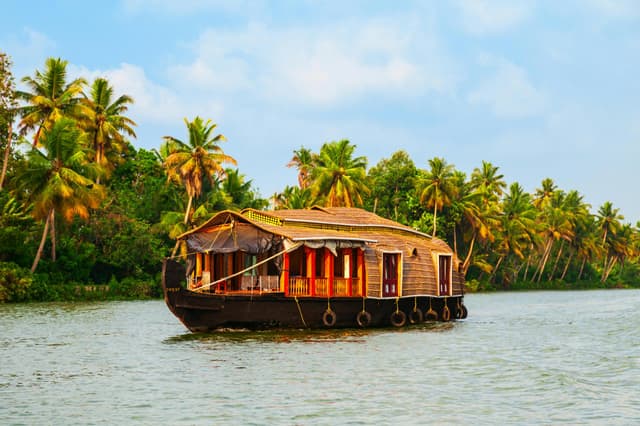
| Kerala backwaters and beaches | 5 to 7 days | Kochi, Munnar, Alleppey, a beach |
| Goa beach break | 4 to 5 days | Beaches, old churches, a relaxed pace |
| North plus South combination | 2 to 3 weeks | Golden Triangle with Kerala or Goa |
| Grand tour | 3 weeks or more | North, Rajasthan and a southern region |
How many days do you need for the Golden Triangle?
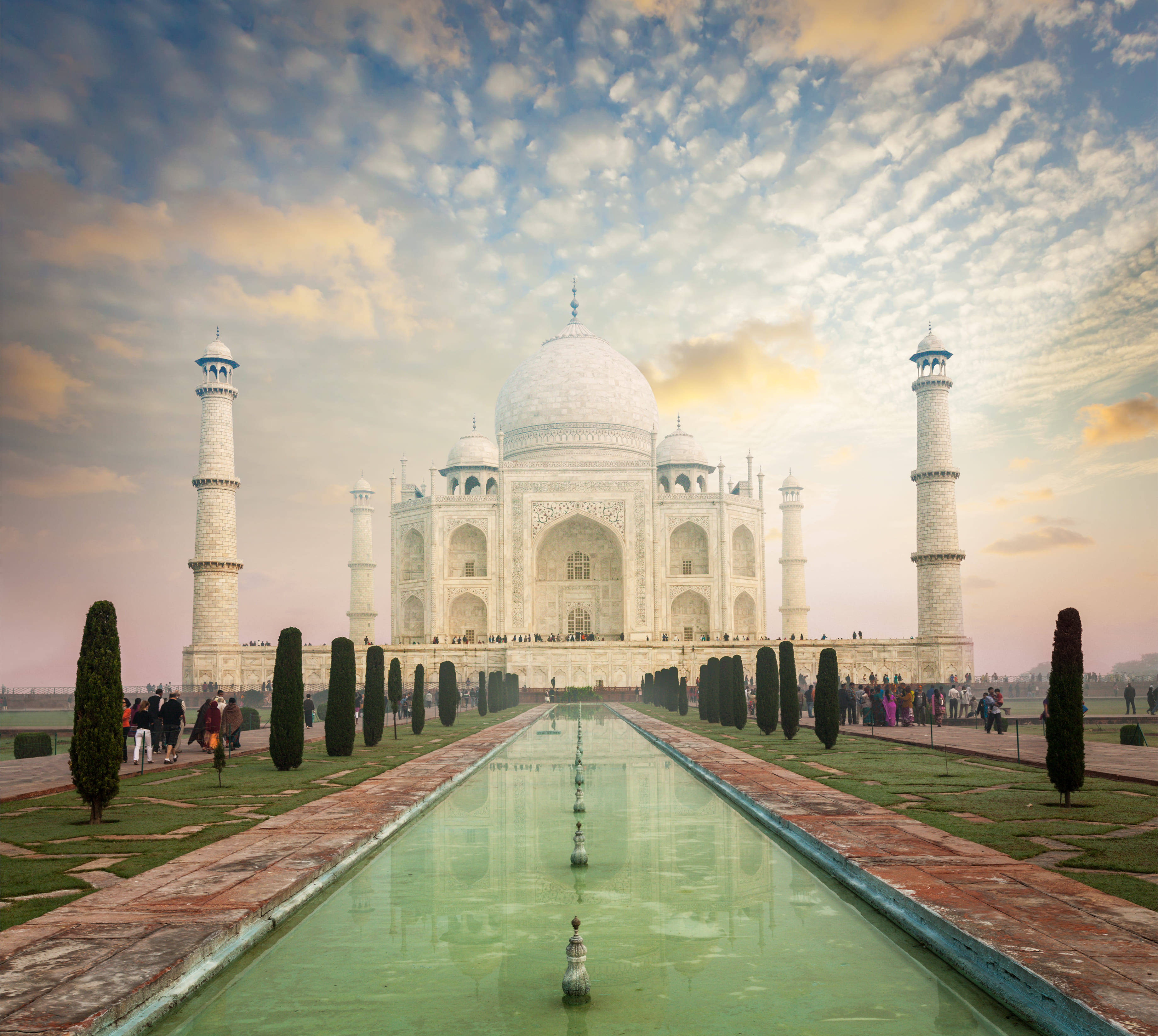
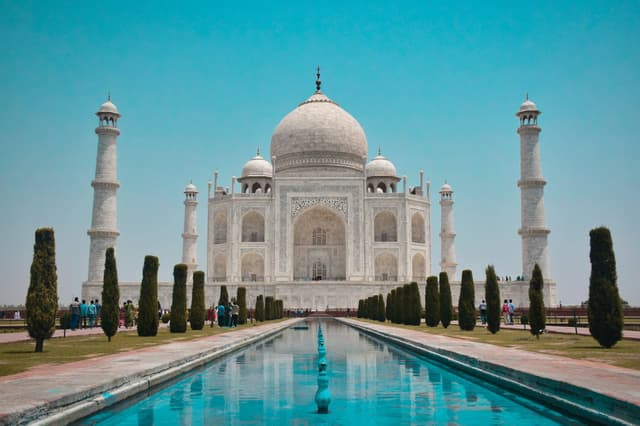
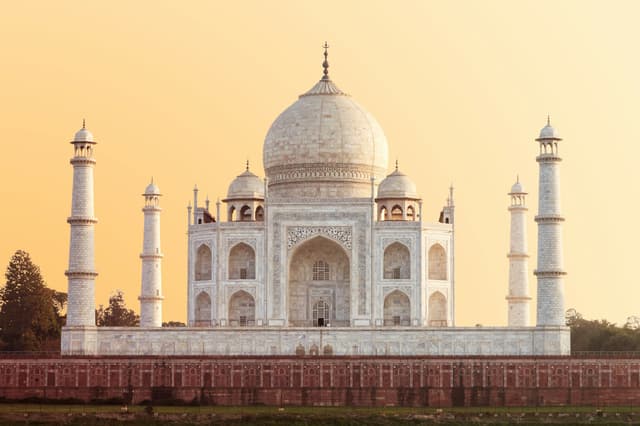
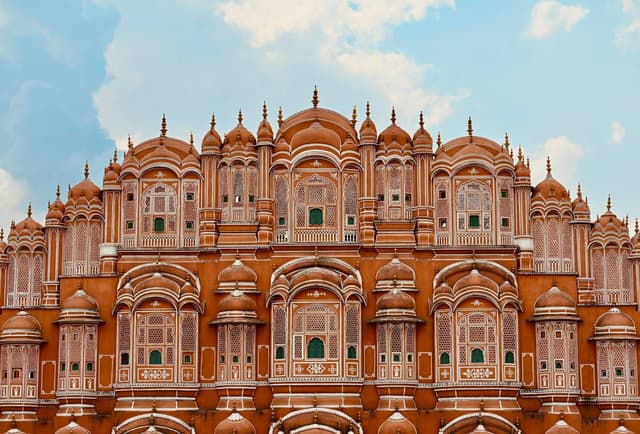
Five to seven days is ideal for the Golden Triangle of Delhi, Agra and Jaipur. That gives a full day for the Taj Mahal and Agra Fort, time to explore both Old and New Delhi, and a couple of days for Jaipur's forts, palaces and bazaars. At the shorter end, five days is doable but brisk, while seven days lets you slow down, add Fatehpur Sikri between Agra and Jaipur, and absorb the culture shock of your first days in India. Our Golden Triangle guide maps a day by day plan for the route.

How many days to add Rajasthan or Kerala?
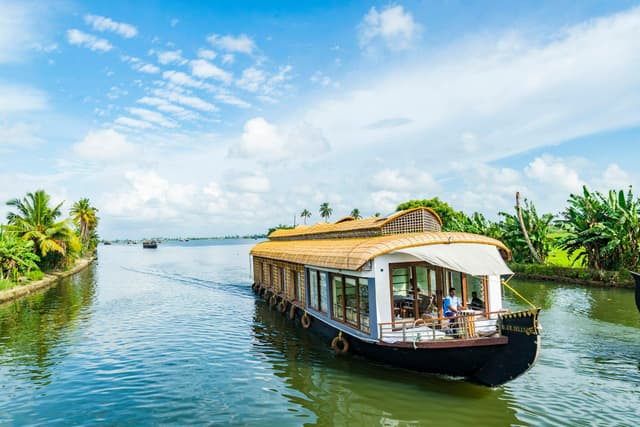
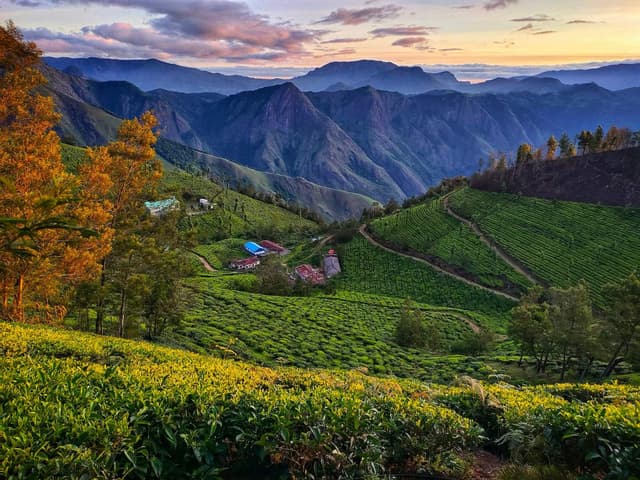
Adding Rajasthan turns the trip into a rich 10 to 14 day loop through the lake city of Udaipur, the blue city of Jodhpur and the desert around Jaisalmer, with forts and palaces at every turn. Kerala in the south is a complete change of pace and scenery, best given 5 to 7 days for the backwaters of Alleppey, the tea hills of Munnar and a beach to finish. Because Rajasthan flows naturally on from the Golden Triangle, it is the easiest region to add for a two week first trip, while Kerala usually means an internal flight south and works well as a relaxed second half. For inspiration on where to focus, see our guide to the best places to visit in India.
Is one week enough for India?
One week is enough for a focused, single region trip, but not for combining the north and south. In seven days you can comfortably do the Golden Triangle, a Kerala loop, or a Rajasthan highlight such as Udaipur and Jaipur, but trying to add long distance travel on top will leave you exhausted and rushed. The golden rule for a short trip is to pick one region and enjoy it properly rather than spreading yourself thin across the map. If a week is all you have, treat it as a satisfying introduction and save the rest of the country for a future visit.
How many days for a two week trip?
Two weeks is the most popular length for a first trip to India, and for good reason. Fourteen days comfortably combines the Golden Triangle with Rajasthan for a classic north India loop, or pairs the north with a southern region such as Kerala for contrast between palaces and backwaters. It gives you time to travel at a human pace, absorb long train journeys, and include a rest day or two. Two weeks is long enough to feel you have seen a real slice of the country without the fatigue of trying to see everything, which is why so many itineraries settle on this length.
How many days for three weeks or more?
With three weeks or more you can go beyond the classics into a grand tour. A common structure pairs the Golden Triangle and Rajasthan with a flight south to Kerala or Goa, giving you forts, desert, backwaters and beaches in one trip. Alternatively, three weeks lets you add the spiritual city of Varanasi on the Ganges, the holy town of Rishikesh, or a wildlife park such as Ranthambore for tigers. Beyond three weeks, the Himalayas open up, from the hill stations of Shimla and Darjeeling to the high desert of Ladakh, though these mountain regions are seasonal and deserve their own dedicated time. The longer you have, the more you can slow down and travel deep rather than wide.
How does your travel style change the days you need?
The right number of days depends as much on how you travel as on where you go. Answer first: fast paced travellers can see more in fewer days, while those who prefer to linger should add time or cut destinations.
- Fast and energetic: you can pack the Golden Triangle into five days and add a region in ten, accepting early starts and long travel days.
- Relaxed and immersive: add two or three days to every itinerary above, allowing rest days and unhurried mornings.
- Families and older travellers: build in extra buffer days, favour internal flights over long road journeys, and limit the number of city changes.
- Repeat visitors: skip the classics and give a single region, such as the south or the Himalayas, a full two weeks.
How do transfers and distances affect your plan?
India's size is the single biggest factor in planning your days, and underestimating travel time is the most common mistake. Trains are a wonderful way to see the country but can take many hours, and even short looking hops on the map may be a half day journey. A few habits keep the pace realistic: use overnight trains or short domestic flights to save daytime hours, allow a rest day after a long journey, and avoid changing city every single day. Delhi to Agra and Agra to Jaipur are quick and easy, which is why the Golden Triangle suits short trips, but adding far flung regions means accepting either long transfers or internal flights. Planning around these realities is the difference between a relaxed trip and a blur of stations and airports.
Sample itineraries by length
To make the numbers concrete, here are outline itineraries for the most common trip lengths. Each can be tailored to your pace and interests.
- 5 days: Golden Triangle taster, two nights Delhi, one night Agra, two nights Jaipur.
- 7 days: Golden Triangle at a relaxed pace, adding Fatehpur Sikri and an extra day in Jaipur.
- 10 days: Golden Triangle plus Udaipur, with an internal flight to save time.
- 14 days: Golden Triangle and a Rajasthan loop through Udaipur, Jodhpur and Jaisalmer, or the north paired with a Kerala finale.
- 21 days: Golden Triangle, Rajasthan and a southern region such as Kerala or Goa, or the classic north with Varanasi added.
For fully mapped routes, see our India itinerary and the complete India travel guide.
Does the season change how many days you need?
Timing influences both where you go and how long things take. The cool, dry season from roughly October to March is the most comfortable for touring the north, the Golden Triangle and Rajasthan, and it is when most first trips happen. The summer heat from April to June makes long sightseeing days in the plains tiring, so you may want more rest time or a hill station to escape the heat. The monsoon from June to September can slow road travel and affect some regions, though Kerala and the hills have their own lush appeal then. Matching your dates to comfortable weather means you can pack more into each day, so our guide to the best time to visit India is worth reading alongside this one.
Tips for planning your days in India
- Pick one or two regions rather than trying to see everything in one trip.
- Use overnight trains or short domestic flights to save daytime hours.
- Allow a rest day after long journeys, especially when travelling with children or older relatives.
- Do not schedule a city change every day, as constant packing and transfers are draining.
- Build in a buffer day near the end in case of delays before your flight home.
- Match your route to the season for the most comfortable and productive days.
Short on time to plan the logistics yourself? Compare curated India tour packages built around the number of days you have, with the trains, flights and hotels arranged for you.
How many days do you need for Goa?
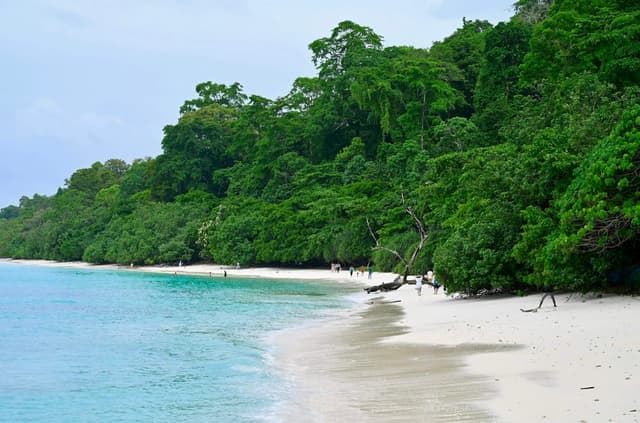
Goa works as a short, relaxed beach break of four to five days, or as a longer wind down at the end of a busier trip. In four or five days you can settle into a stretch of coast, explore the old Portuguese churches and colourful markets of Panaji and Old Goa, and simply enjoy the sand and seafood. North Goa is livelier with busier beaches and nightlife, while the south is quieter and more laid back, so where you stay shapes the mood. Because Goa is more about slowing down than sightseeing, there is little need to rush, and it pairs beautifully as a restful finale after the intensity of the Golden Triangle or Rajasthan.
How many days for the Himalayas and Ladakh?
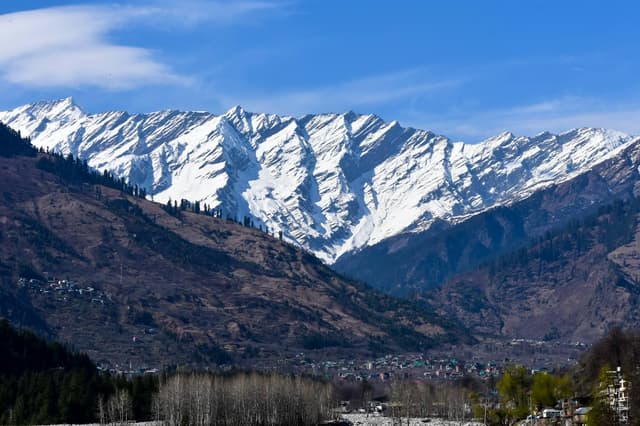
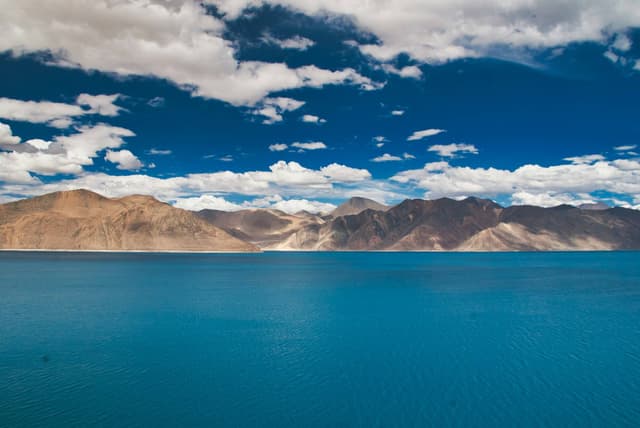
The mountains are a bigger commitment and deserve their own dedicated time. For a hill station taste, three to four days in Shimla, Manali or Darjeeling gives cool air, tea gardens and mountain views, and works as an add on to a northern trip. Ladakh, the high altitude desert in the far north, needs at least seven to ten days, partly because you must acclimatise to the altitude before exploring the monasteries, lakes and passes around Leh. The Himalayan regions are also seasonal, generally best from around May to September when the roads and passes are open, so they suit a summer trip rather than the winter touring season of the plains. If the mountains are your goal, plan them as the centrepiece rather than a quick detour.
How many days for Varanasi and the spiritual north?
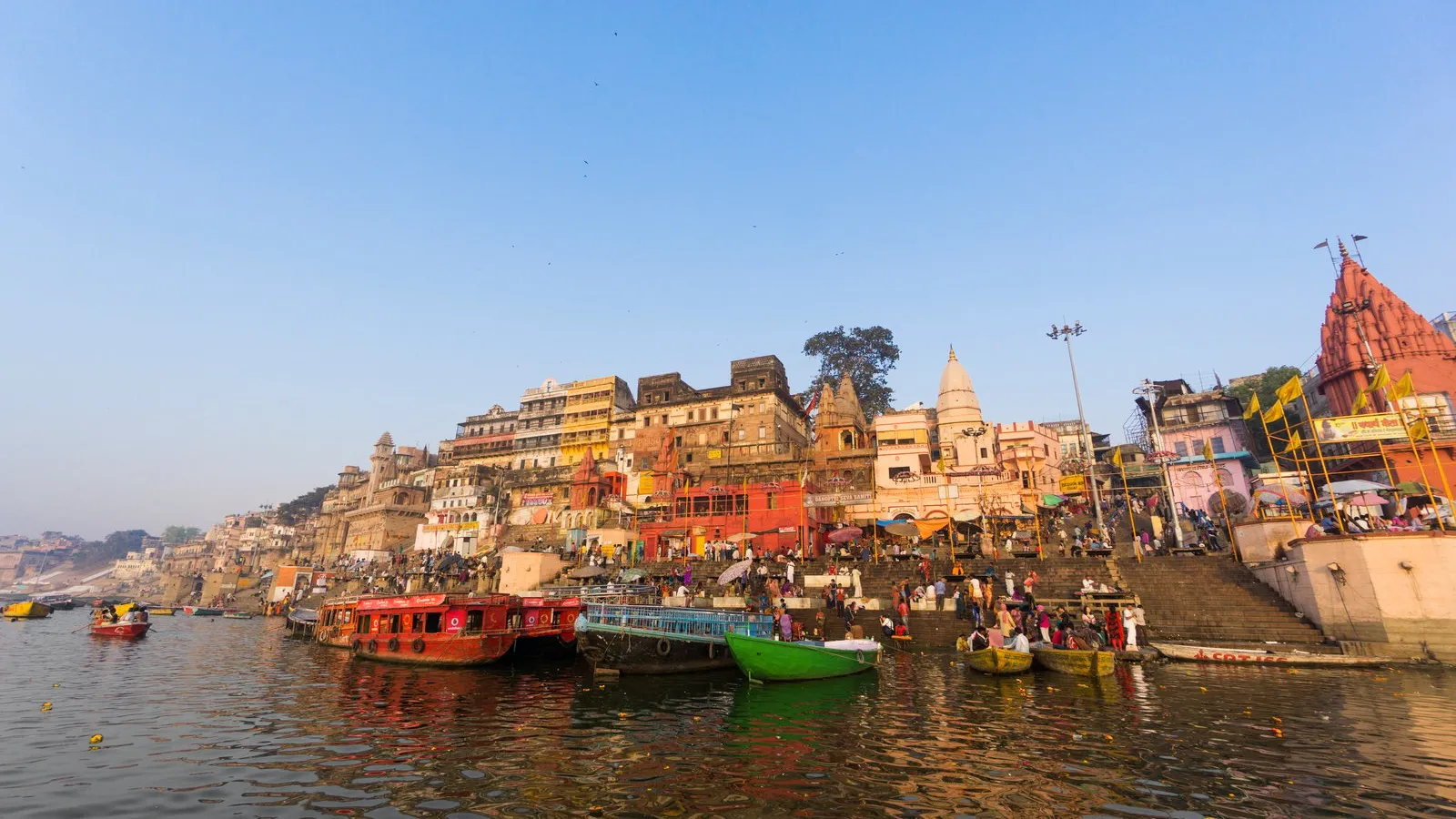
Varanasi, the ancient city on the Ganges, is one of India's most intense and moving experiences, and two full days is enough to absorb it: a dawn boat ride past the ghats, an evening aarti ceremony, and time to wander the old lanes. It slots naturally into a longer north India trip, often reached by a short flight from Delhi or Agra. Pairing it with Rishikesh and Haridwar further north, the gateway to yoga and the Ganges in the foothills, adds another two or three days for a spiritual thread through your itinerary. Together these add roughly three to five days to a classic north India route and give a very different flavour from the forts and palaces.
How many days for a wildlife safari?
India's national parks reward a focused stop of two to three days, enough for several game drives to improve your chances of a sighting. Ranthambore in Rajasthan is the easiest to add to a Golden Triangle and Rajasthan trip, famous for its tigers among atmospheric ruins. Further afield, parks such as Kanha, Bandhavgarh and Kaziranga in the east, home to the one horned rhino, are worth two to three days each but require more travel. Because wildlife sightings are never guaranteed, giving a park at least two nights and several drives greatly improves the experience. Most parks are closed during the monsoon and best in the dry months, so check seasons when planning these days into your route.
What is the best route for your interests?
Matching your days to what you most want to see makes for a better trip than following a generic checklist.
| Your interest | Suggested focus | Days |
|---|---|---|
| First timer, highlights | Golden Triangle plus Rajasthan | 10 to 14 |
| Forts and palaces | Rajasthan in depth | 10 to 14 |
| Backwaters and slow travel | Kerala | 5 to 7 |
| Beaches and relaxation | Goa | 4 to 5 |
| Spirituality and the Ganges | Varanasi and Rishikesh | 4 to 6 |
| Mountains and trekking | Himalayas or Ladakh | 7 to 12 |
| Wildlife and tigers | Ranthambore or Kanha | 2 to 3 per park |
What are common mistakes when planning your days?
A few planning errors turn a wonderful trip into a tiring one. The most common is trying to see too much, cramming the north and south into ten days and spending more time in transit than in places. Another is underestimating travel time, since a short distance on the map can be a long, slow journey by road or rail. Many first timers also skip rest days, then find the heat, the pace and the sensory overload catch up with them. Finally, some choose the wrong season for their route, touring the hot plains in peak summer or heading to the mountains when the passes are closed. Avoiding these traps mostly comes down to one principle: do less, but do it well, and let India reveal itself at a human pace.
How many days do you need for a family trip to India?
Travelling with children or older relatives changes the maths, and the answer is usually to add days and subtract destinations. A relaxed family first trip is best given at least two weeks so you can keep to a gentle rhythm, with rest days, later starts and shorter travel legs. The Golden Triangle works well for families because the distances are manageable, and adding a wildlife park like Ranthambore or a beach in Goa gives children variety and downtime. Favour internal flights over long train or car journeys where budget allows, limit the number of hotel changes, and build in pool afternoons and early nights. The goal is fewer places enjoyed calmly rather than a packed schedule that wears everyone out.
How do you combine north and south India?
Combining the north and the south is one of the most rewarding ways to see India's contrasts, but it needs at least two weeks and usually an internal flight to bridge the distance. A classic structure gives the first week to the north, taking in the Golden Triangle and perhaps a slice of Rajasthan, then flies south for a week in Kerala's backwaters and hills or Goa's beaches. This pairing balances the busy, monumental north with the green, gentle south, and the contrast is part of the appeal. Trying to do it in less than two weeks means too much time in transit, so if you only have a week, choose one half and save the other for next time.
How many days should you allow to settle in?
India can be a sensory shock on arrival, and allowing time to settle in makes the whole trip better. Answer first: give yourself an easy first day and do not schedule anything demanding in the first 24 hours. A gentle start in Delhi, with a slow morning and a light sightseeing afternoon, helps you adjust to the heat, the pace and the jet lag before the trip ramps up. If you are heading to high altitude in Ladakh, this settling in time becomes essential acclimatisation, needing two days of rest before any strenuous activity. Factoring an easy first day into your itinerary is not a wasted day, it is what lets you enjoy the rest at full strength.
How do you decide the right length for your trip?
The right number of days comes down to three questions: how much time you realistically have, how many regions you want to see, and how fast you like to travel. Start with your interests and pick one or two regions rather than a long wish list, then match the days to them using the guides above, and finally add buffer time for transfers and rest. A useful rule of thumb is one region per week: one week for a single region done well, two weeks for a classic combination like the Golden Triangle and Rajasthan or north and south, and three weeks or more for a grand tour or the mountains. If your available days fall short of what a route needs, it is almost always better to cut a destination than to squeeze everything in, because India is far more enjoyable savoured than rushed. Whatever length you choose, leaving a little slack in the plan is the single best way to travel well here, since the country has a way of filling any gap with something memorable.
Frequently asked questions
How many days do you need to visit India?
For a first trip, 10 to 14 days is ideal. That covers the Golden Triangle and one extra region such as Rajasthan or Kerala at a comfortable pace. A quick Golden Triangle taster works in 5 to 7 days, while a grand tour of several regions needs three weeks or more.
Is one week enough for India?
One week suits a focused trip, such as the Golden Triangle or a Kerala loop. It is not enough to combine the north and south, so pick a single region and enjoy it without rushing. Trying to add long distance travel in a week leaves you tired and short of time.
How many days do you need for the Golden Triangle?
Five to seven days is comfortable for Delhi, Agra and Jaipur, allowing a full day at the Taj Mahal and Agra Fort plus time for Jaipur's forts and palaces. Five days is brisk but doable, while seven lets you slow down and add Fatehpur Sikri.
How long should a first trip to India be?
Around 10 to 14 days gives a satisfying first visit, pairing the Golden Triangle with Rajasthan or Kerala while leaving buffer time for transfers. This length balances seeing enough with travelling at a manageable pace on your first exposure to India.
Can you see India in two weeks?
Yes. Two weeks is a popular length that comfortably combines the Golden Triangle with Rajasthan, or the north with a southern region like Kerala, at a relaxed pace. It is long enough to feel you have seen a real slice of the country without exhaustion.
How many days do you need for Rajasthan?
Rajasthan deserves 7 to 10 days on its own to enjoy Jaipur, Udaipur, Jodhpur and the desert around Jaisalmer without rushing. Combined with the Golden Triangle it forms a classic 10 to 14 day north India loop, one of the most rewarding routes in the country.
How many days do you need in Kerala?
Five to seven days suits Kerala, enough for the Alleppey backwaters, the tea hills of Munnar and a beach to finish. It is a relaxed region best not rushed, and it pairs well as the southern half of a two to three week trip.
How many days do you need for Goa?
Four to five days is enough for a relaxed Goa beach break, with time for the coast, the old Portuguese churches and local markets. It works well as a restful finale after a busier north India or Rajasthan trip rather than as a sightseeing heavy destination.
How many days do you need for Ladakh?
At least seven to ten days, including two days to acclimatise to the high altitude around Leh before exploring the monasteries, lakes and passes. Ladakh is seasonal, generally open from around May to September, so it suits a summer trip rather than the winter touring season.
Is two weeks enough to see north and south India?
Two weeks is the minimum for a satisfying north and south combination, typically a week in the north around the Golden Triangle and a week in the south in Kerala or Goa, bridged by an internal flight. Less than two weeks means too much time in transit.
How many days do you need for a honeymoon in India?
Ten to fourteen days makes a relaxed honeymoon, pairing a romantic region like Udaipur and Rajasthan with the Kerala backwaters or a Goa beach for downtime. Allowing a slower pace with fewer city changes leaves more time to enjoy the palaces, houseboats and sunsets together.
Do you need more days if you visit in summer?
Often yes, because the summer heat in the plains from April to June makes long sightseeing days tiring, so extra rest time or a cooler hill station helps. Many travellers instead shift their route to the mountains in summer, which is the best season for Ladakh and the Himalayas.
Is India better as a fast or slow trip?
India rewards a slower pace. Distances are long, the culture is intense, and constant city changes are tiring, so most travellers enjoy it more by choosing fewer places and giving each proper time rather than trying to see everything in one visit.