


















































Short answer: yes, India is safe for most travellers who take sensible precautions, and the overwhelming majority of the roughly 9 million foreign visitors who arrived in 2025 had trips without serious incident. The real risks are not the ones that make headlines: they are road traffic, stomach bugs, scams and overcharging, air pollution in the northern winter, and harassment of women, with a small number of border and conflict areas that governments advise against visiting altogether.
This guide sets out what the major government travel advisories say as of September 2026, which regions carry real restrictions, what the crime and road data actually show, and the practical habits that keep a trip on track. Security conditions can change quickly in South Asia, so treat this as a planning baseline and check your own government's advice in the week before you fly.
| Key fact | Detail (at the time of writing, September 2026) |
|---|---|
| US State Department level | Level 2, Exercise increased caution (reissued June 2025), with Level 4 Do Not Travel for Jammu and Kashmir, the India and Pakistan border, parts of central and east India, and Manipur |
| UK FCDO advice | No whole country warning; advises against all travel to Jammu and Kashmir (except Jammu city by air) and within 10 km of the Pakistan border, and against all but essential travel to Manipur (page updated 9 July 2026) |
| Canada advice | Exercise a high degree of caution nationally; avoid all travel to Jammu and Kashmir and the Pakistan border strip; avoid non-essential travel to Assam and Manipur |
| Foreign tourist arrivals | About 9.0 million in 2025, down from about 9.7 million in 2024 (Ministry of Tourism data) |
| Recorded crimes against foreigners | 257 cases in 2024, 238 in 2023 (National Crime Records Bureau) |
| Road deaths | 172,890 in 2023, about 20 every hour (Ministry of Road Transport and Highways) |
| Emergency number | 112 (police, fire, ambulance); 1091 women's helpline; 1363 tourist helpline |
| Entry paperwork | Visa or e-Visa for most nationalities, plus a free online e-Arrival Card since 1 October 2025 |
What do government travel advisories say about India in 2026?
The three most widely used advisories (the United States, the United Kingdom and Canada) broadly agree. None tells travellers to avoid India as a whole. All three flag a background terrorism risk across the country, and all three single out the same handful of regions: the Union Territory of Jammu and Kashmir, the strip along the Pakistan border, and parts of the northeast, especially Manipur.
| Issue | United States | United Kingdom | Canada |
|---|---|---|---|
| Nationwide level | Level 2 of 4 | No nationwide warning; general terrorism warning | High degree of caution |
| Jammu and Kashmir | Do not travel (except eastern Ladakh and Leh) | Against all travel, except air travel to and within Jammu city | Avoid all travel |
| Pakistan border | Do not travel | Against all travel within 10 km | Avoid all travel within 10 km (Wagah crossing excepted) |
| Manipur | Do not travel | Against all but essential travel, including Imphal | Avoid non-essential travel |
| Other northeast states | Reconsider travel | No regional warning | Avoid non-essential travel to Assam |
| Central and east India (Maoist affected rural areas) | Do not travel | No regional warning | No regional warning |
You can read the full texts on the US State Department India advisory and the UK FCDO India travel advice. The regional detail matters if you plan to go anywhere near the north.
What do these levels mean for insurance?
Many travel insurers will not cover claims arising in an area your own government advises against visiting. Travelling to the Golden Triangle, Rajasthan, Kerala or Goa will not normally affect cover. Travelling into Kashmir valley or Manipur against official advice may void it. Read the exclusions before you book anything in the north or northeast.
Is India safe for tourists overall?
For the mainstream tourist circuits, yes. Violent crime against visitors is uncommon relative to the number of arrivals. The National Crime Records Bureau recorded 257 crimes against foreigners in 2024 across a country that received around 9.7 million foreign tourists that year. Those numbers certainly undercount petty theft and harassment, which often go unreported, but they give a sense of scale: serious crime against visitors is rare, and the everyday irritations are far more likely to shape your experience.
| State or territory | Crimes against foreigners recorded, 2024 | What draws visitors there |
|---|---|---|
| Delhi | 64 | International gateway, Old Delhi, monuments |
| Maharashtra | 41 | Mumbai, Ajanta and Ellora caves |
| Karnataka | 32 | Bengaluru, Hampi, Mysuru |
| Himachal Pradesh | 19 | Manali, Dharamshala, trekking |
| Kerala | 17 | Backwaters, beaches, Kochi |
| Haryana | 16 | Gurugram business hub |
| Goa | 13 | Beaches and nightlife |
| All India | 257 (238 in 2023) | National total |
Source: NCRB Crime in India 2024, as reported in May 2026. Figures reflect registered cases only and should be read as a rough indicator, not a complete picture.
India is safe in the sense that matters most, since very few visitors are seriously hurt by crime, but it is demanding. Crowds, heat, traffic and constant attention from touts wear people down, and tired travellers make poor decisions, so pacing your trip is itself a safety measure.
Which parts of India are safest, and which should you avoid?
Most of India's tourist geography sits far from the areas covered by warnings. The table below groups popular regions by the practical level of care they need, drawing on the advisories above.
| Region | General picture | Main things to watch |
|---|---|---|
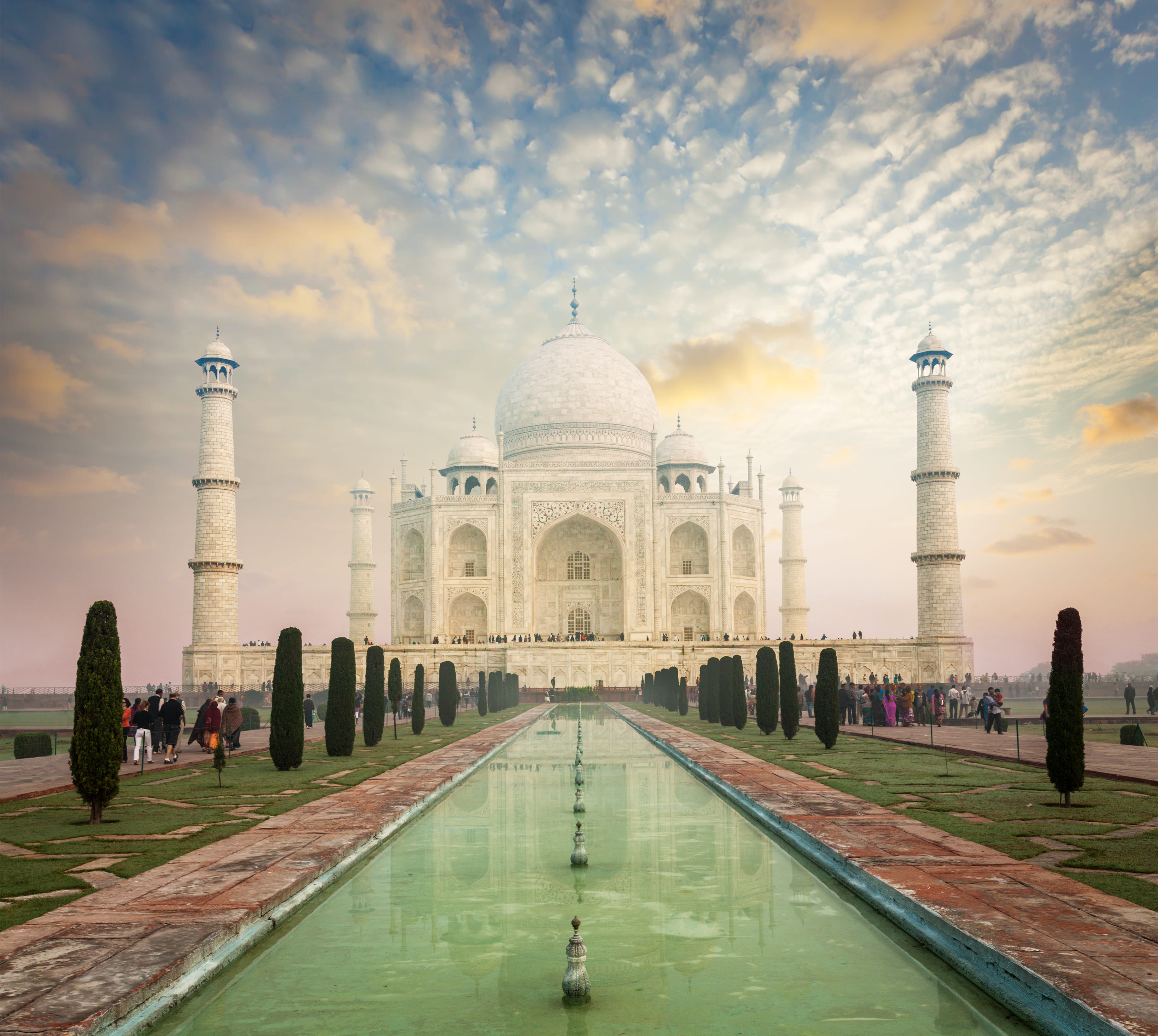
| Delhi, Agra, Jaipur (Golden Triangle) | Heavily visited, well policed around major sights | Scams, touts, traffic, winter smog in Delhi, harassment in crowds |
| Rajasthan (Udaipur, Jodhpur, Jaisalmer) | Relaxed and tourist friendly | Gem scams, heat from April to June, desert border zones near Pakistan |
| Kerala and Tamil Nadu | Among the calmest regions for first timers | Monsoon flooding, sea currents on beaches |
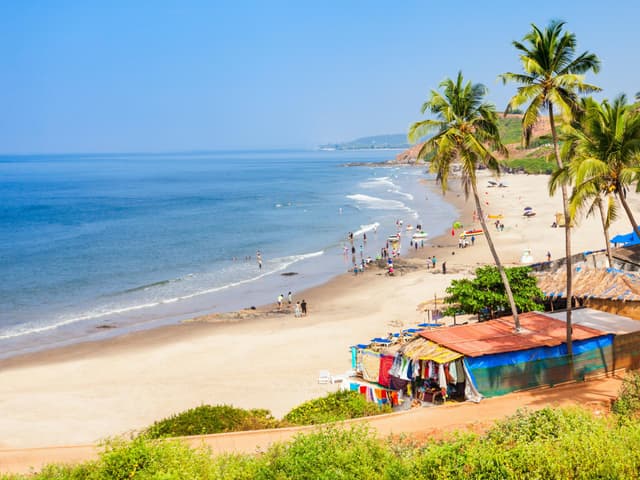
| Goa | Easy going beach region | Drink spiking, isolated beaches at night, scooter crashes, rip currents |
| Mumbai | Large, fast city with good transport | Crowded local trains, pickpocketing, monsoon flooding |
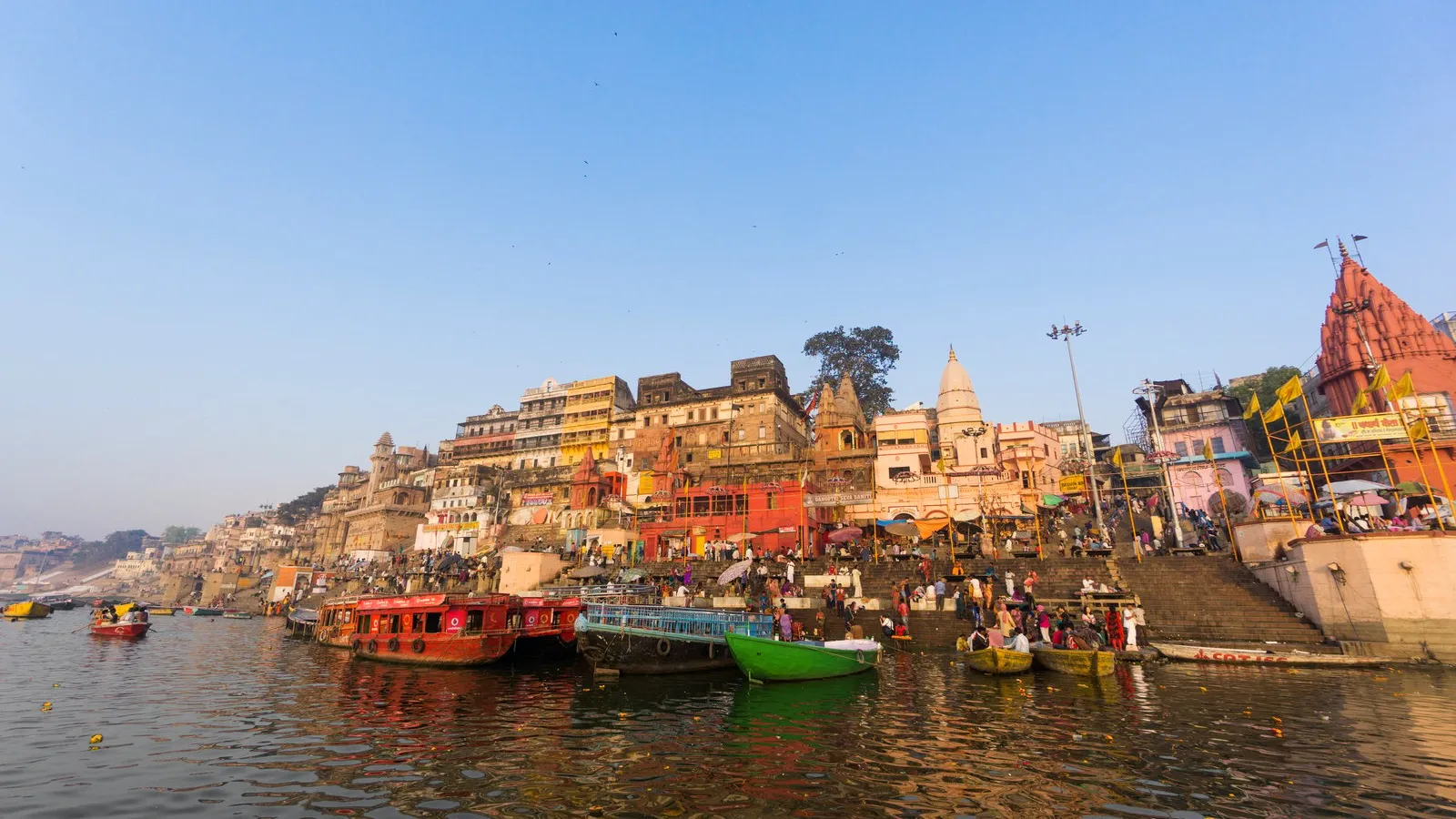
| Varanasi and the Ganges plain | Intense but popular | Touts at the ghats, crowds at festivals, water quality |
| Himachal Pradesh and Uttarakhand | Mountain towns and treks | Landslides in monsoon, altitude, mountain road accidents |
| Ladakh (Leh) | Excluded from the US Kashmir warning; high altitude | Altitude sickness at 3,500 m, permits for some valleys |
| Northeast states | Varies widely by state | Permits for some areas, check advice state by state, avoid Manipur |
| Jammu and Kashmir | Advised against by the US, UK and Canada | Terrorism, military operations, insurance exclusions |
Why is Kashmir still on the warning list?
On 22 April 2025, militants killed 26 people, 25 of them tourists, in the Baisaran meadow near Pahalgam. India responded with strikes on Pakistan on 7 May 2025 (Operation Sindoor), there was a brief exchange of drone and missile fire, and a ceasefire was announced on 10 May 2025. Several north Indian airports closed temporarily during those days. The episode is a clear reminder that the Kashmir warnings are not a formality, and that tension on the border can briefly affect flights and travel elsewhere in the north.
Has there been terrorism outside Kashmir recently?
Yes, occasionally. On 10 November 2025 a car bomb exploded near the Red Fort metro station in Old Delhi, killing at least 15 people. The national investigation agency treated it as terrorism. Such incidents are rare, but the UK advice notes that attacks have targeted restaurants, hotels, markets and transport hubs, and asks travellers to be more alert around Republic Day (26 January), Independence Day (15 August), Diwali and Eid. Follow local news and expect routine security checks at metros, malls and monuments.
What are the most common scams in India?
Scams are the risk you are most likely to meet, particularly in Delhi, Agra, Jaipur and Varanasi. None is dangerous in itself, but they cost money and time. Knowing the scripts in advance removes most of their power.
| Scam | Where it is common | How it works | How to avoid it |
|---|---|---|---|
| "Your hotel is closed" or "the road is blocked" | New Delhi station, airports, Paharganj | A driver or stranger claims your booking is invalid and takes you to a commission hotel or fake tourist office | Call your hotel directly; use app cabs or a pre-arranged pickup |
| Fake tourist offices | Connaught Place and near New Delhi station | Private agencies styled as government offices sell overpriced tours | The government's help is the free 1363 helpline, not a street office |
| Gem export scheme | Jaipur, Agra, Udaipur | You are asked to carry gems abroad for "tax reasons" and pay a deposit | Never agree to carry goods or pay deposits for strangers |
| Commission shopping | Everywhere with auto rickshaws | Very cheap rides include unwanted stops at emporiums | Agree the destination firmly or use app based rides |
| Unofficial guides | Taj Mahal, forts, ghats | Self-styled guides pressure you, then demand large fees | Use licensed guides via your hotel or the monument's counter |
| Fake visa websites | Online | Lookalike sites charge high fees for the e-Visa | Apply only on indianvisaonline.gov.in |
| Impersonation and "digital arrest" calls | Phone and messaging apps | Callers posing as police, customs or embassies demand payment | Hang up; real officials do not collect money by phone. Report to 1930 |
| Card skimming | ATMs, some shops | Card details are copied at the terminal | Use ATMs inside banks or malls; keep the card in sight |
The practical rule is simple: any offer that involves an urgent change of plan, a deposit or a "special" deal from someone who approached you is almost certainly a scam.
How safe is India for solo women travellers?
Many women travel India alone every year and have excellent trips, but this is the area where the gap between India and many other destinations is widest. The US advisory states that sexual assault has occurred at tourist sites, the UK advice warns of verbal and physical harassment by individuals or groups of men, and Canada notes elevated risks in Goa, Delhi and on public transport. Staring, unwanted photographs and groping in crowds are the most common problems; serious assaults on foreign visitors are rare but do happen.
What practical steps reduce the risk?
- Arrive in daylight where possible, and book your first night's airport pickup through the hotel.
- Use app based cabs such as Uber or Ola, or official prepaid taxi counters, and share the live trip with someone. Check the plate against the app before getting in.
- Use women's spaces: the first coach of Delhi Metro trains is reserved for women, Mumbai suburban trains have ladies' compartments, and many stations have women's waiting rooms.
- Dress for the context: covering shoulders and knees reduces attention in most towns and is expected at temples. Goa and big city nightlife districts are more relaxed.
- Avoid isolated places after dark, including empty beaches, ghats and rooftops, and be wary of invitations from new acquaintances to private homes or remote spots.
- Keep drinks in sight and do not accept food or drink from strangers on trains or buses.
- Choose accommodation by reviews from other women and prefer places with 24 hour reception.
- Be firm and public if harassed: loud refusal usually works, and bystanders, especially other women, often step in.
Which helplines should women save?
Save 112 (national emergency), 1091 (women in distress, police run) and 181 (the Women Helpline operated by state governments). On trains, 139 is Indian Railways' integrated helpline for security and complaints. Railway Protection Force teams also run women's safety patrols on many long distance trains under the "Meri Saheli" initiative.
How dangerous are India's roads?
Statistically, road traffic is the biggest threat to your safety in India, far ahead of crime. The Ministry of Road Transport and Highways' Road Accidents in India 2023 report, released in 2025, recorded the following.
| Measure (2023) | Figure |
|---|---|
| Road accidents | 480,583 |
| Deaths | 172,890 (about 20 per hour) |
| Injuries | 462,825 |
| Share of deaths among two-wheeler users | 44.8% |
| Share of deaths among pedestrians | 20.4% |
| Deaths linked to not wearing a helmet | 54,568 |
| Deaths linked to not wearing a seatbelt | 16,025 |
| Deaths where overspeeding was a factor | About 68% |
| Share of fatalities on national and state highways | 59% (on under 5% of road length) |
Those numbers translate into a few clear rules. Do not ride a motorbike or scooter in India unless you are an experienced rider, are properly licensed and insured, and wear a good helmet; many travel insurance policies exclude scooter accidents without a valid licence. Always wear a seatbelt in cars, including the back seat, even if the driver seems surprised. Avoid long road journeys at night, when trucks dominate the highways and unlit vehicles and livestock are common. On foot, cross with groups of locals and treat pedestrian crossings as suggestions rather than guarantees.
Which ways of getting around India are safest?
For longer distances, trains and domestic flights are generally safer than road travel. In cities, metro systems are clean, well policed and easy to use. The table compares the main options from a safety point of view.
| Mode | Safety profile | Tips |
|---|---|---|
| Domestic flights | Safest for long distances; busy airports | Allow for fog delays in the north from December to January |
| Trains (AC classes) | Generally safe and sociable; theft is the main risk | Book on IRCTC or trusted apps; lock bags to berths; call 139 for help |
| Metro (Delhi, Mumbai, Bengaluru, others) | Very safe, CCTV and security screening | Women's coach on Delhi Metro; avoid peak crush hours with luggage |
| App cabs (Uber, Ola) | Traceable and fixed fare | Check plate and driver; share the trip; sit in the back |
| Prepaid airport taxis | Reliable, fixed fare | Pay only at the official counter inside the terminal |
| Auto rickshaws | Fine for short hops | Agree the fare or insist on the meter; no seatbelts, so avoid highways |
| Long distance buses | Variable; accident risk higher at night | Use reputable operators and avoid overnight sleeper buses on hill roads |
| Self drive or scooter | Highest risk for visitors | Hire a car with a driver instead |
For a detailed breakdown of routes, booking platforms and journey times, see our guide on how to get around India by train, flight and car.
What health risks should you prepare for?
Most health problems visitors meet in India are minor and preventable. A traveller's stomach upset in the first week is so common it barely counts as bad luck. The more serious risks (rabies, mosquito borne disease, heat illness and air pollution) are easy to reduce if you prepare.
| Risk | When and where | Prevention |
|---|---|---|
| Travellers' diarrhoea | Everywhere, especially in the first days | Sealed or filtered water, hot fresh food, hand hygiene, oral rehydration salts |
| Typhoid and hepatitis A | Spread through food and water | Vaccination is commonly recommended by travel clinics |
| Rabies | Nationwide; stray dogs, monkeys at temples | Do not touch animals; after any bite or scratch, wash for 15 minutes and seek post-exposure treatment the same day |
| Dengue and chikungunya | Peak after the monsoon, roughly July to November | Repellent in daytime too, long sleeves, rooms with screens or air conditioning |
| Malaria | Risk varies by region and season | Ask a travel clinic whether tablets are advised for your route |
| Heat exhaustion and heatstroke | Northern and central plains, April to June | Plan sightseeing for early morning and evening; drink and replace salts |
| Air pollution | North India, especially Delhi, November to January | Check the AQI daily; wear an N95 mask on bad days; limit outdoor exercise |
| Altitude sickness | Ladakh, Spiti, high Himalayan treks | Acclimatise for at least two days in Leh before going higher |
| Methanol poisoning | Illicit or suspiciously cheap spirits | Buy alcohol from licensed shops and bars; avoid unbranded spirits |
How big a risk is rabies really?
The World Health Organization's India office cites a 2024 estimate of around 5,726 human rabies deaths a year in India, and around 9.1 million animal bites annually, more than three quarters of them from dogs. Rabies is almost always fatal once symptoms appear but is fully preventable with prompt treatment. Private hospitals in cities stock vaccine and immunoglobulin, so the key is to act on the same day, even for a small scratch. Pre-travel vaccination is worth discussing if you will be in rural areas or far from hospitals.
Is the air in Delhi dangerous?
From roughly November to January, a mix of crop burning, vehicle exhaust, construction dust and still winter air pushes Delhi's air quality into India's "very poor" and "severe" bands on many days. In November 2025 Delhi recorded consecutive severe days, and the strictest stage of the capital region's emergency plan (GRAP Stage IV) was enforced in December 2025. Healthy short stay visitors are unlikely to suffer lasting harm from a few days of exposure, but people with asthma, heart conditions or young children should think carefully about winter itineraries in Delhi and the northern plains, carry medication and use well fitted N95 masks. Southern India, Goa and the hills usually have much cleaner air at the same time of year.
Food is part of the joy of India, and eating well is mostly about choosing busy places with high turnover. Our guide to what to eat in India covers the dishes worth seeking out and how to ease your stomach in gently.
When is the safest time of year to visit India?
The weather causes more practical disruption than crime. The table shows the main seasonal hazards and the months to plan around.
| Months | Main hazard | Regions most affected | What it means for travellers |
|---|---|---|---|
| April to June | Extreme heat and heatwaves | Rajasthan, Delhi, Uttar Pradesh, central India | Midday temperatures above 40 °C are common; heatstroke risk |
| June to September | Southwest monsoon | Most of India; very heavy on the west coast and Himalayan foothills | Floods, landslides on mountain roads, disrupted trains |
| October to December | Cyclones | Bay of Bengal coast (Odisha, Andhra Pradesh, Tamil Nadu) | Short notice evacuations and flight cancellations |
| November to January | Smog | Delhi and the Indo-Gangetic plain | Poor air quality, reduced visibility |
| December to January | Dense fog | North India | Flight and train delays, dangerous night driving |
| Year round | Earthquakes | Himalayan belt and northeast | Know the exits in older buildings |
India's Meteorological Department declares a heatwave in the plains when temperatures reach at least 40 °C and are well above normal, or when they hit 45 °C outright. For most first trips, October to March is the most comfortable and lowest risk window across the north and the Golden Triangle, while the south is pleasant from November to February. Our guide to the best time to visit India by region goes month by month.
What should you know about crowds and festivals?
Religious festivals, fairs and big public events are among the most memorable things you can see in India, but crowd crushes do happen. In January 2025 a stampede at the Maha Kumbh Mela in Prayagraj killed at least 30 people, and in June 2025 a crush outside a cricket victory celebration in Bengaluru killed 11.
- At major festivals, stay near the edges of crowds rather than in the densest flow.
- Agree a meeting point with companions in case you are separated and your phone has no signal.
- Avoid bathing ghats and temple approaches at the most auspicious hours, when numbers peak.
- During Holi, protect eyes and phones; many women travellers prefer organised hotel celebrations.
- Political rallies and strikes (called bandh) can shut transport for a day. Local news and your hotel will usually know in advance.
Which laws catch visitors out in India?
Some Indian laws differ sharply from those in other countries, and several have led to the arrest of foreign visitors. These are the ones worth knowing before you pack.
| Rule | What the law says | Practical advice |
|---|---|---|
| Satellite phones and GPS devices | Illegal to bring in without a licence; the US warns of heavy fines and up to 3 years in jail | Leave satellite phones and standalone satellite messengers at home; phone GPS is fine |
| Drones | Must be registered and flown with permission; many areas are no fly zones | Do not bring one unless you have secured approval in advance |
| E-cigarettes and vapes | Banned nationwide since 2019 | Do not pack them |
| Alcohol | Prohibited in Bihar, Gujarat, Mizoram, Nagaland and Lakshadweep; severe penalties for possession | Check local rules before crossing state lines; Gujarat issues limited visitor permits |
| Drugs | Strict laws, with prison sentences even for small amounts | Avoid entirely, including cannabis offered in Goa, Himachal and Varanasi |
| Restricted and protected areas | Foreigners need permits for parts of the northeast, some border valleys and certain islands | Arrange permits through licensed agents or official portals before travel |
| Photography | Military sites, airports and some bridges are off limits | Ask before photographing people, and obey "no photo" signs at temples |
Is India safe for LGBTQ+ travellers?
Same-sex relations between adults were decriminalised by the Supreme Court in 2018, although same-sex marriage is not recognised. Big cities such as Mumbai, Delhi and Bengaluru have visible queer communities and Pride events. Outside the metros, attitudes are more conservative. Public displays of affection of any kind draw attention in India, so most LGBTQ+ travellers find discretion in smaller towns makes for an easier trip; serious trouble for visitors is uncommon.
What entry rules affect your safety and peace of mind?
Getting your paperwork right avoids the most stressful kind of problem: being turned back or stuck at immigration. Most visitors need a visa, and many nationalities can use the e-Visa, applied for online on the official Indian e-Visa portal. Fees depend on nationality and are subject to reciprocity; the figures below are those listed by the Embassy of India in Washington for US citizens and show the structure.
| e-Tourist Visa type (US citizens) | Fee | Notes |
|---|---|---|
| 30 days, July to March | USD 25 | Double entry within the validity |
| 30 days, April to June | USD 10 | Reduced off-season fee |
| 1 year | USD 40 | Multiple entry |
| 5 years | USD 80 | Multiple entry, with limits on stay length |
Other nationalities pay different amounts, and a bank charge is added at payment. Check the fee table on the official portal for your passport.
- e-Arrival Card: since 1 October 2025, foreign nationals complete a free digital arrival card on the Indian Visa Online website or the Indian Visa Su-Swagatam app within 72 hours before arrival. Indian citizens and OCI cardholders are exempt.
- Passport validity: allow at least six months beyond your arrival date and two blank pages.
- Registration: hotels register foreign guests with the police through the C-form system, so you will be asked for your passport and visa at check in. This is normal.
- Beware copycat websites: any e-Visa site that is not on the gov.in domain is a private intermediary, and some are outright scams.
Are flights to India disrupted in 2026?
Travellers connecting through Gulf hubs should build in extra time. The conflict involving the United States and Iran has caused repeated restrictions and knock-on delays in Middle East airspace during 2026, and in late September 2026 flights through Dubai and Abu Dhabi were still seeing disruption, including long delays on some services to Indian cities. Direct flights reduce the risk of missed connections. Check your airline's status page on the day you travel.
How do money, phones and documents fit into staying safe?
- Cash and cards: the rupee was trading at around 95 to 96 per US dollar in late September 2026. Carry small notes, use ATMs inside banks and keep a backup card in a separate bag.
- SIM card: a local SIM or eSIM gives you data for maps and app cabs; bring your passport and a photo.
- Documents: carry copies of your passport and visa, keep scans in cloud storage, and register with your embassy's alert scheme if it has one.
Which emergency numbers should you save before arriving?
India has rolled several services into one national number, 112, but the older individual numbers still work. Save these in your phone before you land.
| Service | Number | Notes |
|---|---|---|
| National emergency (police, fire, ambulance) | 112 | Works from any mobile |
| Police | 100 | Older number, still active |
| Fire | 101 | |
| Ambulance | 102 or 108 | 108 is the emergency ambulance in most states |
| Women in distress (police) | 1091 | |
| Women Helpline (state run) | 181 | |
| Tourist helpline | 1363 or 1800-11-1363 | 24 hours, in English, Hindi and 10 foreign languages |
| Railway help and security | 139 | Indian Railways integrated helpline |
| Cyber fraud | 1930 | National cybercrime helpline for online and card fraud |
Is India safe for families and older travellers?
Yes, and many families find Indians exceptionally welcoming towards children. The practical concerns are health and comfort rather than crime: heat, food hygiene, air quality in the northern winter and long road journeys. Choose hotels with reliable air conditioning and water filtration, keep days short, and favour trains and flights over long drives. Older travellers and anyone with mobility needs should know that pavements, steps at forts and temples, and crowded stations can be tiring; private cars with drivers and good hotel locations help a great deal. For a classic first route with manageable distances, the Golden Triangle guide to Delhi, Agra and Jaipur is a sensible starting point.
What does a sensible India safety checklist look like?
- Read your government's India advice in full, and check it again a week before departure.
- Buy travel insurance that covers medical evacuation, and altitude if you will trek above 2,400 m.
- See a travel clinic six to eight weeks before departure about vaccines and malaria tablets.
- Apply for your visa only on the official portal, and complete the e-Arrival Card in the 72 hours before arrival.
- Book the first night's accommodation and airport transfer in advance.
- Save 112, 1091, 1363 and 139 in your phone, plus your embassy's number.
- Carry copies of documents, a backup card and some cash in a separate place.
- Use app cabs or prepaid taxis, avoid night road travel and never ride without a helmet.
- Drink sealed or filtered water and eat freshly cooked hot food.
- Stay out of the regions covered by "do not travel" or "avoid all travel" advice.
If you would rather have drivers, guides and hotels arranged by people who know the roads, comparing India tour packages can make a first visit simpler, and the same safety habits above still apply whichever way you travel.
Frequently asked questions
Is India safe to visit in 2026?
Yes, for most travellers on the main tourist routes. The US rates India at Level 2 (exercise increased caution), and the UK and Canada advise caution without warning against the country as a whole. All three advise against travel to Jammu and Kashmir, the Pakistan border area and Manipur. Check the latest advice shortly before you go.
What is the biggest danger for tourists in India?
Road traffic. India recorded 172,890 road deaths in 2023. Wearing seatbelts, avoiding night road travel, never riding a scooter without experience and a helmet, and crossing streets carefully do more for your safety than any other precaution.
Is India safe for solo female travellers?
Many women travel India solo successfully, but harassment is common and official advisories warn of sexual assault risks. Arrive in daylight, use app cabs and women's train coaches, dress modestly outside beach areas, avoid isolated places at night, watch your drinks and save the 112, 1091 and 181 helplines.
Which parts of India should tourists avoid?
Western governments advise against travel to the Union Territory of Jammu and Kashmir (with limited exceptions such as Jammu city by air, and Ladakh under US advice), areas within 10 km of the Pakistan border, and Manipur. The US also warns against rural Maoist affected areas of central and east India and asks travellers to reconsider other northeastern states.
Is Delhi safe for tourists?
Delhi is generally safe for visitors who stay alert. It records the highest number of crimes against foreigners of any Indian state or territory (64 cases in 2024), mostly reflecting its role as the main gateway. Scams around New Delhi station, pickpocketing in crowds and winter smog are the main issues. Use the metro and app cabs, and ignore strangers who say your hotel is closed.
Can I drink tap water in India?
No. Drink sealed bottled water or water from a trusted filter, and avoid ice unless you know it was made from purified water. Many hotels provide filtered water refill stations, which cut plastic use.
What vaccinations do I need for India?
No vaccine is legally required for most arrivals, though a yellow fever certificate is needed if you come from a country with yellow fever risk. Travel clinics commonly recommend hepatitis A and typhoid, and sometimes rabies, hepatitis B or Japanese encephalitis depending on your route. Ask a clinic about malaria tablets for your specific regions.
Is Goa safe?
Goa is one of India's most relaxed regions for visitors. The main risks are scooter accidents, drink spiking in bars and parties, rip currents on some beaches, and isolated beaches after dark. Use lifeguarded beaches, keep your drink in view and take app cabs or trusted taxis at night.
Is it safe to take trains in India?
Yes. Air-conditioned classes on long distance trains are a safe and sociable way to travel. Theft is the main risk, so lock bags to berths, keep valuables on you and avoid accepting food from strangers. Call 139 for help on board.
Are Uber and Ola safe in India?
They are among the safest ways to get around cities because trips are tracked and fares are fixed. Match the number plate and driver photo before getting in, share your trip with a contact, and sit in the back.
Can I bring a drone or satellite phone to India?
Do not bring a satellite phone or satellite messenger: possessing one without a licence is illegal and foreigners have been arrested. Drones need registration and permission, and many areas are no fly zones, so leave them at home unless you have approval.
What should I do if I am scammed or robbed in India?
Call 112 or go to the nearest police station to file a report (an FIR), which you will need for insurance. Report card or online fraud to 1930 and call your bank immediately. The 1363 tourist helpline can advise in several languages, and your embassy can help if your passport is stolen.
'/%3E%3C/svg%3E)